This is a test shot.
—Peter.

↑ Nikon D850+ Nikon 70-200mm f/2.8 E FL ED VR.

This is a test shot.
—Peter.
↑ Nikon D850+ Nikon 70-200mm f/2.8 E FL ED VR.
Mayn’t = may not.
I just invented a new word.
It’s what I do.
—Peter.
I was notified today that my D500 was, after two failed attempts, finally repaired.
Yay!!!!!!!!!!!
Nikon had to replace the entire circuit board; luckily, my camera was still under warranty.
And…
I arrived at the repair facility — only to find out it still didn’t work.
😦
The upshot?
They’re going to do the right thing and replace it with a new D500. I had to push for this a little bit, but the discussion was very cordial and they eventually acknowledged that despite replacing the innards of this camera they still weren’t any closer to figuring out what was actually wrong with it.
I should get the new camera within 4 weeks’ time. In the meantime, they’ve provided me with a loaner D500.
Thank you, Nikon Canada.
—Peter.
See here.
—Peter.
This is an update to what will henceforth be referred to as My Nikon Fiasco.
I hadn’t been contacted by Nikon since their mess-up last week so, fearing the worst, I called them today.
In summary: they need a part for my Nikon D500 and they only ordered it today (perhaps just after my call?…).
It is very unlikely that I will have my camera back in time for my son’s tournament this weekend.
Strike 2, Nikon.
😡
—Peter.
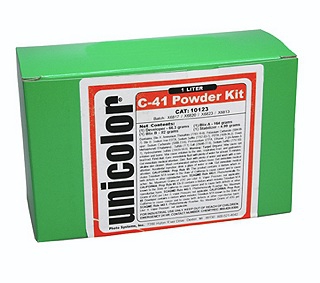
Does anyone know of a reliable source for C-41 Film Negative Processing Kits in Canada?
(Or of a source in the USA that ships to Canada?)
I’m looking to take control of my colour film developing, just like I have with my B&W, but it seems like most places only stock the B&W chemistry. Those that stock C-41 kits place severe shipping restrictions.
Film guru Mark E. (no relation to Sheila E.) once directed me to this company, but when I enter their website I’m warned by my browser that “the connection is not secure”.
Thanks,
—Peter.
This is in follow-up to this post. The problem with my Nikon D500 was that the green LED light on the back panel was continuously blinking (as if the memory card was being accessed) whether the camera was on or off. This would drain the battery to zero power within an hour — again, whether the camera was on or off.
—
Thankfully, I received a call yesterday that my Nikon D500 was repaired and ready to be picked-up.
Yay!
So, today, I made the hour-long return trip to Nikon in Mississauga.
When I arrived, the nice person behind the counter retrieved my camera and informed me:
Me: Oh. That’s all?
Him: That’s it. It’s fixed now.
Well, prior to taking it to Nikon:
Me: Do you mind if I test it here?
Him: Sure, go right ahead.
(a battery and memory card is placed in the camera… we both stand and watch as the blinking green light turns on… and off… continuously…)
Him: Oh.
Me: This is the problem (that required repair). A technician signed off on this?
Him: Let me take it back inside — please wait here.
(several minutes later…)
Him: I’m very sorry. It seems that there is a hardware problem. It will need to be fixed.
Me: Yes, I know.
–
Needless to say, I returned home empty-handed. Now I’ll have to make a 3rd trip to Nikon, at some point. My guess is that they will eventually fix it, but this interaction did not inspire me with confidence.
I just hope that they haven’t messed up the autofocus.
—Peter.
After one year of flawless performance, my Nikon D500 is in need of repair…
–

–
Fortunately it’s still under warranty.
But…
Tonight was the night of my son’s choir solo!
So, I loaded my Leica M3 with this:
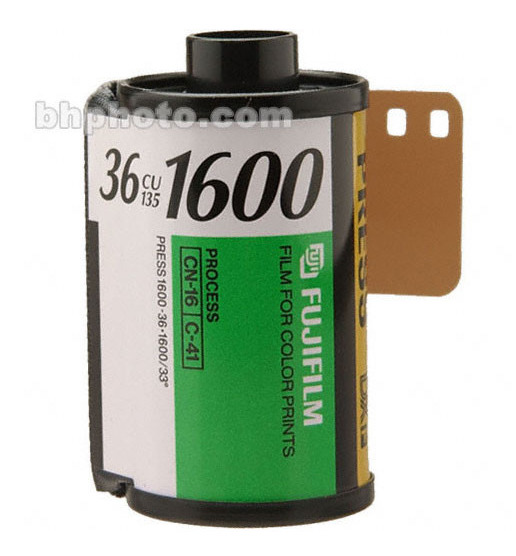
↑Fuji Superia 1600 image courtesy of B&H
–
Yes, my Leica M3 + Undisclosed Lens #1 + ASA (ISO) 1600 Fujifilm.
Next week, I’ll have the roll developed and scanned.
Fingers crossed!
—Peter.
People sometimes write and ask me how I test a given Leica lens + rangefinder combination for focus accuracy.
Well, for near distances I trust the good people at Vaseline.
On a related note, I dislike the grunt work of testing film equipment. The arduous process of developing and scanning film seems even more arduous when the test results are off. That is why I rarely sell gear that I know is working well (ha, ha…).
Fortunately, this time everything looks good.
—Peter.

↑ Leica M3, Leica 50mm Summilux ASPH, Kodak Tri-X 400, and Plustek 8200i.
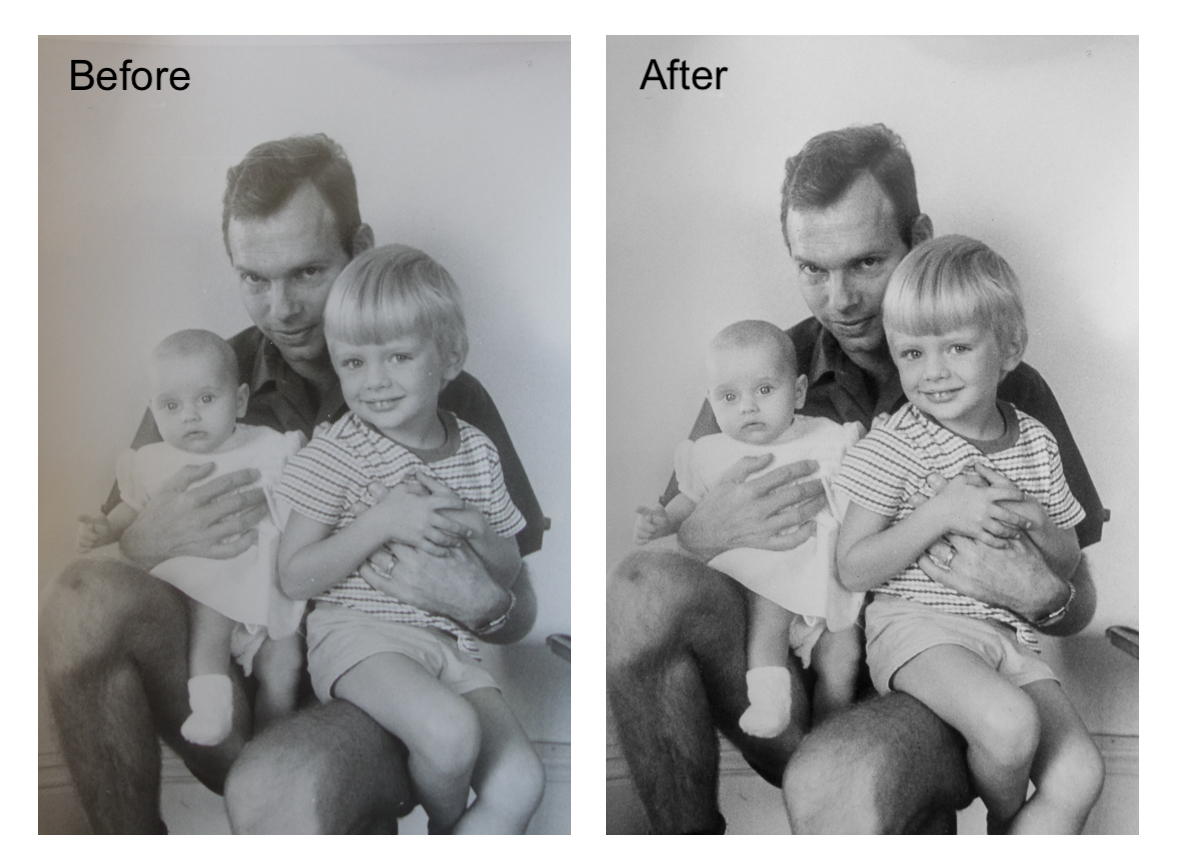
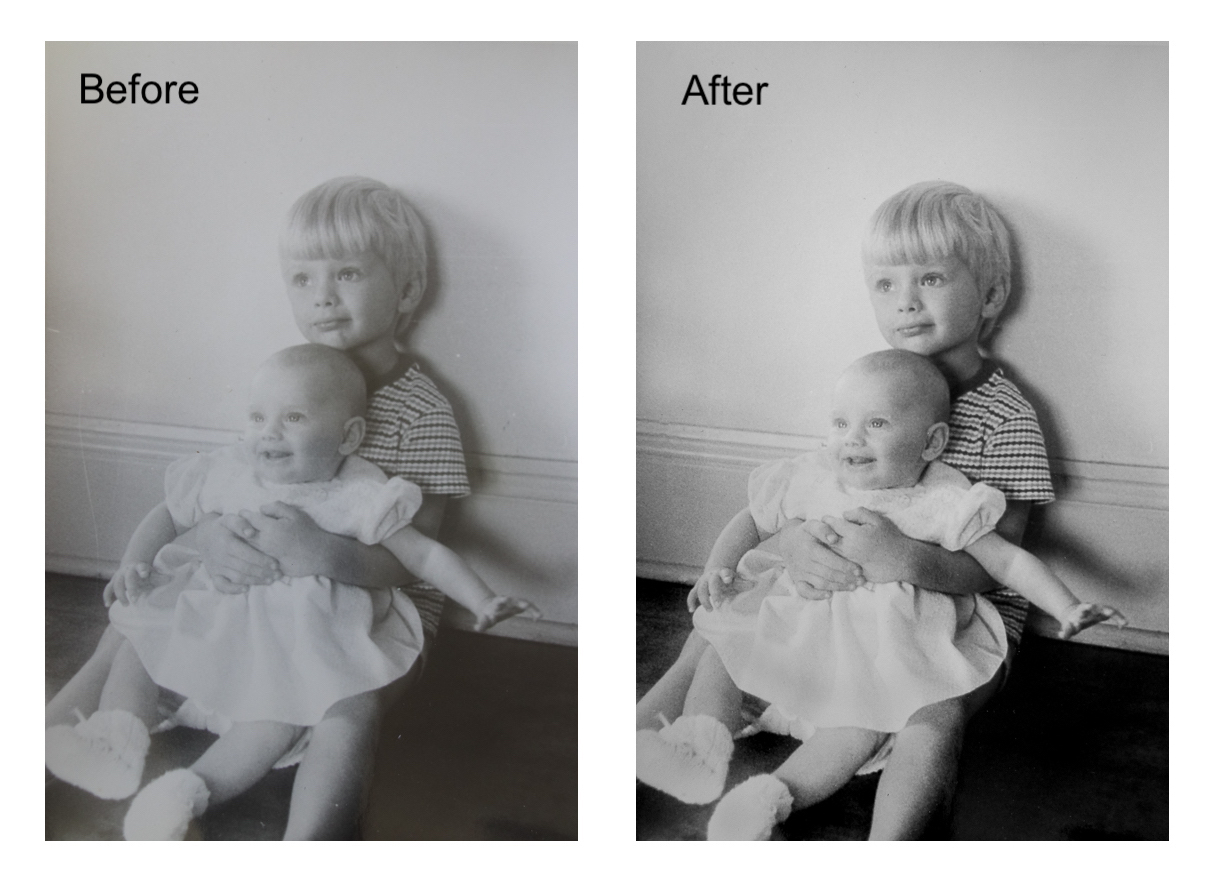
These photos have been in my wife’s family for decades but they have begun to discolour, fade, and disintegrate.
So, yesterday I tried my hand at digitally restoring them.
Technique:
My goal was not only to restore them, but to preserve the integrity/intent of the original images, by not altering them in any significant way.
—Peter.


Yesterday, I had the pleasure of handling every single M rangefinder camera model Leica has ever manufactured (including a few limited edition examples of each).
And although I’ve previously worked with most of these cameras, I’ve never had the opportunity to handle all of them at the same time so that I could compare their build quality, viewfinders and shutters.
The one that remains my favourite is the Leica M3.
Many photographers have previously discussed why the M3 is regarded as perhaps the best M camera Leica ever made, so I won’t re-hash all of that here.
Others, it will come as no surprise, disagree with that assessment and have been quick to point out its faults. Even I recognize its not-too-insignificant shortcomings.
For example:
Do I wish the M3 had 35mm frame lines? Yes.
Do I wish the M3 could focus closer than 1 meter for most lenses? Of course.
Do I wish the M3 had a built-in light meter? Sure.
But, I know that the addition of each of these features ultimately takes away from something else. It essentially ruins the formula that makes the M3 the M3.
(Incidentally, the compromises inherent in every camera design decision is why a photographer who sets out to find the “perfect” camera is, in actuality, on a fool’s errand — and all of us have been guilty of playing the fool.)
Still, the sense of purpose and dependability that the M3 brings to the pursuit of photography seems unmatched by every other model.
I can tell you that its build quality really is second to none. Pick up an M3, and it truly does feel like a solid and singular block of matter. It’s an illusion of course, because the M3, like all subsequent M cameras, is made from a plethora of parts:
–
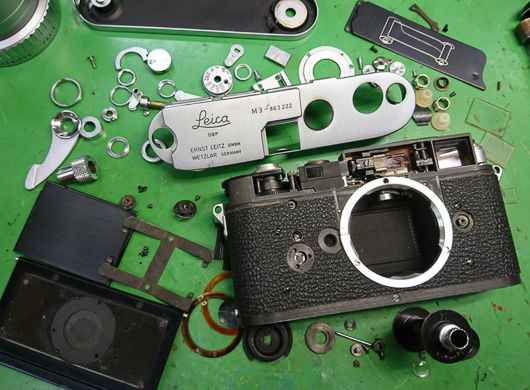
(↑ re-building of a Leica M3 by Kanto Camera)
–
But, in the M3, the decision process around which parts were chosen and how they were put together was done with the least number of compromises. It’s evident when you pick one up. Even the much-glorified modern film camera reincarnations of the M3, the Leica MP and M-A, feel somewhat tinny and hollow in comparison.
Besides build quality, the other attraction to the M3 for me is its clear viewfinder, which is the most resistant to flare and has the highest magnification of any M. These qualities are very helpful when composing and focusing. The view is also uncluttered. In comparing the M3 viewfinder to the one found in the digital M10, where bright and blinking LED frame lines compete with the subject for the photographer’s attention, I can’t help thinking that, somewhere along the way, Leica lost its focus, so to speak.
(But I know I am in the minority on this, since — more and more — blinking visual aids are the preferred feature set for many photographers.)
And, as much as I would love it for the M3 to have an internal light meter, I have to admit that, once again, the blinking lights in the M6, M7, and MP viewfinders seem to distract more than aid.
Am I being picky in writing all of the above? Yes, of course.
Could I go on, and on? Unfortunately, yes 🙂
But I will stop here. The truth is, all of the M cameras do an excellent job of getting out of the way of the photographer. For me, however, the M3 does it best.
—Peter.
Earlier today, I second-guessed the image quality arising from my digital vs. film cameras so I decided to do something that has always helped clarify things for me: print the images in a semi-large format (in this case 12 x 18 inches).
The verdict: both the digital and film files look very good. I’m sticking to both formats.
The Nikon D850, in particular, really shines when it comes to producing pleasing prints. The files are exceptional.
The real shocker for me was the quality of the files arising from the sometimes-maligned Nikon 58/1.4G. My goodness! Despite what the objective tests involving brick walls show, the colours and perceived sharpness in the prints from the 58/1.4G are better than what I used to get from the highly regarded Sigma 50/1.4 Art. Take that DxO!
—Peter.

I’m curious what camera gear was used for these amazing images.
The photographer is Joakim Eskildsen. I looked him up and in the past he has used medium format film cameras, especially the Pentax 67. However, the images in the article look digital. Either way, his work is quite impressive.
—Peter.
UPDATE March 23, 2018: Thanks to a dear reader who contacted Mr. Eskildsen, I can now confirm that the images in the article were taken with a Pentax 67 (+ 55mm or 75mm lens).
A little late in coming, but I needed to be sure.
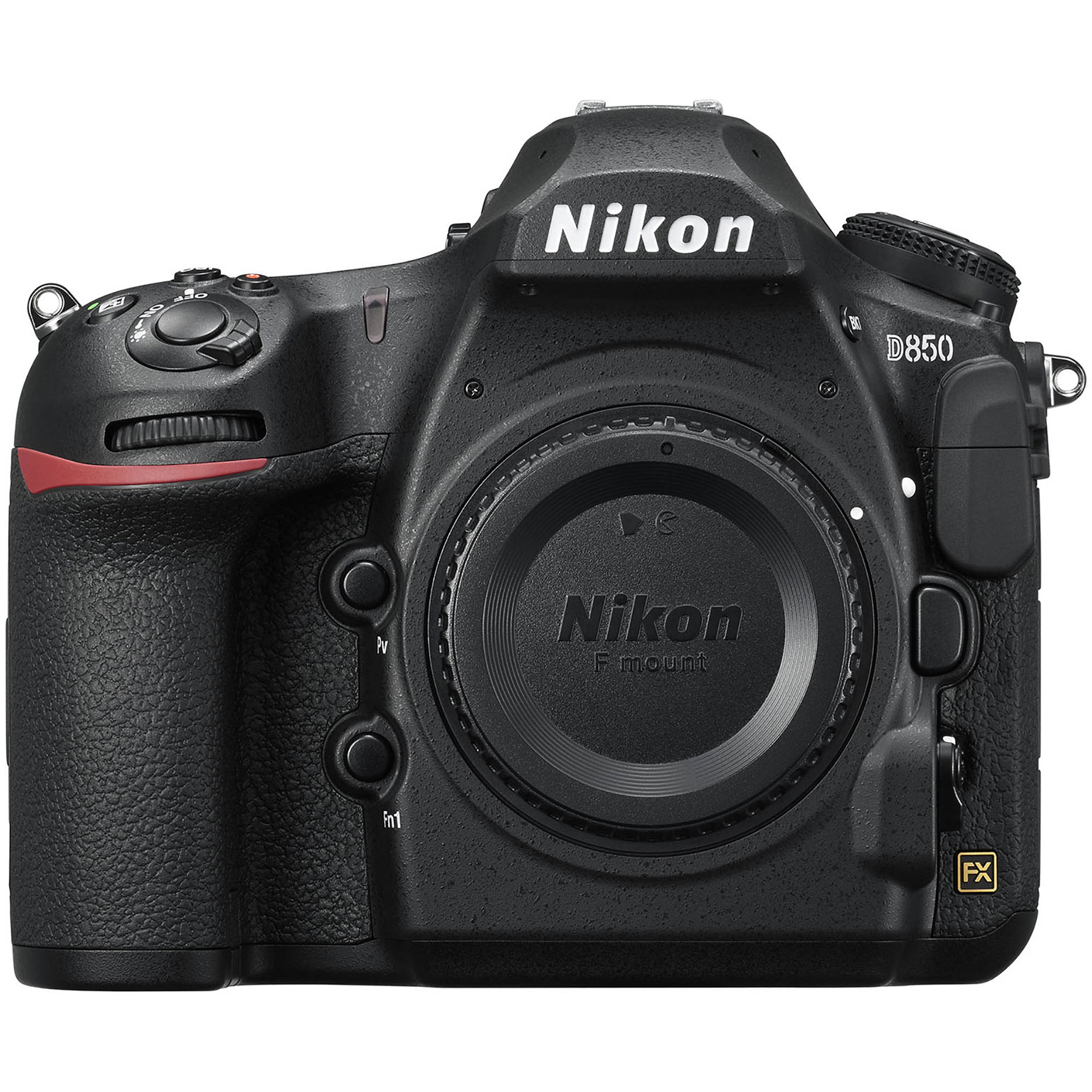
My camera(s) of the year:
–
–
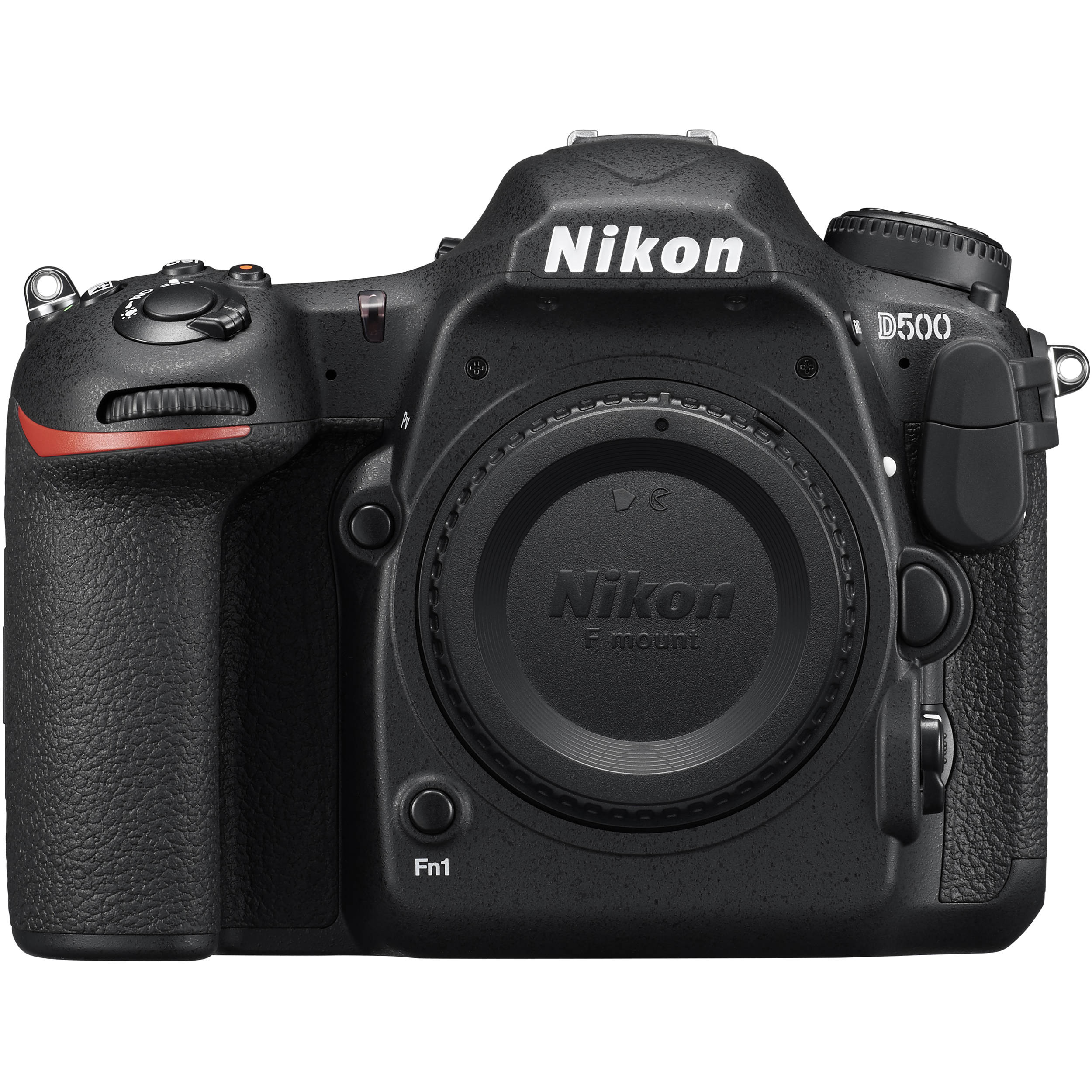
With these two cameras, there is nothing I can’t photograph.
As a bonus, they share the same battery and external controls.
The perfect duo.
—Peter.
–
2016: Leica M9/M-E.
2015: Leica M9/M-E.
2014: Leica M9/M-E
2013: Leica M9/M-E
2012: Leica M9/M-E
2011: Leica M9
2010: Leica M9
2009: Leica M9
2008: Leica M8/Nikon D3
2007: Leica M8/Nikon D3
2006: Leica M8

I received the question below via email yesterday and I thought I would share both it and my answer (expanded somewhat for this post) since I’ve been receiving many similar questions lately.
—Peter.
Hello Peter,
I’ve been thinking a lot about your comments… trying to decide if I’m going to change anything.
As much I love the [Leica] SL, I’m not going to keep it. The autofocus is good, but I’d say not great. Autofocus always seems to be a love/hate thing for me. I suspect the [Nikon] D850 would probably autofocus better. I’m getting real close to pulling the trigger on the D850 and likely the 58mm you have. The only reason I haven’t, is the size of the outfit, and do I really want to start investing in another platform.
Then there is my [Leica] M10/M9 debacle. I have and really like the M10, but in the end maybe I should just use my M9 once it’s back with the new sensor. It would certainly make for a better travel outfit. I’m curious why you didn’t keep one of your M9s just for travel. If it’s dollars, it certainly makes sense. While I considered keeping the SL + M10, I really felt it would be financially irresponsible for me…
Any thoughts on the [Hasselblad] X1D? I love the size and sensor, but I’m sure it would not make as good all rounder as the D850.
Anyway, loved your image today of your wife and son. It’s really nice.
Mr. TM.
My response:
–
Hi TM,
Regarding the Leica M9 and M10:
Regarding the Hasselblad X1D:
Regarding the Nikon D850:
Thank you for your good words!
—Peter.
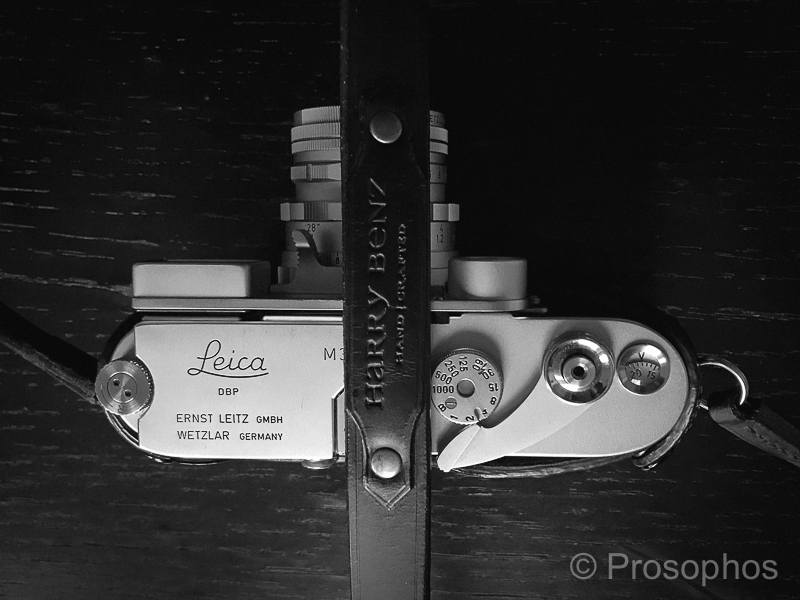
My first interaction with Harry Benz was so nice, I came back.
This is the The Brogue Wingtips strap without the punched-out holes.
Custom made to 123 cm in length, black, with Fuji-type split rings (easier to attach to camera but strong enough to easily support the M3).
When you order it like this, Harry will know I sent you 🙂
—Peter.


 Prosophos