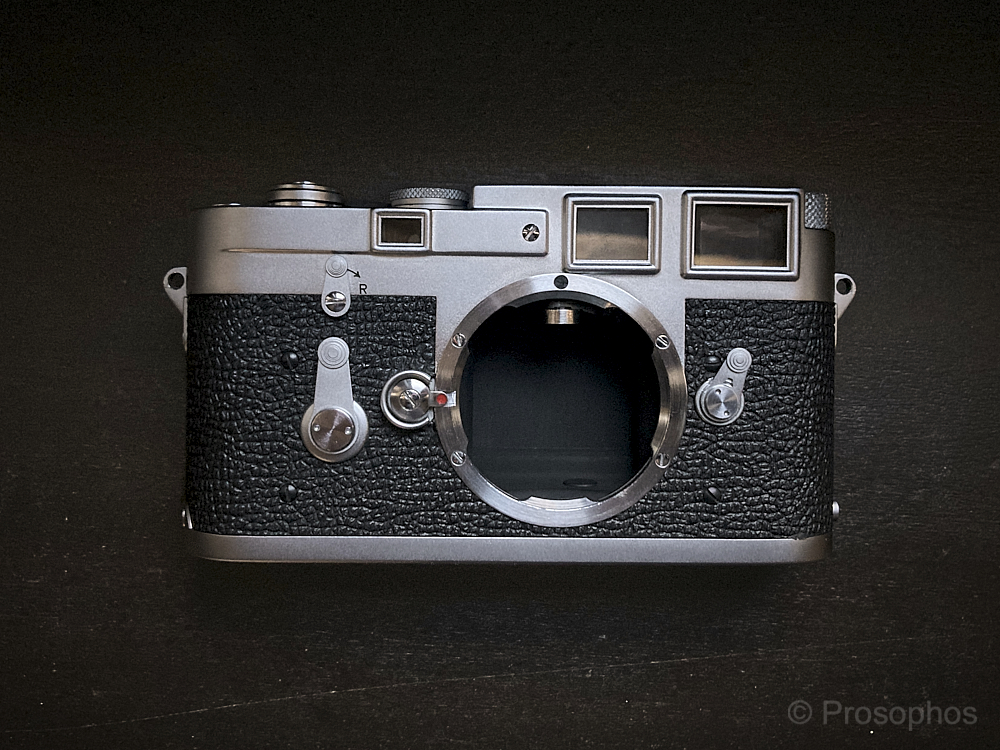
Just shot a test roll of Kodak Gold 200 with my new-old 1957 Canadian Leica M3, and things look good!
Nothing artistic here, but there’s a whole lot of info telling me the camera’s rangefinder focus and shutter speeds are working well.
—Peter.
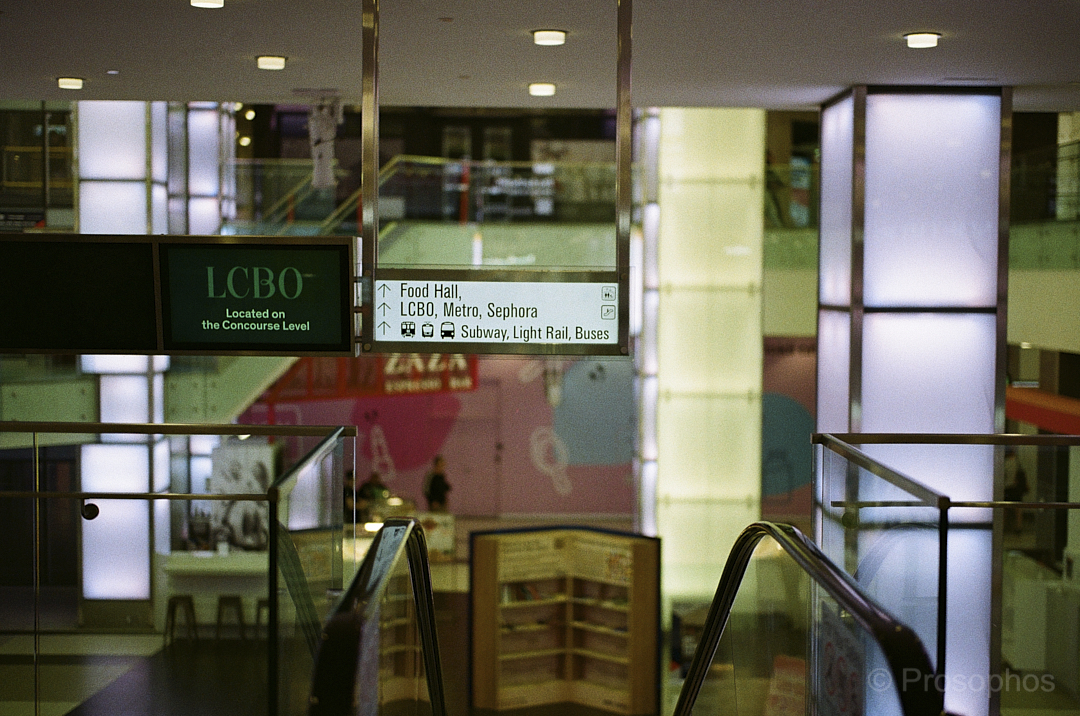

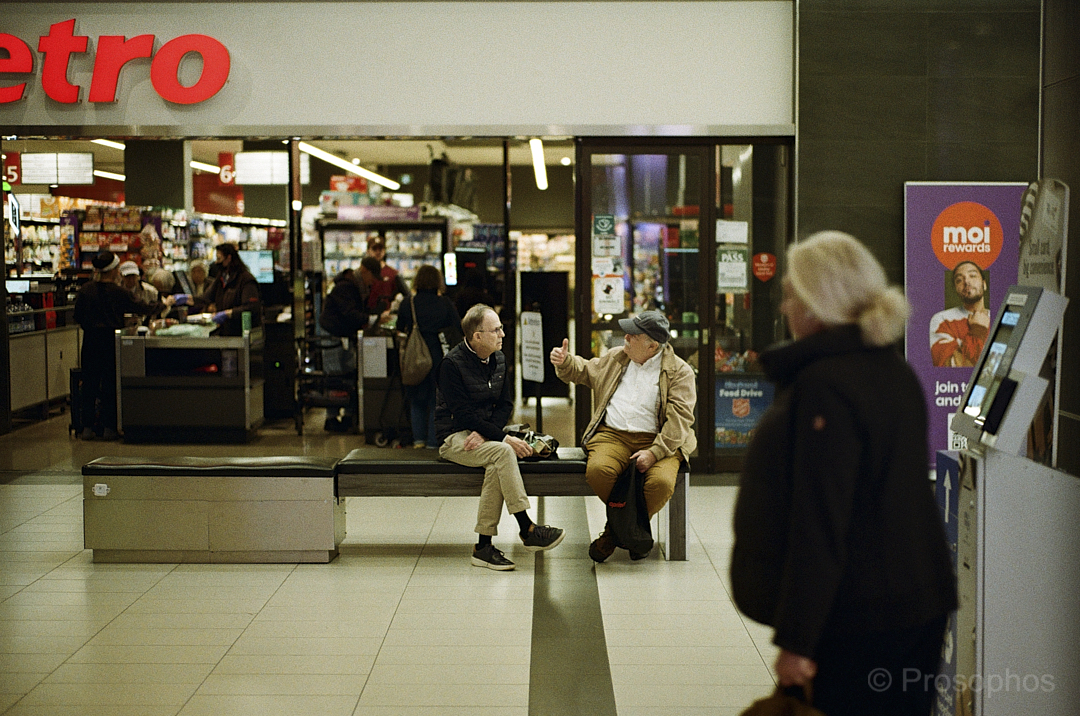
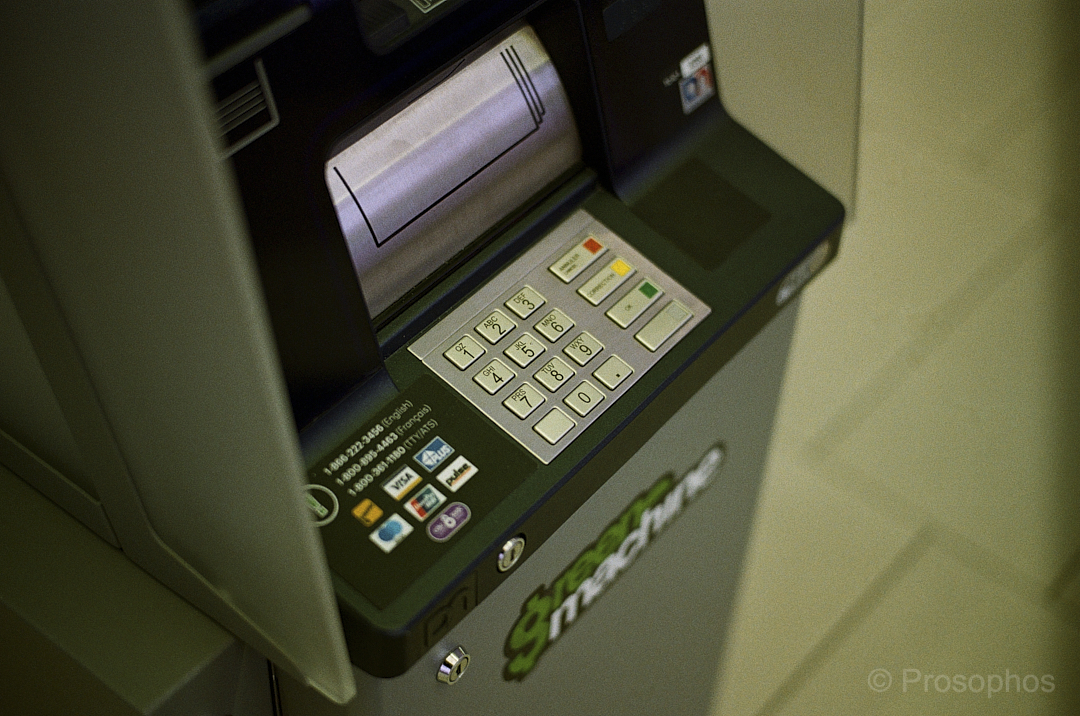
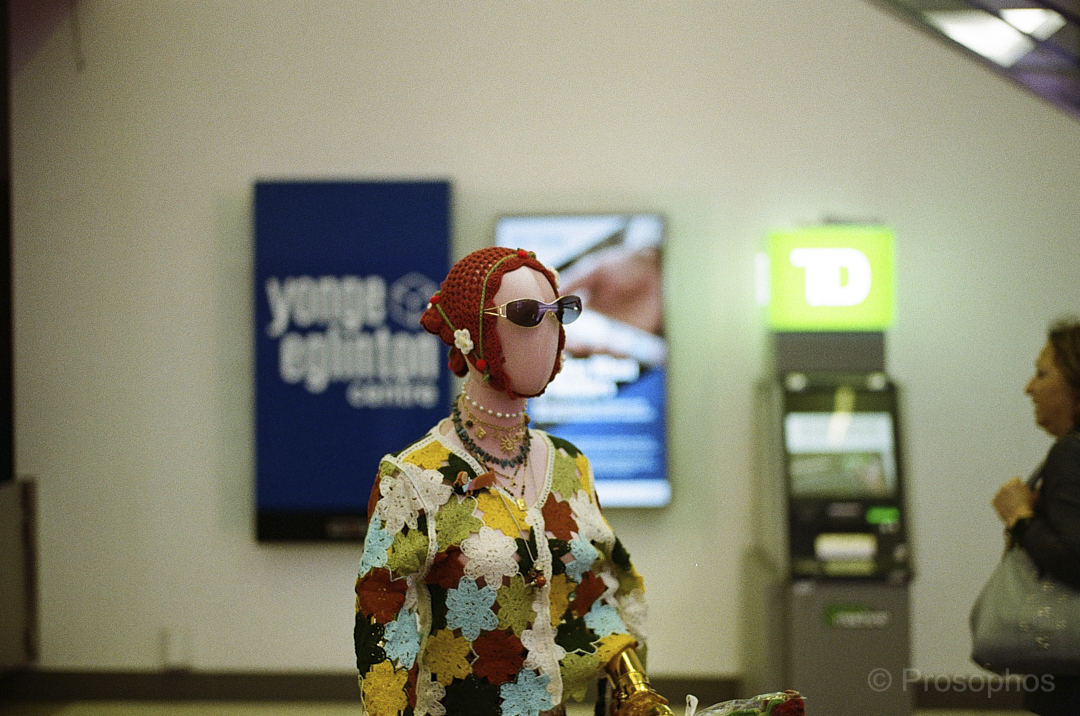
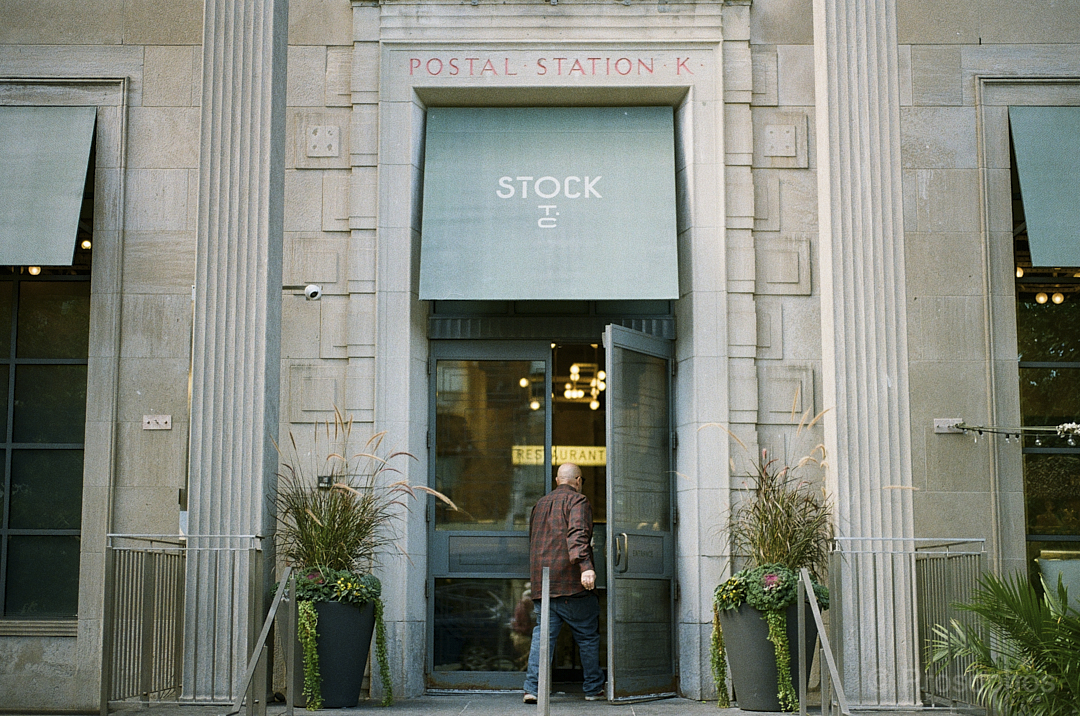
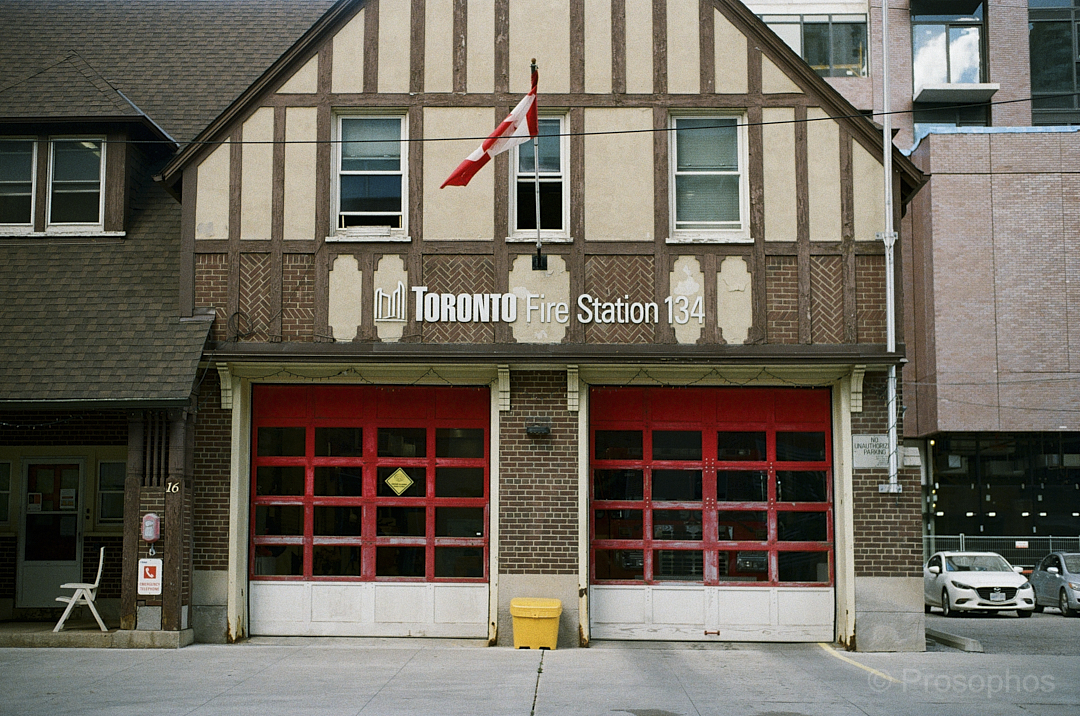
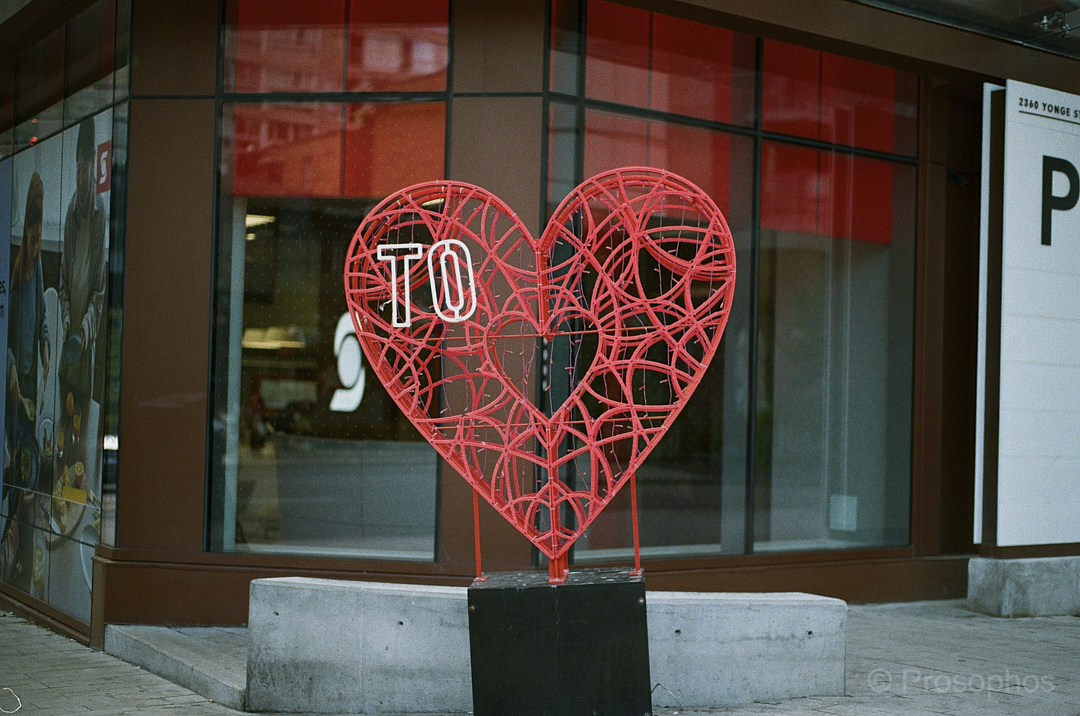
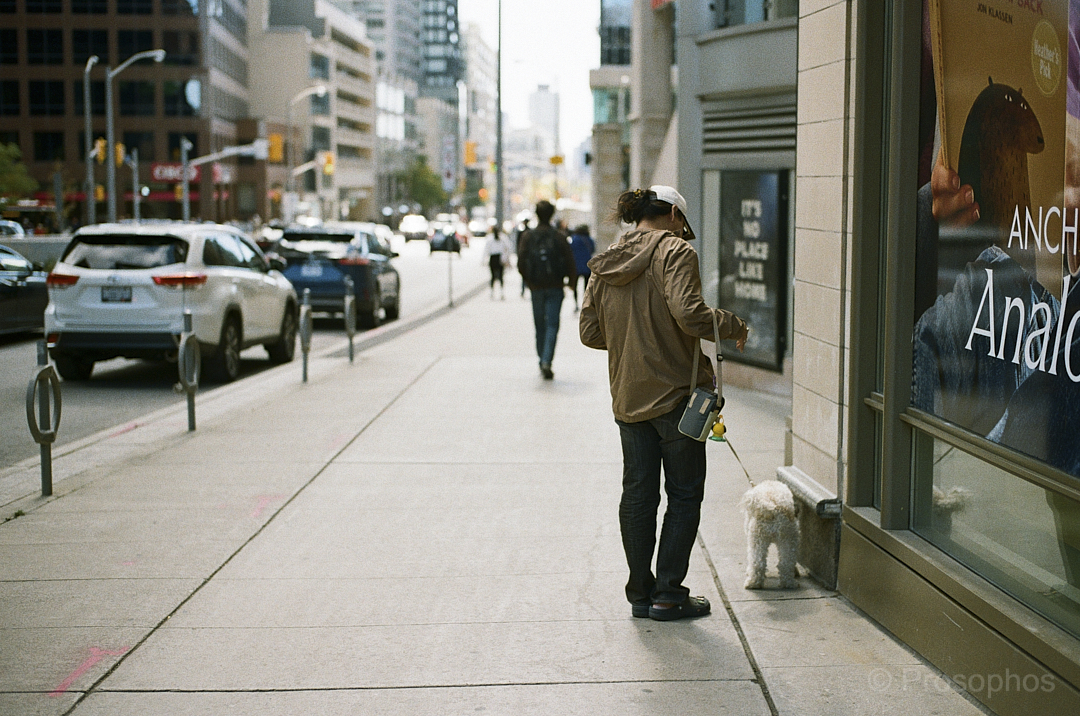
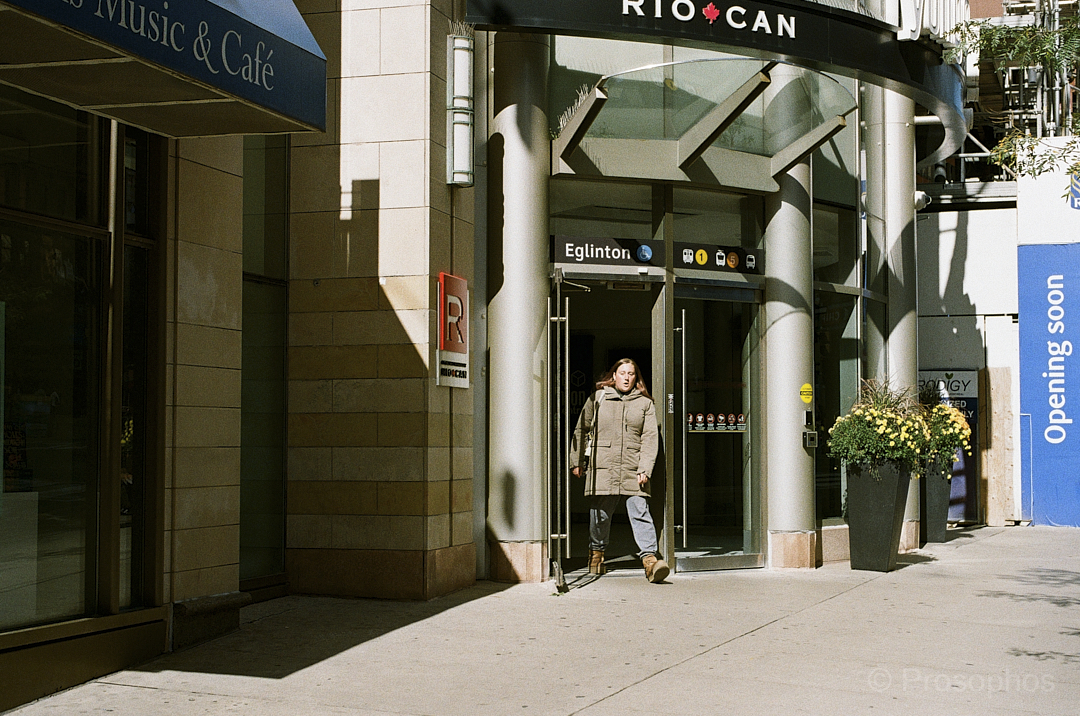
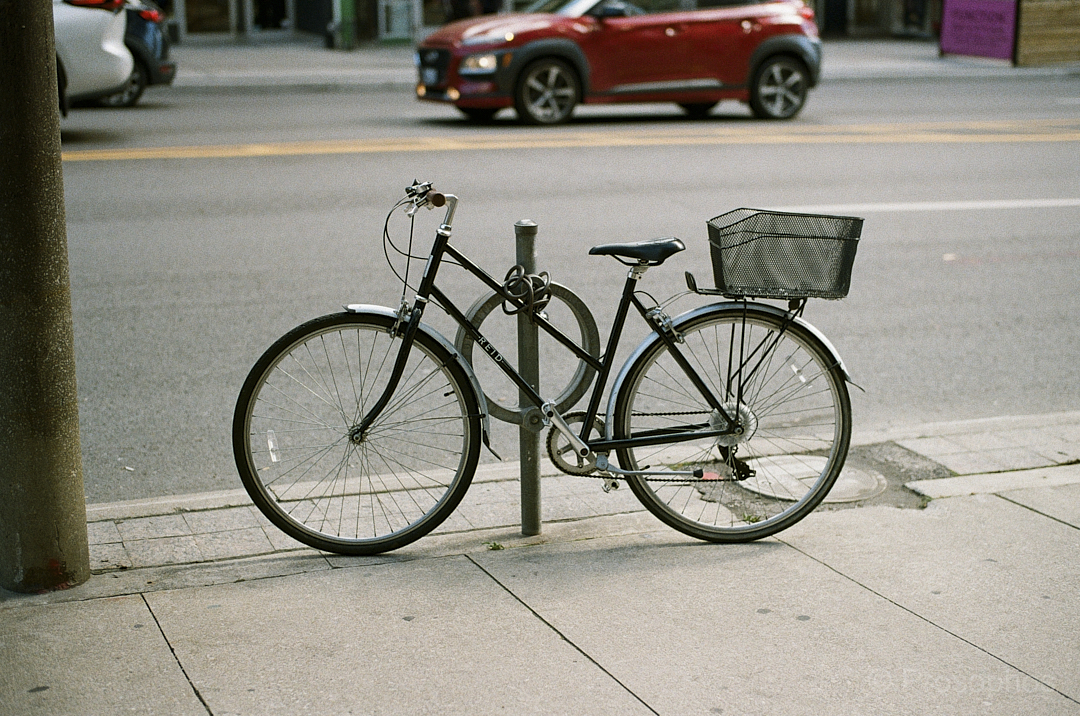

Just shot a test roll of Kodak Gold 200 with my new-old 1957 Canadian Leica M3, and things look good!
Nothing artistic here, but there’s a whole lot of info telling me the camera’s rangefinder focus and shutter speeds are working well.
—Peter.
My love of the Leica M3 has been shared for many years on this blog (including recently), both via photography and with words, but it’s nice to encounter a fellow admirer of this legendary camera who somehow manages to inspire me all over again.
I’ve seen this video a few times since it was released and, just in case you haven’t, do yourself a favour and watch it. Taylor Jackson does a stellar job of discussing why the Leica M3 still stirs the hearts of photographers everywhere, nearly three quarters of a century after its introduction.
—Peter.
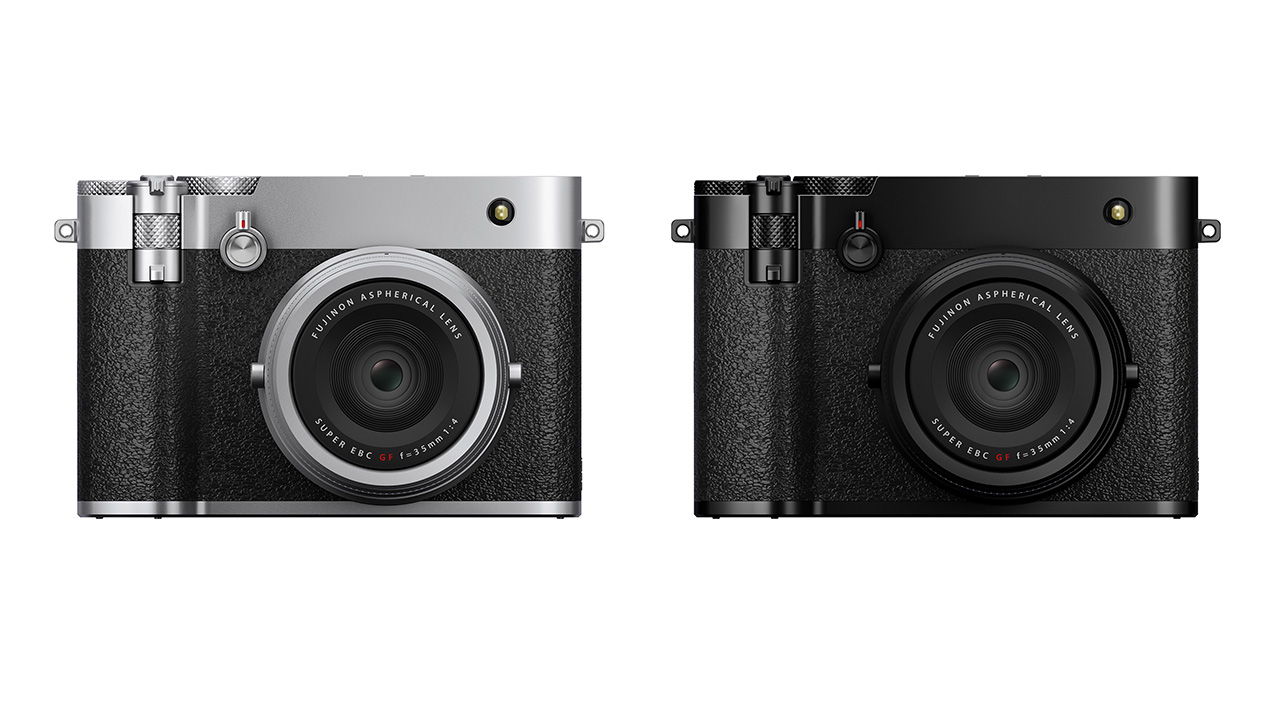
Back in March 2025 when Fujifilm first announced the release of the GFX100RF, I posted some thoughts about it.
I ended up being one of the first photographers to get one and after all of this time using it, in all sorts of conditions, I can safely say it’s my favourite camera.
If I’m heading out the door to photograph, it’s the camera I want to take with me. And that says it all.
—Peter.
Yes I know, colours can be tweaked easily when working with RAW files, and colour perception and appreciation is subjective, blah blah blah, but…
Files that provide a more true-to-life colour profile as a starting point often result in images that are more visually pleasing than those with a bad starting point. And it is not always possible to bridge that divide, especially with skin tones, greens, and blues.
Admittedly, this doesn’t matter so much if you’re going to apply heavy-handed plug-in filters to your images.
With all of this in mind, the two cameras that I’ve encountered that have the best colour science straight-out-of-the-camera are:
I kind of like what Sigma has done with the BF colours too, though they are not true-to-life.
—Peter.

… why my viewership has significantly increased this week?

I have an unsettling feeling that my data and images are being mined by AI.
—Peter.
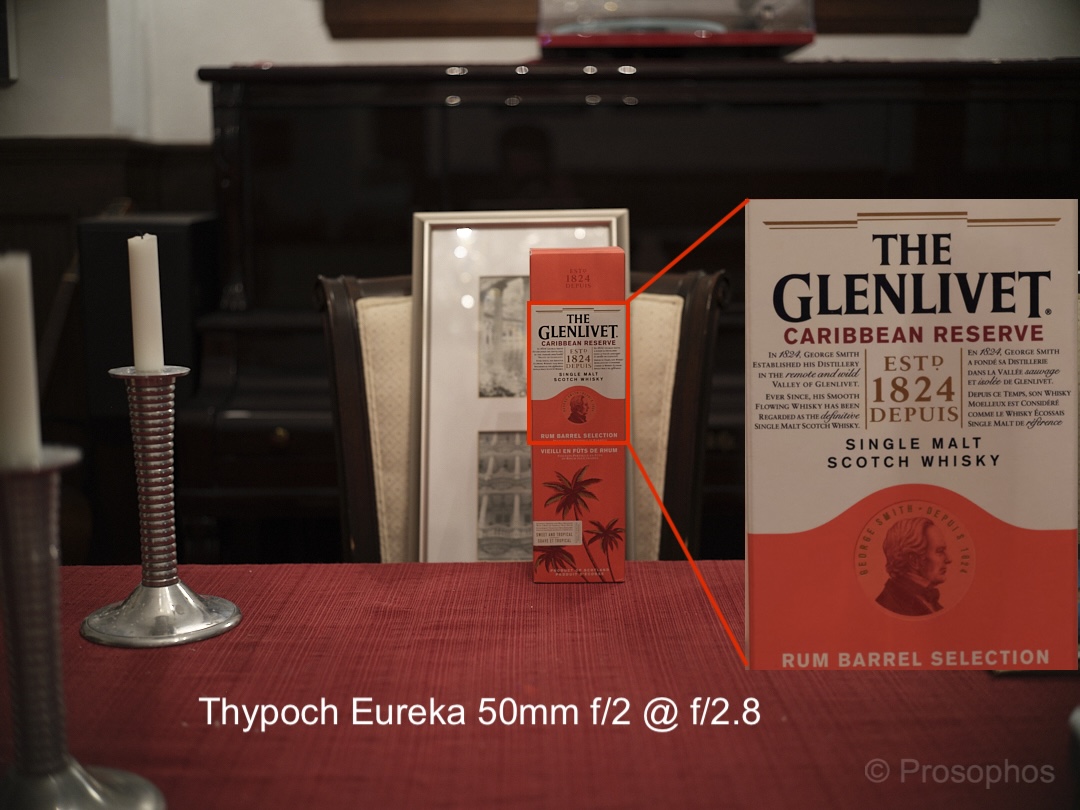
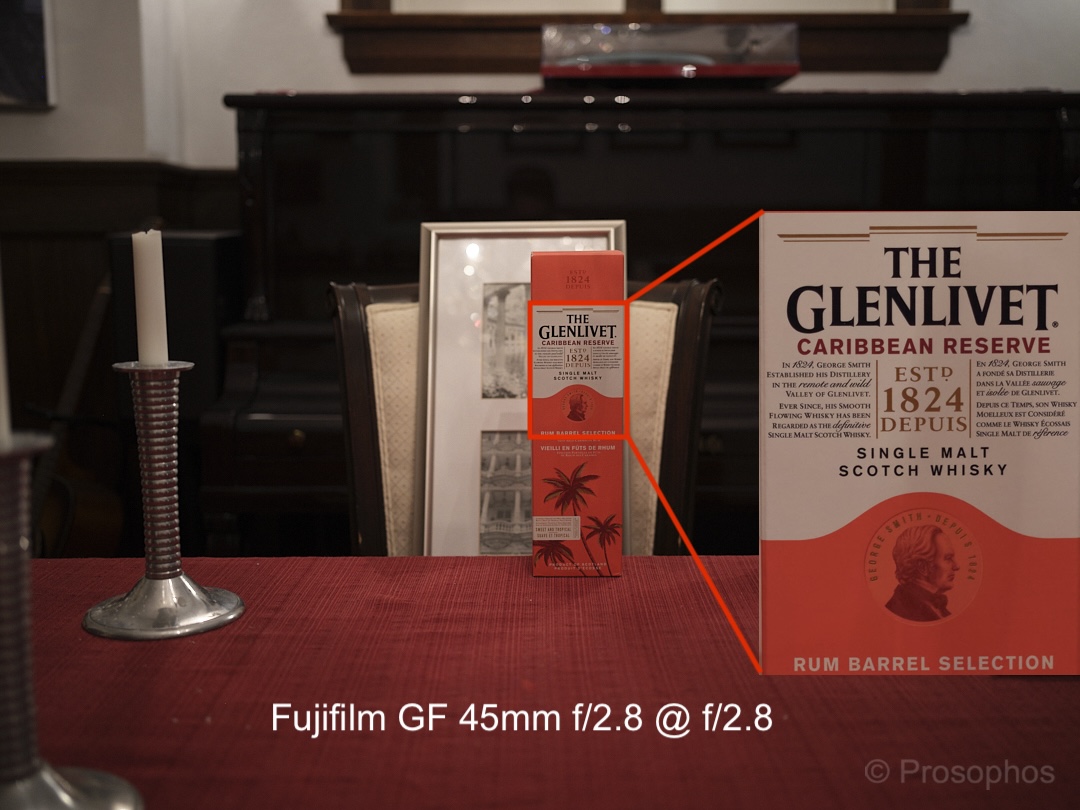
We’re testing for central sharpness, with both lenses at f/2.8, on a Fujifilm GFX100SII.
For the GF 45mm, this represents wide open performance. The Thypoch 50mm is slightly stopped down, which gives it an advantage.
Looking at the images, the GF 45mm wins. However, the result is much closer than I expected, even though I already knew the Thypoch performance is impressive.
With the Fuji lens, you also get autofocus, weather sealing, and less vignetting. With the Thypoch, you get a maximum f/2 aperture (not shown here), and a much, much smaller and lighter lens.
For me, both lenses are keepers.
—Peter.
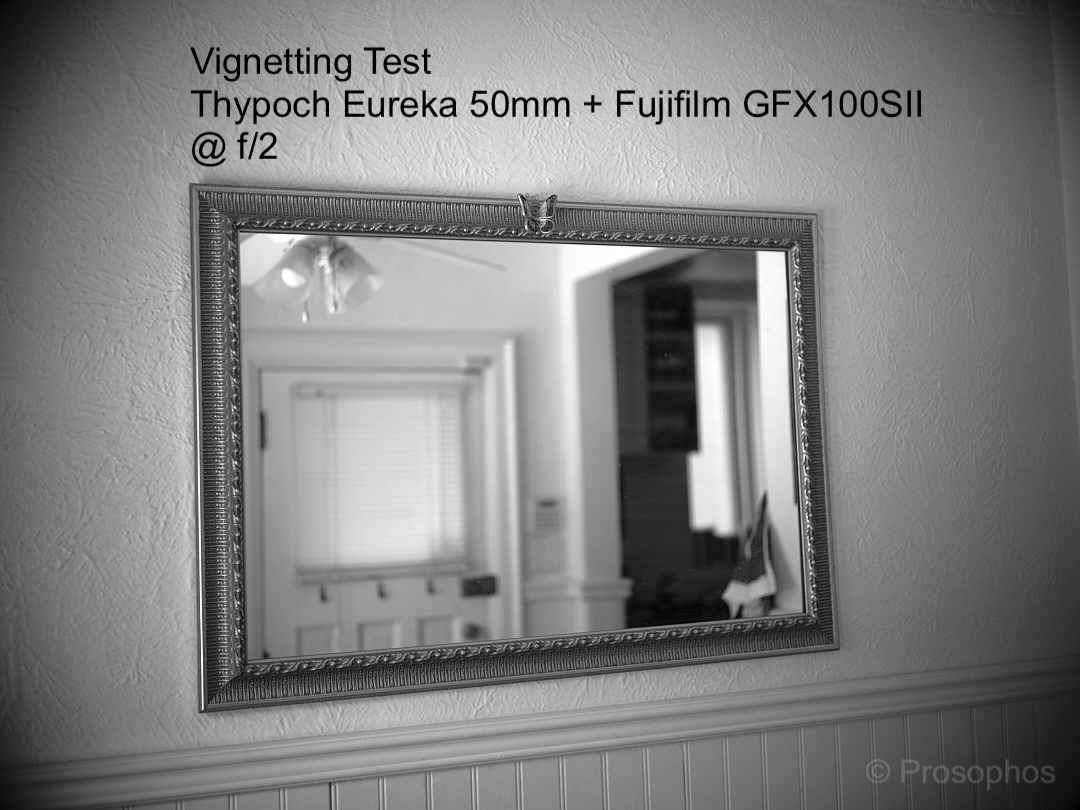
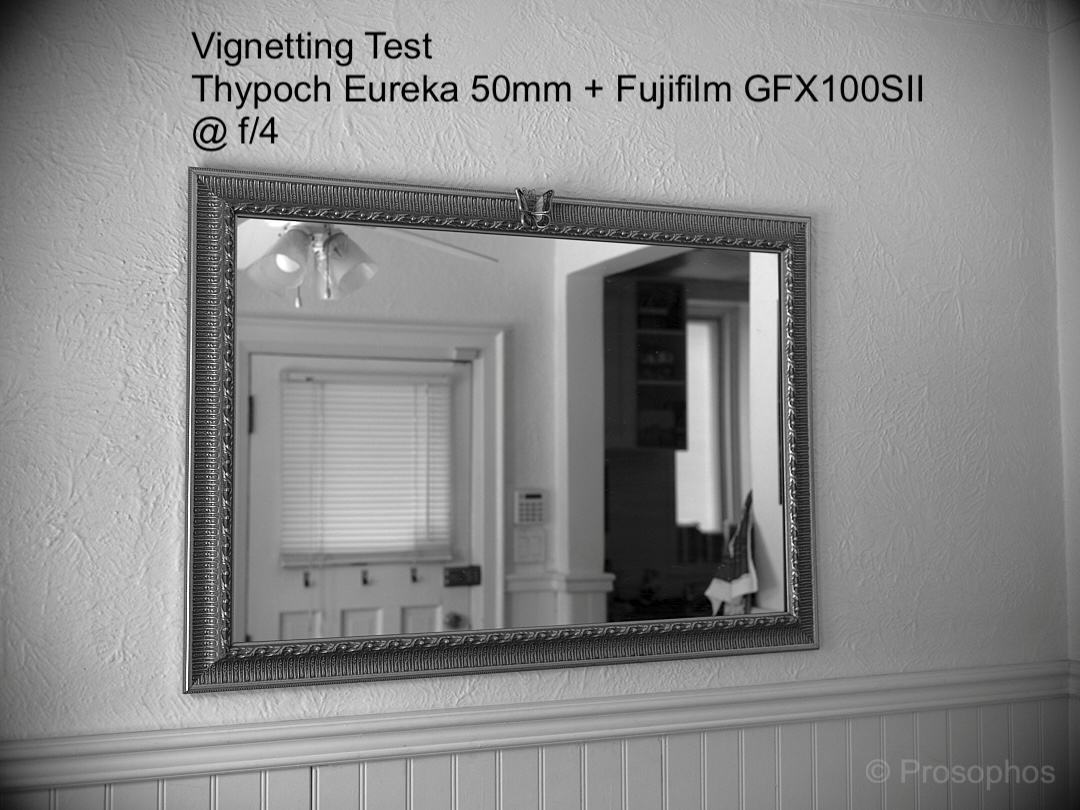
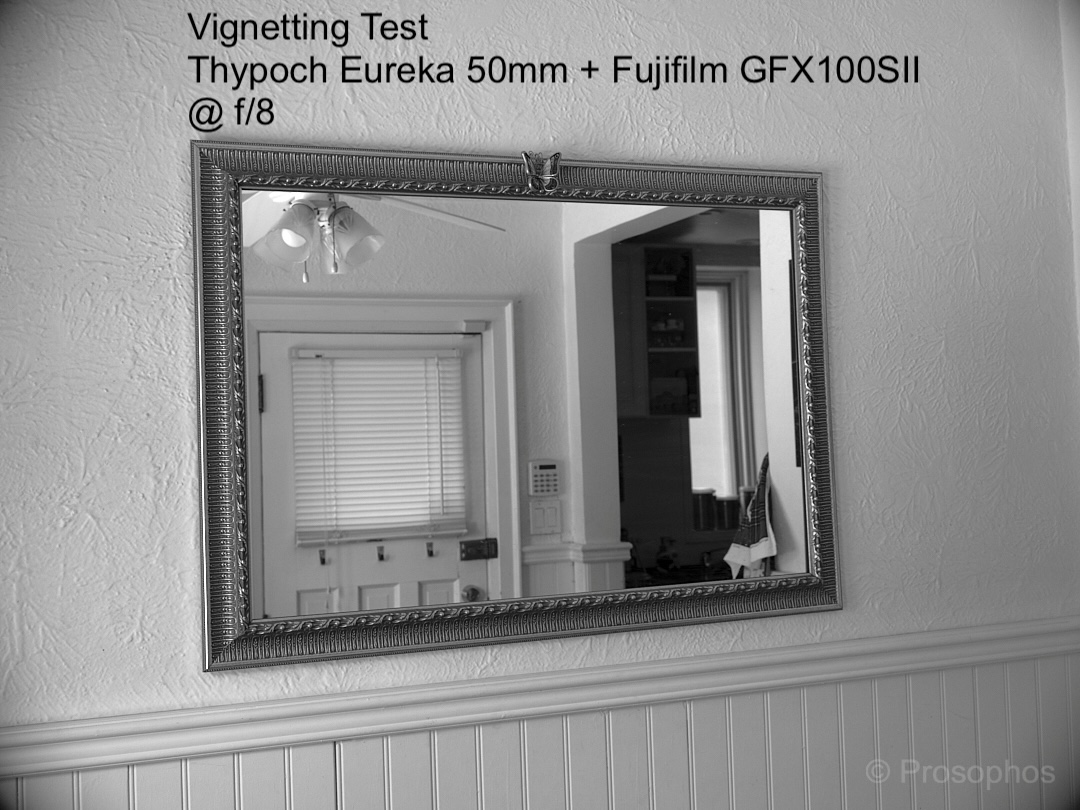
This sequence was shot with the Thypoch Eureka 50mm f/2 lens on the Fujifilm GFX100SII, using the camera’s native (4:3) aspect ratio (i.e., whole sensor, uncropped).
Although the vignetting improves as we close down, the dark corners do not fully disappear.
I don’t find it to be too troublesome for most photos, as a slight crop (or even correcting the horizon), excludes much of the troublesome bits from the final image. The rest of the vignetting can be largely corrected during post processing.
In dimly lit scenes, I find the that the vignetting/dark corners enhance the final image.
Considering how small the 50mm Eureka is, it is incredible how well it covers the GFX100SII medium format sensor. I’m also impressed that its sharpness is maintained throughout the frame and there is only the slightest dip in the edges.
—Peter.
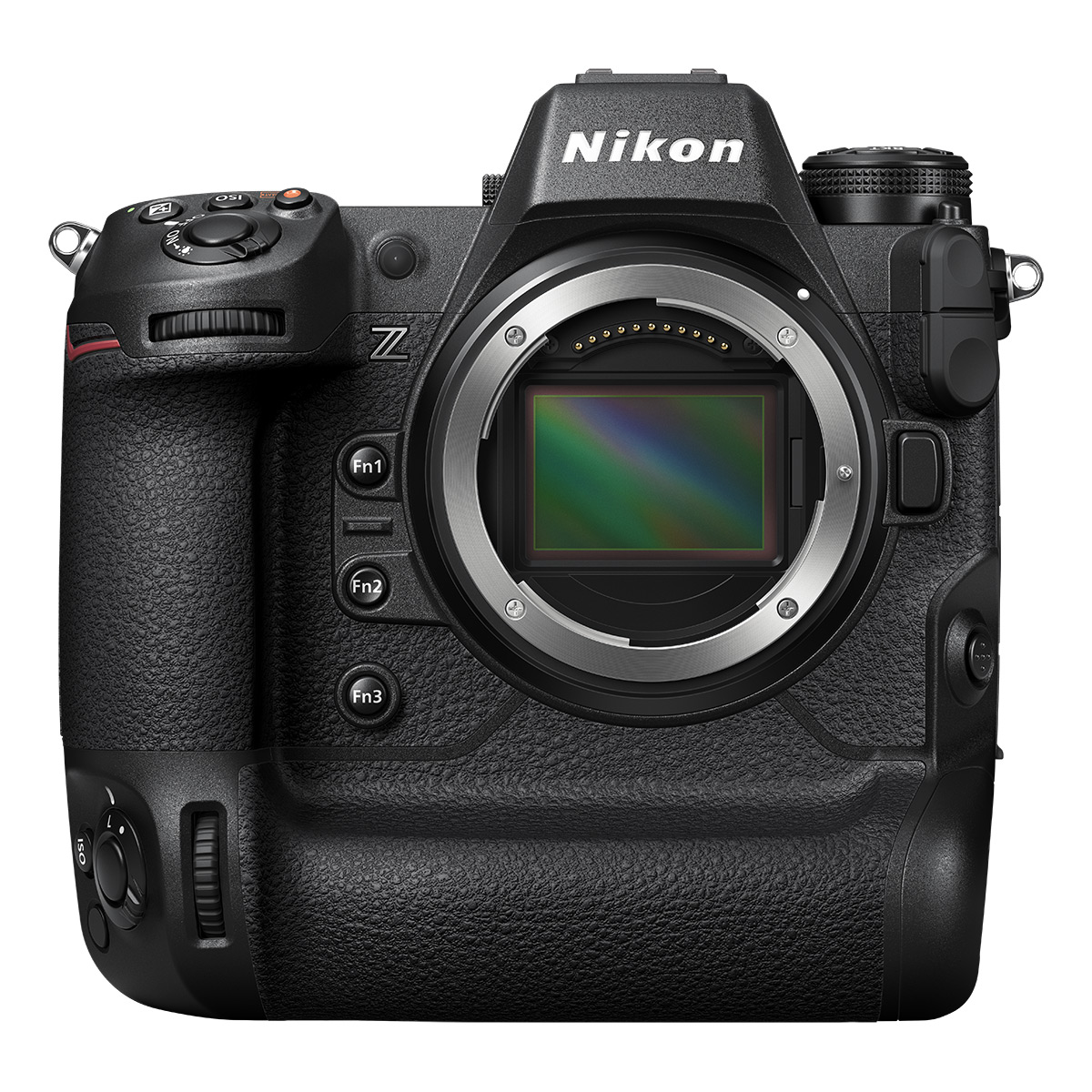
The Nikon Z9 is one of those rare cameras that I bought right at launch, so I’ve been using it for years now. Today Nikon released yet another firmware update and, needless to say, I am really excited about it.
Every year it seems that there is some major upgrade to the Z9’s already mature firmware, giving us essentially a brand new camera with respect to its functionality. I hadn’t expected another update so far along the product cycle, but voila! Nikon has given us an early Christmas present.
(For those keeping score, the only other two cameras I’ve ever, ahem, “clicked with” and kept for years were the Nikon D3 and the Leica M9.)
—Peter.
This is a test shot from the Thypoch Simera 28mm f/1.4.
In my estimation, Thypoch has out-Leica-d Leica.
Well done, Thypoch.
—Peter.
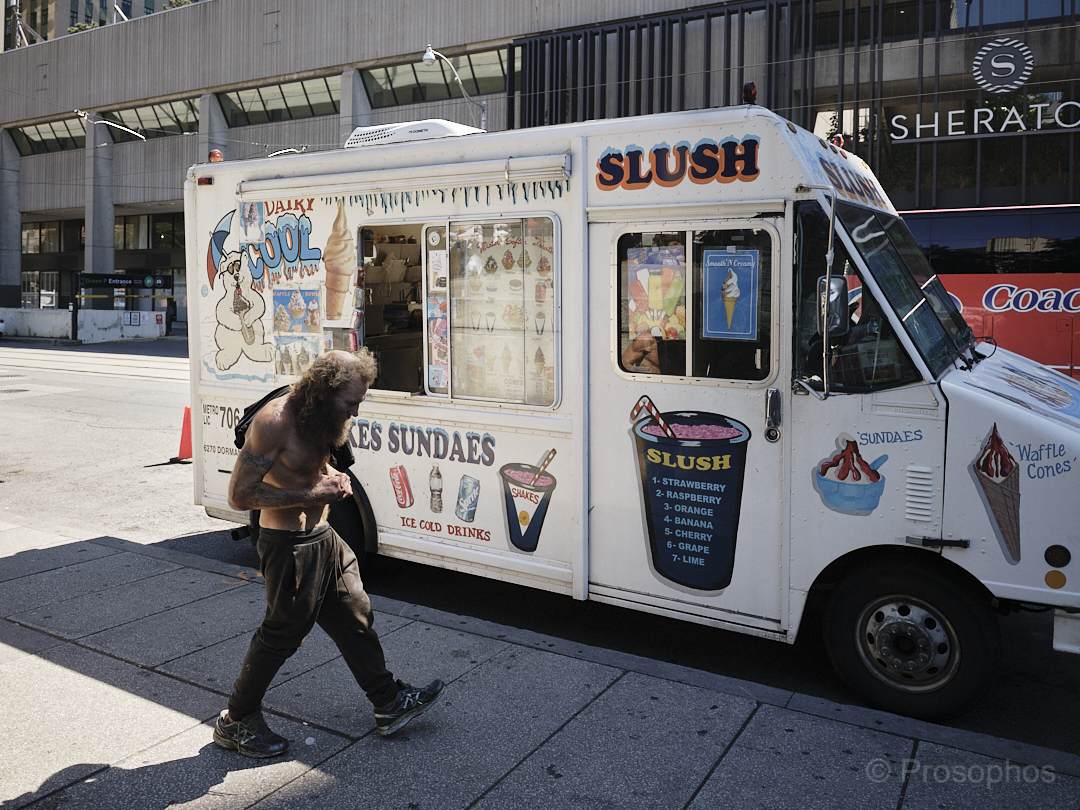
–
I hesitated posting this one, as in all my years of photographing I have never photographed a homeless person. It’s a very sensitive topic, as some people believe it is never an acceptable thing to do, while others take on the view that homelessness is part of our society and as photographers we are obligated to document everything, including those among us who are most vulnerable.
I’ve shied away from it, mostly because the idea of photographing a homeless person seemed too easy/lazy as a photographer and, yes, in some ways disrespectful.
So why the exception here? Well, I had framed this scene hoping someone would come by to buy an ice cream cone. But the first figure that entered the scene was this man. The photo does shed light on the less polished reality of downtown Toronto, so in that way I do believe I am documenting something true, something real. At the same time, I hope I’m not taking advantage of this man.
—Peter.
Overall photo.
You might like this image, or you might not. But if you do like it, it may be because of the composition.

–
Figure 1: Leading lines.
Here we see all the lines that converge and draw your eye to the subject. Specifically, the line of fountains ends with the woman and the curve of the outside arch and city hall “pod” also lead to her.

–
Figure 2: Harmony of extending lines.
The cardboard cutout and shadow on the taller city hall building blend to become a sweeping curve. Similarly, the arch extends to the woman’s back leg. Both converge to form an “X”.

–
Figure 3: Repeating triangles.
Within the main subject we see repeating triangles that are formed by her arm and cutout positioning, and the timing of her stride.

* * *
Hope you found that useful. Of course I didn’t plan any of it when taking the photo, but after seeing it I was trying to understand why I liked it. Maybe you have additional thoughts about what works… or maybe you just don’t like the image at all 🙂
—Peter.
Every Day Camera, which one?:
Thanks for your vote (in the comments).
—Peter.
Standard adapter minimum focus distance:
–
Macro adapter minimum focus distance:

Fuji just released the GFX100RF and I’m going to state my bias right away:
–
–
The fact that it’s Fujifilm doing this is not surprising, since they already produce digital medium format cameras and they were the first to kick-start the whole premium fixed-focal-length-lens camera segment with the introduction of the X100 (with APS-C sensor) in 2010. Others followed: Sony with the RX1 (full frame) in 2012, Ricoh with the GR (APS-C) in 2013, and Leica with the Q (full frame) in 2016.
The furthering of this concept to include a medium format sensor is, in many ways, a natural evolution. But until now, no one has ventured to do it.

–
Most of the above can be distilled into two main criticisms:
(1) The lens is slow (f/4)
(2) The camera lacks in-body image stabilization (IBIS).
“Deal breakers” for many. These are valid concerns, I get it. Living in a country (🇨🇦) where it’s dark for half the year, fast (f/1.4) lenses and IBIS are very useful for extracting as much of that scarce environmental light as possible.
So why does Fujifilm have a winner in the GFX100RF?
–
–
Period. That’s it. “It’s the size, stupid“… and the size is stupidly small.
Fuji clearly made that the over-arching goal in all of their design choices (a.k.a. the aforementioned trade-offs), and they clearly stuck to their vision.
The people who will buy this camera want it to be part of their everyday life. They want to carry it with them everywhere they go.
They may own other cameras that do other things, or maybe not. They may have a lot of money to afford expensive gear, or maybe not. No IBIS?, no problem. They’ll make it work. Slow lens?, that’s okay. They’ll find a way to create the images they want. There are enough photographers out there who value what a medium format sensor brings to their photography who will buy this camera in droves and do whatever it takes, with a big grin on their face, to make it work for them.
Am I getting one? Oh yes.
—Peter.

… for photos taken with my “a Camera” & “a Lens” gear only:
https://www.instagram.com/iseeportraits/
—Peter.
My favourite M camera has always been the 1957 Leica M3.
I stupidly sold mine a few years ago.
But now… it’s back.
—Peter.