You can never go back: De Mello and the D70.

2017, Beyond 200 feet of My House™, De Mello Palheta Coffee Roasters, Favourite, Inspiration, Life's Little Moments, Nikon, Nikon 50mm f/1.8G, Nikon D70, Portrait, Q&A, Teaching point

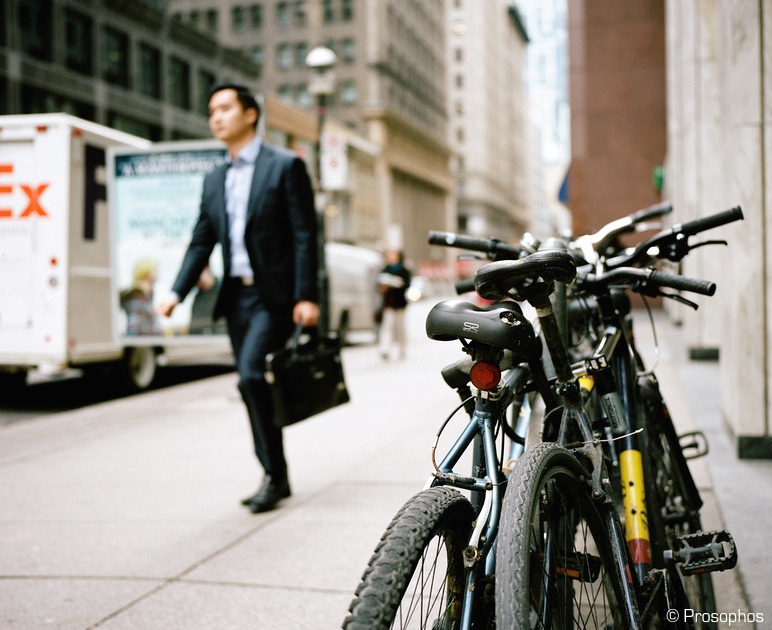
↑Nikon D70 + Nikkor 50mm 1.8G.

“You can never go back.”  So the saying goes.

Today I dusted off an old camera I haven’t used in years — the Nikon D70.

The D70 was the first DSLR I ever owned, and it’s the only camera I never subsequently sold.

I’ve carried it through the streets of Toronto, in all sorts of weather.

We’ve also traveled together to New York City, Paris, and Athens.

A few of the people I’ve photographed with it are no longer with us.

But I was reminded today that, indeed, you can never go back.

—Peter.

Cafe Reading, revisited.

2017, Beyond 200 feet of My House™, De Mello Palheta Coffee Roasters, Favourite, Inspiration, Leica 35mm Summilux ASPH FLE f/1.4, Leica M9(P)/M-E (CCD Lives!), Portrait, Q&A, Teaching point

This is a candid shot, taken just moments after the original Cafe Reading photograph (which, in contrast to this one, was posed).  I had just informed V  that “I got the shot”, and she immediately relaxed and started to flip through the pages of a book.

So I photographed her, because I knew that this was the better image.

I don’t often set up photographs, but when I do I will wait (with camera in hand) for the moment that follows, because what follows is usually better than any idea I can dream up.

(Technical:  Taken on a rainy morning, with the soft light working its magic.)

—Peter.

Leica M9 (CCD Lives!Prosophos Open Letter to Leica) + Leica 35mm Summilux ASPH FLE.

Business.

2016, Beyond 200 feet of My House™, Inspiration, Leica 75mm Summilux (Canada 🇨🇦) f/1.4, Leica M9(P)/M-E (CCD Lives!), Photo Shoot, Portrait, Q&A, Street

Photographed with the Leica 75mm Summilux @ f/1.4.

Though the German version of this lens may command a premium on the used market, it’s the Canadian 🇨🇦 one I prefer.

—Peter.

business

Leica M9 (CCD Lives!Prosophos Open Letter to Leica) + Leica 75mm Summilux (Canada 🇨🇦).

Barista.

2016, Beyond 200 feet of My House™, De Mello Palheta Coffee Roasters, Favourite, Inspiration, Leica 35mm Summilux ASPH FLE f/1.4, Leica M9(P)/M-E (CCD Lives!), Portrait, Print, Q&A, Teaching point

The light was really, really bad… and yet I really like the light in this image.

This underscores the fact that you never truly know how the image will look until you press the shutter.  In thinking about this, I’m reminded of that famous Garry Winogrand quote:  “I photograph to find out what something will look like photographed.

—Peter.

barista

Leica M9 (CCD Lives!Prosophos Open Letter to Leica) + Leica 35mm Summilux ASPH FLE.

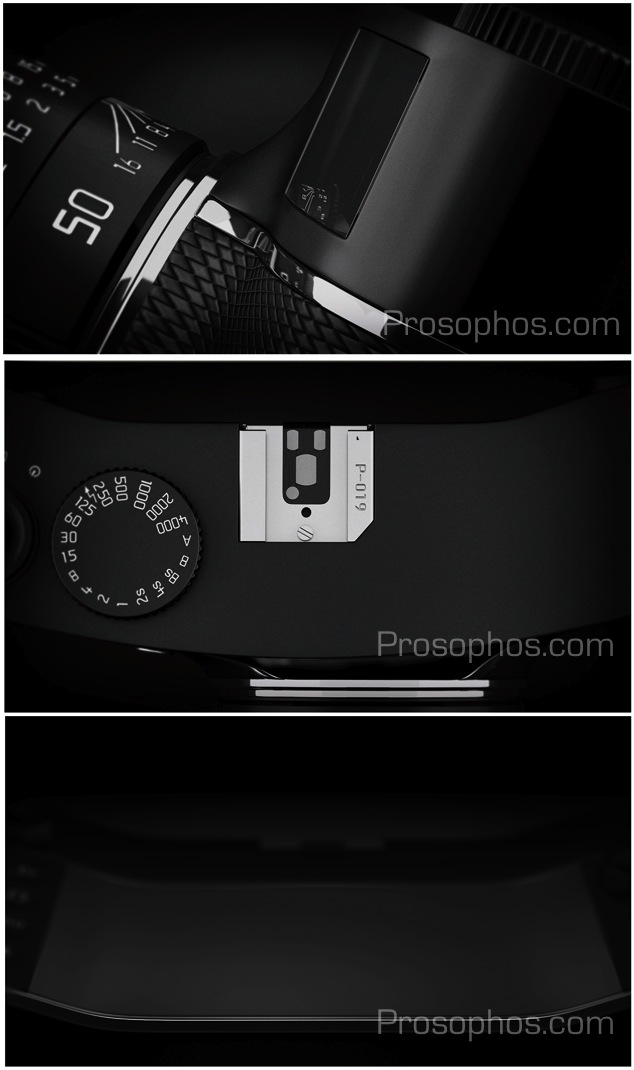
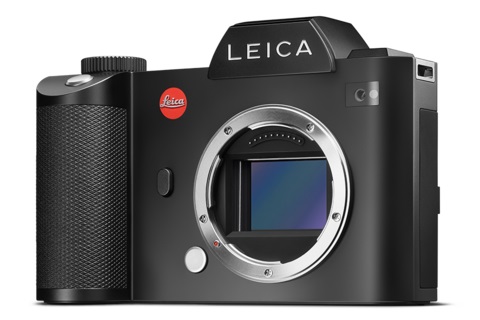
The Leica SL (if you like it, don’t read this).

Inspiration, Q&A

leica-sl

↑Image courtesy of Leica USA.

When the Leica SL was first announced, I was very candid with my prediction about how well it would fare in the marketplace.  This is what I wrote:

“Ouch.  This might actually kill the company.

Is there anybody left at Leica doing “reality checks” during company meetings?”

—Prosophos (October 20, 2015).

Now granted, I was quick to judge and very harsh, and even felt a little guilty afterward for writing it.  The truth is, I actually want Leica to do well because they are one of the few independent-thinking camera companies out there.  And, I adore my Leica M lenses and my M9 so sometimes I let my passion get the better of me.

Since then, I’ve seen the images from this camera and the output is generally excellent.

Part of my original head-scratching about the SL was  Leica‘s desire to penetrate the “pro” market.  Unfortunately, they weren’t talking about the pro medium format market.  Instead, the “pros” they were aiming this at were the 35mm DSLR or Sony a7 users who would’ve had to justify spending big bucks for the SL and its lenses.  The SL would’ve had to leap-frog every other 35mm camera with its capabilities for that strategy to have succeeded.

It’s nearly a year later, and the SL hasn’t been selling well (I don’t get any particular pleasure from writing that).

But as I wrote above, I’ve been quietly looking at the output of this thing and it is impressive.  So today I tried photographing with one.

The size was no problem, as I’ve shot with Nikon bodies extensively and the SL is smaller (than the “pro” Nikons).

The build quality, LCD, quiet shutter, etc. are all wonderful.

The deal-breaker?  Surprisingly, the much hyped-about EVF.

Today I found that as I placed the camera up to eye level there was an initial darkened view that, a split second later, gave way to a grainy representation of the (interior) world.   Yes, it’s a high-resolution EVF but it still looks like I’m viewing the world through an iPad.  I was prepared for that… I mean, I had shot with the Sony mirrorless offerings previously, so I knew what I was getting into but I had hoped that the EVF on the SL would’ve made me overlook this.   It didn’t.   

More annoying than this though was that initial black-out delay that was still there.  It’s enough to wreck a photographer’s rhythm.  It potentially is enough to prevent one from getting the proverbial decisive moment.

Worse than that, after I put the camera down momentarily and then placed the EVF back to eye level to photograph something else, the momentary blacked-out frame gave way to the previous scene before the camera caught up and showed me the new scene!  It had literally experienced déjà vu.

I now understand why most of the posted photographs from the SL are of “still life” subject matter.  I also understand that I could never depend on it for my style of photography.

—Peter.


The Camera Store reviews the Epson R-D1.

Inspiration, Q&A

Prosophos - Epson R-D1

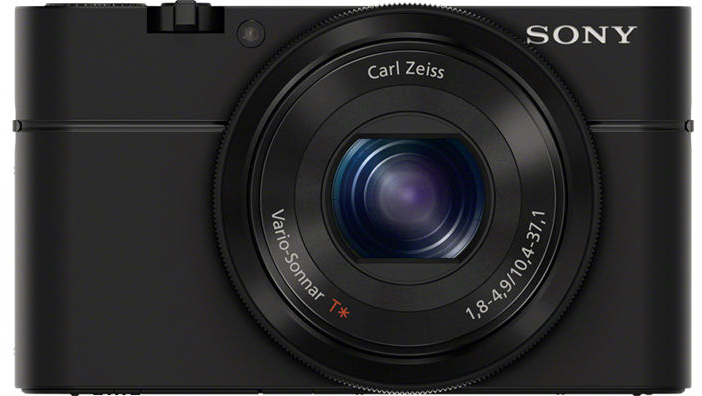
Yes indeed.  As part of the The Camera Store‘s ongoing Unsung Cameras of Yesteryear series Chris Niccolls reviews the Epson R-D1 —the camera that actually preceded the Leica M8.  The review came out almost a month ago but I hadn’t seen it until now.

As always, it’s an entertaining and informative video (I find TCS does the best video reviews out there).

For those of you who appreciate CCD sensors, check out what Chris says about the image quality coming out of this more-than-a-decade year old 6 MP digital rangefinder (9:30 mark of the video).

—Peter.

The Hasselblad X1D.

Inspiration, Q&A

Prosophos - Hasselblad X1D

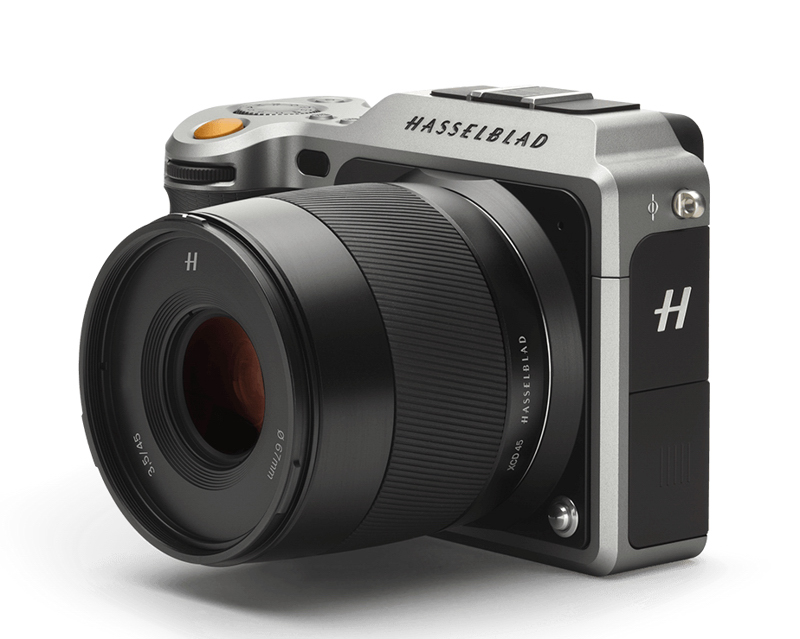
Image courtesy of Hasselblad.

I’m not sure if this is accurate, but the following may be of interest to you:

“The camera is not fast, however. It takes a long time to boot up, a long time to write images to its dual SD cards, and navigating the interface isn’t exactly smooth. The autofocus system is slow and ponderous, and you can hear the lenses cranking away as they rack back and forth trying to lock focus. This is definitely not a camera for sports photography or any fast action.

But for portraiture, landscapes, still life, or any other slower photography discipline, the X1D promises to provide a level of image quality you can’t get with smaller format cameras. We’re looking forward to spending more time with the camera and evaluating the image output from a final production version when the camera hits stores later this summer.”

The Verge.

This is the first hands-on report I’ve read that goes into any detail about the handling of the Hasselblad X1D.

It’s what I feared, but expected.

As long as photographers understand that the main draw of the X1D is that it is lighter than any other digital medium format camera, then “it’s all good” as they say.

Who knows? Maybe the final production version will be more speedy.

Just don’t bet on it.

—Peter.