Blue.

2018, Favourite, Inspiration, Nikon, Nikon 105mm f/1.4 E, Nikon D850, Portrait, Q&A, Sports, Teaching point, Within 200 feet of My House™

↑ Nikon D850 + Nikon 105mm f/1.4 E.

–

Edit.

I thought it would be interesting to post the same image with lens corrections (distortion and vignetting removed):

↑ Nikon D850 + Nikon 105mm f/1.4 E.

(distortion and vignetting corrected)

–

The vignetting at f/1.4 is very noticeable (the distortion is rather minimal, so you won’t see much of a difference in that respect); whether to correct the vignetting or not is of course a matter of preference.

—Peter.

Nikon to Leica to Nikon.

Inspiration, Q&A, Teaching point

Ever since I sold my Leica gear last year, I’ve had many of you write to ask me whether I’ve regretted my decision.

Even within the last 24 hours, one of my dear readers contacted me to inquire about the very same thing.  The short answer is: no, I haven’t regretted it… not for a second.

On a related note, I just wrote a response to a fellow photographer, Donald Barnat, in the comments section of one of my posts (a micro-review of the Nikon 28/1.4E) that I think summarizes my current thinking on this issue.

The response is here.

(Incidentally, Mr. Barnat has recently written a wonderful review of the Nikon 58/1.4G — check it out if you’re in the mood for great street photography, insightful thinking, and very eloquent prose!)

—Peter.


Update: Nikon Service and my D500.

2018, Q&A, Teaching point

This is an update to what will henceforth be referred to as My Nikon Fiasco.

I hadn’t been contacted by Nikon since their mess-up last week so, fearing the worst, I called them today.

In summary: they need a part for my Nikon D500 and they only ordered it today (perhaps just after my call?…).

It is very unlikely that I will have my camera back in time for my son’s tournament this weekend.

Strike 2, Nikon.

😡

—Peter.


Disappointed in Nikon Service (Canada).

Inspiration, Nikon, Q&A, Teaching point

This is in follow-up to this post.  The problem with my Nikon D500 was that the green LED light on the back panel was continuously blinking (as if the memory card was being accessed) whether the camera was on or off.  This would drain the battery to zero power within an hour — again, whether the camera was on or off.

—

Thankfully, I received a call yesterday that my Nikon D500 was repaired and ready to be picked-up.

Yay!

So, today, I made the hour-long return trip to Nikon in Mississauga.

When I arrived, the nice person behind the counter retrieved my camera and informed me:

  1.  The camera was cleaned.
  2.  The firmware was updated.
  3.  The autofocus was adjusted.

Me:  Oh.  That’s all?

Him:  That’s it.  It’s fixed now.

Well,  prior to taking it to Nikon:

  1.  The camera was already clean.
  2.  I had already installed the latest firmware.
  3. The autofocus was working perfectly; in fact, it’s the one thing I had hoped they wouldn’t touch!

Me:  Do you mind if I test it here?

Him:  Sure, go right ahead.

(a battery and memory card is placed in the camera… we both stand and watch as the blinking green light turns on… and off… continuously…)

Him:  Oh.

Me:   This is the problem (that required repair).  A technician signed off on this?

Him:  Let me take it back inside — please wait here.

(several minutes later…)

Him:  I’m very sorry.  It seems that there is a hardware problem.  It will need to be fixed.

Me:  Yes, I know.

–

Needless to say, I returned home empty-handed.  Now I’ll have to make a 3rd trip to Nikon, at some point.  My guess is that they will eventually fix it, but this interaction did not inspire me with confidence.

I just hope that they haven’t messed up the autofocus.

—Peter.


My Nikon D500 has been hospitalized :(

Inspiration, Q&A, Teaching point

After one year of flawless performance, my Nikon D500 is in need of repair…

–

–

Fortunately it’s still under warranty.

But…

Tonight was the night of my son’s choir solo!

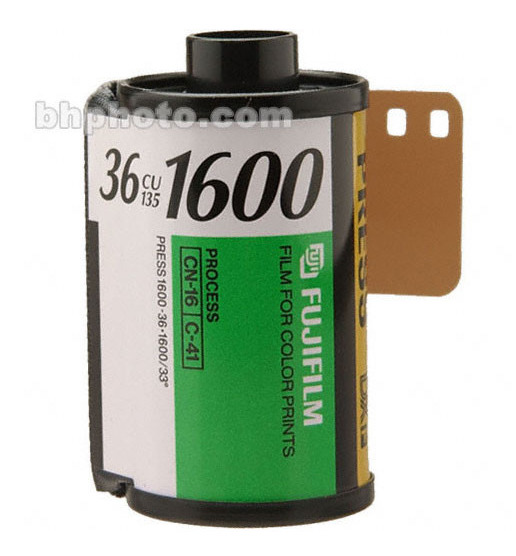
So, I loaded my Leica M3 with this:

↑Fuji Superia 1600 image courtesy of B&H

–

Yes, my Leica M3 + Undisclosed Lens #1 + ASA (ISO) 1600 Fujifilm.

Next week, I’ll have the roll developed and scanned.

Fingers crossed!

—Peter.


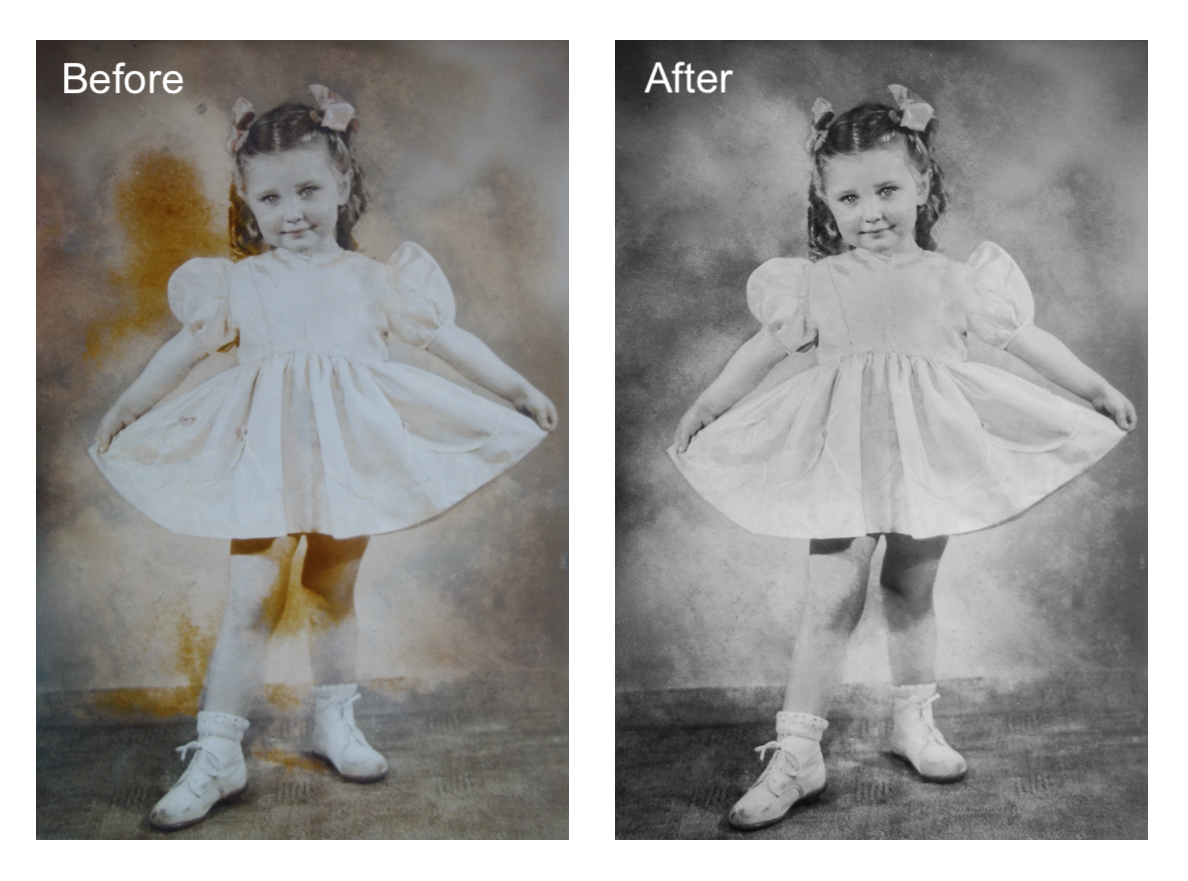
Restoring old photographs 1, 2, and 3.

2018, Favourite, Inspiration, Q&A, Teaching point

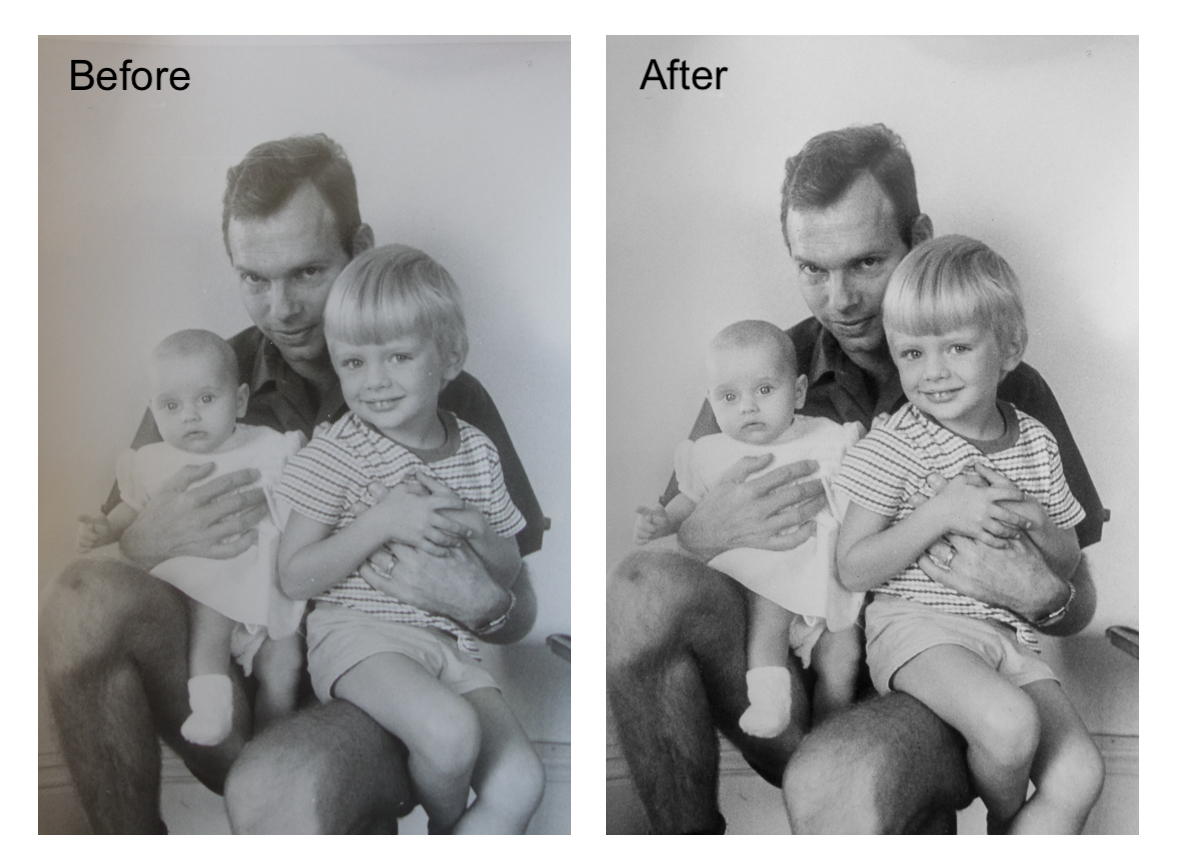
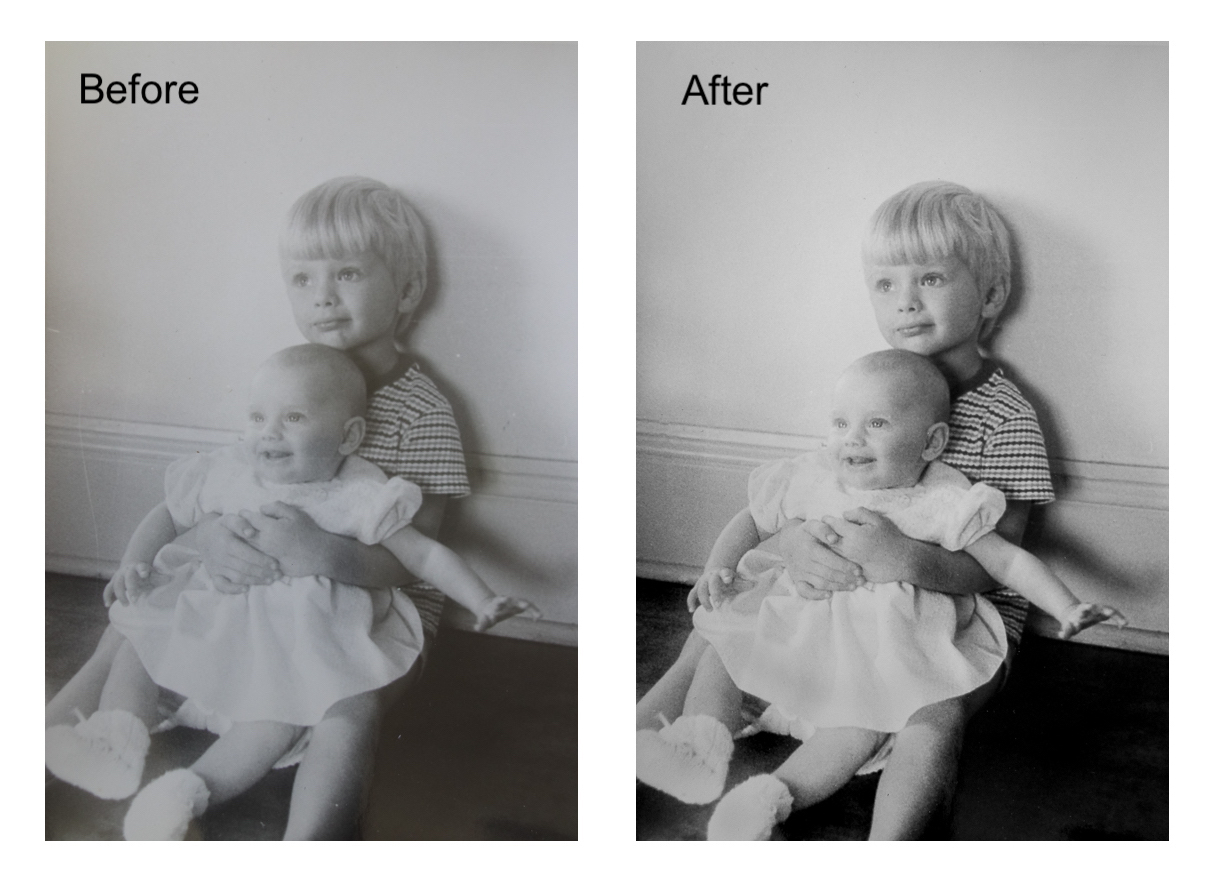
These photos have been in my wife’s family for decades but they have begun to discolour, fade, and disintegrate.

So, yesterday I tried my hand at digitally restoring them.

Technique:

  • My wife photographed the original prints with her Sony RX100
  • I processed the files in Lightroom.

My goal was not only to restore them, but to preserve the integrity/intent of the original images, by not altering them in any significant way.

—Peter.

Why the Leica M3 is a special camera to me.

Inspiration, Q&A, Teaching point

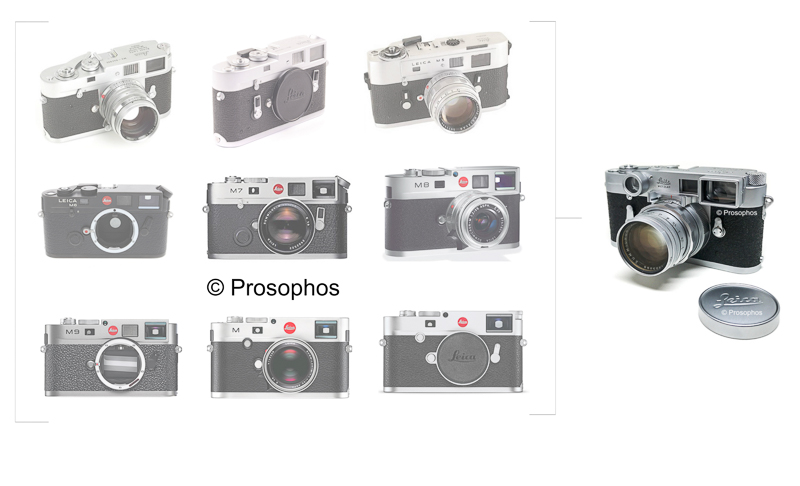
Yesterday, I had the pleasure of handling every single M rangefinder camera model Leica has ever manufactured (including a few limited edition examples of each).

And although I’ve previously worked with most of these cameras, I’ve never had the opportunity to handle all of them at the same time so that I could compare their build quality, viewfinders and shutters.

The one that remains my favourite is the Leica M3.  

Many photographers have previously discussed why the M3 is regarded as perhaps the best M camera Leica ever made, so I won’t re-hash all of that here.

Others, it will come as no surprise, disagree with that assessment and have been quick to point out its faults.  Even I recognize its not-too-insignificant shortcomings.

For example:

Do I wish the M3 had 35mm frame lines?  Yes.

Do I wish the M3 could focus closer than 1 meter for most lenses?  Of course.

Do I wish the M3 had a built-in light meter?  Sure.

But, I know that the addition of each of these features ultimately takes away from something else.   It essentially ruins the formula that makes the M3 the M3.

(Incidentally, the compromises inherent in every camera design decision is why a photographer who sets out to find the “perfect” camera is, in actuality, on a fool’s errand — and all of us have been guilty of playing the fool.)

Still, the sense of purpose and dependability that the M3 brings to the pursuit of photography seems unmatched by every other model.

I can tell you that its build quality really is second to none.  Pick up an M3, and it truly does feel like a solid and singular block of matter.  It’s an illusion of course, because the M3, like all subsequent M cameras, is made from a plethora of parts:

–
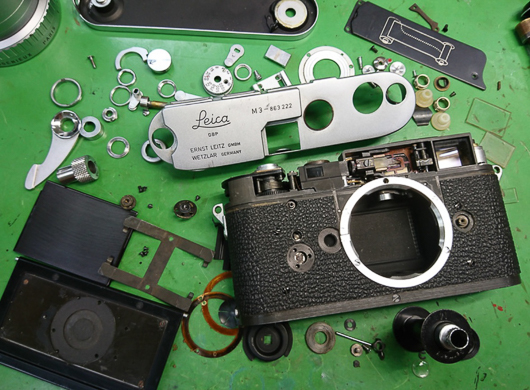
(↑ re-building of a Leica M3 by Kanto Camera)

–

But, in the M3, the decision process around which parts were chosen and how they were put together was done with the least number of compromises.  It’s evident when you pick one up.  Even the much-glorified modern film camera reincarnations of the M3, the Leica MP and M-A, feel somewhat tinny and hollow in comparison.

Besides build quality, the other attraction to the M3 for me is its clear viewfinder, which is the most resistant to flare and has the highest magnification of any M.  These qualities are very helpful when composing and focusing.  The view is also uncluttered.  In comparing the M3 viewfinder to the one found in the digital M10, where bright and blinking LED frame lines compete with the subject for the photographer’s attention,  I can’t help thinking that, somewhere along the way, Leica lost its focus, so to speak.

(But I know I am in the minority on this, since — more and more — blinking visual aids are the preferred feature set for many photographers.)

And, as much as I would love it for the M3 to have an internal light meter, I have to admit that, once again, the blinking lights in the M6, M7, and MP viewfinders seem to distract more than aid.

Am I being picky in writing all of the above?  Yes, of course.

Could I go on, and on?  Unfortunately, yes 🙂

But I will stop here.  The truth is, all of the M cameras do an excellent job of getting out of the way of the photographer.  For me, however, the M3 does it best.

—Peter.

Enlarged prints are the final arbiter of image quality.

Inspiration, Print, Q&A, Teaching point

Earlier today, I second-guessed the image quality arising from my digital vs. film cameras so I decided to do something that has always helped clarify things for me:  print the images in a semi-large format (in this case 12 x 18 inches).

The verdict:  both the digital and film files look very good.  I’m sticking to both formats.

The Nikon D850, in particular, really shines when it comes to producing pleasing prints.  The files are exceptional.

The real shocker for me was the quality of the files arising from the sometimes-maligned Nikon 58/1.4G.  My goodness!  Despite what the objective tests involving brick walls show, the colours and perceived sharpness in the prints from the 58/1.4G are better than what I used to get from the highly regarded Sigma 50/1.4 Art.  Take that DxO!

—Peter.


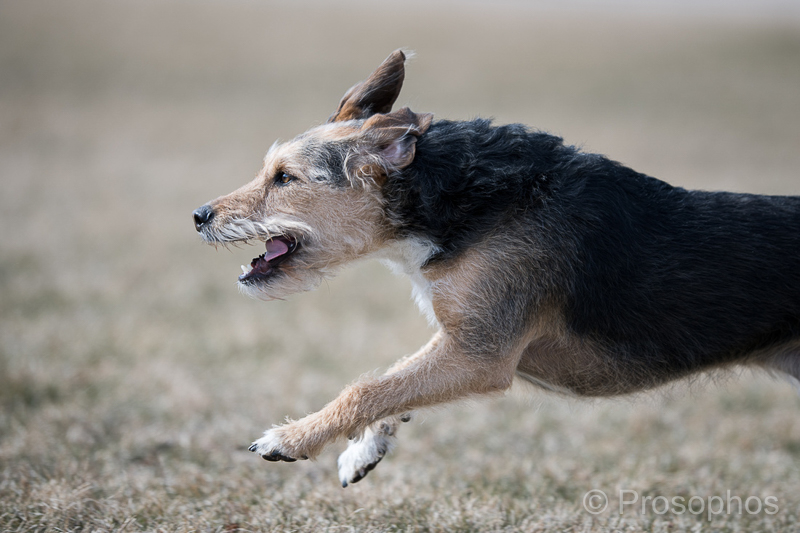
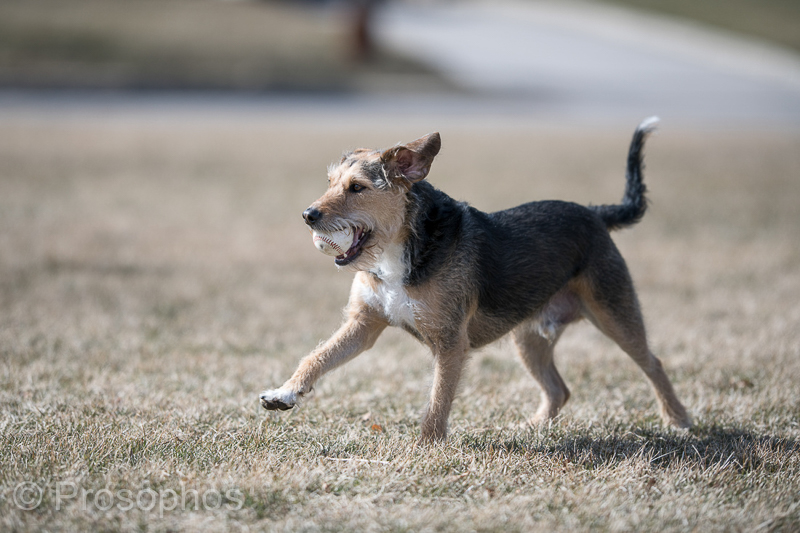
Baxter and the art of stealing a baseball.

2018, Beyond 200 feet of My House™, Favourite, Inspiration, Nikon, Nikon 200mm f/2G ED VR II, Nikon D850, Portrait, Sports, Teaching point

The victims of this crime were three children.

On a serious note…

I decided to remove the 200mm f/2 from the D500 (where it’s been permanently mounted) and try it out on the D850.

Though I don’t consider the D850 a sports camera, it did reasonably well here (and I can assure you that little Baxter is very fast).

—Peter.

↑ Nikon D850 + Nikon 200mm f/2 G ED VR II.

My Camera(s) of the year (for 2017).

Inspiration, Q&A, Teaching point

A little late in coming, but I needed to be sure.

My camera(s) of the year:

–

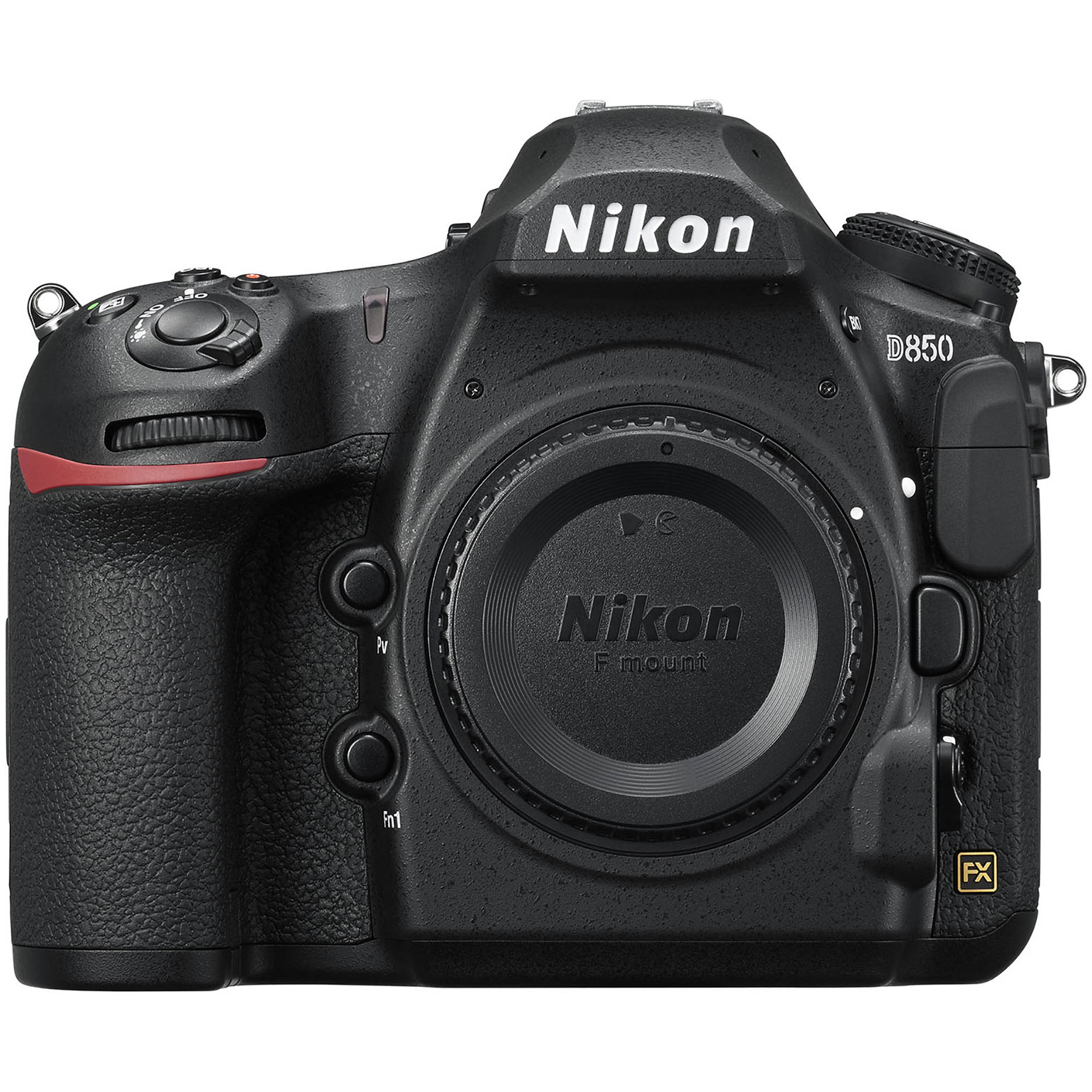
1. Nikon D850 (for general photography).

–

2. Nikon D500 (for sports/action).

With these two cameras, there is nothing I can’t photograph.

As a bonus, they share the same battery and external controls.

The perfect duo.

—Peter.

–

Previous Prosophos Camera of the Year Winners:

2016: Leica M9/M-E.

2015: Leica M9/M-E.

2014: Leica M9/M-E

2013: Leica M9/M-E

2012: Leica M9/M-E

2011: Leica M9

2010: Leica M9

2009: Leica M9

2008: Leica M8/Nikon D3

2007: Leica M8/Nikon D3

2006: Leica M8

Reader Q and A: Nikon D850, Leica M9/M10/SL, Hasselblad X1D.

Inspiration, Q&A, Teaching point

I received the question below via email yesterday and I thought I would share both it and my answer (expanded somewhat for this post) since I’ve been receiving many similar questions lately.

—Peter.


Hello Peter,

I’ve been thinking a lot about your comments… trying to decide if I’m going to change anything.  

As much I love the [Leica] SL, I’m not going to keep it.  The autofocus is good, but I’d say not great.  Autofocus always seems to be a love/hate thing for me.  I suspect the [Nikon] D850 would probably autofocus better.  I’m getting real close to pulling the trigger on the D850 and likely the 58mm you have.  The only reason I haven’t, is the size of the outfit, and do I really want to start investing in another platform.

Then there is my [Leica] M10/M9 debacle.  I have and really like the M10, but in the end maybe I should just use my M9 once it’s back with the new sensor.  It would certainly make for a better travel outfit.  I’m curious why you didn’t keep one of your M9s just for travel.  If it’s dollars, it certainly makes sense.  While I considered keeping the SL + M10, I really felt it would be financially irresponsible for me…

Any thoughts on the [Hasselblad] X1D?  I love the size and sensor, but I’m sure it would not make as good all rounder as the D850.

Anyway, loved your image today of your wife and son.  It’s really nice.

Mr. TM.


My response:

–

Hi TM,

Regarding the Leica M9 and M10:

  • I once wrote an article for Steve Huff stating:  Always use the best camera you can afford (and learn to use) for your family.  The M9 — after 10 years — is no longer that camera.  The M10 isn’t either.
  • The form factor and manual focus for M cameras are the main attractions for me, but I can no longer accept the trade-off of having an inferior sensor vs. something like the D850.

Regarding the Hasselblad X1D:

  • I like it too (amazing form factor) but it’s outside of my budget.
  • It’s still a product-in-evolution, so that makes the price point even more unattractive to me.
  • The larger sensor is indeed the main draw, but for my use the D850 is much more versatile and will likely yield me more keepers.

Regarding the Nikon D850:

  • All of the above comments, and:
  • It’s not convenient as a carry-everywhere camera, so I can’t casually head out the door with it.
  • But I would consider carrying it with the Nikon 58/1.4G for an outing with my family if I thought there would be opportunities to photograph.
  • I mostly use it when I deliberately want to photograph, and want high quality output.

Thank you for your good words!

—Peter.

Eye Contact, closer.

2018, Favourite, Inspiration, Nikon, Nikon 58mm f/1.4G, Nikon D850, Portrait, Q&A, Teaching point, Within 200 feet of My House™

Technical:  f/1.4  |  1/800  |  ISO 800

I could have photographed this at ISO 200 if the shutter speed was set to 1/200 sec but I wanted to ensure maximal sharpness and introduce a little “grain” (in the form of noise) to make the look a little less clean.

Post-processing: Current experimentation “v. 2.02”.

—Peter.

↑ Nikon D850 + Nikon 58mm f/1.4 G.

Follow-up to Nikon 58mm f/1.4G Test Shot (crop).

Inspiration, Nikon, Nikon 58mm f/1.4G, Q&A, Teaching point

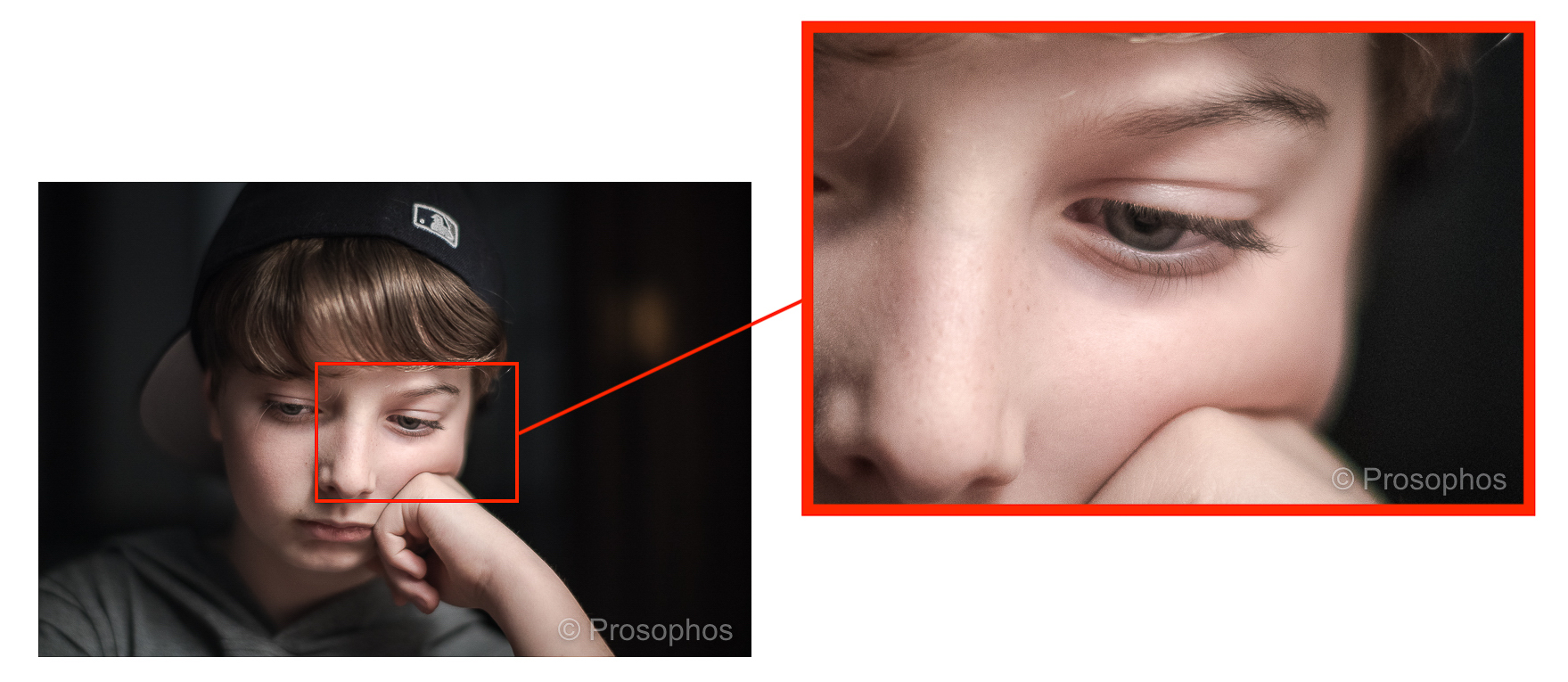
For those interested, here’s a closer look at yesterday’s image taken with the Nikon 58/1.4G.

At f/1.4, you can see how the 58/1.4G has a slight glow; this is in contrast to the vivid sharpness of something like a Sigma 50mm f/1.4 ART.  If sharpness is your only measure of a lens’ worth, then the Sigma is your lens of choice for the 50mm-ish focal range.

In all other respects (colour, bokeh, 3D effect, etc.), I would choose the Nikon.

—Peter.

Nikon 58mm f/1.4G Test Shot.

2018, Favourite, Inspiration, Nikon, Nikon 58mm f/1.4G, Nikon D850, Print, Q&A, Teaching point, Within 200 feet of My House™

The light hasn’t yet returned to Toronto so there won’t be anything worthwhile to post with my “new-old” Nikon 58mm f/1.4G lens for a while.  Therefore, as always, I’ve resorted to employing what little window light remains when I return from work to conduct a test shot or two.

The silky smooth output of the 58/1.4G is just as I remember it.  What’s different this time, however, is how much easier it is to achieve precise focus @ f/1.4 with the D850 vs. the D810 I previously owned.  In fact, it was this issue (unreliable focus) that made me sell this lens in the first place.

—Peter.

↑ Nikon D850 + Nikon 58mm f/1.4 G.