Here is a magnified view of yesterday’s image.
Focus is on the eye.
Aperture: f/1.4.
(click on image to enlarge)
—Peter.
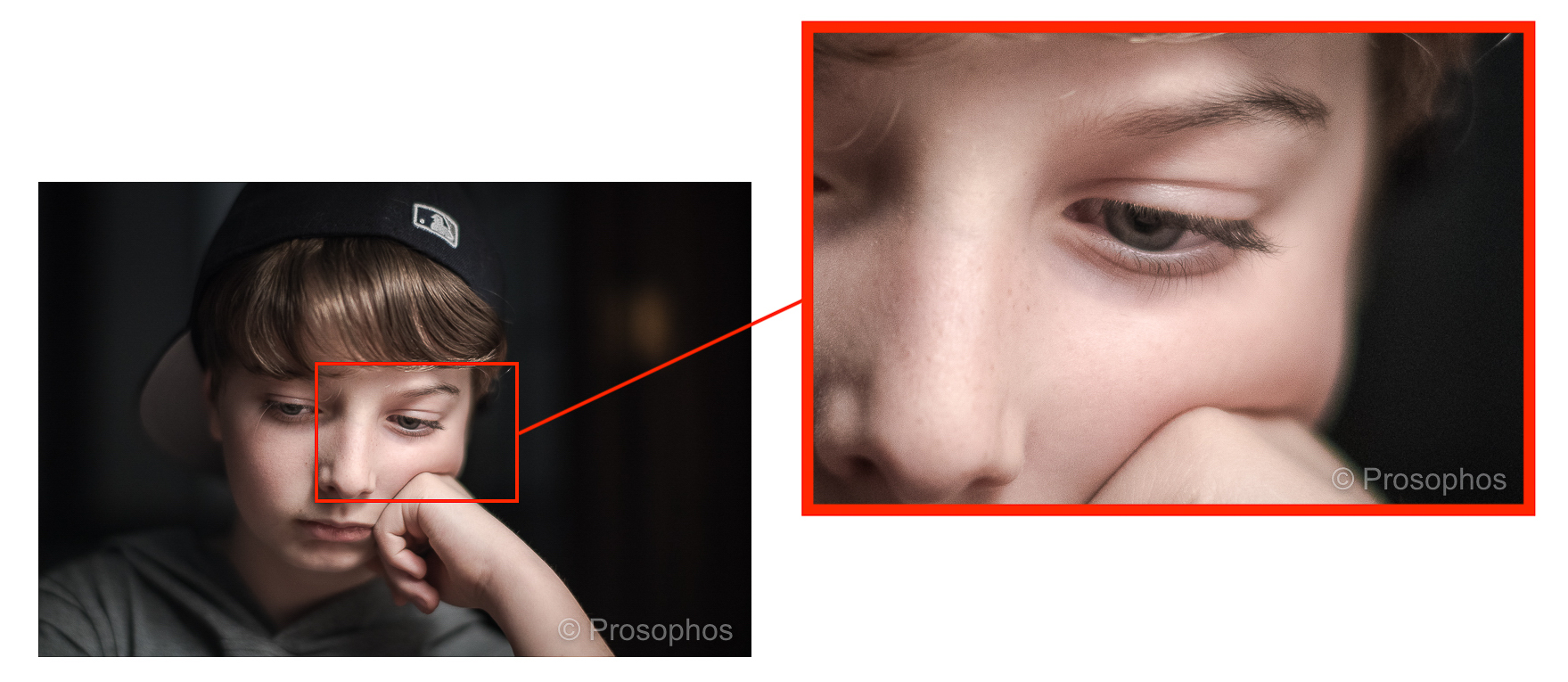
↑ Nikon D850 + Nikon 58mm f/1.4 G.

Here is a magnified view of yesterday’s image.
Focus is on the eye.
Aperture: f/1.4.
(click on image to enlarge)
—Peter.
↑ Nikon D850 + Nikon 58mm f/1.4 G.
Technical: f/1.4 | 1/800 | ISO 800
I could have photographed this at ISO 200 if the shutter speed was set to 1/200 sec but I wanted to ensure maximal sharpness and introduce a little “grain” (in the form of noise) to make the look a little less clean.
Post-processing: Current experimentation “v. 2.02”.
—Peter.

↑ Nikon D850 + Nikon 58mm f/1.4 G.
For those interested, here’s a closer look at yesterday’s image taken with the Nikon 58/1.4G.
At f/1.4, you can see how the 58/1.4G has a slight glow; this is in contrast to the vivid sharpness of something like a Sigma 50mm f/1.4 ART. If sharpness is your only measure of a lens’ worth, then the Sigma is your lens of choice for the 50mm-ish focal range.
In all other respects (colour, bokeh, 3D effect, etc.), I would choose the Nikon.
—Peter.

The light hasn’t yet returned to Toronto so there won’t be anything worthwhile to post with my “new-old” Nikon 58mm f/1.4G lens for a while. Therefore, as always, I’ve resorted to employing what little window light remains when I return from work to conduct a test shot or two.
The silky smooth output of the 58/1.4G is just as I remember it. What’s different this time, however, is how much easier it is to achieve precise focus @ f/1.4 with the D850 vs. the D810 I previously owned. In fact, it was this issue (unreliable focus) that made me sell this lens in the first place.
—Peter.

↑ Nikon D850 + Nikon 58mm f/1.4 G.
We begin from where we left off…
The Nikon 58mm f/1.4G.
—Peter.
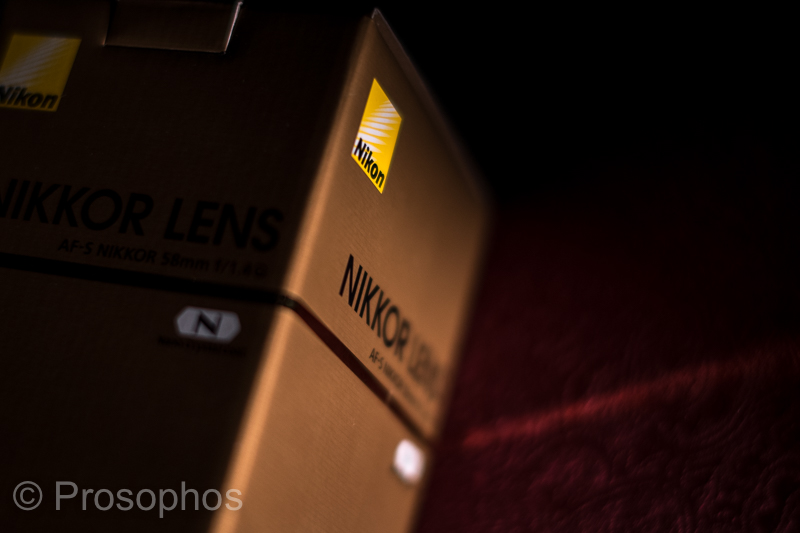
↑ Nikon D850 + Nikon 58mm f/1.4 G.
There’s a DPReview “user review” thread on the Nikon 58/1.4G that summarizes better than I ever could what is so special about this lens:
DPReview Nikon 58mm 1.4G User Review
Also worth reading is this response, also in the same thread:
Response re: Nikon 58mm 1.4G (practical advantage)
(pay particular attention to the ruler demonstration which reveals the practical advantages of this lens when shot wide open)
—Peter.
For a better appreciation of the level sharpness, please click on the image to enlarge.
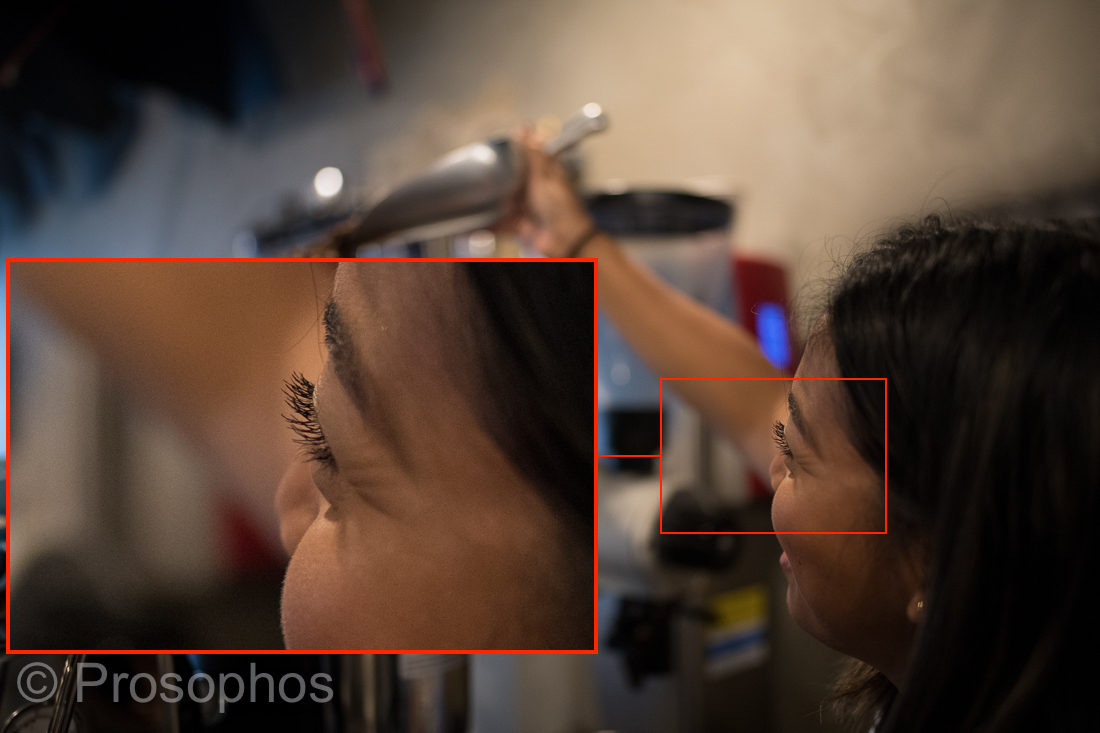
↑ Nikon 28mm f/1.4E @ f/1.4 | 1/320 | ISO 1100.
–
Note bad for a wide angle lens (at f/1.4)!
(Of note, I just added this image to my Micro Review of the Nikon 28mm f/1.4E).
—Peter.
I’m going to request your assistance today with an admittedly niche “problem” regarding the Nikon 200mm f/2 that I haven’t been able to solve despite some research and a little trial and error.
What I’m trying to figure out is: What is a suitable lens cap for this lens?
Nikon ships the 200/2 with this:

–
It fits over the lens (and the reversed hood) and cinches closed.
The trouble is that it requires two hands to either place over or remove from the lens, and although that doesn’t sound like something to worry about, it is a real practical hindrance out in the field.
A replacement cap that is often recommended is the Don Zeck cap:

The Don Zeck is placed inside the lens barrel. Admittedly, it looks a little goofy with the loop “handle” but some people swear by it. Others say it’s a little rough around the edges (figuratively and literally) and it either scratches the inside of the lens or doesn’t fit well (too loose or tight). Given the current price of this plastic piece of engineering is US$75, I’m not inclined to take my chances and order it.
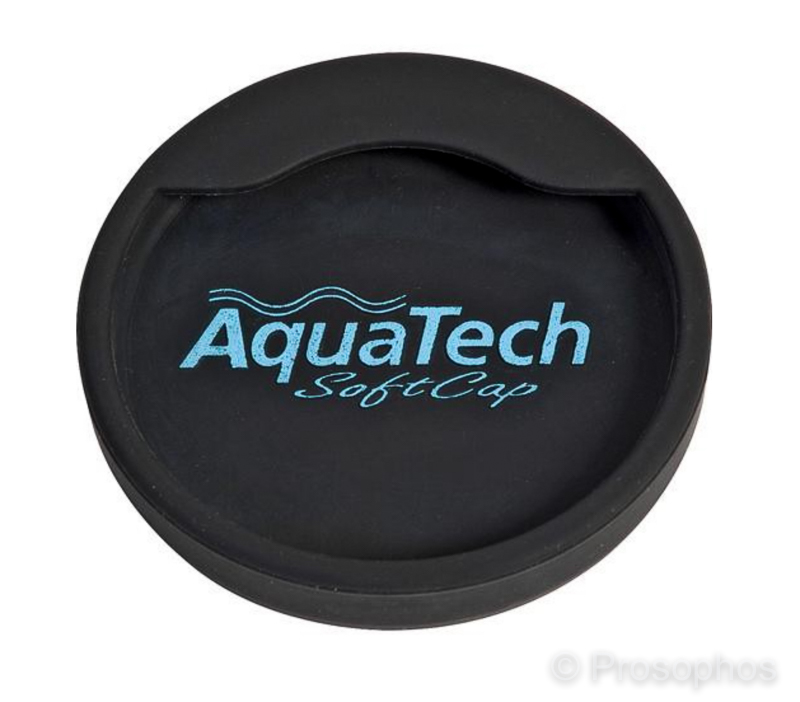
The second lens cover often recommended is the AquaTech soft cap:
–
This cap looks promising in that it is soft/flexible and also fits inside the lens barrel (with the unfortunate attention-seeking logo facing outward); it is removed by pulling on the lip in the top portion.
The cost is a more “reasonable” US$40. The trouble with this one — despite the manufacturer’s claims — is that the cap can sometimes contact the front lens element and leave an oily residue.
The third solution that some people recommend is the Kaiser push-on cap (size 120mm) from B&H:
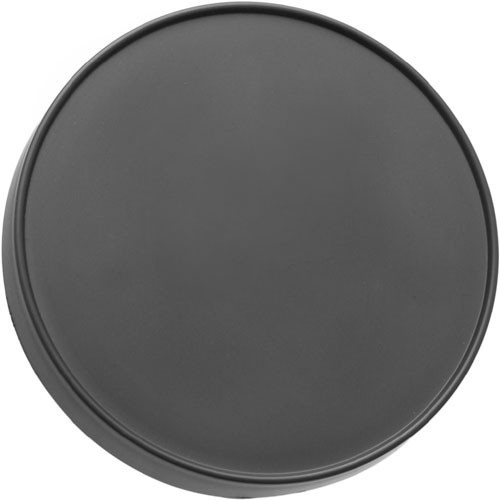
–
The price of this is a relatively low US$18 (though I’m sure it costs $1 to manufacture). What I don’t know is how well it fits on the lens, and — more importantly — whether it is prone to being accidentally knocked off (since it fits over the lens). Lastly, I have no idea whether the 200/2 lens hood can be placed over it and, if yes, whether the Kaiser can then easily be removed. I would be tempted to bite the bullet and buy it anyway but factoring in the $CAN-$US exchange rate, the price for delivery, and customs charges, the price for this simple piece of plastic would more than double.
The last recommendation is the Folgers instant coffee plastic cap that is legendary in internet folklore:

I’m not kidding… the internet says this is the best and most economical solution to place in front of your exotic telephoto lens (by the time you start considering this one you will have been secretly repetitively cursing at Nikon for not shipping a proper lens cap in the first place).
Well, it turns out the internet is wrong. Or its information is out of date. I canvassed two large stores with various sizes of Folgers coffee cans and none of them had the correct-sized lids.
I won’t even tell you about the Tupperware lids I tried 😩
So I’m humbly asking for your input.
I’m wondering if the Kaiser cap is ultimately the one I should get, or whether there is something better out there.
Thanks,
—Peter.
Yesterday in addition to a new image (here), I posted a few from 2016 (here and here) that I’d never gotten around to sharing (so in a sense they were new too).
This all came about because the winter here has really decreased my photo opportunities lately and in my restlessness to do something creative I decided go back and revisit some old images of mine. As an aside, this is a good thing to do from time-to-time because it inevitably leads to some form of insight (though I must admit that I haven’t been good about engaging in photographic self-evaluation lately).
Specifically, I was looking at this image from last summer:

↑ Nikon D500 + Nikon 200mm f/2 G ED VR II.
–
… and realized that, in my haste to post-process it along with 100 other images from that day, I had probably not optimally processed it.
Post-processing has been on my mind lately because a reader of this blog recently shared a photo with me (taken by another photographer) that he considered “over-cooked”. I have written about such over-zealous post-processing in the past and I heartily agreed with him.
In looking at the photo above, I wondered whether I had shown too much restraint — whether I had, in fact, under-processed it. I subsequently fired up Lightroom and played with the settings to arrive at this alternate version:

–
The two versions are not drastically different (remember, I’m still trying to be cautious) but I believe the re-worked version is better than the original.
I will take what I learned from experimenting with this image and most certainly will apply that knowledge to my images this year, and it will probably make a bigger difference to my output than any gear-related change I could potentially make. I’m therefore glad that the winter weather forced me to pause and reflect.
As a second aside, I can’t wait for spring to arrive so I can use this combination of gear (D500 and 200mm f/2) again; I only had one chance to use the lens before the baseball season ended.
For those interested in a how sharp the Nikon 200mm is @ f/2, I’ve provided a crop:

–
Did I mention that I can’t wait for spring?
—Peter.
Normally I avoid tilting the frame as I’ve done here.
Of course, I didn’t have the instant feedback of digital to guide me (besides, this was the shot anyway — there was never going to be a do-over).
I only became aware of the problem after developing and scanning the film. Correcting it would’ve resulted in cropped edges and an altered composition.
So, it remains as it was photographed, with the lean.
—Peter.
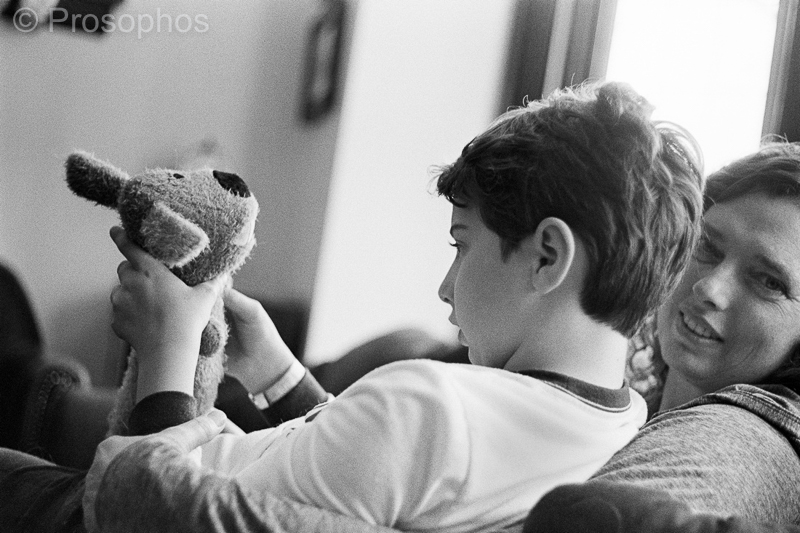
↑ Leica M3, Leica 50mm Summicron Dual Range, Kodak Tri-X 400, and Plustek 8200i.

–
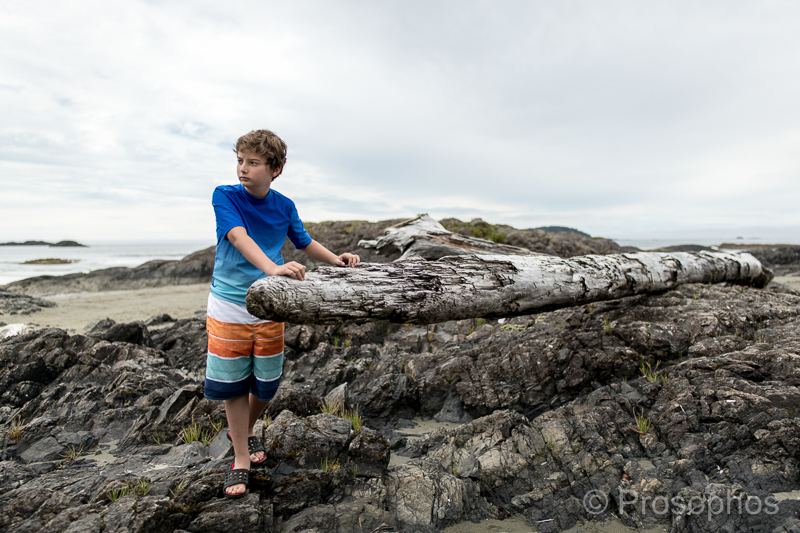
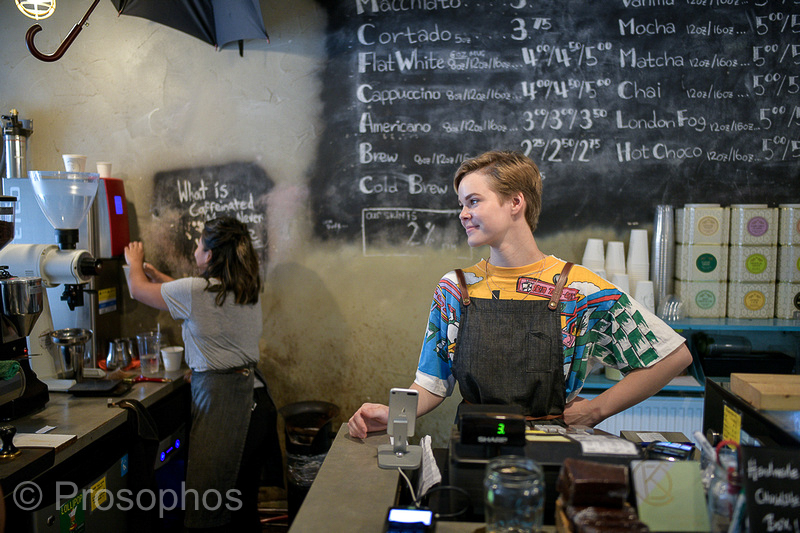
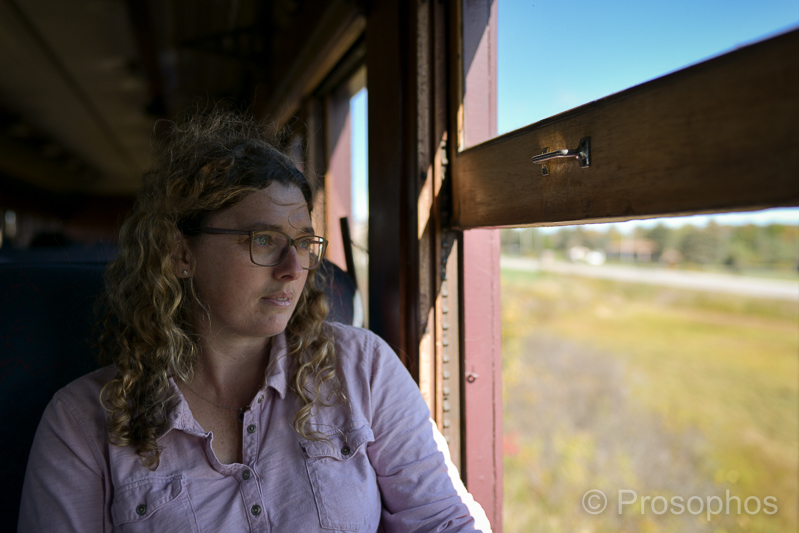
The Nikon 28mm f/1.4E is one of my favourite lenses (of any focal length, from any manufacturer).
It renders in both a sharp and smooth way and achieves the perfect balance between the two for environmental portraits (and this is my main use for it).
↑ Nikon 28mm f/1.4E @ f/1.4 | 1/320 | ISO 1100.
Contrast and micro-contrast are excellent.
Colours are saturated and rendered with great clarity, for lack of a better word.
Distortion is limited.
The lens vignettes at f/1.4 in a very pleasing way; I will sometimes correct for it during post-processing but more often will not.
My particular copy required 0 (zero) focus adjustment with my Nikon D850; it worked perfectly right out of the box.
This is one of those lenses that imparts a je ne sais quoi quality to its images. Most technically proficient lenses tend to render in a very sterile fashion (perfect for photographing brick walls, not so good for photographing people) but the Nikon 28mm f/1.4E is one of the few lenses I’ve encountered that gets both the technicals and intangibles right.
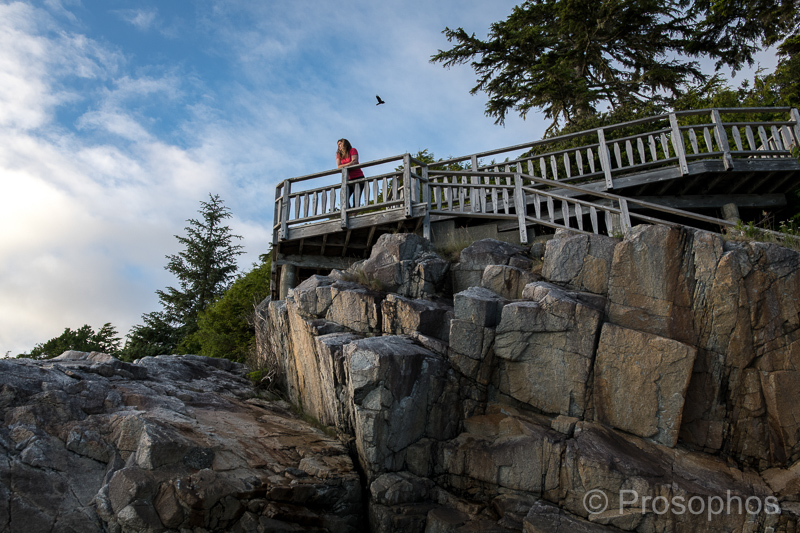
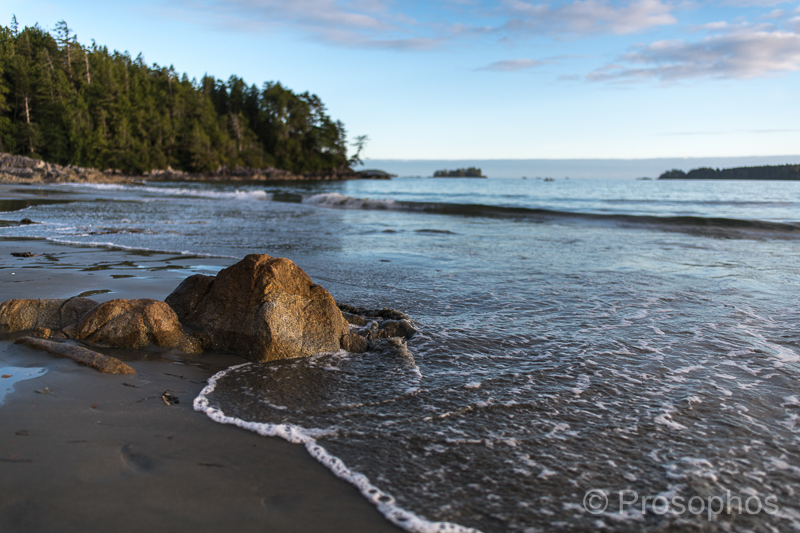
I’ve included a few sample images below.
—Peter.














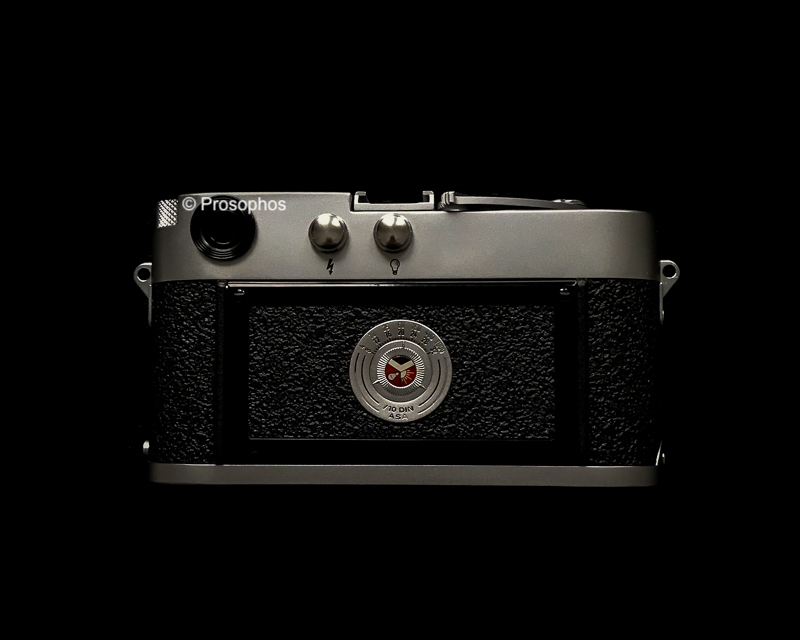
Leica M3 fitted with metal flash socket plugs.
Camera jewelry, yes.
But…
The metal plugs are inexpensive, smaller, and nicer than the standard plastic white ones that tend to catch on clothing/bags and turn yellow over time.
—Peter.
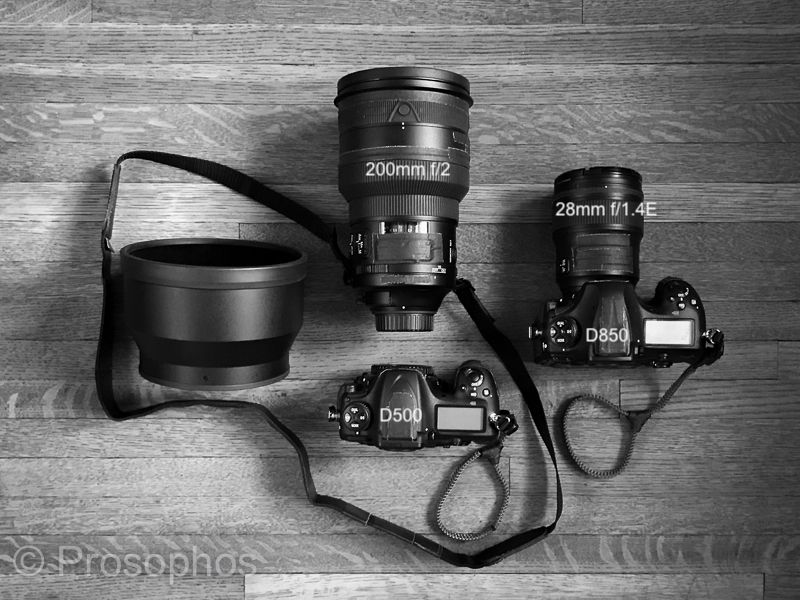
What do you do on a cold winter’s day when the light is bad and you have nothing to photograph? Well, if you’re a geek like me you take photographs of your cameras of course!
In the image below, you will notice that all Nikon logos (and identifying gold rings on the lenses) have been taped over. That’s because I don’t want to be a walking billboard for Nikon. The gear is still recognizable to most enthusiasts but not necessarily at first glance (LOL, with the possible exception of the cartoonishly large 200/2).
They say DSLRs are a dying breed but the inevitability of their demise has increased their appeal to me after all of these years of shunning them in favour of rangefinders. It also helps that Nikon produced something special in the form of the D850 and D500.
I’ve often photographed my Leica gear as it came and went, but never cared enough about my Nikons to do the same… until now.
—Peter.
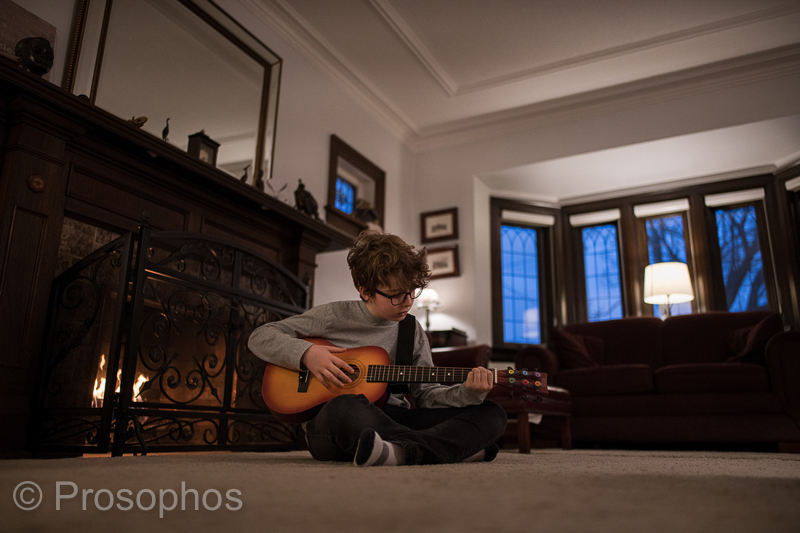
As with yesterday’s post, this was photographed in live view to take advantage of the silent mode. It really is silent (not just quiet). I really like it but still prefer looking through an optical viewfinder.
—Peter.

↑ Nikon D850 + Nikon 28mm f/1.4 E.
This was photographed with the D850 resting on the floor and in live view, with the back LCD angled up for easy viewing. In this mode, touching the screen will initiate autofocus and then the shutter will automatically release… silently.
It’s a well-known feature in the D850 but this is the first time I’ve tried it.
Many find Nikon‘s implementation of all this to be slow (relative to mirrorless cameras), but it’s quite usable for this sort of image. It’s certainly useful in quiet venues where silent operation is desired.
However, I wouldn’t think of using it to photograph sports, flying monkeys, or the aerosolized droplets of a sneeze.
—Peter.
↑ Nikon D850 + Nikon 28mm f/1.4 E.
I made use of the close-focus attachment of the 50mm Dual Range (DR) for this image.
I have always admired the build quality of Leica M3 cameras but like many photographers often found the 1 m close-focus distance too limiting. The DR solves this problem and gets me even closer than I’m used to when photographing with an M-series camera.
At first I thought that attaching/removing the extra hardware would prove impractical/cumbersome but in practice it hasn’t held me back. In fact, the engineering and design behind the Dual Range is quite well thought out and the system is simply a delight to use.
—Peter.
f/2 @ 1/30 sec
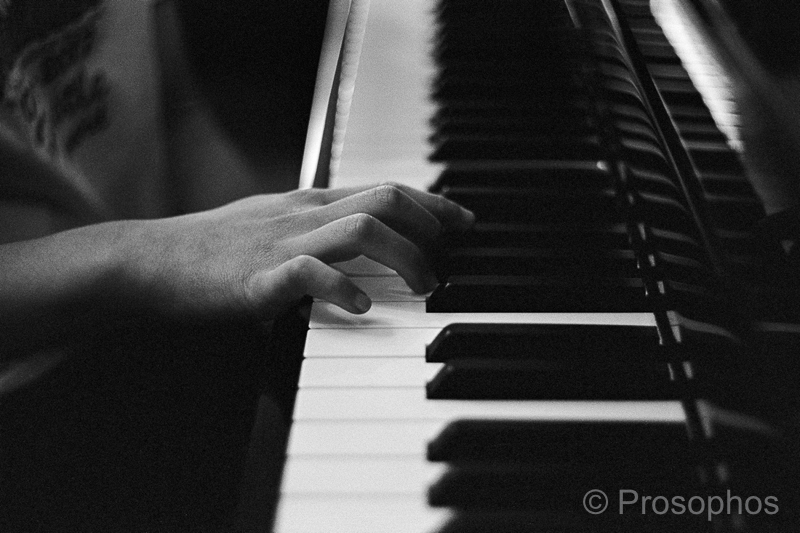
↑ Leica M3, Leica 50mm Summicron Dual Range, Kodak Tri-X 400, and Plustek 8200i.
Notice a pattern? No interpolation necessary.
—Peter.
Countercultural, circa 2018.
—Peter.
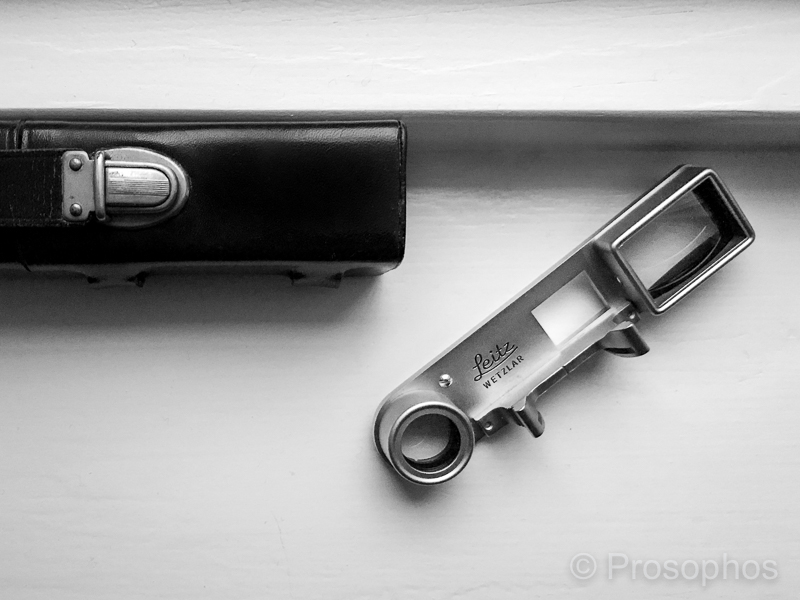
1962 Leica Dual Range Close Focus Attachment and Case.
 Prosophos