
↑Mamiya RZ67, Mamiya 110mm @ f/2.8, and Kodak Tri-X 400.
–

↑Mamiya RZ67, Mamiya 110mm @ f/2.8, and Kodak Tri-X 400.
–

↑Mamiya RZ67, Mamiya 110mm @ f/4, and Kodak Tri-X 400.
I recently reported on the Plustek 120 scanner for scanning B&W film.
After reading about my positive experience with the Plustek 120, my friend Mark purchased one. Mark, being a Master in film processing, develops both B&W and colour film. While using the colour film dust removal feature of the Silverfast sofware, he initially found things weren’t working. However, a few quick changes in Silverfast solved the problem.
Mark writes:
–
Thank you for this information Mark.
—Peter.
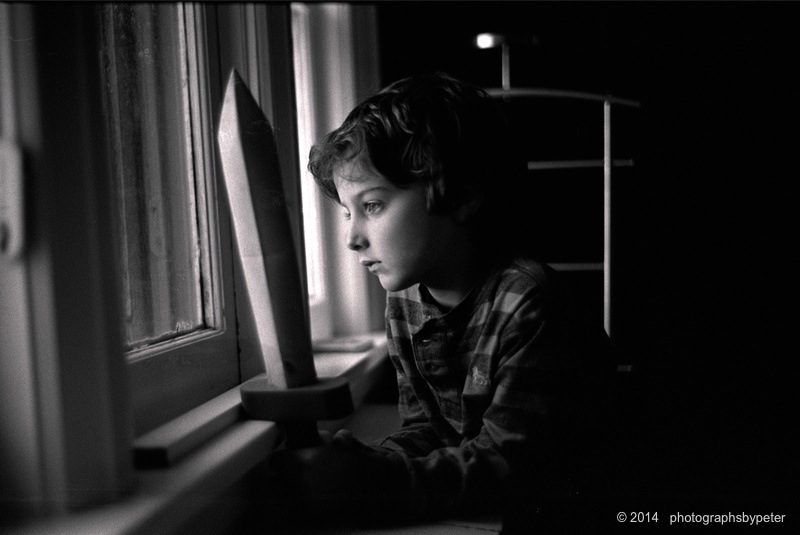
↑Leica M3, Voigtländer Nokton 40mm, and Kodak Tri-X 400.
–
This photo was chosen as a Leica Fotografie International (LFI) Master Shot:
–

Completing my move back into shooting film is my acquisition of a Leica M3.
I’m revisiting an old friend, in that I’ve owned two of these previously (a couple of examples of my previous output with the M3 can be seen here and here) .
This one is from 1963, and it still has the “L” seal intact — which means it has never been opened to be serviced since leaving the factory in 1963.
How well does this 50+ year old camera fare?
Here is a test shot from today (focus is on the angels):
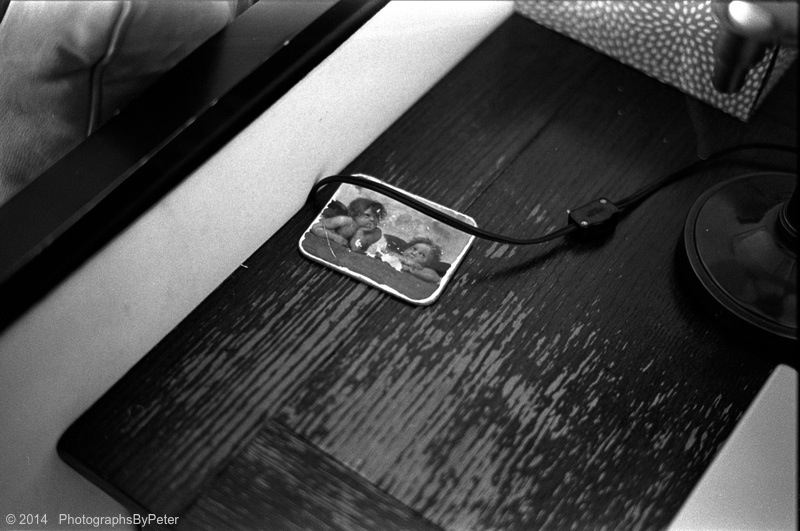
↑Leica M3, Leica 50mm Summilux ASPH @ f/1.4, and Kodak Tri-X 400.
–
The focus is spot-on, and most of the shutter speeds are working perfectly.
Now, do I get it serviced to get the last ounce of performance out of it, or do I leave it untouched (with the L seal intact)?
Hmmm…
—Peter.
It’s February 9th, 2014.
That’s today.
My wife and I are rushing to get Hockey Girl ready for her early game, and we’re running late.
I notice it’s snowing outside and the light looks magical.
I turn to my wife, and she immediately understands.
She says, “5 minutes”.
I run upstairs to grab the Mamiya, which is already loaded with Kodak Tri-X 400.
Hockey Girl and I go outside, and I shoot a few frames.
This is one of them.
As it turns out…
–
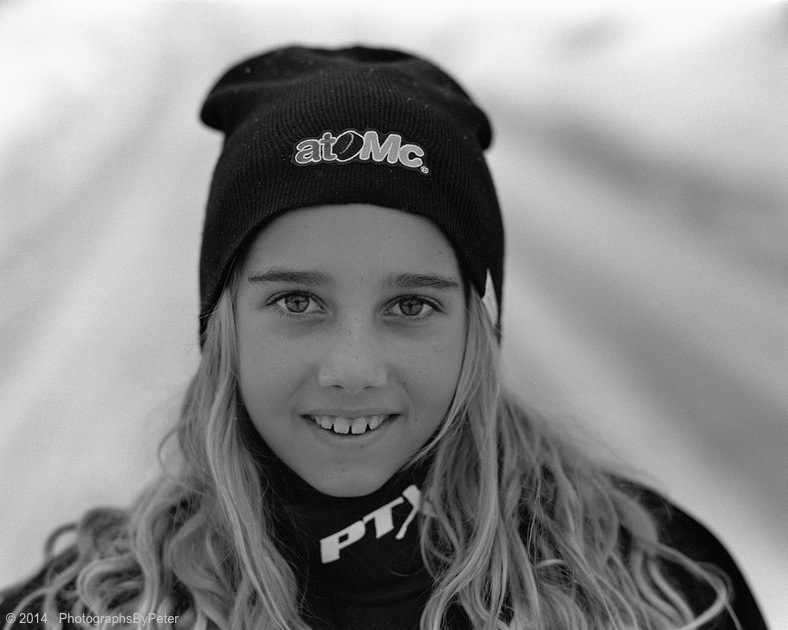
↑Mamiya RZ67, Mamiya 110mm @ f/2.8, and Kodak Tri-X 400.
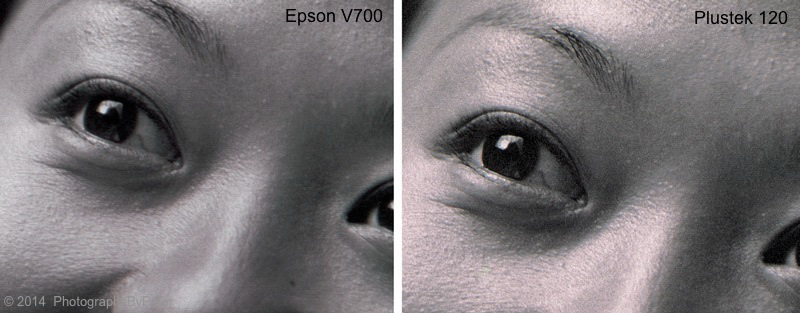
Here is a high magnification crop from each scanner, from yesterday’s Smile image.
Qualifiers:
*This was done for my own evaluation purposes. I have other crops I’ve compared but I’m only posting one because it is representative of the overall results.
–
The Epson V700 is on the left, the Plustek 120 is on the right:
–
My verdict?
However, the Epson V700 was hampered by its substandard film holders. Those of you who are using the BetterScanning substitutes are likely coaxing better performance out of the Epson.
Please note that we are splitting hairs with these crops. The overall image quality is excellent for both.
In actuality, I was happy with the Epson — until I saw what I can get from the Plustek. And my goal was to get something at least as good as the Epson in a smaller package. The fact that I’m getting better image quality (in the context of my workflow) is a bonus.
The second big bonus with the Plustek is that there is no large, smudge-prone, glass panel present from which I have to keep wiping away fingerprints.
The third big bonus with the Plustek is that the film holders can accommodate 3 frames of 6 x 7 film (the Epson ones hold 2.5… which is very inconvenient).
Finally…
I’d like to congratulate Plustek for keeping film scanners alive. I’m no longer plagued by crazy notions of purchasing a used (and discontinued, and unsupported) Nikon Coolscan 9000 for an inflated price in the second-hand market.
The Plustek 120 appears to be a quality product that is well-conceived and is well-executed. And thank you Plustek, for finally including well-engineered film holders!
Hopefully, it’s built to last.
—Peter.
I’m just finalising my post about my recent experience with the Epson V700 vs. Plustek 120.
Please note that the discussion is based on a single shot comparison (done for my own evaluation purposes) and therefore it is not meant to be a scientific analysis!
—Peter.
That was fast delivery!… ordered yesterday, here today.
(Thank you Canada Post)
–

–
I still have the plastic protective sheet on the front 🙂
The footprint is certainly much smaller than the Epson V700. Excellent.
For comparison purposes, here is the Plustek 120 from above, with a standard 3-hole punch and my recent Polaroid photo sitting on top of it:
–

–
Now, the question is:
Will it perform as well as the V700?
—Peter.
Here is my first image from the first roll of Kodak Tri-X 120 put through the Mamiya RZ67.
I self-processed the film at home like this, and self-scanned on an Epson V700.
Looking at the tonality of this image, I want to weep tears of joy.
Nothing I’ve experienced with digital comes close.
People, all these years we have been duped.
Instead of constantly upgrading e-cameras,
We could have had this all along.
And now film is dying.
Shame on us.
—Peter.

↑Mamiya RZ67, Mamiya 110mm @ f/2.8, and Kodak Tri-X 400.
Okay, enough of the Polaroid-ish films shots.
I stepped into the world of MF for one reason and one reason only: Tri-X on a larger sheet of film.
So, tomorrow I’m posting a test image that I shot using Tri-X 400, and scanned with my now returned Epson.
—Peter.
This result is certainly better than what I obtained on my first attempt.
Incidentally, this image illustrates the close-up focusing ability of the Mamiya RZ67 (courtesy of its bellows focusing).
Unfortunately, with the 110mm lens (equivalent to roughly 55mm in 35mm format), photographing this closely introduces some undesirable distortion.
—Peter.

↑Mamiya RZ67, Mamiya 110mm @ f/2.8, and Fuji FB-3000.

Yes, I’m looking to you for advice.
If you had to choose between the Epson V700/V750 or Plustek OpticFilm 120 to scan Medium Format film, which would you choose?
My newly arrived refurbished Epson V700 is defective (but I have been able to coax some scans out of it) so now I’m wondering if I should replace it with a new one or move to something else. I’m only interested in scanners that are currently in production, so that excludes the various Nikon and Minolta offerings.
Thanks,
—Peter.
The answer to my Guess Which Gear question is:
Mamiya RZ67 Professional Pro II and Mamiya RZ 110mm F/2.8, using Fujifilm FP-3000B (Poloraid-type) B&W film:

As the name implies, the Mamiya RZ67 is a 6 x 7 film format system. Its film “sensor” size can be appreciated by looking at this comparison:

This is a modular system and the Polaroid film back provides less “sensor” size (and less image quality) than 120 film, but I purchased it along with the 120 film back so that I could get instant results and feedback. As you can see from my first Test Image, I messed up on my initial settings (I had the ISO on the camera set to 800, while the Fuji FP-3000B is pegged at ISO 3000) so it was a good thing the damage was limited to only one image vs. an entire roll of 120 Kodak Tri-X.
[Incidentally, Fuji has recently announced that it is discontinuing this film 😦 . There’s an online petition asking Fuji to bring back the FP-3000B and so far there are over 10,000 signatures. You can still find it in stock, but prices have jumped quite a bit. If you’re interested in using it, buy it while you can — and sign the petition!]
Knowing my love of small Leica rangefinders, why did I even look at this behemoth of a camera? One word: PORTRAITURE.
If you look at the sample images online, you will be amazed. Hopefully, I will produce something worthy of this camera. The gear, for me, will be relegated to formal shooting, which means I will seldom use it. However, given how easily and inexpensively one can obtain such capable film-based medium format systems, the decision was easy.
As a side bonus of first using the Polaroid back on the Mamiya, my kids were amazed at seeing “the pictures come out of the camera, like in the old cartoons!“. It’s great to see that in this age of digital wizardry, something as old as this can fire up their imagination.
Now… off to dig up my old film developing equipment and brush up on…
Thanks for your interest.
—Peter.
I messed up.
What can I say?… it’s a new camera, new lens, new medium. Literally the first test shot.
Any guesses as to what I’m using?
(The image borders provide a strong hint about the identify of the medium.)
—Peter.

As has become an annual ritual (and learning process) for me, I recently reviewed my images from this past year.
What follows are my favourites — my “31 of ’13“. They are presented in no particular order, but each one stood out for me.
I also want to take this moment to thank you for your overwhelming support of my endeavours on this site. Each day, I look forward to reading and responding to your comments, and I look ahead to 2014 with much optimism, and inspiration.
Thank you,
—Peter.
P.S. The images below are dedicated to my grandmother, Thecle, who looked after me with infinite love when I was a child, and who passed away this year. Love you forever, my Yiayia.
–
–
–
(Leica M3, Leica 35mm Summilux ASPH FLE, Kodak Tri-X 400)
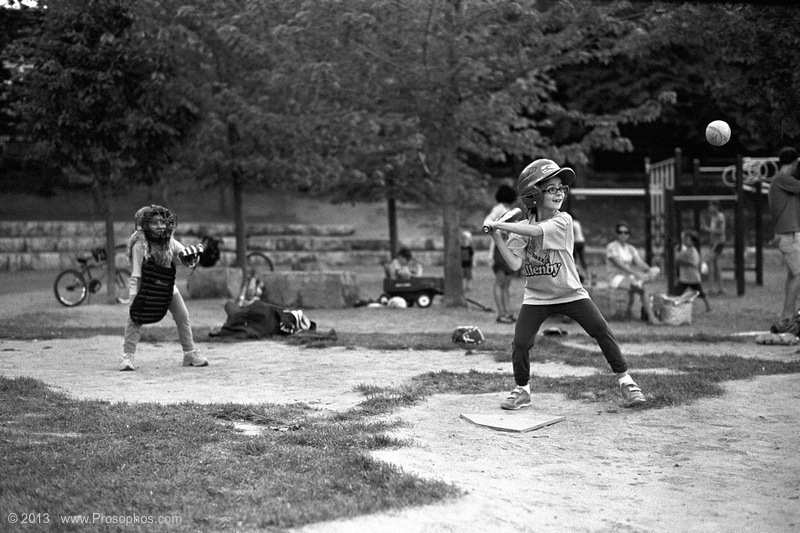
–
–
–
(Leica M9 and Leica 50mm Summilux ASPH)
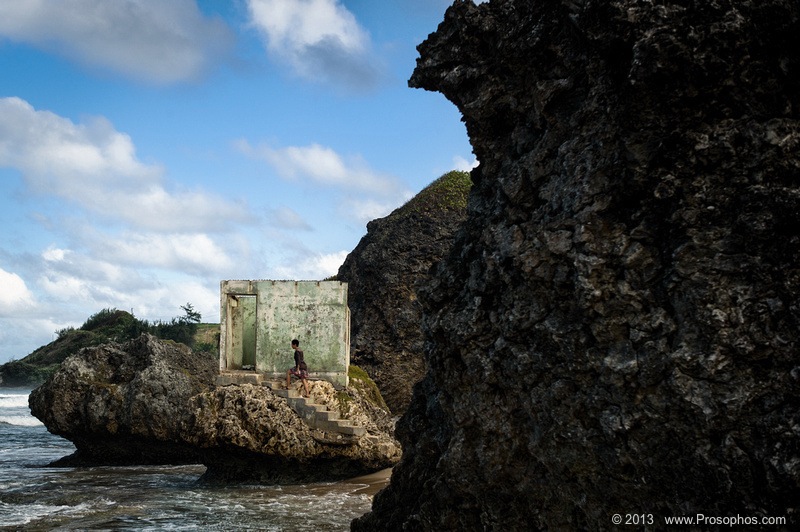
–
–
–
(Leica M9 and Leica 50mm Summilux ASPH)

–
–
–
(Leica M9 and Leica Noctilux 0.95)

–
–
–
(Leica M9 and Leica Noctilux 0.95)

–
–
(Leica M9 and Leica 24mm Summilux ASPH)

–
–
–
(Leica M9 and Leica 24mm Summilux ASPH)
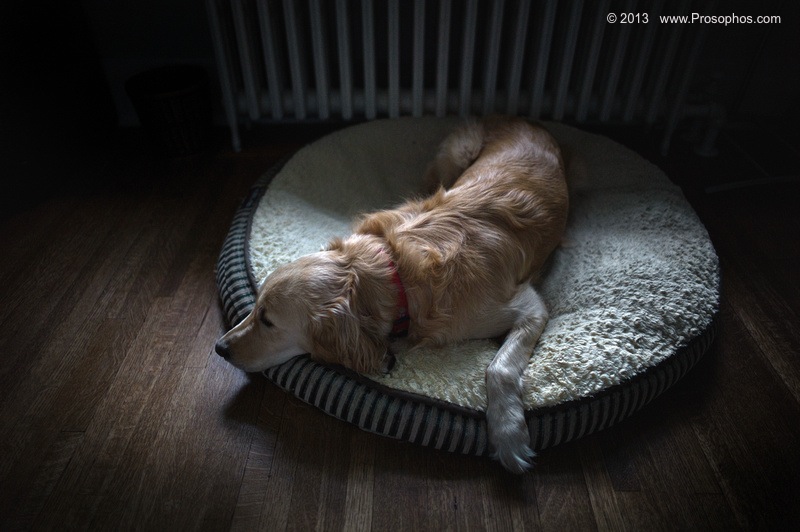
–
–
–
(Leica M9 and Leica 24mm Summilux ASPH)
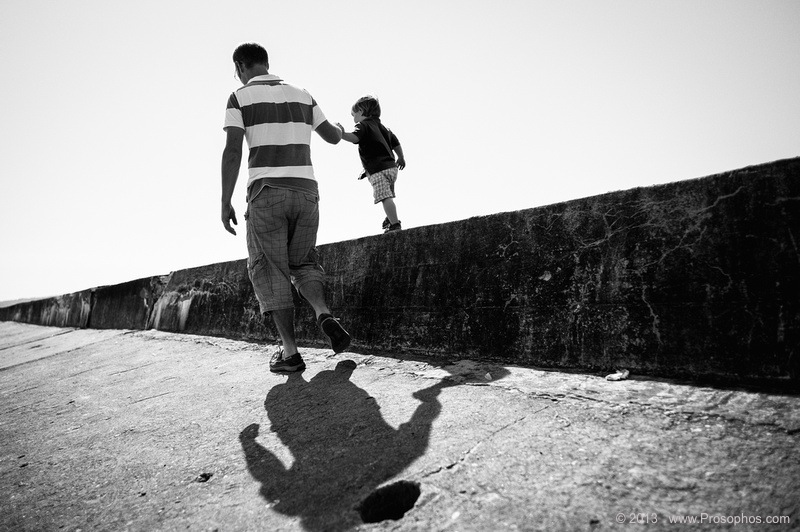
–
–
–
(Leica M9 and Leica 50mm Summilux ASPH)
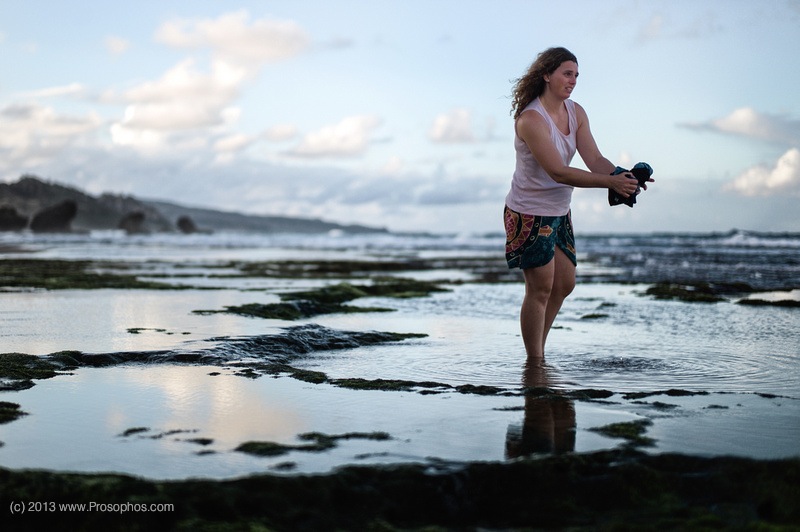
–
–
–
(Leica M9 and Leica 24mm Summilux ASPH)
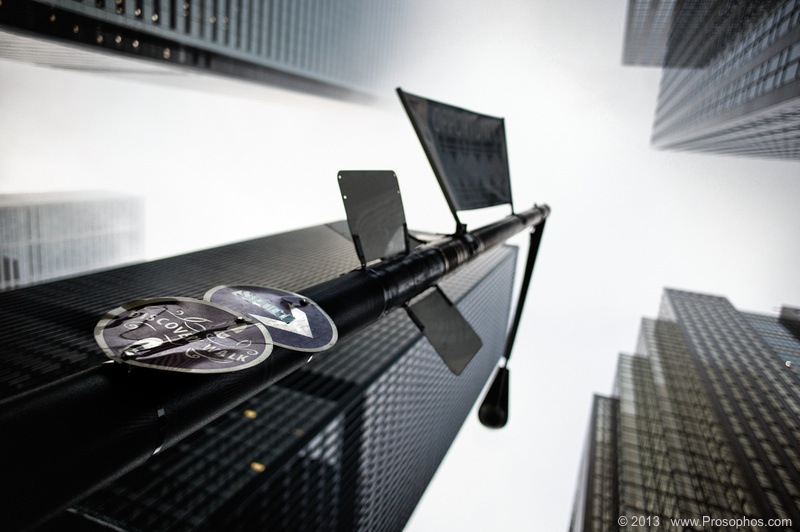
–
–
–
(Leica M9 and Leica 50mm Summilux ASPH)
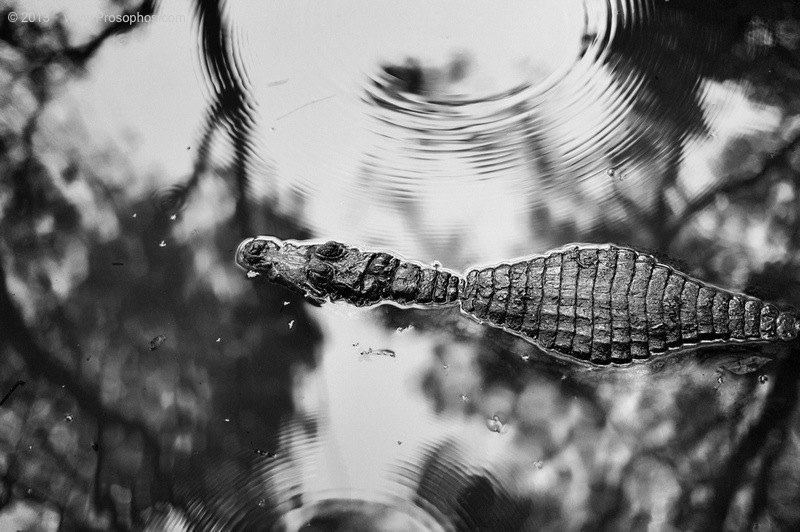
–
–
–
(Leica M9 and Leica Noctilux 0.95)

–
–
–
(Leica M9 and Leica 50mm Summilux ASPH)

–
–
–
(Leica M9 and Leica 50mm Summilux ASPH)

–
–
–
(Leica M9 and Leica 75mm Summarit)

–
–
–
(Leica M9 and Leica 50mm Summilux ASPH)

–
–
–
(Leica M9 and Leica Noctilux 0.95)

–
–
–
(Leica M9 and Leica 50mm Summilux ASPH)

–
–
–
(Leica M9 and Leica 75mm Summarit)

–
–
–
(Leica M9 and Leica 50mm Summilux ASPH)

–
–
–
(Leica M9 and Leica Noctilux 0.95)

–
–
–
(Leica M9 and Leica 50mm Summilux ASPH)

–
–
–
(Leica M9 and Leica 50mm Summilux ASPH)
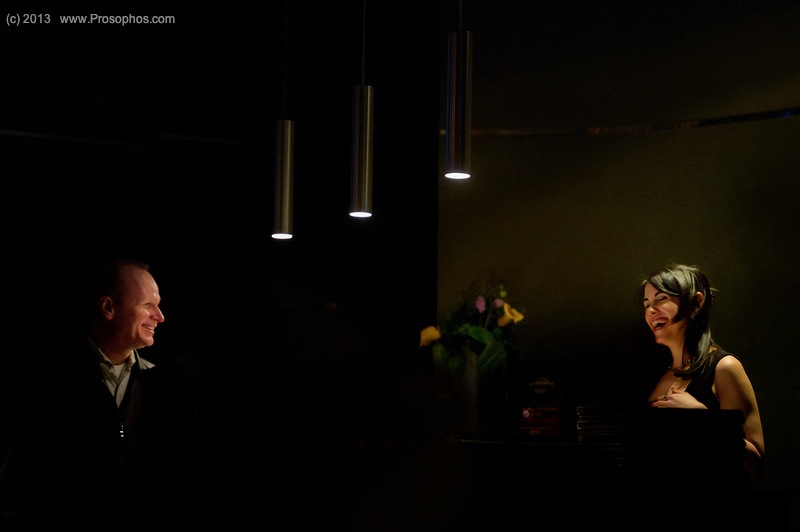
–
–
–
(Leica M9 and Leica 24mm Summilux ASPH)

–
–
–
(Leica M9 and Leica 50mm Summilux ASPH)

–
–
–
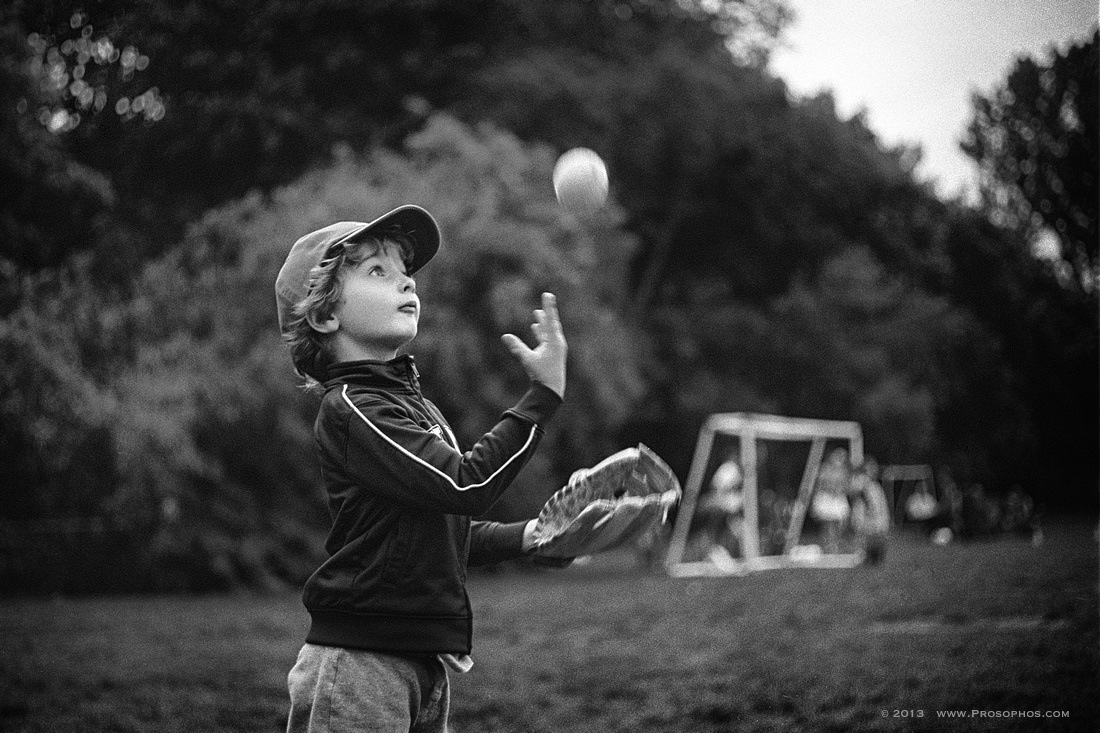
(↑Leica M3, Leica 50mm Summicron Rigid @ f/2, Kodak Tri-X 400)
–
–
–
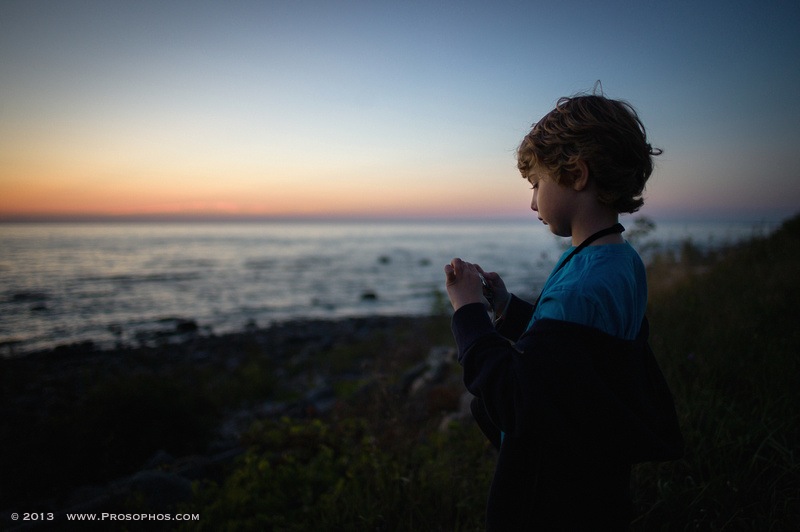
(Leica M9 and Leica 24mm Summilux ASPH)
–
–
–
(Leica M9 and Leica 24mm Summilux ASPH)

–
–
–
(Leica M9 and Leica 50mm Summilux ASPH)

–
–
–
(Leica M9 and Leica 24mm Summilux ASPH)

–
–
–
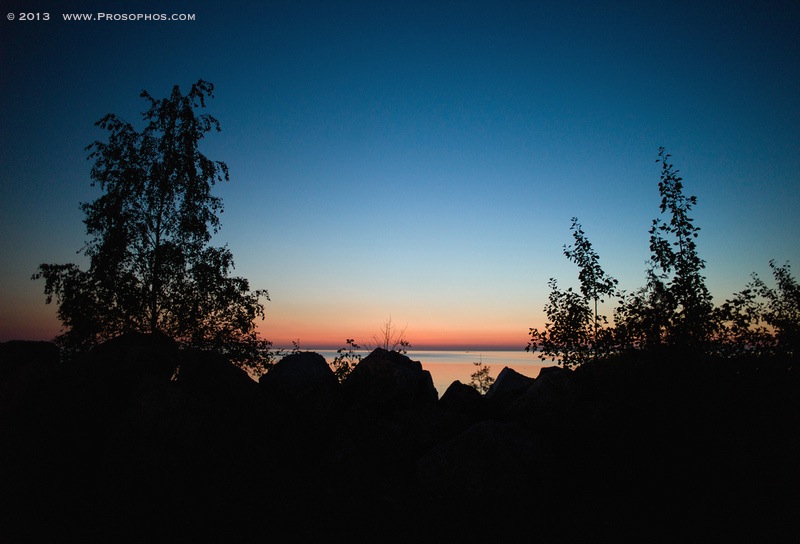
(Leica M9 and Leica 24mm Summilux ASPH)
–
–
—
Related posts:
_____________________________
Please show your appreciation!
If you’ve been inspired by these images, or any of my articles, please consider making a contribution to help me run this site. Whether it’s $5, $10, or $15… it all helps.

This site is a labour of love, but any help I receive will help me devote more time to running it.
Thanks,
—Peter.
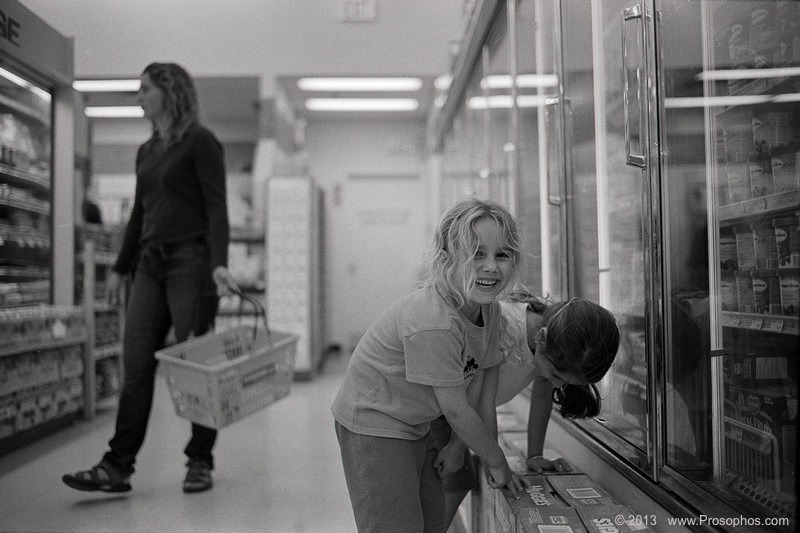
↑Leica MP, Ilford HP5+, and Leica 35mm Summilux ASPH (non-FLE) @ f/1.4.
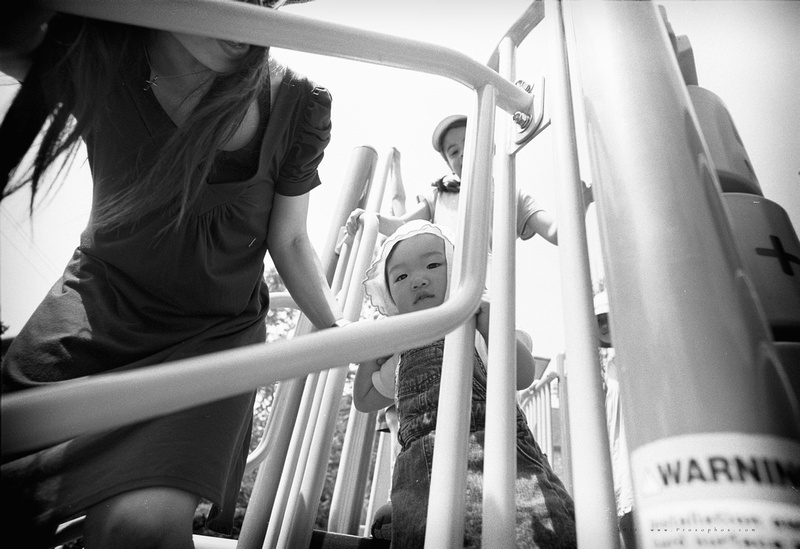
↑Leica M3, Kodak Tri-X 400, and Zeiss 21mm @ f/2.8.
 Prosophos