Nikon has just announced the Nikon 28mm f/1.4E ED lens.
—Peter.


Nikon has just announced the Nikon 28mm f/1.4E ED lens.
—Peter.

Years ago, Nikon discontinued the Super Coolscan 9000 ED.
As of 2017, no one else has managed to produce a comparable product (the Hasselblad Flextight scanners don’t really count because they play in another league with respect to price).
In the past, I’ve been reasonably satisfied with the Plustek 120, but I know its performance lags behind the old Nikon and something about its operation screams “beta product”.
Perhaps Plustek, you can step in and help, please? I really want to support you for continuing to make film scanners, but I’m looking for something a notch above your current line-up.
—Peter.
Test shot #9 from my 1957 Leica M3 DS.
Along with my subject, I’m pensive too, because I’m sending this camera for a CLA (the shutter speeds are clearly off… this image was underexposed by two stops and I had to “push” it in LR — hence the heavy grain).
And so now I’m back to contemplating the Ship of Theseus because I wonder:
Will my M3 be the same camera when it returns? Will it continue to give me the sort of images I’ve seen from this first roll of film?
I don’t know, of course. But I’ll keep you posted.
—Peter.
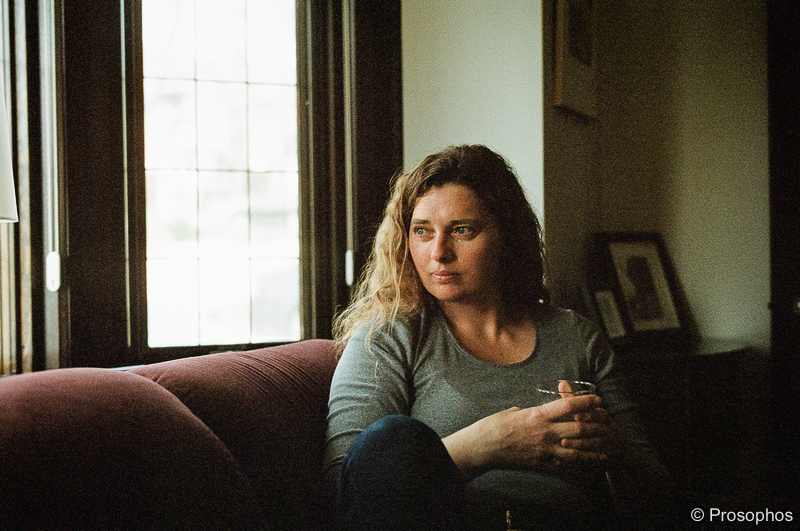
↑Leica M3, 50mm Summilux ASPH @ f/1.4, and Kodak Portra 800.
Test shot #1 from my 1957 Leica M3 DS.
I think the shutter speeds are off as most of the images in this first roll of film appear underexposed. Yet some look fine, so I’m at a loss.
I’m using Kodak Portra 800 here, which is more grainy than Portra 400, but I have a nagging feeling…
Anyway, I’ll take a grainy film image like this over the most polished digital equivalent any day.
Something more real about it.
—Peter.
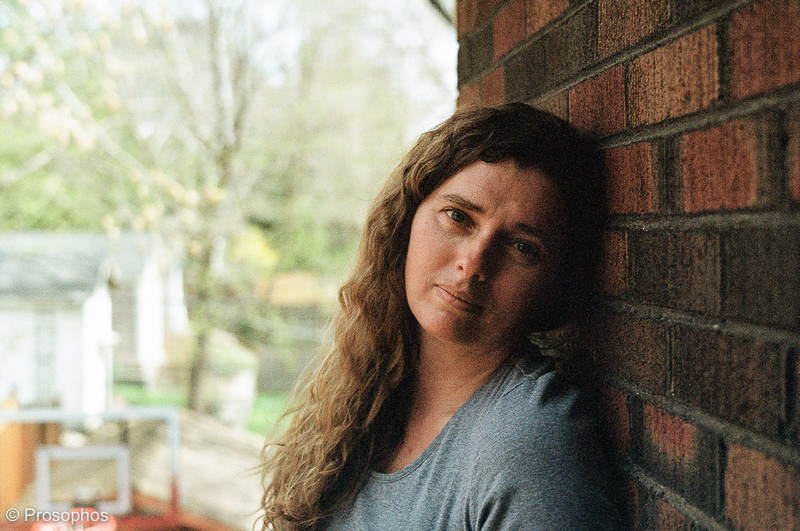
↑Leica M3, 50mm Summilux ASPH @ f/1.4, and Kodak Portra 800.

The Leica M3 was manufactured between 1954 and 1967.
Many collectors favour M3s with high serial numbers (1 000 0000 and up), or — at the other end of the spectrum — the first 1 000 ones made (with serial numbers 700 XXX). The first group are valued because they are thought to represent “perfected” late production examples, but as you will see below, that is a matter of perspective. The second group are coveted because, well… they were the first ones produced.
As a photographer however, my favourite M3s are the ones from the year 1957 (specifically the subset with serial numbers between 854 000 – 858 000) because they combine the best features of both early and late M3 bodies.
Specifically, the qualities of 1957 M3s that I value are:
Double stroke (DS) film advance levers with shorter arms. The shorter arms allow you to advance the film while holding the camera with one hand.
Modern shutter speeds (earlier models have the less-convenient older speeds: 1, 1/2, 1/5, 1/10, 1/25, 1/50, 1/100, 1/200…).
Silent return on the film advance lever (later models produce a ratcheting sound when returning).
Buddha (aka “Rabbit Ear”)-style lugs riveted (not screwed) to camera — no loosening or spinning of lugs.
Back door pin that allows it to securely click shut, preventing the door from inadvertently flapping open when changeing film (only available in cameras with serial numbers between 854 000 – 858 000).
Frame selector preview lever, which was not present in earlier models.
Double glass-reinforced eyepiece (later models have a single layer only).
—Peter.

↑Nikon D70 + Nikkor 50mm 1.8G.
–
“You can never go back.” So the saying goes.
Today I dusted off an old camera I haven’t used in years — the Nikon D70.
The D70 was the first DSLR I ever owned, and it’s the only camera I never subsequently sold.
I’ve carried it through the streets of Toronto, in all sorts of weather.
We’ve also traveled together to New York City, Paris, and Athens.
A few of the people I’ve photographed with it are no longer with us.
But I was reminded today that, indeed, you can never go back.
—Peter.
This is a candid shot, taken just moments after the original Cafe Reading photograph (which, in contrast to this one, was posed). I had just informed V that “I got the shot”, and she immediately relaxed and started to flip through the pages of a book.
So I photographed her, because I knew that this was the better image.
I don’t often set up photographs, but when I do I will wait (with camera in hand) for the moment that follows, because what follows is usually better than any idea I can dream up.
(Technical: Taken on a rainy morning, with the soft light working its magic.)
—Peter.

↑Leica M9 (CCD Lives! – Prosophos Open Letter to Leica) + Leica 35mm Summilux ASPH FLE.
Kata dreams up the yummiest things 🙂 .
As an aside, I want to thank my lovely wife R who was the stylist for this shoot, and my good friend Mark for introducing me to the Foldio mini studio (this nifty portable contraption has been quite useful for product shots like this).
(Technical: M9 + 90mm Summicron APO + Foldio2)
—Peter.
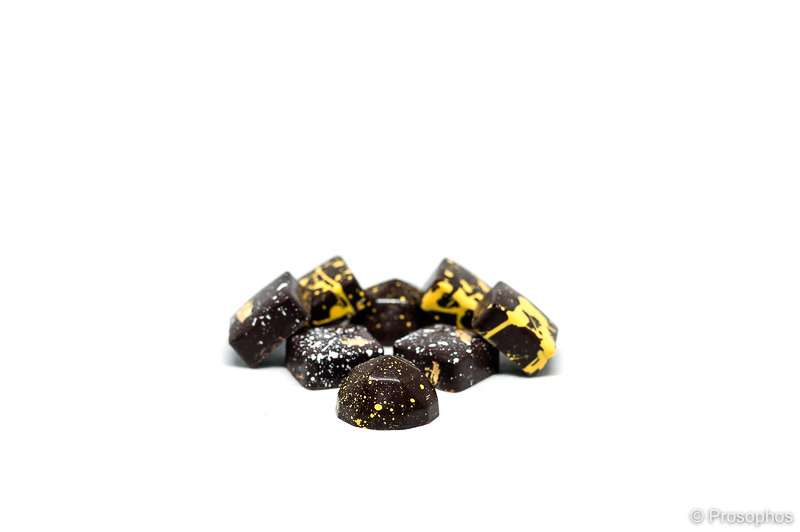
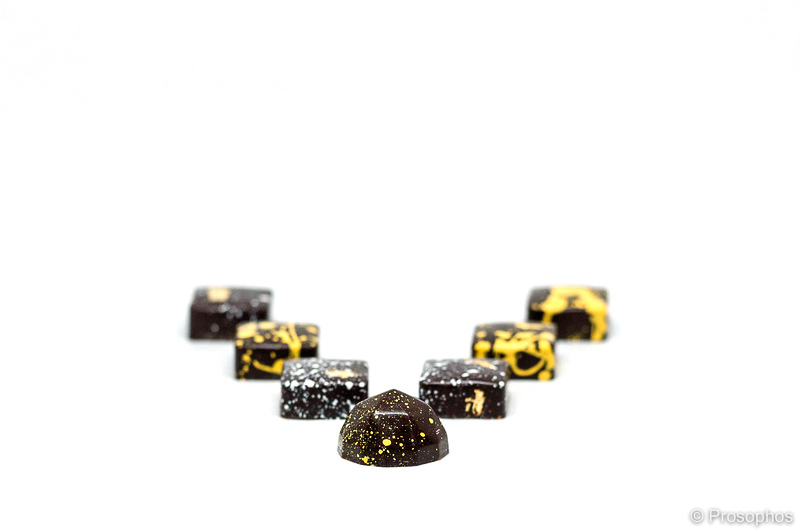
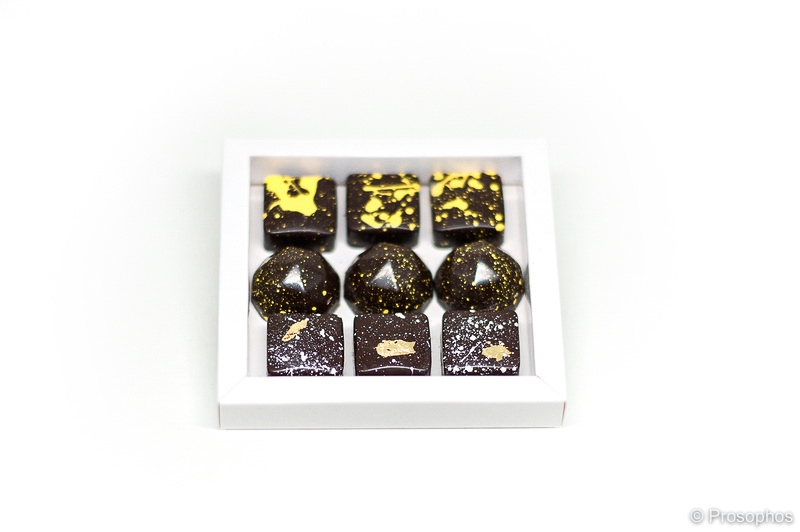
↑Leica M9 (CCD Lives! – Prosophos Open Letter to Leica) + Leica 90mm Summicron APO.
For comparison purposes, see a recent shot (different lighting and composition however), taken with the Mamiya RZ67 and Kodak Portra 400 film.
—Peter.

↑Leica M9 (CCD Lives! – Prosophos Open Letter to Leica) + Leica 90mm Summicron APO.
Test Roll #1, Frames #4 and 5 of 10.
In the first shot I was re-familiarizing myself with the dynamic range, in the second the bokeh. In both I was testing for the focus accuracy of my rangefinder.
1/125 | f/4 for both images.
So far, so good.
—Peter.
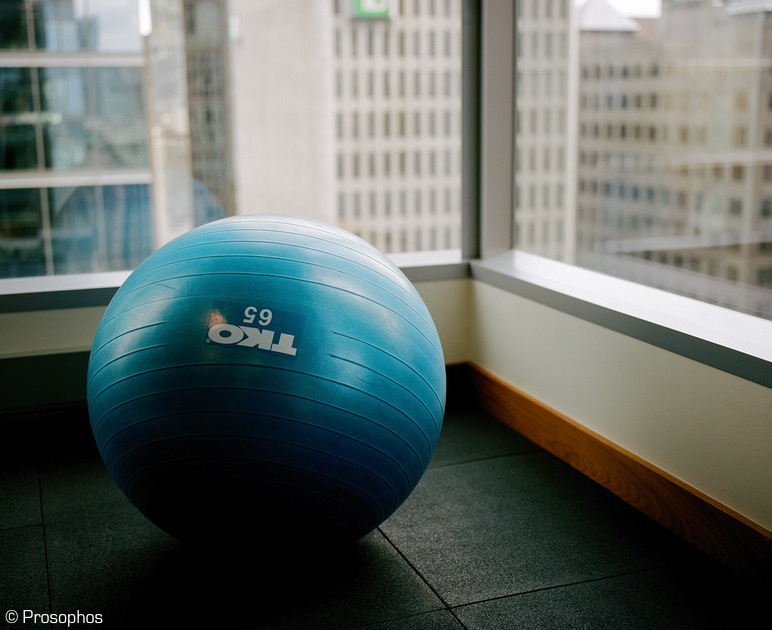

↑Mamiya 7 + 80mm + Kodak Porta 400.
Test Roll #1, Frame #2 of 10.
Overcast, late afternoon.
1/250 | f/4.
–
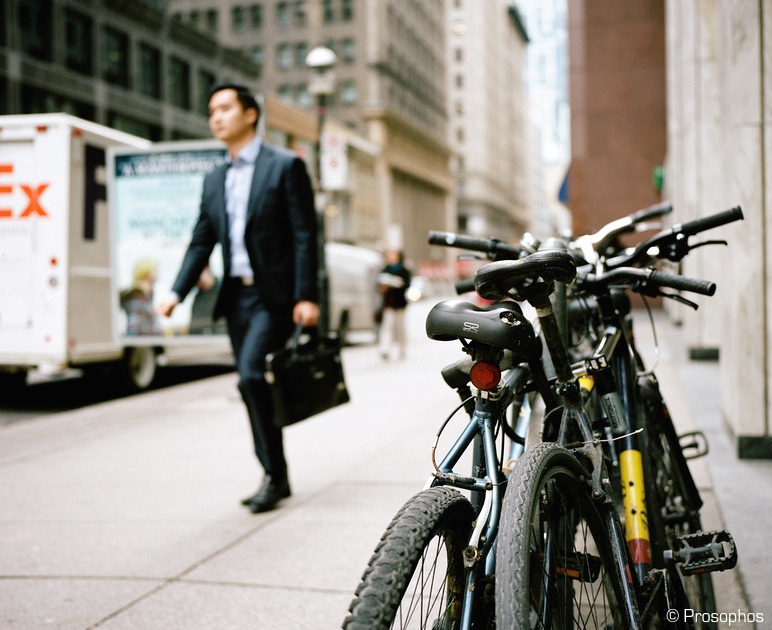
Here’s the scene.
The point of focus is on the letters “SR” (on the bike seat):
–
And here is an extreme crop:

↑Mamiya 7 + 80mm + Kodak Porta 400.
–
—Peter.
Even though this lens is not known for low light photography, I’ve been using it frequently inside the house.
Technical: 1/30 sec | f/3.4 | ISO 640.
—Peter.
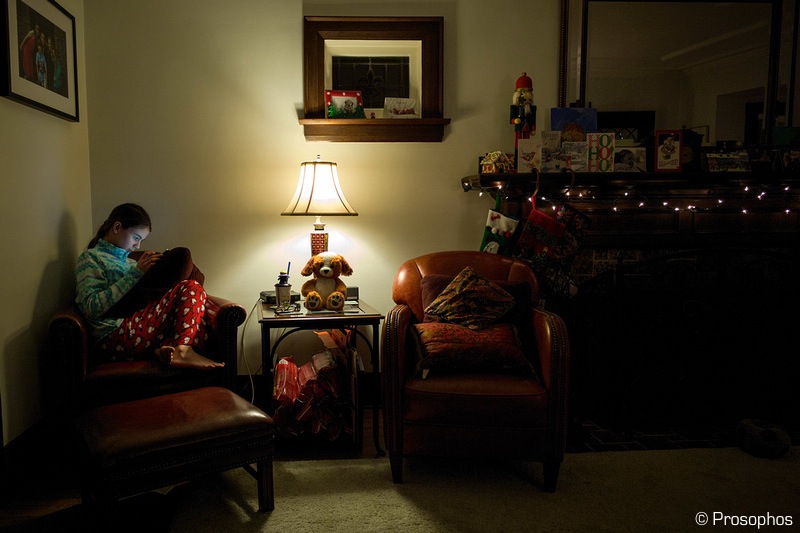
↑Leica M9 (CCD Lives! – Prosophos Open Letter to Leica) + Leica 21mm Super-Elmar ASPH.
The light was really, really bad… and yet I really like the light in this image.
This underscores the fact that you never truly know how the image will look until you press the shutter. In thinking about this, I’m reminded of that famous Garry Winogrand quote: “I photograph to find out what something will look like photographed.”
—Peter.

↑Leica M9 (CCD Lives! – Prosophos Open Letter to Leica) + Leica 35mm Summilux ASPH FLE.
A study in composition — there’s a lot going on in this frame!
This is probably one of the most successful (spontaneous) compositions I’ve had this year. I wish I’d shot it at f/8, so more detail could be appreciated in the background, but often the background is full of distractions therefore I routinely photograph at wider apertures to relegate the clutter into a blur (incidentally, this photograph was shot at f/4.5. which is wide-ish for a telephoto lens).
On a related note, there are few vocal individuals on camera forums these days that routinely decry shallow-depth-of-field-photography and label it a fad.
I disagree: the technique has been employed extensively from the dawn of photography and there are too many background distractions in modern-day environments to not use it.
—Peter.

↑Nikon D810 + Nikon 70-200mm f/4G ED VR AF-S.
…except he was called out 😦
At least I had this photo to show him afterwards.
On another note, this is the first image taken with the newly acquired Nikon 70-200mm f/4G.
—Peter.

↑Nikon D810 + Nikon 70-200mm f/4G ED VR AF-S (@ 145mm).
Courtesy of De Mello Palheta.
The best latte I’ve had anywhere.
—Peter.

↑Leica M9 (CCD Lives! – Prosophos Open Letter to Leica) + Leica 35mm Summilux ASPH FLE.

🙂
—
After experimenting with the Nikon D810 (and other cameras) for more than seven months, I continue to prefer the Leica M9/M-E for image quality, at base ISO.
It is clear to me that the D810 has the better performing sensor by all objective metrics and has more malleable files, but somehow the M9 images look better.
(The runner up camera is once again the Leica M8.)
But, am I being premature with my selection? What will the second half of 2016 bring?
Leica may finally improve on the disappointing M240 with the release of a new M in the fall, but realistically most of us won’t be able to get a hold of it until 2017.
Either way, don’t expect it to be a CCD camera like many of us have asked for in My Open a Letter to Leica.
I’ll be interested in it anyway, if the image quality is better than the M240.
—Peter.
–
—
2015: Leica M9/M-E
2014: Leica M9/M-E
2013: Leica M9/M-E
2012: Leica M9/M-E
2011: Leica M9
2010: Leica M9
2009: Leica M9
2008: Leica M8/Nikon D3
2007: Leica M8/Nikon D3
2006: Leica M8
The dividing line (and timing) of an out.
On a technical note, whereas I would have machine-gun-photographed with the D810 at 5 FPS to try to get this shot (and would have had a 50-50 chance), I was able to get the “decisive moment” with the M8 on a single click of the shutter.
—Peter.

↑Leica M8 (CCD Lives! – Prosophos Open Letter to Leica) + Leica 50mm Summilux ASPH.

