A micro review of the Nikon 28mm f/1.4E.

Inspiration, Q&A, Teaching point

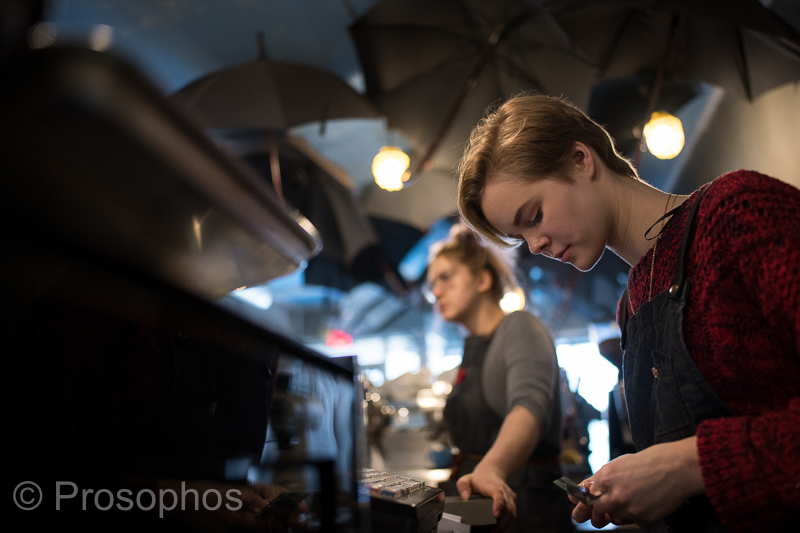
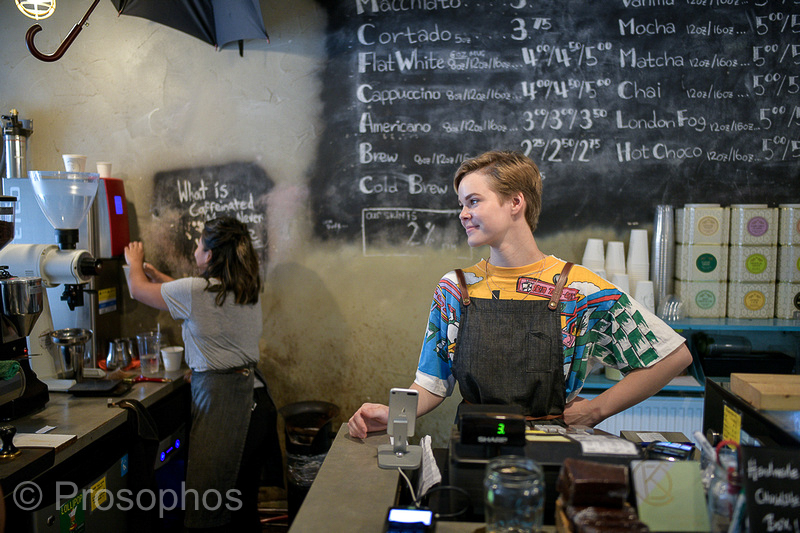
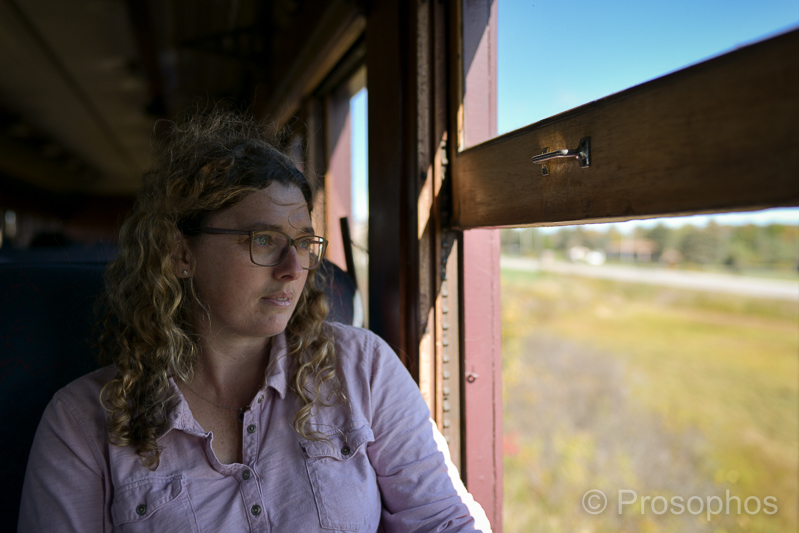
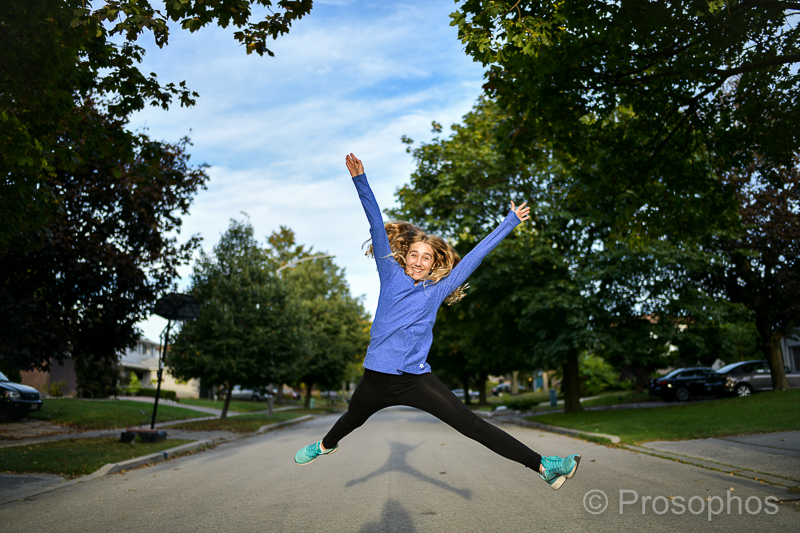
The Nikon 28mm f/1.4E is one of my favourite lenses (of any focal length, from any manufacturer).

It renders in both a sharp and smooth way and achieves the perfect balance between the two for environmental portraits (and this is my main use for it).
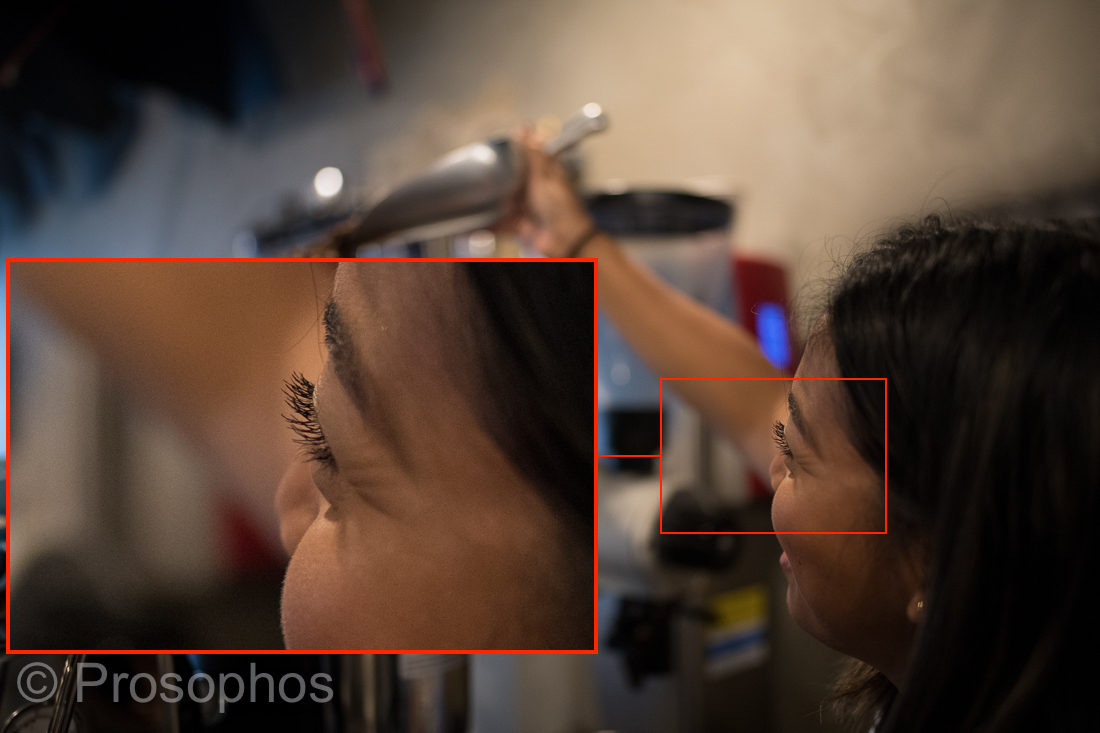
 

Nikon 28mm f/1.4E @ f/1.4 | 1/320 | ISO 1100.


Contrast and micro-contrast are excellent.

Colours are saturated and rendered with great clarity, for lack of a better word.

Distortion is limited.

The lens vignettes at f/1.4 in a very pleasing way; I will sometimes correct for it during post-processing but more often will not.

My particular copy required 0 (zero) focus adjustment with my Nikon D850; it worked perfectly right out of the box.

This is one of those lenses that imparts a je ne sais quoi quality to its images.  Most technically proficient lenses tend to render in a very sterile fashion (perfect for photographing brick walls, not so good for photographing people) but the Nikon 28mm f/1.4E is one of the few lenses I’ve encountered that gets both the technicals and intangibles right.

Highly recommended.

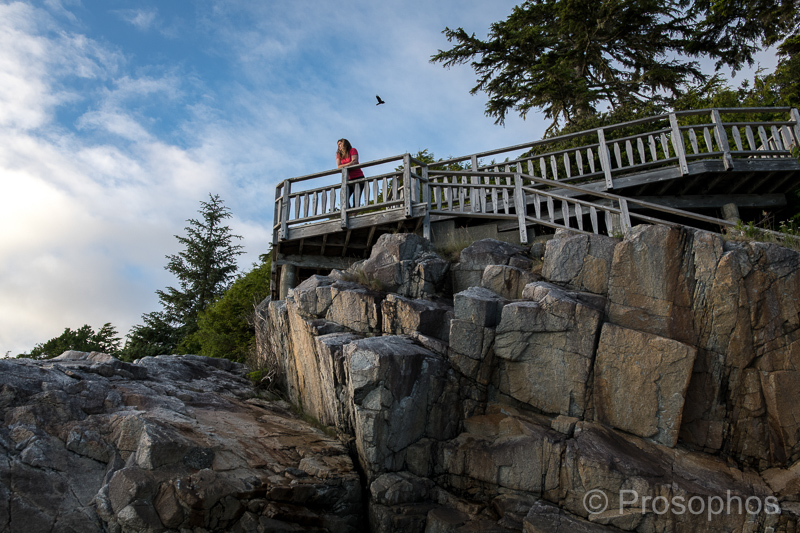
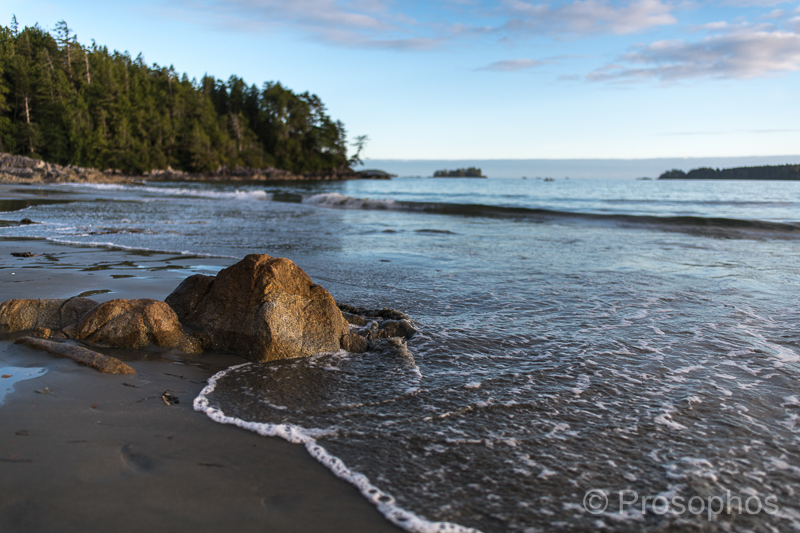
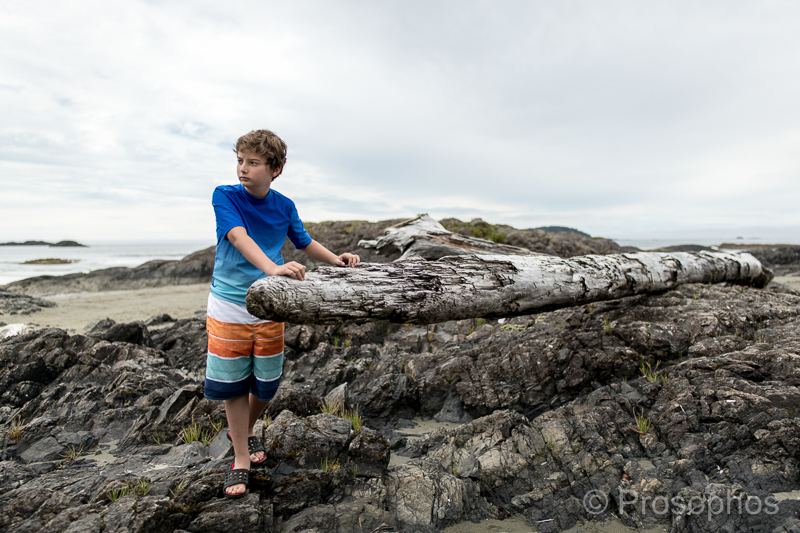
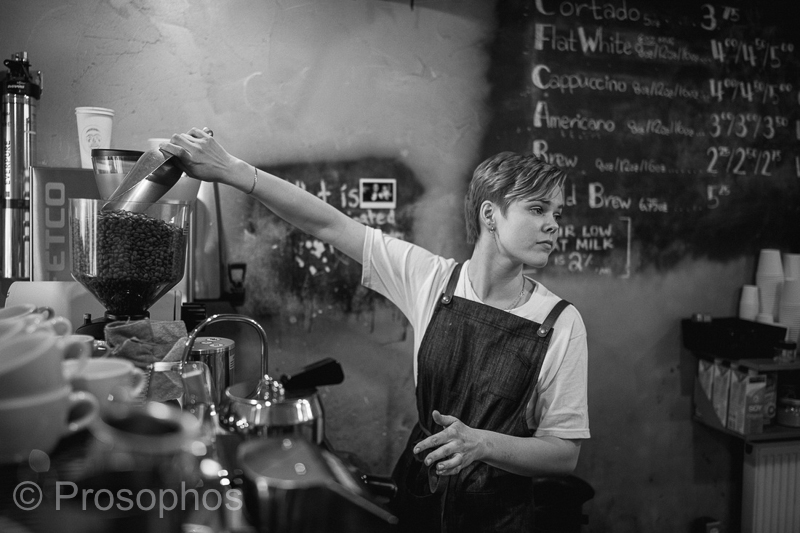
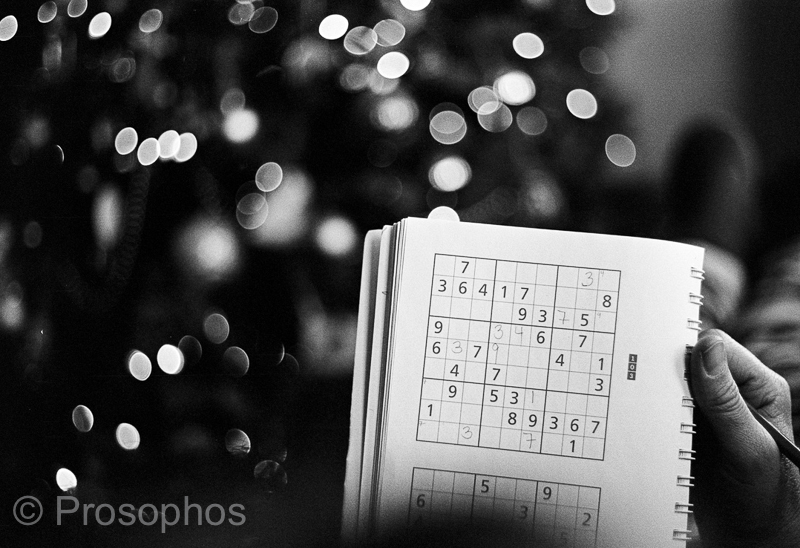
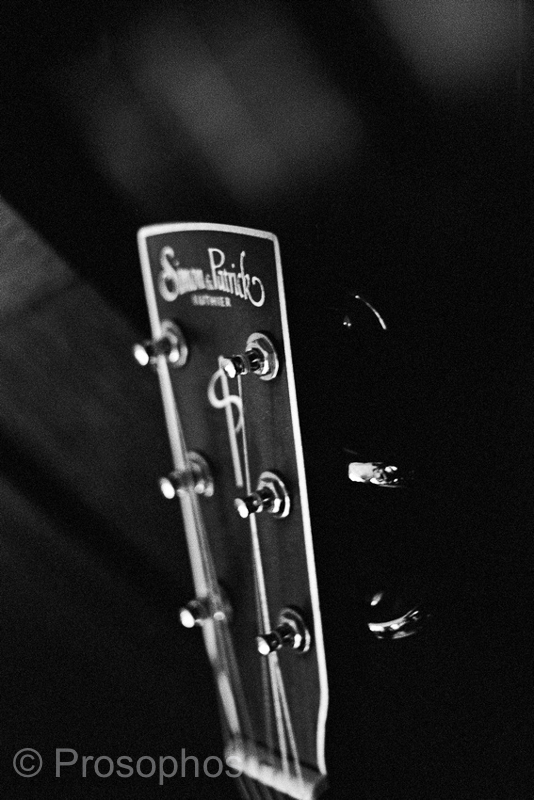
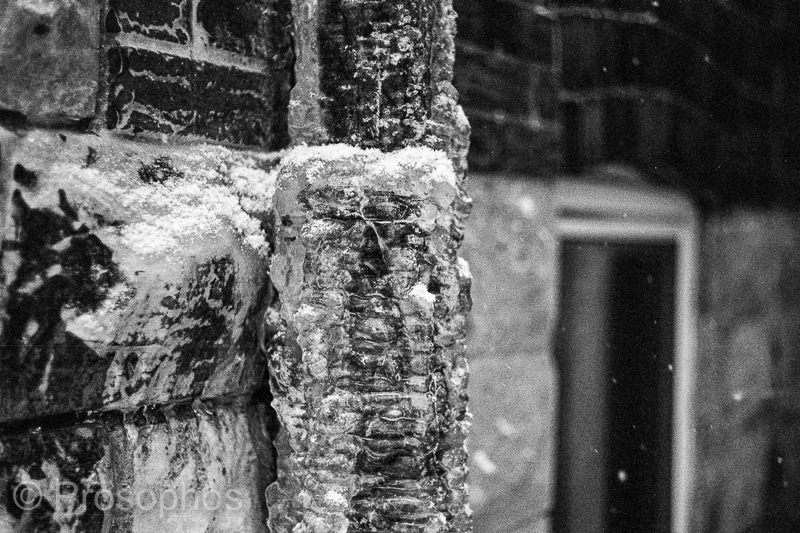
I’ve included a few sample images below.

—Peter.


Winter Blues.

2018, Favourite, Inspiration, Nikon, Nikon 28mm f/1.4E, Nikon D850, Portrait, Q&A, Teaching point, Within 200 feet of My House™

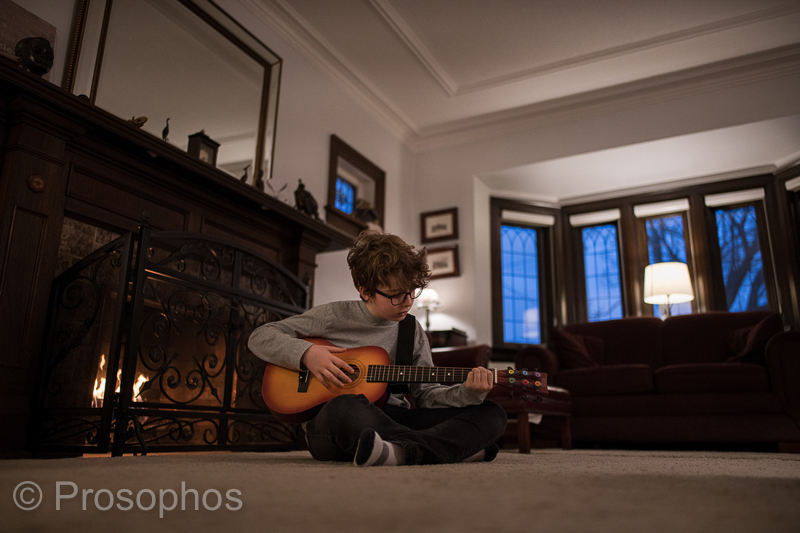
This was photographed with the D850 resting on the floor and in live view, with the back LCD angled up for easy viewing.  In this mode, touching the screen will initiate autofocus and then the shutter will automatically release… silently.

It’s a well-known feature in the D850 but this is the first time I’ve tried it.

Many find Nikon‘s implementation of all this to be slow (relative to mirrorless cameras), but it’s quite usable for this sort of image.  It’s certainly useful in quiet venues where silent operation is desired.

However, I wouldn’t think of using it to photograph sports, flying monkeys, or the aerosolized droplets of a sneeze.

—Peter.
↑ Nikon D850 + Nikon 28mm f/1.4 E.

The Pianist, closer.

2018, Favourite, Film, Inspiration, Kodak Tri-X 400, Leica 50mm Summicron Dual Range f/2, Leica M3, Portrait, Print, Q&A, Scanner - Plustek 8200i, Teaching point, Within 200 feet of My House™

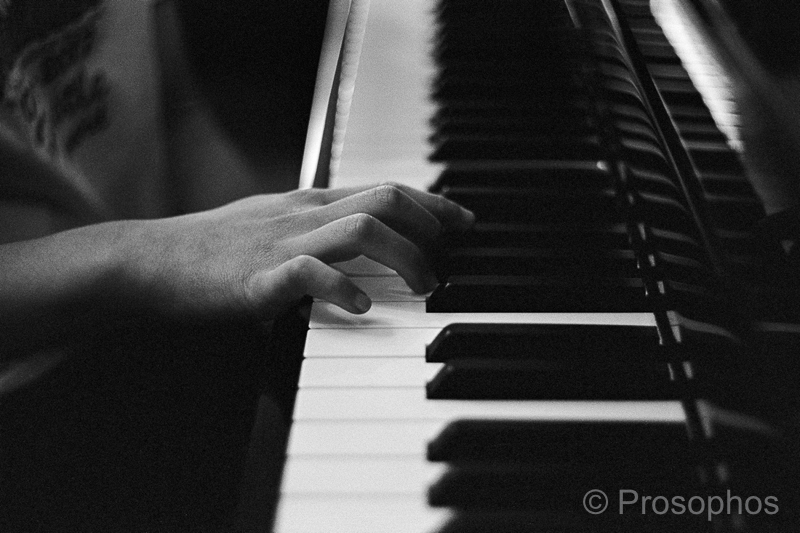
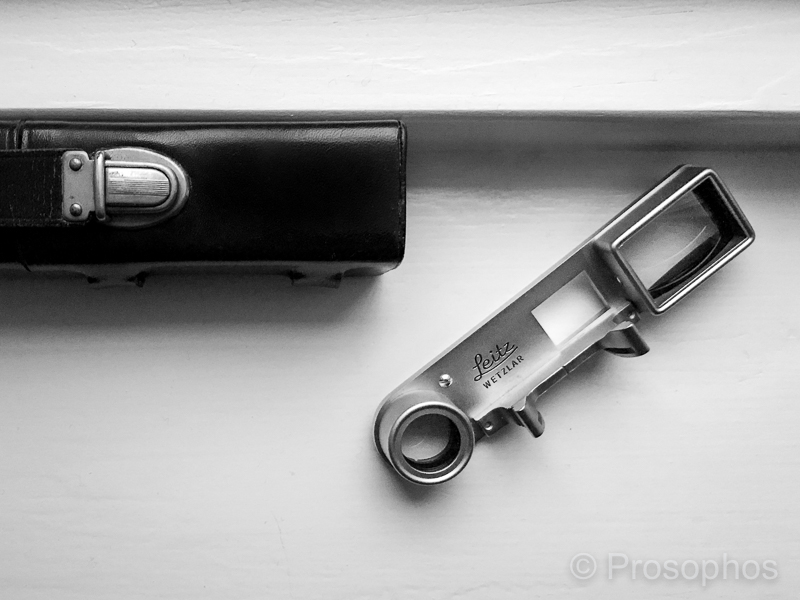
I made use of the close-focus attachment of the 50mm Dual Range (DR) for this image.

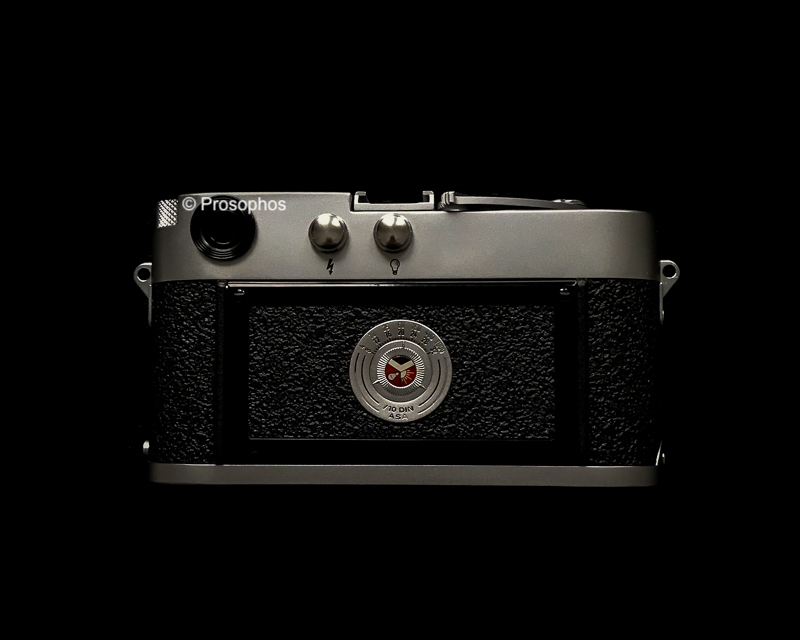
I have always admired the build quality of Leica M3 cameras but like many photographers often found the 1 m close-focus distance too limiting.  The DR solves this problem and gets me even closer than I’m used to when photographing with an M-series camera.

At first I thought that attaching/removing the extra hardware would prove impractical/cumbersome but in practice it hasn’t held me back.  In fact, the engineering and design behind the Dual Range is quite well thought out and the system is simply a delight to use.

—Peter.


f/2 @ 1/30 sec

Leica M3, Leica 50mm Summicron Dual Range, Kodak Tri-X 400, and Plustek 8200i.

Camera shutter lag time.

2018, Inspiration, Q&A, Teaching point

The shutter lag is defined as the time between when:

  the photographer presses the shutter button    the camera takes the photograph

A minimal shutter lag is very helpful when trying to photograph the decisive moment.

Below I’ve compiled the shutter lag times of various 35mm cameras; the data is consistent with my own experience and it may surprise a few of you.

—Peter.
Selling images to the Instagram generation.

Inspiration, Q&A, Teaching point

Each month I submit photos to De Mello Palheta Coffee Roasters for their social media use.

They compensate me for my work, and they are then free to use the images as they wish.

Lately, the new De Mello curator has been libearally applying Instagram filter effects to said images.

Case in point…

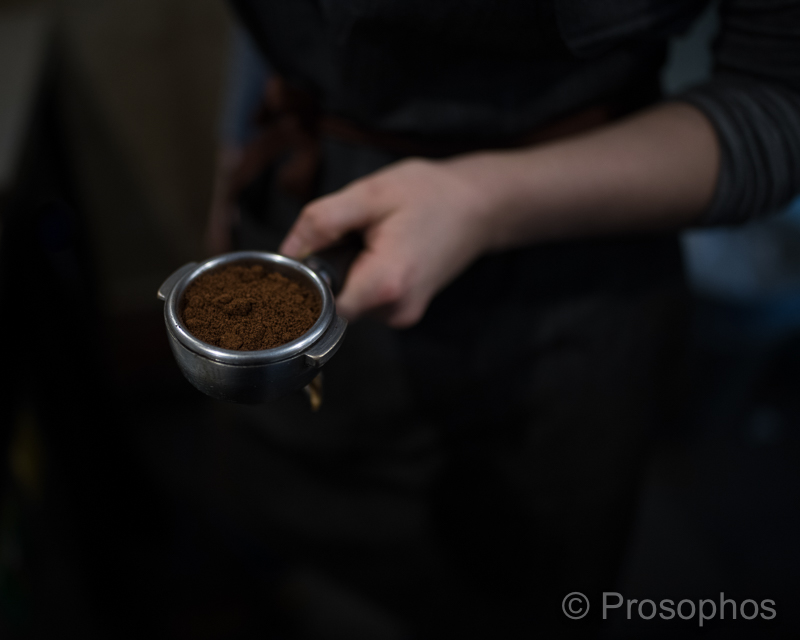
My original image (“The Dark Arts“):

And the IG-filtered version:

My take on all this?

Just guess, LOL.

—Peter.


The Kinesiologists.

2017, Favourite, Inspiration, Nikon 28mm f/1.4E, Nikon D850, Photo Shoot, Portrait, Q&A, Teaching point

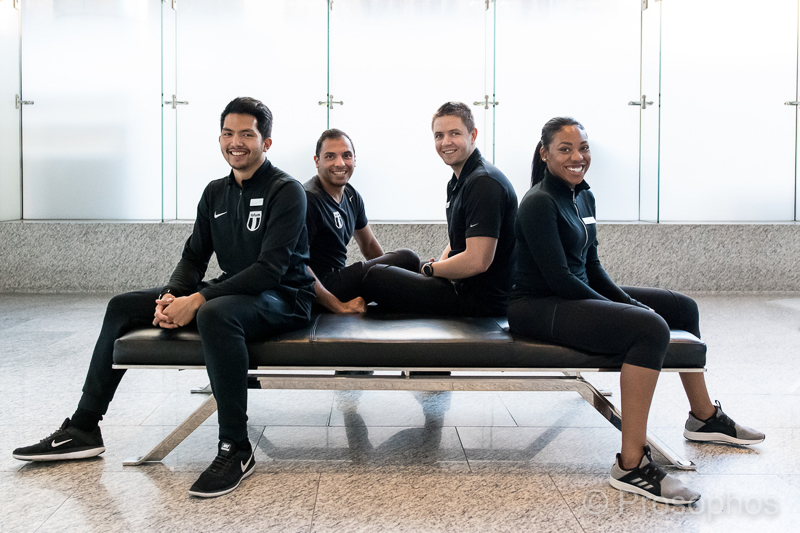
Posing four people to make them appear “professional but friendly” while trying to convey spontaneity is… difficult.  I knew this ahead of time of course, so I initially turned down this job.  Then I decided to take on the challenge.

All in all, considering our collective inexperience  — I had never attempted this and these are not professional models — I think we did alright.

—Peter.

↑ Nikon D850 + Nikon 28mm f/1.4 E.

Nikon D850 JPG engine is really good.

Inspiration, Nikon D850, Q&A, Teaching point

After examining the RAW files from the Nikon D850 in Capture One and comparing them to the camera-generated JPGs I’ve come to a a surprising conclusion:  this may be the first camera I choose to shoot exclusively in JPG mode.

The out of camera JPGs are that good.

My JPG settings for the D850 are:

  • Picture Control: Neutral
  • Active D-Lighting: Auto
  • White Balance:  Auto-0
  • Vignette Control: Normal
  • Auto Distortion Control: On
  • High ISO noise reduction: Off

With these settings, I can get to within 95% of where I want the files to be, right out of the camera.  This is an incredible time-saver.

[Update October 26, 2017:  I downloaded the latest version of Lightroom and have to admit that the RAW files, as handled by Lightroom, are very pleasing and superior to the out-of-camera JPGs.]

—Peter.