A moment of sadness, after realizing that Honey had chewed a hole through her new favourite toy.
(none of us had realized that it was his favourite too)
—Peter.

↑ Leica M3, Leica 50mm Summicron Dual Range, Kodak Tri-X 400, and Plustek 8200i.

A moment of sadness, after realizing that Honey had chewed a hole through her new favourite toy.
(none of us had realized that it was his favourite too)
—Peter.
↑ Leica M3, Leica 50mm Summicron Dual Range, Kodak Tri-X 400, and Plustek 8200i.

↑ Nikon D850 + Nikon 28mm f/1.4 E.
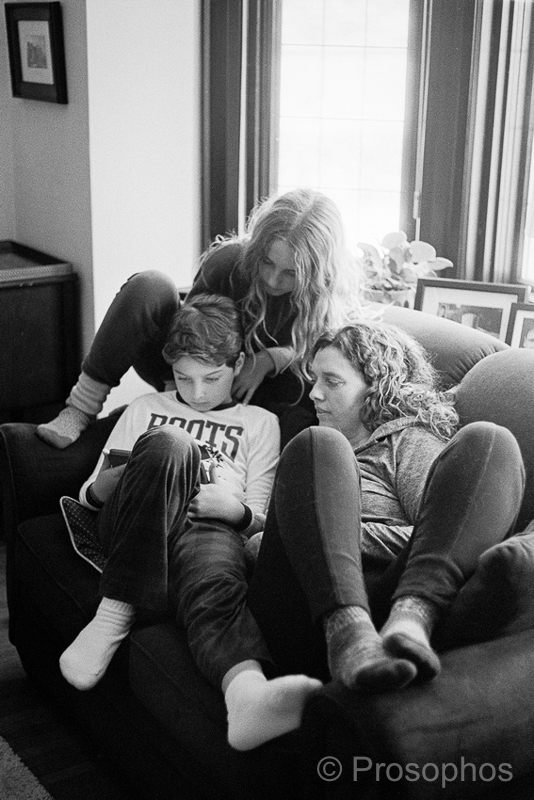
↑ Leica M3, Leica 50mm Summicron Dual Range, Kodak Tri-X 400, and Plustek 8200i.
Normally I avoid tilting the frame as I’ve done here.
Of course, I didn’t have the instant feedback of digital to guide me (besides, this was the shot anyway — there was never going to be a do-over).
I only became aware of the problem after developing and scanning the film. Correcting it would’ve resulted in cropped edges and an altered composition.
So, it remains as it was photographed, with the lean.
—Peter.
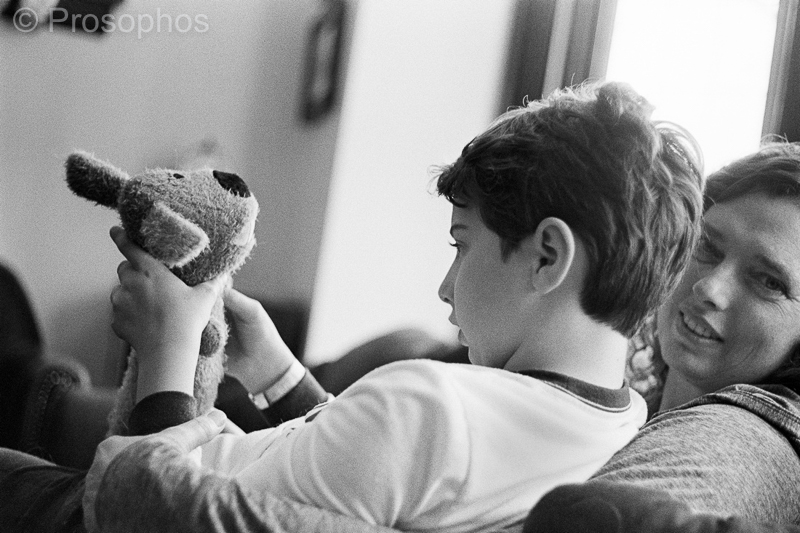
↑ Leica M3, Leica 50mm Summicron Dual Range, Kodak Tri-X 400, and Plustek 8200i.
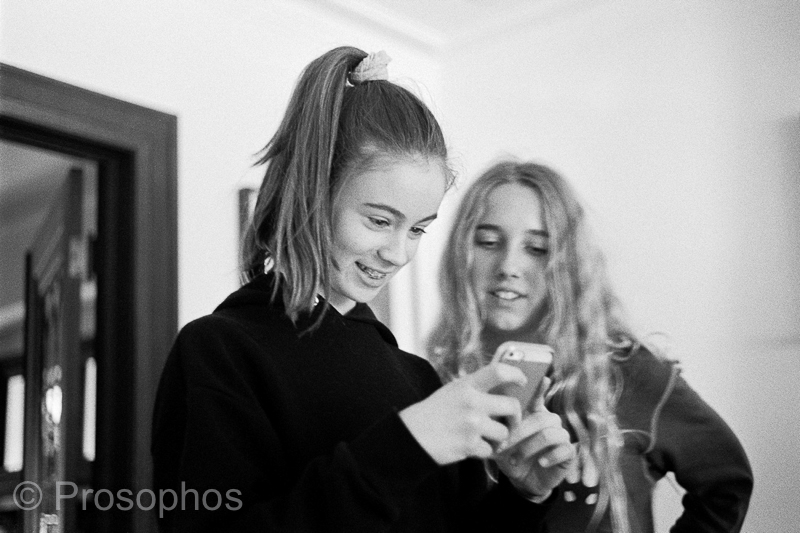
↑ Leica M3, Leica 50mm Summicron Dual Range, Kodak Tri-X 400, and Plustek 8200i.

↑ Nikon D850 + Nikon 28mm f/1.4 E.
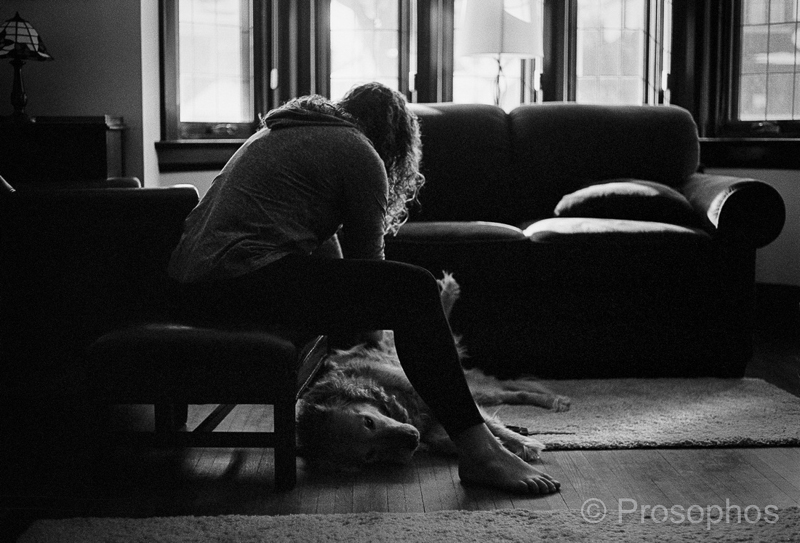
↑ Leica M3, Leica 50mm Summicron Dual Range, Kodak Tri-X 400, and Plustek 8200i.
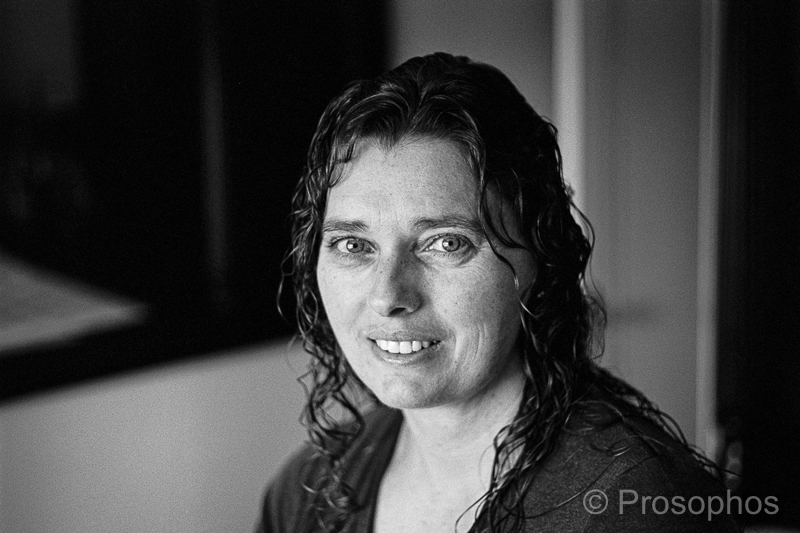
↑ Leica M3, Leica 50mm Summicron Dual Range, Kodak Tri-X 400, and Plustek 8200i.
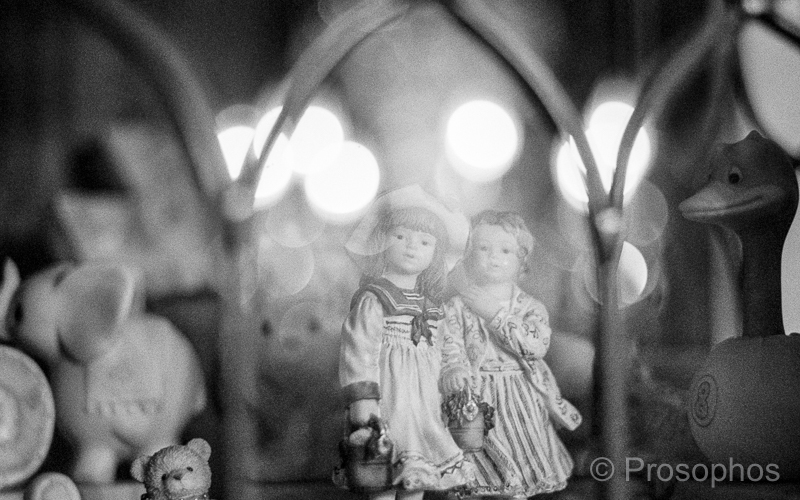
↑ Leica M3, Leica 50mm Summicron Dual Range, Kodak Tri-X 400, and Plustek 8200i.
1/15 sec in the faintest of light.
—Peter.
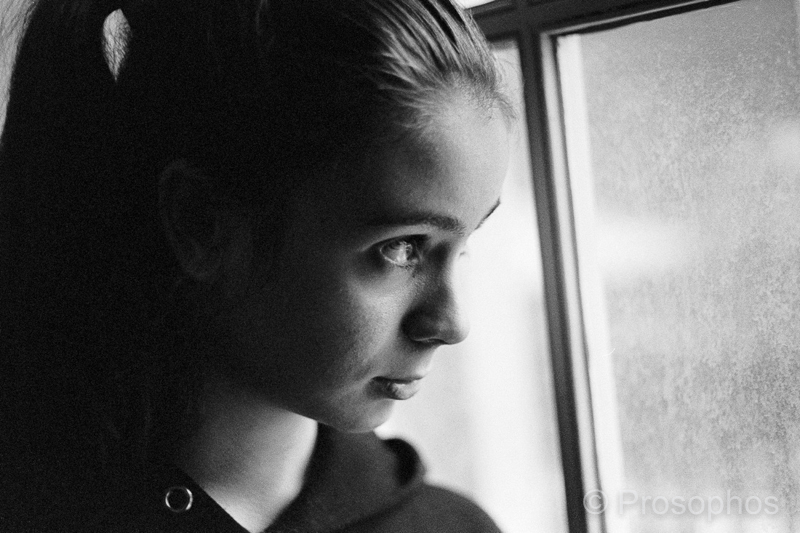
↑ Leica M3, Leica 50mm Summicron Dual Range, Kodak Tri-X 400, and Plustek 8200i.
The last image from the roll of film I photographed The Glasses Portrait series.
—Peter.

↑ Leica M3, Leica 50mm Summicron Dual Range, Kodak Tri-X 400, and Plustek 8200i.

↑ Nikon D850 + Nikon 28mm f/1.4 E.
More snow today.
Canada.
—Peter.
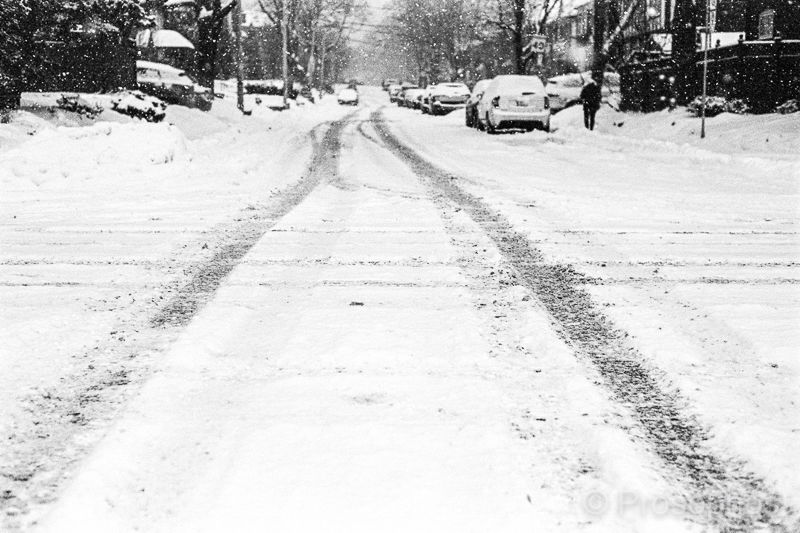
↑ Leica M3, Leica 50mm Summicron Dual Range, Kodak Tri-X 400, and Plustek 8200i.
As with yesterday’s post, this was photographed in live view to take advantage of the silent mode. It really is silent (not just quiet). I really like it but still prefer looking through an optical viewfinder.
—Peter.
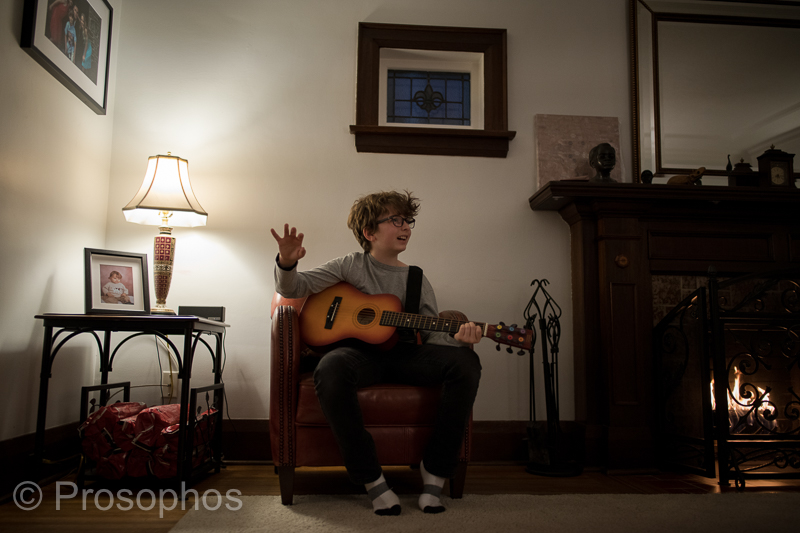
↑ Nikon D850 + Nikon 28mm f/1.4 E.
This was photographed with the D850 resting on the floor and in live view, with the back LCD angled up for easy viewing. In this mode, touching the screen will initiate autofocus and then the shutter will automatically release… silently.
It’s a well-known feature in the D850 but this is the first time I’ve tried it.
Many find Nikon‘s implementation of all this to be slow (relative to mirrorless cameras), but it’s quite usable for this sort of image. It’s certainly useful in quiet venues where silent operation is desired.
However, I wouldn’t think of using it to photograph sports, flying monkeys, or the aerosolized droplets of a sneeze.
—Peter.
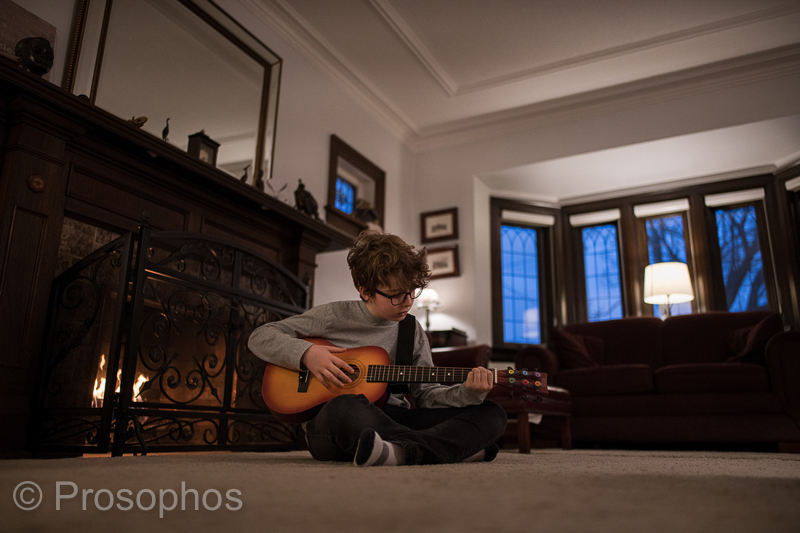
↑ Nikon D850 + Nikon 28mm f/1.4 E.

↑ Nikon D500 + Nikon 200mm f/2 G ED VR II.

↑ Leica M3, Leica 50mm Summicron Dual Range, Kodak Tri-X 400, and Plustek 8200i.

↑ Leica M3, Leica 50mm Summicron Dual Range, Kodak Tri-X 400, and Plustek 8200i.
 Prosophos