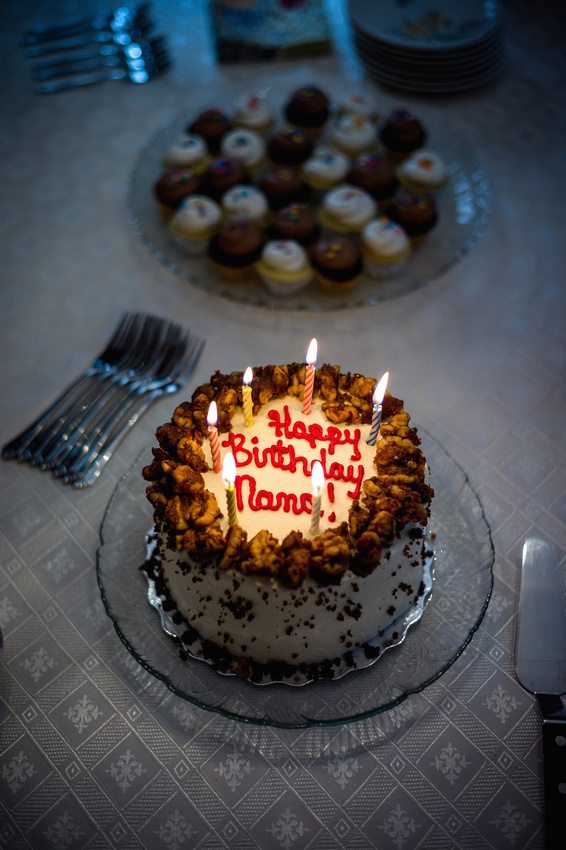
↑Leica M9 and Leica 24mm Summilux ASPH @ f/1.4.

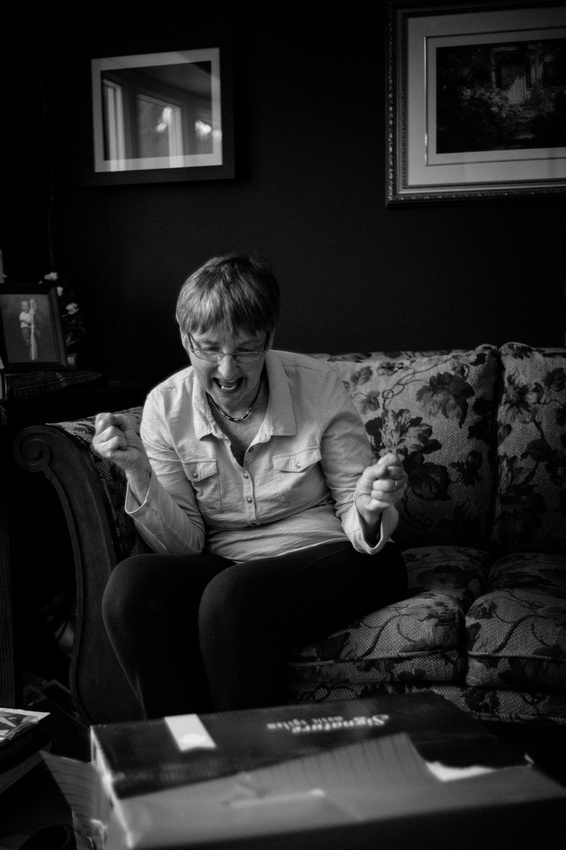
↑Leica M9 and Leica 24mm Summilux ASPH @ f/1.4.

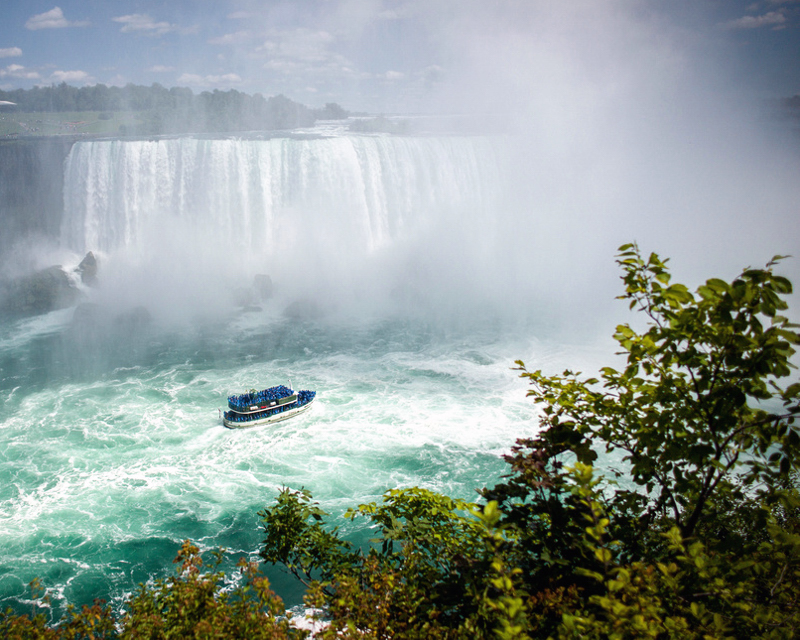
↑Leica M9 and Leica 75mm Summarit @ f/2.5.
My M3 is back — repaired, rebuilt… reborn.
—Peter.
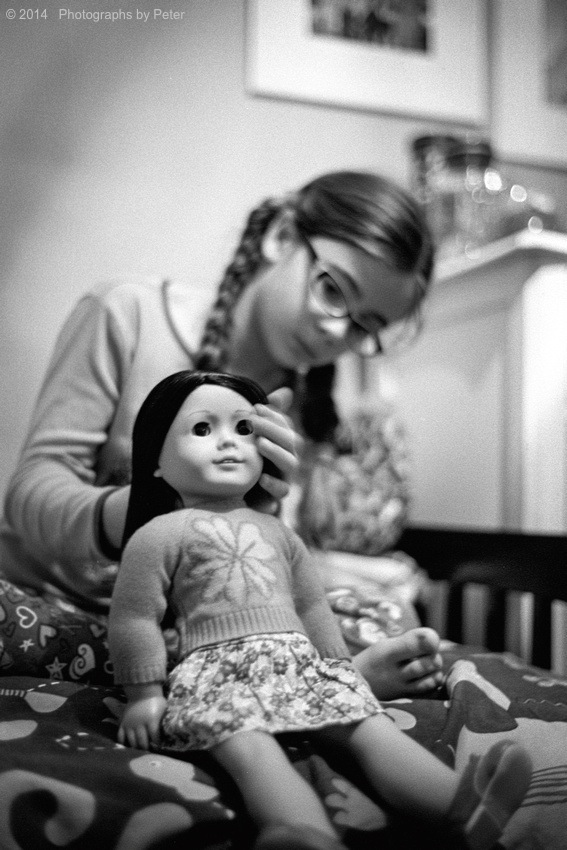
↑Leica M3, Voigtländer Nokton 40mm @ f/1.4 and 1/30 sec, Kodak Tri-X 400.

↑Leica M9 and Voigtländer Nokton 40mm @ f/1.4.
The rest of the gang played it cool.
(the quickly melting Freddy, Olaf, and Big Poppa are courtesy of my kids.)

↑Leica M9 and Voigtländer Nokton 40mm @ f/5.6.

↑Mamiya RZ67, Mamiya 110mm @ f/2.8, and Kodak Tri-X 400.

↑Leica M9 and Leica 24mm Summilux ASPH @ f/1.4.

↑Leica M9 and Leica 24mm Summilux ASPH @ f/4.
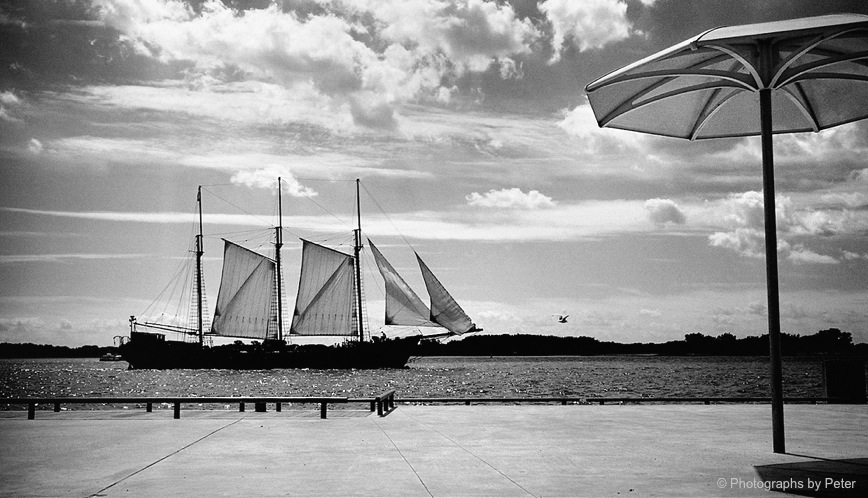
–
In Greek mythology, Theseus was the the hero who slayed the Minotaur in the Labyrinth of Knossos.
He then sailed home, on a ship that — having long been in service — was in obvious need of repair. Wooden planks were therefore removed and replaced.
Theseus’ Paradox arises from the following thought experiment: suppose, over time, more and more aging planks were removed and then replaced with new pieces of wood until — eventually — no original plank remained.
–
–
Most people would still consider it Theseus‘ ship, but… Would it still be the same ship that served him so well?
There are several potential answers to this question, and one further wrinkle that involves taking all of the old discarded planks and re-fashioning another ship, thus creating two Theseus ships (the one with all of the replaced parts, and a new-old one with the old parts). It’s very mind-bending.
So…what’s this have to do with photography?
Nothing. But…
I recently purchased a 1963 Leica M3 in completely original condition, and sent it in for servicing. Even though it was working well enough in most situations, several of its optical and mechanical parts were in poor condition and needed to be replaced. The exterior covering was replaced too.
I’m currently waiting for its return.
While I’m waiting, the question I keep asking myself, after all of these changes is:
Is this the same M3 that allowed me take this image?
Or has my ship sailed?
—Peter.
–
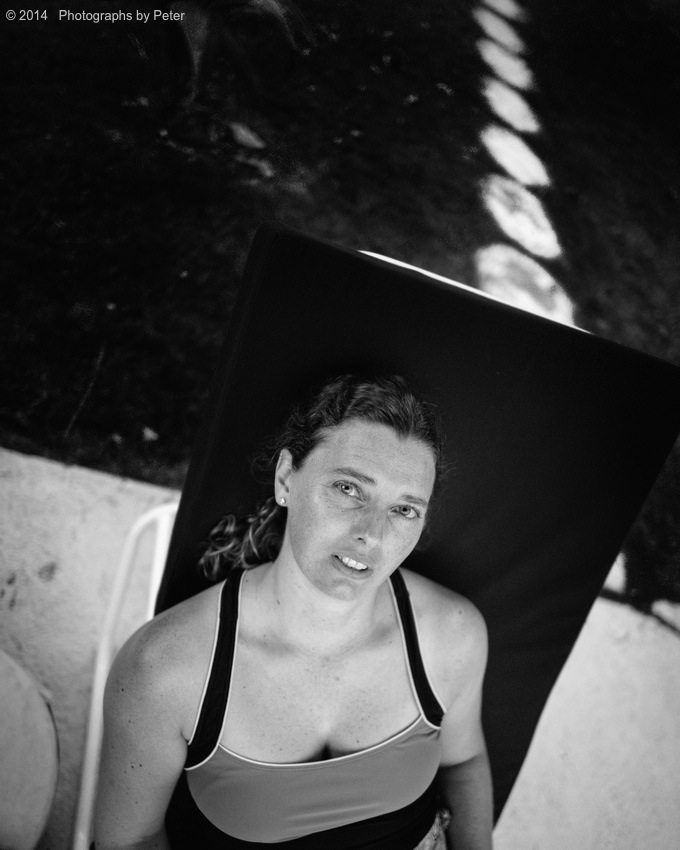
↑Leica M9 and Leica 24mm Summilux ASPH @ f/1.4.

↑Leica M9 and Leica 24mm Summilux ASPH @ f/1.4.

↑Leica M9 and Leica 24mm Summilux ASPH @ f/1.4.
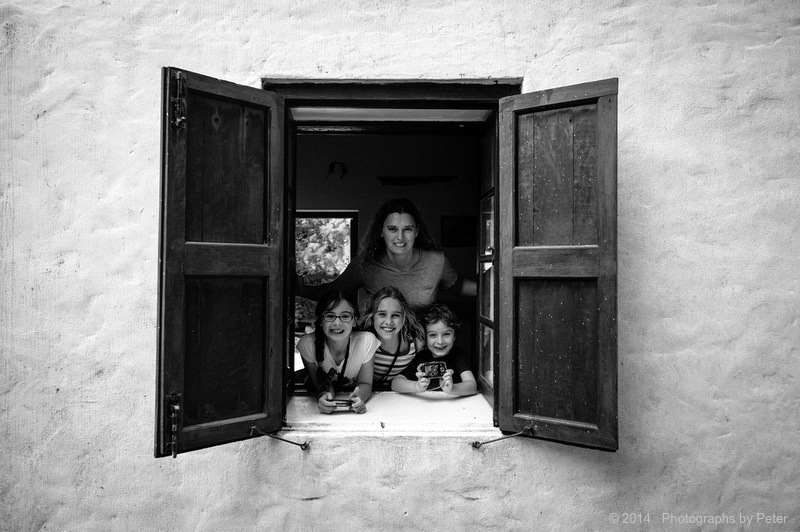
↑Leica M9 and Leica 24mm Summilux ASPH @ f/2.

↑Leica M9 and Leica 75mm Summarit @ f/2.5.
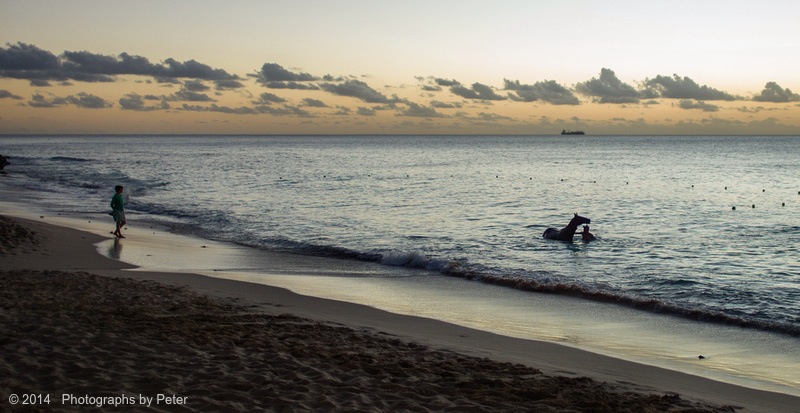
↑Leica M9 and Leica 24mm Summilux ASPH @ f/1.4.
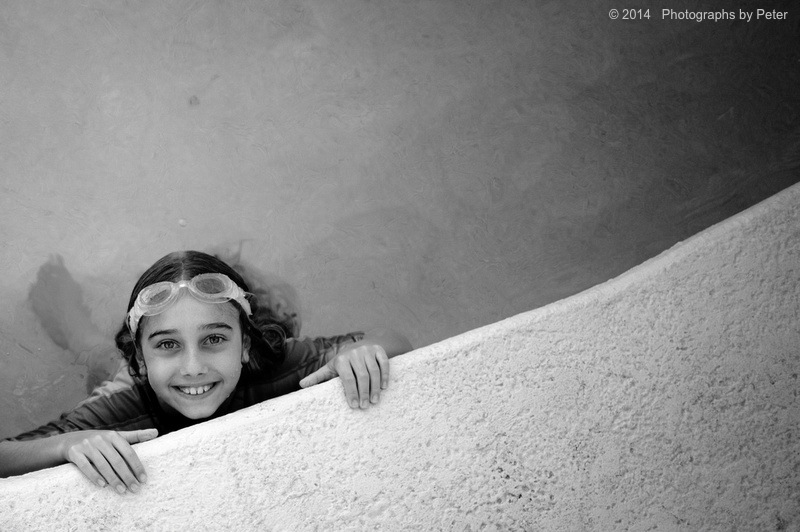
↑Leica M9 and Leica 24mm Summilux ASPH @ f/1.4.

↑Mamiya RZ67, Mamiya 110mm @ f/2.8, and Kodak Tri-X 400.
–