
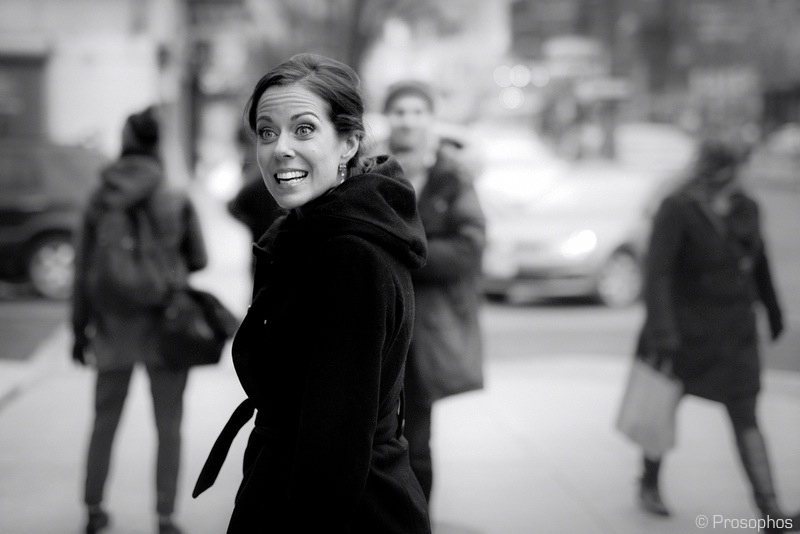
Author: Peter | Prosophos
Lens advances and nomenclature set-backs.
InspirationSony refers to the aspherical elements in their newly released G Master lenses as: XA (extreme aspherical).
That’s a curious choice of nomenclature because it hints at the marketing of any future lens advances.
Perhaps eventually we may see “super-extreme aspherical” or “awesome-extreme aspherical” lenses.
Or they may just make the leap to “super-awesome-extreme aspherical”. That would be super and awesome and extreme.
Either way, what’s missing this time around are the racing stripes.
(sorry to pick on Sony, as it seems like all the manufacturers are going crazy with lens nomenclature these days)
—Peter.
The Brushing.
2016, Favourite, Film, Inspiration, Kodak Tri-X 400, Minolta Autocord CDS III 75mm Rokkor f/3.5, Portrait, Scanner - Plustek 120, Teaching pointA rare and very welcomed burst of light in February (this was photographed earlier today).
(Technical: The white paper my daughter was writing on accidentally but conveniently served as a reflector.)
—Peter.

Test Shot Portraits #1 and #2.
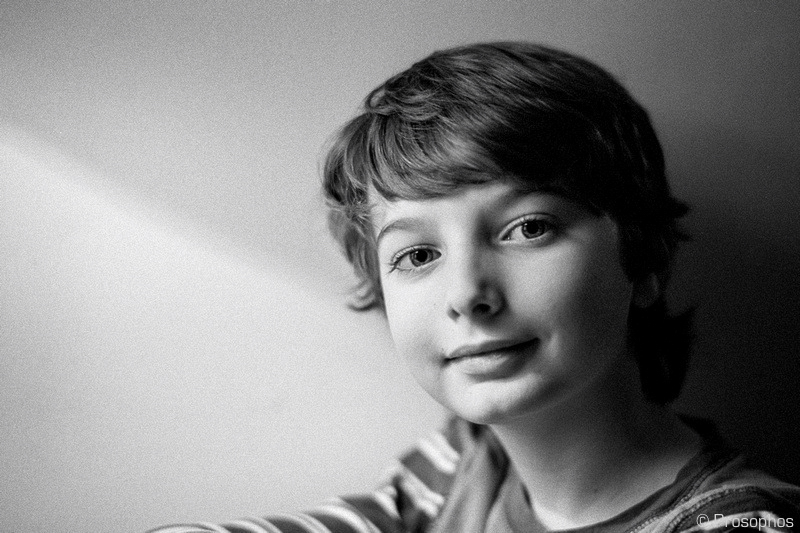
2016, Favourite, Film, Inspiration, Kodak Tri-X 400, Leica - Black Chrome Special Edition, Leica - Kanto, Leica 50mm Summilux ASPH f/1.4, Leica M3, Portrait, Q&A, Scanner - Plustek 120, Teaching pointTest shot portraits: the first in harsh artificial light last night; the second in natural light earlier today.
The focus is where I wanted it in the first, but I can’t say that about the second image (it is slightly front-focused). Perhaps I’m out of practice, perhaps my eyesight is starting to fail me, perhaps the rangefinder (or lens) is off.
I have no idea, because this is film.
And that’s the beauty of it.
—Peter.

Pier to Nowhere.
2016, Favourite, Film, Inspiration, Kodak Tri-X 400, Minolta Autocord CDS III 75mm Rokkor f/3.5, Print, Scanner - Plustek 120“Whenever I find myself growing grim about the mouth; whenever it is a damp, drizzly November in my soul; whenever I find myself involuntarily pausing before coffin warehouses, and bringing up the rear of every funeral I meet; and especially whenever… it requires a strong moral principle to prevent me from deliberately stepping into the street, and methodically knocking people’s hats off–then, I account it high time to get to sea as soon as I can.”
―Herman Melville, Moby-Dick; or, The Whale.

Will we all lose our digital images?
InspirationAlmost a year ago, Google Executive and “Internet Pioneer” Vint Cerf was quoted with this prediction.
Is he correct?
—Peter.
Between Scylla and Charybdis.
2016, Favourite, Film, Inspiration, Kodak Tri-X 400, Minolta Autocord CDS III 75mm Rokkor f/3.5, Print, Scanner - Plustek 120
The Prince of Snow, Revisited.
2016, Favourite, Film, Inspiration, Kodak Tri-X 400, Minolta Autocord CDS III 75mm Rokkor f/3.5, Portrait, Scanner - Plustek 120
Close Connection.
Film, Inspiration, Kodak Tri-X 400, Minolta Autocord CDS III 75mm Rokkor f/3.5, Print, Q&A, Rolleinar 2, Scanner - Plustek 120, Teaching pointThere’s another close connection going on here…
I’ve attached a Rolleinar 2 close-up lens kit to the Minolta Autocord to get this shot.
This is the first test image with the combination. The buttery-smooth bokeh of the Rokkor f/3.5 is impressive, given the concomitant sharpness in the in-focus areas. It’s one of the reasons I sought out the Autocord in the first place. It’s rare to find such sharp-but-smooth rendering — often you only get to have one of these attributes in a lens. The only other lenses I know of that are as well balanced are the Leica 50mm Summilux ASPH and the Mamiya RZ 110/2.8.
—Peter.

The Minolta Autocord (thank you Karl Bryan).
Inspiration, Minolta Autocord CDS III 75mm Rokkor f/3.5, Q&AThird time the charm?
For those of you following along, I purchased a “recently adjusted” Minolta Autocord one month ago and it was dead on arrival.
Fortunately, Mr. Karl Bryan restored it to its former glory.
After shooting my very first roll of film (which turned out great), I tried to load a second roll and the frame counter stopped working.
Subsequent to some extensive scientific analysis I concluded that this Autocord was cursed.
I was ready to give up on it and I let Karl know, but he wouldn’t have any of it. He urged me to stick with it. When I asked him why, he responded:
“Your camera is way too nice of an example to not get it working… I just want you to use [it] and see what a fantastic camera the Minolta Autocord is.”
His enthusiasm convinced me to send it back to him. Truth be known, I actually didn’t want to disappoint him. And so, off it went.
Several days later, I received the following message:
“Hi Peter,
I recvd your camera this afternoon and performed the following services on it:
cleaned Fresnel lens (dirt/grit from deteriorating light seal), your ground glass and Fresnel are in better shape than any of my spare parts
installed waist level finder light seal
adjusted tension of frame counter wheel spring
installed leather neck strap”
The charge for all of this work?
$0 (zero).
My Autocord arrived back home today and I am simply giddy with excitement for this little jewel. I can’t believe how beautifully it is working. And the leather strap that Karl put on it is just perfect — it would have been exactly what I would have chosen if given the option.
I let Karl know how I felt, and he wrote back immediately:
“Hi Peter,
you made my day! I am so happy that you are again enthused with your Autocord.
Yes, that “old school” camera strap was one of my favorites (used on my Leica 3F, Minolta 35 rangefinders, Nikon rangefinders and on the Minolta Autocord CDS II that a buddy used for my wedding photos). Glad you have it and will enjoy using it.
If you should have any issues with your camera, please feel free to email me. I so want you to enjoy using your Autocord.
regards,
karl
yeah, Autocords are my favorite camera and I want other people to appreciate how nice they are, so forgive me if I seem biased”
Mr. Karl Bryan: thank you, thank you, thank you.
—Peter.

The beginning and the end.
Inspiration, iPhone, Leica 50mm Summilux ASPH f/1.4, Leica M3, Q&AThe end and the beginning too.
—Peter.
On the aesthetic of photographic media.
InspirationAlthough I’ve always preferred photographing with film, I’m finding it more and more curious, and more and more a relief, that I am developing an outright distaste for the plasticity (pardon the coarse descriptor) of digital imaging.
Curious, because the distaste for digital has been inversely proportional to the gains this medium has made in resolution, dynamic range, and “realism”.
A relief, because with my film photography I am generally more focused, in a word.
And I prefer the results.
—Peter.
Leica Black Chrome 50 Summilux filter forthcoming?
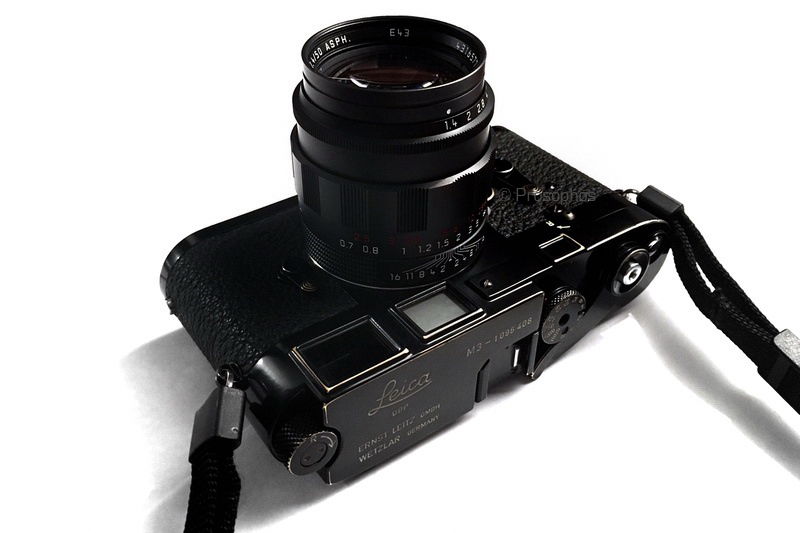
Q&AFor those who purchased the Special Edition (Black Chrome) Leica 50mm Summilux ASPH and can’t find a suitable filter for it, perhaps there is hope (taken from the B&H website):
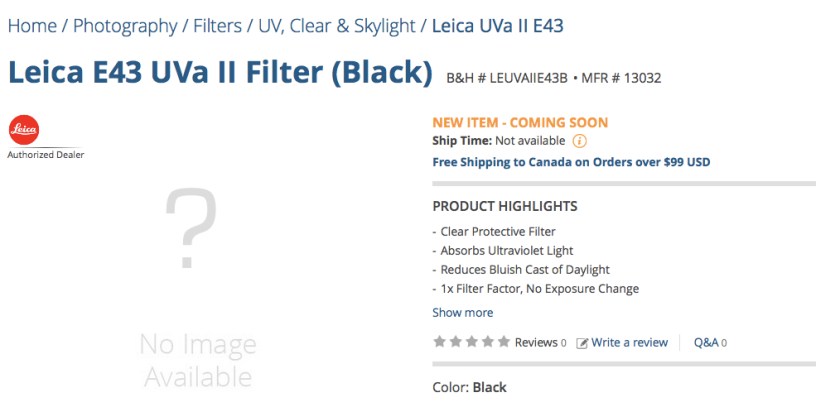
I don’t know if this filter will allow the lens hood or lens cap to attach properly (we’ll see).
—Peter.
Snow, too.
2016, Favourite, Film, Inspiration, Kodak Tri-X 400, Mamiya RZ 110mm F/2.8, Mamiya RZ67 Professional Pro II, Portrait, Scanner - Plustek 120
4316577.
Inspiration, iPhone, Q&AHotline Bling.

Snow.
2016, Favourite, Film, Inspiration, Kodak Tri-X 400, Mamiya RZ 110mm F/2.8, Mamiya RZ67 Professional Pro II, Photo Shoot, Portrait, Scanner - Plustek 120
Bedtime Stories.
2016, Favourite, Inspiration, Nikon D810, Portrait, Sigma 35mm f/1.4 ART
IP: 24.114.104.179, 24.114.104.179 (Rogers account).
Reader SmackdownMessage sent from West 11th Avenue, Vancouver, Canada (coordinates: 49.2612, -123.114).
Message sent 12:51 PM Vancouver time (3:51 PM Toronto time).
Message deleted.
(Please don’t send me nasty messages, this site is moderated.)
—Peter.
 Prosophos