The third and final image in the Searching series.
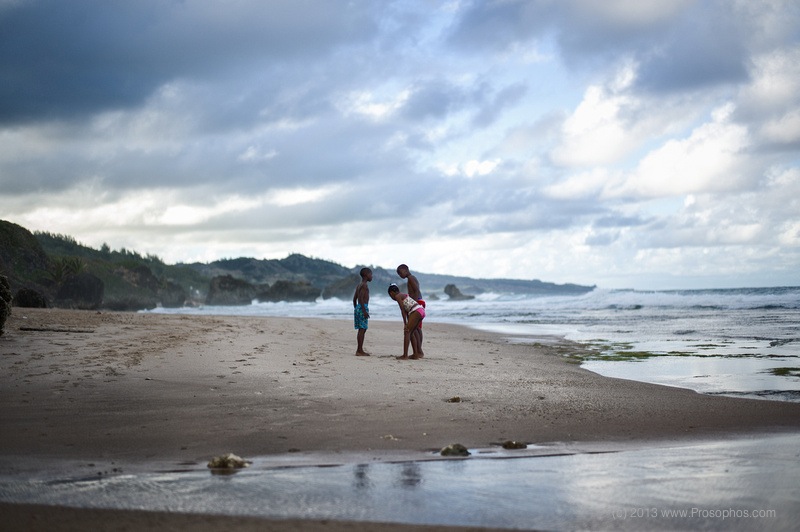
↑Leica M9 and Leica 50mm Summilux ASPH @ f/1.4.

The third and final image in the Searching series.
↑Leica M9 and Leica 50mm Summilux ASPH @ f/1.4.
The replacement to my defective Monochrom has arrived. I’m not exactly sure what I’ll be doing with this thing, but I know it will take me in a different direction.
Another test shot (no burnt pixels, yay!).
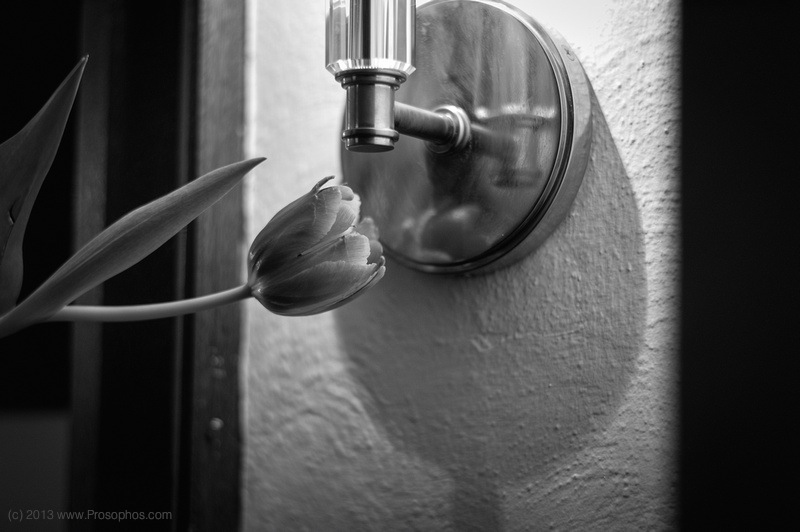
↑Leica Monochrom and Leica 90mm Summicron APO @ f/2.
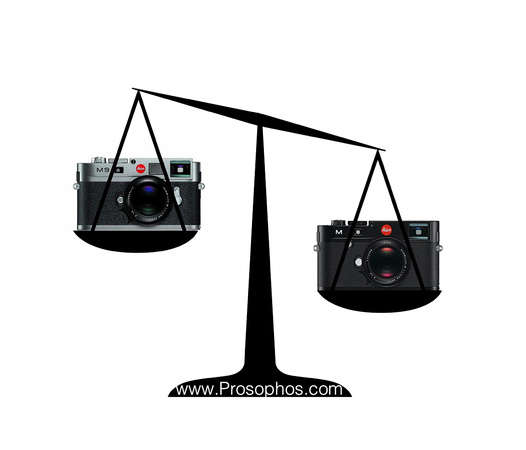
Is there anybody else out there who is just a little bit disappointed that the new M weighs more than the outgoing M9?
The Leica old-timers used to lament that the the M9 (and the M8 before that) weighed more than the preceding film M cameras, and disapproved of the general pudginess of these digital reincarnations of the legendary film classics (if you think they were/are being picky, try holding the iconic M3 in your hands, and you’ll quickly concede the point).
It is ironic that in an era when DSLRs are being dropped en masse for smaller and lighter mirrorless cameras, the M — which has always run counter-current to the “bigger is better” mindset of the SLR world— is getting, well… fatter and heavier.
(Have you seen the new M decked out with all of the accessories? It’s sort of umm… un-Leica M-like.)
In future M models, I hope advances in technology are harnessed to reduce the size and weight of the body (I also hope that emphasis is placed on simplicity, i.e., reducing buttons and menu items, and that they stick with manual focus lenses — but that’s another story).
As far as I’m concerned, when it comes to the M system, less is more.
—Peter.
This is my first time using this lens.
It completes my current triad of lenses: 28/2.8, 50/1.4, and 90/2.
Not a very original set-up, but I finally conceded that I’m a 50 shooter and everything else revolves around it.
—Peter.
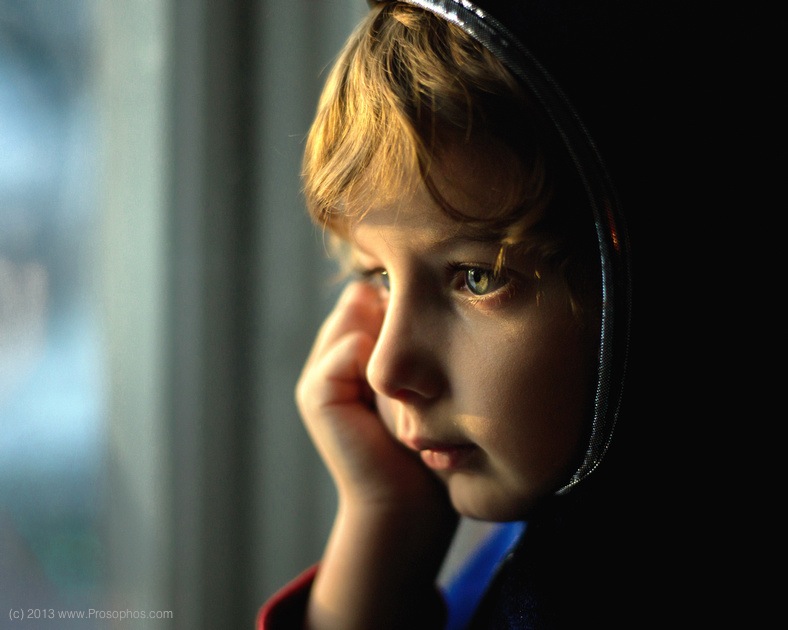
↑Leica M9 and Leica 90mm Summicron APO @ f/2.

↑Leica M9 and Leica 50mm Summilux ASPH @ f/1.4.

____________
Just over a week ago, I posted my “Final Verdict” on the new Leica M (aka Leica M240).
The post itself was rather benign, but many people were not happy with my conclusion (or my title). And there has been at least one thread that I know of, started on a major Leica forum, attacking me for my view (I even had a moderator from that forum try and post a provoking comment on this very site. I didn’t bite.).
One of the main criticisms against me is that I haven’t photographed with the new M, so I am not in a position to comment on its image quality.
Nonsense.
The fact that I haven’t photographed with the new M precludes me from commenting on handling/ergonomics, but it does not prevent me from judging image quality. I do that with 100% of the cameras I don’t buy… that’s called common sense.
Having stated the above, I have viewed and extensively handled RAW (DNG) files from the new M(240), and I do believe that the files have more “depth”, slightly more dynamic range, and render better at high(er) ISO levels. But I still prefer the files out of my M9 (and the M8 before that) at base ISO.
It may be difficult to understand, but that’s my belief.
You know, it’s funny…DXO recently concluded that the M9 has the worst FF sensor they’ve ever tested. This was previously known, at least to those who track such metrics. The Leica faithful have historically derided such conclusions, stating that there’s something special in the M8/M9 files that is just not being captured by DXO’s methodology, and the proof was in the images. Well, many of those same individuals are now criticizing me for using my own eyes to pass judgment on the new M(240).
You have to ask yourself: What’s my motive?
Am I a Leica “hater”? No, of course not… I only shoot with Leica cameras.
Am I trying to sell you something? No, there are no sponsor links on this site. I never “hype up” the latest and greatest and call it the “BEST camera EVER!!!” until the next one comes along.
Am I trying to be negative? No, life’s too short for that.
The answer: I’m stating my opinion.
That’s all.
The irony is that one day I may pick up the new M, because it will be the best solution for somebody who appreciates a high(er) ISO colour-capable camera with rangefinder coupling in an M form factor. It’s currently the only game in town for that combination of features.
And as I’ve written countless times, none of this silliness has anything to do with creating great images.
So people, relax. It’s just a camera.
—Peter.

–
“…for the most part I’m motivated by love, a love of photography and the thought of the images I’m yet to make.”
—Jason Howe.
–
–
__________________________________________
__________________________________________
43 yrs old. Lives in Tauranga, Bay of Plenty, New Zealand. The former MD of a business specialising in retail construction projects he made a lifestyle choice some 5 years ago to leave the UK and seek out a quieter more peaceful existence in “Middle Earth!“.
He’s “embarrassed to say” that there are too many to list, but his most used are: Cameras — Leica M9, Leica MM, Leica M6, Leica M3 & Contax 645.; Lenses — Konica Hexanon 60/1.2 Leica 50/1.4 Asph, 35/1.4 Asph, 90/2 Voigtlander 15/4.5
“Family of course, that was very influential in the decision to leave the UK and make a new life in New Zealand. I’ve learnt some very valuable life lessons in the last decade, I walked away from a lot but at the same time my life became richer in many ways. Making time for each other and for yourself. Enjoying nature and the outdoors. Although it always interested me I came late to photography, it’s filled a void, one that in all honesty I did not know existed.”
“I actually have a mild form of colour blindness and I’m constantly describing colours incorrectly. I’ve often wondered if this has subconsciously effected my photographic decision making and the strong leaning I have towards B&W imagery. I’ve recently been challenging myself to shoot more colour so we’ll have to see how that goes!”
__________________________________________
–
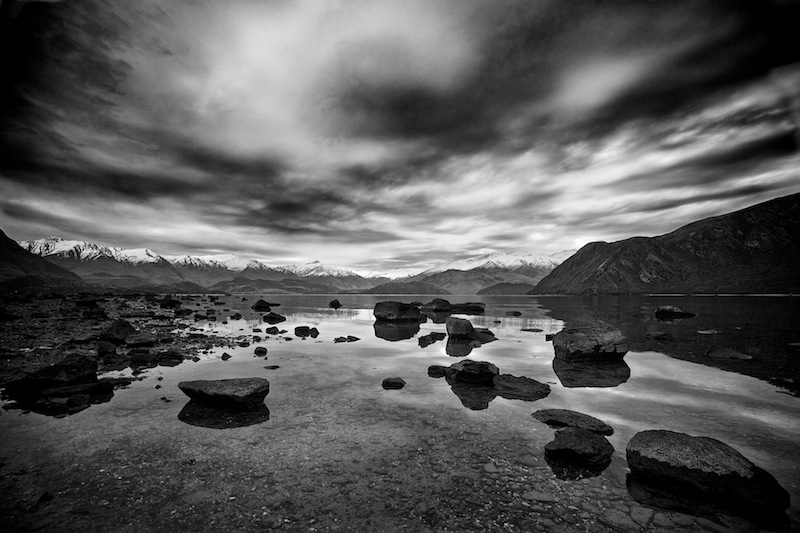
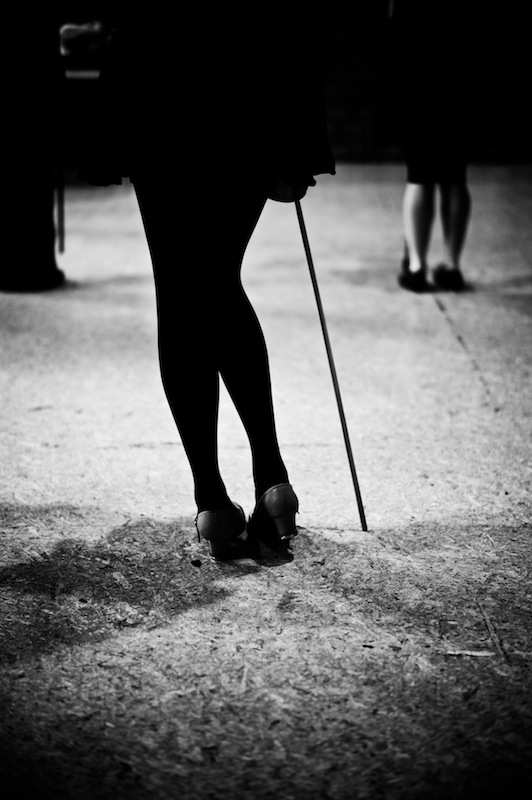
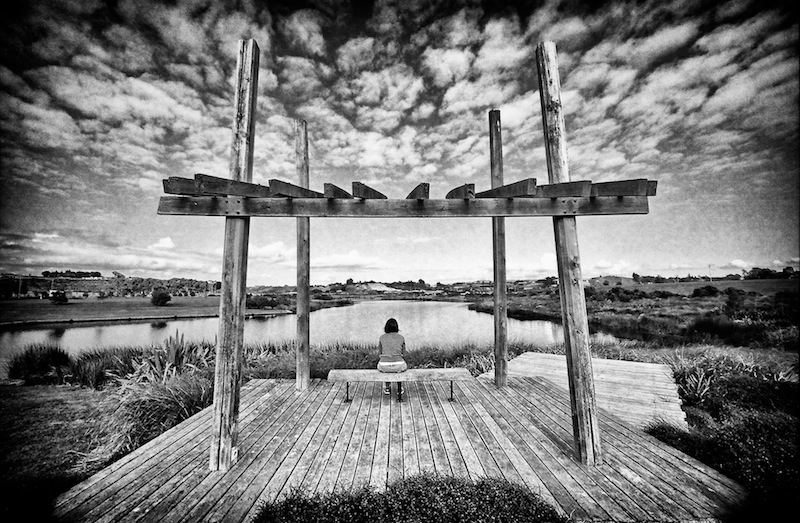
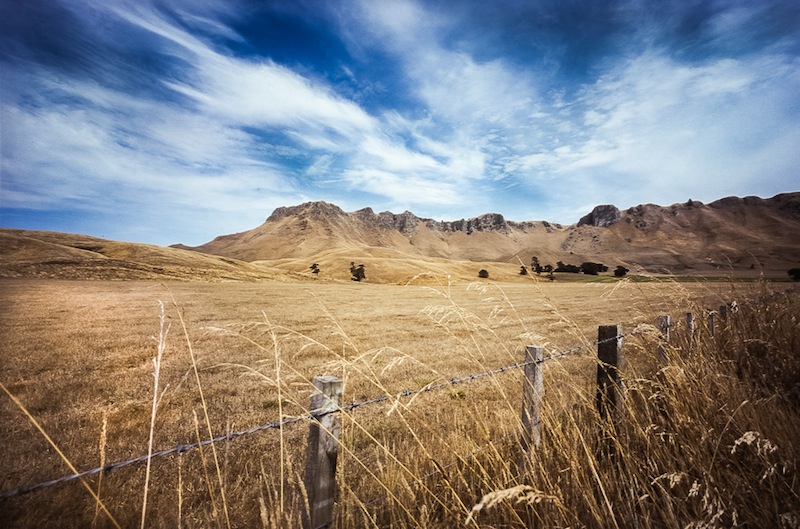
Today, it is my sincere pleasure to present the work of Mr. Jason Howe.
Not too long ago, Jason made the transition from shooting DSLRs to embracing rangefinders. Along the way, he tapped into his photographic potential, and also the beauty of New Zealand (the landscape and its people) and has — in very short order — progressed quickly and substantially as an artist.
Mr. Howe has accumulated a plethora of wonderful vintage lenses and modern optical masterpieces. Since he is passionate about exploring and learning, he has been able to adeptly harness and showcase the unique fingerprint of each optic, as it interacts with various digital and film media. This drive to learn, combined with Jason’s natural photographic instincts, has resulted in some truly stunning work.
Lately, Jason has committed himself to exploring the realm of film photography in earnest. To that end, he has stockpiled various films and has bravely ventured on long trips without digital cameras.
All of the above, and more, has been documented on Jason’s very polished aperturepriority photography website, where he not only shares his work, but generously passes on his knowledge to other photography enthusiasts.
Since I know Jason is a natural communicator, I have decided to deviate a little from the usual format and present a little Q&A session before presenting his work.
Thank you,
—Peter.
–
__________________________________________
What motivated (and still motivates) you to pick up a camera?
“I always believed I could see good images even when I was lacking the technical ability to capture them. I’m a perfectionist by nature and if I start something I have to see it through with 100% commitment. So, initially I was motivated by a need to learn, improve and capture the vision in my mind. Now for the most part I’m motivated by love, a love of photography and the thought of the images I’m yet to make. I should add that there is and always will be a motivation to learn and continue to improve, such is the nature of photography.”
–
I believe our images are products of who we are. What do your images “say” about you?
“I agree, although I’m not sure we ever fully understand who we are….. At times I’ve made a conscious effort not to think too deeply about my style of photography. Allowing myself to be influenced almost subconsciously. When I look at my images I see honesty which I hope comes across but mostly I see endeavor. In simple terms that’s what I think they say about me, honest and hard working.”
–
How have you evolved as a photographer/artist over the years?
“I find myself in a perpetual photographic evolution but I think that’s quite normal. I’ve certainly never considered myself an artist although it is true to an extent, I’d describe my mind as more practical than artistic. I guess the move to rangefinders was a significant turning point for me because for the first time I felt a connection to my camera. Initially I had a DSLR which I saw purely as a tool, subsequently the Fuji X100 which took me closer to something that felt right. Then as an experiment I bought a Yashica Electro 35 GSN, I knew immediately that rangefinder photography was my destination. The move to Leica was then almost inevitable although I enjoy shooting all my rangefinders equally. Finding the camera, that gives you that feeling of being connected is priceless, whatever make, model or system it turns out to be, I can’t stress that enough.”
–
Any further comments about your work you’d like to share?
“I’ll just carry on doing what I love, introducing new aspects to my photography as and when they pique my interest. Mostly I want to continue to improve, after all there is a lot of catching up to do.”
_
–
__________________________________________
–

–
–

–

–
–

–
–

–

–
–
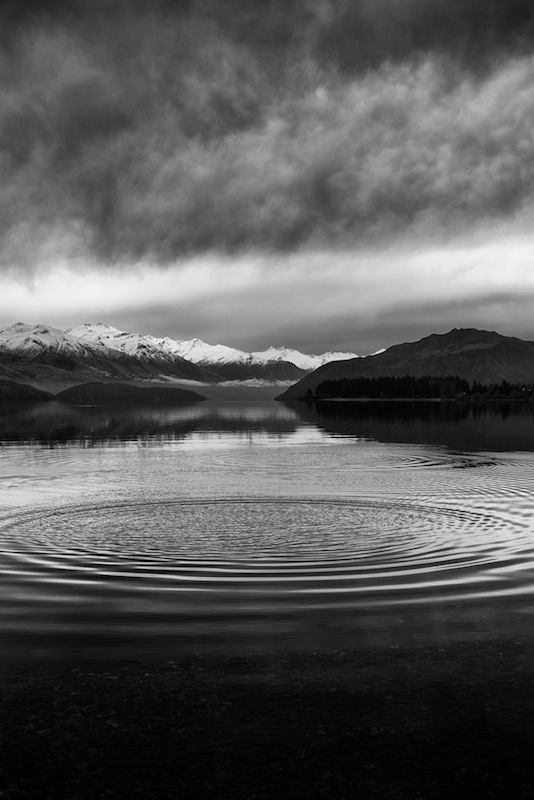
–
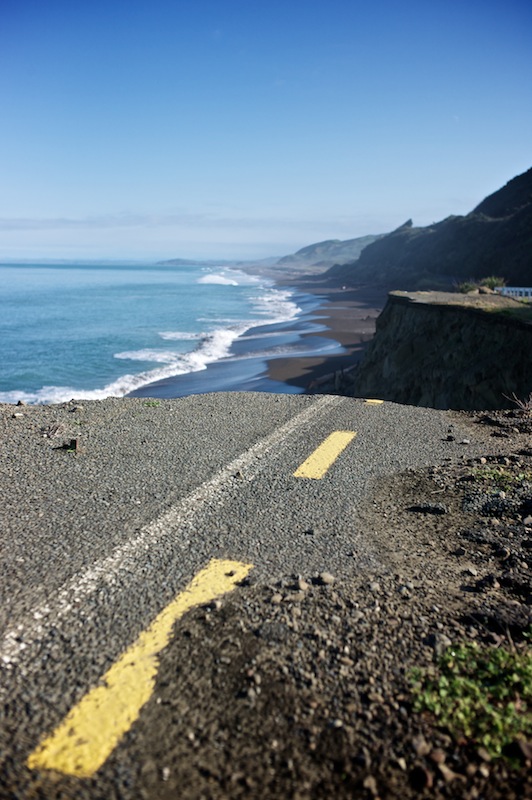
–
–
–
–
Once again, my sincere thank you to Mr. Jason Howe for sharing his work, and his insights, with us. Please follow Jason’s ever-evolving photography at aperturepriority.
—Peter.
__________________________________________
–
–
–
While we wait for tomorrow’s post featuring Jason Howe, check out the work of our last Featured Photographer, Aaron Greenman. This week, Aaron finds himself in Sarajevo and his new gallery of images may be seen here.
—Peter.
It is my pleasure to announce that — directly from breathtaking Middle Earth — tomorrow’s Featured Photographer is Mr. Jason Howe.
If you haven’t had the pleasure of seeing Jason’s work, prepared to be impressed.
—Peter.
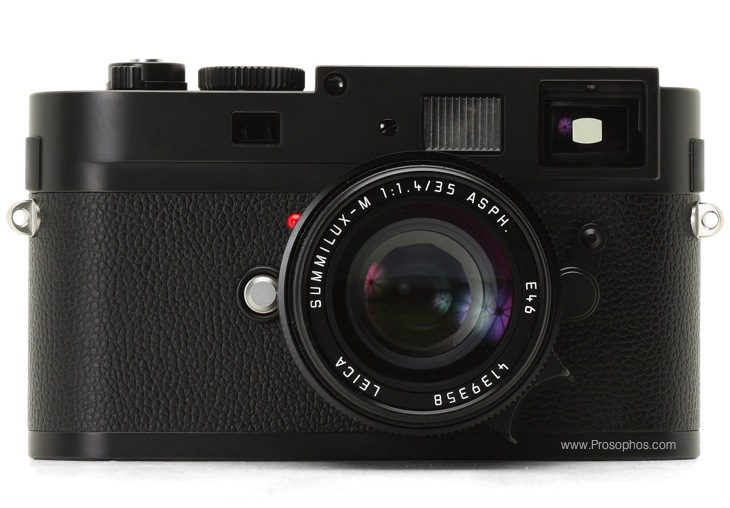
My Leica dealer informs me that the replacement for my defective Monochrom is on its way.
It looks like the waiting time for these unique cameras has decreased.
Hopefully this one will be okay.
—Peter.
Early morning in paradise.
Such a soothing scene, at least for me.
Where I am now: totally different, but at least it’s sunny today.
—Peter (in Toronto).
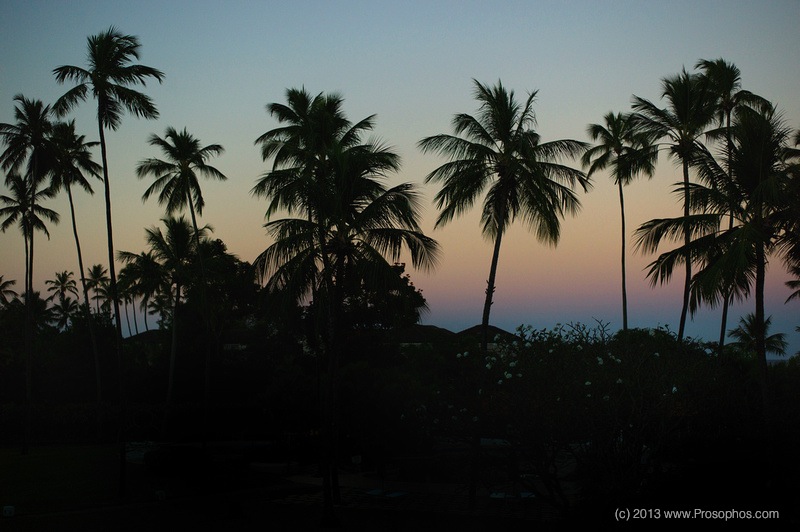
↑Leica M9 and Leica 50mm Summilux ASPH @ f/1.4.

–
–
Picture a young mother, sitting on a park bench on a beautiful and sunny early Autumn morning, with her two year old daughter by her side. The little girl is presenting a bouquet of dandelions to her mommy, who is intently watching her with an adoring smile.
Less than a month later, that young mom passes away.
–
She was my wife.
–
You’ll never see the photograph I took of her and my daughter that day… I’ll never show it.
It was taken on a cheap cell-phone camera, and it’s blotchy and blurry and the faces are barely recognizable. But it’s one of the most important photos I have.
You see, photographs for most of us are iconographs. In other words, they are only symbols that collectively represent and remind us of our loved ones and our experiences. They don’t need to be sharp on a screen or technically perfect, they only need to be clear in our minds and emotionally meaningful.
—Peter.
____________
Related posts:
Frames and
Let it Be and
Norway, 1965 and
–
This is the second test shot (the first is here).
It may seem crazy to conduct “test shots” on well established Leica lenses, but the last lens I tried was front-focusing by several inches.
In this case, everything looks to be okay:
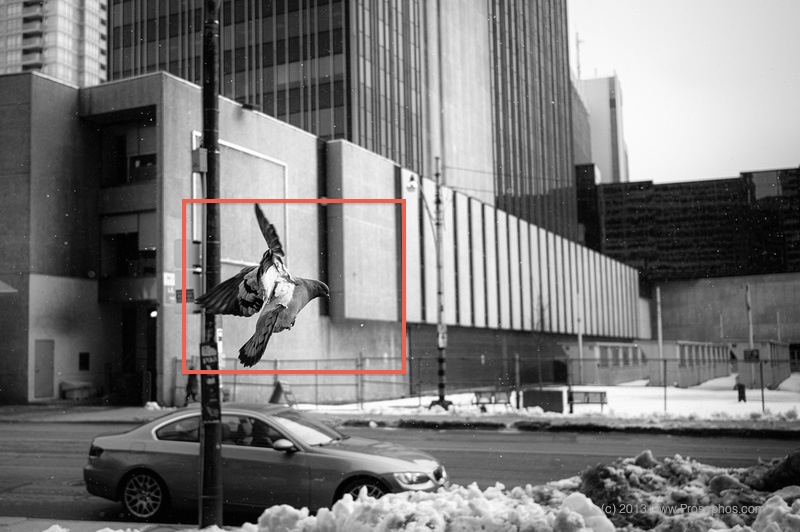
↑Leica M9 and Leica 28mm Elmarit ASPH @ f/2.8.
–
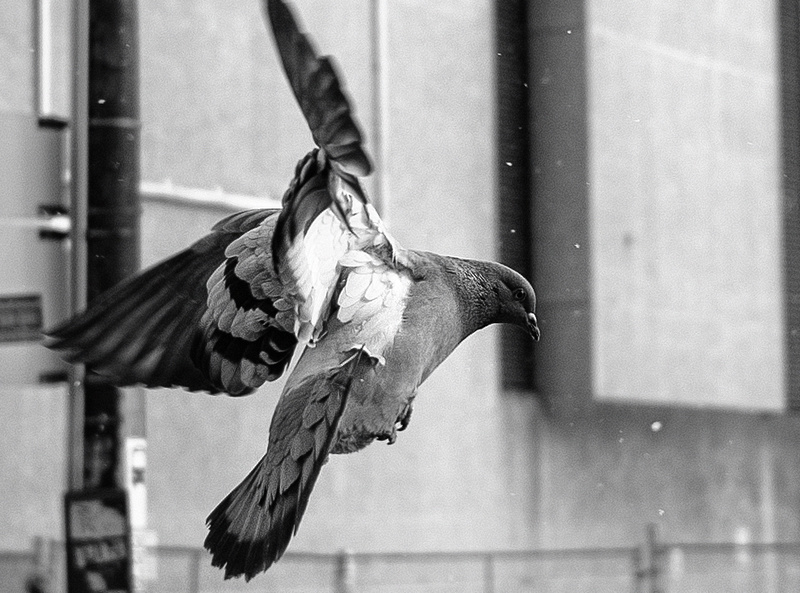
100% central crop of above image:
(please click on the image to view at MAXIMUM size and sharpness)
–
This 100% magnification clearly demonstrates just how sharp this lens is wide open at f/2.8.
Incredible really.
—Peter.
She’s happy, she’s free.
May we all be.
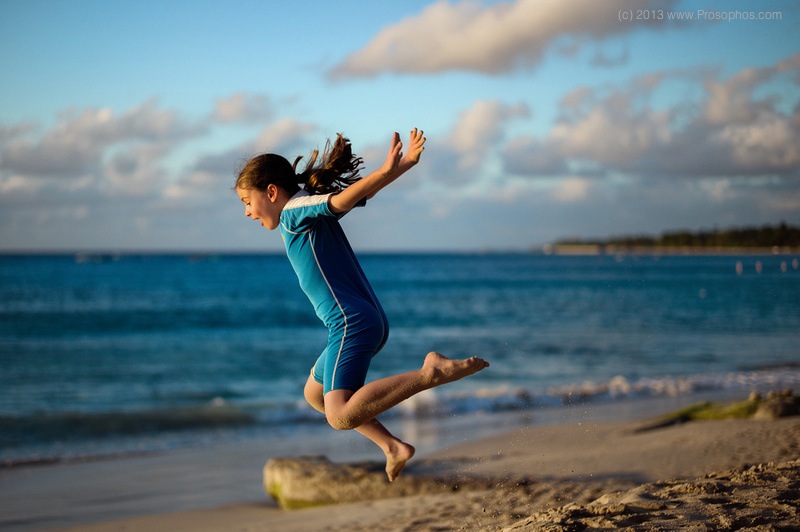
↑Leica M9 and Leica 50mm Summilux ASPH @ f/1.4.
When I acquired my first rangefinder in late 2007 — the iconic Leica M8 — the two Leica lenses I purchased were the 50mm Summilux ASPH and the 28mm Elmarit ASPH.
Well, at some point along the way, I sold that little 28/2.8. That was a mistake.
It’s now back in the fold… and I’ve come full circle.
(I was wiser then than I am now.)
—Peter.

↑Leica M9 and Leica 28mm Elmarit ASPH @ f/2.8.
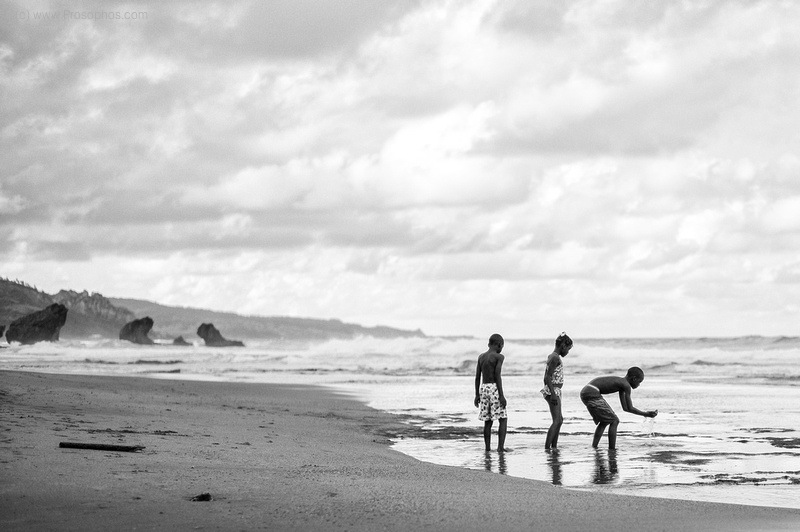
↑Leica M9 and Leica 50mm Summilux ASPH @ f/1.4.
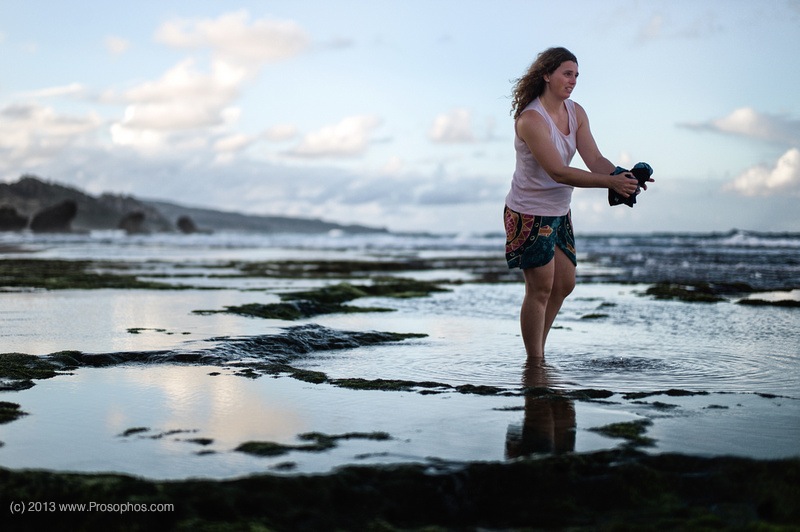
↑Leica M9 and Leica 50mm Summilux @ f/1.4.
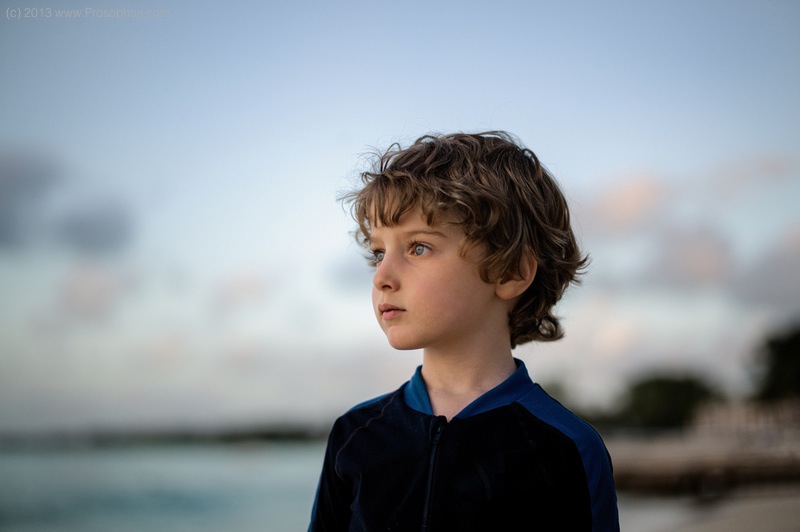
↑Leica M9 and Leica 50mm Summilux ASPH @ f/1.4.
_______
I’m often asked how I post-process colour in my images.
Well, more often than not, I don’t. I pre-process (my term). Let me explain…
Almost all photographers post-process (i.e., make image-enhancing adjustments, after a photograph is taken). What many novice photographers fail to recognize is the importance of pre-processing. Pre-processing involves identifying and harnessing natural enhancing elements in a scene, such as lighting, perspective, etc., before an image is taken.
In the case of this image, Boy, the soft light that was present after the sun set was harnessed to achieve a rich palette of colours and tones. This cannot be achieved in post-processing.
—Peter.
 Prosophos