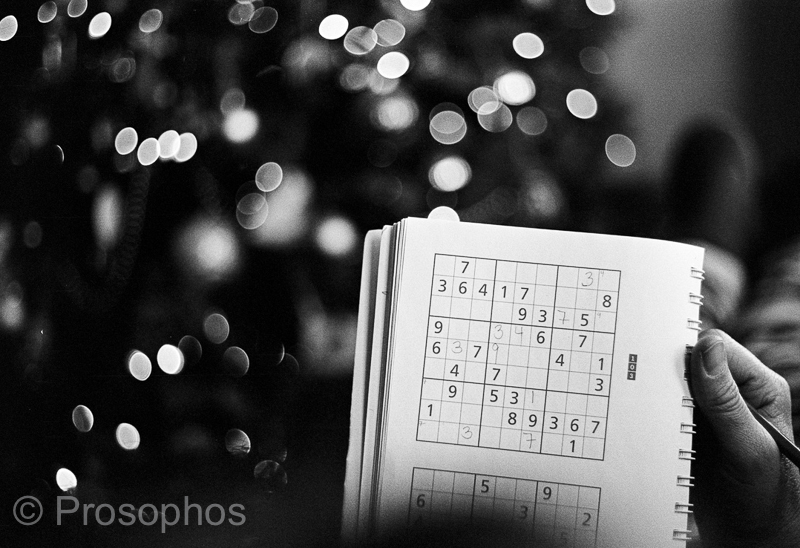
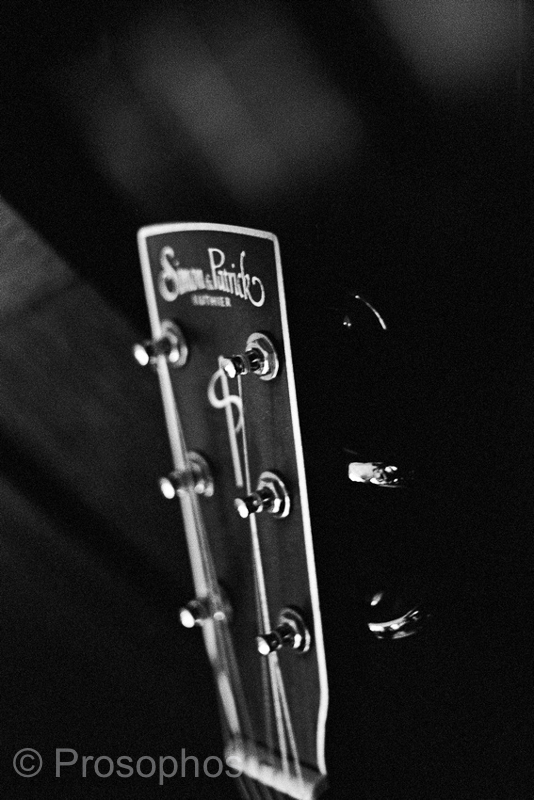
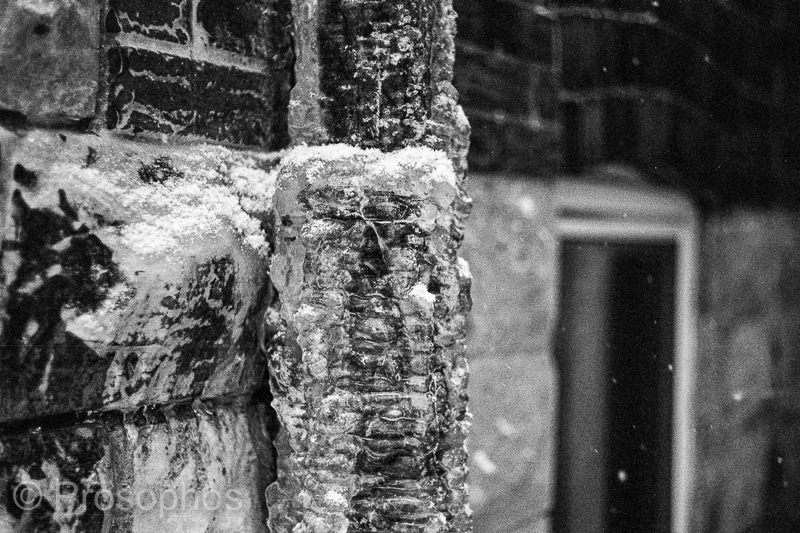
↑ Leica M3, Leica 50mm Summicron Dual Range, Kodak Tri-X 400, and Plustek 8200i.

↑ Leica M3, Leica 50mm Summicron Dual Range, Kodak Tri-X 400, and Plustek 8200i.
The shutter lag is defined as the time between when:
A minimal shutter lag is very helpful when trying to photograph the decisive moment.
Below I’ve compiled the shutter lag times of various 35mm cameras; the data is consistent with my own experience and it may surprise a few of you.
—Peter.
–

A few of you have expressed an interest in seeing this list 😉
So, here goes…
–

–
–
–

–
–
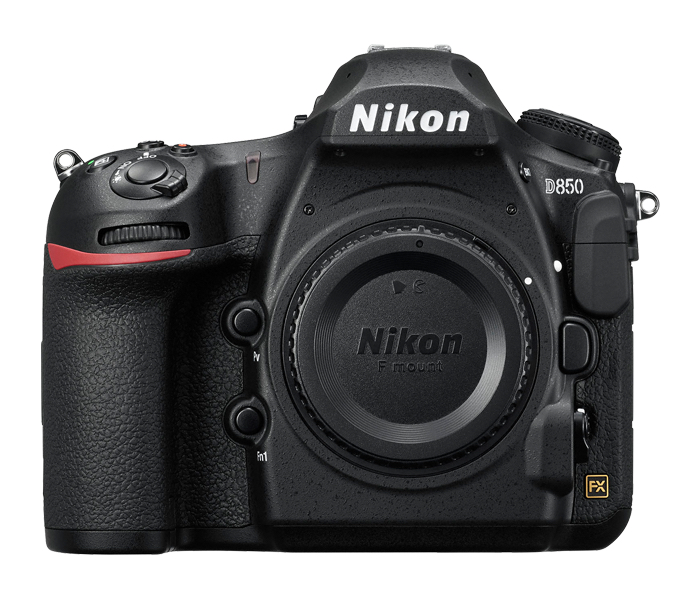
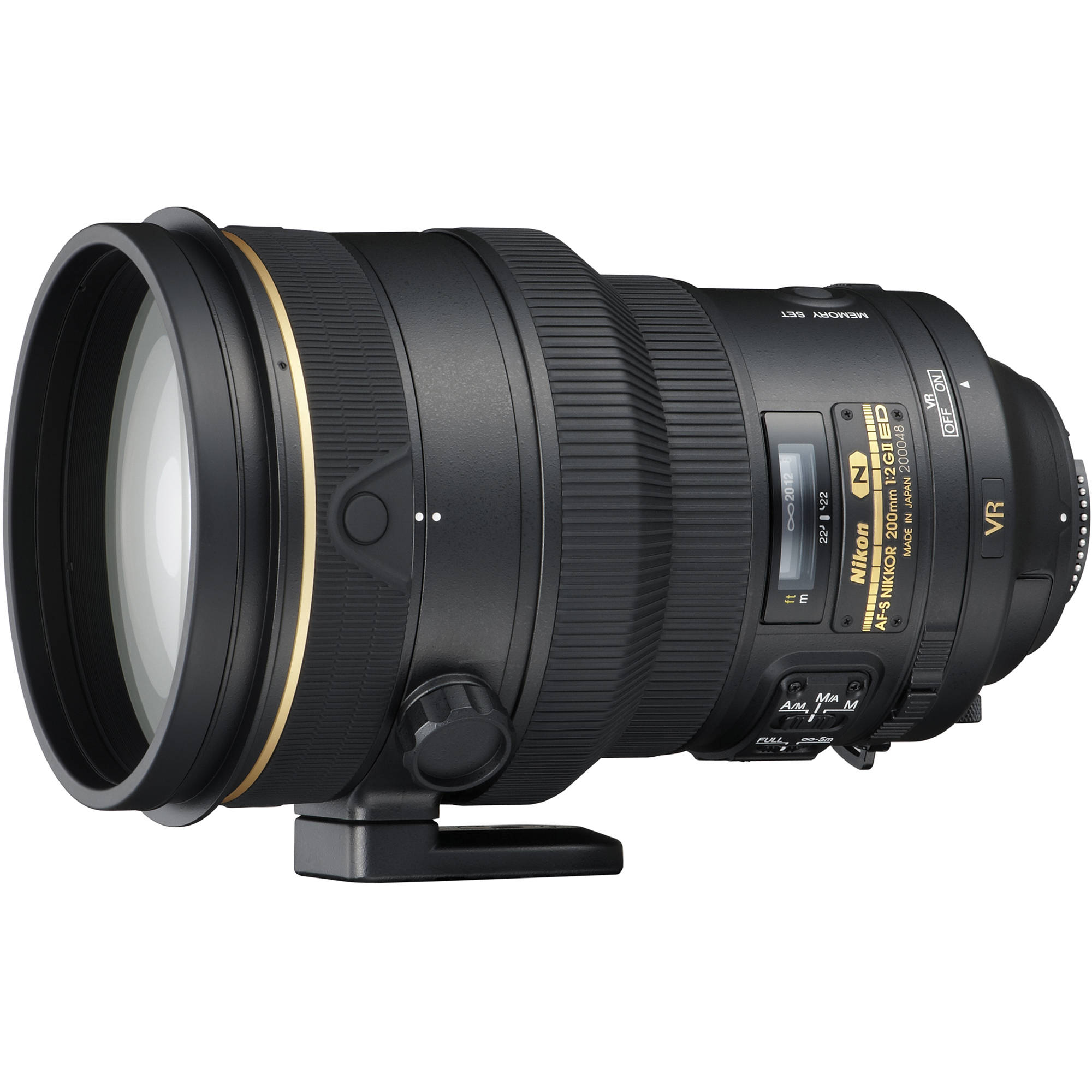
I’ve been photographing with the D500 since May and with the D850 since September; the 28mm f/1.4 and 200mm f/2 lenses were also introduced in September.
The 28mm stays on the D850.
The 200mm stays on the D500.
The image quality from both set-ups is of a high calibre, to say the least.
Admittedly (and predictably) the one thing I’ve missed after all of these months is photographing with a rangefinder, but I think I have sorted that out.
(Hint: what’s old is new again.)
Happy New Year!
—Peter.
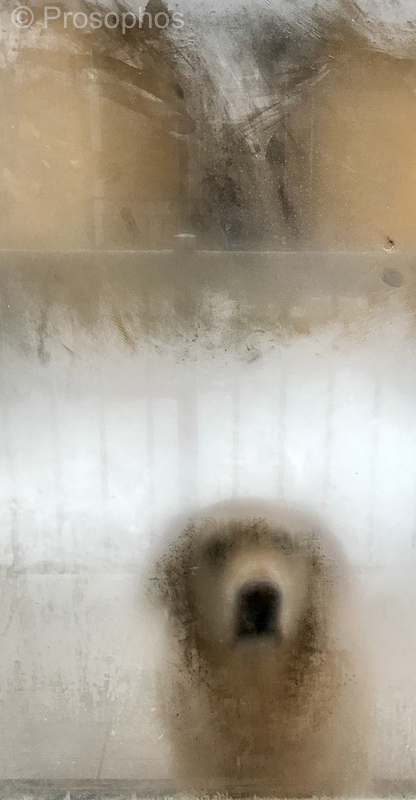
↑ iPhone.
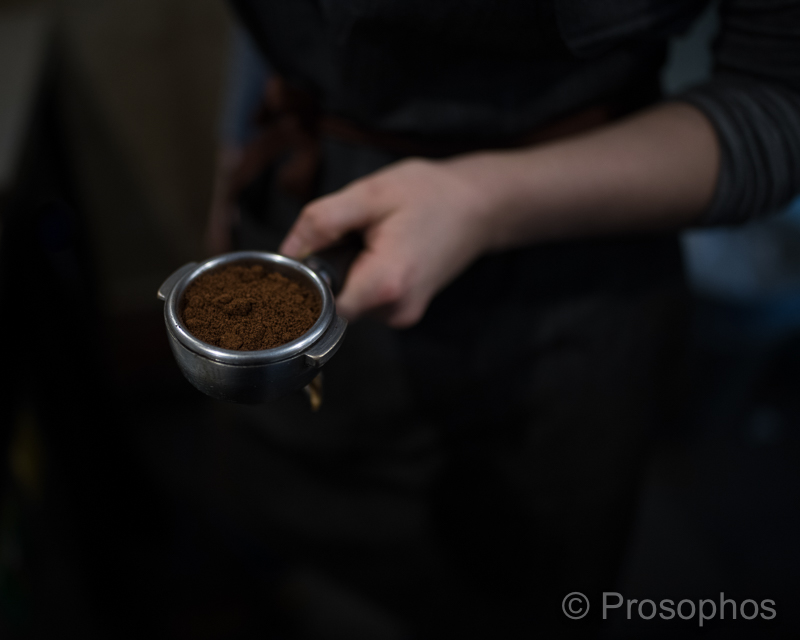
Each month I submit photos to De Mello Palheta Coffee Roasters for their social media use.
They compensate me for my work, and they are then free to use the images as they wish.
Lately, the new De Mello curator has been libearally applying Instagram filter effects to said images.
–
Case in point…
–
My original image (“The Dark Arts“):
–
And the IG-filtered version:

–
My take on all this?
Just guess, LOL.
—Peter.
Not too long ago, I signed a non-disclosure agreement for a camera that was in development.
After a promising start, and several (but slow) updates, communication with the party who contacted me ceased.
I’m still not sure whether the camera was ever really in development, or whether it was just a hoax intended to embarrass me (I could have been easily blinded by its specifications, which were really exciting to me).
Suffice it to say, I no longer have hope that this camera will be made.
And although I haven’t been asked about it in a while, I wanted to at least set the record straight.
Lastly, to that individual who works as a cancer researcher in Toronto who sent me that nasty message last year (regarding my involvement with this camera), I am horrified to think that you have anything to do with health care.
—Peter.
Note: Comments for this post have been disabled.
I’ve been receiving emails on — literally — a daily basis asking me what gear I’m using.
For those of you who have followed my blog for a long time, you already know that I’m a die-hard Leica rangefinder photographer who recently sold everything to start over again.
The real question, therefore, shouldn’t be what I’m using now, but why I did what I did.
Nobody is asking that question though.
As for what I’m using now, I learned in the past the hard way that when I stray away from Leica gear I have to endure a lot of “that’s not as good as what you were producing with your M9” comments. Now that no one knows what I’m using, I instead get a lot of “did you go back to Leica?” questions.
To be blunt, I just don’t want to talk about gear anymore. I’m at a point where I’m satisfied with what I have.
I’m not sure how long this feeling will last, but it’s the first time I’ve felt this way since… well, since I first picked up a digital camera (in 2004). I’m enjoying it. It’s liberating.
Over the years, I’ve freely discussed everything I’ve learned about photography, gear, etc. on this blog. Some of what I’ve said has been unashamedly “borrowed”, and some has been met with outright hostility. On a positive note, I’ve had the privilege of getting to know a few of you who are absolute gems. You know who you are.
Regardless of whether I like you or you like me, you’re all on your own for a while if the subject of interest is camera gear.
Me? I’ll be concentrating on photographing Life’s Little Moments.
—Peter.
Posing four people to make them appear “professional but friendly” while trying to convey spontaneity is… difficult. I knew this ahead of time of course, so I initially turned down this job. Then I decided to take on the challenge.
All in all, considering our collective inexperience — I had never attempted this and these are not professional models — I think we did alright.
—Peter.
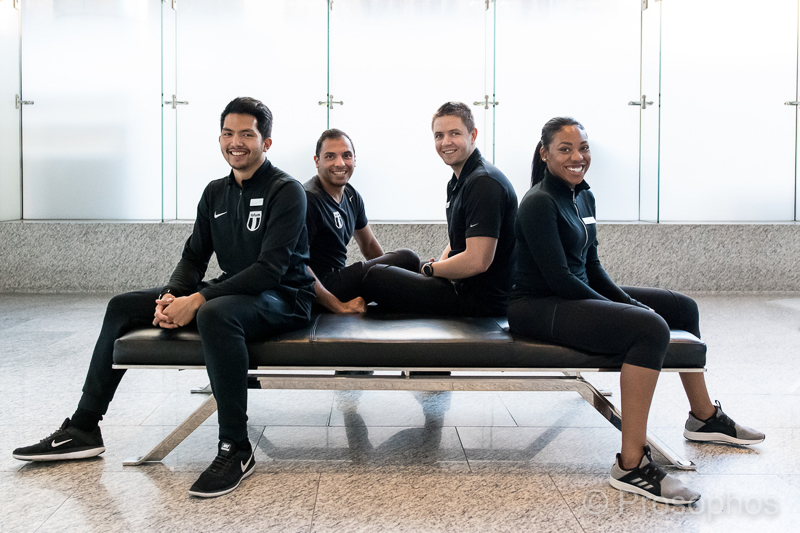
↑ Nikon D850 + Nikon 28mm f/1.4 E.
If you have a D500 and buy a D850, keep the D500.
—Peter.
I’m sorry, I couldn’t resist commenting.
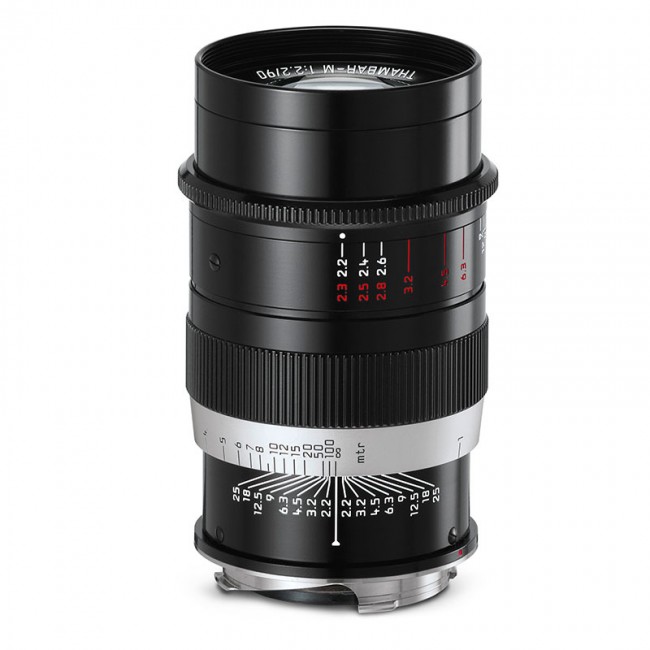
This old-new lens breaks old-new ground for Leica… as an embarrassment.
The sample images from this thing are atrocious.
—Peter.
Apparently, Lightroom 6 (the standalone, non-subscription version) was updated today to support Nikon D850 RAW files.
I haven’t checked it out yet [Update: I have now verified that it works].
This will likely be one of the last updates (if not the last) before support is discontinued in the new year in favour of the subscription version(s).
—Peter.


See link here.
It’s the resurrection of Nik’s famous “U-Point” technology (which I used extensively in Capture NX2 to process all my photos… before Nikon foolishly stopped supporting it) that intrigues me the most.
—Peter.
After examining the RAW files from the Nikon D850 in Capture One and comparing them to the camera-generated JPGs I’ve come to a a surprising conclusion: this may be the first camera I choose to shoot exclusively in JPG mode.
The out of camera JPGs are that good.
–
My JPG settings for the D850 are:
–
With these settings, I can get to within 95% of where I want the files to be, right out of the camera. This is an incredible time-saver.
[Update October 26, 2017: I downloaded the latest version of Lightroom and have to admit that the RAW files, as handled by Lightroom, are very pleasing and superior to the out-of-camera JPGs.]
—Peter.
Do any of you have experience with Capture One 10 Pro?
I’m eager to start processing RAW files off the D850 and since Lightroom hasn’t been updated yet I was wondering if this was the perfect excuse to say goodbye to Adobe (so far, I’ve resisted their subscription model).
Any insights would be appreciated.
Thanks,
—Peter.
I wanted to officially thank Patrick at Downtown Camera in Toronto for doing the impossible and finding me a Nikon D850 after I actually turned down the first one he secured for me!
More than his ability to do the impossible, Patrick is a consummate gentleman.
Do yourself a favour and give Patrick a call if you’re looking for any photographic gear.
Sincerely,
—Peter.
Aaron just posted this comment (see below) under the the October 1 post, but I believe his thoughts warrant a standalone post.
Thank you,
—Peter.
–
Aaron C Greenman writes:
Today, Aaron shares his thoughts (as well as a fine image) after his recent extensive use of the Hasselblad X1D.
You can find more of Mr. Greenman‘s work at: acuitycolorgrain
Thank you Aaron for your contribution!
—Peter.
– – – – – –
ACG writes:
–

↑Image © Aaron C Greenman.
People sometimes ask me why I limit the size of my posted images.
The main reason is: theft.
Here is the latest example:
–

The above site did not ask me for permission to use my image.
I have written to them to remove it immediately.
—Peter.
 Prosophos