
↑Leica M9 and Leica 24mm Summilux @ f/1.4.

↑Leica M9 and Leica 24mm Summilux @ f/1.4.
Yes, that’s right, I’m running a contest.
(it’s summer and I’m happy)

–
I’m giving away 50 rolls of 35mm Kodak Tri-X 400 B&W film (36 frames/roll) to the person who can show me – in a single image – why he/she loves film.
This of course is open to wide interpretation. In essence, I’m looking for an image that emotionally moves me, because you were inspired by the medium (as well as the subject matter) when you created it.
–
–
That’s it!
Now, you may have noticed that in the contest image above (taken on my driveway this morning ;)) there are ten rolls to a pack, and there are ten packs, so that should equal 100 rolls of film. However, 50 of them will automatically be given to my friend Mark Ewanchuk — just for being a good guy :).
–
–
I’ll send it to you via post mail, anywhere in the world. Or, if you can make your way down to Toronto, I’ll hand-deliver it to you and buy you a cup of coffee 🙂
–
Let me know if there are any questions, otherwise, let the games begin!
–
The original, but less intense, Thrilled may be found here.

↑Leica M9 and Leica 24mm Summilux @ f/1.4.

↑Leica M9 and Leica 24mm Summilux @ f/1.4.
The city, via its citizens, contemplates itself in the early evening light.

↑Leica M9 and Leica 24mm Summilux @ f/1.4.
No comment, yet.
Images to follow.


↑Sony RX1R @ f/2.
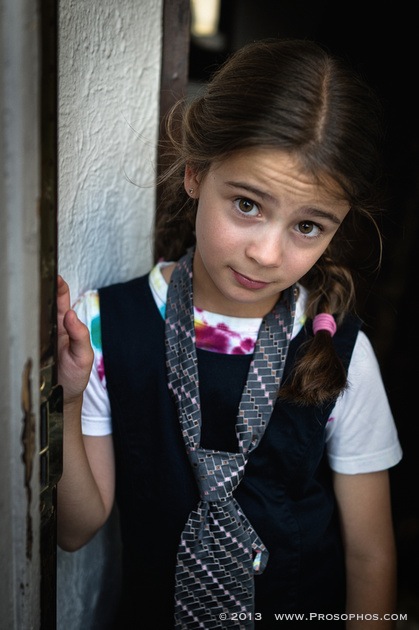
↑Sony RX1R @ f/2.

In summary:
The Sony RX1R has great image quality, but is not so great at capturing the “decisive” moment. Too slow. Too many button presses in manual mode. Too much of a clunky computer, not enough of a camera.
If you’re into static scenes, posed shots, or letting your camera do the work for you in auto mode however, it just might be your ticket.
Although I created many images with the RX1R, I’m only posting one or two more.
—Peter.

↑Sony RX1R @ f/2.

↑Sony RX1R @ f/2.
…feels like a toy.
…is not an extension of my hands and eyes.
…is slower.
…is equipped with a Zeiss lens-CMOS sensor combination that produces files that are not as sharp (or microcontrast-y) as the M9 with top Leica glass (the dpreview tests I posted last week were correct).
…is equipped with a Zeiss lens that cannot handle back-lighting as well as modern Leica lenses.
On the positive side, the RX1R:
…is lighter and smaller.
…produces nicer B&W conversions.
…has more dynamic range.
…is equipped with a Zeiss lens that produces smoother bokeh vs. the Leica 35mm Summicron (or Summilux FLE).
…is equipped with a Zeiss lens that focuses closer than the Leica lens equivalents.
.
.
.
These are my initial thoughts.
—Peter.
It’s here.

↑Sony RX1R arrives (image taken with iPhone 5).
–
I’m going to take a break for a while, away from daily posts and, ummm… I don’t know — photograph? 😉
—Peter.

↑Leica M9 and Leica 50mm Summilux ASPH @ f/1.4.
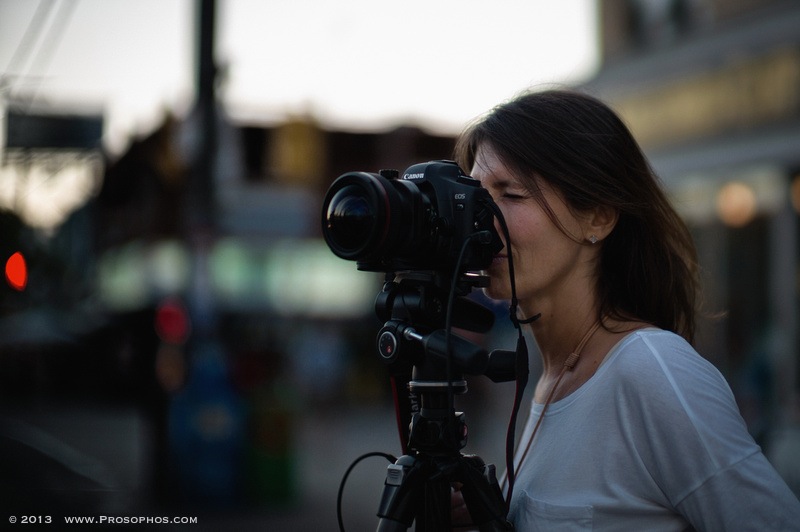
↑Leica M9 and Leica Noctilux @ f/0.95.
She set up her tripod — right on the street — and promptly began shooting.
I walked over to photographer her, and she glanced at me, but continued.
Didn’t miss a beat.
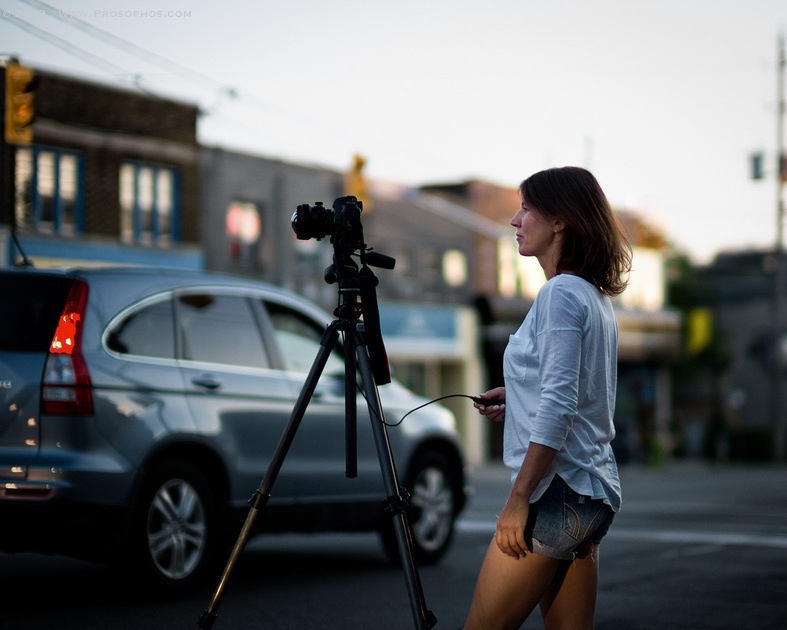
↑Leica M9 and Leica Noctilux @ f/0.95.
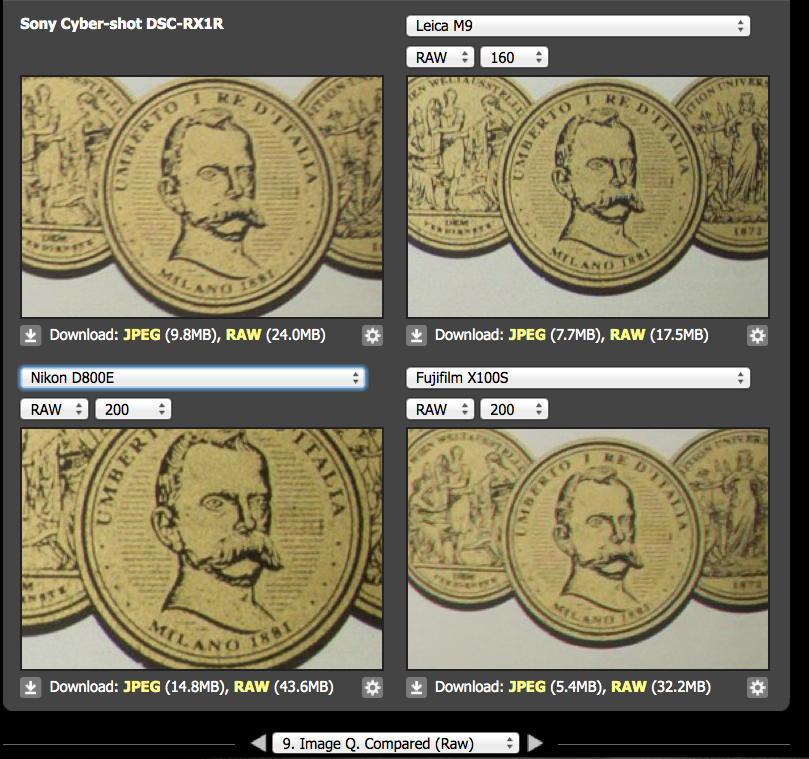
The website Dpreview, the “original” internet hangout for camera geeks and enthusiasts, has a useful studio scene comparison tool that allows one to pit camera against camera. I was using it today to compare Sony‘s new RX1R (the new AA filter-less version of the RX1) vs. the old trusty Leica M9. For fun, I also included two current cameras that have generated much enthusiast interest: the Fuji X100s and the Nikon D800E (admittedly, the Fuji X100s is the only camera of the bunch that doesn’t use a full frame sensor, so it’s sort of the oddball in this sensor grouping but, to me, it’s relevant as a portable and formidable photographic tool).
Here is the overall studio scene, as seen on Dpreview:

–
And here are the (left) side 100% crops of the above scene, from each camera, focusing on the label of the Martini bottle (see the red arrow above):
(please click on this image to view at MAXIMUM size and sharpness)
–
(Note: the crops above vary in size, depending on the megapixel count of each sensor.)
See anything, possibly unexpected here, regarding sharpness?
Finally, here are the centre 100% crops , focusing on the Queen of Hearts card in the original scene:
(please click on this image to view at MAXIMUM size and sharpness)
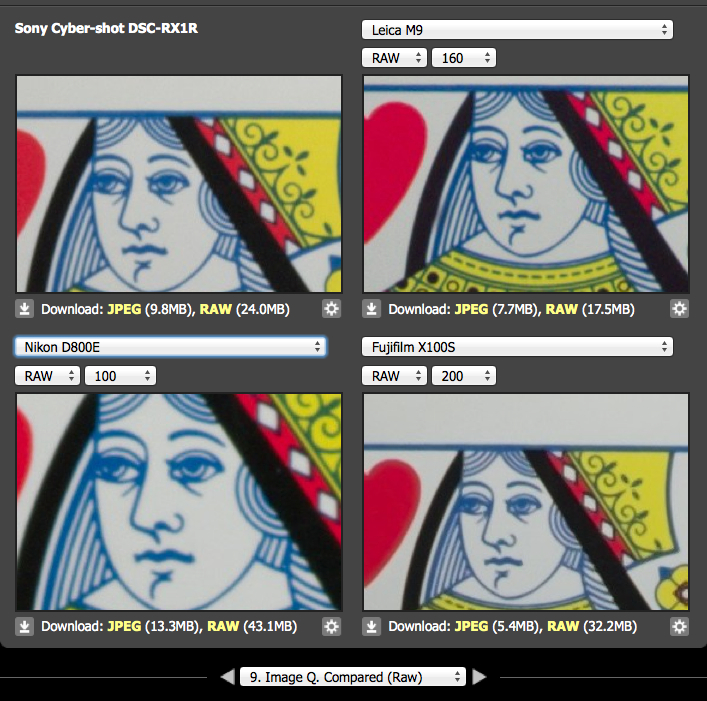
Using the Dpreview comparison tool, one can obviously pick and choose other portions of the scene to make comparisons about sharpness, texture rendering, etc. I’ve chosen two areas that I believe are representative of lens sharpness performance (corner vs. central) with respect to these cameras (the feathers in the far right of the scene are also worth checking out).
—Peter.
—
If you haven’t already done so, please consider signing my open letter to Leica.

___
Related posts:



 Prosophos