Advertising on Prosophos.com?

Q&A

Advertisting on Prosophos.com?

I posed this question almost a year ago.

At that time, most of you were supportive of the idea, even if not exactly thrilled about ads.

In the end, I decided against it, because I really didn’t want to ruin the clean look of this site, and I didn’t want my content to be influenced (or perceived as being influenced) by commercial interests.

However, I’m still being approached by groups wanting to advertise on Prosophos.com, and… I’m thinking about it, mostly because of the time and energy I put into running the site.

Would you be okay with ads being placed here?  Please let me know via the poll below.

—Peter.

P.S.  The irony of having Polldaddy.com advertise in the poll below is not lost on me.

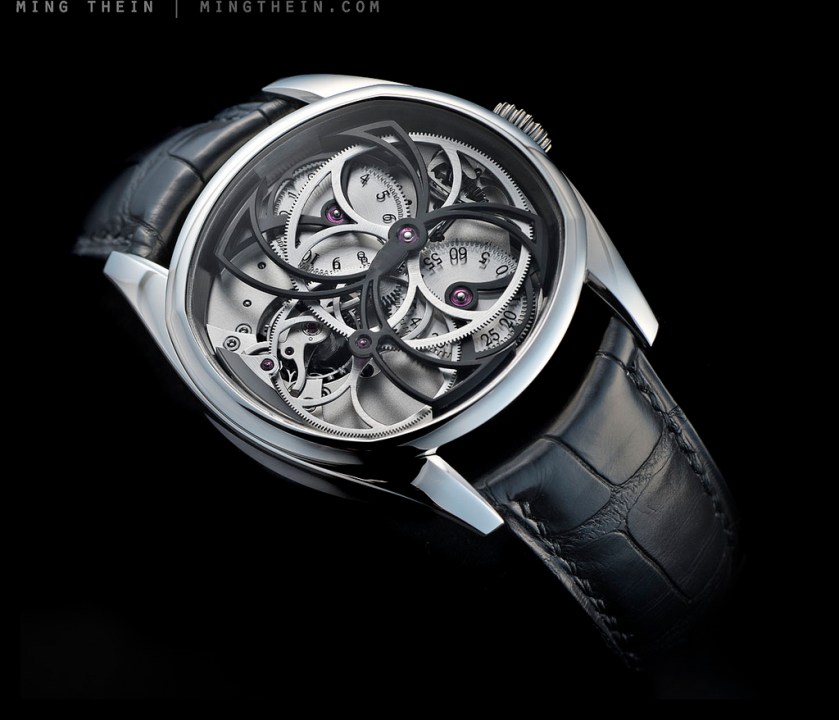
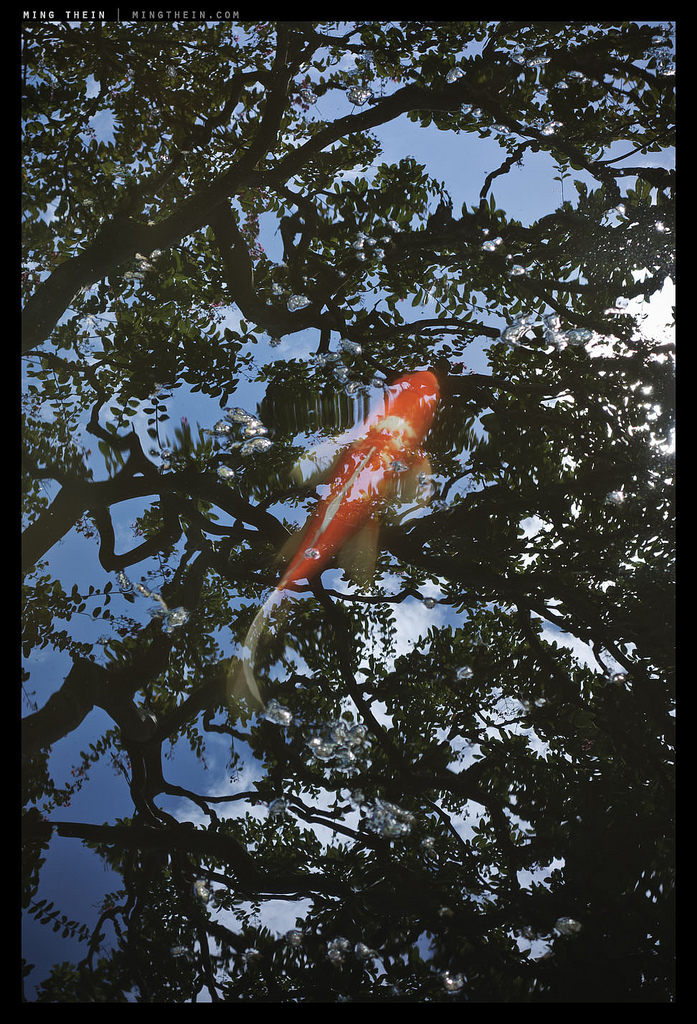
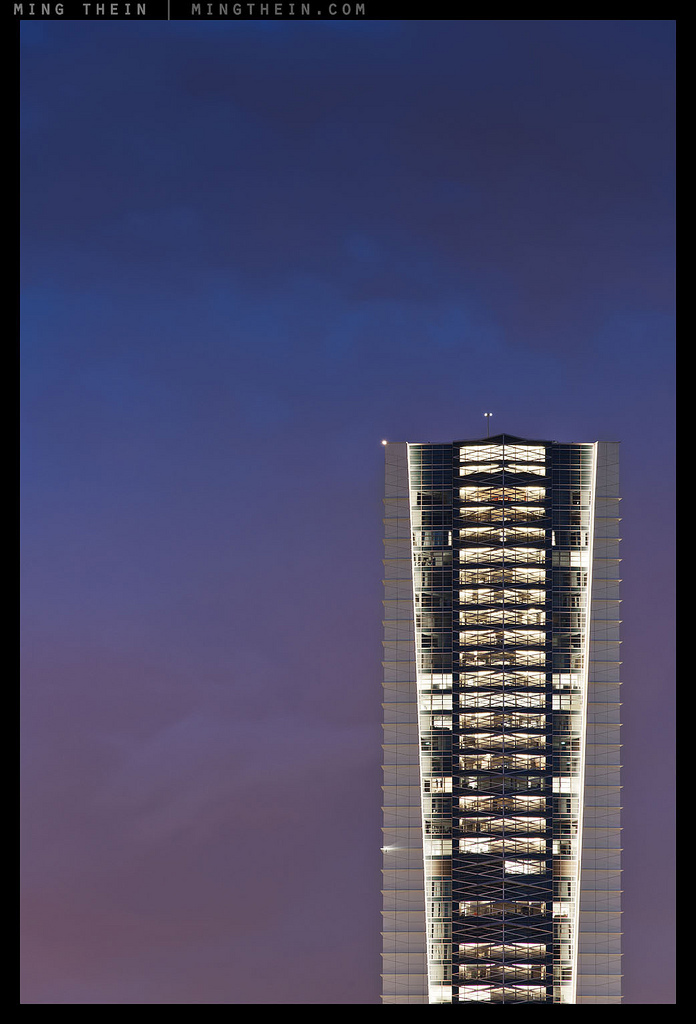
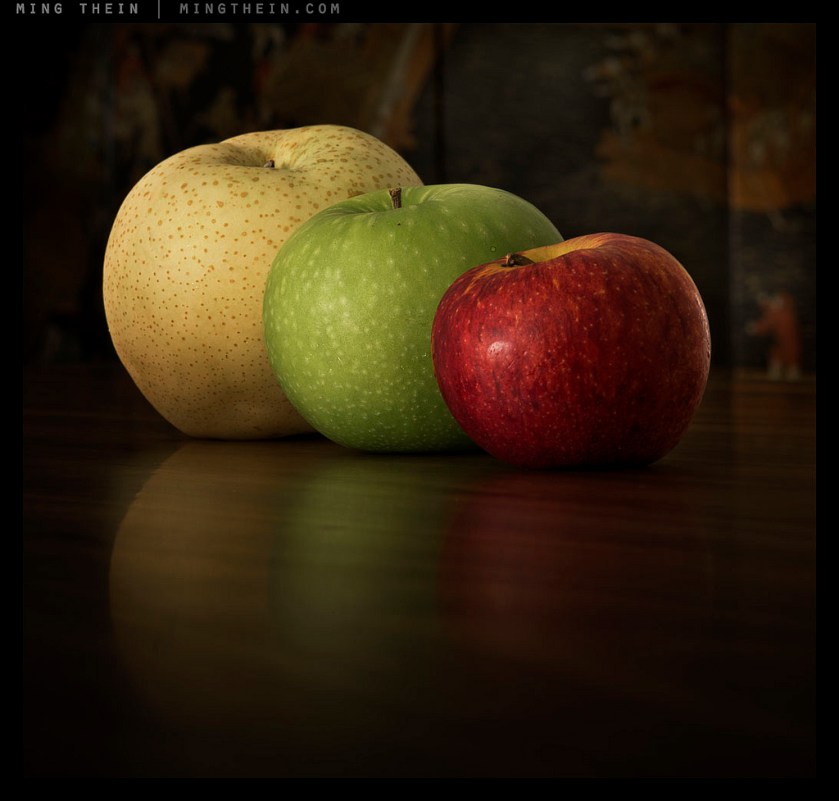
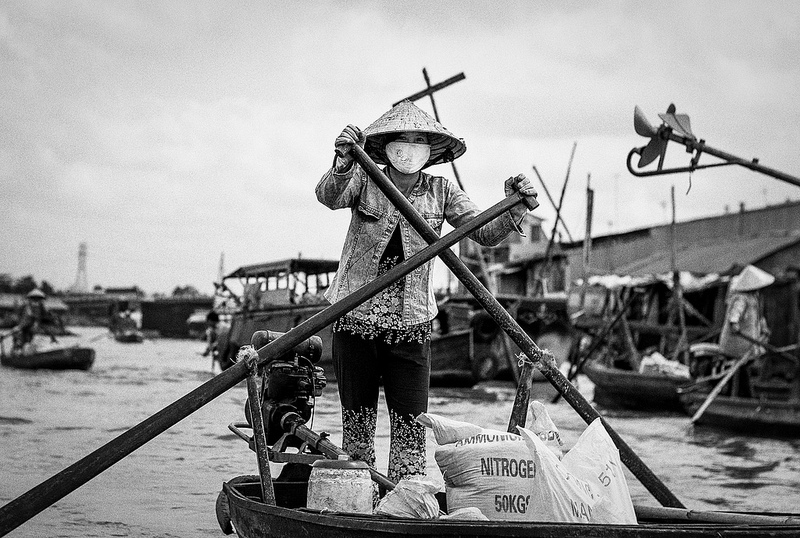
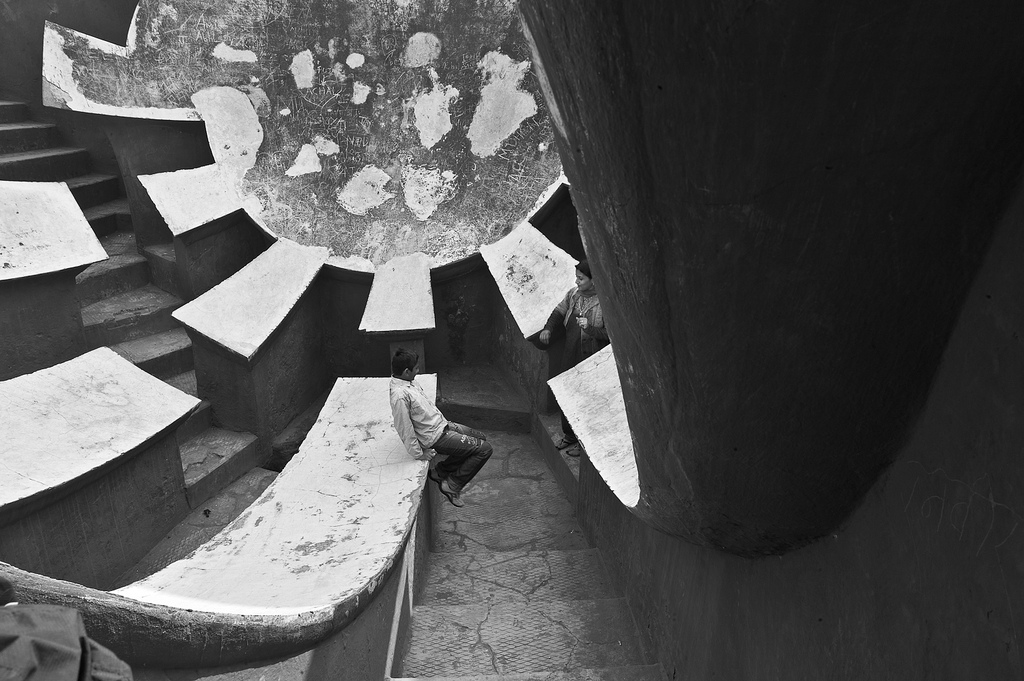
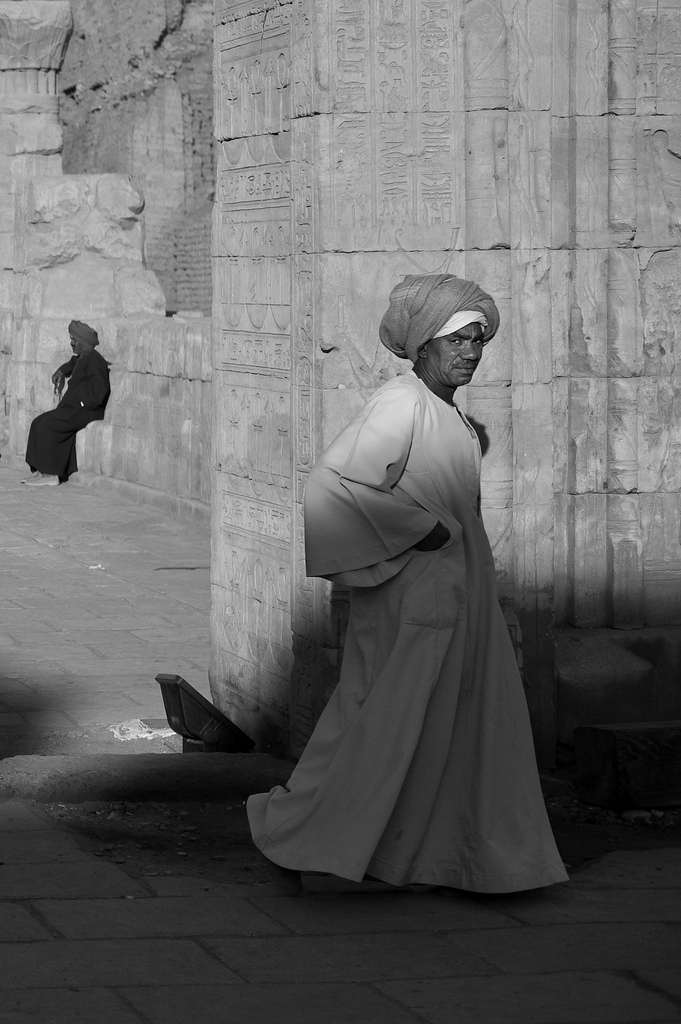
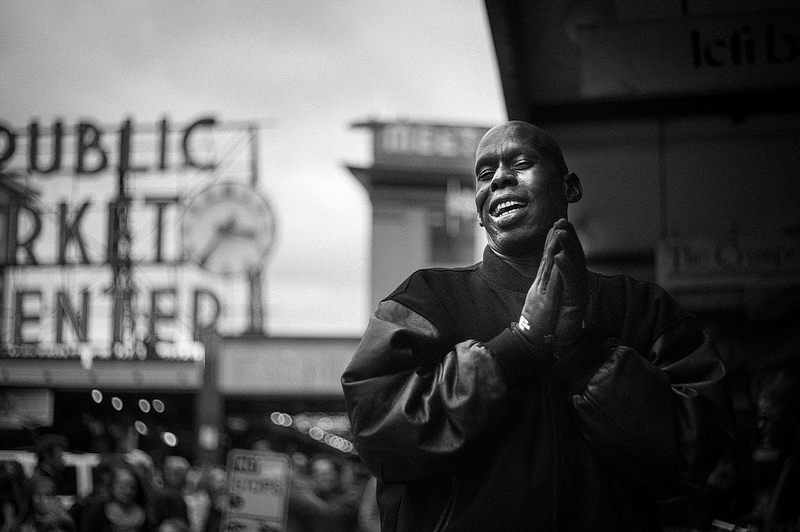
Featured Photographer: Ming Thein.

Guest Post, Inspiration, Q&A

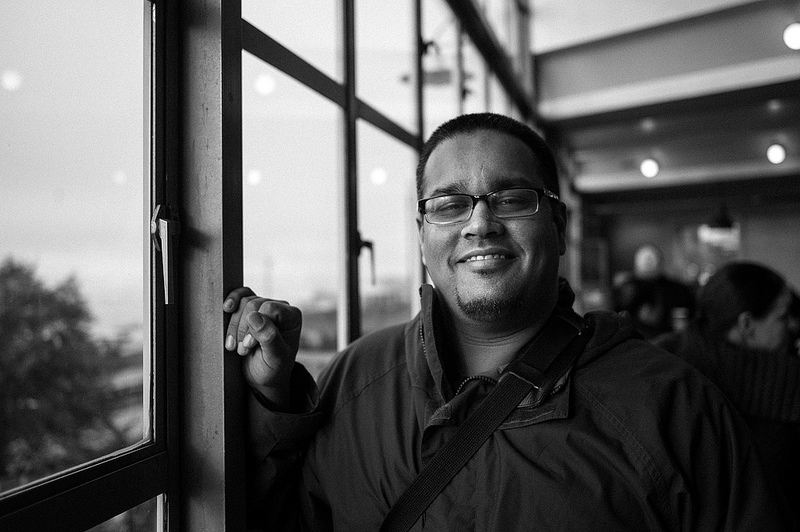
Ming Thein

“You start being a true photographer by observing…”

—Ming Thein.

__________________________________________

Ming Thein

__________________________________________

About.

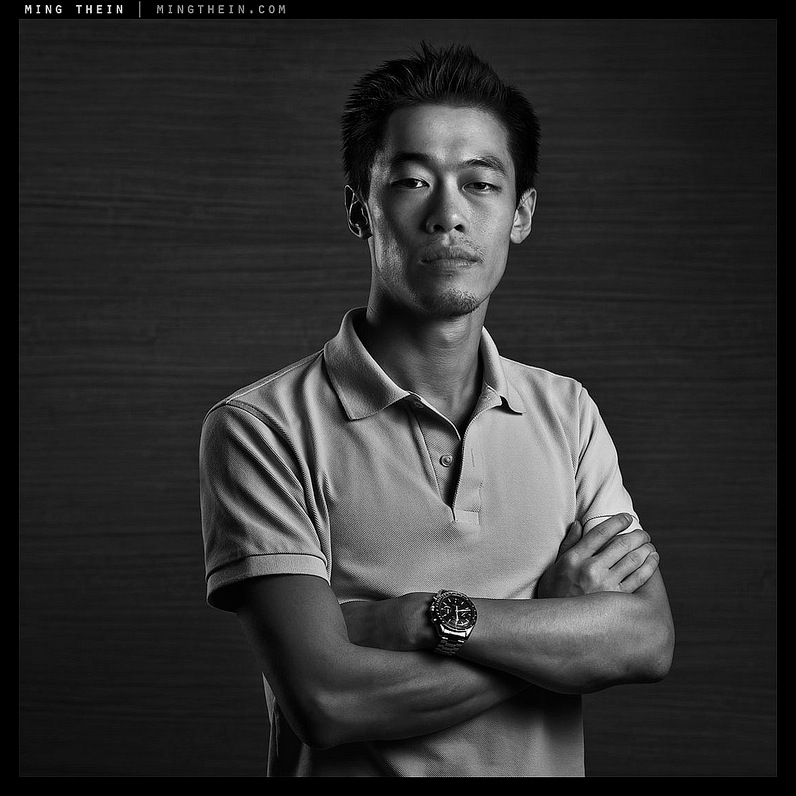
26 years old. Lives in Kuala Lumpur, Malaysia.  Full time commercial photographer specialising in watches, architecture and food.  Part time writer and blogger at:

Ming Thein | Photographer 

Former corporate person in various disciplines around M&A, strategy, and finance.

Cameras and lenses.

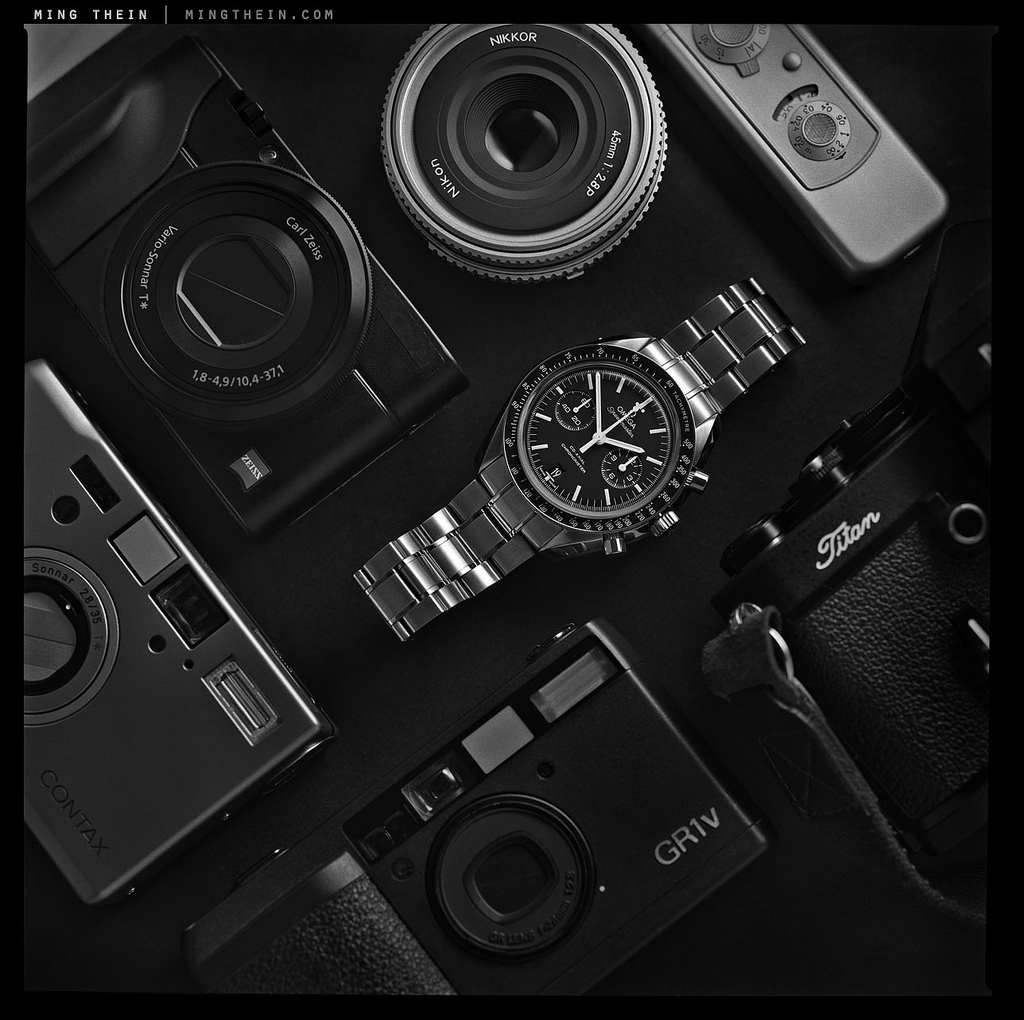
“At the moment – Nikon D800E, D600, F2 Titan, F3/T, 24-120/4G VR, 28/1.8G, 45/2.8P, 58/1.2 Noct AIS, 60/2.8G Micro, 85/2.8 PCE Micro, 85/1.8G. Zeiss ZF.2 21/2.8 Distagon, 28/2 Distagon, 50/2 Makro-Planar, 100/2 Makro-Planar, ZM 50/2 Planar.  Leica 28/2 ASPH and 50/1.4 ASPH – waiting for my M 240 like everybody else.  Olympus OM-D, 12/2, 45/1.8, 60/2.8 Macro, 15/8 and Panasonic 100-300.  Hasselblad 500CM, 501C, 50/4 Distagon FLE, 80/2.8 CF, 120/4 Makro-Planar CF and four backs.  Sony RX100 and Ricoh GR1V.  A bunch of Minoxes I collect but don’t shoot.  Another bag full of speedlights and assorted lighting gear.  Certainly far more than I need, enough to cover every commercial eventuality I encounter.”
What’s important.

“Integrity:  in the way one conducts oneself, in one’s image making, and being true to yourself:  do what you love, and if you’re going to do something, do it to the best of your ability.  Family, my wife; without her support I think I’d still be too chicken to quit my day job for photography.”

Interesting fact.

“It’s taken me four attempts to make full time photography financially workable.  So far so good, but one always has that niggling feeling of uncertainty for the months ahead.”


__________________________________________

Ming Thein is the prodigious photographer, writer, and editor behind the incredibly popular photo enthusiast site Ming Thein | Photographer.

A graduate of Oxford at the age of 16, Mr. Thein studied to be a physicist before embarking on a corporate career in M&A/private equity.  In early 2012, he decided to follow his heart and fully commit to photography, which — up until then — was a part-time vocation but full-time passion, and walked away from his position as a senior executive.

Ming’s work, reflecting the breadth and scope of his interests and talents, focuses on the specialty areas of watch, food, reportage, and architecture/interior photography.  In short order, he has achieved the ever-elusive photographic goal of establishing a signature look and a consistency of output despite employing a variable array of camera platforms.  Referring to himself as a “brand agnostic“, he uses the equipment he deems best suited to each particular assignment.  In following his vision, he has established an international (and impressively broad client) base.

A visit to Ming’s website will confirm that this success has not come by way of accident because — in addition to Ming’s honed photographic output — a treasure trove of noteworthy and comprehensive reviews, essays, and opportunities for learning may be found.

Finally, Ming’s recent article on the new Leica M* at long last gave Leica fans what they were desperately seeking, but had not yet seen:  impressive sample images.

Please join me, then, in welcoming the prolific and seemingly inexhaustible Mr. Ming Thein.

Thank you,

—Peter.

*Editor’s note: see my previous comments on Ming’s Leica M article.

__________________________________________

Q&A with Ming Thein.

What motivated (and still motivates) you to pick up a camera?

“Part of it is the process, part of it is the output, and part of it is the way it forces you to see and be more aware of the world around you.  You start being a true photographer by observing; then you try to shoot it; then you realise how much you have to learn to translate your vision into an image – more importantly, to make sure what your audience sees is also what you see.  As your skill improves, your vision gets more complex, and it’s a never-ending cycle: there’s always more to be said in an image, and better ways of saying it. I also feel a pathological compulsion to document the world around me, but I think that’s a more recent consequence of being able to do so and having done it for the last ten years rather than the initial driving cause.”

What do your images “say” about you?

“I don’t think it’s possible for the creator to answer this objectively.  You should ask what do you want them to say about you instead – ultimately, the viewers are the judge of whether you succeeded or not.  I’d like to be known for finding beauty in the mundane; for capturing the missed slices of life; for being able to create light to showcase an object or thing in the best possible way.  And my compositions should look perfectly balanced, and the execution technically perfect.  It almost never is, which means there’s always some room for improvement.”

How have you evolved as a photographer/artist over the years?

“I’m a lot more focused now, and also a lot more commercially-minded – you have to be to survive as a business.  I used to shoot everything and anything; partially for experience/ the challenge, partially because it was all so new and I hadn’t had the chance to really specialise.  These days, I shoot watches, architecture, food, and for my own work – street/ travel.  That’s it.  I went through both stylistic and subject phases in the past where I’d shift from one genre to another – street, wildlife, travel, landscapes, portraits, fashion, catwalk…but I’d get bored of them and come back to the core three.  However, having tried and being reasonably competent at many types of subject matter means that you can apply things you learn across the board, to give you that creative edge.  I’ve also spent more time understanding my subject before I shoot it – not only does this yield better images because you know exactly what it is the creator intended, but it’s also easier to deal with clients – you speak the same lingo.”

Any further comments about your work you’d like to share?

“I think every really serious photographer has to spend some time and effort in finding and developing their own style; you can only go so far by copying somebody else.  Learning to copy/replicate well trains your technical skill, but not your artistic skill; it’s only in the last couple of years that I’ve really been able to nail this down personally.  It means that my more recent work all has a signature to it that gives the whole portfolio a good level of consistency – it’s to do with the use of light, the color palette, the tonal feel, technical execution and overall compositional balance of the image.  I don’t expect to make any major changes to my style or the way I shoot, but I do look forward to the evolution.  That said, it’s taken me over half a million shots to get here…”

_

__________________________________________

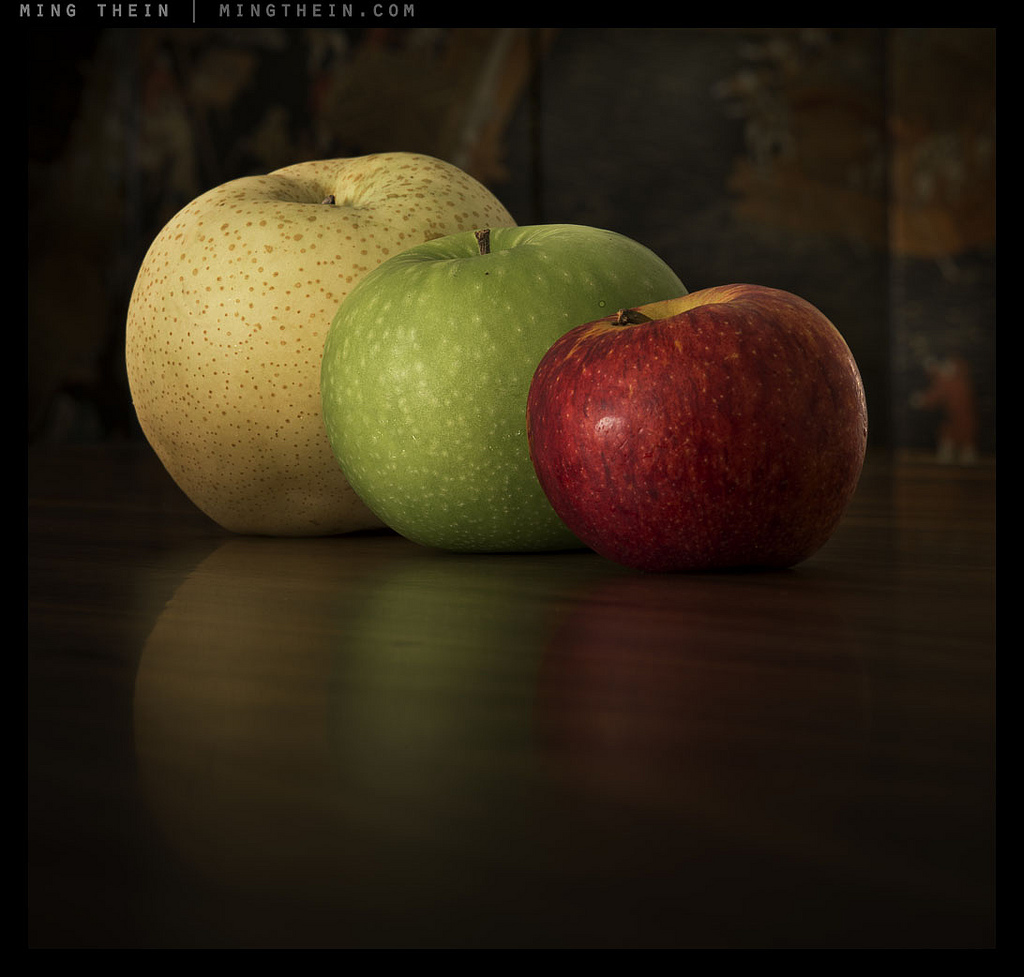
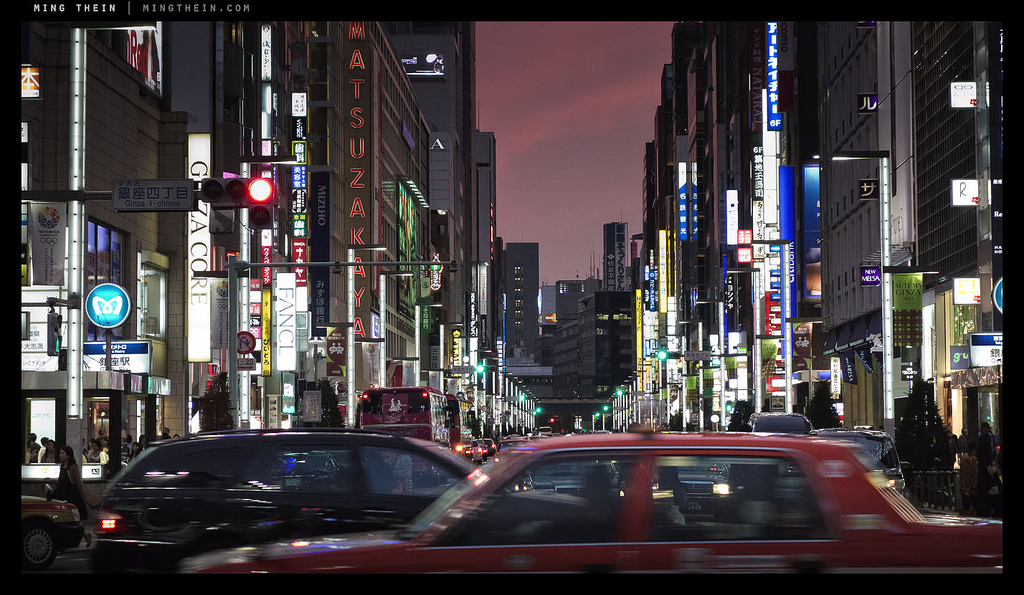
Images courtesy Ming Thein.

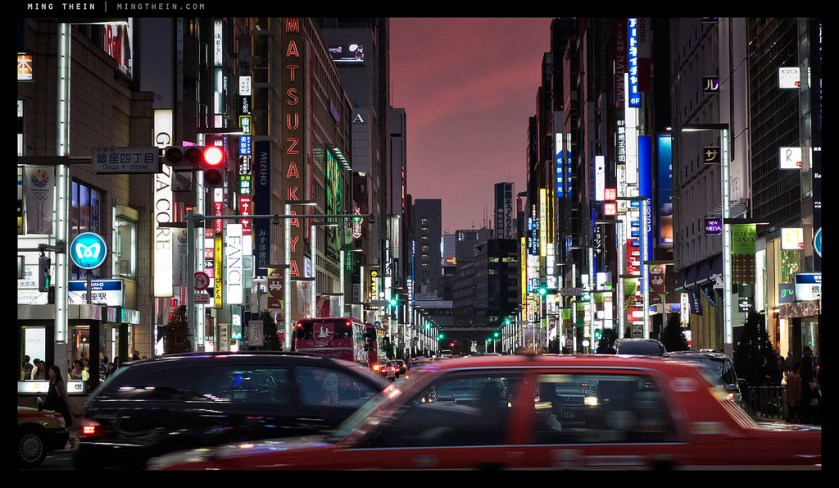
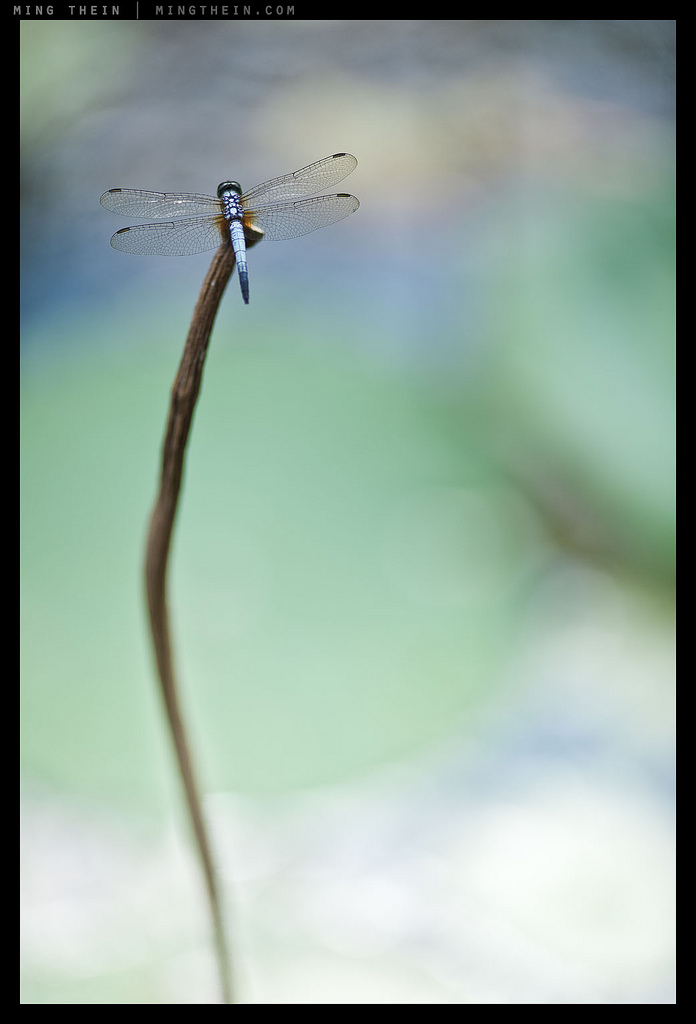
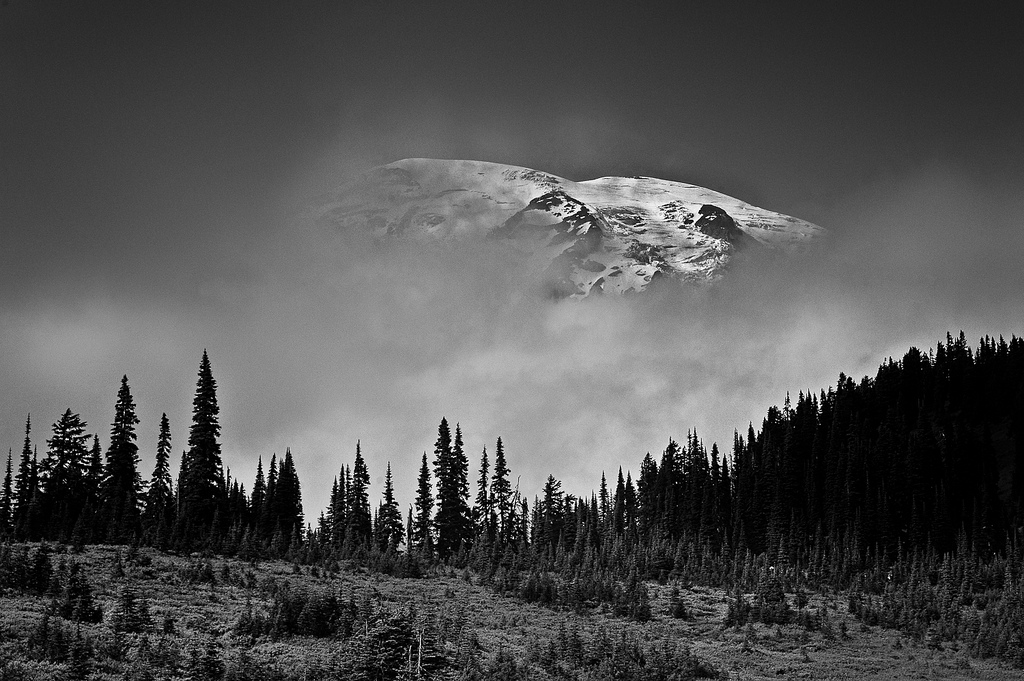
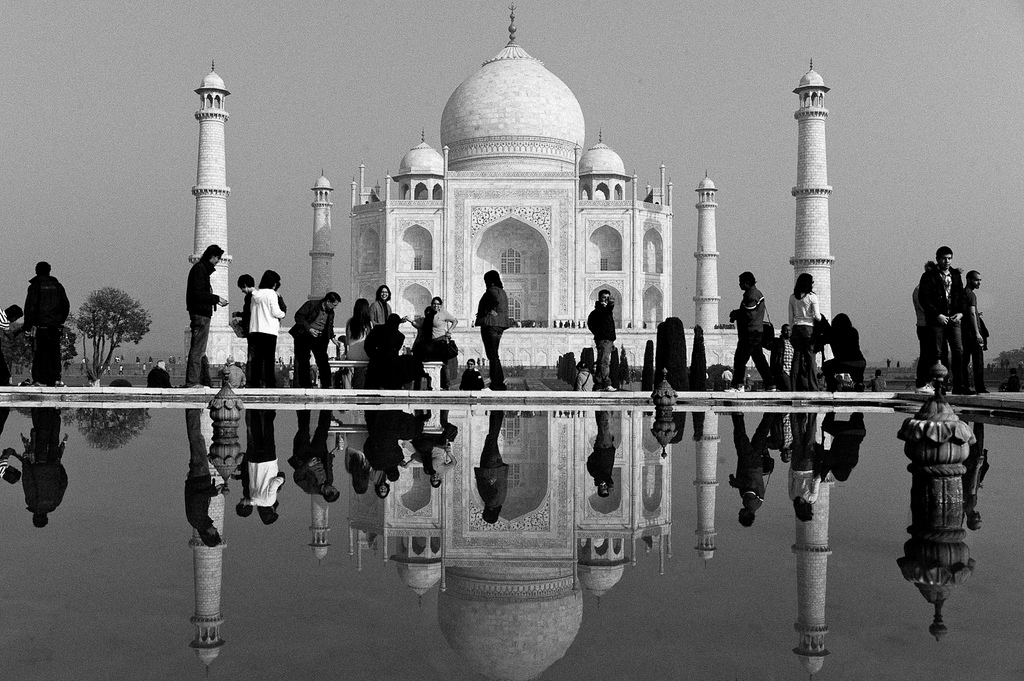
Ming1

Ming2

Ming3

Ming4

Ming5

Ming6

Ming7

Ming8

Ming9

Ming10

Ming11

Once again, my sincere thank you to Ming Thein for sharing his work with us.

Please follow Ming at Ming Thein | Photographer.

—Peter.

__________________________________________

[Previously Featured Photographers may be found here.]

Featured Photographer: Ashwin Rao.

Guest Post, Inspiration, Q&A

Ashwin

“Ultimately, I find beauty in everyday life…”

—Ashwin Rao.

__________________________________________

Ashwin Rao.

__________________________________________

About.

36 yrs old.  Lives in Seattle, WA, USA.  Occupation: Physician.

“I began my photographic journey 7 years ago. At the time, I was completing my post-graduate training and was seeking a creative outlet. Prior to photography, I was an avid oil painter, enjoying the surrealist aesthetic. In particular, I found inspiration in the work of Rene Magritte, Mark Tansey, Salvador Dali, Marcel Duchamp, Chuck Close, and Joan Miro. As time became scarce and work became more intense, I began to seek a more rapid, yet satisfying outlet for my creative instincts.  I quickly found my way to rangefinders, where I could have incredible control over the photographic process in a way that other cameras couldn’t offer me.  I enjoy seeing the world as a series of photos waiting to be composed, captured, and edited to bring about the emotion of the moment. It’s my goal to create an emotional impact, that melds properties of the photo with the viewer’s own experiences and view of the world.”

Cameras.

Currently:  Leica M9P, Leica M Monochrom, Pentax 645D, Sony RX1.

What’s important.

“Caring for others in my career and private life.  Finding inspiration and providing creative solutions to difficult challenges.  Challenging myself in all aspects of life and constantly striving to better myself.”

Interesting fact(s).

“I’m a big goofball and enjoy life with laughter and joy whenever possible. Life’s serious enough as is…I am working on getting my photos to incorporate humor, but it’s not yet come to me creatively. Thus, I try to find and represent genuine moments in my current evolution, but humor, I hope, will be a bigger part of my future as a photographer.  Many people suggest that I should give up my career for photography. Truth of the matter is that I love my career just as much as I love making and sharing photos. Both have creative aspects and great meaning to me. One venture would not be possible without the other.”

__________________________________________

Today, it is my absolute privilege to present the inspired work of Ashwin Rao.

I’ve known Ashwin for a number of years now, and have always admired his images, which — in a very real sense — are imbued with his character.  Whether it’s his travel photography, portraits of family and friends, street images, or landscapes, there is a quality to his work that surpasses technical prowess and speaks of an inherent and genuine sensitivity.

Ashwin has also been very generous to the photographic community, sharing his experiences and knowledge through many well-written articles, and through various discussions/seminars in multiple photographic fora.  Many of you reading this, therefore, will no doubt be familiar with his name.

As Ashwin’s personal perspective and priorities have changed, he finds that he is increasingly seeking out the “little big moments” around him.   This is of course being reflected in his current work.

Please then, sit back, read the Q&A session that follows, and enjoy the wonderful images of Ashwin Rao.

Thank you,

—Peter.


__________________________________________

Q&A with Ashwin Rao.

What motivated (and still motivates) you to pick up a camera?

“Well, great question.  For me, it’s about finding balance in life, and photography helps support and enrich the creative side of my personality and passion that work doesn’t always engage.  I have long had a creative streak that has counterbalanced my analytical and structured approach to work and goal-setting/accomplishment.  It’s important for me to engage this part of my personality regularly, and photography satisfies this need.  For me, creating meaningful images not only allows me a certain creative freedom, but allows me to capture and regularly share meaningful moments with my friends and family.  Thus, for me, not only is photography incredible in allowing me to sate my creative impulse, but allows me to share that creative impulse with others through image capture.  It also allows me to engage, capture, and freeze moments of emotion in ways that preserve memories for me.  Ultimately, I find beauty in everyday life, and see the world as a series of moments filled with creative inspiration, filled with promise, and just waiting to be captured.   All of these things motivate me to pick up and use my cameras.”

What do your images “say” about you?

“I believe that my images reflect my emotions and my caring for those who live around me and share my creative process with me.  I find that photographs also capture life’s journey, and that preserving these moments is both relevant and important to me.  Beyond that, I believe that my images serve as a reflection of how I see the world, my friends, and my family, and that these images enhance the value of my relationships with others.

I also suspect that I bring my own personality into my images, so I guess that my images say whatever the viewer happens to see and feel, which then in turn, may tell them a bit about me in ways that I don’t even yet know….”

How have you evolved as a photographer/artist over the years?

“I think that my images have drifted towards more personal moments. I photograph people as a part of my work, as I enjoy capturing people in the greater element of their lives. In the past, I was more fearful of approaching and photographing people, but with time, I have grown comfortable with a level of engagement that allows me to free up my creative process.  In general, my photos have become more subtle, less bold, maybe less “iconic” in approach, focusing more on ‘little big moments’ rather than larger ‘thematic capture’.”

Any further comments about your work you’d like to share?

“For me, becoming a photographer is an ongoing process. I am really only at the start of my journey as an aspiring photographer.  I learn much about this passion each and every day, both through sharing images on the forums, in gallery exhibits, and through conversions and email exchanges with others around the world.  I love that the Leica community is so passionate and small.  It’s a great community with whom to share… There’s a familiarity to the community, where we have shared passions, and not only can we geek out together, but we can grow together too, as photographers, friends, and colleagues in image capture….”

_

__________________________________________

Images courtesy Ashwin Rao.

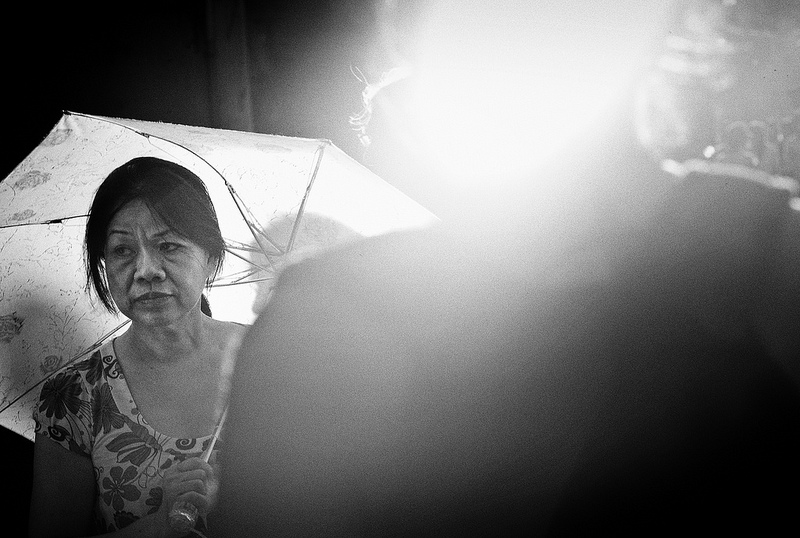
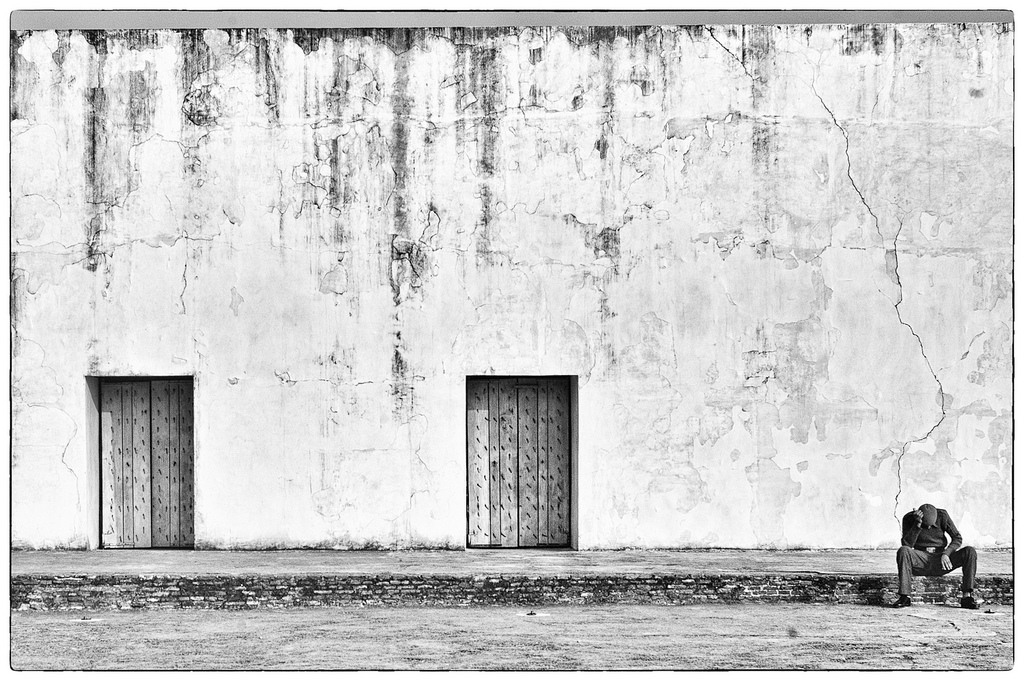
Ashwin 1

Ashwin 2

Ashwin 3

Ashwin 4

Ashwin 5

Ashwin 6

Ashwin 7

Ashwin 8

Ashwin 9

Ashwin 10

Ashwin 11

Ashwin 12

Ashwin 13

Ashwin 14

Ashwin 15

Once again, my sincere thank you to Ashwin Rao.

—Peter.

__________________________________________

[Previously Featured Photographers may be found here.]

Monochrom: Test Shot [2].

Inspiration, Leica 90mm Summicron APO f/2, Leica M Monochrom (CCD Lives!), Portrait, Q&A, Teaching point

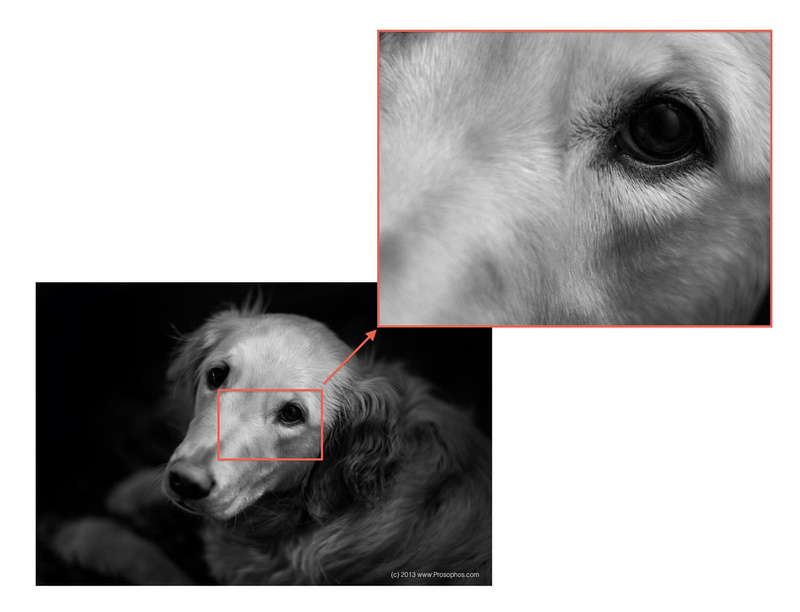
Well, the Leica Monochrom is living up to its reputation for exquisite tonal rendering, high ISO capabilities, and sharpness (please see the 100% crop below).

However, it’s also living up to its reputation for requiring a radically different approach to processing files (vs. the M9).  So far, I’ve played with only a handful of images, but I’m thinking it’s going to be a long time before I even get anywhere near where I want to be.

This all underscores what I’ve previously written:  with a new camera there is often an initial drop in photographic output.

Please bear with me while I sort this out.

—Peter.

Test Shot-Monochrom

↑Leica Monochrom and Leica 90mm Summicron APO @ f/2.

Weighing me (and you) down.

Inspiration, Q&A, Teaching point

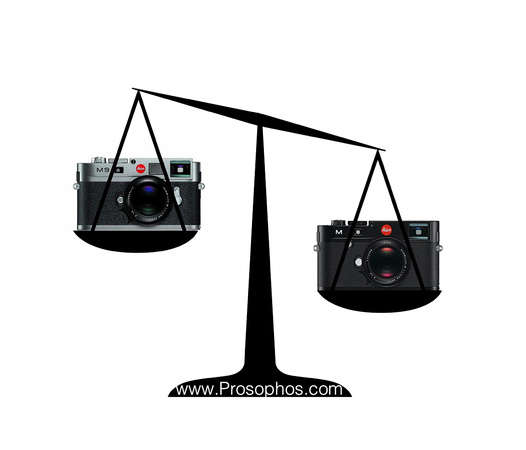
Leica M9 vs. M Weight

Is there anybody else out there who is just a little bit disappointed that the new M weighs more than the outgoing M9?

The Leica old-timers used to lament that the the M9 (and the M8 before that) weighed more than the preceding film M cameras, and disapproved of the general pudginess of these digital reincarnations of the legendary film classics (if you think they were/are being picky, try holding the iconic M3 in your hands, and you’ll quickly concede the point).

It is ironic that in an era when DSLRs are being dropped en masse for smaller and lighter mirrorless cameras, the M — which has always run counter-current to the “bigger is better” mindset of the SLR world— is getting, well… fatter and heavier.

(Have you seen the new M decked out with all of the accessories?  It’s sort of umm… un-Leica M-like.)

In future M models, I hope advances in technology are harnessed to reduce the size and weight of the body (I also hope that emphasis is placed on simplicity, i.e., reducing buttons and menu items, and that they stick with manual focus lenses — but that’s another story).

As far as I’m concerned, when it comes to the M system,  less is more.

—Peter.

M9, M(240), DXO… and smoke and mirrors.

Inspiration, Q&A, Teaching point

Leica M(240) CMOSIS sensor

____________

Just over a week ago, I posted my “Final Verdict” on the new Leica M (aka Leica M240).

The post itself was rather benign, but many people were not happy with my conclusion (or my title).   And there has been at least one thread that I know of, started on a major Leica forum, attacking me for my view (I even had a moderator from that forum try and post a provoking comment on this very site.  I didn’t bite.).

One of the main criticisms against me is that I haven’t photographed with the new M, so I am not in a position to comment on its image quality.

Nonsense.

The fact that I haven’t photographed with the new M precludes me from commenting on handling/ergonomics, but it does not prevent me from judging image quality.  I do that with 100% of the cameras I don’t buy… that’s called common sense.

Having stated the above, I have viewed and extensively handled RAW (DNG) files from the new M(240), and I do believe that the files have more “depth”, slightly more dynamic range, and render better at high(er) ISO levels.  But I still prefer the files out of my M9 (and the M8 before that) at base ISO.

It may be difficult to understand, but that’s my belief.

You know, it’s funny…DXO recently concluded that the M9 has the worst FF sensor they’ve ever tested.  This was previously known, at least to those who track such metrics.  The Leica faithful have historically derided such conclusions, stating that there’s something special in the M8/M9 files that is just not being captured by DXO’s methodology, and the proof was in the images.  Well, many of those same individuals are now criticizing me for using my own eyes to pass judgment on the new M(240).

You have to ask yourself:  What’s my motive?

Am I a Leica “hater”?  No, of course not… I only shoot with Leica cameras.

Am I trying to sell you something?  No, there are no sponsor links on this site.  I never “hype up” the latest and greatest and call it the “BEST camera EVER!!!” until the next one comes along.

Am I trying to be negative?  No, life’s too short for that.

The answer:  I’m stating my opinion.

That’s all. 

The irony is that one day I may pick up the new M, because it will be the best solution for somebody who appreciates a high(er) ISO colour-capable camera with rangefinder coupling in an M form factor.  It’s currently the only game in town for that combination of features.

And as I’ve written countless times, none of this silliness has anything to do with creating great images.

So people, relax.  It’s just a camera.

—Peter.

Featured Photographer: Jason Howe.

Guest Post, Inspiration, Q&A

0. Jason Howe

“…for the most part I’m motivated by love, a love of photography and the thought of the images I’m yet to make.”

—Jason Howe.

__________________________________________

Jason Howe

__________________________________________

About.

43 yrs old.  Lives in Tauranga, Bay of Plenty, New Zealand.  The former MD of a business specialising in retail construction projects he made a lifestyle choice some 5 years ago to leave the UK and seek out a quieter more peaceful existence in “Middle Earth!“.

Cameras and lenses.

He’s “embarrassed to say” that there are too many to list, but his most used are:  Cameras — Leica M9, Leica MM, Leica M6, Leica M3 & Contax 645.; Lenses — Konica Hexanon 60/1.2 Leica 50/1.4 Asph, 35/1.4 Asph, 90/2 Voigtlander 15/4.5

What’s important.

“Family of course, that was very influential in the decision to leave the UK and make a new life in New Zealand.  I’ve learnt some very valuable life lessons in the last decade, I walked away from a lot but at the same time my life became richer in many ways.  Making time for each other and for yourself.  Enjoying nature and the outdoors.   Although it always interested me I came late to photography, it’s filled a void, one that in all honesty I did not know existed.”

Interesting fact.

“I actually have a mild form of colour blindness and I’m constantly describing colours incorrectly.  I’ve often wondered if this has subconsciously effected my photographic decision making and the strong leaning I have towards B&W imagery.  I’ve recently been challenging myself to shoot more colour so we’ll have to see how that goes!”


__________________________________________

Today, it is my sincere pleasure to present the work of Mr. Jason Howe.

Not too long ago, Jason made the transition from shooting DSLRs to embracing rangefinders.  Along the way, he tapped into his photographic potential, and also the beauty of New Zealand (the landscape and its people) and has — in very short order — progressed quickly and substantially as an artist.

Mr. Howe has accumulated a plethora of wonderful vintage lenses and modern optical masterpieces.  Since he is passionate about exploring and learning, he has been able to adeptly harness and showcase the unique fingerprint of each optic, as it interacts with various digital and film media.  This drive to learn, combined with Jason’s natural photographic instincts, has resulted in some truly stunning work.

Lately, Jason has committed himself to exploring the realm of film photography in earnest.  To that end, he has stockpiled various films and has bravely ventured on long trips without digital cameras.

All of the above, and more, has been documented on Jason’s very polished aperturepriority photography website, where he not only shares his work, but generously passes on his knowledge to other photography enthusiasts.

Since I know Jason is a natural communicator, I have decided to deviate a little from the usual format and present a little Q&A session before presenting his work.

Thank you,

—Peter.

__________________________________________

Q&A with Jason Howe.

What motivated (and still motivates) you to pick up a camera?

“I always believed I could see good images even when I was lacking the technical ability to capture them.  I’m a perfectionist by nature and if I start something I have to see it through with 100% commitment.  So, initially I was motivated by a need to learn, improve and capture the vision in my mind.  Now for the most part I’m motivated by love, a love of photography and the thought of the images I’m yet to make.  I should add that there is and always will be a motivation to learn and continue to improve, such is the nature of photography.”

 –

I believe our images are products of who we are.  What do your images “say” about you?

“I agree, although I’m not sure we ever fully understand who we are….. At times I’ve made a conscious effort not to think too deeply about my style of photography.  Allowing myself to be influenced almost subconsciously.  When I look at my images I see honesty which I hope comes across but mostly I see endeavor.  In simple terms that’s what I think they say about me, honest and hard working.”


How have you evolved as a photographer/artist over the years?

“I find myself in a perpetual photographic evolution but I think that’s quite normal.  I’ve certainly never considered myself an artist although it is true to an extent, I’d describe my mind as more practical than artistic.  I guess the move to rangefinders was a significant turning point for me because for the first time I felt a connection to my camera.  Initially I had a DSLR which I saw purely as a tool, subsequently the Fuji X100 which took me closer to something that felt right.  Then as an experiment I bought a Yashica Electro 35 GSN, I knew immediately that rangefinder photography was my destination.  The move to Leica was then almost inevitable although I enjoy shooting all my rangefinders equally.  Finding the camera, that gives you that feeling of being connected is priceless, whatever make, model or system it turns out to be, I can’t stress that enough.”

 –

Any further comments about your work you’d like to share?

“I’ll just carry on doing what I love, introducing new aspects to my photography as and when they pique my interest.  Mostly I want to continue to improve, after all there is a lot of catching up to do.”

_

__________________________________________

Images courtesy Jason Howe.

1- Bridge Dynamic

2- Awakenings

3 - Isolation and Exhilaration

4 - Day Dreamer

5 - Showtime

6 - The Mob

Kodak Gold 200

8 - Misty Mornings

9 - Reach Out

10 - Film Heaven

11 - Ripples

12 - End of the Road

Once again, my sincere thank you to Mr. Jason Howe for sharing his work, and his insights, with us.  Please follow Jason’s ever-evolving photography at aperturepriority.

—Peter.

__________________________________________

[Previously Featured Photographers may be found here.]

Test Shot [2]: 28mm Elmarit ASPH.

Inspiration, Leica 28mm Elmarit ASPH f/2.8, Q&A, Teaching point

This is the second test shot (the first is here).

It may seem crazy to conduct “test shots” on well established Leica lenses, but the last lens I tried was front-focusing by several inches.

In this case, everything looks to be okay:

28mm Elmarit ASPH Test Shot 2

↑Leica M9 and Leica 28mm Elmarit ASPH @ f/2.8.

100% central crop of above image:

(please click on the image to view at MAXIMUM size and sharpness)

28mm Elmarit ASPH Test Shot 2 (100% crop)

This 100% magnification clearly demonstrates just how sharp this lens is wide open at f/2.8.

Incredible really.

—Peter.

Test Shot: 28mm Elmarit ASPH.

Inspiration, Leica 28mm Elmarit ASPH f/2.8, Q&A, Street, Teaching point

When I acquired my first rangefinder in late 2007 — the iconic Leica M8 — the two Leica lenses I purchased were the 50mm Summilux ASPH and the 28mm Elmarit ASPH.

Well, at some point along the way, I sold that little 28/2.8.   That was a mistake.

It’s now back in the fold… and I’ve come full circle.

(I was wiser then than I am now.)

—Peter.

28mm Elmarit ASPH

↑Leica M9 and Leica 28mm Elmarit ASPH @ f/2.8.

Boy (and the concept of pre-processing).

2013, Barbados, Favourite, Inspiration, Leica 50mm Summilux ASPH f/1.4, Portrait, Q&A, Teaching point

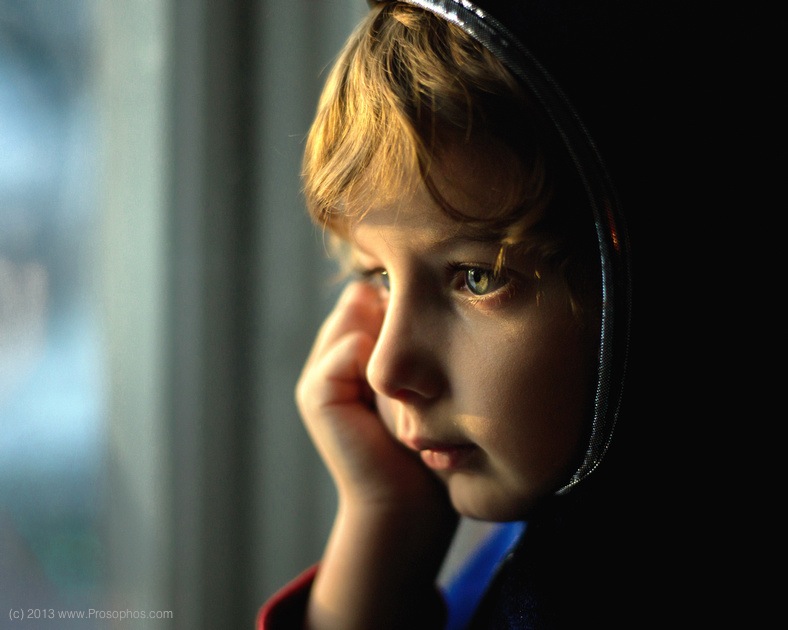
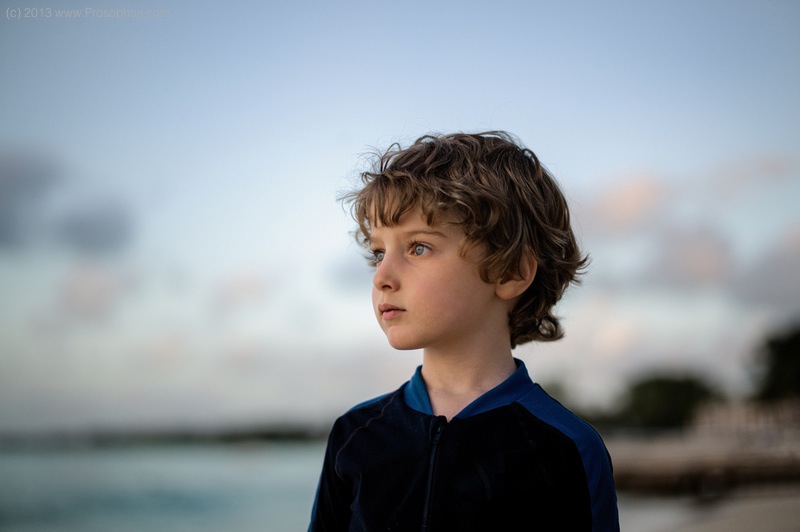
Boy

↑Leica M9 and Leica 50mm Summilux ASPH @ f/1.4.

_______

I’m often asked how I post-process colour in my images.

Well, more often than not, I don’t.  I pre-process (my term).  Let me explain…

Almost all photographers post-process (i.e., make image-enhancing adjustments, after a photograph is taken).  What many novice photographers fail to recognize is the importance of pre-processingPre-processing involves identifying and harnessing natural enhancing elements in a scene, such as lighting, perspective, etc., before an image is taken.

In the case of this image, Boy, the soft light that was present after the sun set was harnessed to achieve a rich palette of colours and tones.  This cannot be achieved in post-processing.

—Peter.

Leica M (240): final verdict.

Inspiration, Q&A, Teaching point

Leica M(240) CMOSIS sensor

↑Leica M(240) CMOS sensor (image courtesy of CMOSIS).

_____

I’ve seen enough images now to finally go out on a limb.

My long-standing suspicions here, here, and in several other posts (too many to cite at this point) have been confirmed:  the new M produces CMOS-like images.

Not a profound statement, I’ll admit.  But true.

What do I mean by CMOS-like?

I mean smoother, more marshmallow-y, more… plastic vs. the crisper/more microcontrast-y CCD rendering from the M9/M-E/MM/M8.  This is not necessarily a bad thing, but it is different.  As expected.

(However, the banding I’m seeing in the early M(240) images is disconcerting.  On a positive note, the files look richer, thanks to an increase in dynamic range.)

Now, in the end, does it really matter?  This film image I posted a few days ago demonstrates that such technical considerations ultimately sub-serve content/emotion so…

No.  None of the above really matters.

But, we all are free to choose our gear as we see fit.  And I’ve made my choice(s).

—Peter.

If you haven’t already done so, please consider signing my open letter to Leica.

Prosophos Open Letter to Leica

___

Related posts:

Leica Monochrom – test shot surprise(s).

Leica 50mm Summilux ASPH f/1.4, Q&A, Teaching point

M1

↑Leica Monochrom and Leica 50mm Summilux ASPH @ f/1.4, ISO 2000.

______________________

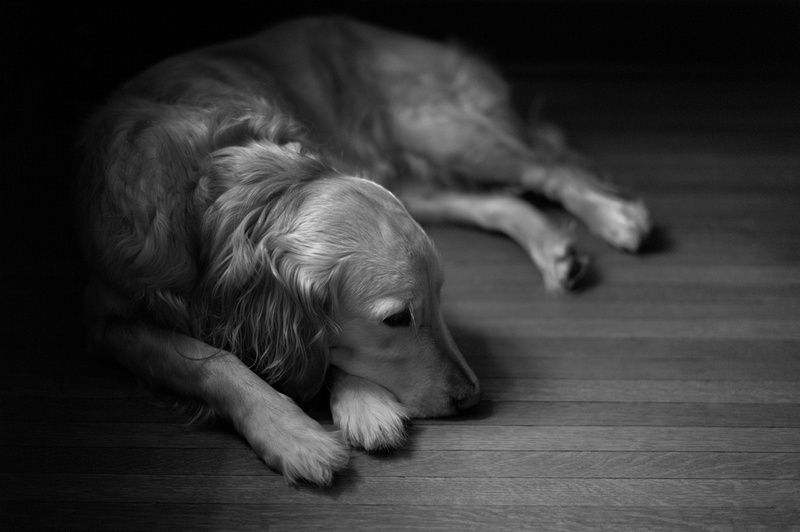
I finally had an opportunity to evaluate a Monochrom.  I can’t say I was surprised with the output, as it delivered what I expected:  the goodness of the CCD sensor found in the M9 (with more “bite”) and the ability to shoot at high ISO.  Of course, all of this goodness comes in only one flavour:  B&W.

The other thing I expected and observed was that the output is not like B&W film.  It really is different — not better or worse, just different.

Having said that, there was one surprise with this particular camera:

M2

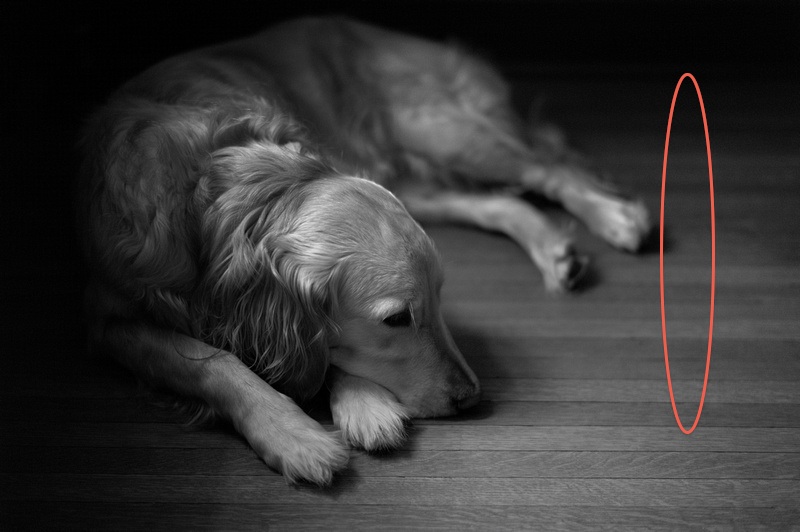
Don’t see it?

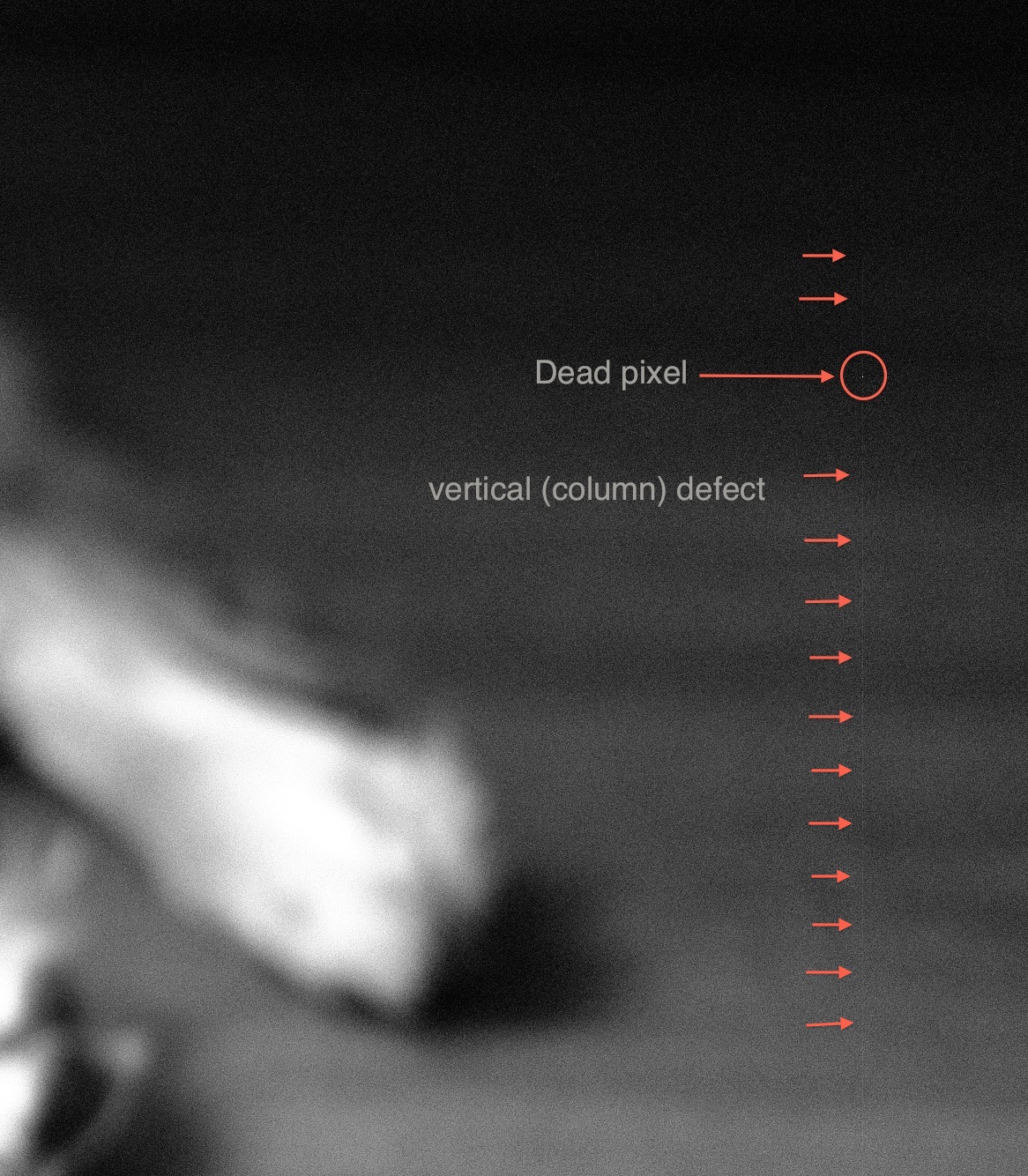
Let’s look a little more closely:

(click on the image to view at MAXIMUM size and sharpness)

Defective Monochrom sensor (dead pixel 1)

That’s a dead pixel on the sensor with an associated column defect.  It won’t show up in web-size images but will show up on large prints.

Ouch.

Did I say there was one surprise?

Actually, there was a second:

(please click on the image to view at MAXIMUM size and sharpness)

Defective Monochrom 2nd dead pixel

Yes, that’s a second dead pixel.

The camera is currently in transit, back to Leica.

—Peter.

The Leica M(240) – Ming Thein’s review.

Q&A, Teaching point

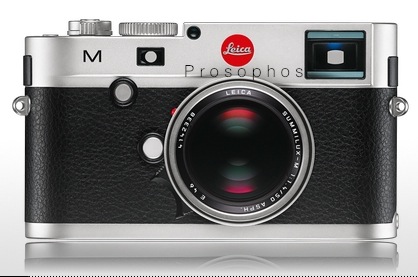
Leica M.

I’m posting this now because I’ve had a number of people email me today asking my opinion of the sample images provided in Ming Thein’s review of the new Leica M (240).  Thus far, I’ve been responding to the questions individually, but given my previous comments about the whole CCD vs. CMOS issue I thought I should at least go on written record on this site.

First of all, full credit should go to Ming for posting (as always) a well-written and polished review.  If you haven’t previously checked out his website, you should.

Now, about the images.

These are the first set of images coming from the M(240) that I actually like.  I don’t know whether early versions of this camera (with early firmware) lacked a certain je ne sais quoi in the files, but either way Leica should take note for future product launches:  call Mr. Thein first to generate your sample image gallery.

Finally, the dynamic range looks to have expanded relative to the M9, making for very “rich” files.  All good stuff.   Still to be sorted out are colour issues and banding (seen in some other reviews) at higher ISO values.

In any case, it looks like things are moving in the right direction.

—Peter.