At least in Toronto: see here.
(apparently it’s been in the books since 2001)
–Peter.
Thinking out-loud/on-line, and sharing one of my edits.
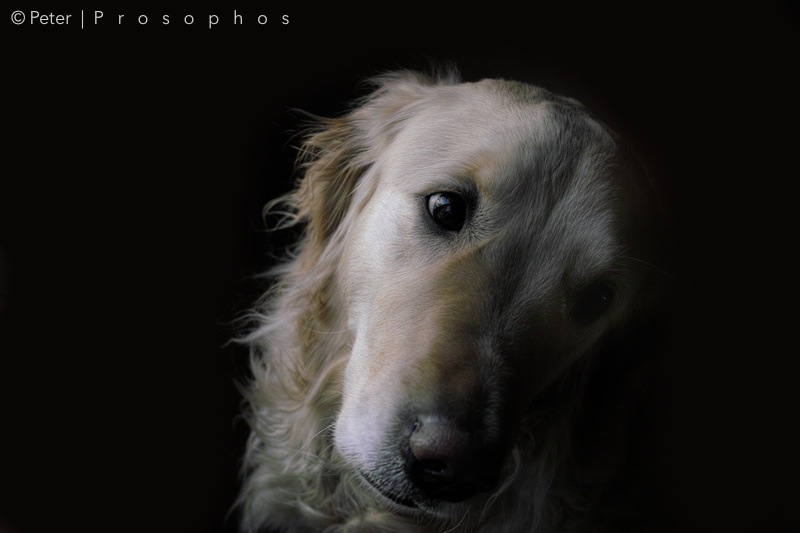
Generally speaking, I dislike making digital look like film. If that was my goal, I’d just shoot film.
However, in light of the comment(s) that followed the first version of this image, I’m curious to know how this version is received. In addition to not-so-subtly adding grain, I subtly played with the contrast (both local and global). The end result is less perfect, but possibly more aesthetically pleasing.
You tell me.
—Peter.
… when I started a thread about My Open Letter to Leica in the Leica User Forum.
And yes, I violated Rule #8 of My Photography Truths again.
On a related note, let’s re-visit this previous post (just for fun).
—Peter.
–
The world’s longest-running (and most intense) Open Letter to Leica has reached a milestone:
It’s true, 400 photographers, enthusiasts, and artists agree: we love CCD!
Specifically, we believe that the CCD sensor — at base ISO — offers superior image quality.
We also believe that an updated CCD sensor in a future Leica M camera would be in keeping with Leica‘s philosophy of providing out-of-the-mainstream elegant yet powerful photographic tools for discerning photographers.
So help keep the pursuit of high image quality alive by allowing CCD to develop and thrive.
Keep the momentum going! Encourage others to PLEASE SIGN THIS LETTER.
—Peter.
I’m quickly learning how to process Sigma DP3 Merrill files.
For example, I’m constantly resisting the temptation to apply sharpening, since the images have an abundance of sharpness and micro-contrast (two qualities that are not necessarily flattering for portraits).
Yet, this particular image proves one thing: it is possible to post-process DP3 files to produce a sharp and smooth portrait.
Oh, and the tonality possible with the Foveon sensor… wow.
—Peter.
↑ Sigma DP3 Merrrill: 1/15 sec (hand-held, but braced), f/2.8, ISO 200.
Cozy and hidden from the cold.
On another note, if there’s a better way to digitally record such Life’s Little Moments, then I’d like to know.
As it stands, the Kodak CCD inside the Leica M9/M-E remains my sensor of choice.
Won’t you please sign My Open Letter to Leica, if you haven’t already done so?
—Peter.
This is an example of the image output from the original Sigma DP series camera, the DP1:
(28mm equiv, F4 lens)
–
The DP1 was an excruciatingly slow compact camera, but it helped me capture one of my favourite images, Planet Earth:
–
The camera and software from Sigma were both challenged (and continue to be), so much so that I never purchased any of the subsequent DP offerings. Still, the image quality from the Fovean sensor has always called out to me, like a Sirens’ song
The Siren that’s been singing the sweetest song over the past 18 months: the DP3.
–Peter.
Despite the fact that I use M9/M-E and M8 cameras, I’ve resisted applying noise reduction to my images for years.
I’ll take noise over loss of detail and texture any day.
On a related note, I’m happy that Leica doesn’t force in-camera noise reduction on us either.
—Peter.
Right now, My Open Letter to Leica has garnered 370 signatures from photographers like you who see and appreciate the wonderful qualities of CCD sensors.
Leica‘s announcement of ongoing support of the current CCD sensor has been welcomed by many in the Leica community.
However, if you are a fan of the “magic” of CCD, please join me in asking Leica to also introduce an updated CCD sensor in a future M camera.
Thank you,
—Peter.
I have two observations about the use of flash and zone focusing, as they pertain to rangefinder photography:
—Peter.
–
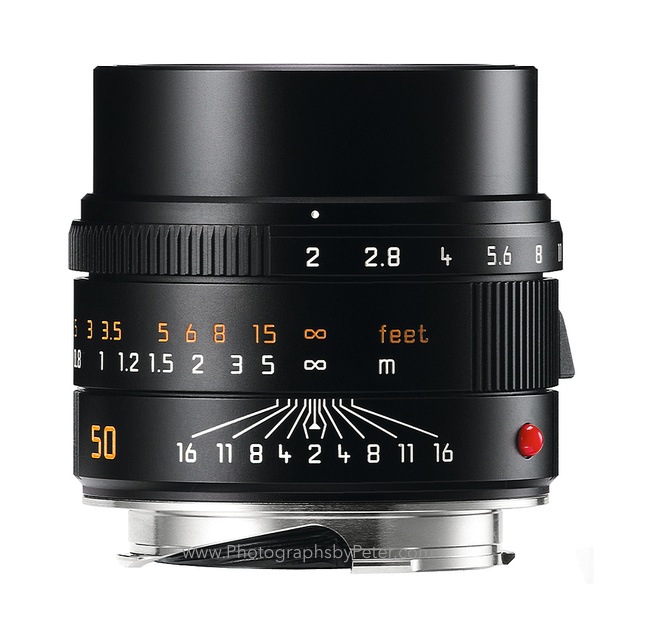
Yet, I routinely fret about the nuances between CCD and CMOS sensors and I’ve even entertained selling all of my lenses for the 50mm APO Summicron.
Have I forgotten what’s important in photography? In life?
I believe I know the answer to that.
It’s a never-ending-madness.
How do you, gentle readers, deal with said madness?
—Peter.