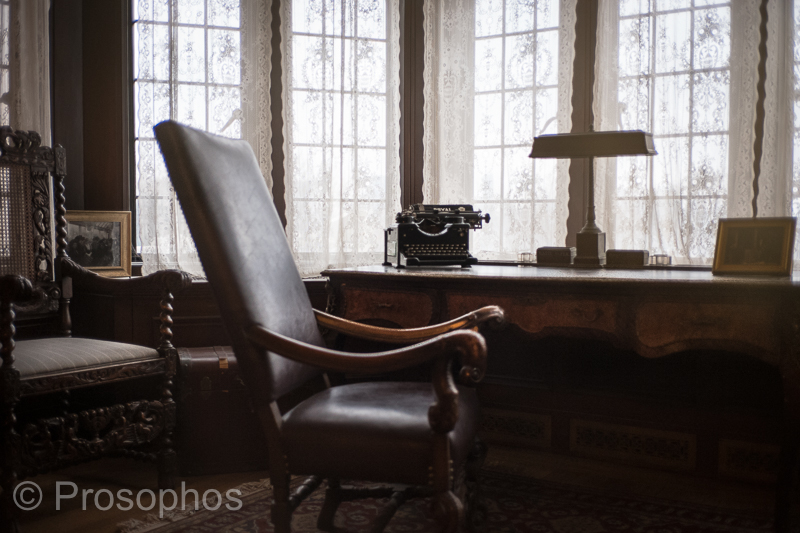
↑ Leica M10 + Undisclosed Lens #AceUpMySleeve.

↑ Leica M10 + Undisclosed Lens #AceUpMySleeve.

↑ Leica M10 + Undisclosed Lens #AceUpMySleeve.
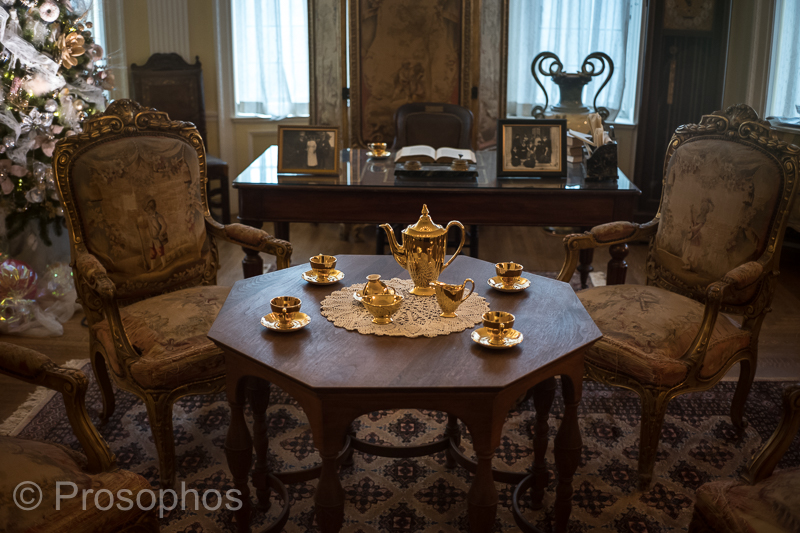
↑ Leica M10 + Undisclosed Lens #AceUpMySleeve.
With the revenue generated over the last 24 hrs from the sale of my presets, I was able to buy a new lens, a mansion, and a second Christmas — hooray!
—Peter.

↑ Leica M10 + Undisclosed Lens #AceUpMySleeve.

–
The comparison test I posted yesterday revealed something unexpected: the minimum focus distance is greater than the advertised 0.7 m (either that or my Leica 50mm Summilux ASPH focuses closer than 0.7 m, which is unlikely). I hadn’t noticed it until I ran the head-to-head comparison and found that I couldn’t get as close with the 7Artisans as I could with the Leica.
Other than that (disappointing) surprise, I have been satisfied with the 7Artisans 50mm f/1.1. It’s an interesting lens that has polarized photographers’ opinions of it (although some have passed judgment without actually laying their hands on one). The mini-controversy surrounding it was the main reason I wanted to post images without first identifying the lens.
Those who criticize this 7Artisans lens I think miss the point. In my case, I bought it hoping for a dreamy look (for lack of a better phrase) that the technically more capable 50 ‘lux does not as readily provide.
Moreover, having previously owned the Leica f/1 Noctilux (a lens also known for its dreamy look), I would say that the 7Artisans 50mm f/1.1 compares quite favourably and it would, in fact, be my choice between the two.
—Peter.
–
Examples of recent images:

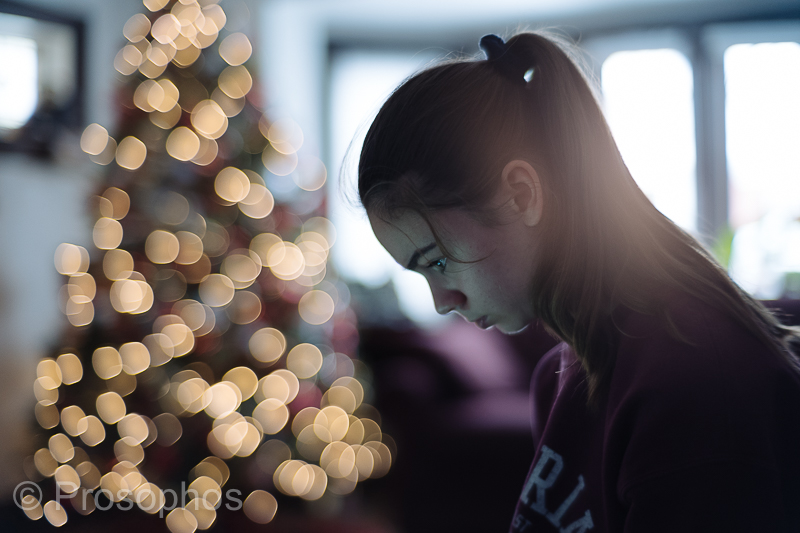


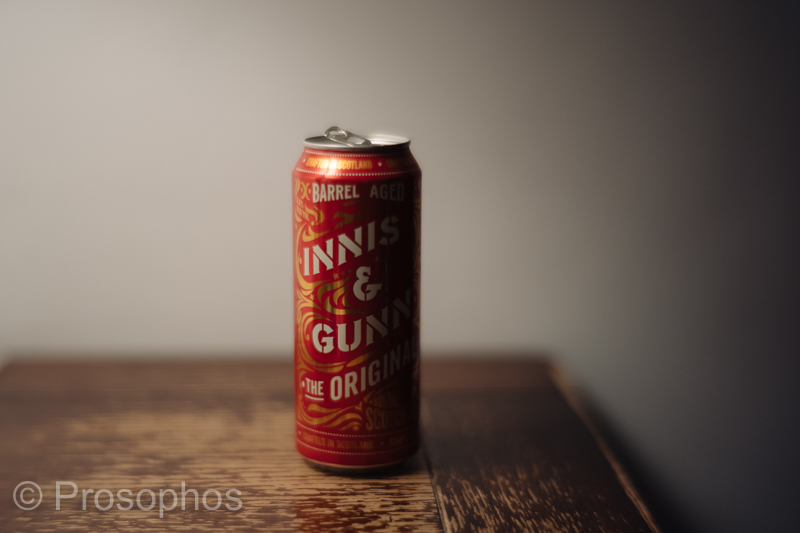
Leica 50mm Summilux ASPH vs. Undisclosed Lens #7.
(EDIT January 4, 2018: I have revealed the identify of Lens #7 here.)
Entire scene (please click on image to enlarge):

–
100% centre crop (please click on image to enlarge):

–
Which one is “superior”?:
Clearly the Leica 50mm Summilux ASPH.
Will I still continue to use Undisclosed Lens #7?:
Yes. I value this lens for its “flaws”.
—Peter.

I’m sure a few of you already know this, but for those of you who don’t, Plustek is introducing an updated version of its OpticFilm 120 film scanner. The new scanner is called the Plustek OpticFilm 120 Pro.
I asked for an improved version of the 120 a year-and-a-half ago and it looks like Plustek has come through.
Having owned several Plustek dedicated film scanners, I can say that I have been satisfied with their products (and consider them superior to flatbed scanners) but would of course welcome improvements in ease of use, precision, speed, resolution, and dynamic range.
Therefore, I am really looking forward to seeing this new scanner in action.
EDIT (September 14, 2020): Well, here we are, almost two years later, and no scanner is to be found. I guess Plustek abandoned their plans?
EDIT (September 20, 2020): Ha ha!… I should have waited 6 more days before that first edit. It’s here! See the comments section!
—Peter.
↑ Leica M10 + Undisclosed Lens #7.
May good light shine upon you.
—Peter.
(Test Shot #6 – Undisclosed Lens #7)
↑ Leica M10 + Undisclosed Lens #7.

↑ Leica M10 + Undisclosed Lens #7.
Test Shot #4, a candid portrait, created with Undisclosed Lens #7.
The title is borrowed from George Michael’s song.
Maybe we should all be praying for time.
—Peter.
↑ Leica M10 + Undisclosed Lens #7.
This also happens to be Test Shot #3 of Undisclosed Lens #7, stopped down this time in order to get everyone in focus (the first two test images were shot wide open).
Of note, after only a day’s worth of experience with this lens, I was confidant enough to use it for a group portrait.
As an aside, we had a relatively warm Christmas week this year, hence the absence of snow.
—Peter.
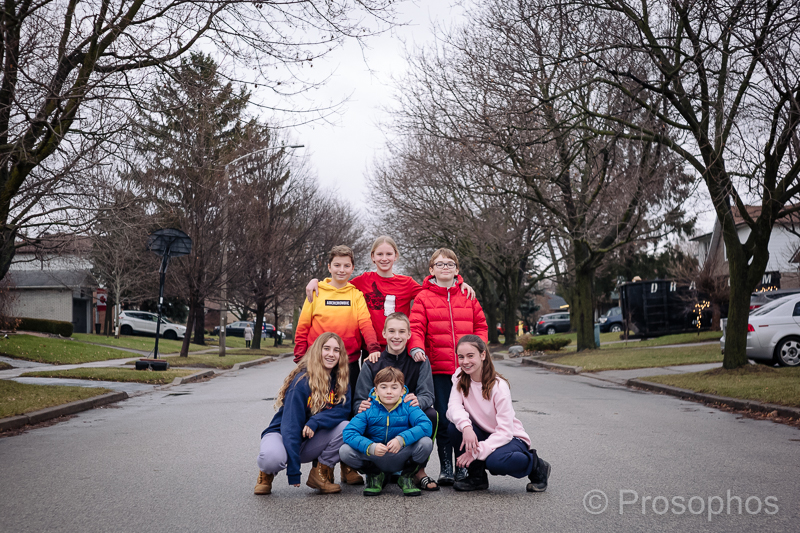
↑ Leica M10 + Undisclosed Lens #7.
↑ Leica M10 + Undisclosed Lens #7.
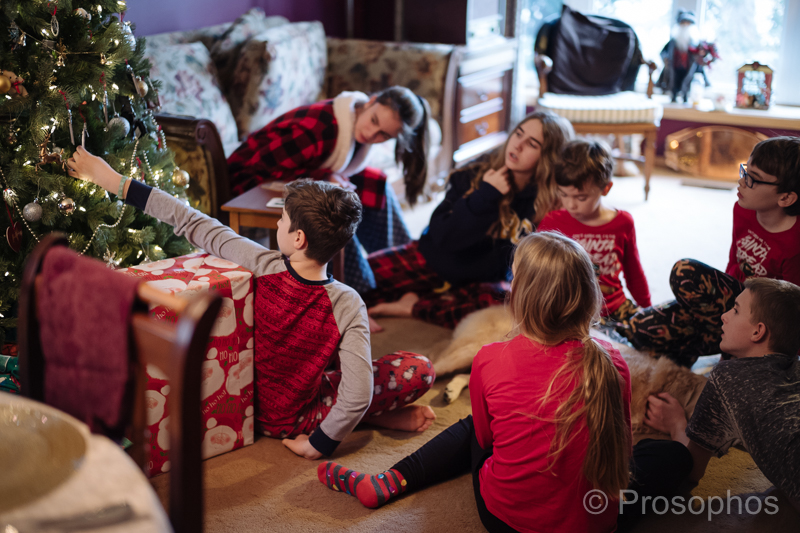
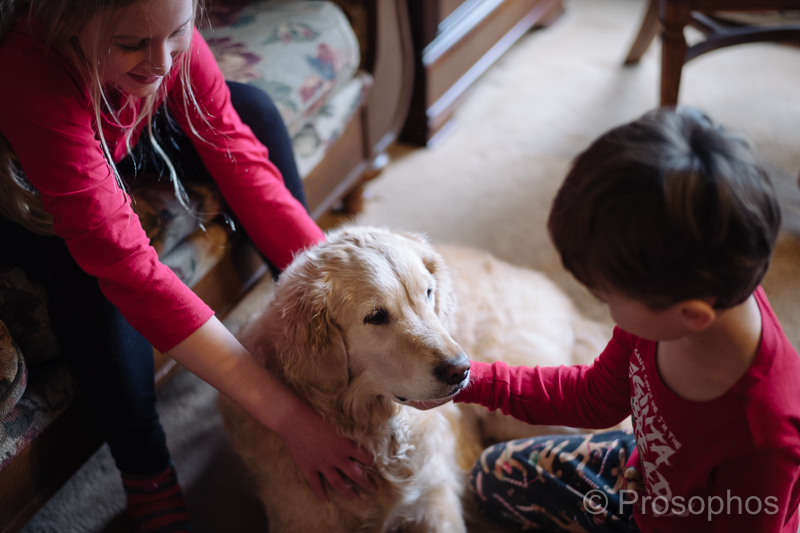
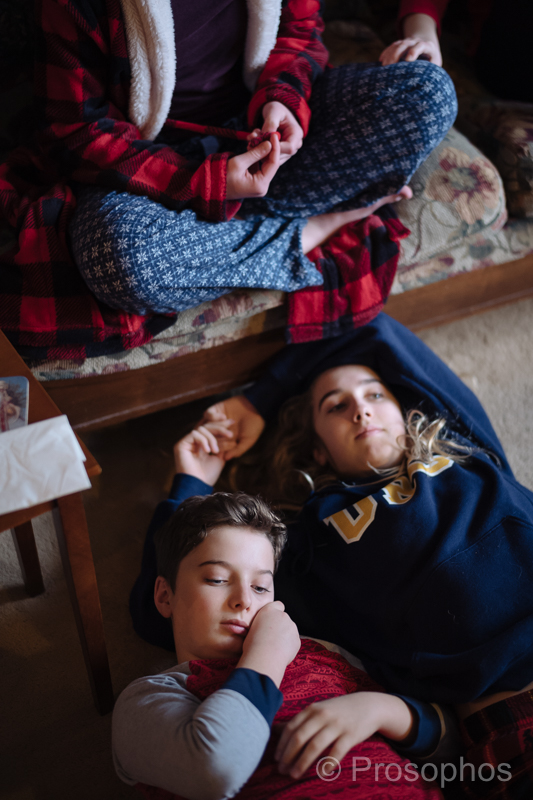


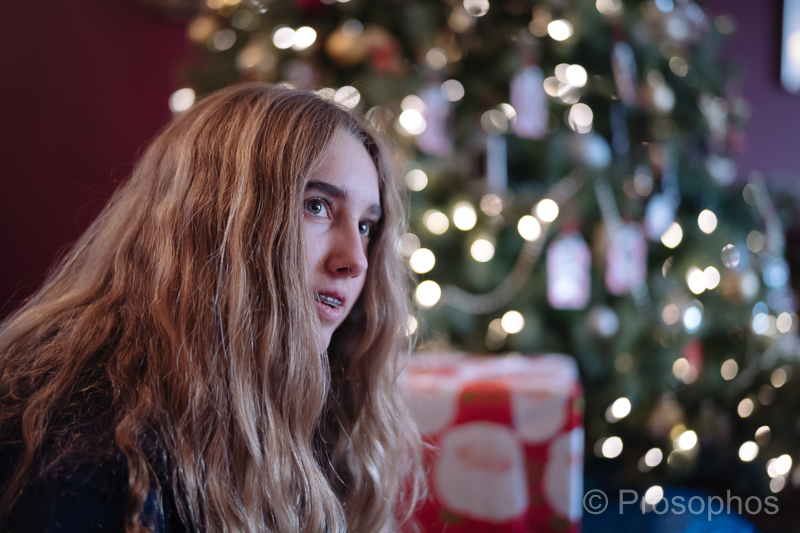



↑ Leica M10 + Leica 50mm Summilux ASPH f/1.4.
Sometimes, when you’re lacking inspiration, you have to find it in a new piece of gear.
(spoken like a photographer trying to justify another lens)
—Peter.
↑ Leica M10 + Undisclosed Lens #7.
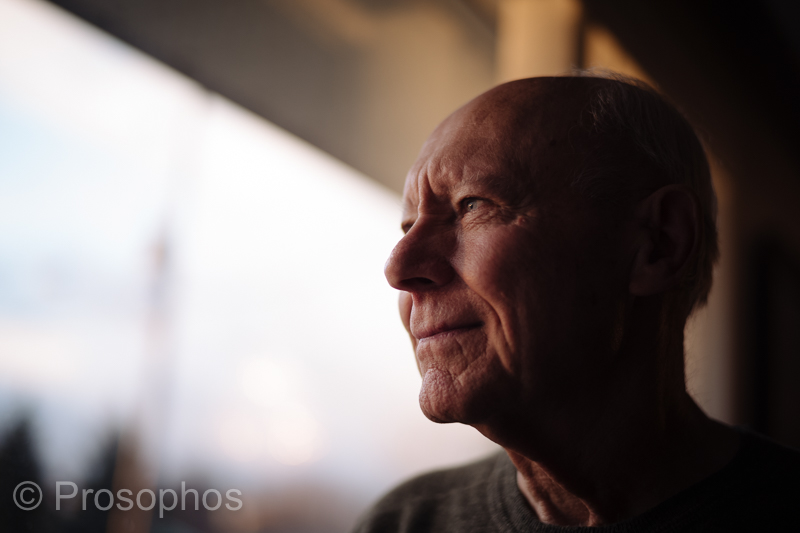
↑ Leica M10 + Leica 50mm Summilux ASPH f/1.4.
Today I finally figured out how to properly process my Leica M10 files (the irony is that last weekend I announced the end of this blog).
After months of experimentation, I created a custom preset in Lightroom that strikes a nice balance between punching up the contrast and colour, enhancing skin tones, and preserving detail. The overall effect is subtle, which is what I want.
Most of the commercial presets I’ve tried result in cartoonish effects (specifically, with respect to colour shifts and detail obliteration) that are painted over with digital “grain”, so I’ve avoided using them.
Here is an example of my preset in action:
(click for a larger view)

–
Here is another example:
(click for a larger view)

–
I can’t wait to work with this (and possibly fine-tune it some more).
By the way, I want to thank all of you who took the time to write to me, both on this site and via email, with words of encouragement. I am very grateful for your kindness.
—Peter.
For almost a decade I’ve enjoyed posting images and engaging in discussion with fellow photographers and photo enthusiasts on this site.
Truth be told, it wasn’t always a fun process, and I wasn’t always happy doing it.
I did however strive to be honest… with you and with myself. I was wrong about some things, changed my equipment far too frequently, and often overestimated my abilities and influence.
And I documented it all, here.
Now I believe the time has come to stop posting. Knowing myself, I will continue to have an intermittent presence online (I love the photography community far too much to completely stop interacting with all of you) but it won’t be here.
Thank you for your attention and support.
I hope 2019 is kind to you and your loved ones.
(And please remember to enjoy Life’s Little Moments.)
Season’s Greetings.
—Peter.
EDIT: December 29, 2018.
After a restful holiday and an almost complete recovery from illness, I’ve decided to keep this blog going for as long as I can. Thank you again for all of your messages of support.
—Peter.
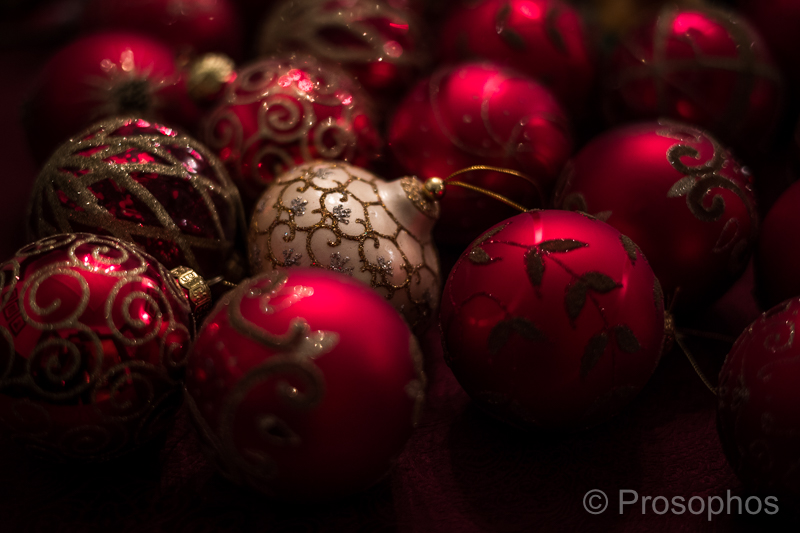
↑ Leica M10 + Leica 50mm Summilux ASPH f/1.4.

