Do any of you go back and look at your old photographs?
I rarely do (something about the passage of time gets me down).
No, I make images for others.
The act of photographing, however… I’m pretty sure I do that for myself.
—Peter.

Do any of you go back and look at your old photographs?
I rarely do (something about the passage of time gets me down).
No, I make images for others.
The act of photographing, however… I’m pretty sure I do that for myself.
—Peter.
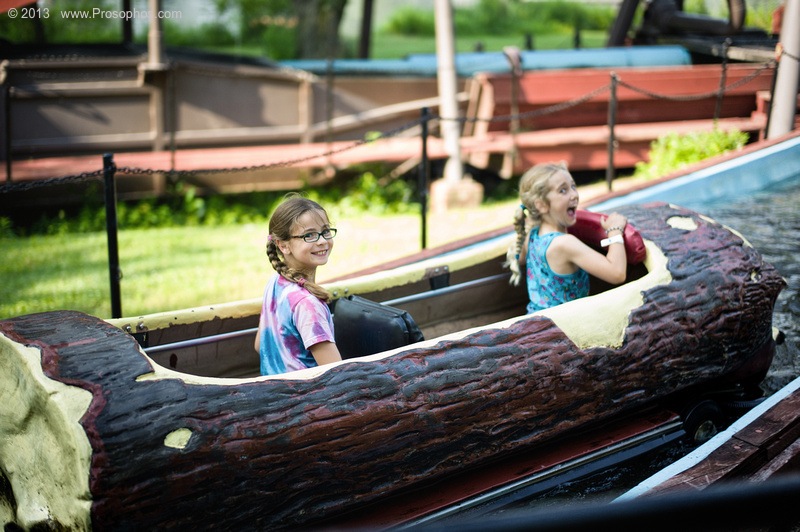
—John Lennon, (Just Like) Starting Over
–
–

–
–
–
If you haven’t already done so, please consider signing my Open Letter to Leica.
(over 240 signatures so far… )

___
Related posts:


Long-time friend and contributor of this site, Andy Gemmell, has just launched his own photography site:
Many of you have seen Andy’s work on my site, and have benefited from his frequent and always thoughtful commentary.
(So, we’re expecting big things from you Andy and you’re off to a great start with your first article!)
Congratulations Andy,
—Peter.

Part 1 was presented a few days ago here.
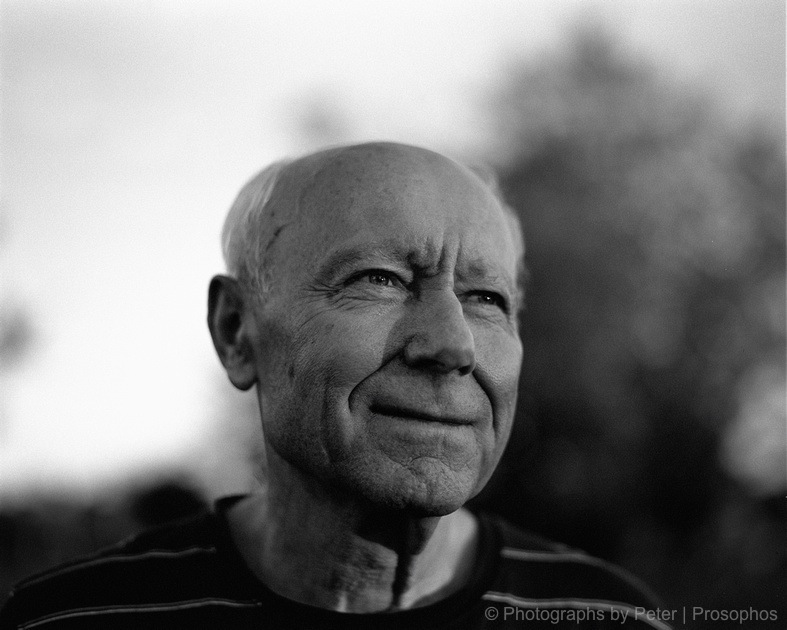
At the Fair, Part 2.

Sort of.
Two individuals have alerted me (thanks Dave and Aaron) to the fact that the Leica Rumors website is reporting a refresh of the Leica M-E may be coming which involves taking the current M240 body and wrapping it around the KAF-18500 18 MP CCD Sensor many of us know and love.
It’s not quite what I requested in my Open Letter to Leica (it’s not an updated CCD sensor), but I would be very pleased if this were true.
In the meantime, if you haven’t already done so, please consider signing my Open Letter to Leica.
(over 240 signatures so far… )
___
Related posts:

–


Sunset in his eyes.
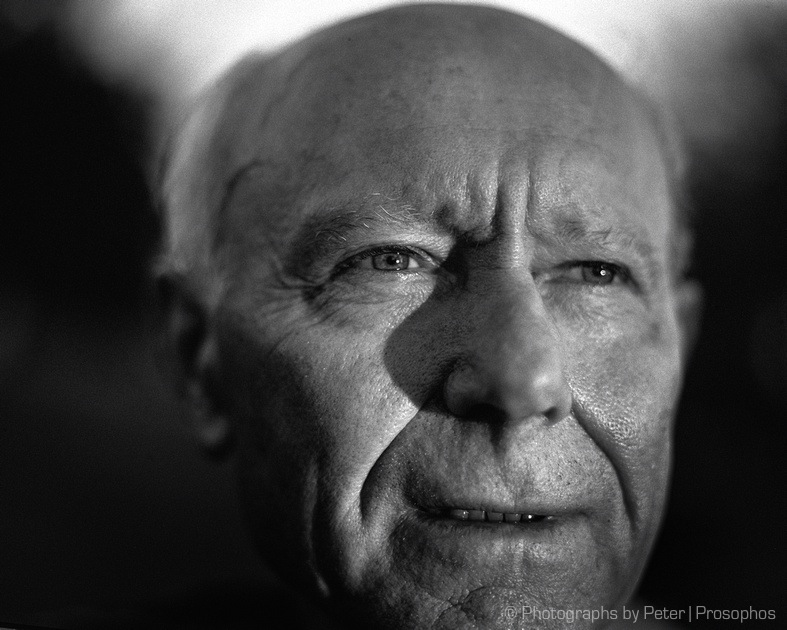
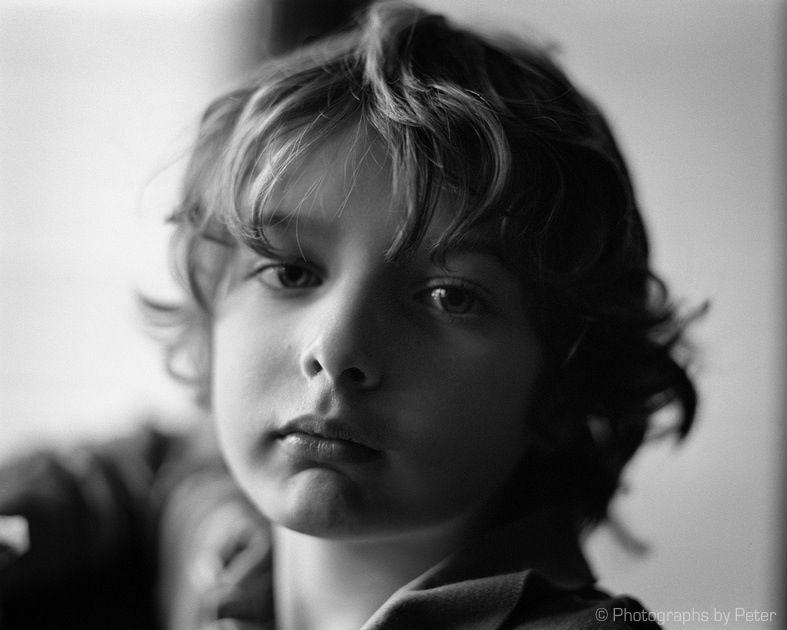
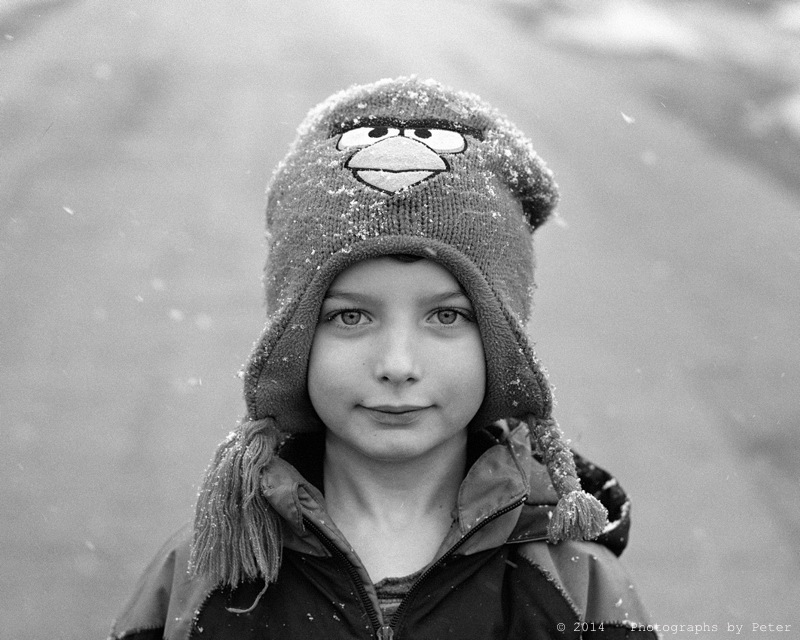
After four months with the Mamiya RZ67 and Mamiya RZ 110/2.8 lens, I can say with absolute certainty that this gear (together with Kodak Tri-X 400 film) is superior to anything I’ve ever used before for portraiture.
To think that people are practically giving this film equipment away is very telling of our instant gratification-based culture.
Sometimes, the results are truly worth waiting for.
I’ll be posting new images soon, but in the meantime, please have a look at some of the photographs the combo has yielded for me so far:
—Peter.
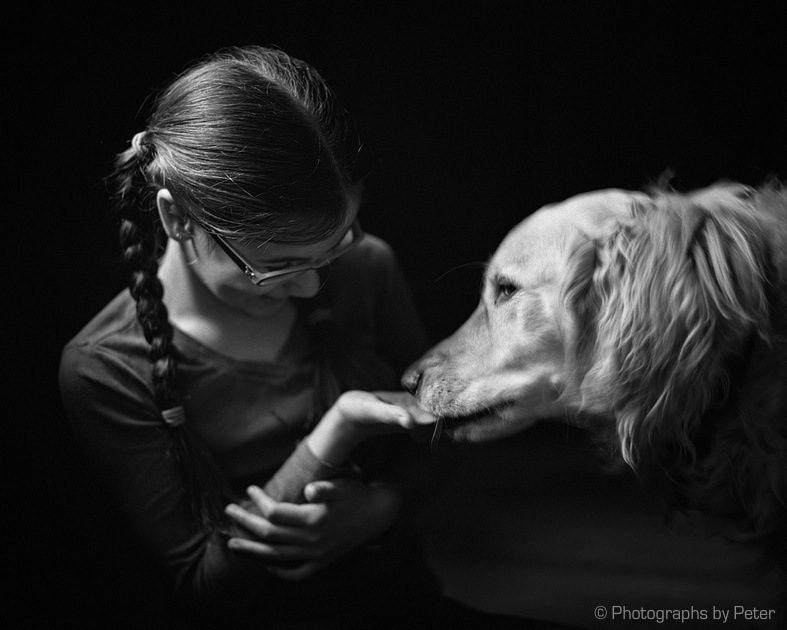


I crossed the Rubicon yesterday and photographed a 4 hour event entirely with film.
(I had no choice really, seeing as I no longer own a digital camera.)
The Kodak Portra 400 will be delivered to the lab tomorrow.
Fingers crossed… though I’m comforted by history, and countless photographers before me who have successfully photographed critical events with the “old” medium.
The gear I used: Mamiya 7II/80mm.
—Peter.


