The little red radio flyer: Greg’s poem.

Guest Post, Inspiration

Two weeks ago, I posted an image called The Little Red Radio Flyer.

One of the viewers of this site, Greg, who understood the love and loss this image was attempting to communicate, generously wrote a little poem for it.

I was sincerely touched by his kind gesture, and so today I’m publishing the poem.

Thank you Greg,

—Peter.

_______________

                                  The slender light slips on, as if

                                  A garment held up by the shadows,

                                  The arc of the tricycle’s red frame –

                                  And welling from that narrow loft

                                  Into the heart a full reknowing:

                                  Another day, a hand, a name.


                                                                    gdg

                                                                 9/20/12

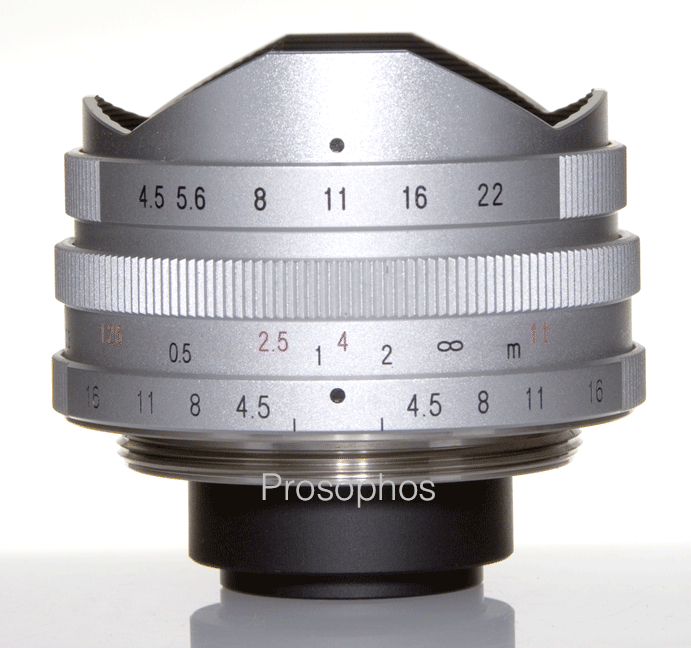
Voigtländer 15mm f/4.5 Super-Wide Heliar (in L-Mount).

Inspiration, Teaching point, Voigtländer 15mm f/4.5 SW Heliar LTM

This lens is terrific!

I took possession of it this past week and have been shooting with it the last few days on my M9.  I’ve already posted some images here, here, and here.

I can’t believe what I’m getting.

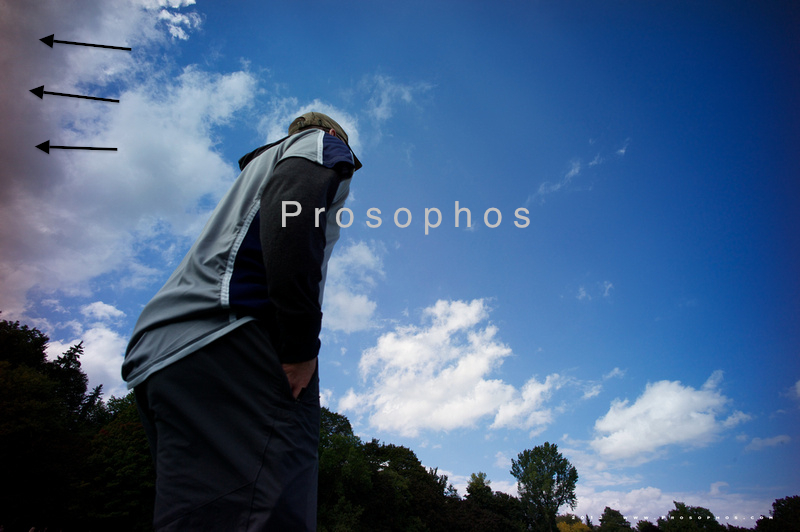
On the downside, it’s true that you’ll get the infamous “red edges” (peripheral colour shifts) in many images with this lens.  The red edge phenomenon is a known issue with wide angle lenses when mounted on the M9… literally, the edges of the photo are coloured red:

This happens because light passing through wide angle lenses strikes the edges of the camera sensor with a steeper angle of incidence, causing colour shifts.

Compounding the problem is that I haven’t even tried assigning a Leica lens profile to the my Voigtländer 15mm, which would result in some (software) correction of the colour, as well as the vignetting that is also present.  Why haven’t I assigned a profile?  I don’t mind the vignetting (I often add it when post-processing anyway), and I’d rather work around the colour shifting.  Now, if I was primarily a landscape photographer, this issue would be most bothersome.  Something to consider if you’re contemplating getting this lens.

Stay tuned this week for more images.

—Peter.

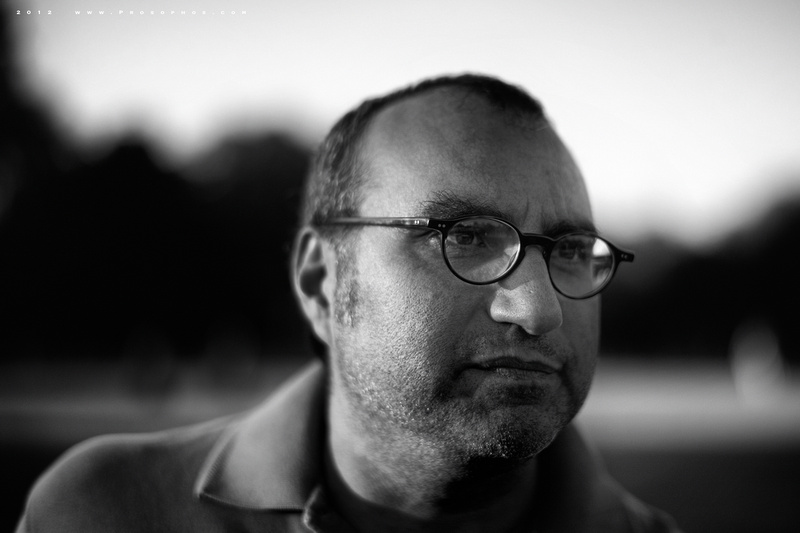
Let a sleeping Honey lie.

Inspiration, Portrait, Teaching point, Voigtländer 15mm f/4.5 SW Heliar LTM

↑Leica M9 and Voigtländer 15mm f/4.5 @ 1/4 sec, f/4.5, ISO 320.

This is one of my first test shots from yesterday, with my brand new Voigtländer 15mm f/4.5 Super-Wide Heliar (in L-Mount):

I finally scratched an itch in getting this tiny, inexpensive, and now discontinued (but still available new) lens, thanks to my friend Jason Howe, who finally pushed me over the edge with his images (Jason posted a very informative write-up of this lens on his website here).

Note: There’s a second generation M-mount version of this lens currently being produced with the same optics that is larger, but has the advantage of being rangefinder coupled (meaning it can be focused on a rangefinder).  In contrast, this first version of the Voigtländer 15mm Heliar (shown above) is focused by not focusing at all!… please see Jason’s write-up for further details.

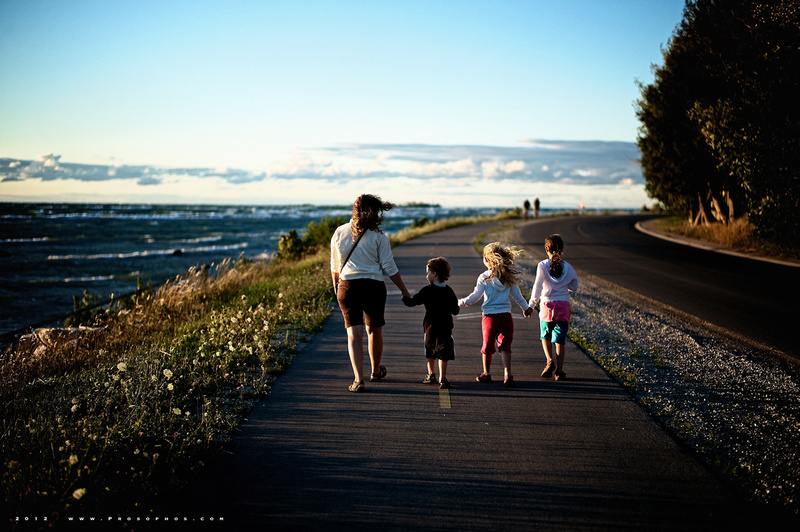
As an aside, note the difference in perspective between a 15mm lens vs. a 50mm lens.

—Peter.

Leica M & Leica M-E.

Inspiration, Teaching point

_

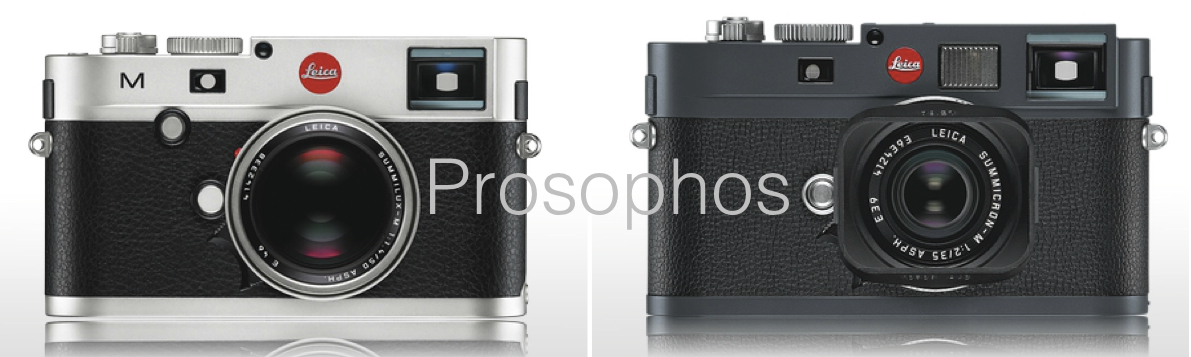
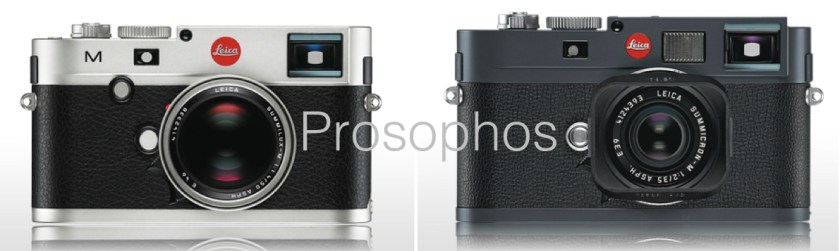
As any Leicaphile already knows, today Leica introduced TWO new models:

The Leica M and the Leica M-E.

As expected, the new flagship M sports a 24 MP CMOS sensor and is therefore able to offer video, live view, focus peaking, and has a higher (than M9) ISO upper level (though at ISO 6400, it’s not as high as one would have expected).   The purportedly faster Leica Maestro image processor is a welcome addition, as is the new splash-proof camera body and higher resolution LCD screen.

Leica has obviously been listening to its customers (at least, to those customers who wanted these features).

The M-E, with its 18 MP CCD sensor, is — essentially — a re-jigged M9.  This is not a bad thing, as it means that Leica is still listening to the remainder of its customers — those who are more traditional with respect to their camera needs (if you can call digital camera photographers traditionalists!), who want to keep things as they are, more or less.  It also minimizes on development costs since many of the core components are being borrowed from the M9.  Shrewd move.

Back to the new flagship M:  I still have my concerns about CMOS (vs. CCD) sensor rendering.  But, the proof — as they say — is in the pudding… so I’ll wait to see some real-world images before I conclude anything.  The sample images on Leica’s website are inconclusive.

Now, here’s the main reason I decided to create this post of, essentially, re-hashed news:

No matter what you think about Leica’s new M products, you have to give Leica credit for (finally) trying to tap into the various customer segments… the pricing spread between the new cameras in their line-up (don’t forget the DLUX and X bodies) makes it possible for them to sell more gear, which bodes well for the future of the company.

That’s just Business 101.

—Peter.