
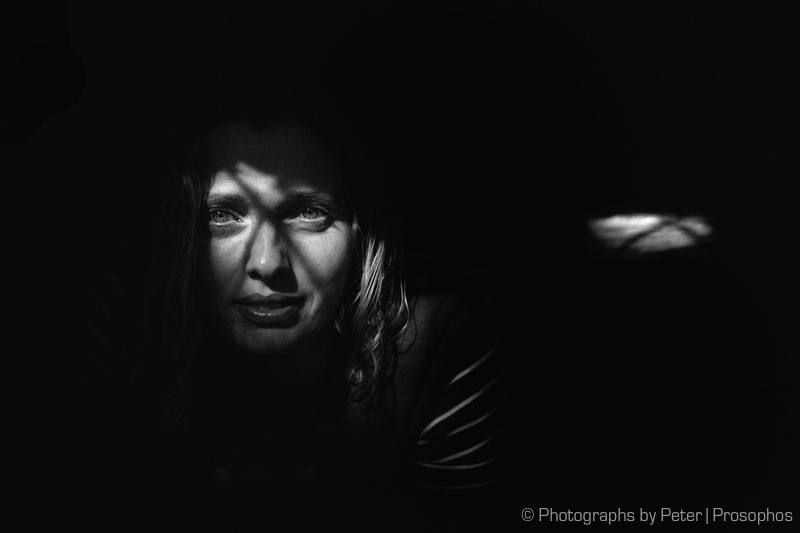
Portrait
Mythological.
Inspiration, Leica 75mm Summarit f/2.5, Leica M9(P)/M-E (CCD Lives!), Portrait, Sports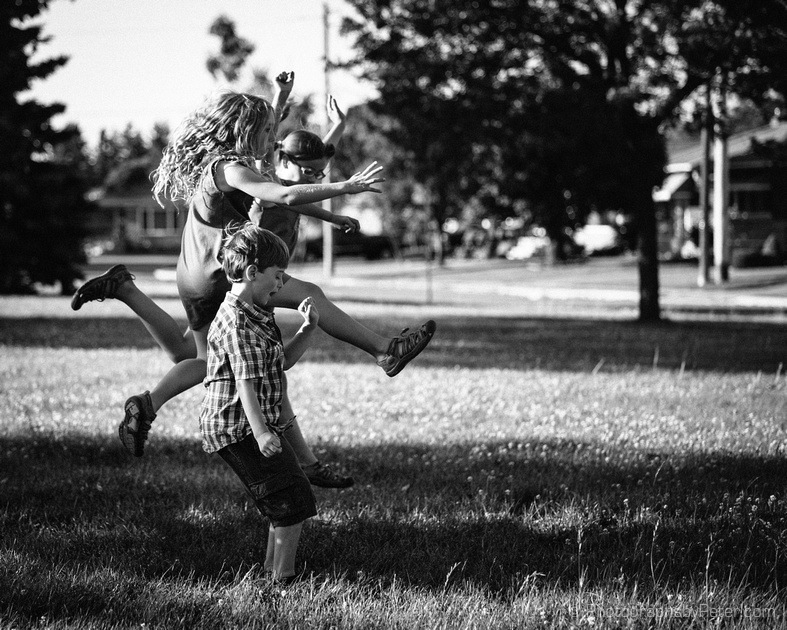
Cascading.
Inspiration, Leica 75mm Summarit f/2.5, Leica M9(P)/M-E (CCD Lives!), Life's Little Moments, Portrait, Print
The sunlit wall of sunny souls.
2014, Favourite, Inspiration, Leica 75mm Summarit f/2.5, Leica M9(P)/M-E (CCD Lives!), Life's Little Moments, Portrait–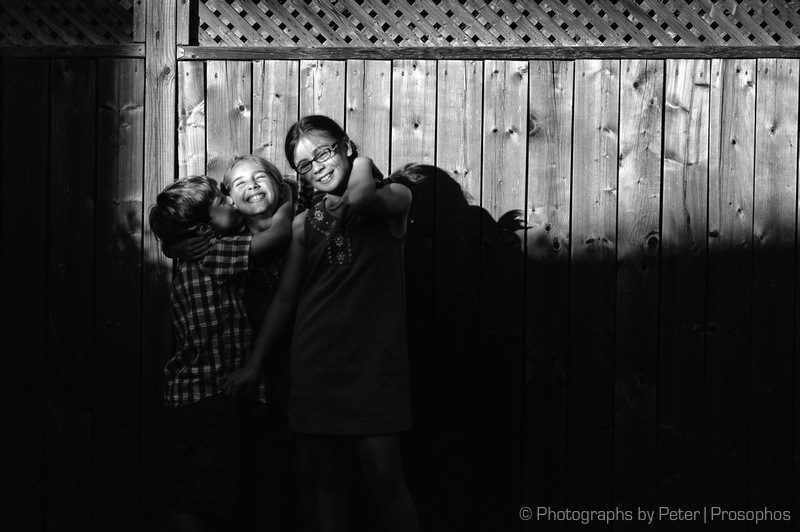
Sisters.
2014, Favourite, Inspiration, Leica 75mm Summarit f/2.5, Leica M9(P)/M-E (CCD Lives!), Portrait
I see stars.
2014, Favourite, Inspiration, Leica 35mm Summarit f/2.5, Leica M9(P)/M-E (CCD Lives!), Portrait, Print, Teaching point
Leader of the Pack.
2014, Favourite, Inspiration, Leica 75mm Summarit f/2.5, Leica M9(P)/M-E (CCD Lives!), Portrait, Sports, The Beautiful GameThe beautiful game, revisited.

Talk Back.
Inspiration, Leica 75mm Summarit f/2.5, Leica M9(P)/M-E (CCD Lives!), Portrait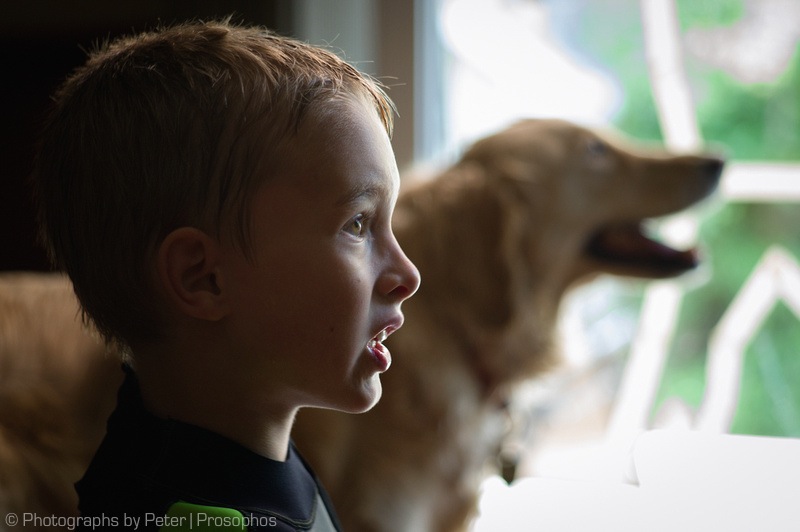
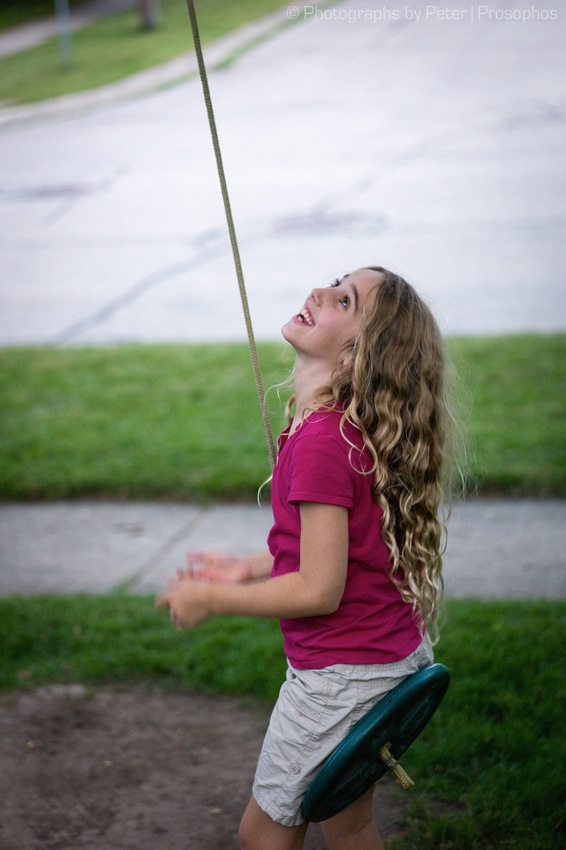
Swing.
2014, Favourite, Inspiration, Leica 75mm Summarit f/2.5, Leica M9(P)/M-E (CCD Lives!), Portrait, SportsHappy is the natural state of her being.
2 Souls.
2014, Favourite, Inspiration, Leica 75mm Summarit f/2.5, Leica M9(P)/M-E (CCD Lives!), Life's Little Moments, Portrait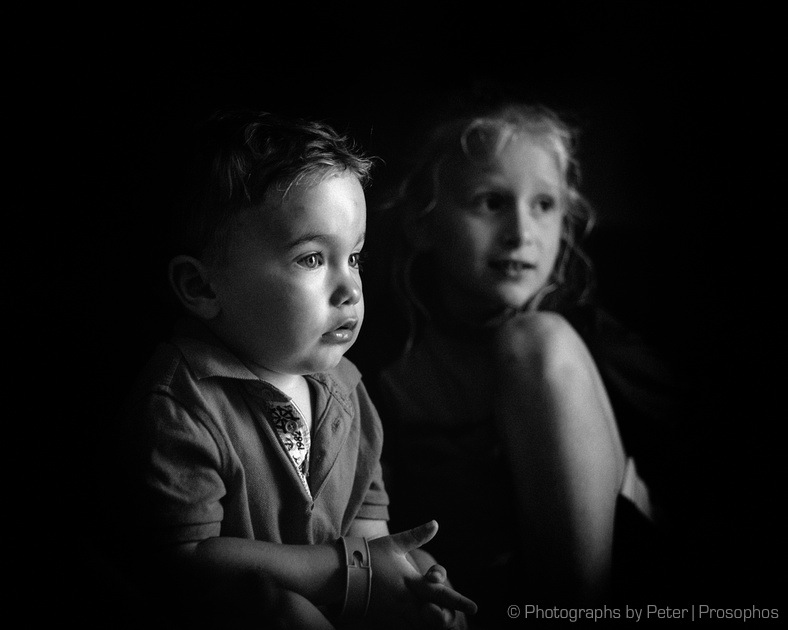
The beautiful game – the Ecstasy.
2014, Favourite, Inspiration, Leica 75mm Summarit f/2.5, Leica M9(P)/M-E (CCD Lives!), Portrait, Sports, The Beautiful Game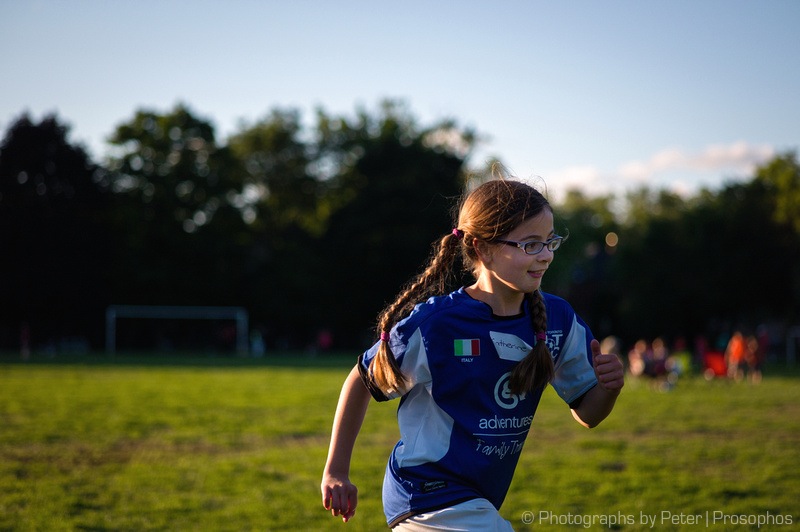
The Beautiful Game – Shift Change.
Inspiration, Leica 75mm Summarit f/2.5, Leica M9(P)/M-E (CCD Lives!), Life's Little Moments, Portrait, Sports, Teaching point, The Beautiful GameMirroring, parallelism, and synchronicity.
And, beautiful light.
—Peter.

East of Evening in the Garden of Time.
2014, Favourite, Inspiration, Leica 75mm Summarit f/2.5, Leica M9(P)/M-E (CCD Lives!), Life's Little Moments, Portrait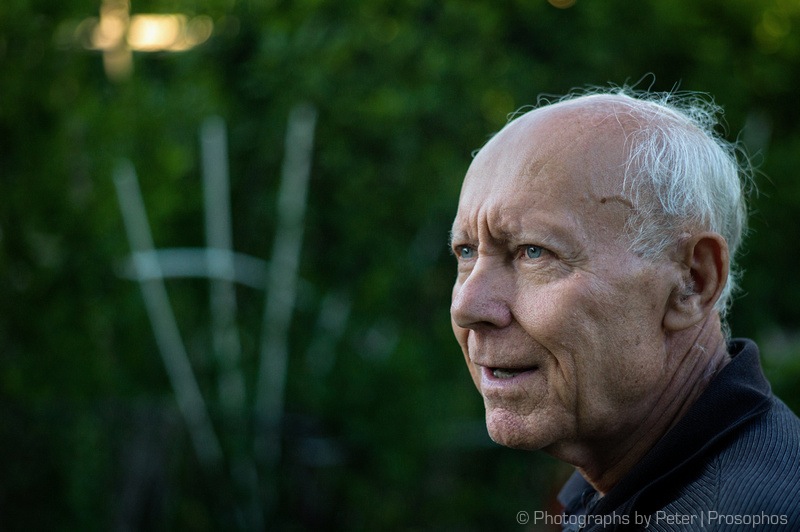
The Haircut.
2014, Favourite, Inspiration, Leica 75mm Summarit f/2.5, Leica M9(P)/M-E (CCD Lives!), Portrait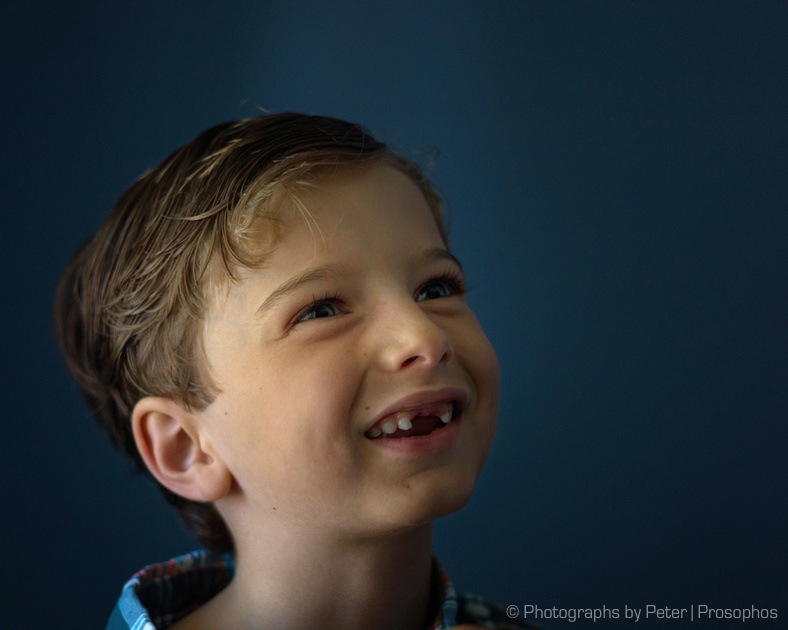
Urban Iconic.
2014, Favourite, Film, Inspiration, Kodak Tri-X 400, Mamiya RZ 110mm F/2.8, Mamiya RZ67 Professional Pro II, Photo Shoot, Portrait, Scanner - Plustek 120, Street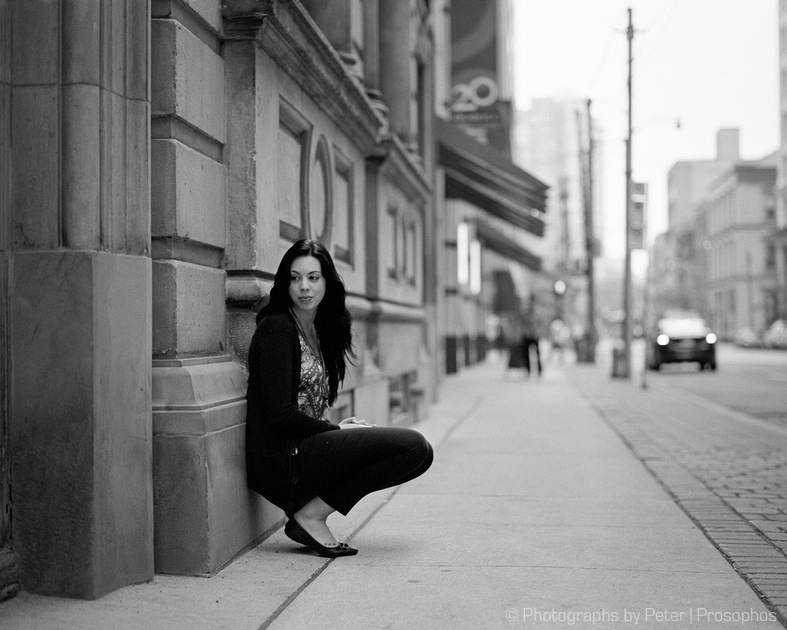
Poetic wall of light and shadow.
2014, Favourite, Inspiration, Leica 75mm Summarit f/2.5, Leica M9(P)/M-E (CCD Lives!), Life's Little Moments, Portrait
Courtside.
Inspiration, Leica 35mm Summarit f/2.5, Leica M9(P)/M-E (CCD Lives!), PortraitTennis, revisited.

Nocturne in E sharp.
2014, Favourite, Film, Inspiration, Kodak Tri-X 400, Mamiya RZ 110mm F/2.8, Mamiya RZ67 Professional Pro II, Photo Shoot, Portrait

