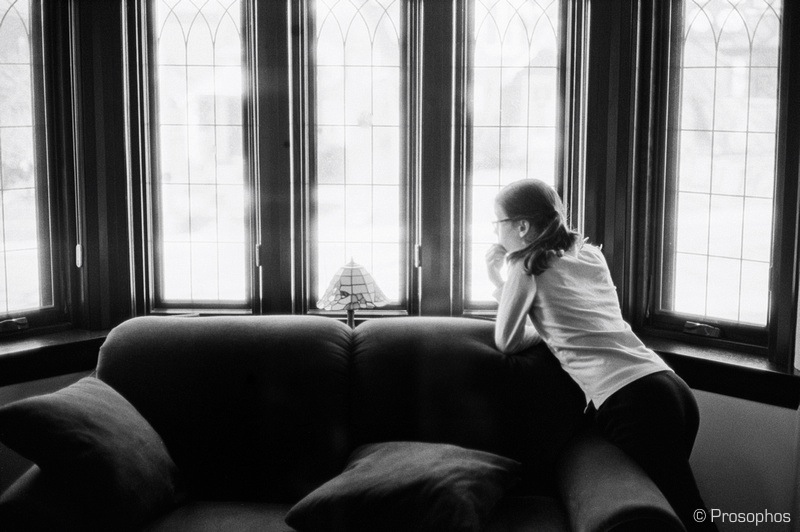
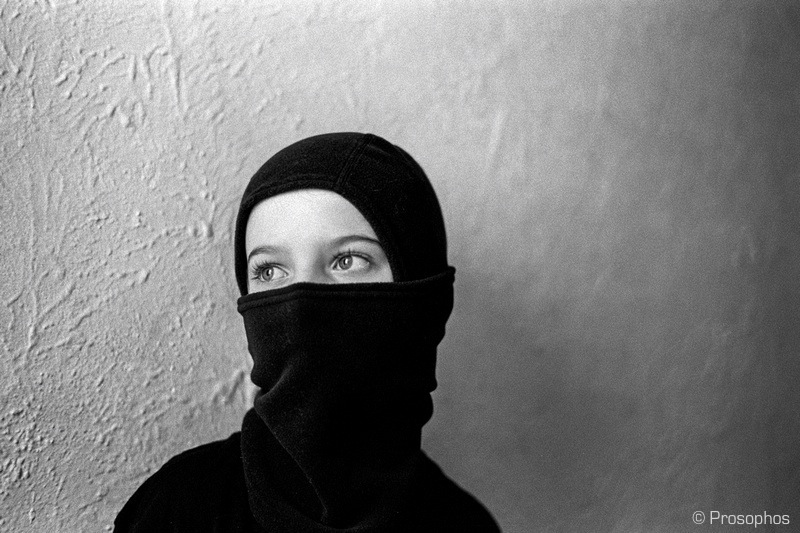
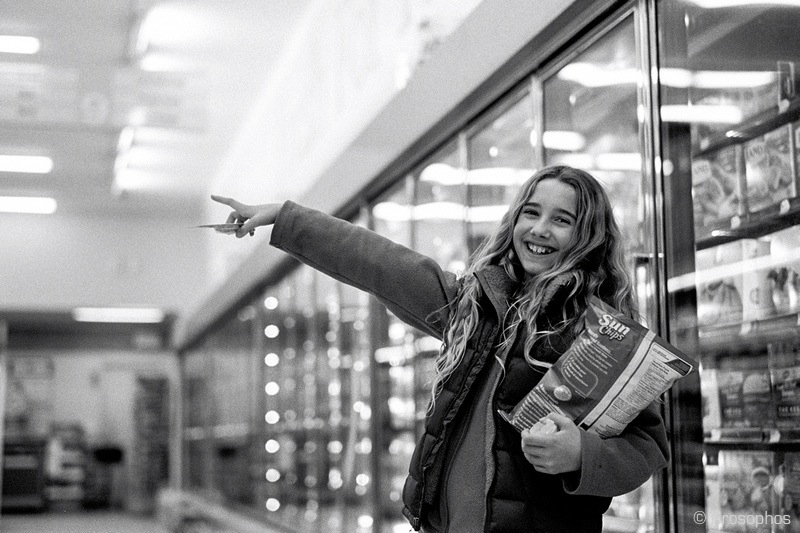
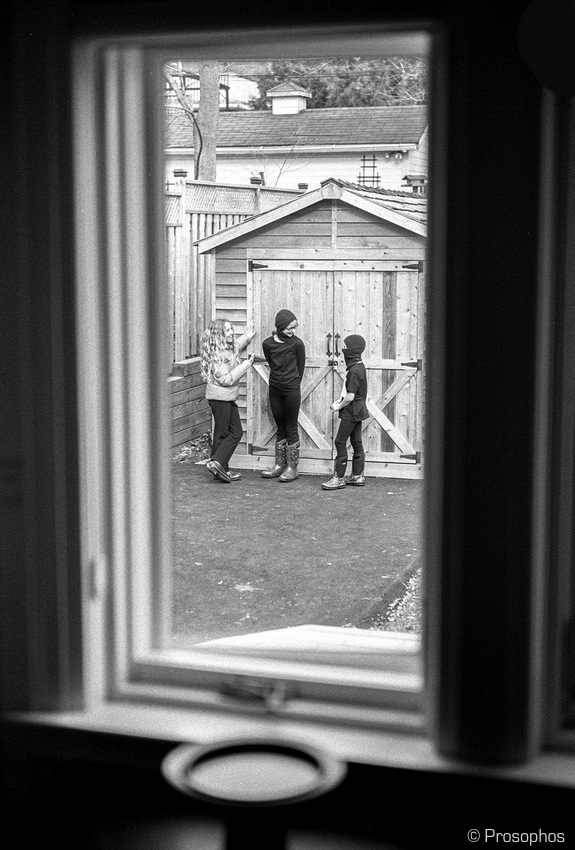
Real.

2017, Favourite, Film, Kodak Portra 800, Leica 50mm Summilux ASPH f/1.4, Leica M3, Portrait, Q&A, Teaching point, Within 200 feet of My House™

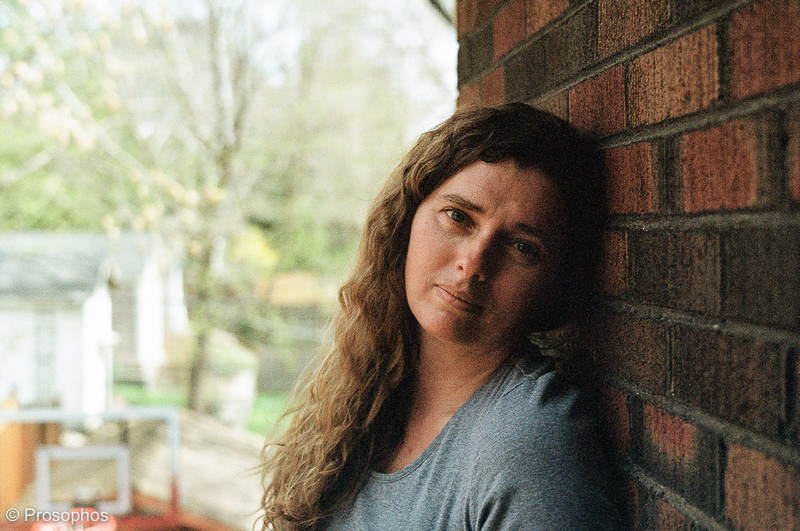
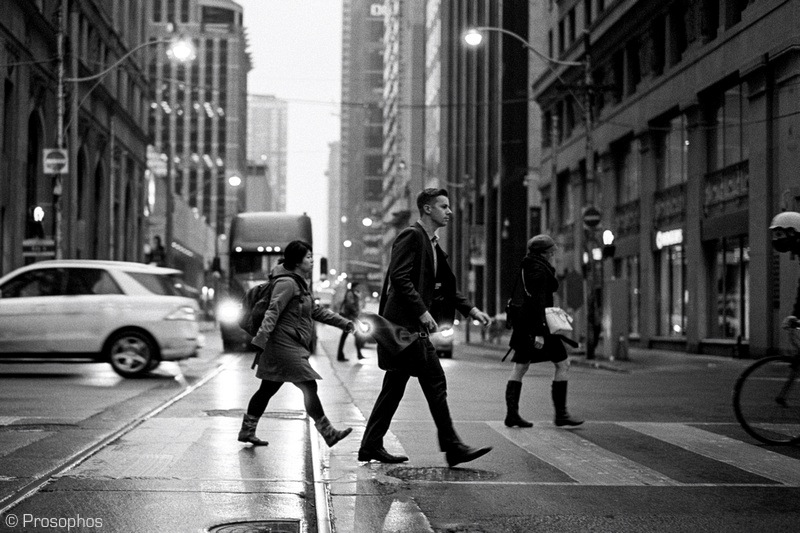
Test shot #1 from my 1957 Leica M3 DS.

I think the shutter speeds are off as most of the images in this first roll of film appear underexposed. Yet some look fine, so I’m at a loss.

I’m using Kodak Portra 800 here, which is more grainy than Portra 400, but I have a nagging feeling…

Anyway, I’ll take a grainy film image like this over the most polished digital equivalent any day.

Something more real about it.

—Peter.

Leica M3, 50mm Summilux ASPH @ f/1.4, and Kodak Portra 800.

1957 Leica M3.

Film, Inspiration, Leica M3, Q&A, Teaching point

The Leica M3 was manufactured between 1954 and 1967.

Many collectors favour M3s with high serial numbers (1 000 0000 and up), or — at the other end of the spectrum — the first 1 000 ones made (with serial numbers 700 XXX).  The first group are valued because they are thought to represent “perfected” late production examples, but as you will see below, that is a matter of perspective.  The second group are coveted because, well… they were the first ones produced.

As a photographer however, my favourite M3s are the ones from the year 1957 (specifically the subset with serial numbers between 854 00 – 858 000) because they combine the best features of both early and late M3 bodies.

Specifically, the qualities of 1957 M3s that I value are:

Double stroke (DS) film advance levers with shorter arms. The shorter arms allow you to advance the film while holding the camera with one hand.

Modern shutter speeds (earlier models have the less-convenient older speeds: 1, 1/2, 1/5, 1/10, 1/25, 1/50, 1/100, 1/200…).

Silent return on the film advance lever (later models produce a ratcheting sound when returning).

Buddha (aka “Rabbit Ear”)-style lugs riveted (not screwed) to camera — no loosening or spinning of lugs.

Back door pin that allows it to securely click shut, preventing the door from inadvertently flapping open when changeing film (only available in cameras with serial numbers between 854 000 – 858 000).

Frame selector preview lever, which was not present in earlier models.

Double glass-reinforced eyepiece (later models have a single layer only).


—Peter.

One eighth note.

2017, Favourite, Film, Filter (Yellow), Inspiration, Kodak Eastman Double-X (5222), Leica 50mm Summilux ASPH f/1.4, Leica M3, Print, Scanner - Plustek 8200i, Within 200 feet of My House™

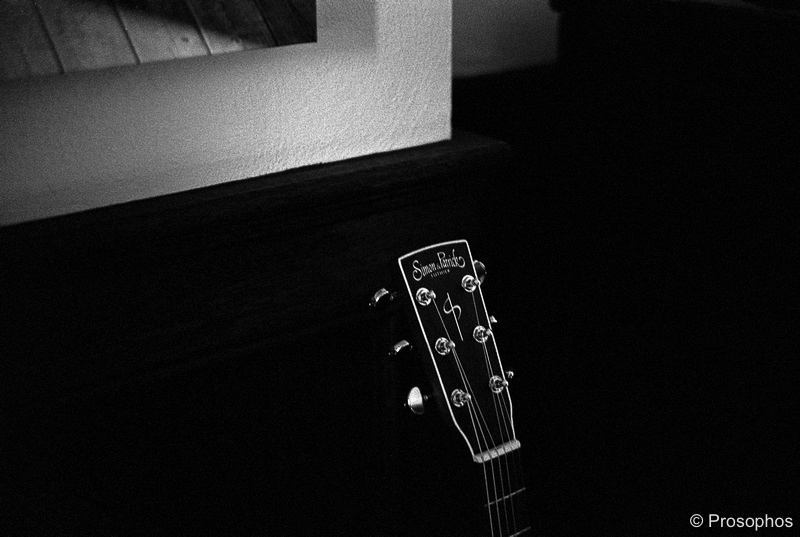
Technical: 1/8 sec (handheld).

For a long time, I’ve wanted to photograph the headstock of this guitar, at a certain time of the day when a faint stream of light makes its way through the back window of our house.

I’ve never bothered trying with my M9, because I knew it wouldn’t quite get it.

So yesterday I tried with my newly-acquired M3, as I was testing it for the first time.

To my eyes:  it got it.

—Peter.

Leica M3, 50mm Summilux ASPH @ f/1.4, and Kodak Eastman Double-X (5222).

Thus Sprach Zarathustra (Eternal Recurrence of the Same).

2016, Film, Inspiration, Kodak Tri-X 400, Leica - Kanto, Leica M3, Portrait, Scanner - Plustek 120, Zeiss ZM 50mm Sonnar f/1.5

Thus Spoke Zarathustra: A Book for All and None (German: Also sprach Zarathustra: Ein Buch für Alle und Keinen, also translated as Thus Spake Zarathustra) is a philosophical novel by German philosopher Friedrich Nietzsche, composed in four parts between 1883 and 1885 and published between 1883 and 1891.[1] Much of the work deals with ideas such as the ‘eternal recurrence of the same’…”

Wikipedia.

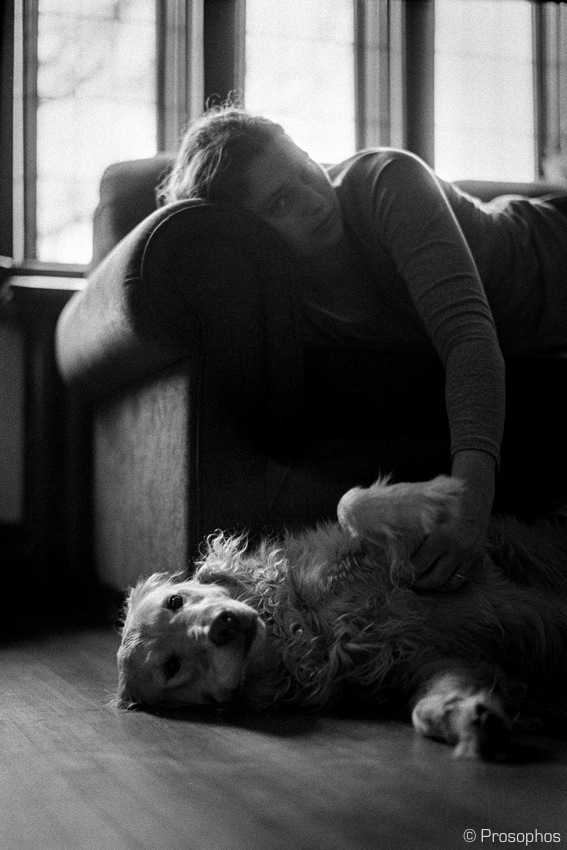
We did have spring for a few days, but winter has returned.

So, here we are… inside again, back in front of our bay window.

Occasionally, a burst of sunlight overcomes the darkness for a while.

Patience, patience.

—Peter.

Thus Sprach Zarathustra