
↑Leica M9 (CCD Lives! – Prosophos Open Letter to Leica) + Leica 75mm Summilux (Canada 🇨🇦).

↑Leica M9 (CCD Lives! – Prosophos Open Letter to Leica) + Leica 75mm Summilux (Canada 🇨🇦).

↑Leica M9 (CCD Lives! – Prosophos Open Letter to Leica) + Leica 75mm Summilux (Canada 🇨🇦).

↑Leica M9 (CCD Lives! – Prosophos Open Letter to Leica) + Leica Leica 75mm Summarit f/2.5.

Interestingly, I don’t like the bokeh from the Leica 50mm Summicron APO.
I mean, everybody raves about it. And admittedly when I examine it in photographs (magnified to reveal detail) it looks quite neutral and uniform. So it should look good overall. But when I view the image in its entirety, I intensely dislike the out of focus portions. The elements within the bokeh are too “structured”. Perhaps the out-of-focus areas — similar to the in-focus areas — are somehow “sharper”. Though neutral, the net effect is more… visible.
(Perhaps, though, people have applied too much structure during post-processing. That’s the only variable I can’t tease apart when viewing others’ images.)
My preferred 50?
Still the Leica 50 Summilux ASPH. I continue to believe that it achieves the best balance between size and performance vs. any other 50 in the full frame format. There are sharper 50mm lenses, there are more corrected 50mm lenses, and there are faster 50mm lenses, but none of them achieve the over-all balance of the Summilux.
—Peter.
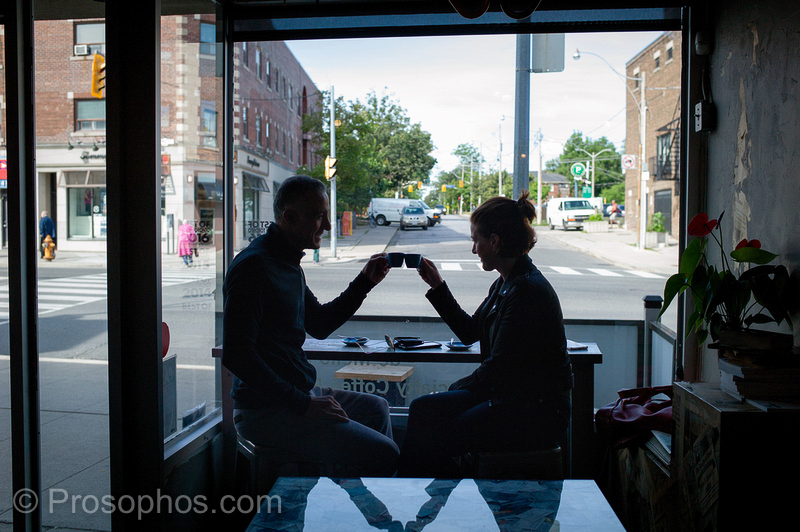
↑Leica M9 (CCD Lives! – Prosophos Open Letter to Leica) + Leica 35mm Summilux ASPH FLE.

↑Leica M9 (CCD Lives! – Prosophos Open Letter to Leica) + Leica 35mm Summilux ASPH FLE.

↑Leica M9 (CCD Lives! – Prosophos Open Letter to Leica) + Leica 35mm Summilux ASPH FLE.






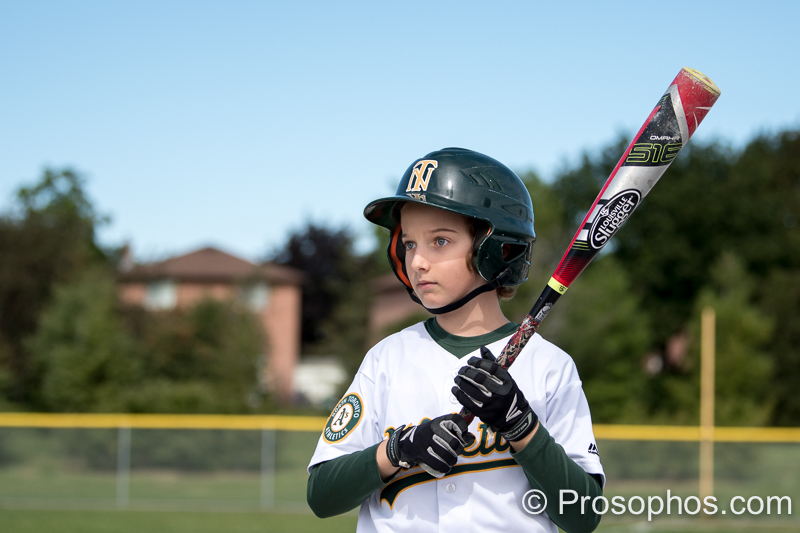
















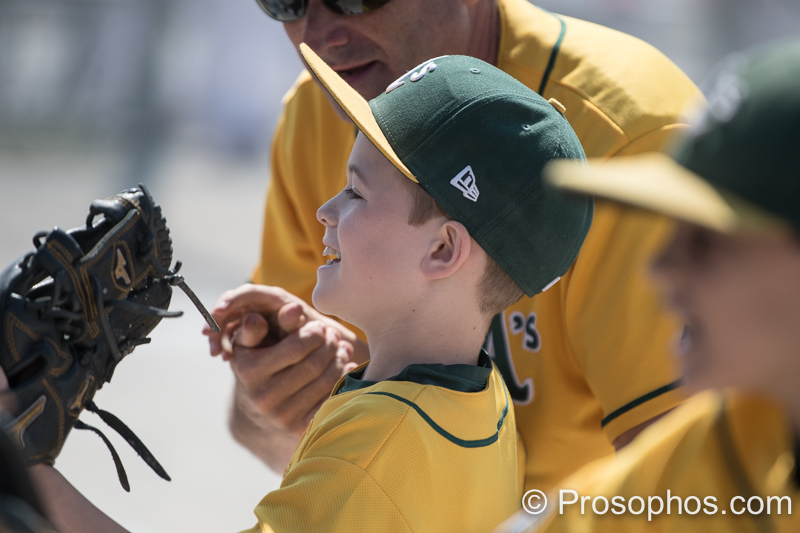












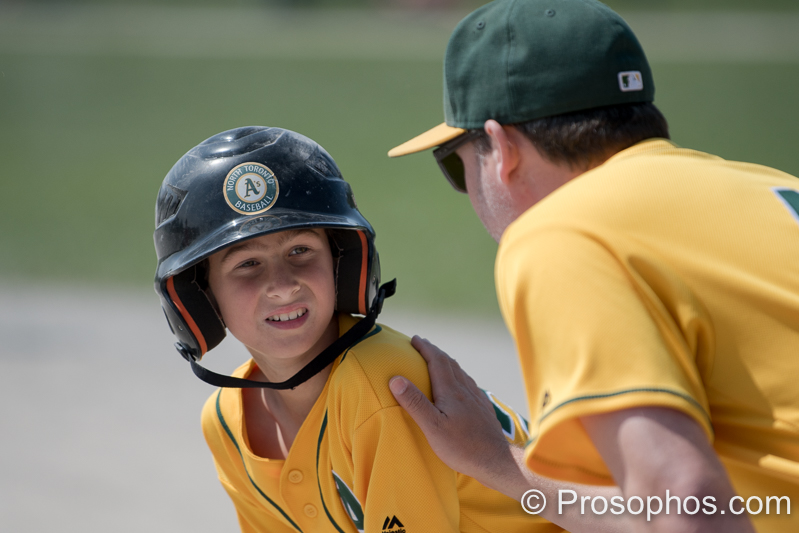

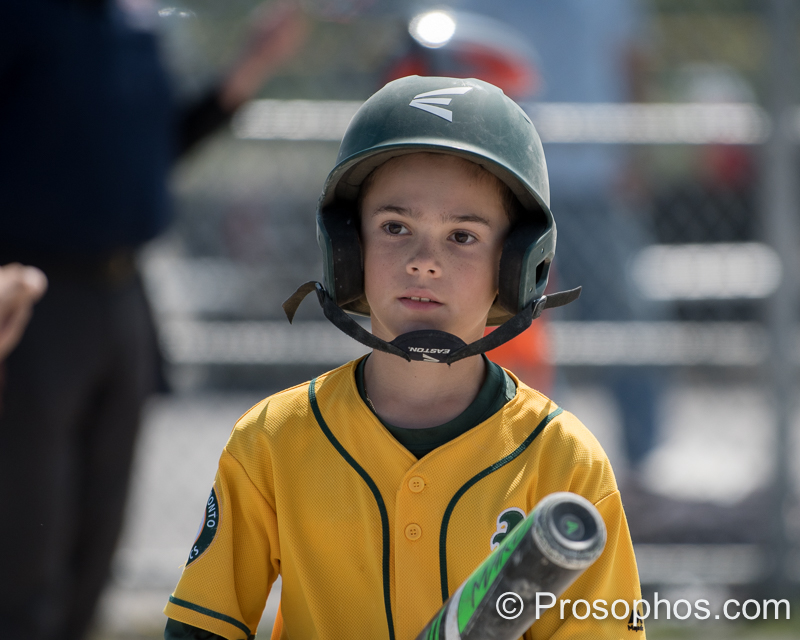

















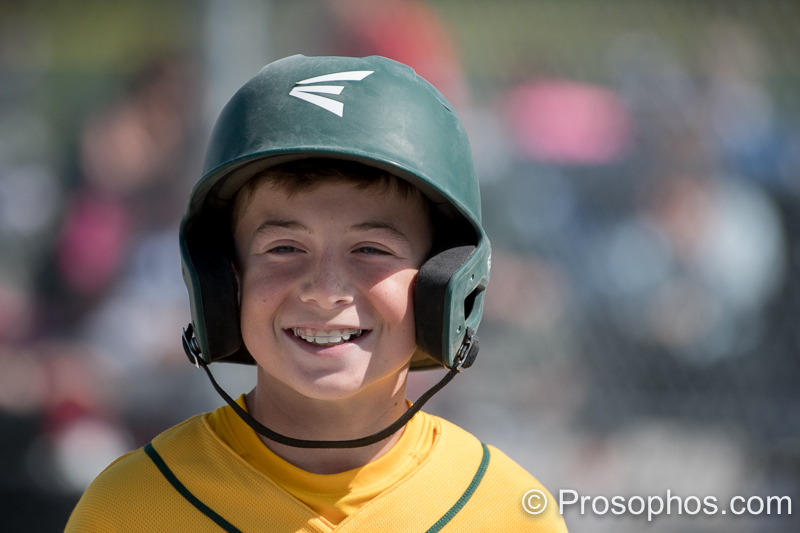



























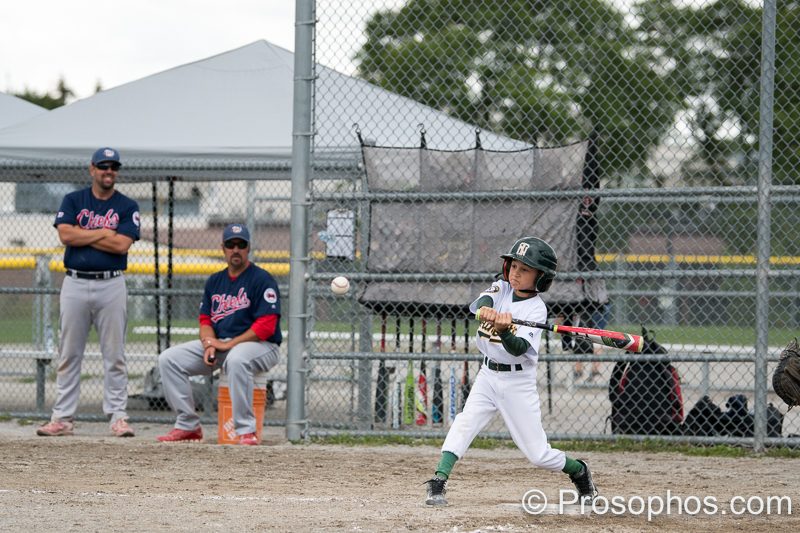


↑Nikon D500 + Nikon 70-200mm f/2.8E FL ED VR.
This is essential for capturing the decisive moment.
The classic (film) rangefinders have extremely brief shutter lag times (msec):
Leica M3 16
Leica M7 12
Compare this to the following digital rangefinders, which have much longer shutter lags (msec):
Leica M8 80
Leica M9 80
(source: Wikipedia)
My preference would be to have the OVF retained.
If the decision is made to move to an EVF (to improve focusing accuracy, avoid the rangefinder drift that plagues current rangefinders, etc.) the following criteria should be met:
Reliability is a priority. This should be the minimum expectation for a luxury/professional camera.
Moisture sealing. The expectation is not that it should be as impervious to the elements as a professional DSLR, because that would add too much bulk/weight, but that it should be able to withstand water spills, light rain, etc.).
Excellent battery life. With current technology, this may necessitate a slight increase in the size of the camera thickness (for example thicker than the Leica M10) to accommodate a larger battery. However, this is an acceptable trade-off given the benefit of longer battery life. Also it is unrealistic to expect film-era camera body thickness in a digital M when modern lenses themselves have also grown in size and weight as compared to their film era progenitors. The camera body-lens pairing should balance nicely to avoid grip fatigue, etc.
Current frame rates are acceptable for a rangefinder.
However, shorter card-writing times and larger buffers are always welcomed. This too may require a slightly thicker M to enable adequate heat dissipation.
The ability to review photos quickly, at 100% magnification (with the touch of one button) to be able to quickly verify focus, and to maintain 100% view while scrolling through a sequence of images, etc would be desirable.
A large (medium format) digital sensor rangefinder would be desired by many current M photographers.
This is best envisioned as a modern day Mamiya 7 but with a digital sensor.
The rangefinder format would allow for minimal camera size (width).
Together with manual focusing lenses built to the same quality/performance as M lenses this would offer an extremely desirable level of image quality.
However, it must be conceded that pricing for such a system would potentially place it out of the financial reach of a significant proportion of photographers/consumers.
In that case, a fixed-lens version (along the lines of the Leica Q but with the aforementioned medium format sensor) may be a more viable (attractively-priced) option. A design of this type (fixed lens matched to the sensor) would also potentially allow for a smaller lens size, since custom software corrections for lens design compromises would be possible (again, akin to the Leica Q).
—Peter.
Slowly, but surely… progress.
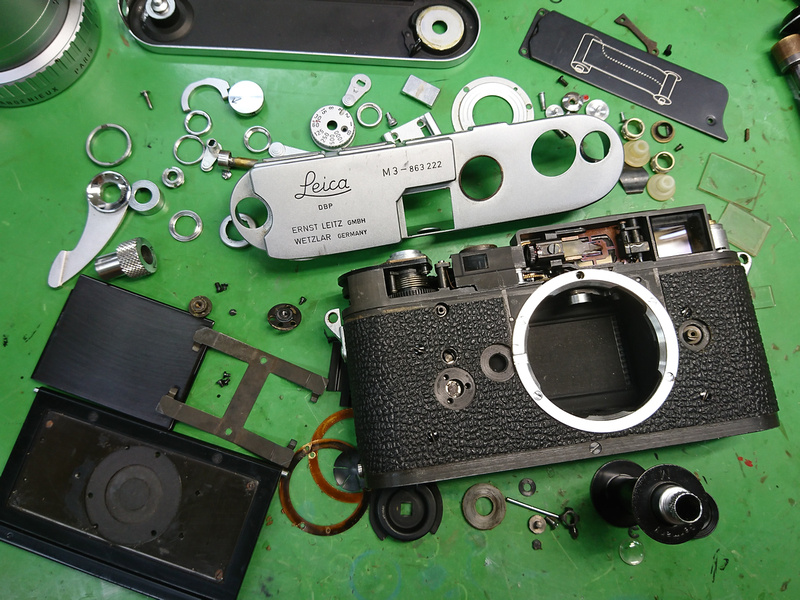
Here is the current state of the Leica M3 I’m having re-built (by Kanto):
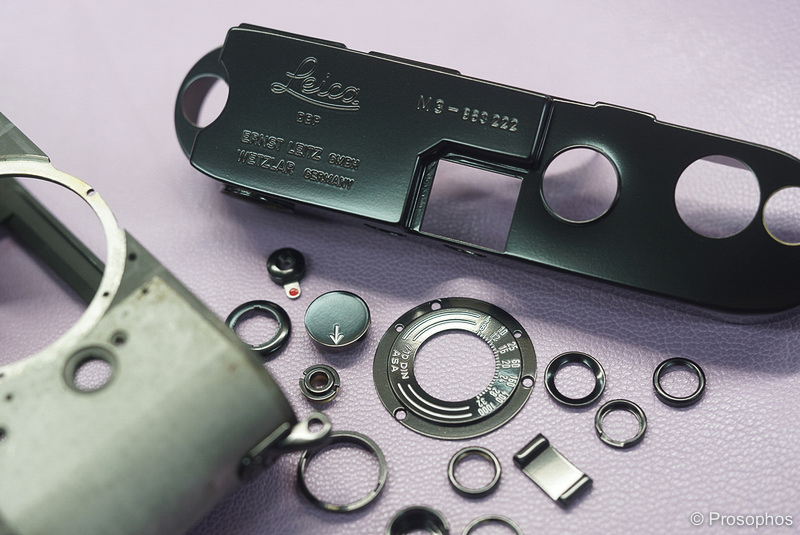
–
Here is what it looked like a month ago:

↑Leica M9 (CCD Lives! – Prosophos Open Letter to Leica) + Leica 28mm Summilux ASPH.
I had the pleasure of using the Leica 28mm Summilux ASPH today.
The verdict: this lens is okay.
Technical notes:
—Peter.
–



↑Leica M9 (CCD Lives! – Prosophos Open Letter to Leica) + Leica 28mm Summilux ASPH.

↑Leica M9 (CCD Lives! – Prosophos Open Letter to Leica) + Leica 35mm Summilux ASPH FLE.
Has anybody seen this film accessory for Nikon DSLR cameras (courtesy of Nikon Rumors)?
I am shocked (pleasantly surprised).
—Peter.

↑Leica M9 (CCD Lives! – Prosophos Open Letter to Leica) + Leica 50mm Summilux ASPH.

↑Leica M9 (CCD Lives! – Prosophos Open Letter to Leica) + Leica 50mm Summilux ASPH.

































↑Nikon D500 + Nikon 70-200mm f/2.8E FL ED VR.

 Prosophos