
↑Leica M240 and Zeiss 21mm @ f/2.8.

↑Leica M240 and Zeiss 21mm @ f/2.8.

As of yesterday, this site has received over 1,000,000 views.
As most of you are aware, Prosophos.com is a blog devoted to celebrating photography and life.
Given the personal nature of the content, I never anticipated that so many of you would be inclined to visit here on a regular basis. However, something happened as I posted an image every day: a community was formed.
I wanted to therefore thank all of you for your continued interest, and especially thank those of you who regularly contribute with constructive and supportive commentary.
A personal thank you also goes out to Mark, Hugues, Luiz, Jason, Jose, Duane, Greg, and Andrew. Interacting with you gentleman has been a privilege.
Last but not least, I want to thank Guy, Raaj, David, Ashwin, and Steve from those old Dpreview Leica Forum days, when photography was my salvation.
It still is.
—Peter.

↑Leica M240 and Zeiss 21mm @ f/2.8.
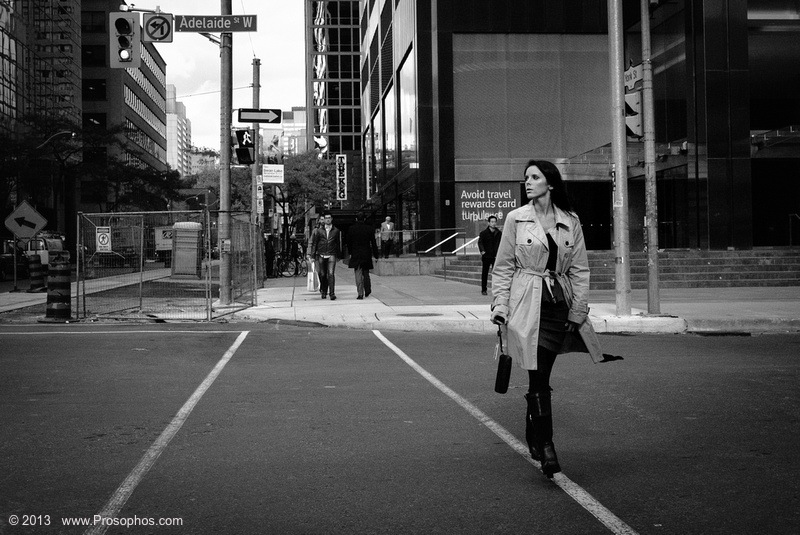
↑Leica M240 and Zeiss 21mm f/2.8 @ f/4.
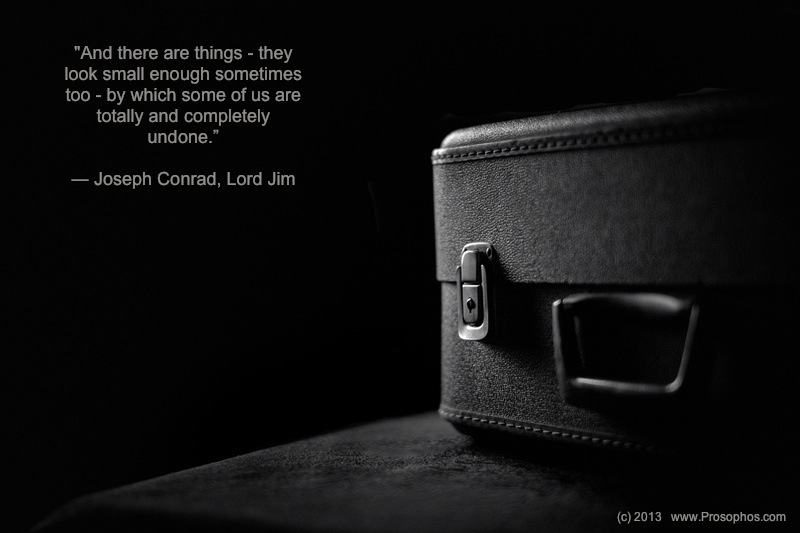
↑Leica Monochrom and Leica 50mm Summilux ASPH @ f/1.4.

It arrived yesterday.
The build quality is exceptional.
Leica never ceases to amaze me…
—Peter.

↑Leica M9 and Leica 50mm Summilux ASPH @ f/1.4.

↑Leica M9 and Leica 24mm Summilux @ f/1.4.

↑Leica M9 and Voigtländer Color Skopar 35mm @ f/2.5.
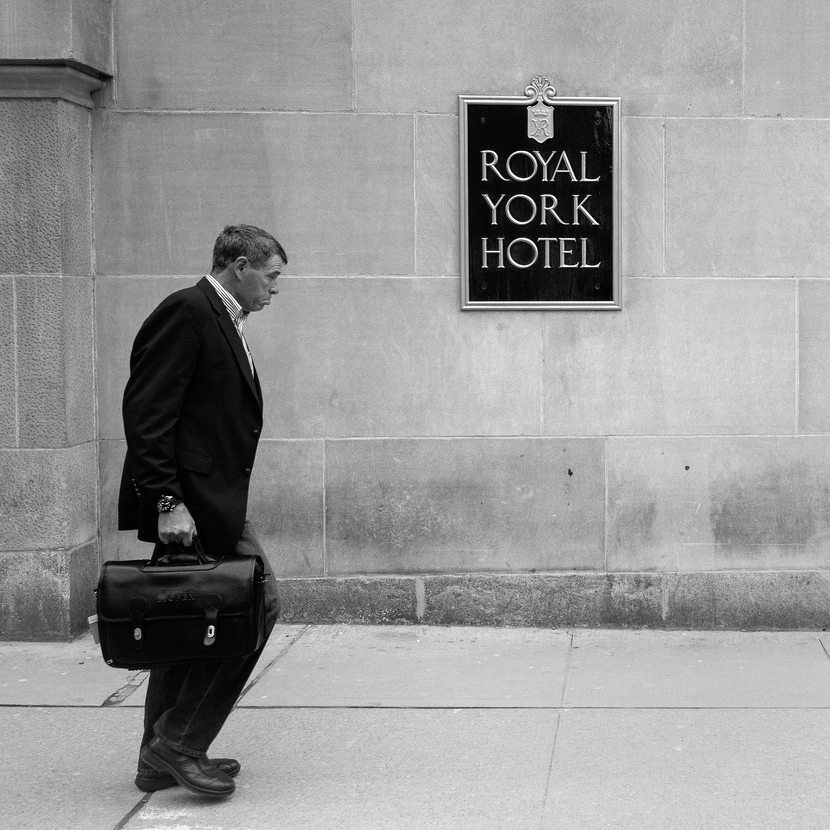
↑Leica Monochrom and Leica 28mm Elmarit ASPH @ f/2.8.
EDITOR’S NOTE:
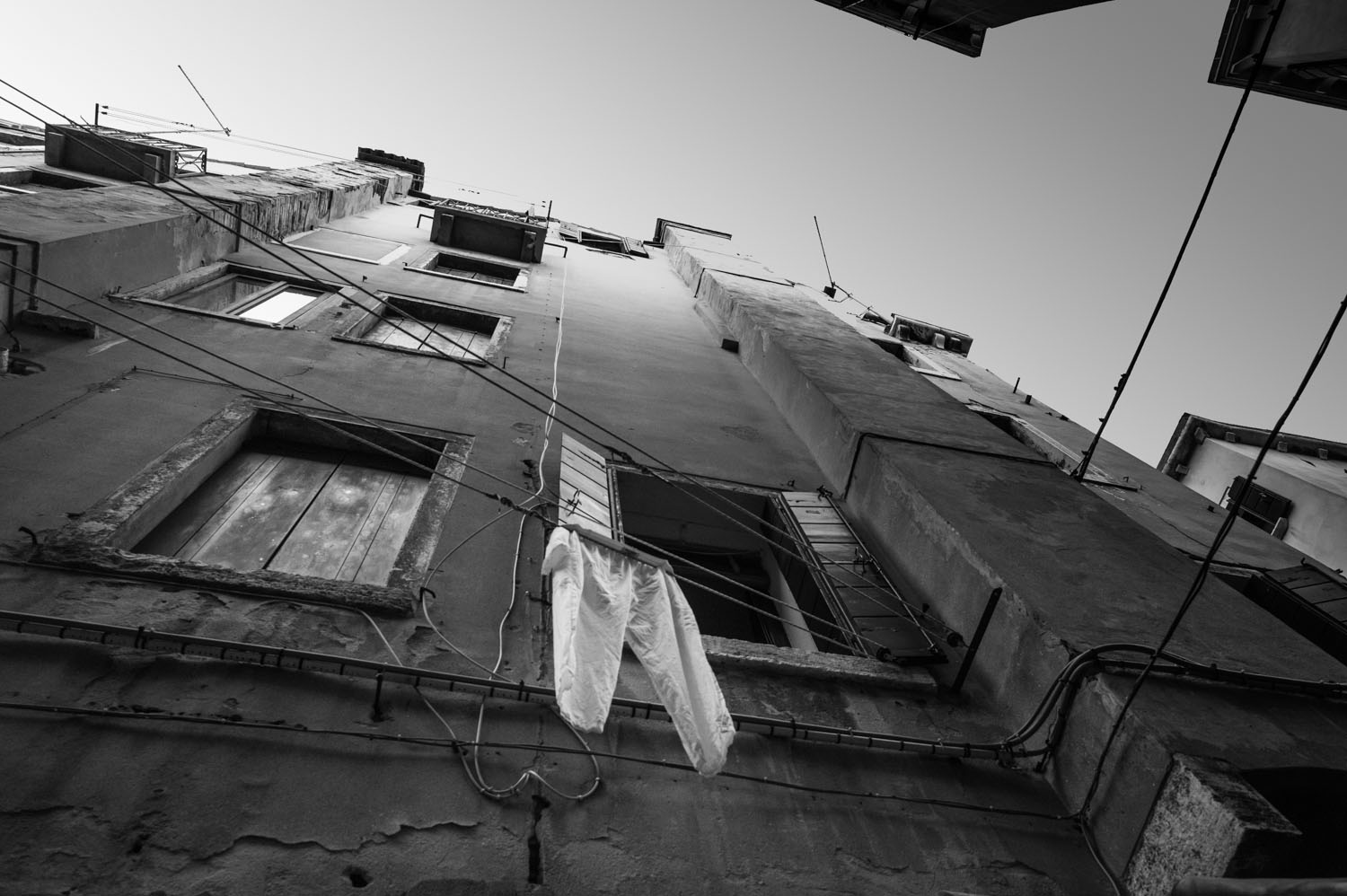
Those of you who frequent Prosophos will know Andrew Gemmell from his numerous contributions to the daily discussions on this site; he always offers an encouraging word and is the consummate gentlemen. However, what you may not know is that Andrew actually photographs! 🙂
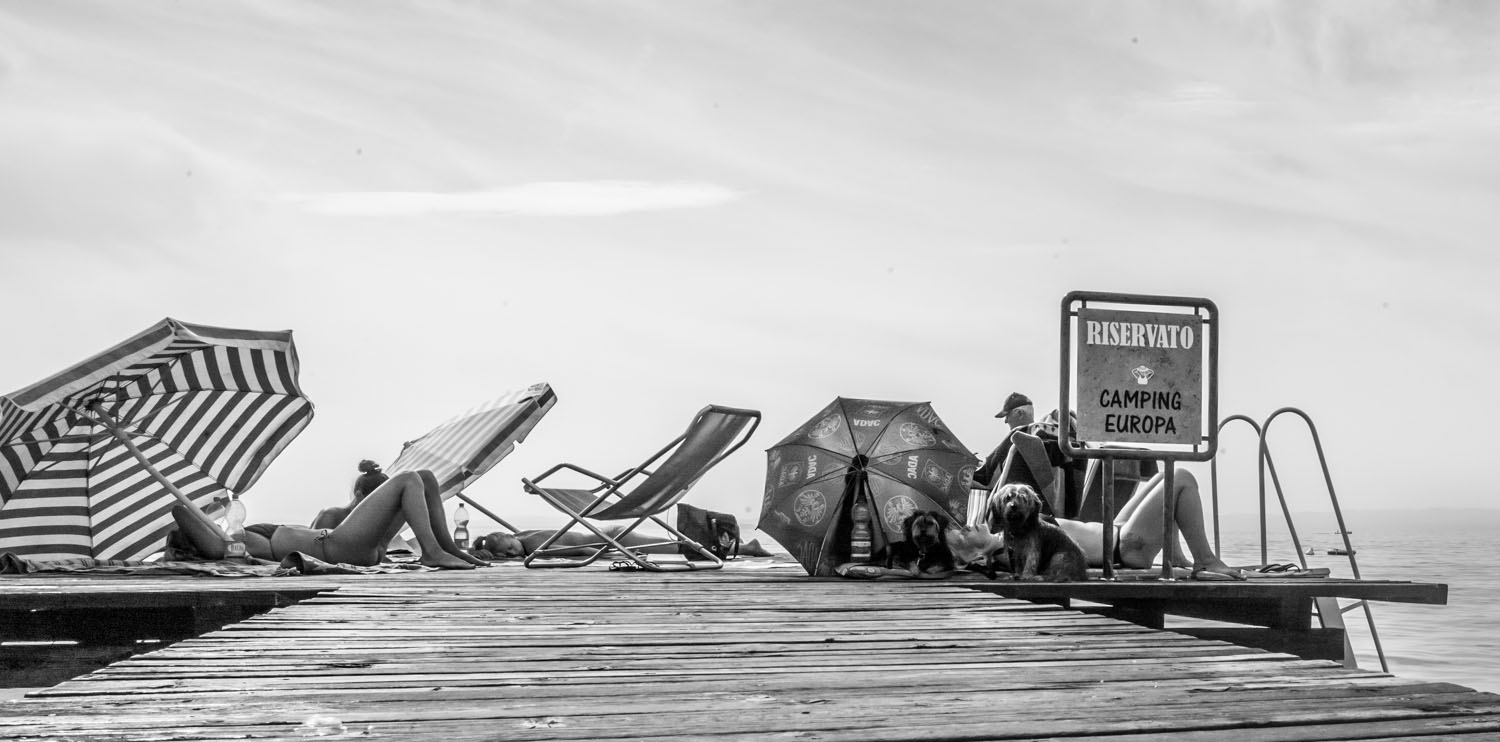
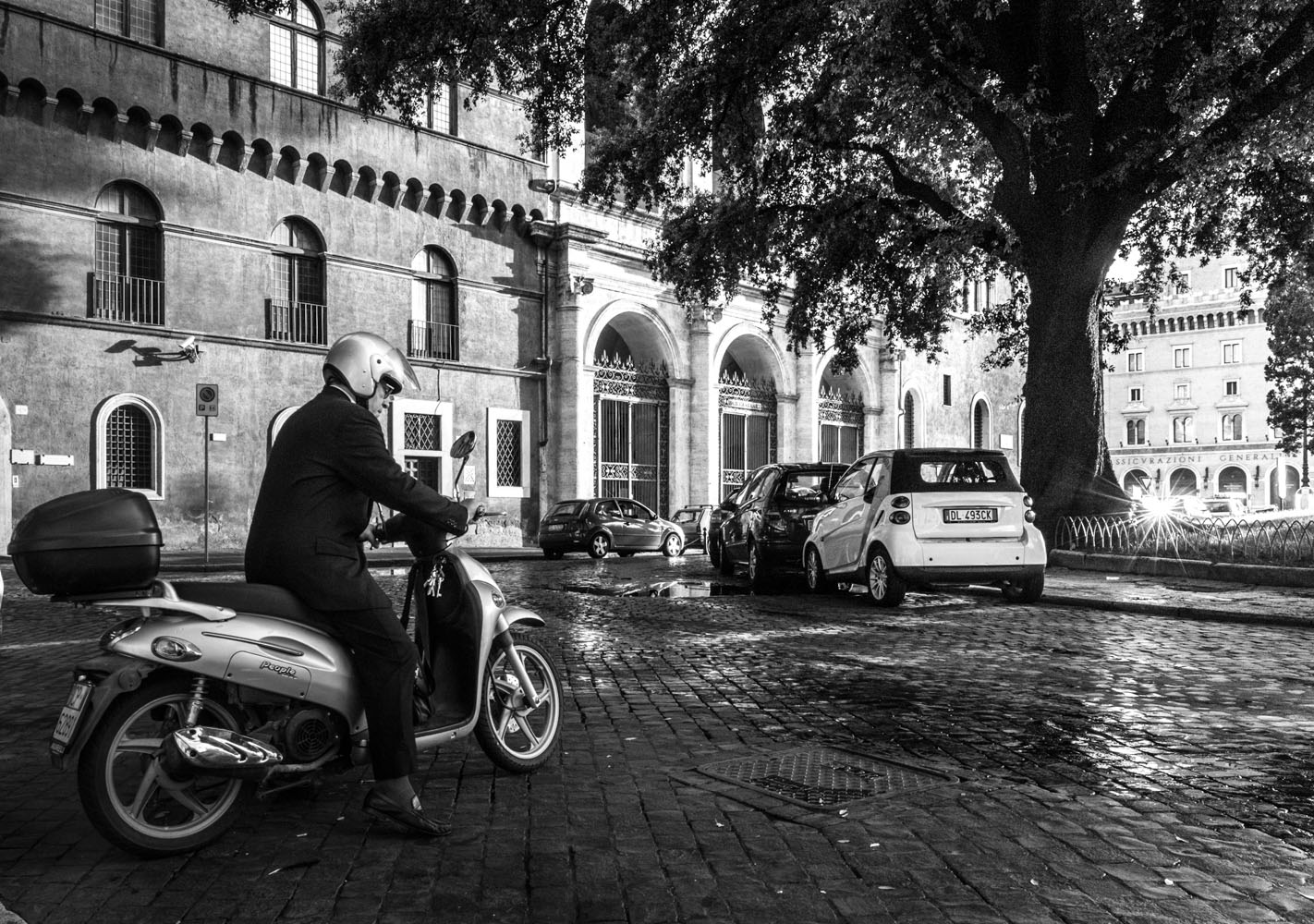
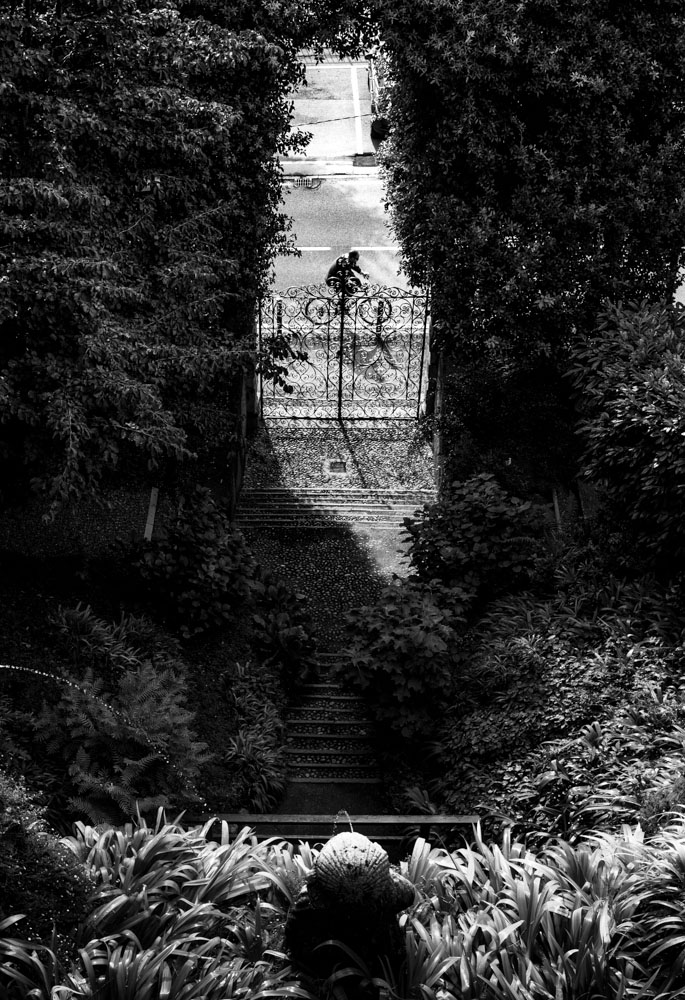
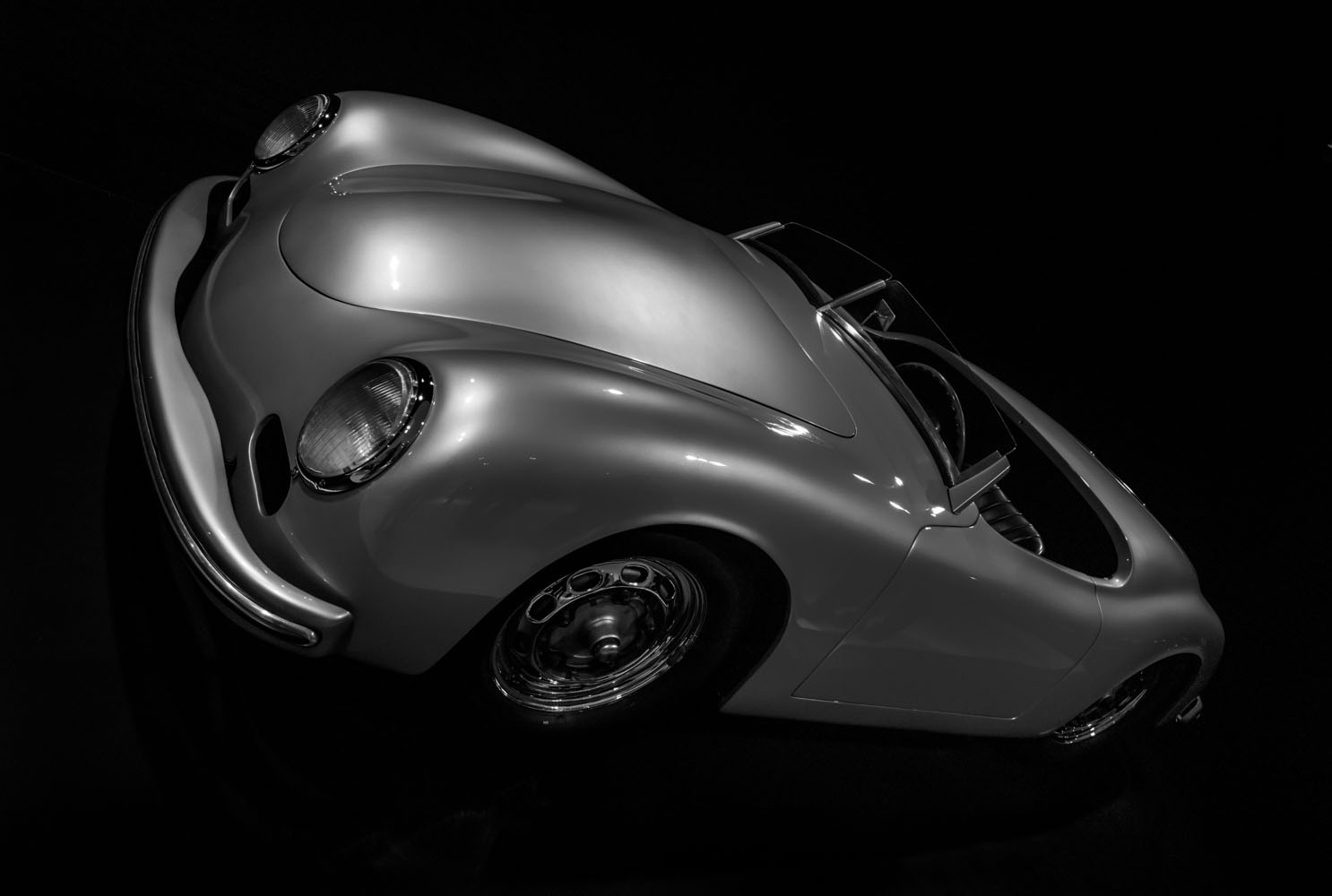
Mr. Gemmell recently went on a whirlwind vacation and came back with a few images. No — strike that — he came back with a series of incredible images. Given the sheer number of them, I could have put together a Featured Photographer piece for him, but I had to remind myself that this series represents the output from a single vacation. I can only imagine what a future Featured Photographer post would look like…
I am fortunate to be hosting these images – thank you Andrew.
—Peter.
P.S. I’d also like to thank Mark Ewanchuk — he knows why.
–
–
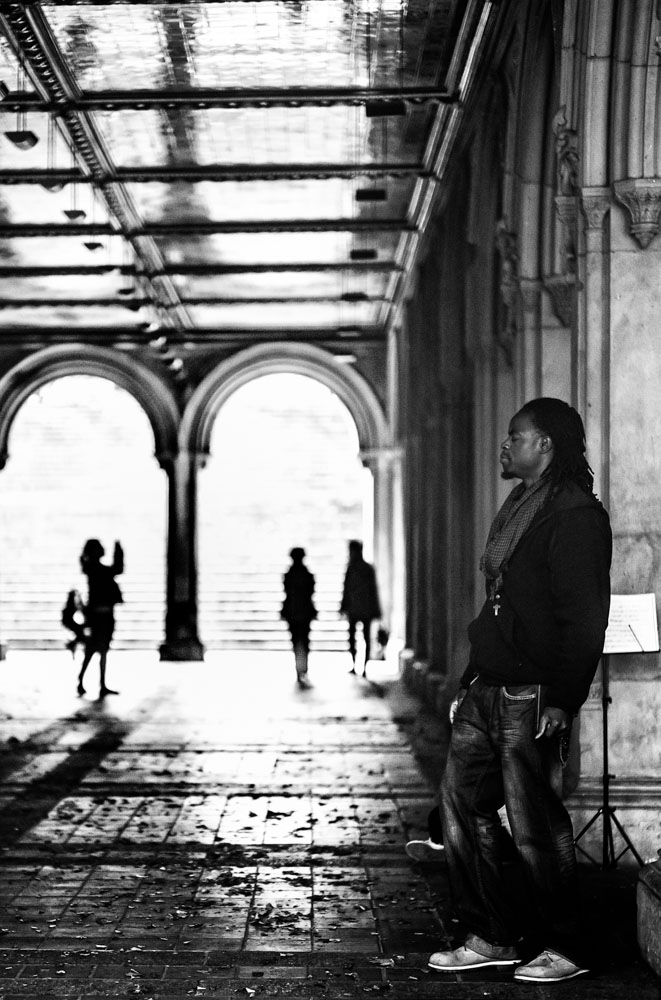
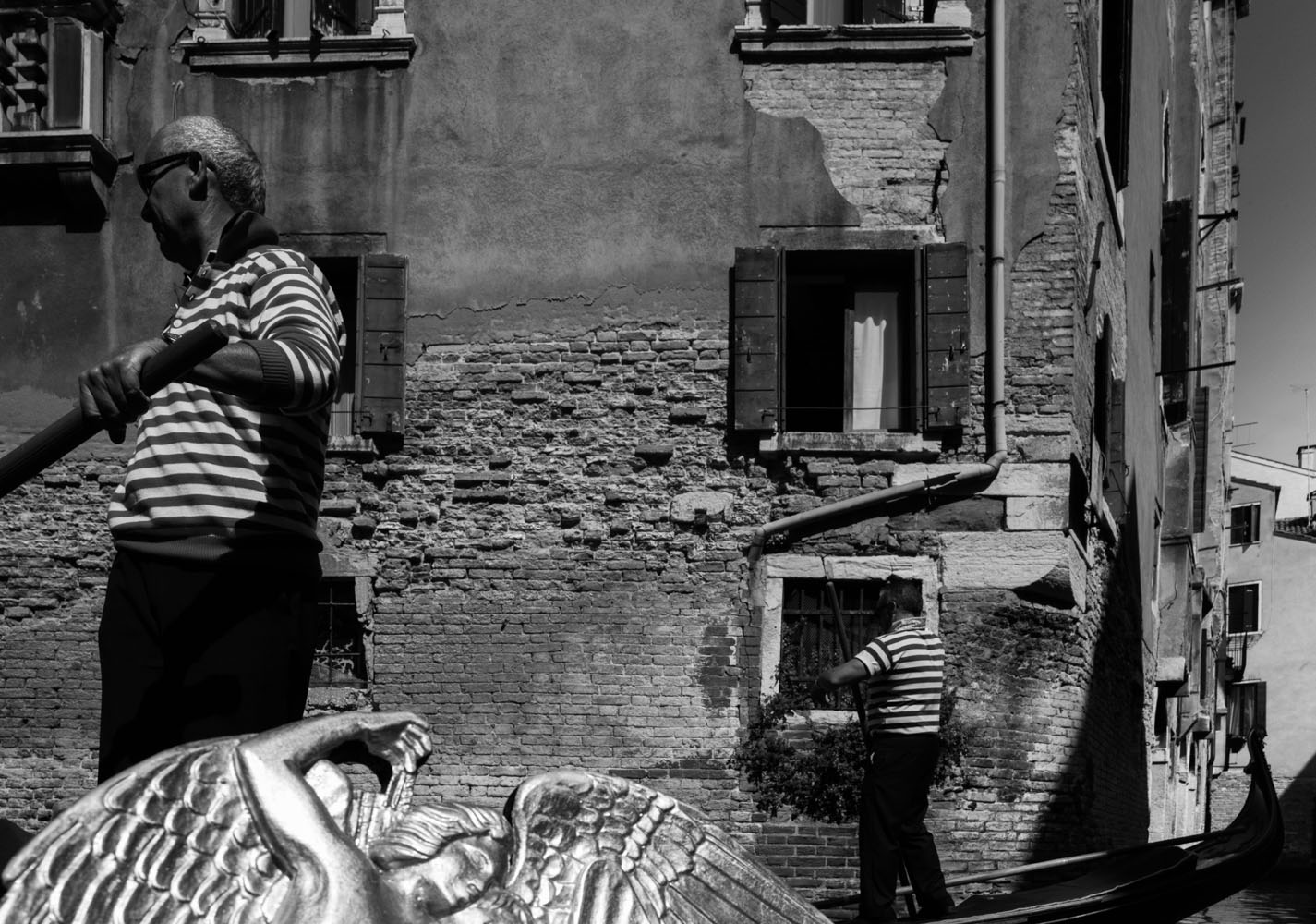
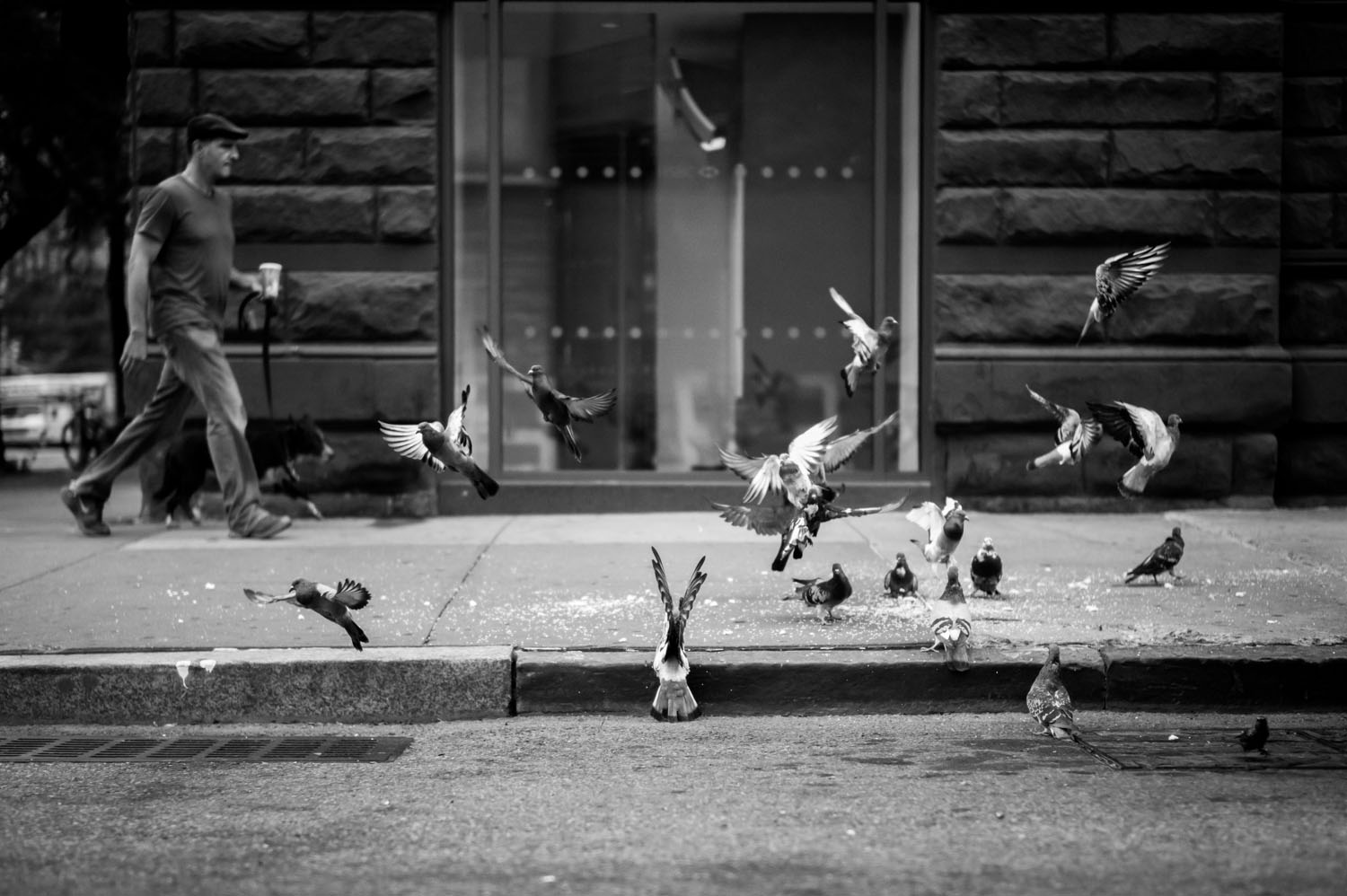
Andrew Gemmell writes:
–

–
–

–

–

–
–

–
–

–

–

–
–
–
–

–
–
–

–
Thank you again Andrew for sharing these wonderful images!
—Peter.
I have the honour of showing some exceptional images tomorrow, courtesy of a Guest Post by Andrew Gemmell.
—Peter.
This is an image I included in my One camera, One lens, One holiday article on Steve Huff’s site (back in April of this year), but never posted here.
Interestingly, as of last night, I’ve got no lens and no camera!
—Peter.
–
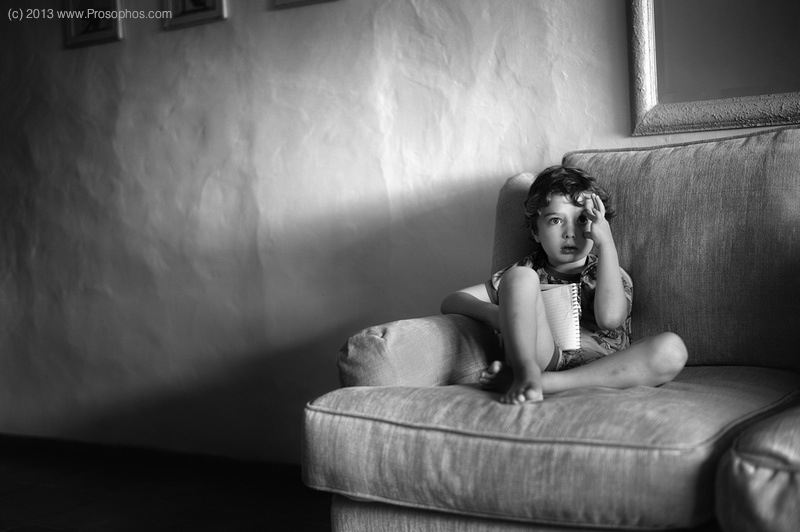
↑Leica M9 and Leica 50mm Summilux ASPH @ f/1.4.
–
Hello Kerwin,
First of all, thank you so much for your nice comments.
Now, to address your questions, which are all excellent…
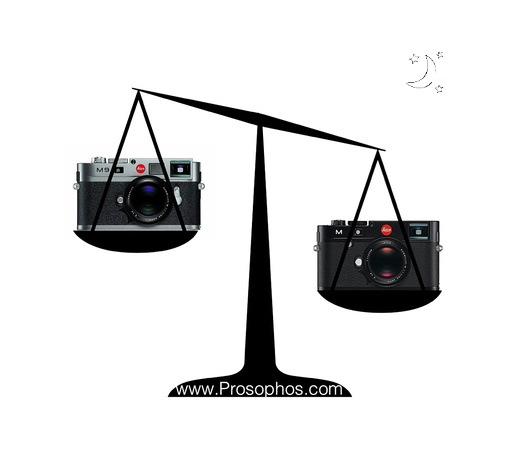
Yes, I’ve always believed, and continue to believe, that CCD sensor cameras produce images at base ISO that are more pleasing than CMOS sensor cameras. However, in low light, CCD sensors struggle relative to their CMOS counterparts.
The introduction of the Leica Monochrom did much to close the performance gap, but of course you’re limited to B&W photography when using this camera.
Quite simply then, if you wish to continue to photograph in low light situations using an M9, you need fast (aperture) lenses, like the Summilux (f/1.4) or even Noctilux (f/1 or f/0.95) lenses. If your subjects are relatively still, then of course a steady hand and slow shutter speed are very useful (as are monopods and tripods, but most of us who shoot rangefinders do not make use of such additional equipment).
It’s also critical to expose properly with the M9 when shooting in dark environments, especially when employing high ISO. This can be a problem, since I rarely feel comfortable shooting above ISO 1250 with this camera. Others limit their maximum ISO to 640 and then “push” the exposure up during image post-processing. I do this frequently.
I said above that your questions are excellent, which is very true. It turns out, however, that your questions are timely too…
–
–
I know I will be sacrificing low ISO image quality, in the form of the “crispness” I currently see in my images, but I am willing to give the M240 a try.
Why?
Most of the time, the light in Toronto is poor, as the winters here are long and dark. Having a camera that can comfortably shoot above ISO 1250 has increasingly become a priority for me.
And, after selling off most of my equipment over the last few days, I’ve decided I don’t want a Nikon D800, or Sony A7/A7R, or an Olympus E-M1, or Fuji X-E2.
No folks, I still want a digital rangefinder (please see the previous post, Rangefinder Cameras)
And as far as digital rangefinders go, there’s still only one game in town.
—Peter.
Dog days of summer.

↑Leica M9 and Leica 75mm Summilux @ f/1.4.
The longest running CCD poll :), asking whether a brand new CCD sensor should reappear in a future Leica M camera, is still running…
Why am I continuing this?
Because I love the rendering of CCD sensors! The Leica M9 is like a portable digital mini-medium format camera.
At the very least, CCD sensors offer us photographers an alternative choice.
I’ve noticed a few notable individuals who were initially very enthusiastic about the Leica M240 (CMOS sensor camera) have now changed their tune and are subtly conceding that the M9 image quality at low ISO is superior.
So far, I have just over 400 votes…
—Peter.
–
Related posts:
I thought this might be a fun follow-up to yesterday’s post.
A few years ago, I attached the Nikkor-NOCT 58/1.2 to the Leica M9, via a Novoflex adapter, and took this image.
Focusing involved guessing, because of course the Nikkor-NOCT is not rangefinder coupled.

↑Leica M9 + Novoflex adapter + Nikkor-Noct 58/1.2 @ f/1.2.
–
Here is another test shot:
 ↑Leica M9 + Novoflex adapter + Nikkor-Noct 58/1.2 @ f/1.2.
–
As can be appreciated in the second image, one of the nice things about the Nikkor-NOCT is its near focus ability,
—Peter.

Well, not exactly, as this new AF-S NIKKOR 58mm lens has a maximum aperture of f/1.4 (vs. f/1.2), but Nikon promises:
“The AF-S NIKKOR 58mm f/1.4G is a lens that makes the most of advanced optical design technologies… to achieve high reproduction capability of point light sources even at the maximum aperture, and natural depth of subjects utilizing smooth and beautiful bokeh characteristics. With shooting of distant night landscapes, the lens minimizes the sagittal coma flare…”
–
Sounds familiar, doesn’t it? These were the coveted attributes of the Nikkor-NOCT.
Those of you who have been following this blog already know that the legendary Nikkor-NOCT was my favourite NIkon lens, and may very well be my favourite lens of all time:
–



–
Will the new lens be as impressive?
I hope so, given all the advances in lens design and manufacturing over the last several decades. However, one thing I know for sure is that the new lens won’t have that silky-smooth manual focusing with which the old Nikkors were bestowed.
Either way, these are exciting times in photography.
Check out the specifications of the new AF-S NIKKOR 58mm f/1.4G here, and sample images here.
—Peter.
 Prosophos