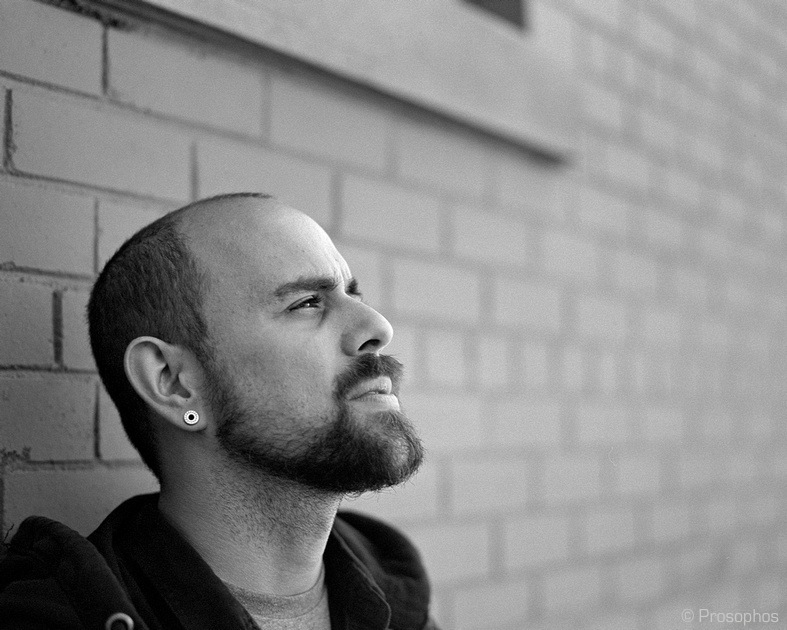
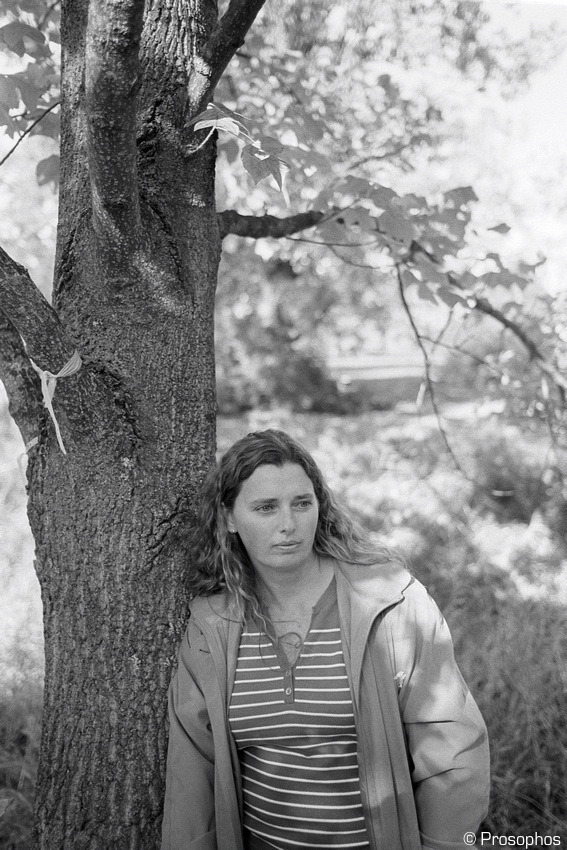
I tweaked the colour — to remove the green tint — as recommended by the demanding viewers of this free blog.
—Peter.
I’m quickly learning how to process Sigma DP3 Merrill files.
For example, I’m constantly resisting the temptation to apply sharpening, since the images have an abundance of sharpness and micro-contrast (two qualities that are not necessarily flattering for portraits).
Yet, this particular image proves one thing: it is possible to post-process DP3 files to produce a sharp and smooth portrait.
Oh, and the tonality possible with the Foveon sensor… wow.
—Peter.
↑ Sigma DP3 Merrrill: 1/15 sec (hand-held, but braced), f/2.8, ISO 200.
Cozy and hidden from the cold.
On another note, if there’s a better way to digitally record such Life’s Little Moments, then I’d like to know.
As it stands, the Kodak CCD inside the Leica M9/M-E remains my sensor of choice.
Won’t you please sign My Open Letter to Leica, if you haven’t already done so?
—Peter.
This is an example of the image output from the original Sigma DP series camera, the DP1:
(28mm equiv, F4 lens)
–
The DP1 was an excruciatingly slow compact camera, but it helped me capture one of my favourite images, Planet Earth:
–
The camera and software from Sigma were both challenged (and continue to be), so much so that I never purchased any of the subsequent DP offerings. Still, the image quality from the Fovean sensor has always called out to me, like a Sirens’ song
The Siren that’s been singing the sweetest song over the past 18 months: the DP3.
–Peter.
And the children were tracking Santa.
—Peter.
—
Technical Commentary:
The sun was quickly setting as this scene was unfolding and the the vestigial rays of light coming in through the window were creating a pink, gold, and red speckled glow on the wall behind our trio of Santa trackers. The glow of the smartphone screen also helped set the mood.