
↑ Leica M10 + Leica 50mm Summilux ASPH f/1.4.

↑ Leica M10 + Leica 50mm Summilux ASPH f/1.4.

↑ Leica M10 + Leica 50mm Summilux ASPH f/1.4.

↑ Leica M10 + Leica 50mm Summilux ASPH f/1.4.
I forgot to post this (I think).
—Peter.

↑ Leica M10 + Leica 50mm Summilux ASPH f/1.4.
The new L-mount camera that will be produced by Leica, Panasonic, and Sigma is of interest to me, but not because of the camera per se.
Imagine the full frame Foveon sensor that rumour has it will appear in this camera eventually finding its way into a Leica M11.
Now that would be something.
—Peter.
It’s true: photography has always been furthered by technology.
What I mean is that, as technology has advanced (first during the film era, and now digital), photographers have increasingly been provided with the tools to more easily record/convey their vision.
However, I’m not so sure that the last 5 years have given us anything along the same vein.
—Peter.


↑ Leica M10 + Leica 50mm Summilux ASPH f/1.4.
…within 9 meters.
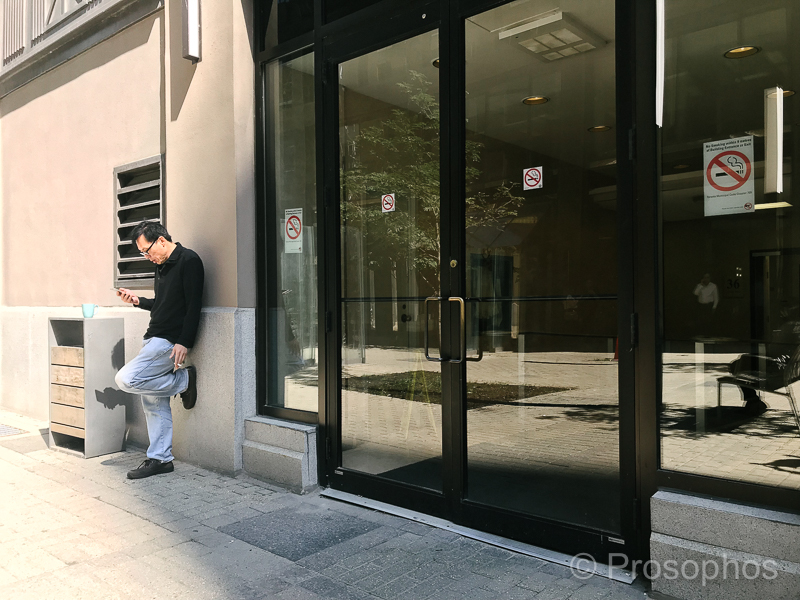
↑iPhone.

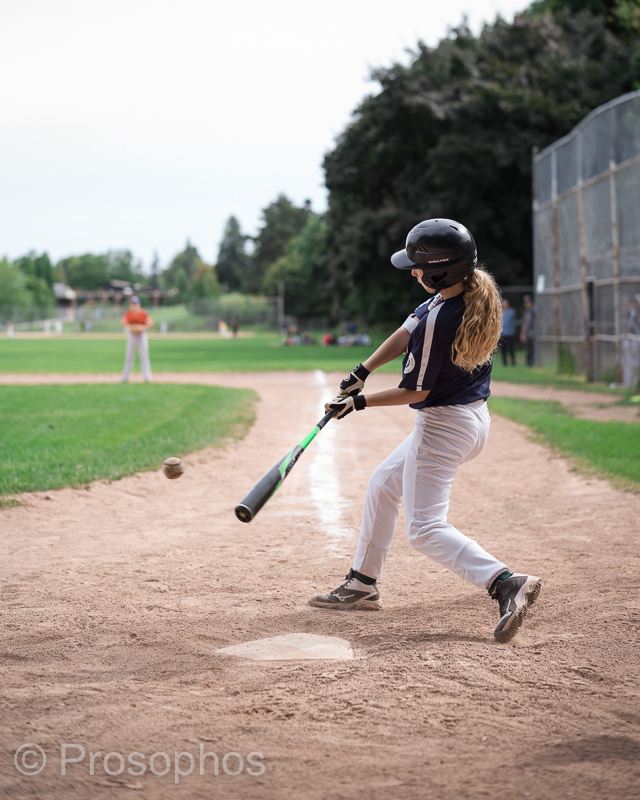
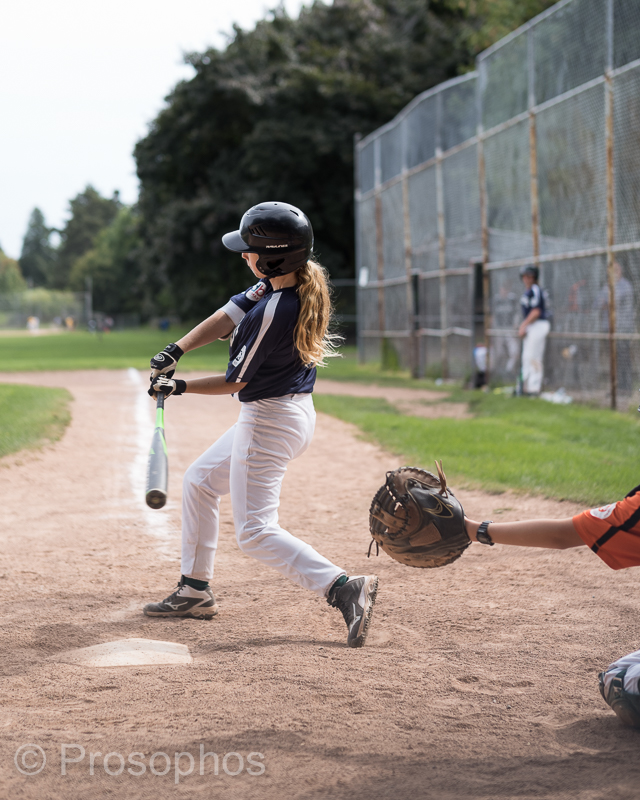
↑ Leica M10 + Leica 50mm Summilux ASPH f/1.4.
Watching our daughter playing baseball.
Here’s to hoping that winter takes its time arriving this year.
—Peter.

↑ Leica M10 + Leica 50mm Summilux ASPH f/1.4.
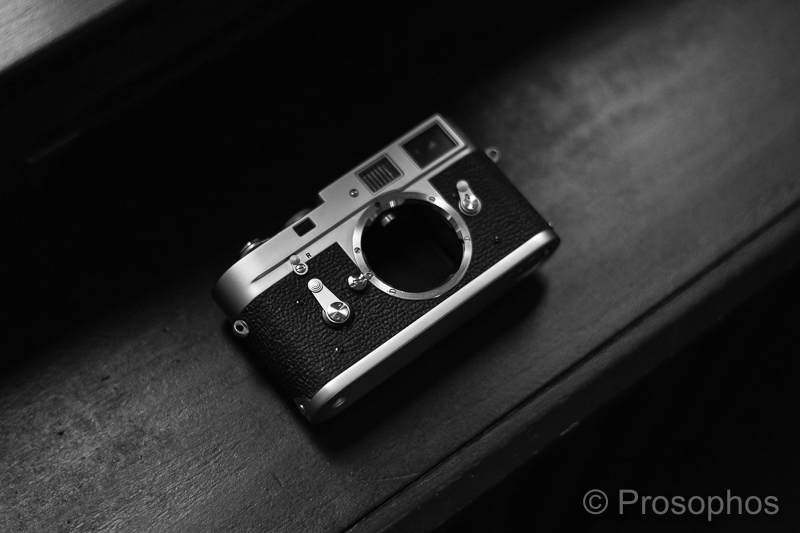
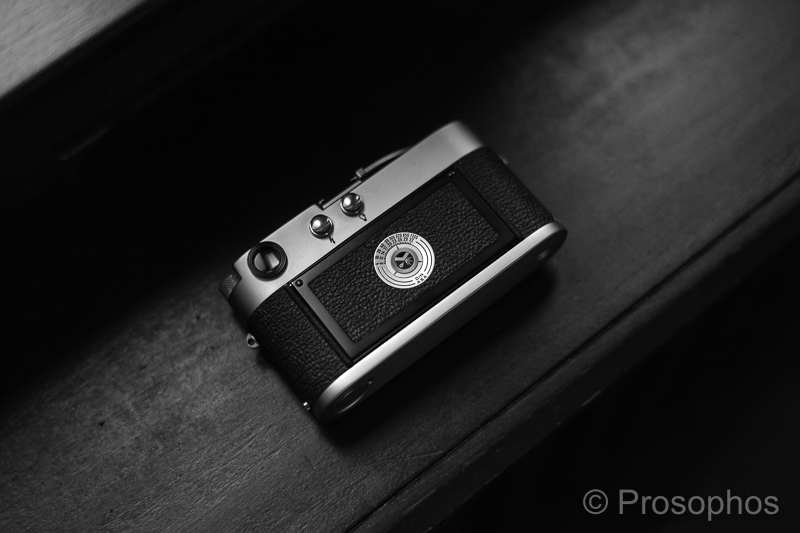
Yesterday, I posted some images of the Leica M2-R I was fortunate to acquire. The photos were taken with a Leica M10 and processed in Lightroom with relative ease.
In contrast, today I set upon the boring and arduous task of testing the M2-R without — of course — the immediate feedback of digital photography. As I subsequently stood in my basement processing the film, I must admit that I had second thoughts about whether all of the hassle was worth it. It’s especially frustrating when the effort of processing and scanning is undertaken only to find out that the camera is in some way defective.
Fortunately in this case, all is good.
And as I watched the images magically appear — first on the negative as it was unspooled following its final wash, and then in more detail on my monitor as the scanner did its thing — I realized for the 1000th time why I keep coming back to film: even mundane test shots look better on this antiquated “sensor”.
The following images are not meant to be interesting. However, they are useful to me. In them, I’m verifying:
Technical:
—Peter.
–
(focus is on the small word “Elect”, above the J)↓

–
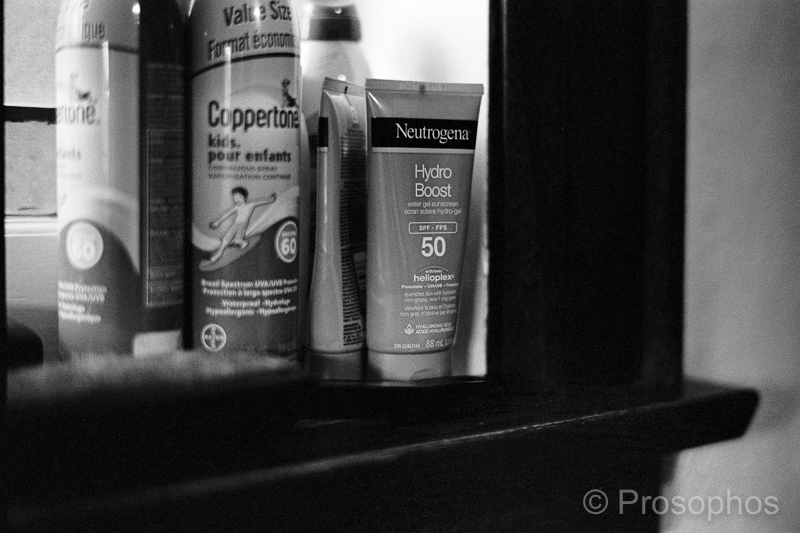
(focus is on the number “50”)↓
–
(focus again is on the number “50”)↓

–
(focus is on the letter “G”)↓

–
(focus is on the poor sap )↓

–
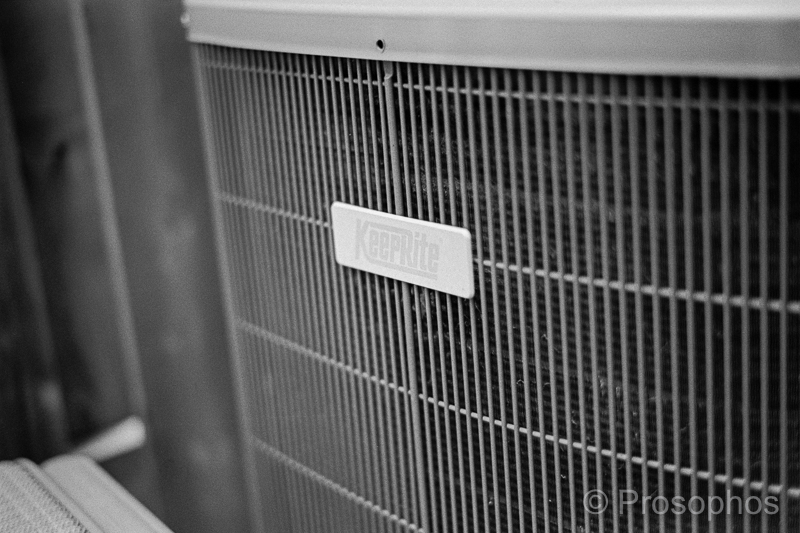
(focus is on the faint word “KeepRite”)↓
–
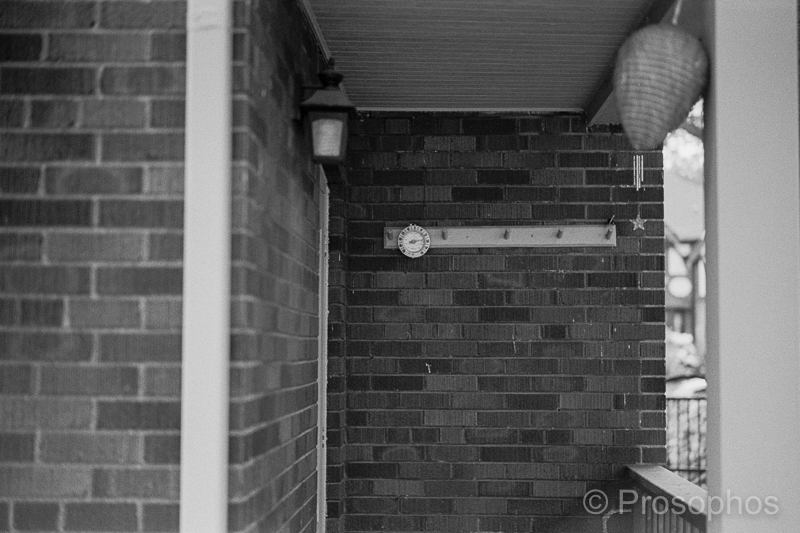
(focus is on the round thermometer)↓
–
(focus is on the door of the house across the street)↓

↑ Leica M2-R + Leica 50mm Summilux ASPH f/1.4.
A warm body for those cold winter months.
—Peter.

↑ Leica M10 + Leica 50mm Summilux ASPH f/1.4.
↑ Leica M10 + Leica 50mm Summilux ASPH f/1.4.
The first day of school used to be so complicated.
Now, there’s time for us to enjoy a quiet breakfast out.
—Peter.

↑ Leica M10 + Leica 50mm Summilux ASPH f/1.4.
When G was 3½ yrs old, he gave me this.
He got the smirk right, and the subtle smile.
And the blockhead.
—Peter.

Not sure about theirs, but ours was.
Technical: f/1.4 | 1/125 | ISO 1250
—Peter.

↑ Leica M10 + Leica 50mm Summilux ASPH f/1.4.
Tested a copy of the 75 APO yesterday.
Had last used it in 2012.
Didn’t end up getting it, but did get this image.
—Peter.

↑ Leica M10 + Leica 75mm Summicron APO f/2.

