
↑Leica M9 and Leica 28mm Elmarit ASPH @ f/2.8.

↑Leica M9 and Leica 28mm Elmarit ASPH @ f/2.8.

↑Leica Monochrom and Leica 90mm Summicron APO @ f/2.
A sunset scene.

↑Leica M9 and Leica 50mm Summilux ASPH @ f/1.4.

↑Leica Monochrom and Leica 90mm Summicron APO @ f/2.

↑Leica Monochrom and Leica 90mm Summicron APO @ f/2.
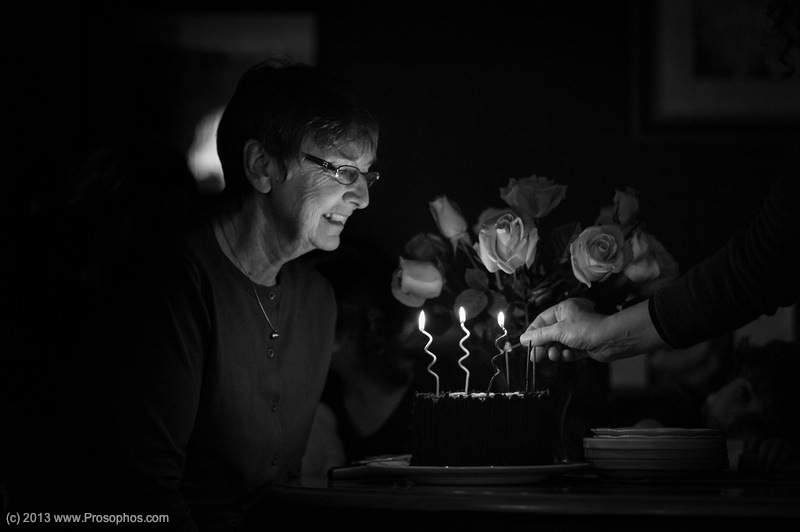
↑Leica Monochrom and Leica 90mm Summicron APO @ f/2 (ISO 3200).
Well, the Leica Monochrom is living up to its reputation for exquisite tonal rendering, high ISO capabilities, and sharpness (please see the 100% crop below).
However, it’s also living up to its reputation for requiring a radically different approach to processing files (vs. the M9). So far, I’ve played with only a handful of images, but I’m thinking it’s going to be a long time before I even get anywhere near where I want to be.
This all underscores what I’ve previously written: with a new camera there is often an initial drop in photographic output.
Please bear with me while I sort this out.
—Peter.
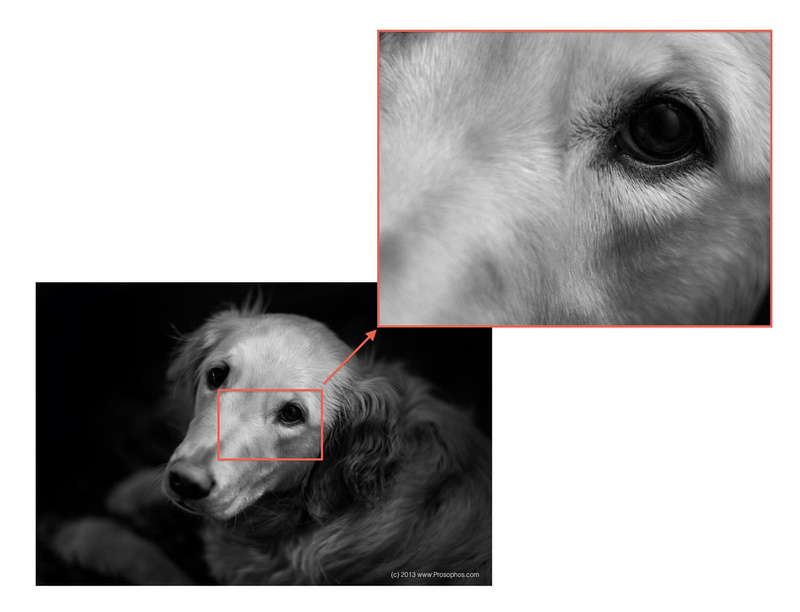
↑Leica Monochrom and Leica 90mm Summicron APO @ f/2.
The third and final image in the Searching series.

↑Leica M9 and Leica 50mm Summilux ASPH @ f/1.4.
This is my first time using this lens.
It completes my current triad of lenses: 28/2.8, 50/1.4, and 90/2.
Not a very original set-up, but I finally conceded that I’m a 50 shooter and everything else revolves around it.
—Peter.

↑Leica M9 and Leica 90mm Summicron APO @ f/2.

↑Leica M9 and Leica 50mm Summilux ASPH @ f/1.4.
She’s happy, she’s free.
May we all be.

↑Leica M9 and Leica 50mm Summilux ASPH @ f/1.4.
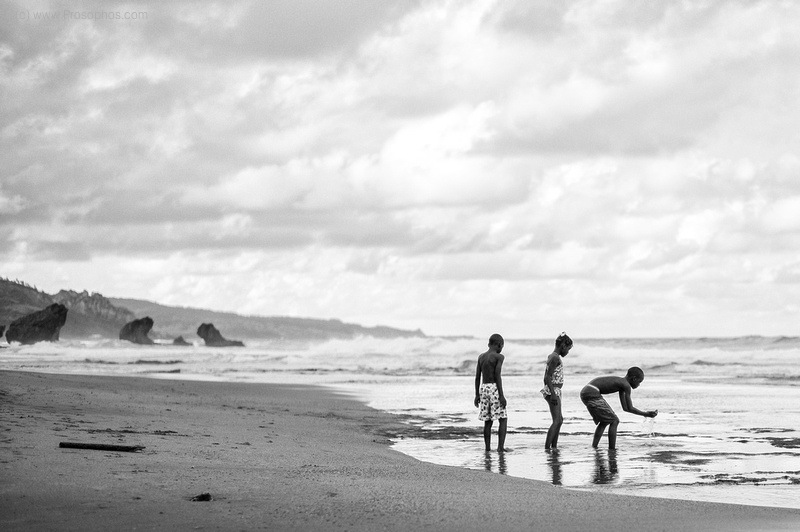
↑Leica M9 and Leica 50mm Summilux ASPH @ f/1.4.
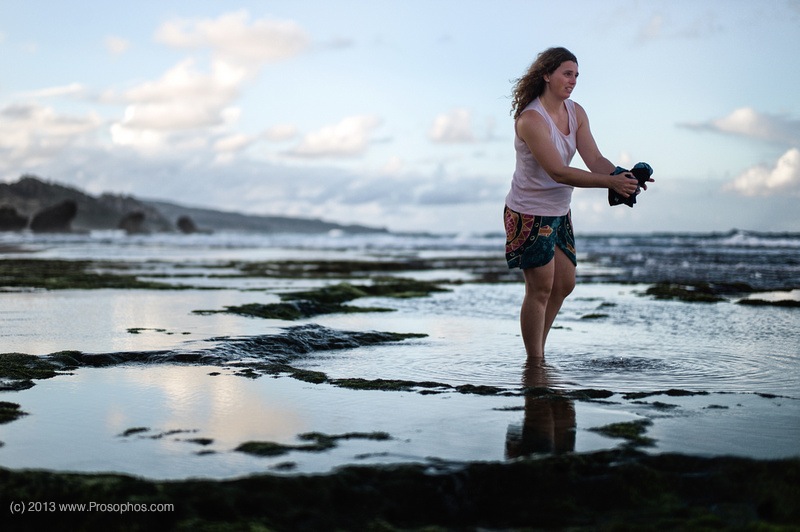
↑Leica M9 and Leica 50mm Summilux @ f/1.4.

↑Leica M9 and Leica 50mm Summilux ASPH @ f/1.4.
_______
I’m often asked how I post-process colour in my images.
Well, more often than not, I don’t. I pre-process (my term). Let me explain…
Almost all photographers post-process (i.e., make image-enhancing adjustments, after a photograph is taken). What many novice photographers fail to recognize is the importance of pre-processing. Pre-processing involves identifying and harnessing natural enhancing elements in a scene, such as lighting, perspective, etc., before an image is taken.
In the case of this image, Boy, the soft light that was present after the sun set was harnessed to achieve a rich palette of colours and tones. This cannot be achieved in post-processing.
—Peter.

↑Leica M9 and Leica 50mm Summilux ASPH @ f/1.4.

↑Leica M9 and Leica 50mm Summilux ASPH @ f/1.4.

↑Leica M9 and Leica 50mm Summilux ASPH @ f/1.4.

 Prosophos
