

Inspiration
Jump Shot.
Film, Inspiration, Kodak Tri-X 400, Leica M3, Portrait, Scanner - Plustek 120, Sports, Voigtländer 40mm f/1.4 Nokton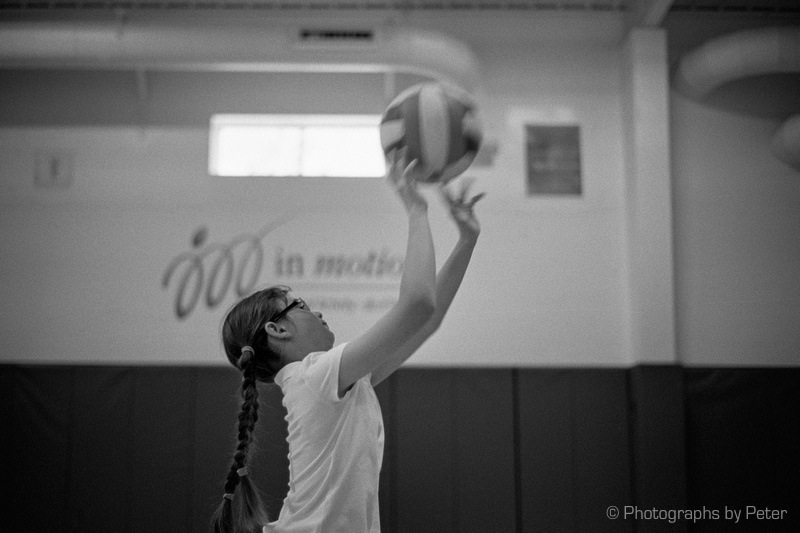
That face in the crowd, Part 2.
Inspiration, Leica 50mm Summilux ASPH f/1.4, Leica M Type 240, Portrait, Street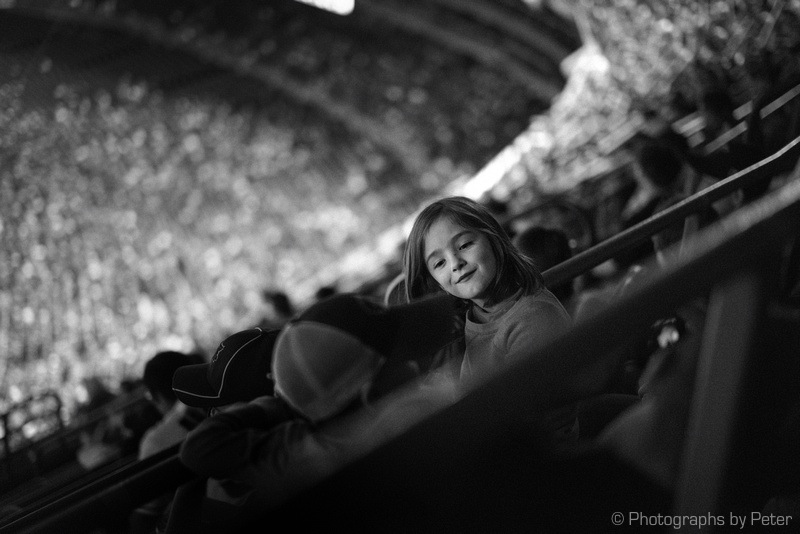
Boy with Man Platter, on Velvet.
2014, Favourite, Film, Inspiration, Kodak Portra 400, Leica M3, Life's Little Moments, Portrait, Voigtländer 40mm f/1.4 Nokton
Windswept.
Film, Inspiration, Kodak Tri-X 400, Mamiya 7/7II, Mamiya 80mm, Portrait, Scanner - Plustek 120Test Shot #4 from the first roll of film run through the Mamiya 7II.
—Peter.

That face in the crowd.
Inspiration, Leica 50mm Summilux ASPH f/1.4, Leica M Type 240, Portrait
M240 gone. Again.
Inspiration, Leica M Type 240, Q&A, Teaching pointI have always shared my gear choices/changes freely, assuming it may help some of you considering camera A vs. camera B, or lens A vs lens B, etc. So, along that vein, and at the risk of inviting harsh commentary, I will disclose this:
I have parted, again, with the Leica M240.
Before the M240 was released, I made some predictions about its image quality. Specifically, I was concerned about base ISO performance vs. its predecessor, the M9. My concerns were borne out when I viewed the initial JPG images, and then again when I examined sample RAW files.
I posted both my predictions and subsequent analysis on this site.
Of course, some photographers shared my view, and some didn’t. Those who didn’t were critical of the fact that I hadn’t owned the camera and yet I was judging it. My rebuttal was that you don’t have to own a camera to judge its image quality.
Well, now I’ve owned it. Twice.
My honest opinion: I should have listened to myself.
I tried —I really tried — to make it work (those of you who follow this blog on a regular basis know this), because I really enjoyed the ergonomic improvements.
But I just couldn’t coax the look I wanted out of it.
—Peter.
No 1 Fan.
Inspiration, Leica 50mm Summilux ASPH f/1.4, Leica M Type 240, Portrait
Bayer filter cameras are increasingly of little appeal to me.
Inspiration, Q&A, Teaching point
One of the things that photographing mostly with film lately has done to me is given me a distaste for the Bayer Filter Mosaic upon which almost all digital camera sensors are based.
Something about the images created with the de-mosaicing (interpolative) processes inherent in Bayer-based cameras just doesn’t look right to my eye any more. They’re simply not good enough.
In the digital world, there are three notable exceptions to the Bayer trend:
(1) Sigma with its Fovean sensor-based DP models. As a previous owner of the original Sigma DP1 model, I wait with great anticipation for the upcoming Quattro. However, given Sigma‘s history of building sluggish cameras with a “beta” feel about them, I’m not holding my breath.
(2) Leica with the Monochrom (which sports a modified Kodak CCD sensor lacking a colour filter array). Of course, the Monochrom is limited to B&W output (not a bad thing, unless you occasionally want/need colour!).
(3) Fuji with its X-Trans technology, where blue, green, and red sensors are “randomly” arrayed. I’m not convinced about the results, though I do applaud Fuji for pushing the proverbial envelop.
Currently, I don’t own any of the above… I’m in a wait-and-see mode.
—Peter.
The Postures of Play, Part 1.
2014, Favourite, Inspiration, Leica 50mm Summilux ASPH f/1.4, Leica M Type 240, Life's Little Moments, Portrait
Aquarium.
2014, Favourite, Film, Inspiration, Kodak Tri-X 400, Mamiya 7/7II, Mamiya 80mm, Print, Scanner - Plustek 120
Lateral Concerns.
Film, Inspiration, Kodak Tri-X 400, Mamiya 7/7II, Mamiya 80mm, Portrait, Q&A, Scanner - Plustek 120, Teaching pointTest Shot #3 from the first roll of film run through the Mamiya 7II.
For those interested, I’ve included a central crop below.
—Peter.
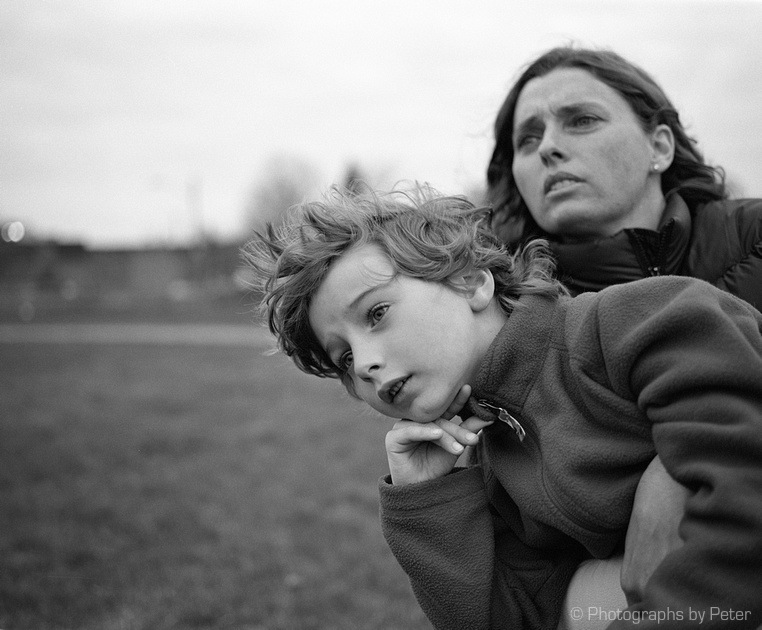
–
Here is the 100% crop (scanner output set to 16 x 20 inches at 300 DPI):

My Voigtländer Nokton 40mm report (updated).
Inspiration
I’ve edited and added more images to my popular Voigtländer Nokton 40mm user report.
It’s still my favourite lens.
—Peter.
I’ve learned…
Inspiration, Teaching pointWhen it comes to making important decisions in life, it’s always better to forgo analysis and just go with your gut feeling.
—Peter.
Cruciate.
Inspiration, Leica 50mm Summilux ASPH f/1.4, Leica M Type 240, Portrait
Showtime.
Inspiration, Leica 50mm Summilux ASPH f/1.4, Leica M Type 240, Portrait, Street, Uniform
The postures of play, Part 2.
Inspiration, Leica 50mm Summilux ASPH f/1.4, Leica M Type 240, PortraitISO 2500.

M240 Colour Images + More Mamiya!
Film, Inspiration, Kodak Tri-X 400, Leica M Type 240, Q&A, Teaching pointThis weekend has been a good one, photographically speaking. The weather has finally cooperated in Toronto and I’ve also had ample opportunity to photograph.
The upshot: over the next few days, I’ll be posting several colour images I’ve taken with the M240.
To put this thing to rest, I’ll state upfront that I’m now reasonably pleased with the colours I’m getting. Are they M9-like? No, of course not. The Kodak CCD sensors in the M9/M-E (and M8) are special (for many reasons), so if you’re interested in seeing an updated CCD sensor placed in a future M camera, you may want to consider signing my…
Open Letter to Leica

And for those interested in film photography, I’ll be posting more images from that first test roll of Kodak Tri-X I shot with my recently acquired Mamiya 7II.
—Peter.

