A double-meaning with this title: her studies, of course, and my ongoing study of the M240 colour signature.
—Peter.


A double-meaning with this title: her studies, of course, and my ongoing study of the M240 colour signature.
—Peter.


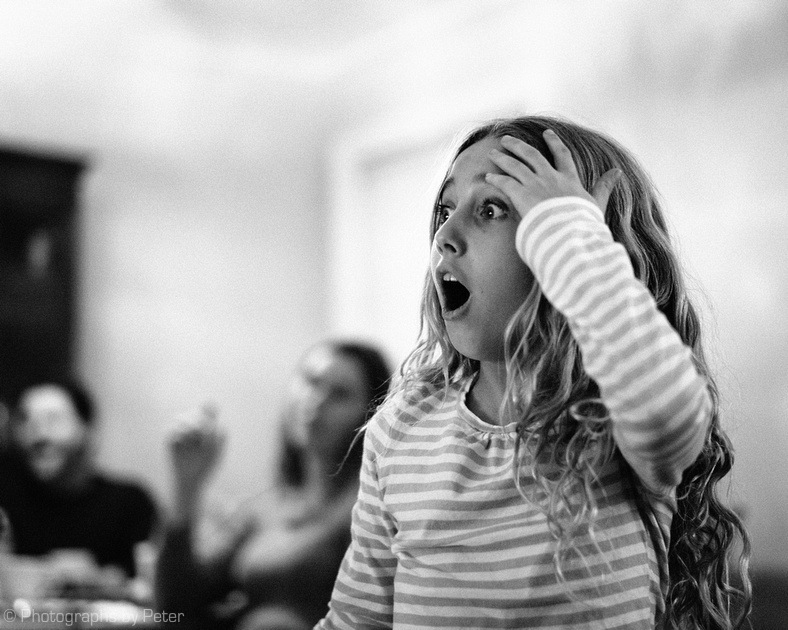
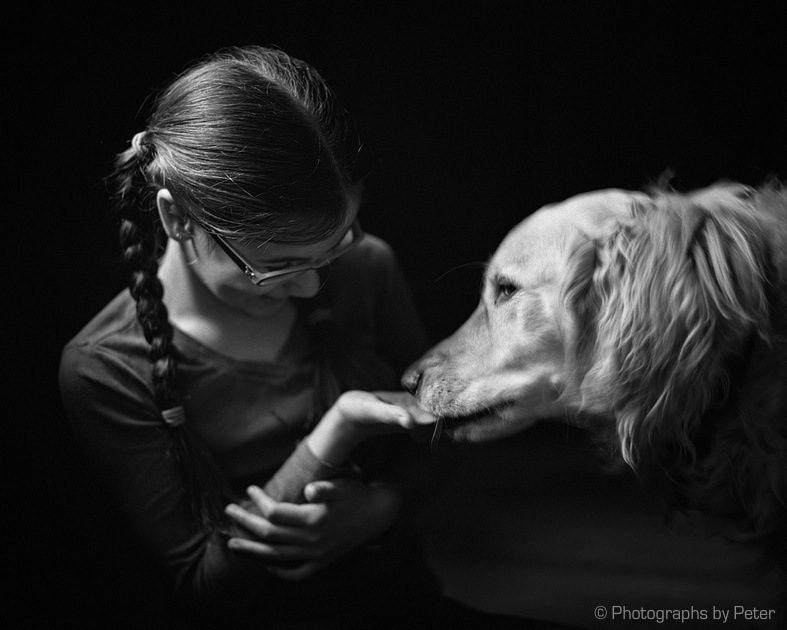
The state of my mind, photographically speaking (amended Sunday May 11th 2014).
Leica M240
Leica 50mm Summilux ASPH
Leica M3
Voigtländer Nokton 40mm f/1.4
Mamiya RZ67
Mamiya RZ 110mm/2.8
Mamiya RZ 180mm/4.5
Mamiya RZ tilt/shift adapter
Mamiya 7II
Mamiya 80mm f/4.
–
—Peter.
–
–
There’s an ethereal quality in the image towards the right edge of the frame — caused by a bit of lens flare… but it appears as if the film grain is commingling with the very light that it’s trying to contain.
Don’t you just love film?
—Peter.

I’ve been busy developing Tri-X, shot with my Mamiya RZ67 and Leica M3, using my process for developing B&W film.
The moments captured reflect what I cherish the most: Life’s Little Moments.
Unfortunately, we’ve been thrust into darkness again, as winter doesn’t seem to want to go. If I was photographing with a digital camera, my output over the last few days would have been zero. But somehow, with a shutter speed of 1/15 (or less!) and a few rolls of Kodak, I’ve produced a few images worth keeping.
I’ll be posting some of them, starting tomorrow.
In the meantime… I wait for good light.
—Peter.
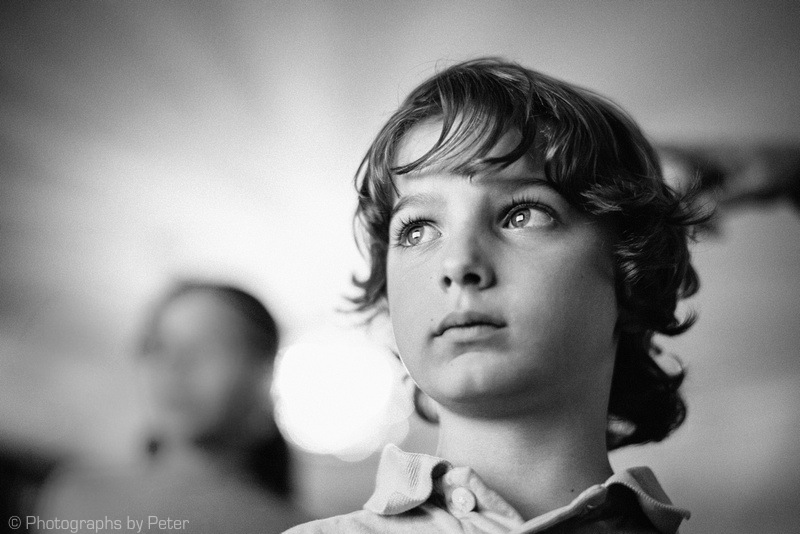
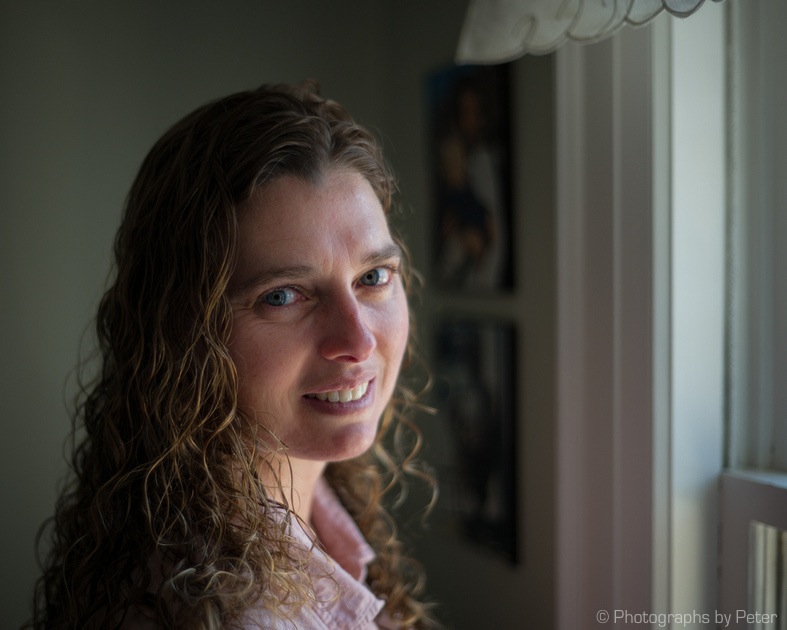
I shot a roll of 120 film today, using the equipment in the title above.
10 shots for the roll, 6 of them were keepers… I wish my yield with digital approached that ratio.
I’ll be posting some of the images later this week.
What I love about this set-up is that the output makes everyday life look like art. Or, maybe I should say that it reveals the art of everyday life.
—Peter.
Another “winter hat portrait”… it’s supposed to be spring, but it sure doesn’t feel like it.
On another note, I’m hooked on the look of medium format film.
All else doesn’t quite measure up.
Now I’m in trouble.
—Peter.

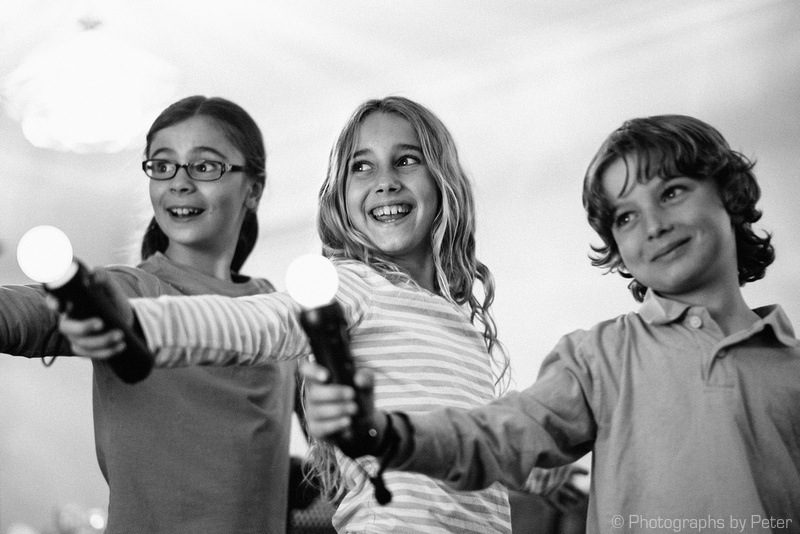
Serendipitous symmetry.

My first portrait using the Mamiya 180mm f/4.5 Short Barrel lens with the Mamiya Tilt/Shift Adapter.
I really should be supporting this heavy and unwieldy gear with a tripod, but I’ve avoided tripods all my life (ahhh the undisciplined life of a candid photographer).
Not bad though. I see great potential with this set-up.
—Peter.

You have to love this city and its weather 😉 .
This image was taken using the Mamiya 110/2.8 at its near focus limit; even at f/4 (the aperture used for this shot), the depth of field is quite thin — perhaps too thin for this portrait, since only the near eye is in focus.
Still, I like it.
The look of the Tri-X film and the bigger 6 x 7 “sensor” of medium format is quite remarkable. Notice the true-to-life rendering of his face, texture of his hat, etc. Currently, high-end 35mm digital cameras may be able to out-resolve this antiquated gear (at least using the scanner I’m using), but they cannot duplicate the look of this image.
—Peter.

Some of my film images were featured last Friday on Steve Huff Photo.com.
Thank you Steve Huff, for publishing them.
—Peter.
 Prosophos