Party.
(please click on the image to view)

↑Leica M9 and Leica 50mm Summilux ASPH @ f/1.4.

Party.
(please click on the image to view)
↑Leica M9 and Leica 50mm Summilux ASPH @ f/1.4.
“Whiskey, whiskey, whiskey
Water, water, water
Sleep
Whiskey, whiskey, whiskey
Wake up, shake it off
And repeat…Dreamed somebody missed me.“—John Mayer, Whiskey, whiskey, whiskey.
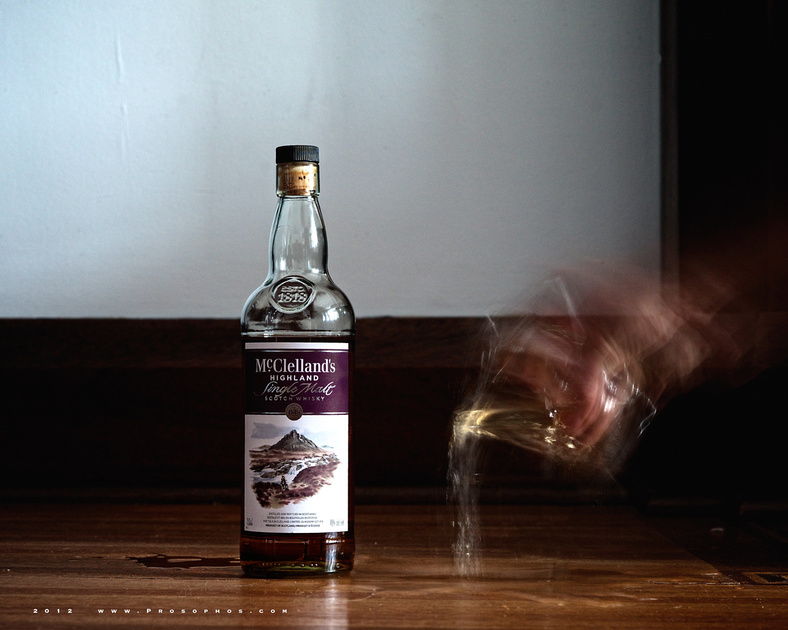
The beautiful light.
(please click on the image to view)

↑Leica M9 and Leica 50mm Summilux ASPH @ f/1.4.
A knight (in) of shining armour… and his damsel in not-so-much-distress.
(please click on the image to view)
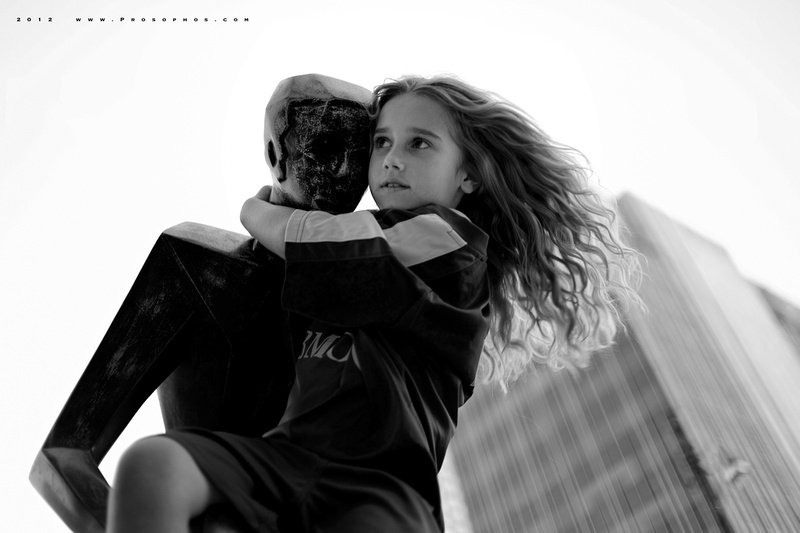
↑Leica M9 and Leica 35mm Summilux FLE @ f/1.4.
On Victoria Day.
(please click on the images to view)
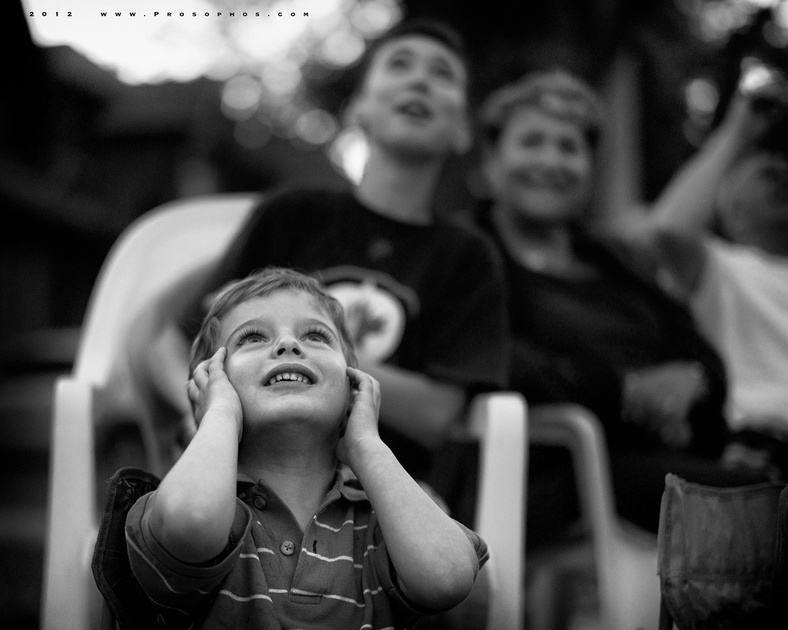


↑All images taken with the Leica M9 and Leica 50mm Summilux ASPH @ f/1.4.
Personified.
(please click on the image to view)

↑Leica M9 and Leica 50mm Summilux ASPH @ f/1.4.
(please click on the image to view)

Leica M2, Kodak Tri-X 400, and Leica 50mm Summilux ASPH @ f/1.4.
(please click on the image to view)

↑Leica M9 and Konica Hexanon 60mm @ f/1.2.
(please click on the image to view)
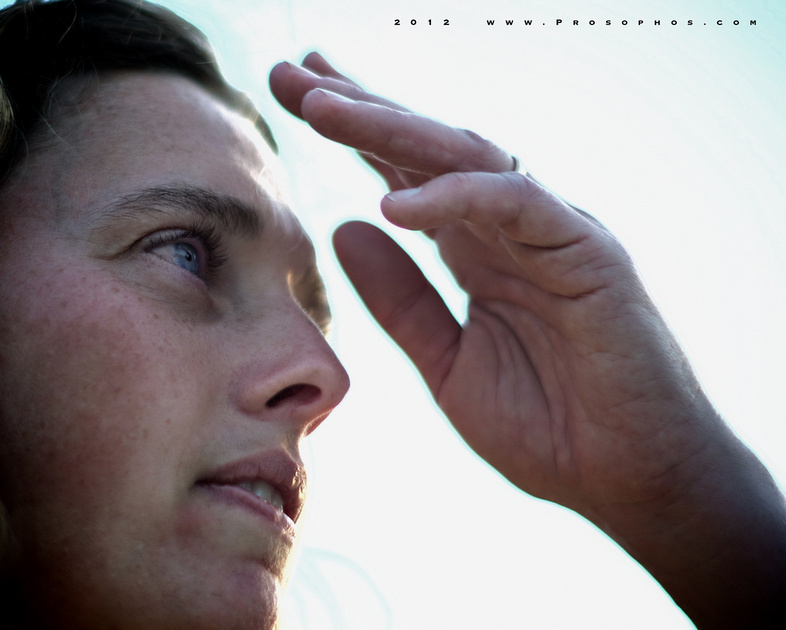
↑Leica M9 and Leica 75mm Summilux @ f/1.4.
(please click on the image to view)
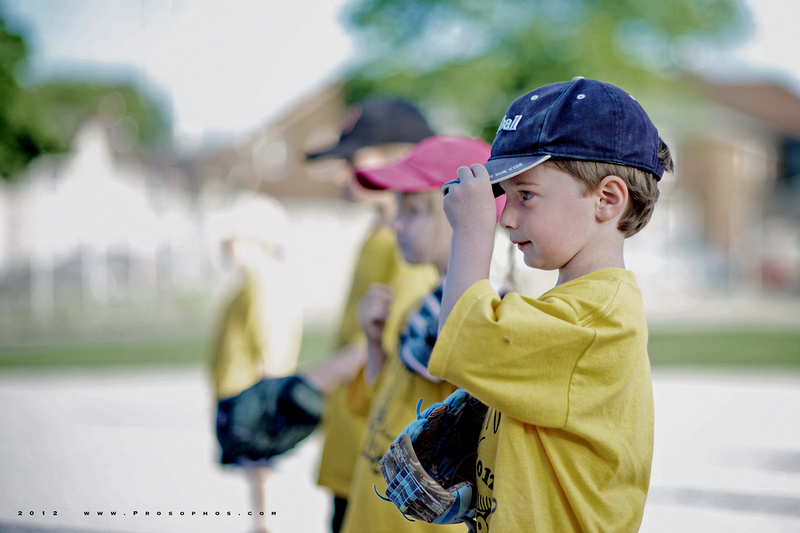
↑Leica M9 and Leica 75mm Summilux @ f/1.4.
Look carefully at the rendering of the Leica 75mm Summilux (Canadian version)… it’s wonderful.
I sometimes struggle with this lens, as it doesn’t have the coatings of modern lenses and it is susceptible to flare. Physically it’s large too. And correct focus is notoriously difficult to achieve at f/1.4, because of the extremely thin depth of field (witness the focus here is on the near eye; by the time we get to the second eye, we are already out of focus).
But for portraits, I can’t think of a more appropriate lens in this focal range.
I should really do a Lens Report on this lens, as I’m often asked about it. But I haven’t been motivated to because the qualities of the 75 Summilux that I most value are not easily appreciated via test charts. Ideally, it’s best to just view images taken with it (however, when I wrote my report on the Leica 75mm Summarit f/2.5, I did include some comparison crops between the two lenses).
If you want to see more examples of portraiture with the Leica 75mm Summilux, please see here, here, and here.
(please click on the image to view)

↑Leica M9 and Leica 75mm Summilux @ f/1.4.
A superimposition of the reflected and the refracted.
(please click on the image to view)

↑Leica M9 and Leica 50mm Summilux ASPH @ f/1.4.
(please click on the image to view)

↑Leica M9 and Leica 50mm Summilux ASPH @ f/1.4.
When they’re not here.
(please click on the image to view)

↑Leica M3, Kodak Tri-X 400, and Voigtländer Nokton 40mm @ f/1.4.
(please click on the image to view)
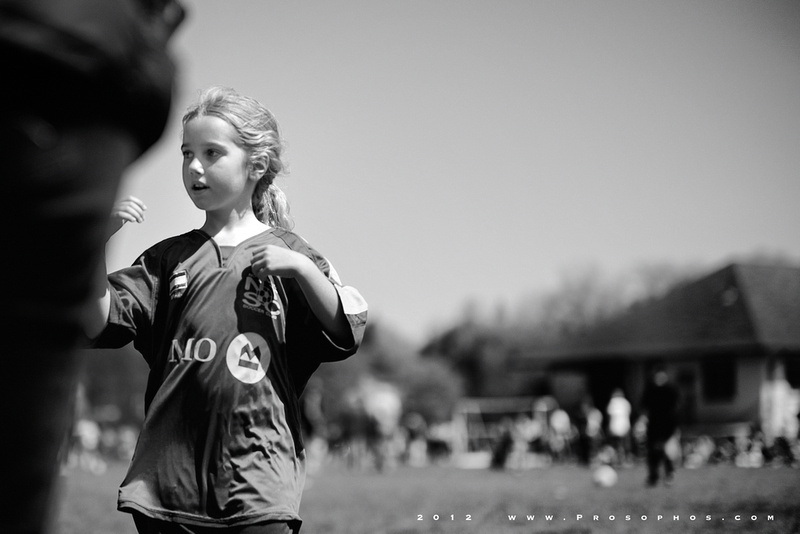
↑Leica M9 and Leica 50mm Summilux ASPH @ f/1.4 + 3 stop ND filter.
I resisted the temptation to crop away the top and bottom portions and present this as a pseudo-panoramic horizontal strip… something about the original image (as presented here) appears very surreal, very much like a “dream”. Or perhaps a diorama.
(please click on the image to view)

↑Leica M9 and Leica 50mm Summilux ASPPH @ f/1.4 + 3 stop ND filter.
 Prosophos