Traditional and modern converge for the upcoming holidays.


Traditional and modern converge for the upcoming holidays.
It’s time for the annual culling of my images down to only a few that I consider my favourites.
I had to be ruthless this year, given I was determined to list only “14 of 2014”.
On another note, it is striking that although I shot with film only about 5% of the time, 50% of these images were produced with that venerable medium.
It is also humbling to know that I no longer own a film camera.
Lastly, I’m not sure that I learned as much as I did in previous years, photographically speaking. I believe part of that was secondary to frequent cycling through new gear, but a large part of it was secondary to having a lot less time to photograph.
Unfortunately, my photography time constraints will continue to increase in the new year.
Thank you for taking the time to visit the site.
Sincerely,
—Peter.
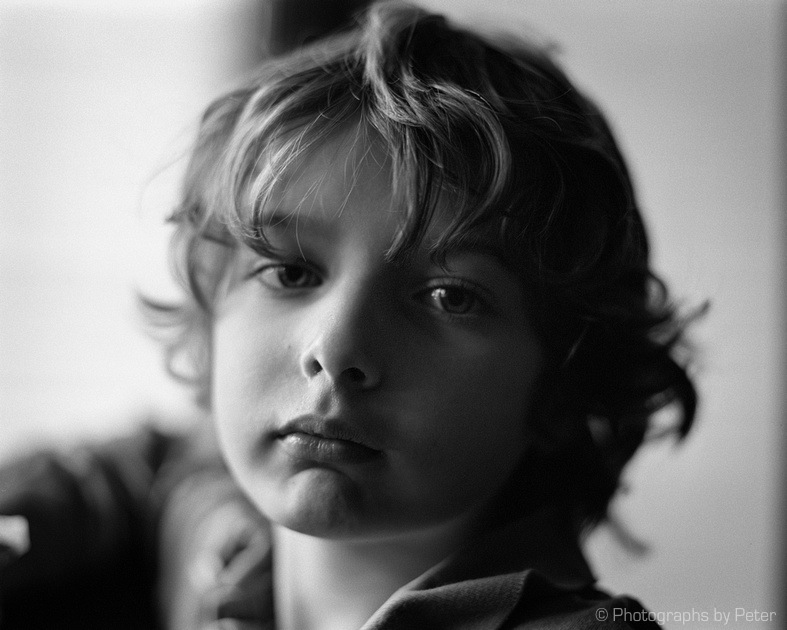
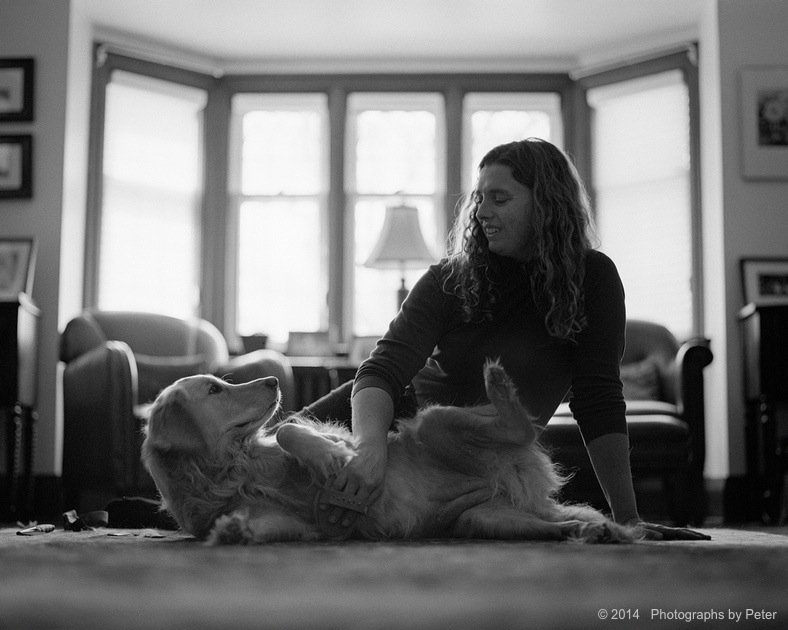
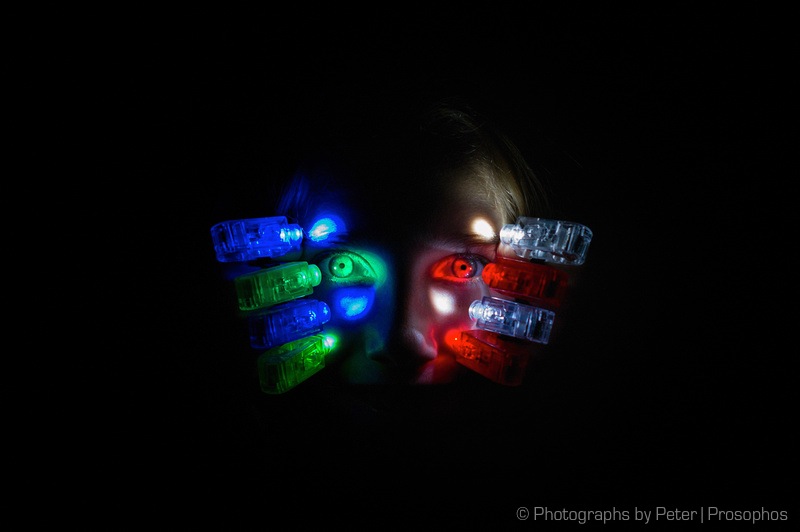
P.S. The images below are dedicated to my family who continually inspire me.
–
–
–
–
–
–
–
–
–
–
–
–

–
–
–
–
–
–

–
–
–

–
–
–

–
–
–

–
–
–

–
–
–

–
–
–

–
–
–

–
–
–

–
–
—
Related posts:
31 of my favourites from 2013.
21 of my favourites from 2012.
11 of my favourites from 2011.
_____________________________
Please show your appreciation!
If you’ve been inspired by these images, or any of my articles, please consider making a contribution to help me run this site. Whether it’s $5, $10, or $15… it all helps.
This site is a labour of love, but any help I receive will help me devote more time to running it.
Thanks,
—Peter.

This image was taken with the Sony (Alpha) a7S.
I wish to thank my good friend Ashwin Rao who was absolutely correct about three things with respect to this camera:
Additional notes:
—Peter.
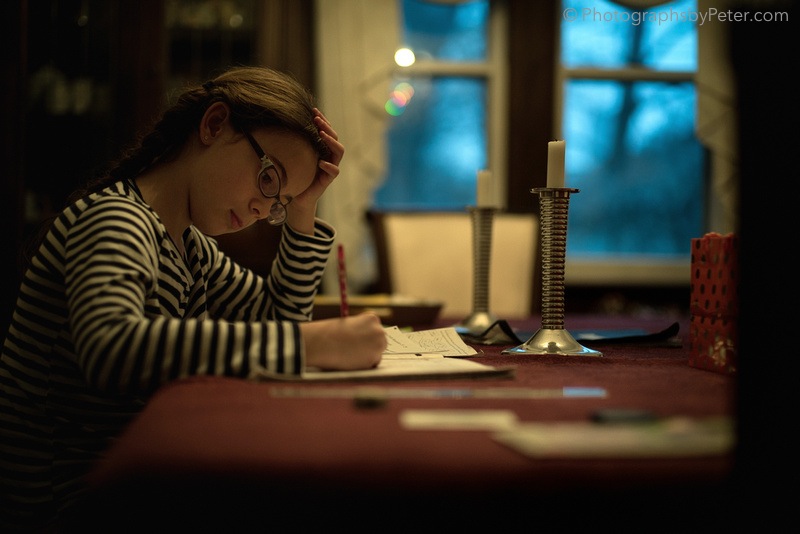
Every so often, I ask them to smile for the camera.
They have been kind to me so far, probably because I don’t bother them the rest of the time.
(oh yeah, and also because they’re great kids)
—Peter.

Why?
And,
Does it matter?
—Peter.
Photographically speaking, I live for these moments:
In actuality, he was reaching down to pick up a fallen football.
As I saw the scene unfold, I shifted myself slightly to the left, in an attempt to “fill” the photographic frame by expanding the spacing between the two subjects. This further enhanced the image by creating a more pleasing composition.
(In the past, I’ve discussed the importance of filling the photographic frame — see here, here, and here.)
The actual mirroring of his posture, though he was engaged in a completely different activity from our little chalk messenger, is the sort of happenstance occurrence that a photography geek like myself is thrilled to capture.
A second later, he stood. The moment had passed.
—Peter.
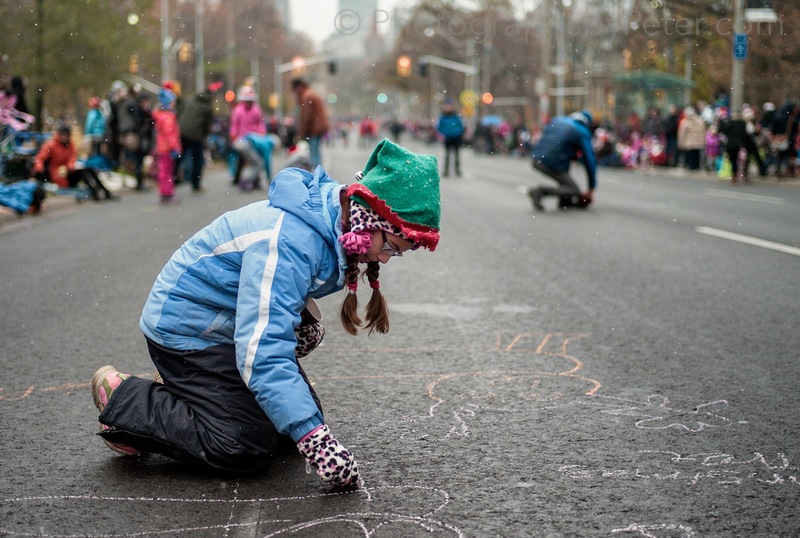


Making an authoritative point, at the Santa Claus Parade, Toronto.

I’d to like see an updated CCD sensor in future Leica M because I believe CCD is superior to CMOS with respect to image rendition at base ISO.
Do you agree?
Please consider signing my Open Letter to Leica.
—Peter.

___
Related posts:
More runners from the race before the Santa Claus Parade.
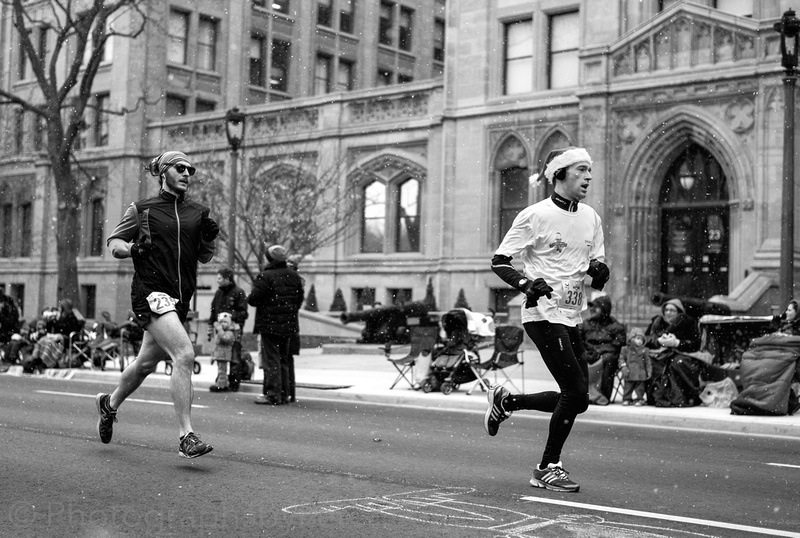
This race took place yesterday in Toronto, before the Santa Claus Parade.
He won by a large margin.
It was quite the day… many smiles and snowflakes.
—Peter.

Last year, she messed-up on blowing out the only candle on her cake, and then burst into an uncontrollable fit of laughter.
This year, there were 10 candles, so… no pressure 🙂
Here she is during one of her many attempts.
(The giggles…oh those giggles)
Her friends resumed eating.
It went on for a while.
—Peter.

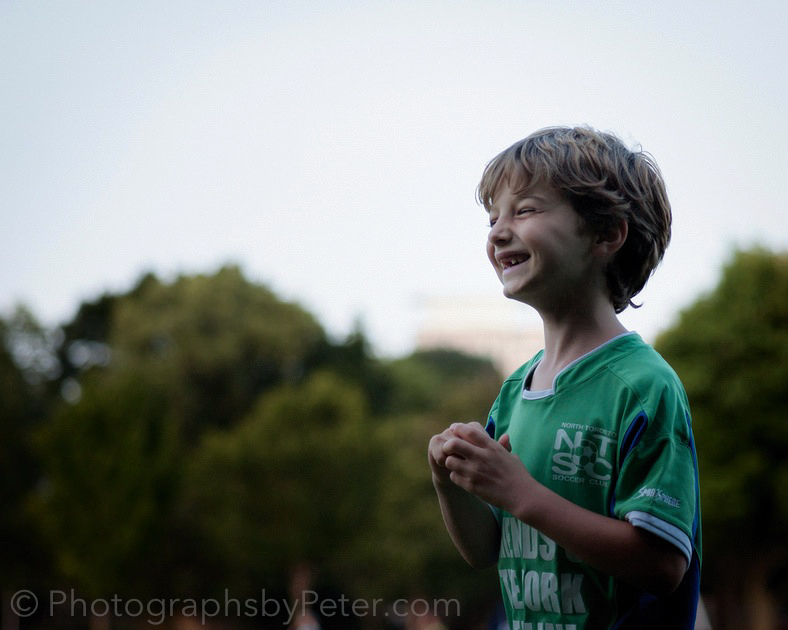
It started snowing here last week. It’ll be a long time before we get back to this…
—Hans Christian Andersen.


