The Beautiful Game.
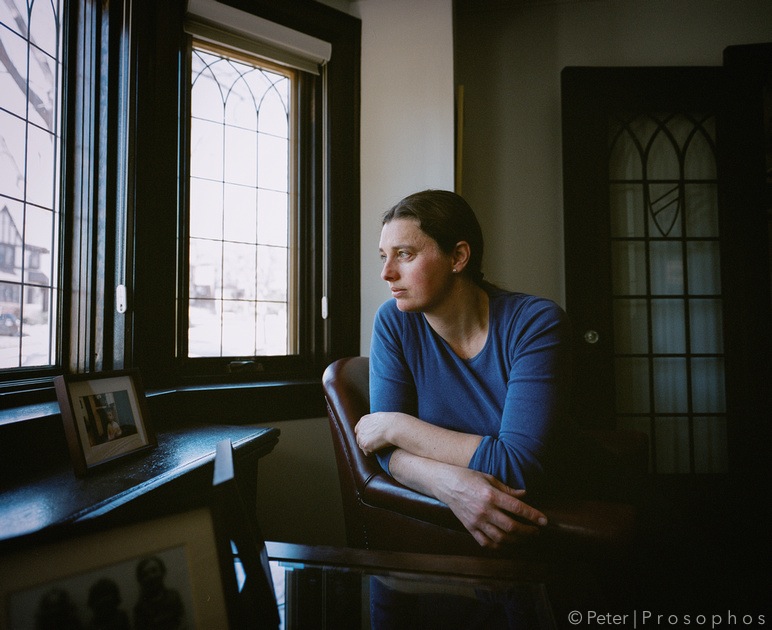
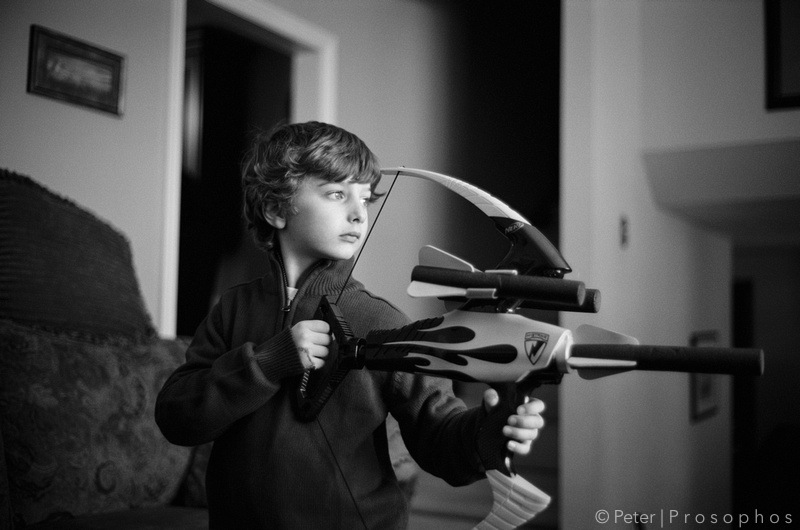
The beautiful game – contemplative.
2014, Favourite, Inspiration, Leica 75mm Summarit f/2.5, Leica M9(P)/M-E (CCD Lives!), Portrait, Sports, The Beautiful Game“Medium-format Quality” 35mm camera systems? Not really.
Inspiration, Q&A, Teaching pointNot too long ago, 36MP digital sensors were introduced into 35mm cameras. Not too long after that, many photographers (including some well respected ones) proclaimed that these pixel-rich 35mm cameras could produce “medium-format quality” images.
I don’t subscribe to this view, at least when it comes to portrait photography.
If you examine the images I’ve taken with the Mamiya RZ67 (6 x 7 medium format film), you will note that they look more “true to life” as compared to images from 35mm cameras (digital or film). The tonal transitions are subtler, the separation of subject matter from the background is more natural, and the overall rendering is somehow “more grand” than 35mm camera images (like these ones from the Nikon D800E + Zeiss Otus – a supposed “medium-format-quality” producing combination).
Even the Pentax 645D, a camera that possesses a digital sensor that is only a little bit larger than the one in the D800E, somehow produces “grander” images (but not as “grand” or true-to-life as the larger 6 x 7 film “sensor” in the Mamiya RZ67).
As I’ve written before, sensor size matters:
So, if you’re looking for a medium format look (at least with respect to portraiture), you will not get it from a Nikon D800E/D810, or Sony A7R, etc.
If you’re looking for medium format resolution, that’s another story…
—Peter.
The beautiful game – break.
Inspiration, Leica 50mm Summilux ASPH f/1.4, Leica M9(P)/M-E (CCD Lives!), Portrait, Sports, The Beautiful GameSeven.
2014, Favourite, Film, Inspiration, Kodak Portra 400, Life's Little Moments, Mamiya RZ 110mm F/2.8, Mamiya RZ67 Professional Pro II, PortraitSummer.
Inspiration, Leica 35mm Summarit f/2.5, Leica M8 (CCD Lives!), PortraitFujifilm FP-100C Professional Instant Color Film ISO 100.
Film, Fujifilm FP-100C, Inspiration, Lighting - Westcott Ice Light, Mamiya RZ 110mm F/2.8, Mamiya RZ67 Professional Pro II, Photo Shoot, Portrait, Q&A, Teaching pointThe Subtle Photographer.
Inspiration, Leica 35mm Summarit f/2.5, Leica M8 (CCD Lives!), Portrait, Street, Teaching pointThe last hurrah for Summer.
2014, Favourite, Inspiration, Leica 35mm Summarit f/2.5, Leica M8 (CCD Lives!), Life's Little Moments, Portrait, Sports, Teaching pointThe Log Ride at Centre Island, Toronto. Taken yesterday.
It pains me to see summer slipping away. But it pains me more to think that this may have been the last year the kids will want to go to this place. They’re getting bigger, and the rides are looking smaller.
Time marches on.
—Peter.
Listening to the inner child.
Inspiration, Leica 35mm Summarit f/2.5, Leica M8 (CCD Lives!), Life's Little Moments, Portrait, Sports, StreetPhoto6rapher.
2014, Favourite, Inspiration, Leica 35mm Summarit f/2.5, Leica M8 (CCD Lives!), Life's Little Moments, Port Elgin, Portrait, Street, Teaching pointHalf-Mask.
Film, Inspiration, Kodak Portra 400, Lighting - Westcott Ice Light, Mamiya RZ 110mm F/2.8, Mamiya RZ67 Professional Pro II, Portrait, Teaching pointMoment of Zen.
Inspiration, Leica 35mm Summarit f/2.5, Leica M8 (CCD Lives!), Life's Little Moments, PortraitSaturday.
2014, Favourite, Film, Inspiration, Kodak Portra 400, Life's Little Moments, Mamiya RZ 110mm F/2.8, Mamiya RZ67 Professional Pro II, PortraitGlow.
2014, Favourite, Film, Inspiration, Kodak Tri-X 400, Mamiya RZ 110mm F/2.8, Mamiya RZ67 Professional Pro II, Photo Shoot, Portrait, StreetLife of the Party.
Inspiration, Leica 35mm Summarit f/2.5, Leica M9(P)/M-E (CCD Lives!), Life's Little Moments, PortraitHow I Post-Process My Images.
Inspiration, Q&A, Teaching pointOne of the more frequent questions I receive is:
How do you post-process your images?
My short answer is:
I don’t follow a recipe.
What follows is a more detailed response. I’ve previously presented some of this information on this site, but this post will serve to amalgamate and edit the content.
—Peter.
–
—
The Software I Use
I use the latest version of Adobe Lightroom (LR). Within LR, I often use Nik plug-ins (Silver Efex Pro, Color Efex Pro, Viveza).
–
The Concept of Pre-Processing
Almost all photographers post-process (i.e., make image-enhancing adjustments, after a photograph is taken). What many novice photographers fail to recognize is the importance of pre-processing (my term). Pre-processing involves identifying and harnessing — before an image is taken — naturally-occurring enhancing elements in a scene, such as good light, perspective, etc., that cannot be altered after the fact:
In the case of this image, Boy, the soft light that was present after the sun set was harnessed to achieve a rich palette of colours and tones. This cannot be achieved in post-processing. The perspective I’ve chosen to photograph this image from is from down low; this too cannot be achieved in post-processing.
–
My Cameras and My Camera Settings
I tend to favour cameras with limited menu options, or no menu options (film cameras). I prefer to adjust camera settings using external dials/controls. I limit the variables with which I concern myself to only three: Aperture, Shutter Speed, and ISO. Hence, I always shoot in Manual mode. Modern camera “features” such as scene recognition, smile detection, etc., and even not-so-old features such as exposure compensation serve only to clutter my mind and sabotage my shots.
I don’t even use auto-focus (eliminating another variable), choosing instead to manually focus.
Generally speaking, I believe that camera features — even sophisticated ones — can never substitute for photographic vision.
–
Post-Process, not Over-Process
Many images on the web today appear “over-cooked” to my eye. Therefore, I always try to exercise restraint when post-processing. In fact, as time has gone by, I’ve toned down my manipulation of images.
My goal is to make my post-processing invisible.
On a related note, shooting film helps keep me grounded with respect to what I am trying to achieve with my digital images.
–
Finally, My Post-Processing “Process”
I photograph in RAW mode.
Each image is post-processed by eye. Occasionally I spend many hours honing a single image. Each photo is processed individually, depending on the subject matter, lighting, and mood.
The adjustments are small, and incrementally applied. My method now differs from what I was doing last year… this will also be true next year — in other words, my approach is constantly evolving.
It is a very personal process, dictated in good measure by artistic license; it is not open to “cookbook” interpretation.
–
—Peter.
–
Further Reading:
My Photography Workflow – 5 Items I Consider When Creating Images.