
–
You will be in for a real treat.
—Peter.

–
You will be in for a real treat.
—Peter.
My happiness is directly proportional to the gradations of blue around me.
I was very happy on this day.

↑Leica M9 and Leica 50mm Summilux ASPH @ f/1.4.
–
–
Hello Peter,
So many questions! I’ll be concise, but hopefully comprehensive, in my responses.
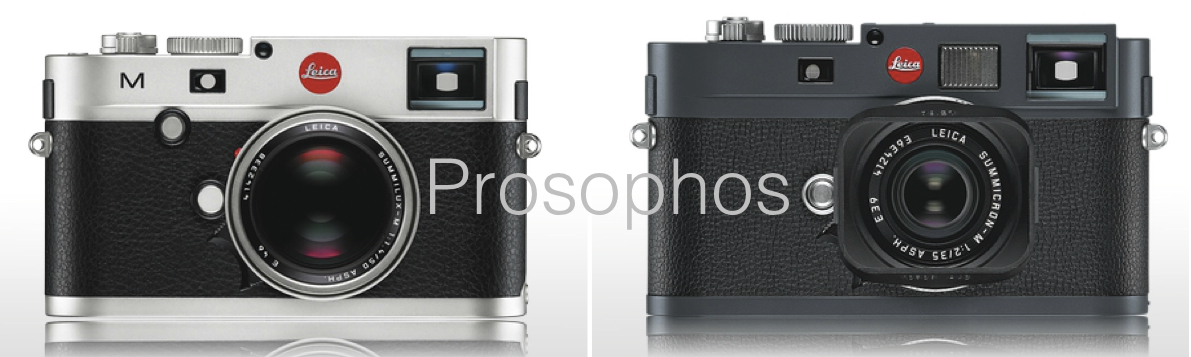
In a nutshell, given you already have a D700, I would recommend:
–
(*i.e. one lens. I wouldn’t bother with any other for now. And really, it will free you.)
–
I should also inform you that I am biased towards CCD sensor-based cameras, even though the new “M” will have many features, the “older” technology wins out for me at base ISO (at least until I’ve seen evidence to the contrary).
Your question about the 35 Summilux vs. 35 Summarit: Both are capable, but the 35 Summilux is the optically “superior” lens (sharpness, micro-contrast, etc), however it tends to “paint” with bold strokes which is desirable for some subject matter but may be too harsh for others. The 35 Summarit, on the other hand, is a little more classic/delicate in its rendering with a smoother bokeh. It’s a lovely little lens. You may view examples from both the 35 Summarit and 35 Summilux on my site:
https://prosophos.com/category/leica-35mm-summarit-f2-5/
https://prosophos.com/category/leica-35mm-summilux-asph-fle-f1-4/
Ultimately, which you prefer is really a matter of personal taste, but if you opt for an M9 (vs. the new M), you really should purchase a Summilux lens for low light work. Also, the Summilux (50 or 35) lenses are something special and need to be experienced at least once in a lifetime.
As for your question regarding whether the low ISO constraints of the M9 limit creativity, I’ll let my images speak for themselves. I don’t mean this in an arrogant way, but as a practical answer.
Finally, I shoot in DNG (RAW) format and am able to make minor colour adjustments easily during post-processing, so I do not have any issues with “skin tones”.
I hope this helps, and I thank you for your very kind comments regarding my work. Despite my answer above, I really do think the new M will be a terrific camera, so I believe you can’t go wrong either way.
Respectfully,
—Peter.
It’s what he was doing.
It’s what I was doing when I found him.
This was taken during the dying moments of a beautiful day.

↑Leica M9 and Leica 50mm Summilux ASPH @ f/1.4.

↑Leica M9 and Leica 50mm Summilux ASPH @ f/1.4.

I’ve just added a Featured and Guest Photographers page to the site to highlight the work of other active photographers whom I’ve admired. I hope to build this over time but, for now, you may want to check out or revisit some of the posts from the past year.
—Peter.
🙂

↑Leica M9 and Leica 50mm Summilux ASPH @ f/1.4.
Toronto (Pearson) International Airport, two weeks ago.
Yes that’s snow out there.
Our flight was delayed.
(please click on the image to view at MAXIMUM size and sharpness)
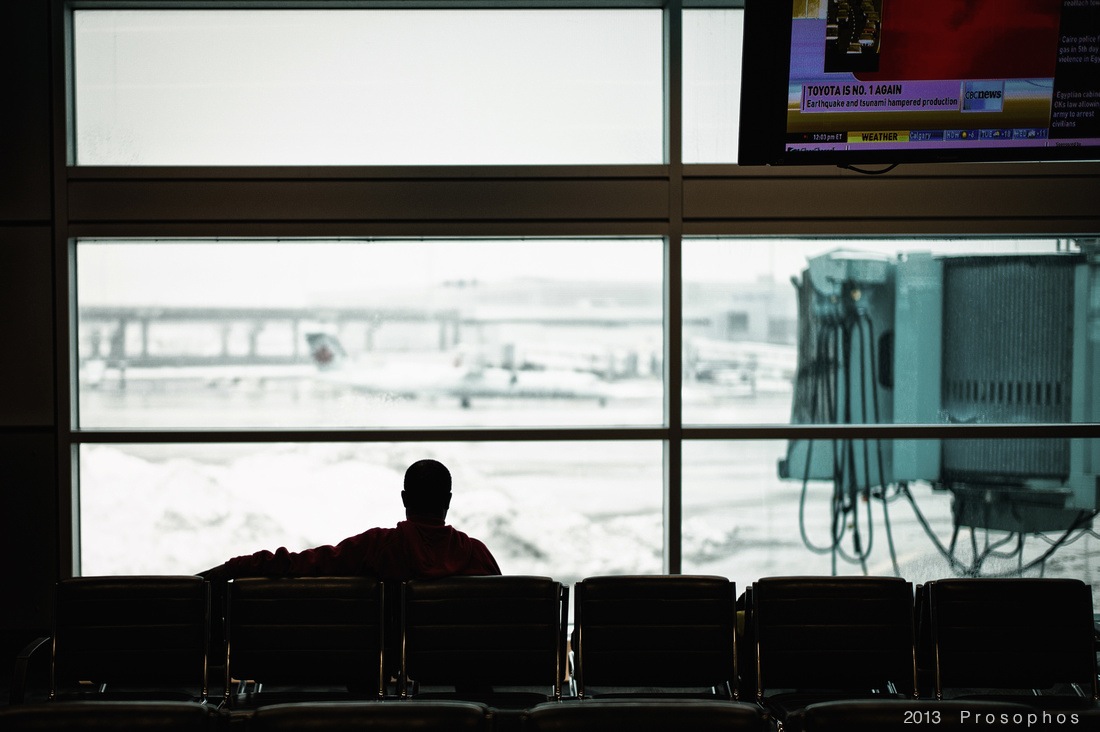
↑Leica M9 and Leica 50mm Summilux ASPH @ f/1.4.
Images to follow.
—Peter.
This place will be quiet for a while.
See you in a few weeks.
—Peter.

↑Leica M9 and Leica 35mm Summilux ASPH FLE @ f/1.4.
Face painting.
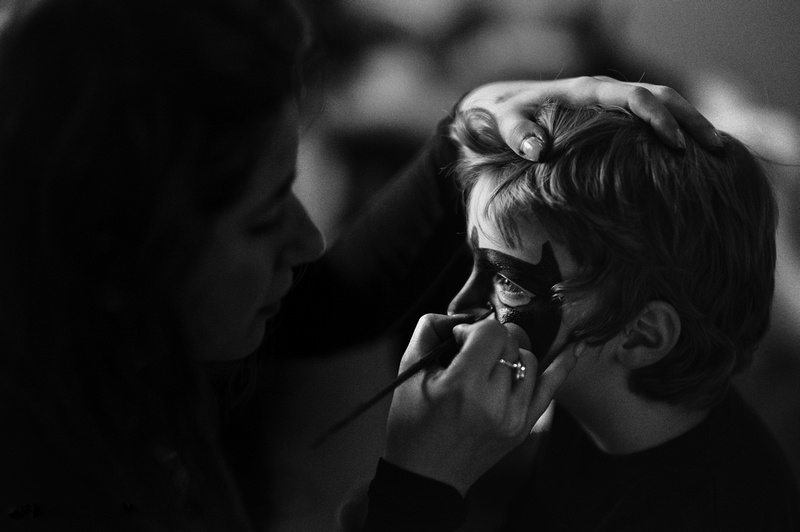
↑Leica M9 and Leica Noctilux @ f/0.95.
A suspended moment.

↑Leica M2 or M3, Kodak Tri-X 400, and Leica 35mm Summilux FLE @ f/2.
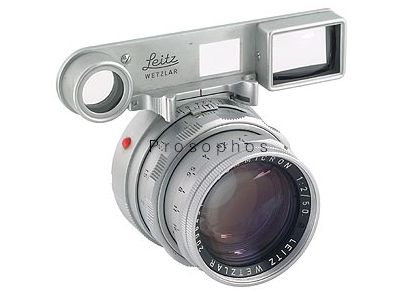
Do you have a vintage Leica lens or camera and are interested in finding out its age?
This French site allows you to enter the serial number of your item and it will provide you with the date it was manufactured.
I’ve found it useful over the years.
—Peter.
—The Beatles, Let it be.
–
The first Let It Be can be seen here.
–

↑Nikon D3 and Nikon 35mm f/2 AF-D @ f/2.

↑Leica MP, Voigtländer Nokton 40mm, and Fuji Superia X-tra 200.
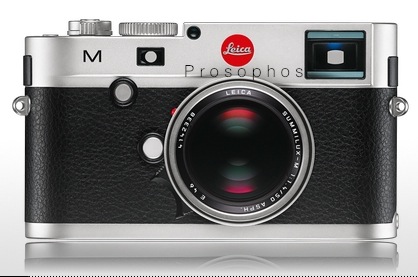
So by now everybody knows Leica released more official photos taken with the upcoming M (240). I write “more” because they had previously released sample images on their website.
Looking at the new sample images, it seems that what I wrote months ago still applies:
I see people are being careful — as I have been up until now — to not draw any premature conclusions about the new M‘s image quality. Essentially, many are pointing out that the newly-released images, as images, are not very inspiring and this, in turn, may be adversely biasing perceptions of image quality.
Yet when I look at M9 (or M8) images, even at web sizes, they have a crispness and vitality to them that the new sample images from the M (240) seem to lack.
This is undeniable.
—Peter.
To all the naysayers:
I’m sticking with Leica rangefinders for 100% of my photography.
In the meantime, I’ll be eating this.
🙂
—Peter.

 Prosophos