This post is meant to serve as a little bit of an interlude from the Sunrise at Oxtongue Lake series…
DISCLAIMER: This is not intended to be an analysis of these two lenses. Not even close! I shot these for my own curiosity and am simply posting the results for your viewing pleasure and/or interest. You may choose to draw you own conclusions, and that’s fine (in fact, I’m interested in reading your comments). But please, please, don’t write that “this is not a valid comparison, because…“. I know it’s not a valid comparison.
Below, the Konica Hexanon 60/1.2 and Leica Noctilux 50/1.0 (E60) were shot wide open on the M9 (the reason one buys these exotic lenses is to shoot them wide open, so that’s the comparison that interested me).
The M9 was set to manual mode. Focus bracketing was used and the sharpest images from each lens were taken for the comparison (NOTE: despite doing this to ensure that the images were in focus, sharpness was not the only thing I was interested in).
Finally, the original DNG files were converted to JPG in Aperture. No post-processing whatsoever was used, other than the conversion.
So, here is the overall scene… focus was on the word “TATiRi” on the guitar head (the differences in the field of view are attributable to the 50mm and 60mm focal lengths).
(please click on the images below to view)

↑Konica Hexanon 60/1.2 @ f/1.2.

↑Leica Noctilux 50/1.0 @ f/1.0.
That famous peripheral “swirly” pattern of the Noctilux f/1.0 is certainly evident above (as an aside, the Nikkor Noct 58/1.2 is also famous for this).
And now I’m including several 100% crops from the above scenes. The first pair of crops are meant to demonstrate central sharpness.
(please click on the images to view)
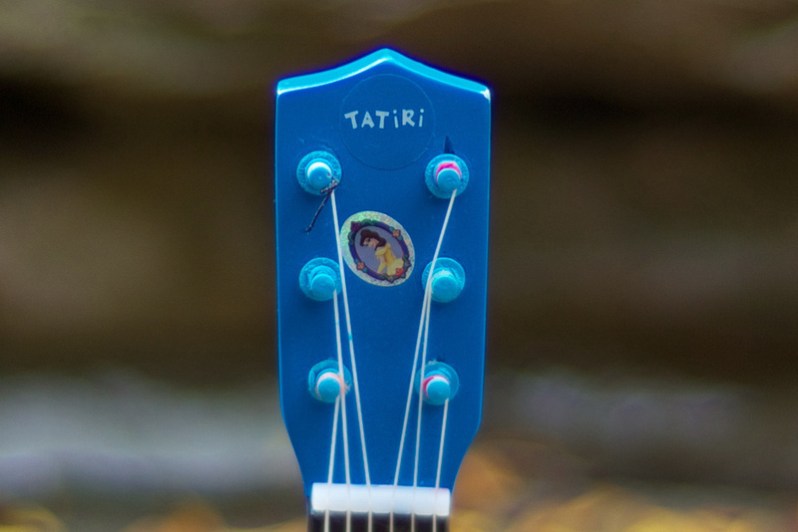
↑Konica Hexanon 60/1.2 @ f/1.2 (centre 100% crop)

↑Leica Noctilux 50/1.0 @ f/1.0 (centre 100% crop)
The next several pairs of crops are meant to demonstrate the character of the bokeh, as seen in two different regions from the main scene.

↑Konica Hexanon 60/1.2 @ f/1.2 (bottom left 100% crop)
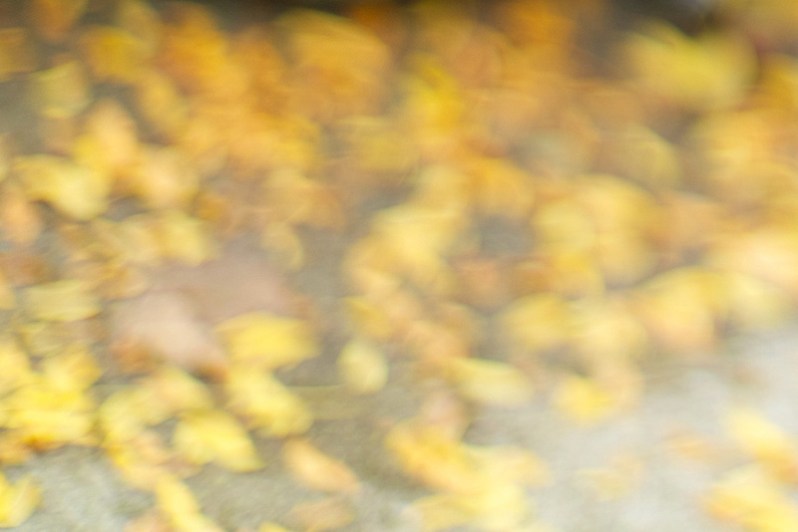
↑Leica Noctilux 50/1.0 @ f/1.0 (bottom left 100% crop)
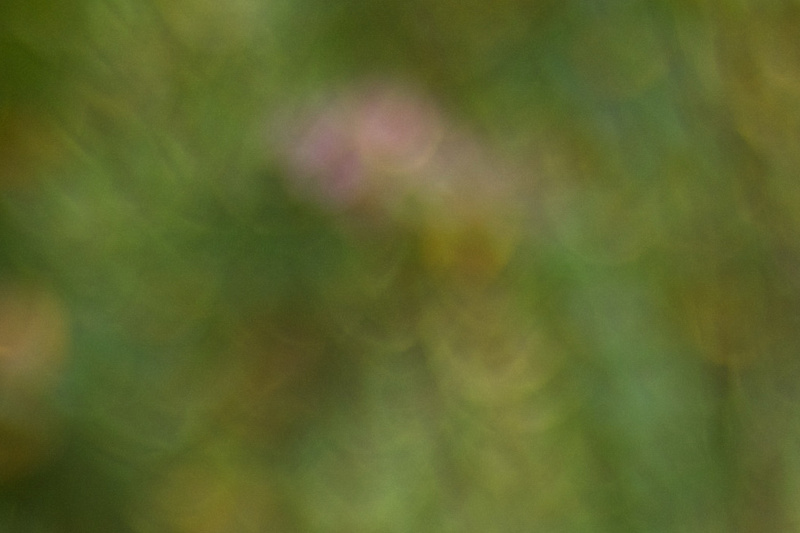
↑Konica Hexanon 60/1.2 @ f/1.2 (top centre 100% crop)
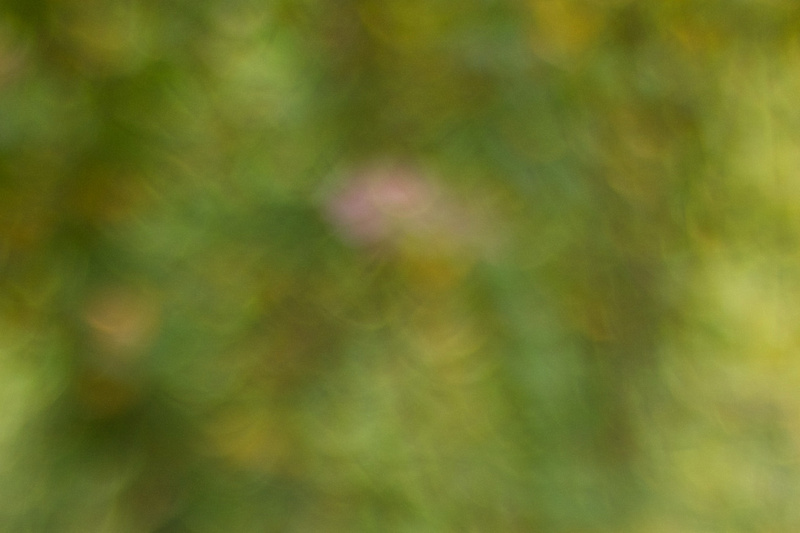
↑Leica Noctilux 50/1.0 @ f/1.0 (top centre 100% crop)
As I wrote above, I’d be interested in reading any commentary generated from this.







 Prosophos