
↑Leica M9 and Leica 50mm Summilux ASPH @ f/1.4.

↑Leica M9 and Leica 50mm Summilux ASPH @ f/1.4.

↑Leica M9 and Leica 24mm Summilux @ f/1.4.
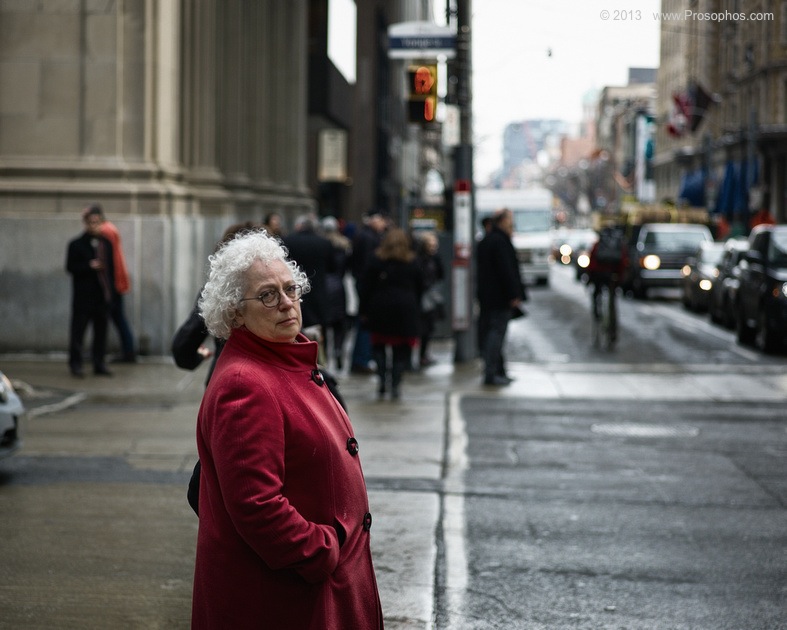
↑Leica M9 and Leica 75mm Summarit @ f/2.5.
Power was restored to our home last night. Good thing, as the temperature inside the house had dropped to 4C.
Just under 200,000 homes (approximately 500,000 people) remain without power this morning and colder temperatures are on the way.
—Peter.
An ice storm hit Toronto this weekend. We, like over 250,000 others in this city, are without electricity and without heat.
—Peter.
–
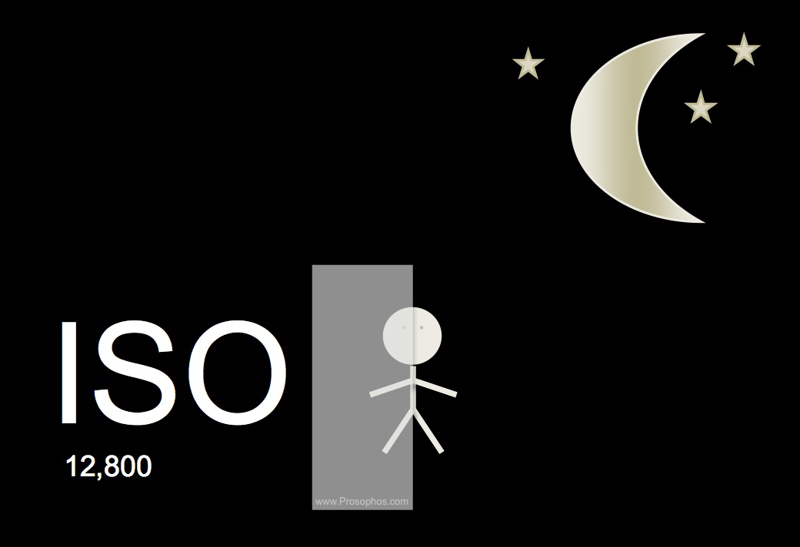
A number of years ago, Nikon introduced the flagship D3 and changed the face of photography by allowing us to capture images in near darkness. I remember taking an image indoors late one evening in 2007 and marveling at how clean the image looked at ISO 6400.
Yet, these days when I photograph, I preferentially seek good light, and my ISO requirements with an f/1.4 aperture lens rarely exceed 1600. Anything more than this, and I’m basically turning nighttime into daytime — which is often undesirable, as it destroys the ambiance of nighttime scenes.
I’ve learned the obvious: good light is good, and no amount of ISO boosting overcomes the disadvantages of poor light or poor lighting.
–
–
That same ISO 6400 image from six years ago, when viewed now with a more critical eye, falls a little short on an aesthetic level, not because the lighting was dim, but because the lighting was poor.
Poor light is not necessarily the same as weak light. For example, the scant light available after a sunset is “good light”, if one harnesses it properly (with the aid of a tripod and slow shutter speed). The same thing may be said of incandescent lighting, if it is arranged on your subject in a pleasing way.
Good light is not necessarily the same as bright or plentiful light. For example, midday sunlight is often too stark to be desirable for portraiture, but may be perfect if the goal is to capture the interplay of light and shadow.
Admittedly, high ISO capabilities are desirable for specific applications — for example, astrophotography, where the goal is to “see” the faint light emitted by distant stars but the exposure time is kept to a minimum to “freeze” the stars’ movement (so that stars remain “points” of light in the final photograph). Or, if the goal is to capture action in dim light, or to record a memory for posterity and lighting considerations are secondary or beyond one’s control, then yes, a high-ISO-capable camera is vital.
If the goal, however, is to create an aesthetically pleasing photograph — even at night — then seek good light.
—Peter.
Taken yesterday.

↑Leica M9 and Leica 75mm Summarit @ f/2.5.
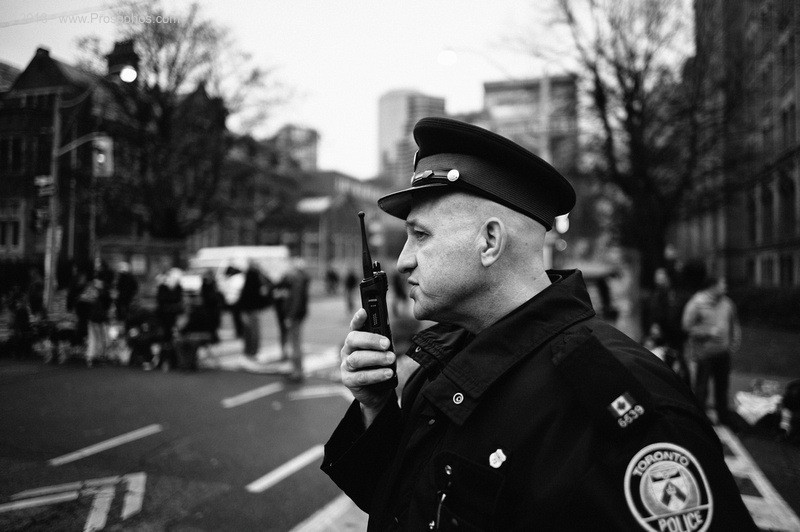
↑Leica M9 and Leica 24mm Summilux ASPH @ f/1.4.
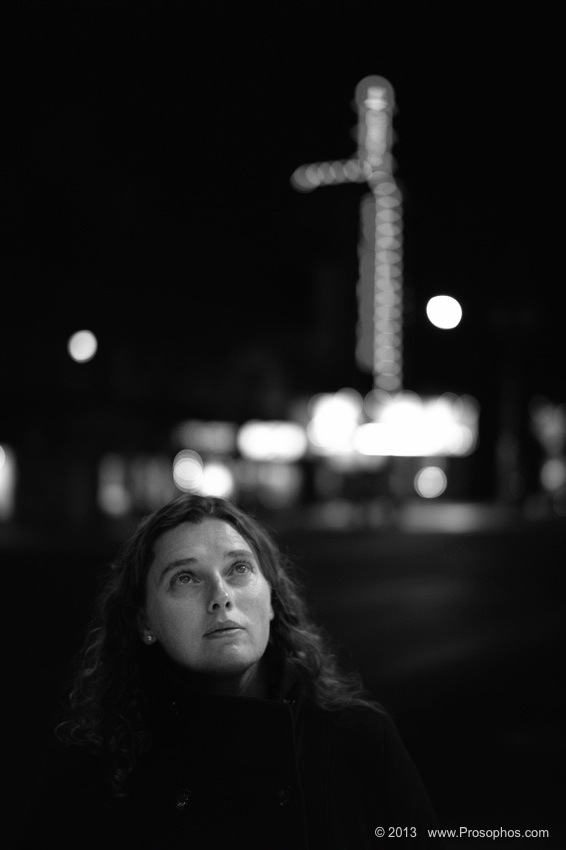
↑Leica M9 and Leica 50mm Summilux ASPH @ f/1.4.

↑Nikon D3 and Nikon 50mm f/1.4 AF-D @ f/13.
Editor’s Note:
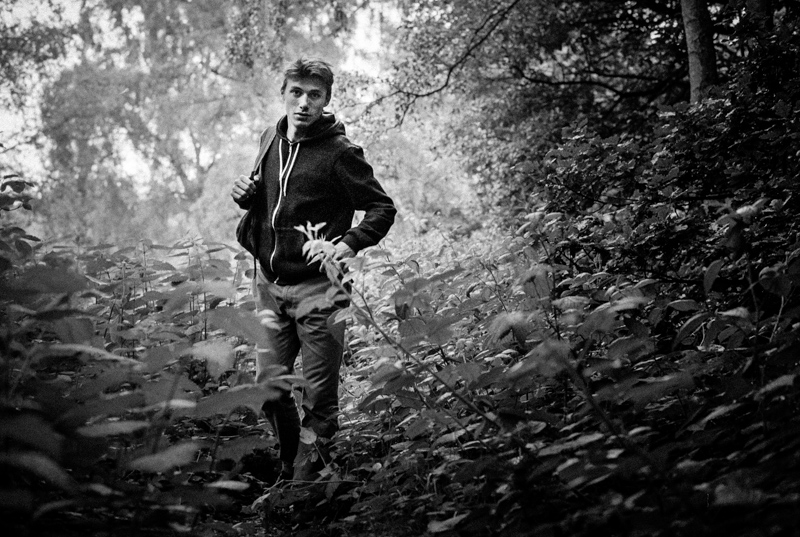
I am pleased to present the B&W film work of Matteo (the same gentleman who inspired this Q&A post yesterday). Lately Matteo has been exploring film and rangefinder photography, and these images were created over the past several months.
–

–

–

–

–

–

–

–
–
Thank you very much, Matteo, for your beautiful submissions.
—Peter.
Matteo writes:
—
Thank you very much Matteo for writing.
Well, it turns out I may have an opinion about the Leica M240… 🙂
As many of the readers of Prosophos.com know, I’ve written much about it:
…And I have even written an open letter to Leica asking for an updated CCD sensor on a future Leica M model. So far, over 130 individuals have signed it.
However, to answer your question in a concise manner, I’ll note three things I don’t appreciate about the Leica M240 sensor:
–
As for the Nikon Df and Sony A7/A7R, they are not rangefinder cameras, and so obviously cannot provide the rangefinder experience, which is important to me. Also, being CMOS sensor cameras, they cannot equal the M9 in Points #2 and #3 above.
That’s basically it. I hope that answers your question Matteo.
Sincerely,
—Peter.
[Incidentally, Matteo has submitted several images to me that will be featured in a not-too-distant Guest Post.]
Together.

↑Leica M9 and Leica 50mm Summilux ASPH @ f/1.4.
—
If you haven’t already done so, please consider signing my open letter to Leica.

___
Related posts:

↑Leica M9 and Leica 24mm Summilux ASPH @ f/1.4.

↑Leica M9 and Leica 50mm Summilux ASPH @ f/1.4.
–
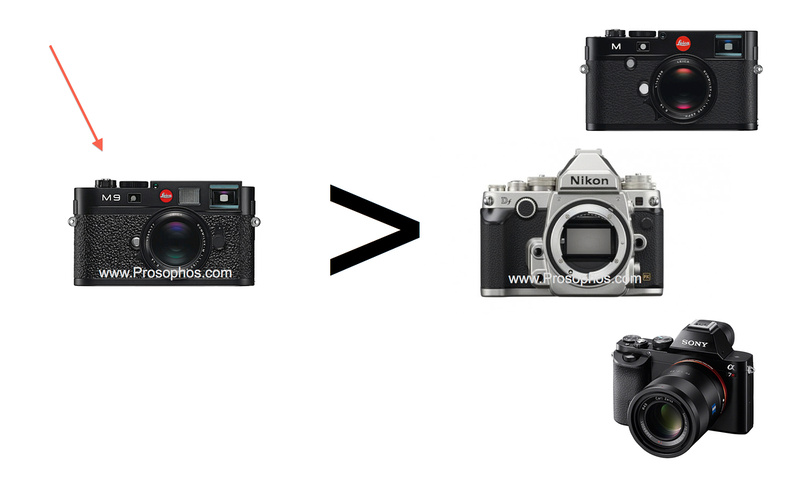
It’s nearing the end of 2013, and the Leica M9/M-E/Monochrom with the venerable CCD sensor continues to provide the best image quality at base ISO in the 35mm (36 x 24) sensor class.
The Leica M (Type 240) cannot touch it, the Nikon Df comes close, and so does the Sony A7/A7R… but none of these CMOS sensor cameras can equal it.
Don’t believe me? Please research it for yourself.
And let’s not even mention the whole rangefinder experience, which these other cameras (with the exception of the Leica M240) lack.
So…
If you haven’t already done so, please consider signing my open letter to Leica.
___
Related posts:

↑Leica M9 and Leica 50mm Summilux ASPH @ f/1.4.
Happy 9th Birthday, H.

↑Leica M9 and Leica 50mm Summilux @ f/1.4.

