Together.

↑Leica M9 and Leica 50mm Summilux ASPH @ f/1.4.
—
If you haven’t already done so, please consider signing my open letter to Leica.

___
Related posts:

Together.
↑Leica M9 and Leica 50mm Summilux ASPH @ f/1.4.
—
If you haven’t already done so, please consider signing my open letter to Leica.
___
Related posts:
This is an image I included in my One camera, One lens, One holiday article on Steve Huff’s site (back in April of this year), but never posted here.
Interestingly, as of last night, I’ve got no lens and no camera!
—Peter.
–
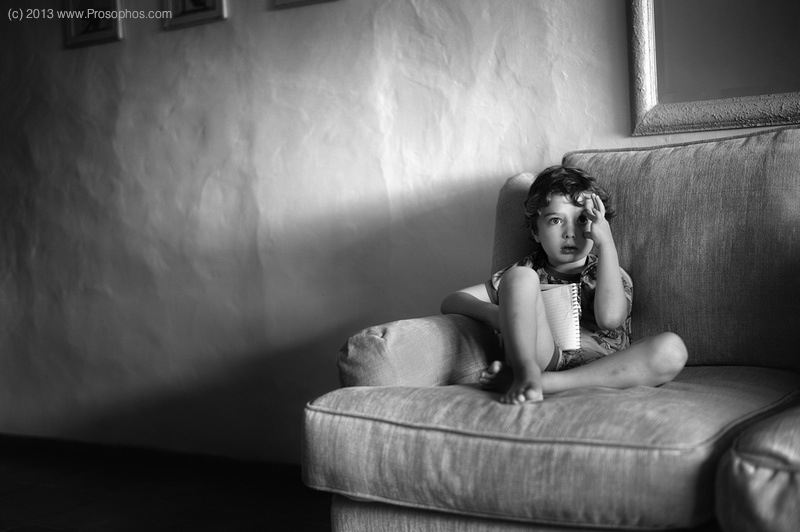
↑Leica M9 and Leica 50mm Summilux ASPH @ f/1.4.
As of today, it’s off my back.
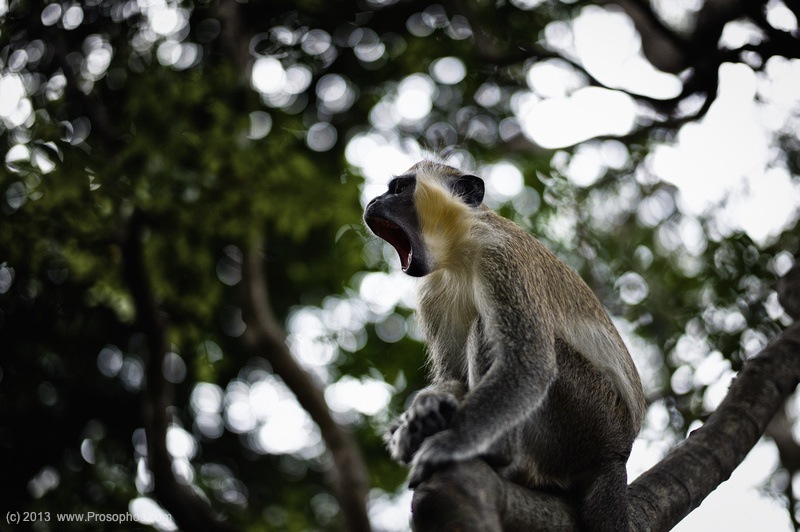
↑Leica M9 and Leica 50mm Summilux ASPH @ f/1.4.

↑Leica M9 and Leica 50mm Summilux ASPH @ f/1.4.
This was one of the images I included in my recent One camera, one lens, one holiday article on Steve Huff’s site, but never posted here.
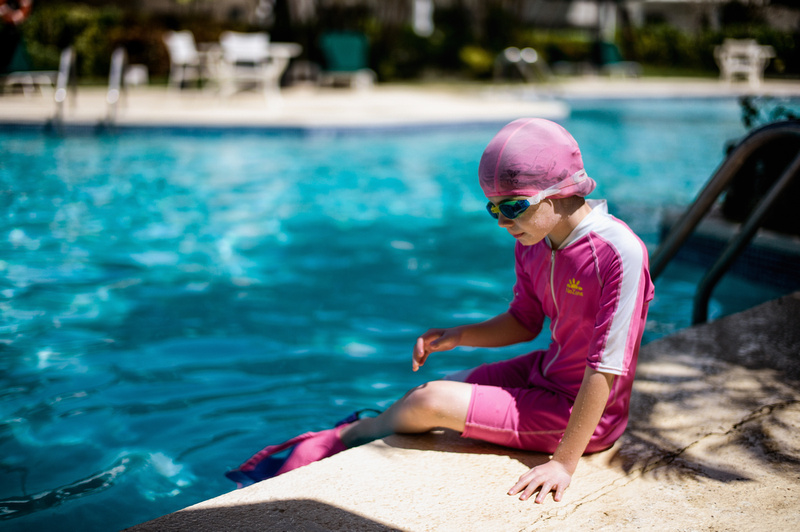
↑Leica M9 and Leica 50mm Summilux ASPH @ f/1.4.
Composition, composition, composition.

↑Leica M9 and Leica 50mm Summilux ASPH @ f/1.4.
― F. Scott Fitzgerald, This Side of Paradise.

↑Leica M9 and Leica 50mm Summilux ASPH @ f/1.4.
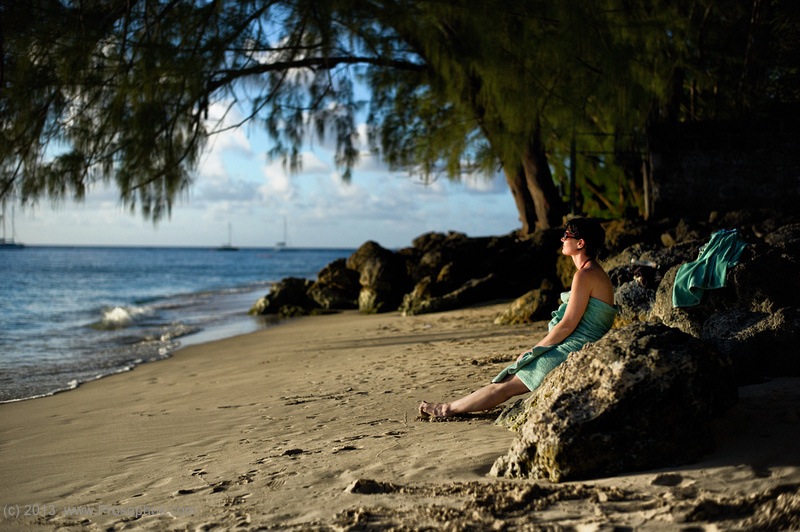
↑Leica M9 and Leica 50mm Summilux ASPH @ f/1.4.
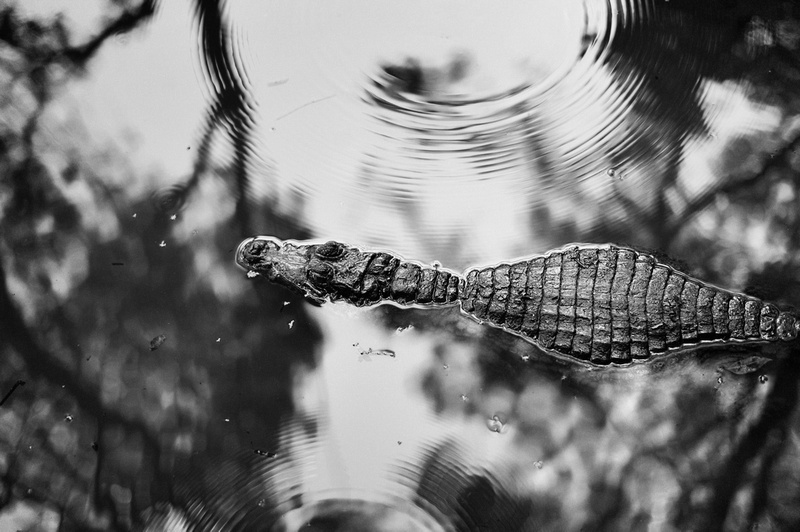
↑Leica M9 and Leica 50mm Summilux ASPH @ f/1.4.
A sunset scene.

↑Leica M9 and Leica 50mm Summilux ASPH @ f/1.4.
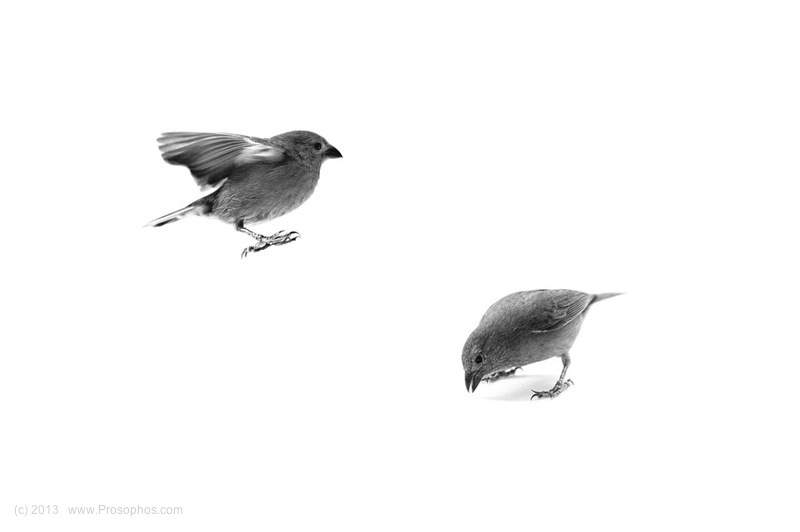
↑Leica M9 and Leica 50mm Summilux ASPH @ f/1.4.
The third and final image in the Searching series.
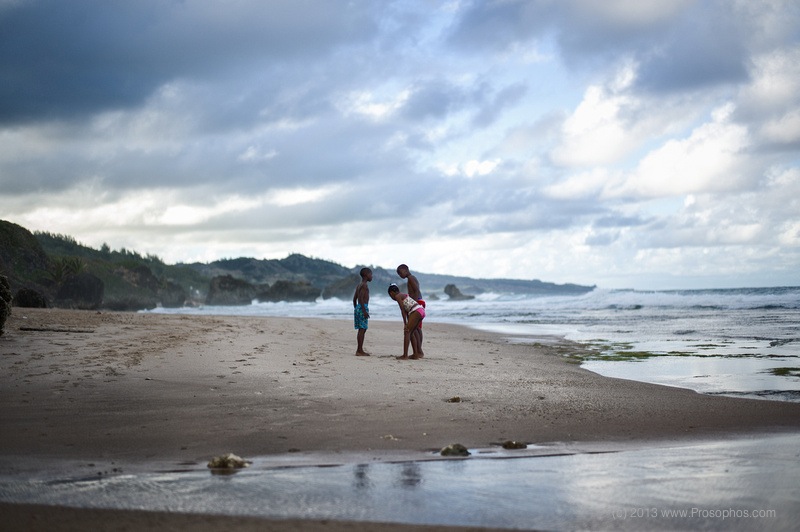
↑Leica M9 and Leica 50mm Summilux ASPH @ f/1.4.

↑Leica M9 and Leica 50mm Summilux ASPH @ f/1.4.
Early morning in paradise.
Such a soothing scene, at least for me.
Where I am now: totally different, but at least it’s sunny today.
—Peter (in Toronto).
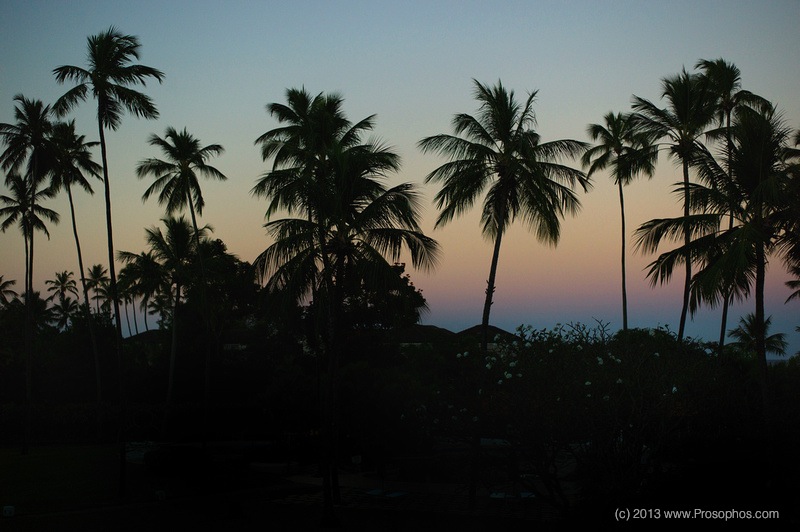
↑Leica M9 and Leica 50mm Summilux ASPH @ f/1.4.
She’s happy, she’s free.
May we all be.

↑Leica M9 and Leica 50mm Summilux ASPH @ f/1.4.
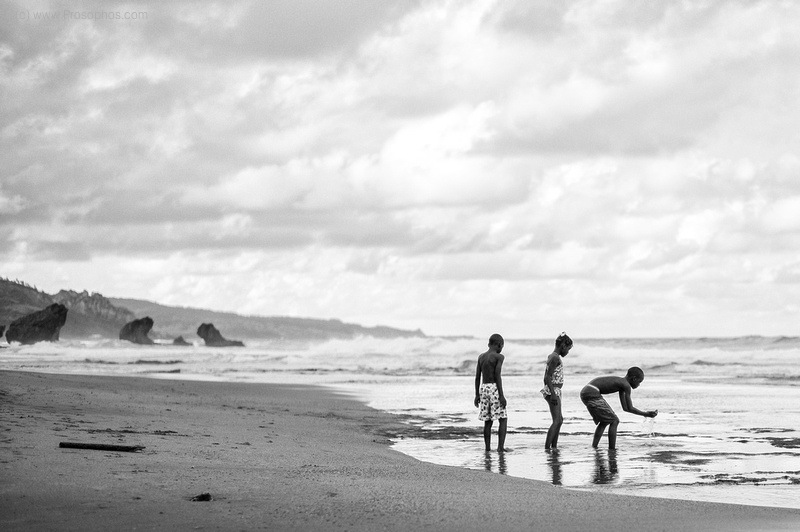
↑Leica M9 and Leica 50mm Summilux ASPH @ f/1.4.
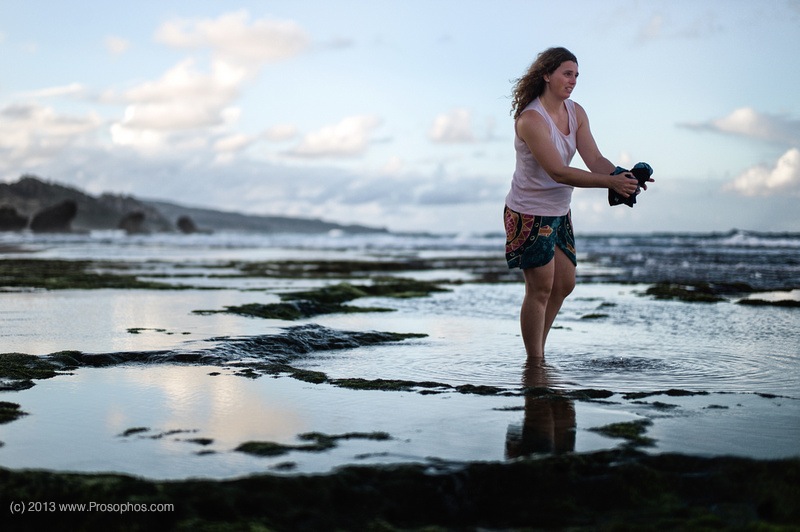
↑Leica M9 and Leica 50mm Summilux @ f/1.4.
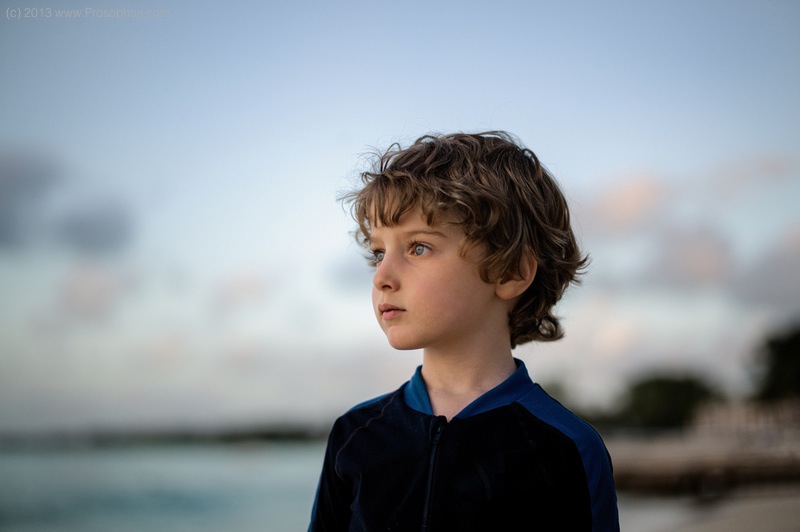
↑Leica M9 and Leica 50mm Summilux ASPH @ f/1.4.
_______
I’m often asked how I post-process colour in my images.
Well, more often than not, I don’t. I pre-process (my term). Let me explain…
Almost all photographers post-process (i.e., make image-enhancing adjustments, after a photograph is taken). What many novice photographers fail to recognize is the importance of pre-processing. Pre-processing involves identifying and harnessing natural enhancing elements in a scene, such as lighting, perspective, etc., before an image is taken.
In the case of this image, Boy, the soft light that was present after the sun set was harnessed to achieve a rich palette of colours and tones. This cannot be achieved in post-processing.
—Peter.
 Prosophos