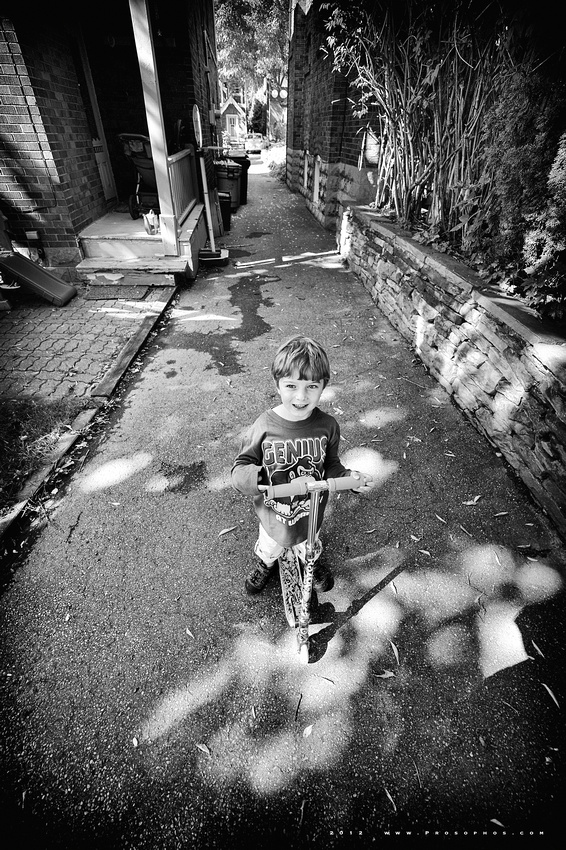
↑Leica M9 and Leica Noctilux @ f/0.95.

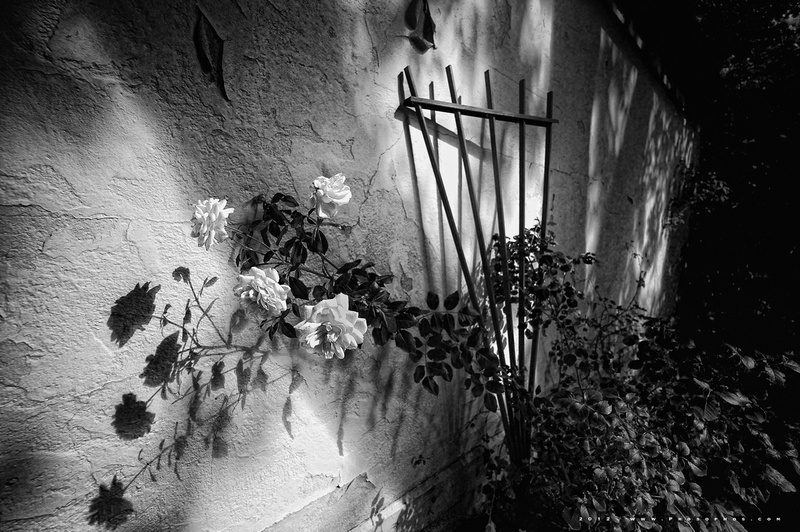
↑Leica M9 and Leica Noctilux @ f/0.95.
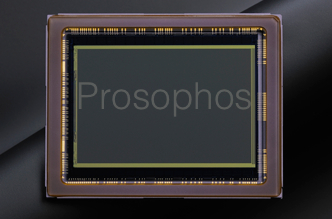
↑CMOS Sensor used in the D600 (image courtesy of Nikon).
–
__________________________
On September 15th, I posted some thoughts on the M9 and its CCD sensor, essentially reasserting my long-held preference for CCD (vs. CMOS) rendering, at base ISO. Two days later, Leica introduced the M and M-E.
The new “M” — to refresh your memory — carries a CMOS sensor.
Now, in my Leica M and M-E post, I reiterated my concerns about CMOS (vs. CCD) rendering, though I decided to “wait to see” before concluding anything.
Last night, I happened to be perusing a popular photo-blogger’s site, in which he praises Nikon’s new D600 (yes, a CMOS-based camera) and reports “unbeaten” image quality. Accompanying his post is a sample image taken at high ISO, which is simply — how can I put this delicately — atrocious. More precisely, when you click into the higher resolution file, you are greeted by a muddy and flat arrangement of pixels devoid of detail or microcontrast.
Thinking that the poor image quality is likely secondary to shooting at high ISO (even CMOS sensor-based cameras can’t produce miracles), or the harsh lighting from the on-board flash that was used, or the previous generation zoom lens that was used, or a combination of all of these factors, I shrug it off.
Then I click into his review of the D600 and view the images taken at base ISO, with Nikon’s newest generation zoom lenses and primes (admittedly, Nikon’s newest lenses are not quite as highly regarded as Leica’s, but they’re pretty darn close). Although the additional images look appreciably better, they still fall short of what I’m currently getting out of my three year old M9.
So, the point of all this?
I fear that if Nikon — with all its experience and might — cannot coax better image quality out of their newest generation CMOS cameras, the new “M” may end up representing a step backwards for Leica (with respect to image quality at base ISO).
I really do hope I’m wrong, but once again, I’ll wait and see…
—Peter.

↑Leica M9 and Leica Noctilux @ f/0.95.
—Radiohead, Pyramid Song.
–
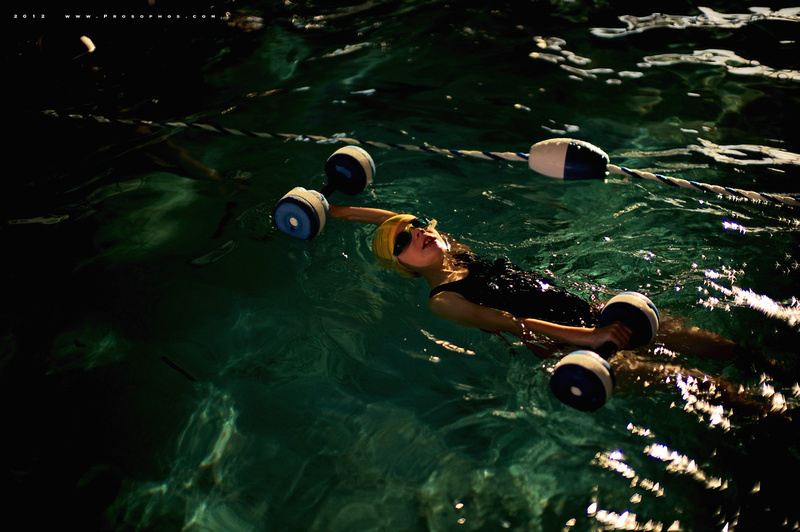
↑Leica M9 and Leica Noctilux @ f/0.95.
I wanted to thank you for your kindness and support, following yesterday’s post.
—Peter.
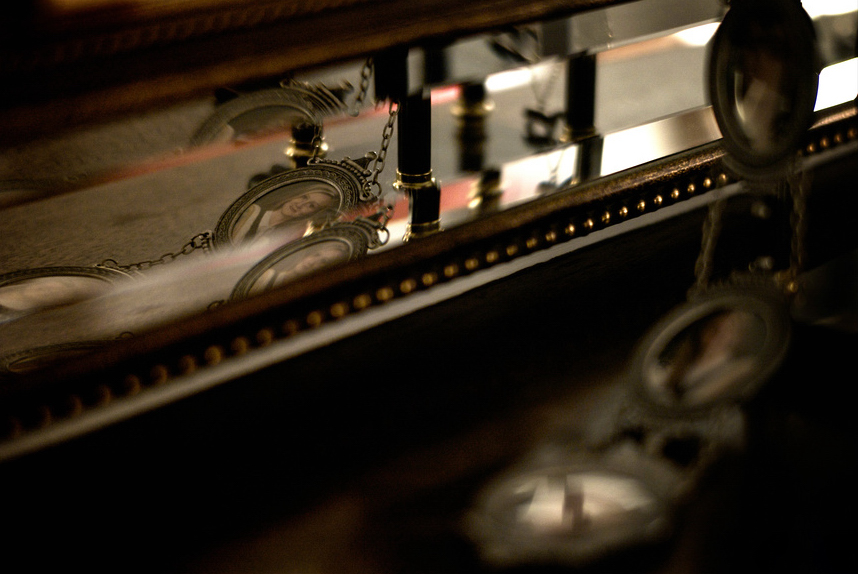
We said goodbye to your mother on October 2nd, 2007. You kissed her, after she left…
_______________
…She asked me at the passport office. Right before all three of us went to New York City together. Our first trip following the diagnosis.
…She asked me during a quiet moment at home.
…She asked, while I was cutting it off, right before she was about to start her chemo.
_
These were the poignant moments. And after each question, I would answer, “Yes.”
–
On another occasion, about 18 months later when it was clear the end was coming sooner than any of us thought, she looked at the envelope that had arrived that day, addressed to her. She read her name aloud and said,
I had no response for her that time, other than to look her in the eye for a moment, and then look away.
—Peter.
Two weeks ago, I posted an image called The Little Red Radio Flyer.
One of the viewers of this site, Greg, who understood the love and loss this image was attempting to communicate, generously wrote a little poem for it.
I was sincerely touched by his kind gesture, and so today I’m publishing the poem.
Thank you Greg,
—Peter.
_______________
–
And end of the season.

↑Leica M9 and Voigtländer 15mm f/4.5 @ f/5.6.

↑Leica M9 and Voigtländer 15mm f/4.5 @ f/5.6.
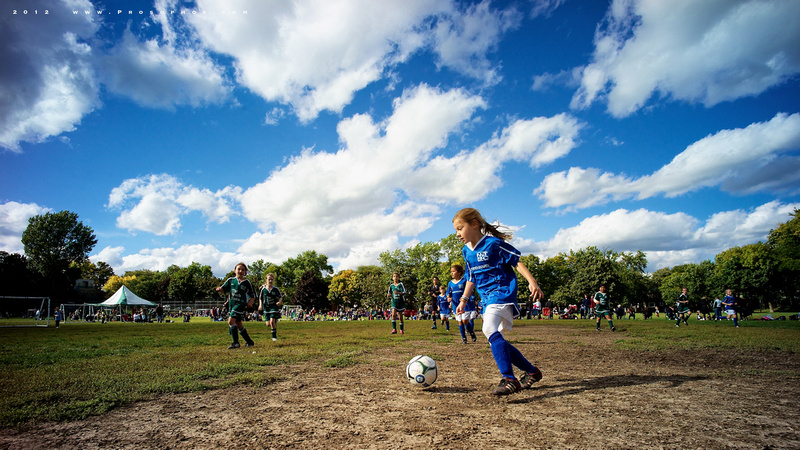
↑Leica M9 and Voigtländer 15mm f/4.5 @ f/5.6.
.. in overtime!

↑Leica M9 and Voigtländer 15mm f/4.5 @ f/5.6.
Continuing my exploration of the Voigtländer 15mm lens.
More images to follow.

↑Leica M9 and Voigtländer 15mm f/4.5 @ f/4.5.
Alternate title: Halftime.
A surreal moment.
It’s as if we are looking at two separate images… stitched together.

↑Leica M9 and Voigtländer 15mm f/4.5 @ f/5.6.
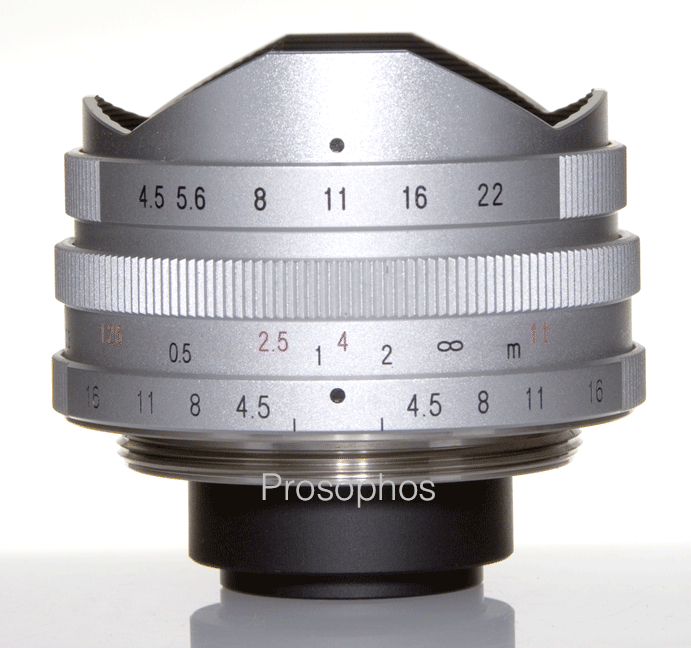
As promised, over the next few days I’ll be posting more images taken with the little Voigtländer15mm f/4.5 Super-Wide Heliar.
I’ve had more fun using this little lens than I would have ever guessed.
Stay tuned, starting tomorrow.
—Peter.
A two-part sequence of facial expressions.
Yesterday.
[Edit: 2nd image updated.]

↑Leica M9 and Leica 50mm Summilux ASPH @ f/1.4.

↑Leica M9 and Leica 50mm Summilux ASPH @ f/1.4.

↑Leica M9 and Voigtländer 15mm f/4.5 @ f/5.6.

This lens is terrific!
I took possession of it this past week and have been shooting with it the last few days on my M9. I’ve already posted some images here, here, and here.
I can’t believe what I’m getting.
On the downside, it’s true that you’ll get the infamous “red edges” (peripheral colour shifts) in many images with this lens. The red edge phenomenon is a known issue with wide angle lenses when mounted on the M9… literally, the edges of the photo are coloured red:
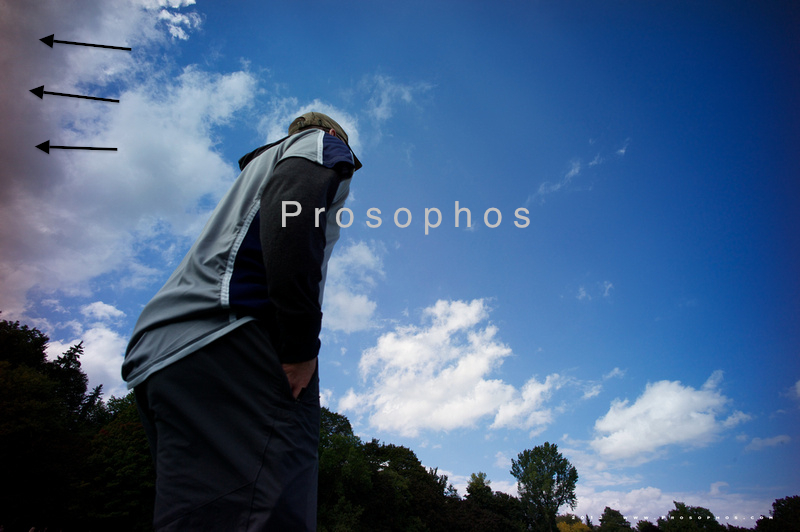
This happens because light passing through wide angle lenses strikes the edges of the camera sensor with a steeper angle of incidence, causing colour shifts.
Compounding the problem is that I haven’t even tried assigning a Leica lens profile to the my Voigtländer 15mm, which would result in some (software) correction of the colour, as well as the vignetting that is also present. Why haven’t I assigned a profile? I don’t mind the vignetting (I often add it when post-processing anyway), and I’d rather work around the colour shifting. Now, if I was primarily a landscape photographer, this issue would be most bothersome. Something to consider if you’re contemplating getting this lens.
Stay tuned this week for more images.
—Peter.
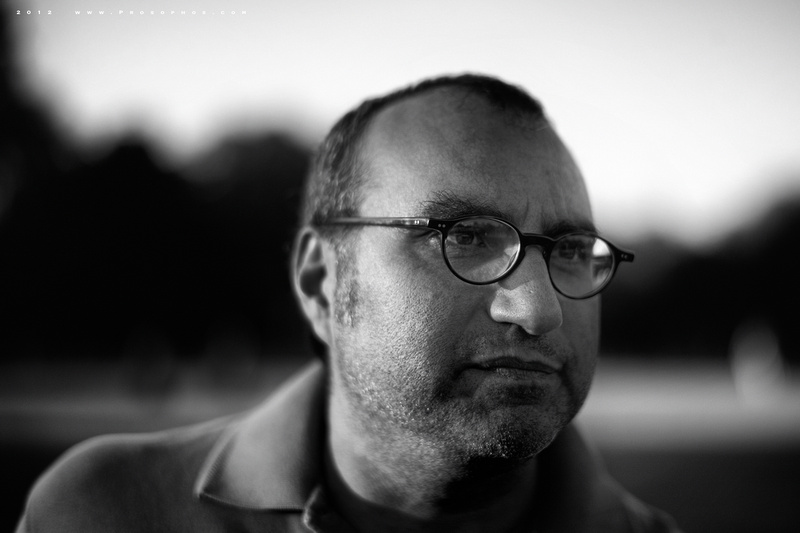
↑Leica M9 and Leica 50mm Summilux ASPH @ f/1.4.