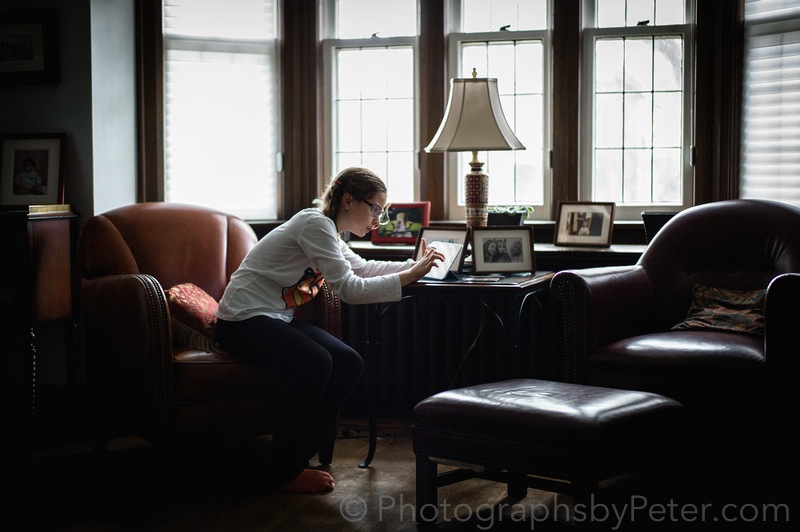
Scared of the dark.
Inspiration, Leica 50mm Summilux ASPH f/1.4, Leica M9(P)/M-E (CCD Lives!), Portrait, Print, Teaching point“We can easily forgive a child who is afraid of the dark; the real tragedy of life is when men are afraid of the light.”
―Plato.

Pure Joy.
2014, Favourite, Film, Inspiration, Kodak Portra 400, Mamiya RZ 110mm F/2.8, Mamiya RZ67 Professional Pro II, Portrait
Prelude to a Curse.
2014, Favourite, Inspiration, Leica 35mm Summilux ASPH FLE f/1.4, Leica M8 (CCD Lives!), Portrait
Recent insight: M8 vs. M9 for B&W, and the negative “Efex” of Silver Efex Pro.
Inspiration, Teaching pointConventional internet wisdom states that the Leica M8 is a better camera than the M9 for B&W file conversion — True or False?
The answer: True… but barely.
My old B&W conversions with the M8 were more pleasing than the ones I subsequently obtained with my M9/M-E, but now I realize that the less pleasing M9/M-E conversions were mostly secondary to my use of Silver Efex Pro. Lately I’ve been doing straight de-saturation of my M9/M-E files, and they look more natural and almost as good as my M8 files. The M8 still wins because of its greater IR sensitivity — this allows for slightly better B&W output.
For all practical purposes, however, the M8 and M9 sensors behave almost identically (for both B&W and colour). This shouldn’t be too surprising, given how the sensor in the latter evolved from the former.
Which makes me want to re-state something I’ve been saying for years: the M8 was the most under-appreciated and underestimated digital camera ever.
If there’s anyone from the original Kodak KAF-10500 (APS-H 10.3-megapixel) CCD sensor development team reading this, I sincerely thank you for your fine work.
—Peter.
[Upcoming Insight: Film vs. Digital].
The Tourist.
Inspiration, Leica 35mm Summarit f/2.5, Leica M8 (CCD Lives!), Portrait, Street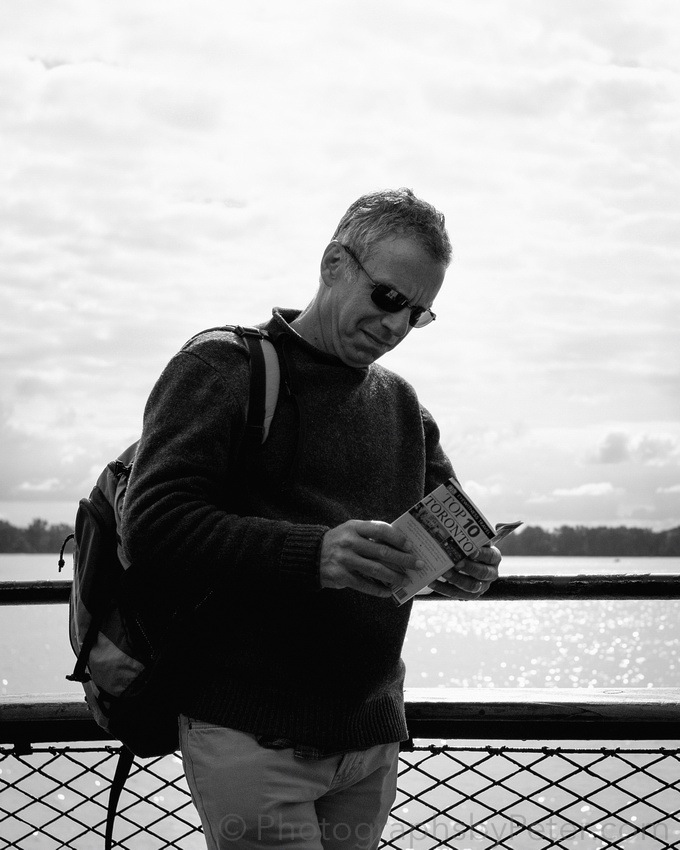
Everybody has a story.
Inspiration, Leica 75mm Summarit f/2.5, Leica M8 (CCD Lives!), Life's Little Moments, Portrait, Teaching point“We are afraid of losing what we have, whether it’s our life, or possessions and property. But this fear evaporates when we understand that our life stories and the history of the world were written by the same hand.”
― Paulo Coelho, The Alchemist.

The Recital.
2014, Favourite, Film, Inspiration, Kodak Tri-X 400, Leica M3, Portrait, Street, Voigtländer 40mm f/1.4 Nokton
Birthday Honey.
2014, Favourite, Inspiration, Leica 35mm Summilux ASPH FLE f/1.4, Leica M8 (CCD Lives!), Portrait3 years old today.

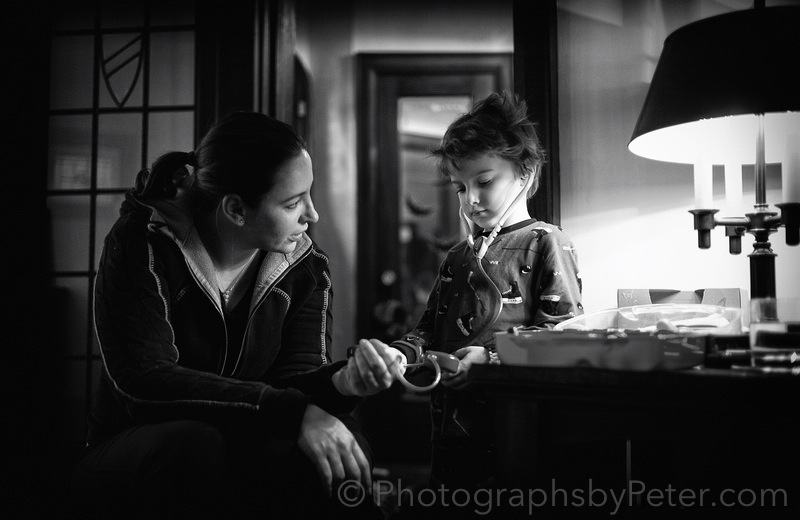
The Doctor.
2014, Favourite, Inspiration, Leica 35mm Summilux ASPH FLE f/1.4, Leica M9(P)/M-E (CCD Lives!), Life's Little Moments, Portrait… is in the house.
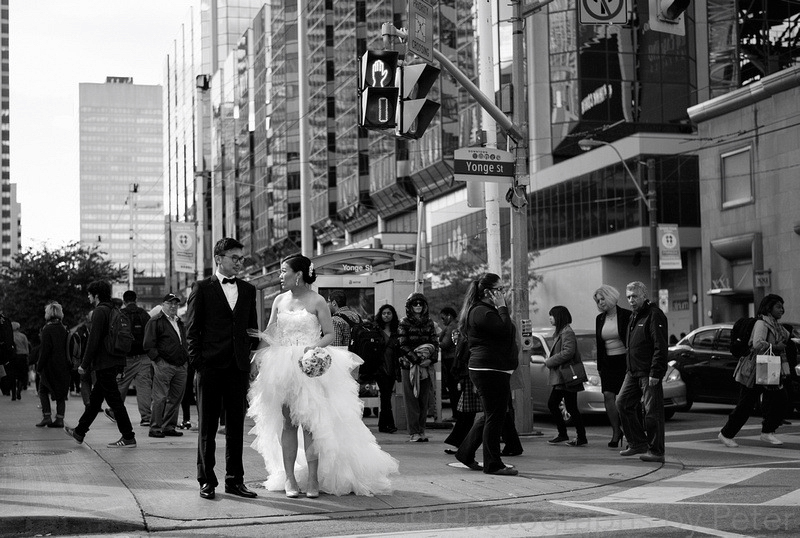
Yonge & Married.
2014, Inspiration, Leica 35mm Summilux ASPH FLE f/1.4, Leica M8 (CCD Lives!), Portrait, StreetOn the corner of Yonge & Dundas St., Toronto.
—Peter.
Officer North, Officer South.
Leica 75mm Summarit f/2.5, Leica M8 (CCD Lives!), Life's Little Moments, Portrait, Street, Uniform
The Secret.
2014, Favourite, Inspiration, Leica 35mm Summilux ASPH FLE f/1.4, Leica M9(P)/M-E (CCD Lives!), Life's Little Moments, Portrait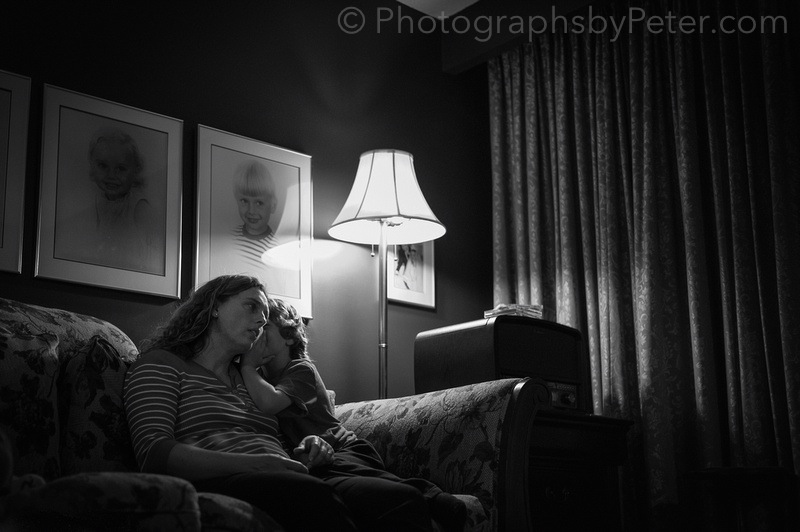
Floral.
2014, Favourite, Inspiration, Leica 75mm Summilux (Canada 🇨🇦) f/1.4, Leica M9(P)/M-E (CCD Lives!), Photo Shoot, Portrait
Beddy Bye.
Favourite, Inspiration, Leica 35mm Summilux ASPH FLE f/1.4, Leica M9(P)/M-E (CCD Lives!), Life's Little Moments, Portrait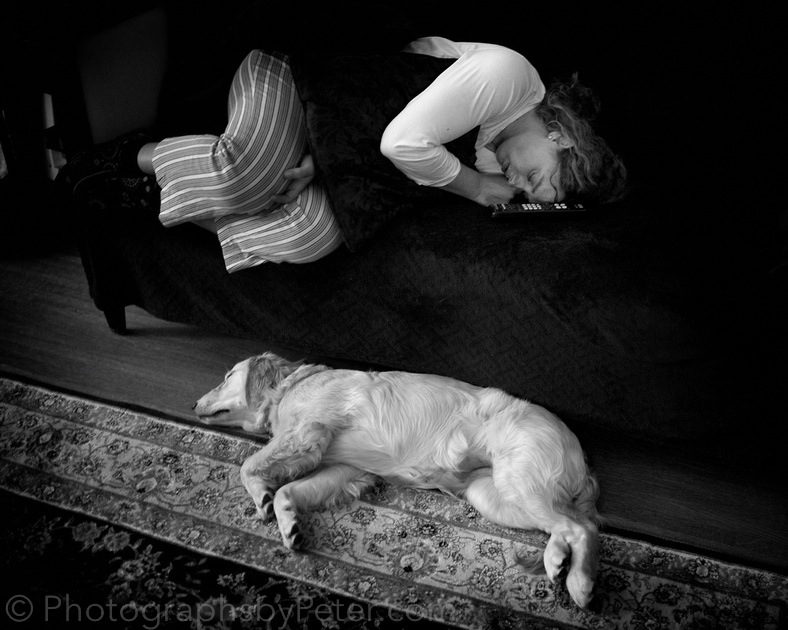
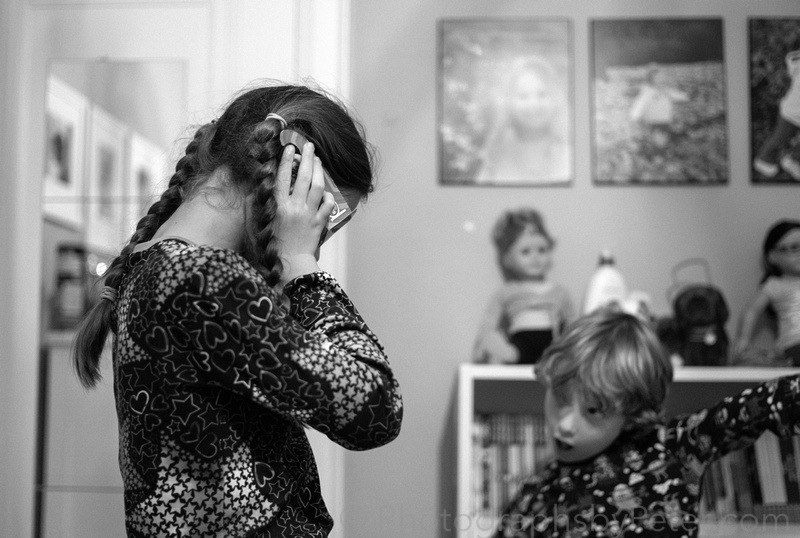
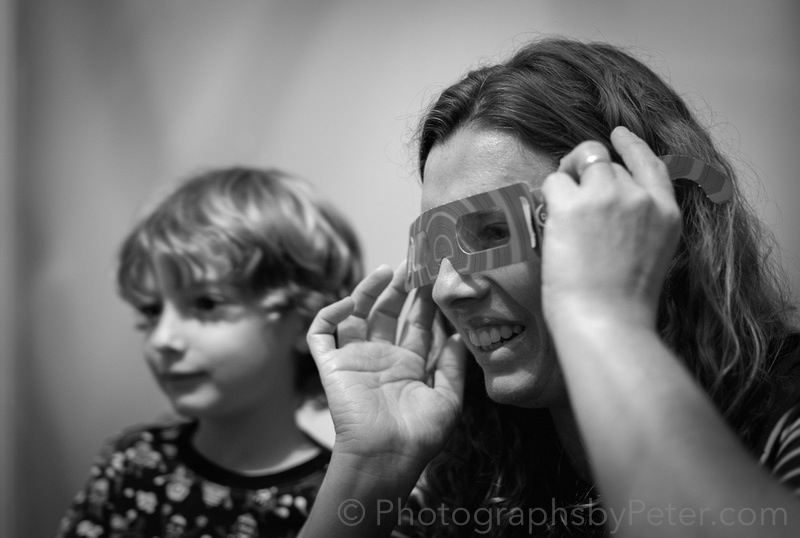
The Crazy Bedtime Routine.
Inspiration, Leica 35mm Summilux ASPH FLE f/1.4, Leica M8 (CCD Lives!), Life's Little Moments, Portrait, Teaching pointYes, all Canadians use 3D glasses to hypnotize our children into submission.
All frames shot at 1/30 sec.
Happy Canadian Thanksgiving everyone!
—Peter.
–
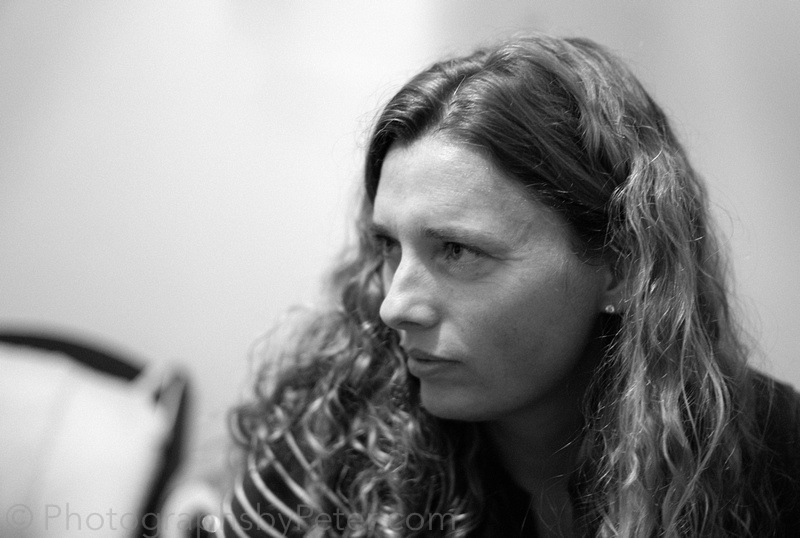


The Cyclist.
Inspiration, Leica 35mm Summilux ASPH FLE f/1.4, Leica M9(P)/M-E (CCD Lives!), Portrait, Sports, Street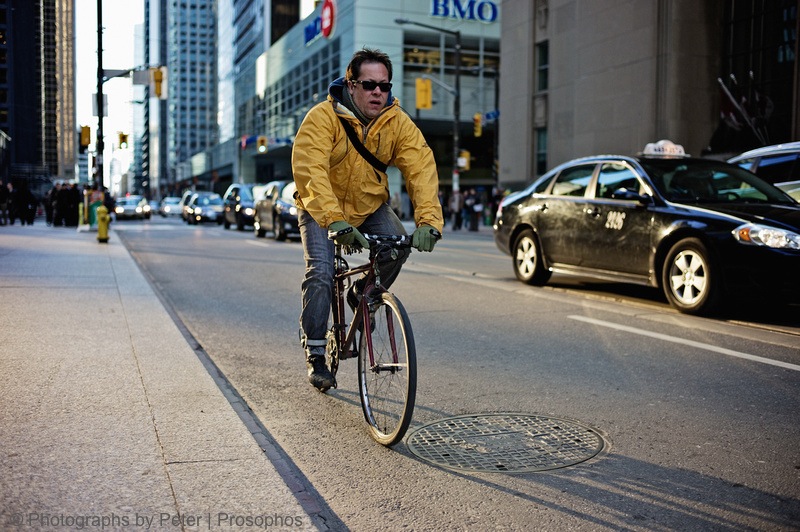
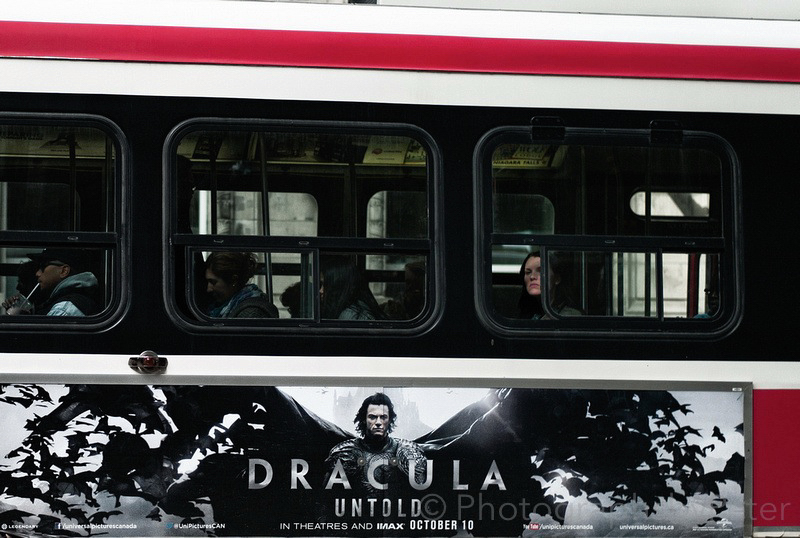
Mrs. Dracula.
2014, Favourite, Inspiration, Leica 35mm Summilux ASPH FLE f/1.4, Leica M8 (CCD Lives!), Life's Little Moments, Portrait, StreetA passing streetcar, a glance, and a beam of light.
—Peter.