
This is an example of the image output from the original Sigma DP series camera, the DP1:
(28mm equiv, F4 lens)

–
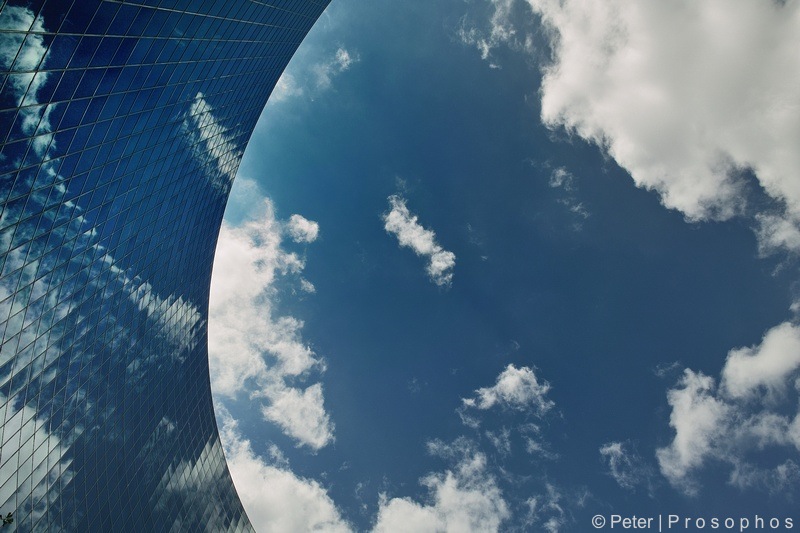
The DP1 was an excruciatingly slow compact camera, but it helped me capture one of my favourite images, Planet Earth:
–
The camera and software from Sigma were both challenged (and continue to be), so much so that I never purchased any of the subsequent DP offerings. Still, the image quality from the Fovean sensor has always called out to me, like a Sirens’ song
The Siren that’s been singing the sweetest song over the past 18 months: the DP3.
–Peter.
 Prosophos
If the tool inspires you to see and capture images like these, then congratulations.
These are simply stunning, and among your best.
Thanks Mark. I don’t know whether anything other than a Leica rangefinder inspires me…. well, I guess the Mamiya RZ67 inspired me too (that was a total surprise).
looks pretty nice Peter. I have never used a Sigma DP cam.
i like your pov and photos. my background is graphic design/printing and my take on sigma’s foveon is more like spot or pantone color printing than bayer sensor like 4 color CMYK process. colors and detail definitions are much clearer and more saturated for richer/deeper colors. you noticed them when view on iPad or retina display where bayer sensor photo tend to look thin and “video-like” compare to foveon photo. i use nikon for work and sigma dp2 quattro w/ ovf for other.
There is something special about the results from a foveon sensor and you’ve amply demonstrated it with these pictures. I have a bunch of unprocessed landscape RAWs from my DP1 and DP2 Quattro ready to process. The only thing that puts me off is Sigma Photo Pro. A programme (or program) to strike fear into the hearts of photographers everywhere.