
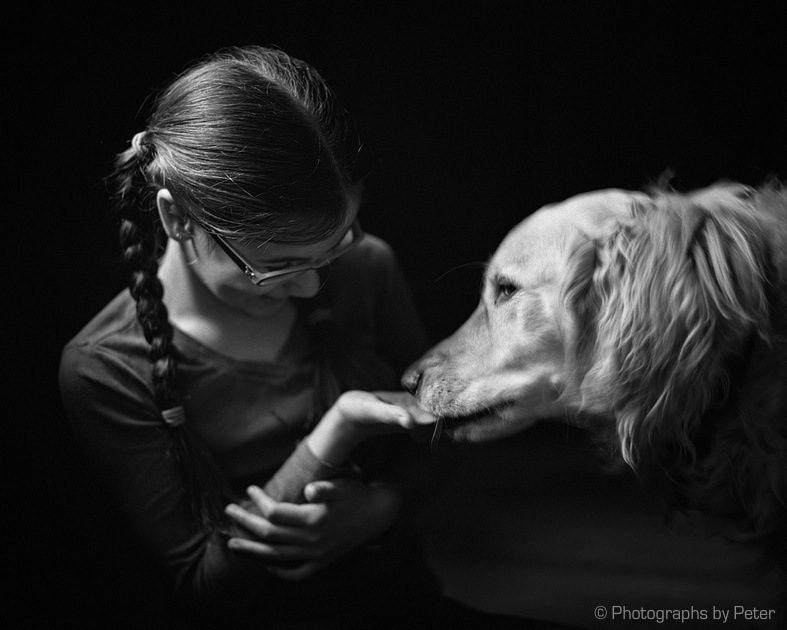
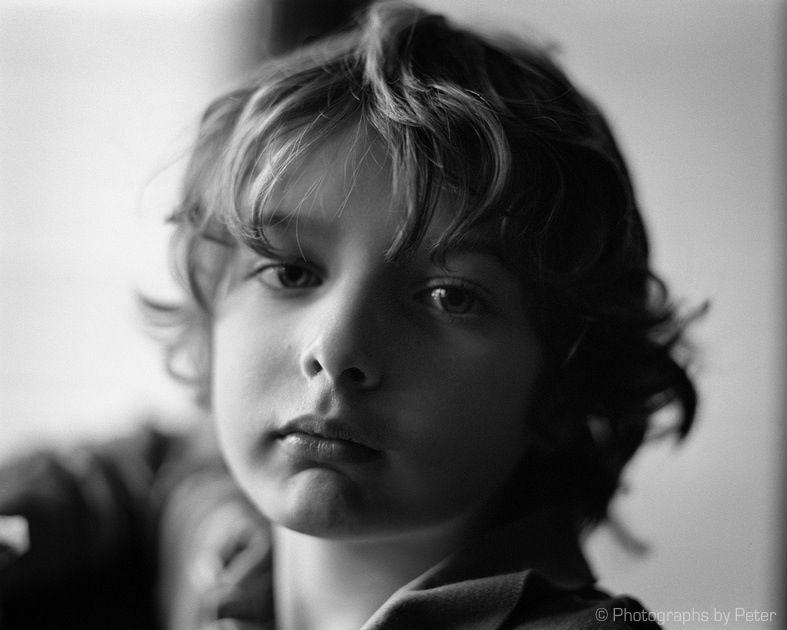
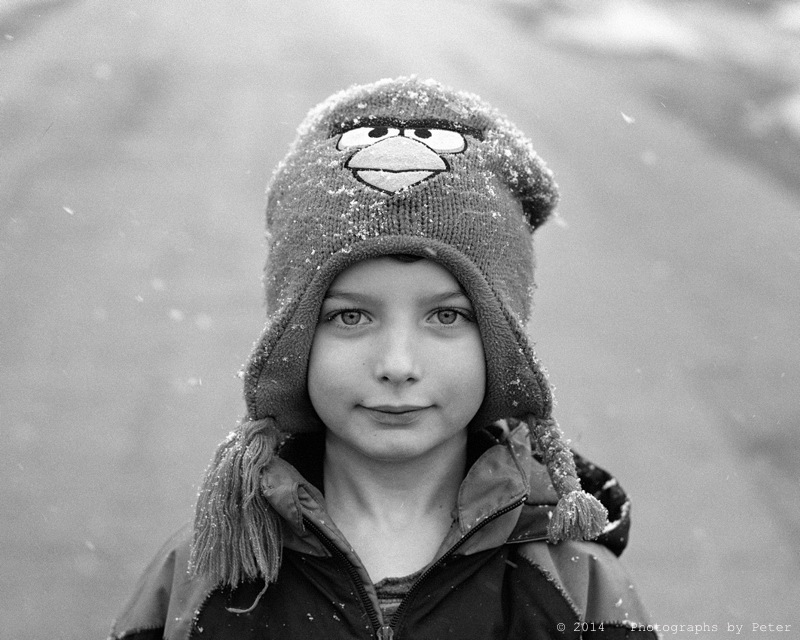
After four months with the Mamiya RZ67 and Mamiya RZ 110/2.8 lens, I can say with absolute certainty that this gear (together with Kodak Tri-X 400 film) is superior to anything I’ve ever used before for portraiture.
To think that people are practically giving this film equipment away is very telling of our instant gratification-based culture.
Sometimes, the results are truly worth waiting for.
I’ll be posting new images soon, but in the meantime, please have a look at some of the photographs the combo has yielded for me so far:
—Peter.


 Prosophos
Hi Peter,
As an owner of a Mamiya 6, I know your clients jaw will drop when they see the quality of your Mamiya 7 shots. MF has always been the standard for professional results. And every lens for the Mamiya 6 or 7 are as good or better than anything anywhere. I can’t wait to see your photos of the event posted.
Thank you Cory.
Theres a lot to be said for MF film when it comes to tones and ability to spread those across a higher density (than 35mm) of film grain…
BTW Peter I’ve just purchased the 50mm for my Mamiya 7…..
Exciting times!… let me know what you create with that 50mm.
Will be a little while yet unfortunately…..still very much recovering so photography still on hold! Will do though once I get active again.
When I was in college I assisted for a photographer who shot weddings with an RB67 outfit (the RZs predecessor). To think he ran around all day carrying 2-3 RB bodies/ lenses, and a 1/2 dozen 285s or 60CT1s at a wedding. Today I think we would call that “photo cross fit.” About the time he hit 60 he switched to Hasselblad to cut down on weight.
We would shoot 30-60 rolls of 220 every Saturday then wait an agonizing 2-3 days until Tuesday or maybe even Wednesday to see the contact sheets. The horror…
Most all of the late MF is great stuff. The bigger negatives and lower base density make a big, big difference.
How are you printing, or are you just scanning?
Beautiful shots Peter. Loving seeing these and looking forward to more.
It’a pleasure to se all these shots again together.
I’ve always used Tri-X (at least since the fab b&w dia was discontinued), now I don’t shoot as many rolls as I should but my really experienced film printer here in Milan always try to convince me that the modern TMAX100, especially for portraits, is by far superior.
I haven’t tried yet but I will because he is absolutely to be trusted.
Kind regards.
Umberto
Hi peter, I’ve loved the quality of medium format b&w for years. Tho I’ve used tri x happily for portraits with my old blad and 150mm, I recently discovered the beauty of fp4 plus when I processed in pyro hd. Tho the developer requires rubber gloves, the results include superb tonality and little grain. Of course grain has its place and subjects.
Medium format film just looks better. It’s hard to pinpoint exactly why. The next bit of fun you should try is to start developing your own BW film, pushing, pulling, and using different developers for different purposes. Some films, like Ilford 3200 really shine when developed using their recommended developers of which most labs won’t really accommodate. There are also developers like liquid Ilford DDX that are designed to bring out a larger variation of gray tones.
Lastly, printing from a negative! It’s fun and quite rewarding.
Thanks Marlon,
Actually, I’ve been developing B&W film at home for years – I even wrote an online tutorial about it that has been viewed over 500,000 times:
http://photographsbypeter.com/2012/06/02/qa-how-i-develop-film-part-1/