C’s photo shoot, Part 1 of 5.
C, you’re a natural…Happy 16th!
(please click on the image to view)
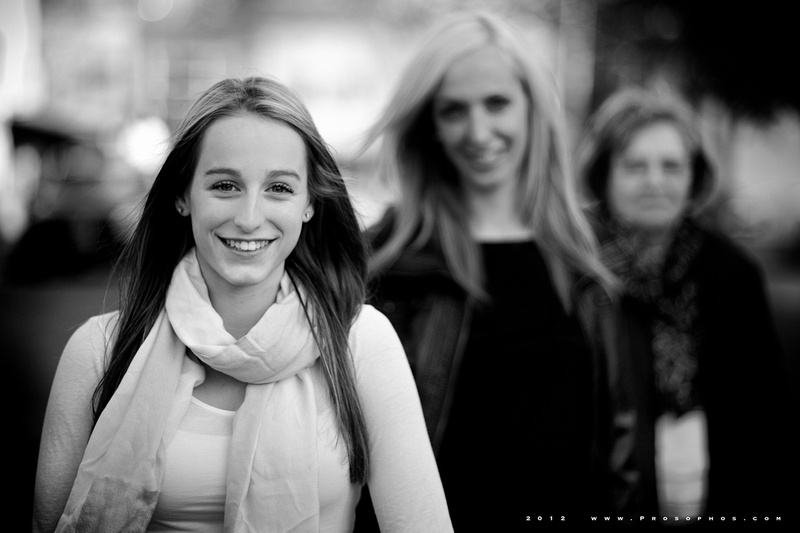
↑Leica M9 and Leica 75mm Summilux @ f/1.4.

C’s photo shoot, Part 1 of 5.
C, you’re a natural…Happy 16th!
(please click on the image to view)
↑Leica M9 and Leica 75mm Summilux @ f/1.4.
As captured on film.
I can try and process my digital files to approximate this look, but — for me — the essence of who we are is better conveyed with the older medium.
(please click on the image to view)
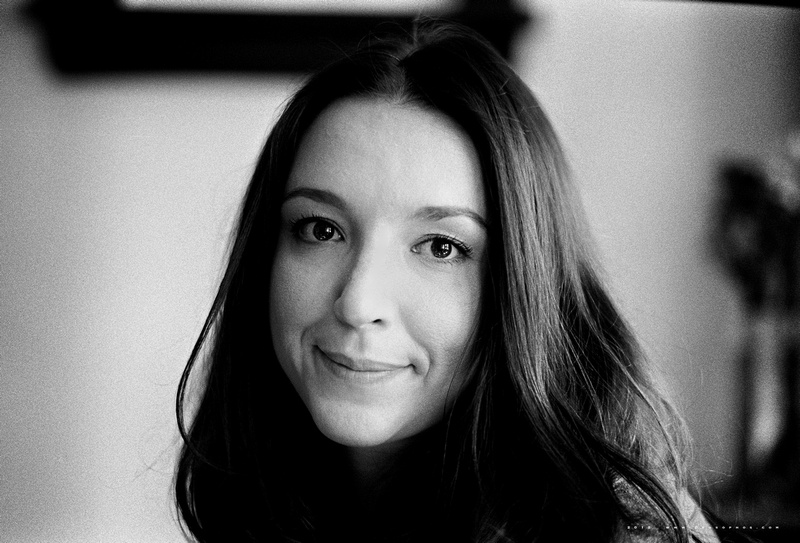
↑Leica M3, Kodak Tri-X 400, and Leica 50mm Summilux ASPH @ f/1.4.
Brush [bruhsh]*:
1a. A device consisting of bristles fastened into a handle, used in scrubbing, polishing, or painting.
1b. The act of using this device.
2. A light touch in passing.
_
(please click on the image to view)
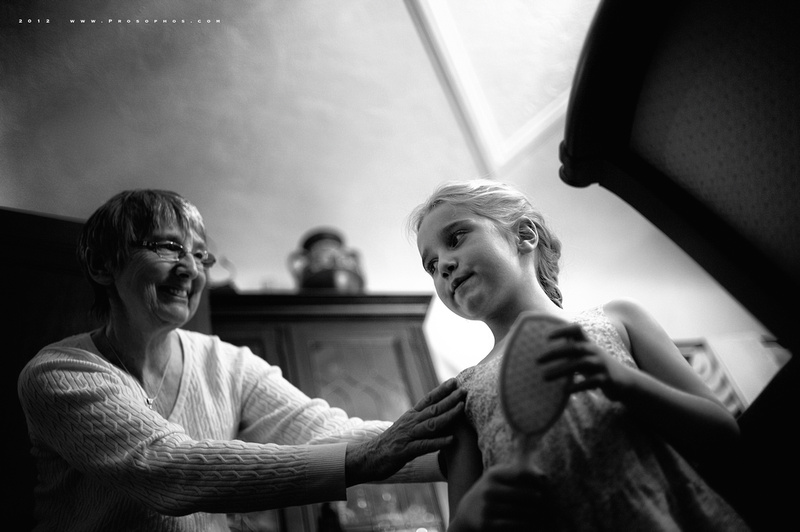
↑Leica M9 and Leica 35mm Summilux FLE @ f/1.4.
*Source: TheFreeDictionary.com
Inspired by swaying branches during a cold and blustery dusk.
Taken over a 2 second interval.
(please click on the image to view)

↑Leica M9 and Leica 35mm Summilux FLE @ f/8; ND filter.
Suffused with window light, infused with film grain.
(please click on the image to view)
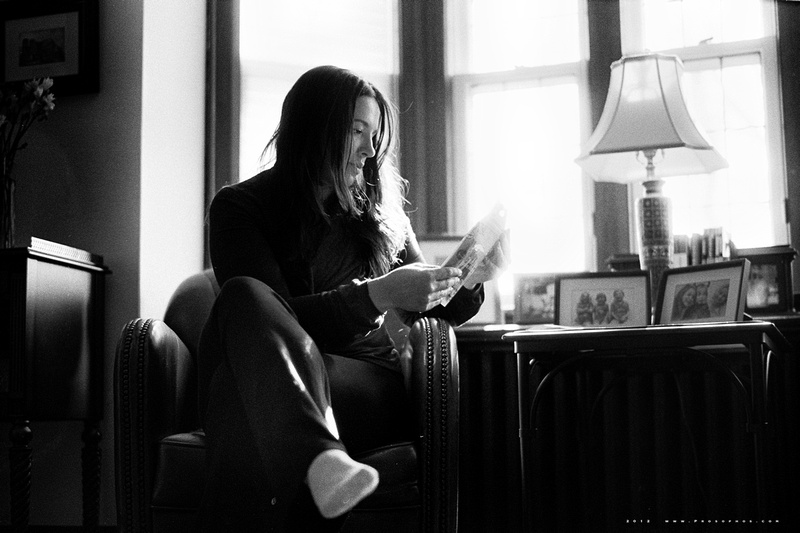
↑Leica M3, Kodak Tri-X 400, and Leica 50mm Summilux ASPH @ f/1.4.
(please click on the image to view)

↑Leica M9 and Leica 135mm Tele-Elmar f/4 @ f/5.6.
In the corners of the house, all the things she left behind.
(please click on the image to view)
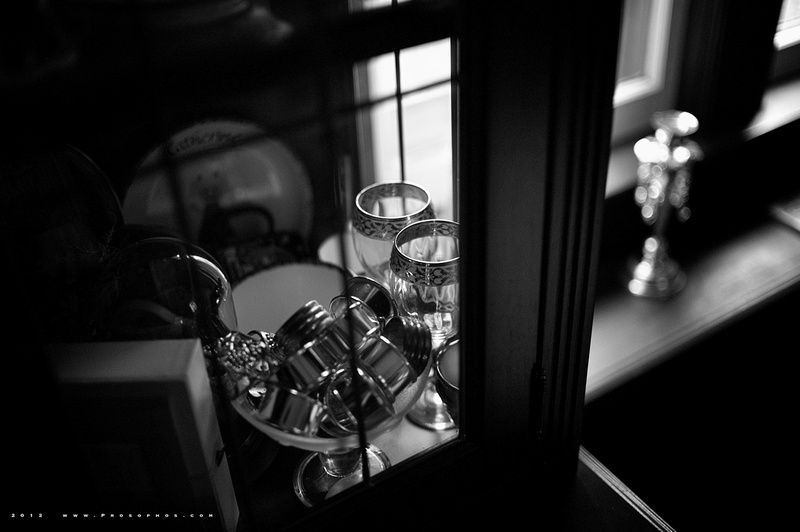
↑Leica M9 and Leica 35mm Summilux FLE @ f/1.4.
To sleep, perchance to Dream; Ay, there’s the rub…
—Shakespeare, Hamlet
(please click on the image to view)

↑Leica M9 and Leica 35mm Summarit @ f/2.5.
A few months ago, the good folks at WordPress contacted me directly and informed me about their new WordAds* initiative.
In short, this initiative would allow for advertising on my site and, in return, I would receive financial compensation (amount unknown). My initial reaction was to be wary, as I don’t condone visual pollution of any sort, and I like the clean and simple look of this site. However, as time has gone on, the site has drawn more and more viewers:
_
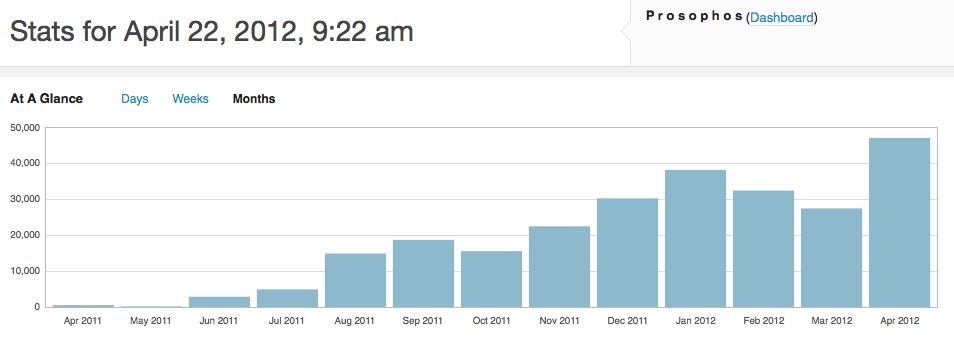
I have correspondingly invested more and more time running Prosophos.com, often spending several hours a day posting images, answering comments and individual private e-mail requests for help, writing articles and lens field reports, and honing the overall interface.
I’ve slowly realized that I can’t keep going at this pace, without somehow giving up more of my “real work” time.
I’m left with a couple of options: I could focus on only posting images, and not respond to questions in the comments section or to private requests for help. Or, I could give WordAds a chance. Obviously, I very much enjoy writing and interacting with everybody who visits this site, so the first choice is — in my estimation — not really a choice at all.
So the decision has been made. Starting soon — possibly next week — you may see advertisements on this site. I’m told I can shut them down at any time.
We’ll see how it goes.
I hope you understand, and I would appreciate any comments on the matter.
Respectfully,
—Peter.
ADDENDUM (May 14, 2012): I have held off introducing advertising for now, as doing so would require changing my site theme/interface, which is not something I’m prepared to do. I’ll keep you posted as things develop…
________________________________
* if you don’t know about WordAds, you can read about it here and can fill out this form to be considered for approval.
Outer glow ← inner glow, as captured on film.
(please click on the image to view)
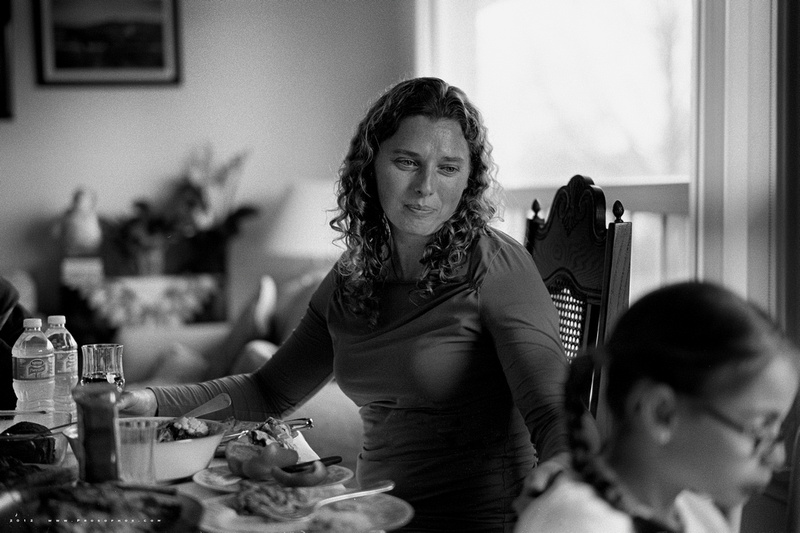
↑Leica M2, Kodak Tri-X 400, and Leica 50mm Summilux ASPH @ f/1.4.
“I am new to following your site…via your guest blog entry on Steve Hufff’s site and I wanted to say I enjoy your work very much. The tones, the processing when in color and your subject matter are a joy. I look forward to seeing more of your posts in the future.
A quick question for you though. I noticed many of your portraits are shot with a 35mm lens. I am wondering if you are cropping your resulting image? I ask because your portraits are closer than what I am achieving with a 50mm without being in the face of my own children. Not that I am a purist and don’t crop images but I try not too. Appreciate your comments on this as you are able.
I should also add that I enjoy how you capture your children in the midst of their activities…not an easy thing to do I am sure but what a great result.
Thanks and I look forward to more of your work.
Best regards — Bishop”
Hi Bishop,
Thank you so much for writing, and for the kind words!
In answer to your question, I don’t often crop when using a 35mm lens*, because if I did, I would lose the more interesting perspective I get with this FOV, vs. the 50mm. It’s true that one needs to be more careful with distortion when photographing people with a 35mm lens (and to some extent distortion is always there), but with practice you learn to minimize it and/or take advantage of it.
It took me some time to learn how to do this, because I was always a “50mm photographer”, but the rewards have been worth it. Of course, I still shoot with a 50mm lens!
I hope I’ve been able to help, and thanks again for writing,
—Peter.
________________________________________
*In those of my 35mm images where people appear “closer” than what you’re able to achieve with your 50mm lens, Bishop, I have obviously cropped the image. Having said that, I’m normally photographing people as close as possible.
If you want to get the most out of your camera, and be a better photographer, turn every “Auto” function on your camera OFF.
Photograph in Manual mode and decide for yourself what the aperture, shutter speed, and ISO should be. If possible, use a prime (fixed focal length) lens and focus it manually.
In this way only will you be able to understand the behaviour and importance of light. In this way only will you begin to anticipate images before they materialize.
—Peter.
To you.
Courtesy of the recently repaired Isomac Millennium.
(please click on the image to view)
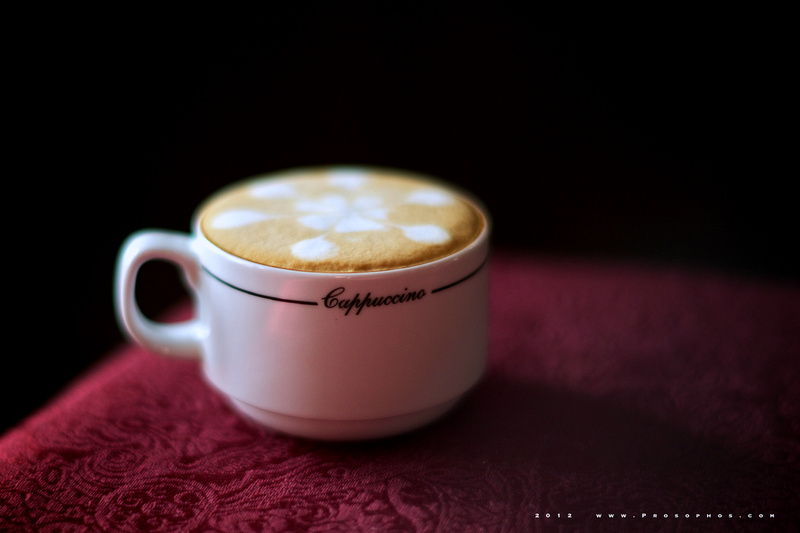
↑Leica M9 and Leica 75mm Summilux @ f/1.4.
A few years ago, I realized I had never captured her on film.
It was important to me for some reason.
So I started shooting film again.
_
(please click on the images to view)

↑Leica M3, Fuji X-tra 400, and Voigtländer Nokton 40mm @ f/1.4.
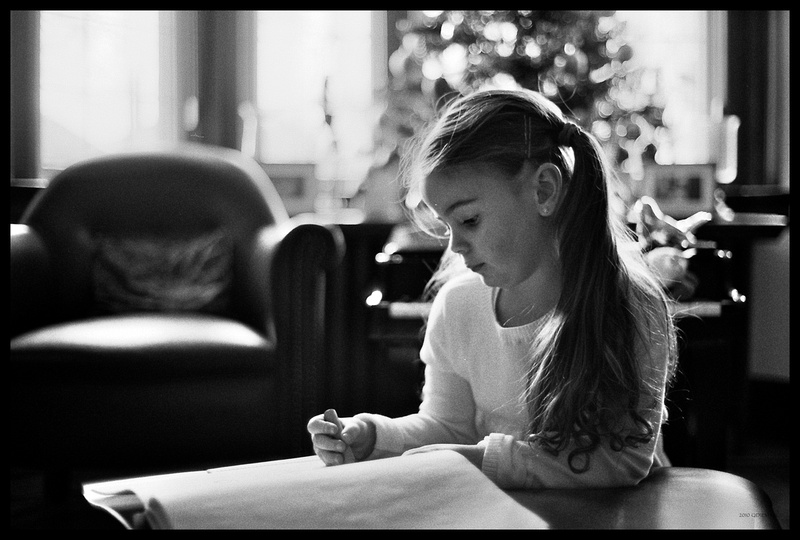
↑Leica MP, Ilford HP5 Plus 400, and Voigtländer Nokton 40mm @ f/1.4.
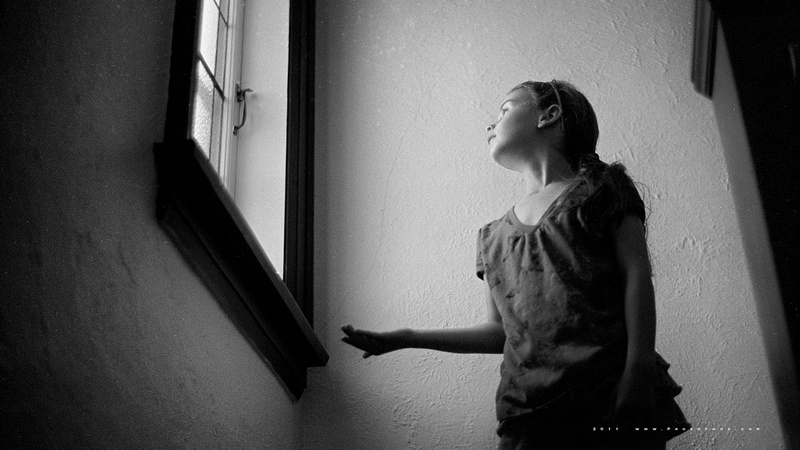
↑ Leica M2, Ilford HP5 Plus 400, and Voigtländer Nokton 40mm @ f/1.4.
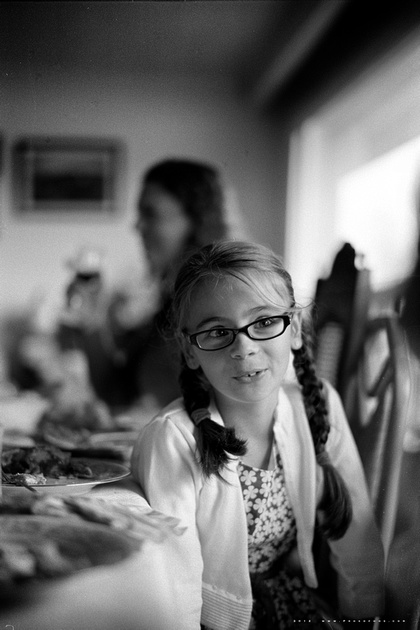
↑Leica M2, Kodak Tri-X 400, and Leica 50mm Summilux ASPH @ f/1.4.
_
I look at these images now, and follow the path of light:
originating from the late afternoon sun,
filtering through the window,
touching her face before reflecting off,
traversing the distance between us,
bending in the glass elements of a lens,
and finally etching her image onto an organic emulsion.
_
The film, like the viewer, is forever altered.
And it all happens in a fraction of a second — just like growing up.
—Peter.
With the muffins safely baking in the oven, the clean-up begins.
(please click on each image to view)

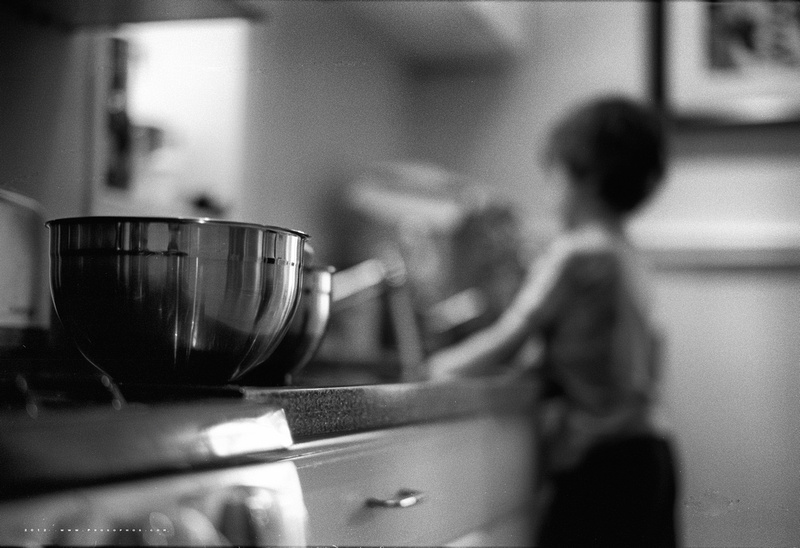
↑Both images: Leica M2, Kodak Tri-X 400, Leica 50mm Summilux ASPH @ f/1.4.
“Camouflage is a method of concealment that allows an otherwise visible animal, military vehicle, or other object to remain unnoticed by blending with its environment.”
_
(please click on the image to view)
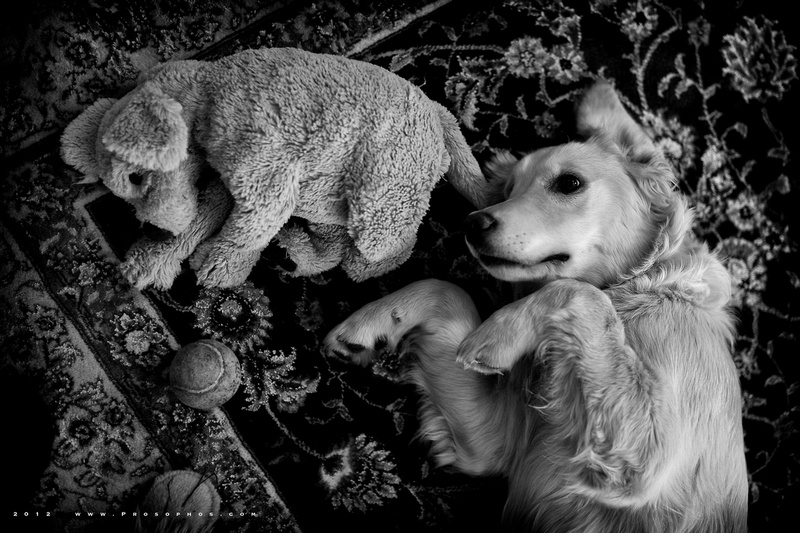
↑Leica M9 and Leica 35mm Summilux FLE @ f/1.4.
(please click on the image to view)

↑Leica M2, Kodak Tri-X 400, and Leica 50mm Summilux ASPH @ f/1.4.
(please click on the image to view)
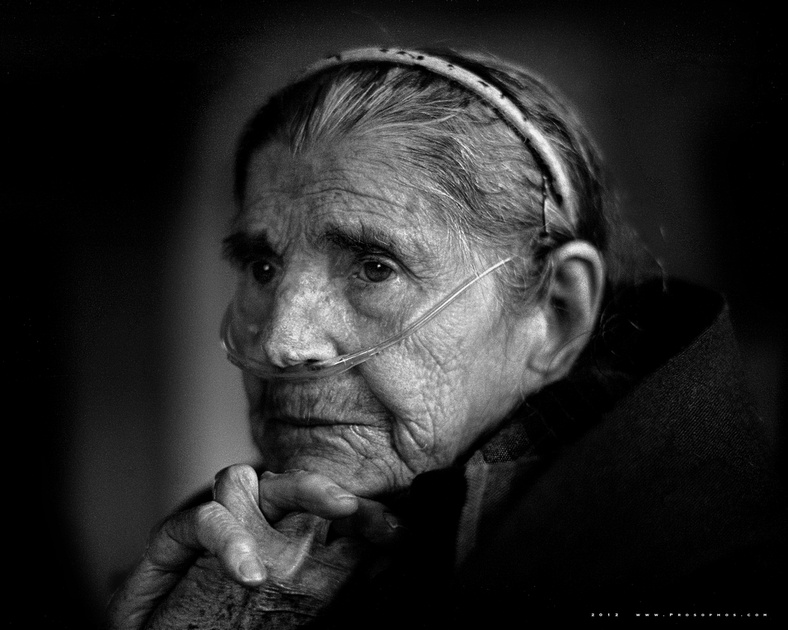
↑Leica M2, Kodak Tri-X 400, and Leica 50mm Summilux ASPH @ f/1.4
This photo was chosen as a Leica Fotografie International (LFI) Master Shot.
 Prosophos