And carry a big stick.
(please click on the image to view)

↑Leica M2 and Voigtländer Nokton 40mm @ f/1.4.

And carry a big stick.
(please click on the image to view)
↑Leica M2 and Voigtländer Nokton 40mm @ f/1.4.
Outward, and inward.
(please click on the image to view)
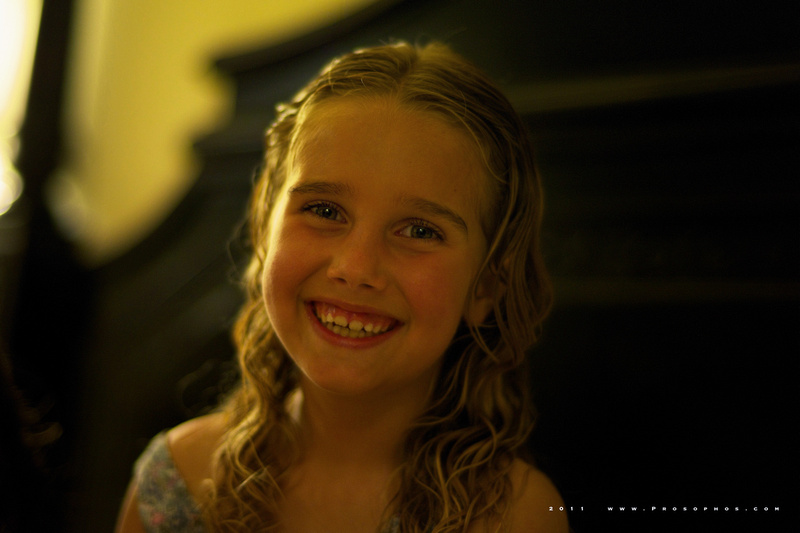
↑Leica M9 and Konica Hexanon 60mm @ f/1.2.
Pedal-face synapse.
(please click on the image to view)
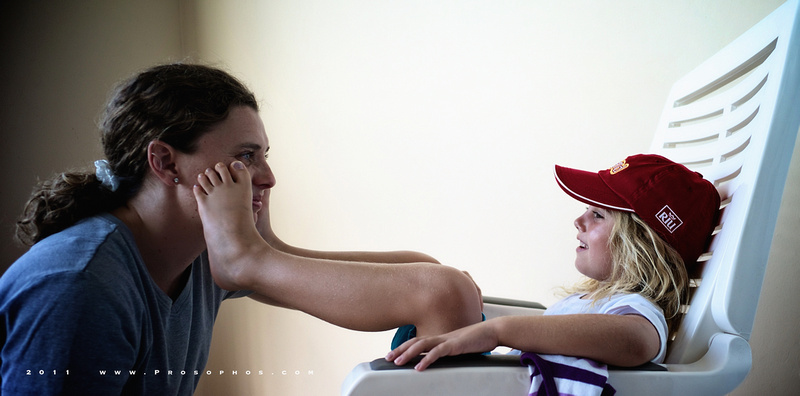
↑Leica M9 and Zeiss ZM 21mm @ f/2.8.
Fast asleep, courtesy of mommy and the magic of Harry Potter.
The original Bedtime Stories, which was shot with film, is here.
(please click on the image to view)

↑Leica M9 and Leica 50mm Noctilux @ f/1.0.
(please click on the image to view)
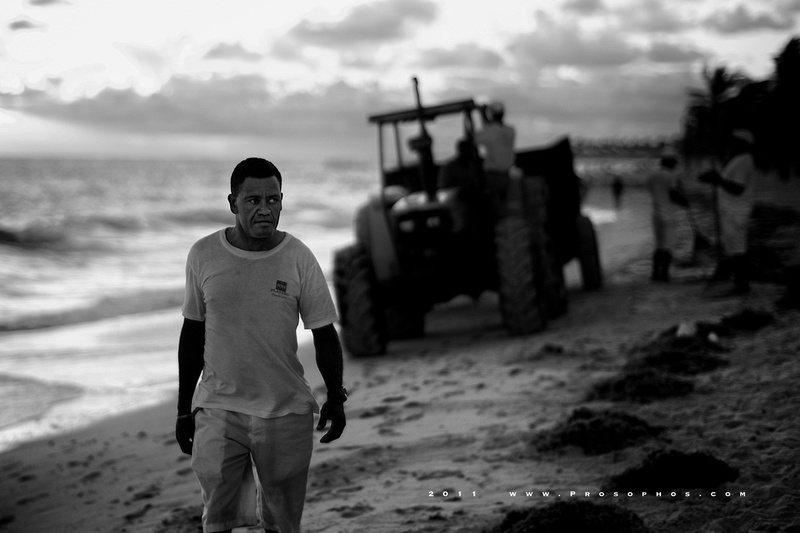
↑Leica M9 and Konica Hexanon 60mm @ f/1.2.
Beautiful dawn – lights up the shore for me.
There is nothing else in the world,
I’d rather wake up and see (with you).
Beautiful dawn – I’m just chasing time again.
Thought I would die a lonely man, in endless night.
But now I’m high; running wild…
—James Blunt, High
(please click on the image to view)

↑Leica M9 and Konica Hexanon 60mm @ f/1.2.
An early evening nap, after an eventful day.
(please click on the image to view)

↑Leica M9 and Leica 35mm Summilux @ f/1.4.
She, at dawn. This was one of those special little moments I wrote about here.
(please click on the image to view)

↑Leica M9 and Konica Hexanon 60mm @ f/1.2.
Honey situates herself between the heat of the radiator and the smell of the shoes.
(please click on the image to view)

↑Leica M9 and Leica 35mm Summilux @ f1.4.
In between songs on a hot, humid night.
(please click on the image to view)
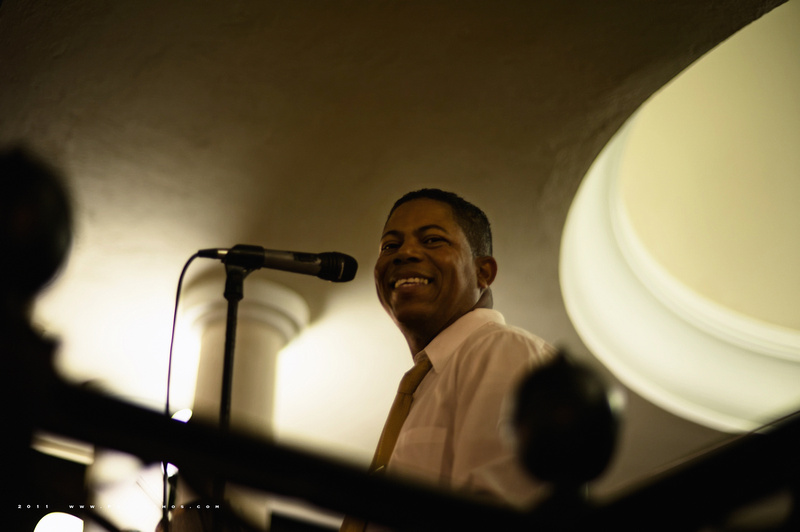
↑Leica M9 and Konica Hexanon 60mm @ f/1.2.
Corporal forms haunt the shore, within that quiet meeting place of night and day.
(please click on the image to view)
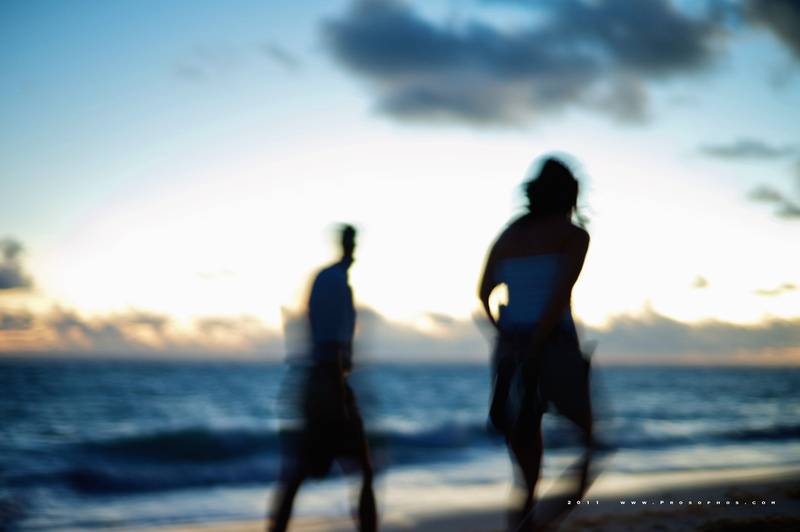
↑Leica M9 and Konica Hexanon 60mm @ f/1.2, 1/4 sec, ISO 160.
She’s full of them.
(please click on the image to view)
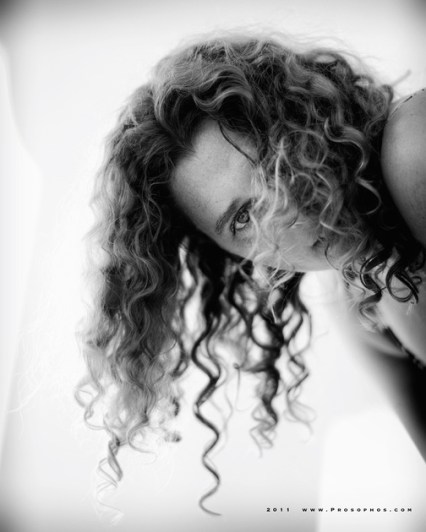
↑Leica M9 and Konica Hexanon 60mm @ f/1.2.
That warm glow imbuing every element in this scene is courtesy of the rising sun.
When photographing, it’s all about the light — you have to work to find it, and you can’t fake or photoshop it. In this scene, it’s permeating everything: his face, the tractor, the clouds… like dabbles of fluorescent paint.
(please click on the image to view)

↑Leica M9 and Konica Hexanon 60mm @ f/1.2.
There’s a story going on here.
(please click on the image to view)
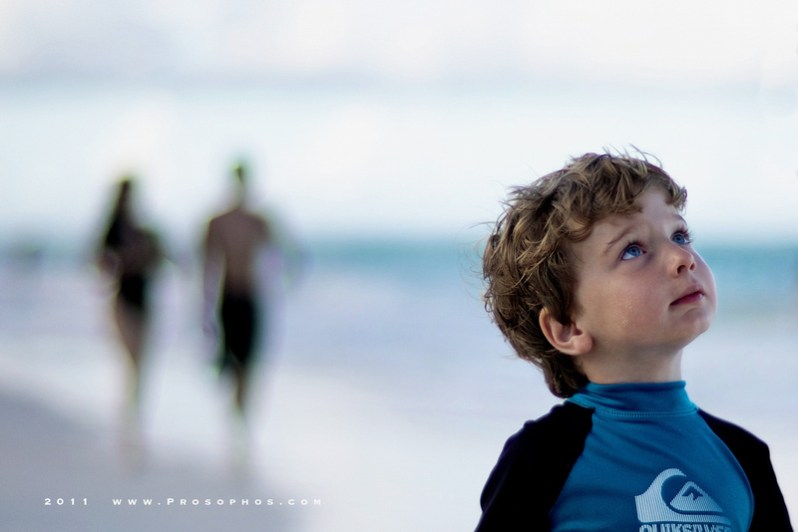
↑Leica M9 and Konica Hexanon 60mm @ f/1.2.
Illuminated by a glorious sunrise.
Even @ f/5.6, this 1966 Tele-Elmar 135mm is capable of producing some seriously shallow depth of field… the runner looks like he’s a cut-out figure pasted onto the scene.
By the way, I’ve tried using the Tele-Elmar at its widest aperture of f/4, but the rendering there isn’t as sharp.
This is definitely a daylight lens, but a great daylight lens.
Also, I’ve been pleasantly surprised to find that — despite the longish 135mm focal length — the Tele-Elmar has proven easier to focus accurately than many of my mid-range lenses.
(please click on the image to view)
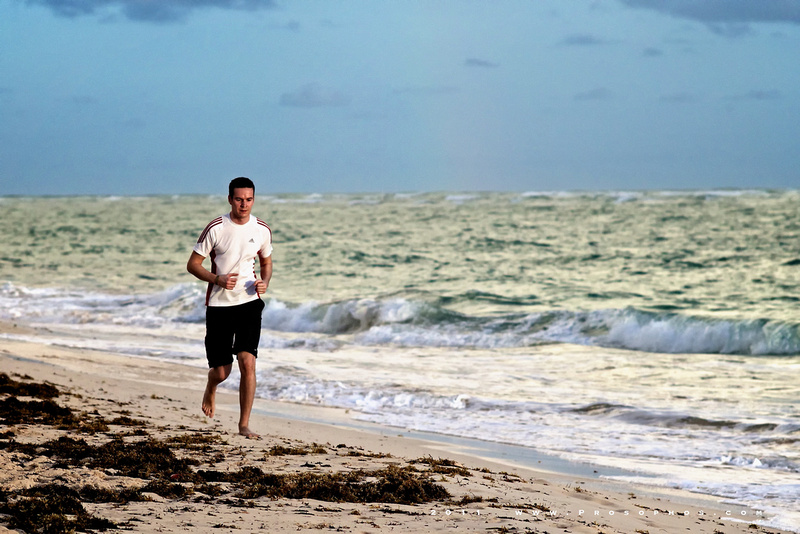
↑Leica M9 and Leica Tele-Elmar 135mm f/4 @ f/5.6.
Taken during the 2011 Santa Claus Parade, in Toronto, Canada.
The Konica Hexanon 60mm f/1.2, when shot wide open on the M9, yields a unique visual imprint that I find quite interesting. It is, for example, quite different from what I get with the Noctilux f/1.0.
If anybody out there can articulate the differences, I’d be happy to read your thoughts. To view a small (and not-so-rigorous) comparison between these two lenses, please see here.
(please click on the image to view)

↑Leica M9 and Konica Hexanon 60mm @ f/1.2.
Textures. Cold. And warmth.
Once again, taken with the very underrated Leica 35mm Summarit.
(please click on the image to view)

↑Leica M9 and Leica 35mm Summarit @ f/2.5.
Here comes the cold
Break out the winter clothes
And find a love to call your own
You, enter you
Your cheeks a shade of pink
And the rest of you in powder blue…
– John Mayer, St. Patrick’s Day.
(please click on the image to view)

↑Leica M9 and Voigtländer Nokton 35mm @ f/1.2.
 Prosophos