Portrait
October One.
2014, Favourite, Inspiration, Leica 50mm Summilux ASPH f/1.4, Leica M9(P)/M-E (CCD Lives!), Life's Little Moments, Photo Shoot, Portrait, Street
End of Summer.
2014, Favourite, Inspiration, Leica 35mm Summarit f/2.5, Leica M8 (CCD Lives!), Life's Little Moments, Port Elgin, PortraitTime for the darkness to return.
School Spirit Day.
2014, Favourite, Inspiration, Kodak Portra 400, Mamiya RZ 110mm F/2.8, Mamiya RZ67 Professional Pro II, PortraitGreen and yellow.

A night on the town, Part 3.
2014, Favourite, Inspiration, Leica 50mm Summilux ASPH f/1.4, Leica M9(P)/M-E (CCD Lives!), Portrait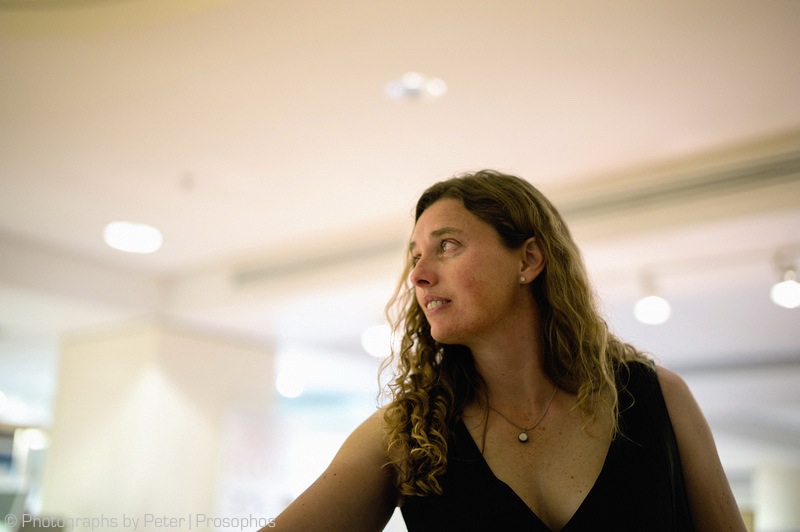
A night on the town, Part 2.
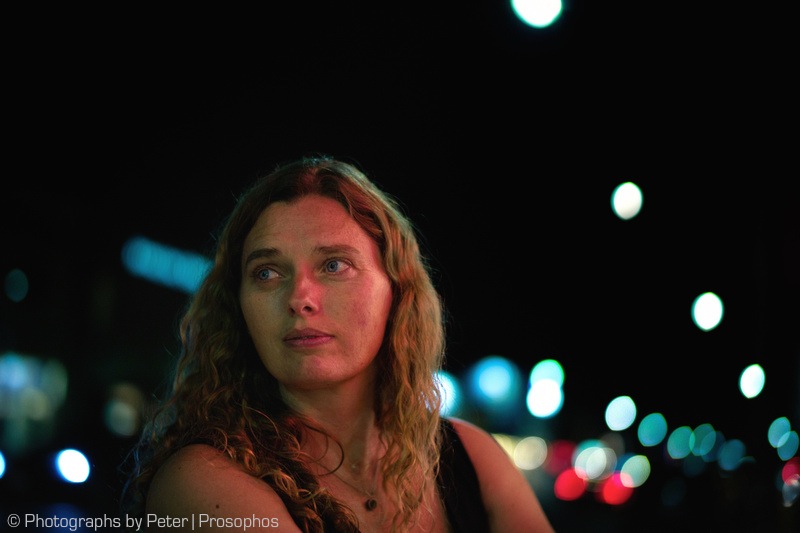
2014, Favourite, Inspiration, Leica 50mm Summilux ASPH f/1.4, Leica M9(P)/M-E (CCD Lives!), Portrait, Street, Teaching pointThe reddish skin rendering may make you believe this was shot with a Leica M240, but she was in fact sitting in front of a large illuminated red sign.
So now I know how to achieve the M240 look, with respect to skin tones anyway.
However, I don’t know how to produce the muddy rendering of the CMOS-crippled Leica M240, as all I can get out of my Leica M9/M-E are those lovely CCD crisp files with superior tonality and colour reproduction, at base ISO.
For those of you who haven’t already done so, perhaps you may be interested in signing My Open Letter to Leica.
(over 280 signatures so far…)
—Peter.
A night on the town.
2014, Favourite, Inspiration, Leica 50mm Summilux ASPH f/1.4, Leica M9(P)/M-E (CCD Lives!), Portrait, Street
In the forest.
2014, Favourite, Inspiration, Leica 35mm Summarit f/2.5, Leica M9(P)/M-E (CCD Lives!), Portrait, Print
The beautiful game – spectators.
2014, Favourite, Film, Inspiration, Kodak Portra 400, Mamiya RZ 110mm F/2.8, Mamiya RZ67 Professional Pro II, Portrait
Catch.
2014, Favourite, Inspiration, Leica 35mm Summarit f/2.5, Leica M8 (CCD Lives!), Leica M9(P)/M-E (CCD Lives!), Port Elgin, Portrait, Sports
The Beautiful Light.
Inspiration, Leica M9(P)/M-E (CCD Lives!), Portrait, Sports, The Beautiful GameThe Beautiful Game.

The beautiful game – contemplative.
2014, Favourite, Inspiration, Leica 75mm Summarit f/2.5, Leica M9(P)/M-E (CCD Lives!), Portrait, Sports, The Beautiful Game
The beautiful game – break.
Inspiration, Leica 50mm Summilux ASPH f/1.4, Leica M9(P)/M-E (CCD Lives!), Portrait, Sports, The Beautiful GameThe season ends with a tournament this weekend.

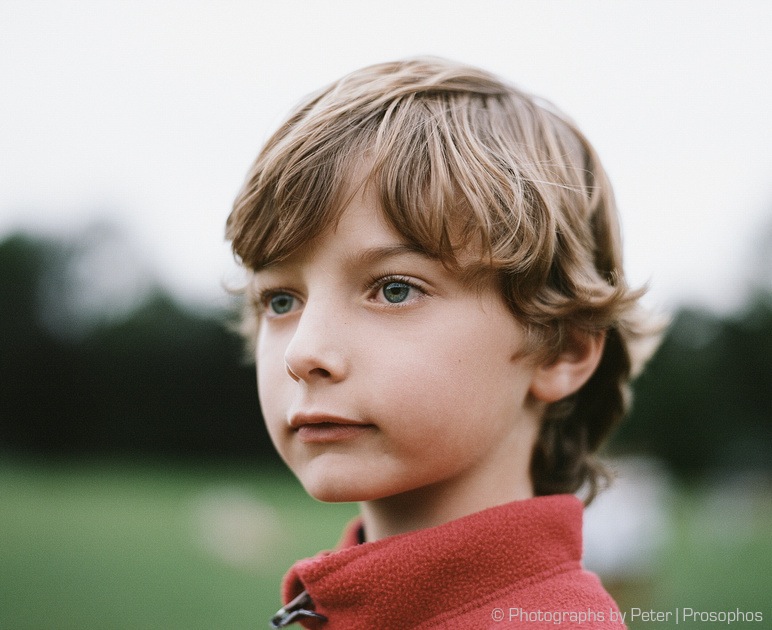
Seven.
2014, Favourite, Film, Inspiration, Kodak Portra 400, Life's Little Moments, Mamiya RZ 110mm F/2.8, Mamiya RZ67 Professional Pro II, PortraitBirthday boy.
Summer.
Inspiration, Leica 35mm Summarit f/2.5, Leica M8 (CCD Lives!), PortraitClassic.
Fujifilm FP-100C Professional Instant Color Film ISO 100.
Film, Fujifilm FP-100C, Inspiration, Lighting - Westcott Ice Light, Mamiya RZ 110mm F/2.8, Mamiya RZ67 Professional Pro II, Photo Shoot, Portrait, Q&A, Teaching pointTest shooting a cartridge of Fujifilm instant film.
Taken with the Mamiya RZ67 (using a Polaroid film back) and the Mamiya 110/2.8 lens.
The first shot has a yellow colour cast from the incandescent lighting. The remainder of the images were photographed utilizing the Westcott Ice Light.
—Peter.

The Subtle Photographer.
Inspiration, Leica 35mm Summarit f/2.5, Leica M8 (CCD Lives!), Portrait, Street, Teaching pointAnd the art of blending in.
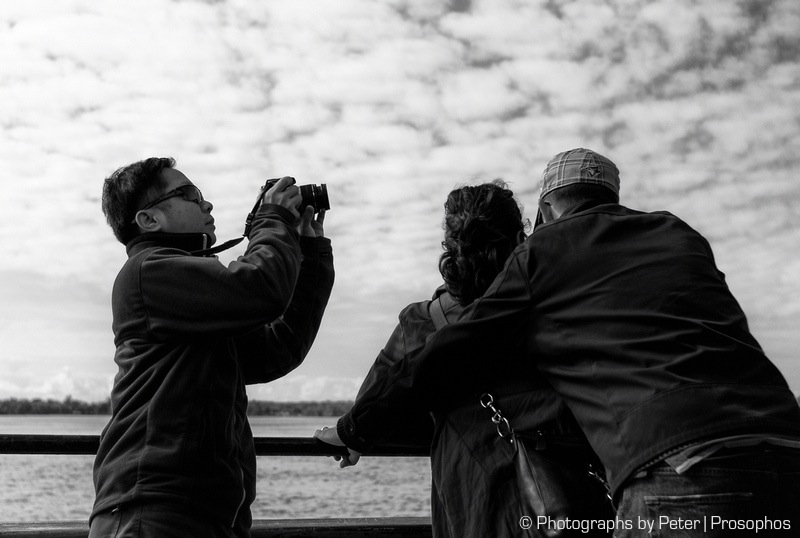
The last hurrah for Summer.
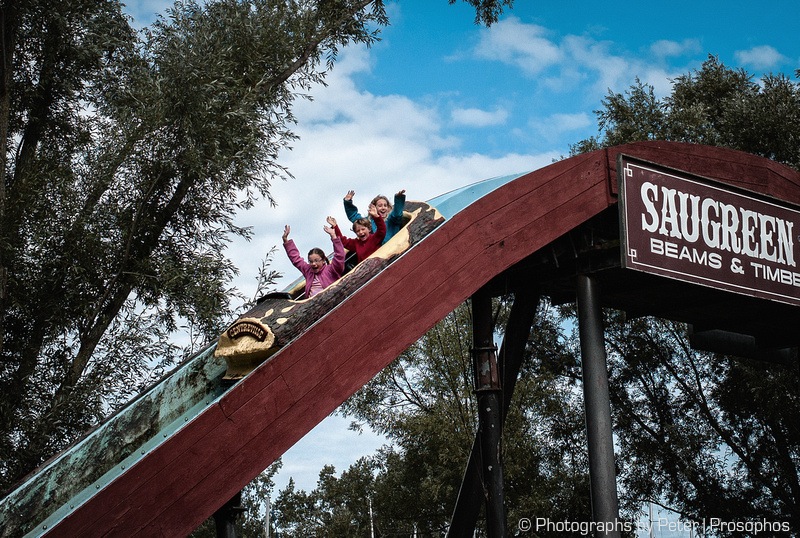
2014, Favourite, Inspiration, Leica 35mm Summarit f/2.5, Leica M8 (CCD Lives!), Life's Little Moments, Portrait, Sports, Teaching pointThe Log Ride at Centre Island, Toronto. Taken yesterday.
It pains me to see summer slipping away. But it pains me more to think that this may have been the last year the kids will want to go to this place. They’re getting bigger, and the rides are looking smaller.
Time marches on.
—Peter.