A little moment, gone in a second.
This photo was chosen as a Leica Fotografie International (LFI) Master Shot.
(please click on the image to view)

Leica M9 and Leica 75 Summilux @ f/1.4.

A little moment, gone in a second.
This photo was chosen as a Leica Fotografie International (LFI) Master Shot.
(please click on the image to view)
Leica M9 and Leica 75 Summilux @ f/1.4.
“First we’d climb a tree and maybe then we’d talk
Or sit silently and listen to our thoughts.“
—Tragically Hip, Ahead By A Century.
This photo was chosen as a Leica Fotografie International (LFI) Master Shot.
(please click on the image to view)

Leica M9 and Voigtländer Nokton 35mm @ f/1.2.
The way children move when they play – it’s like a beautiful dance.
(please click on either image below)

↑Leica M9 and Leica 50mm Summicron @ f/2.

↑Leica M9 and Leica 75mm Summilux @ f/1.4.

↑Leica M9 and Leica 75mm Summilux @ f/1.4.
Following my post about the Voigtländer Nokton 40/1.4, a number of you requested that I discuss it’s larger sibling, the Voigtländer Nokton 35/1.2.
In an attempt to satisfy those requests, I will be posting a (very brief) write-up on the 35/1.2 tomorrow, with plenty of sample images.
Remember, it’s not meant to be a review – it’s just one user’s experience.
Peter.
It’s been raining on and off this weekend, so I thought this shot would be à propos.
(please click on the image to view)
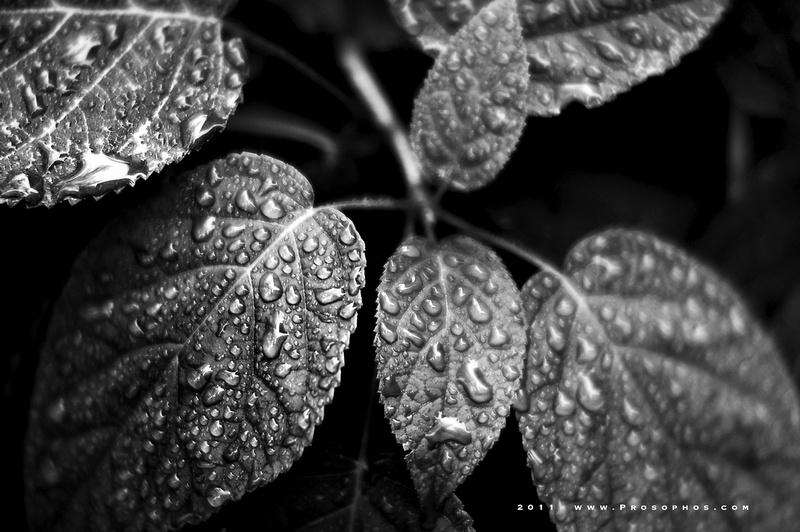
↑Nikon D40 and Nikkor-NOCT 58/1.2 @ f/1.2.
This image was taken with the Nikkor-NOCT 58mm @ f/1.2, mounted to a Nikon D40 camera.
The D40 was an entry level SLR camera, announced by Nikon in late 2006. Given we are currently in 2011, this camera is ancient by digital camera standards. However, it has a 6 megapixel DX format CCD sensor. The “CCD” part is what interests me because, along with a weak AA filter, this is exactly what you will find in the Leica M9 (although, in the M9 there is a larger “full frame” 18 megapixel sensor).
I’ve always been attracted to the look of photos captured by CCD sensors with weak AA filters, as the output is just more “vivid” to my eye – even when shooting with the dreamy NOCT @ f/1.2.
Here is one more photo with the same combo:
(please click on the image to view)
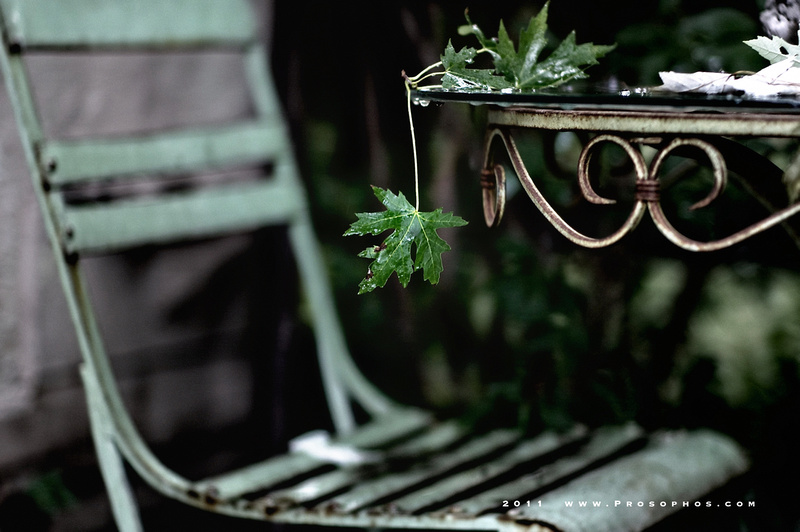
↑Nikon D40 and Nikkor-NOCT 58/1.2 @ f/1.2.
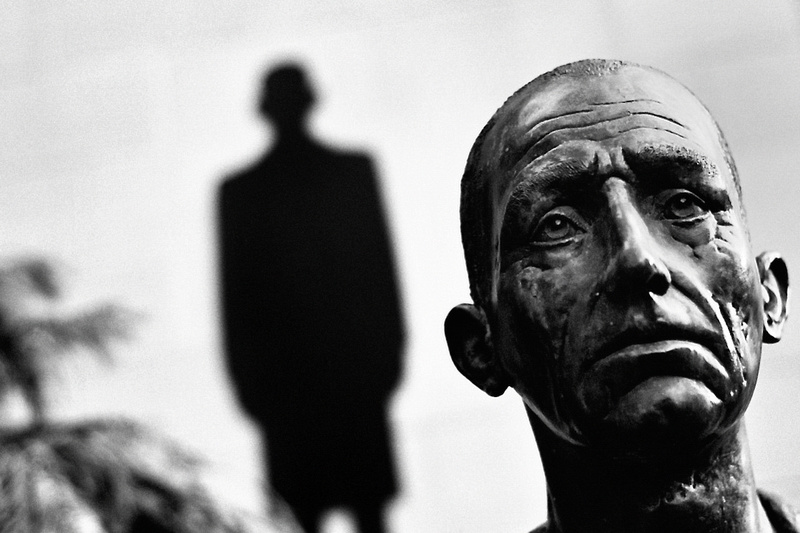
“There’s a king on a throne with his eyes torn out
There’s a blind man looking for a shadow of doubt.”
– The Police, King of Pain.
(please click on the image to view)

Leica M9 and Konica Hexanon 60mm @ f/1.2.
The summer walk – a story told in five parts.
(please click on the images below)


All photos taken with the Nikon D3S and the Nikkor-NOCT 58mm @ f/1.2 (images 1, 2 and 4) and @ f/4 (images 3 and 5).
I’m posting these as part of my ongoing showcase of the NIkkor-NOCT 58mm/1.2 lens.
Admittedly my “hit” rate on these is low (for example, I’ve completely missed focus on the 2nd image), but catching the expression of happiness makes it all worthwhile.
(please click on any of the images below to view)


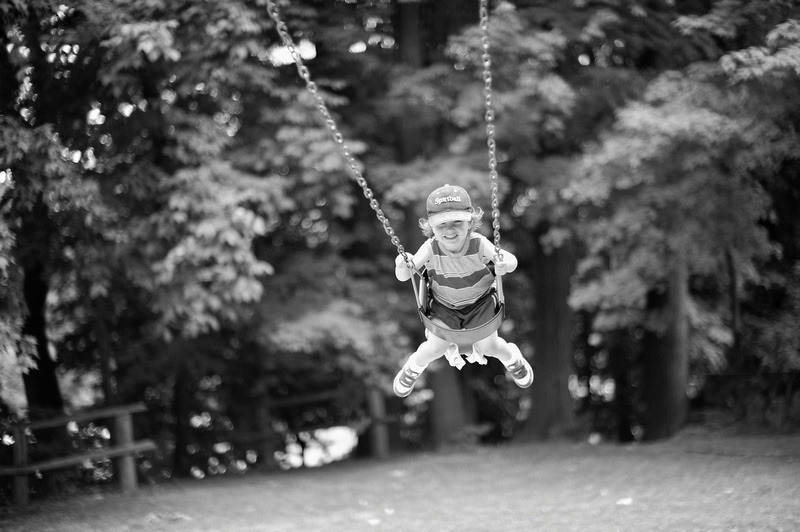


All images taken with the Nikon D3S and Nikkor-NOCT 58mm @ f/1.2.
A game of hide-and-seek in the forest. Moments and fragments of a dream, or so it seems to me now.
(please click on either image below)
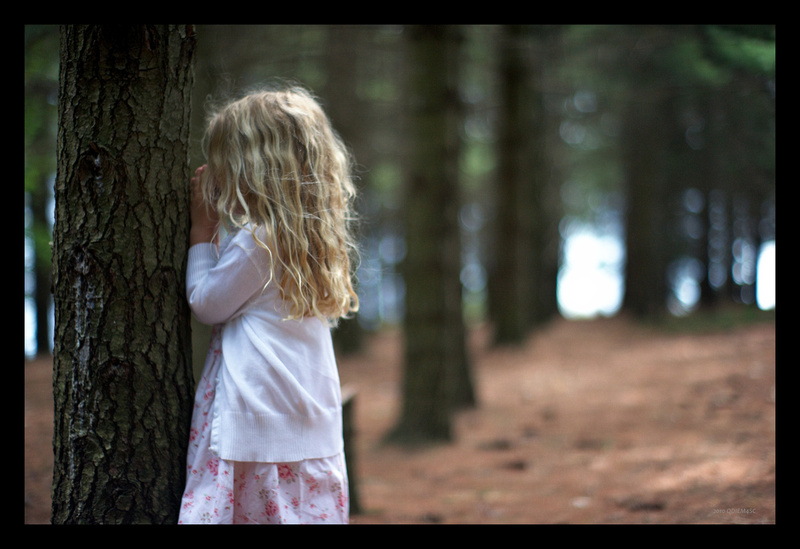

Both images taken with the Nikon D3S and Nikkor-NOCT 58mm @ f/1.2.
One of my favourites. Unbridled joy.
(please click on the image below)

Nikon D3S and Nikkor-NOCT 58mm @ f/1.2.
The rain has returned after a long absence, so I thought I’d post a second image today, more à propos of the mood.
(please click on the image to view)

This shot was taken last year with the Nikkor-NOCT 58/1.2 (on a Nikon D40 body).
The Nikkor-NOCT 58/1.2 is a remarkable lens that, unfortunately, is no longer made. I really should write a piece about it, but there is plenty of technical information available on the web about this lens. Have a look here and here.
Over the next little while, I’ll be posting some of my favourite shots I’ve taken with this lens. The images do a better job of telling the story of the NOCT anyway, as compared to technical discussions.
Inside or outside?
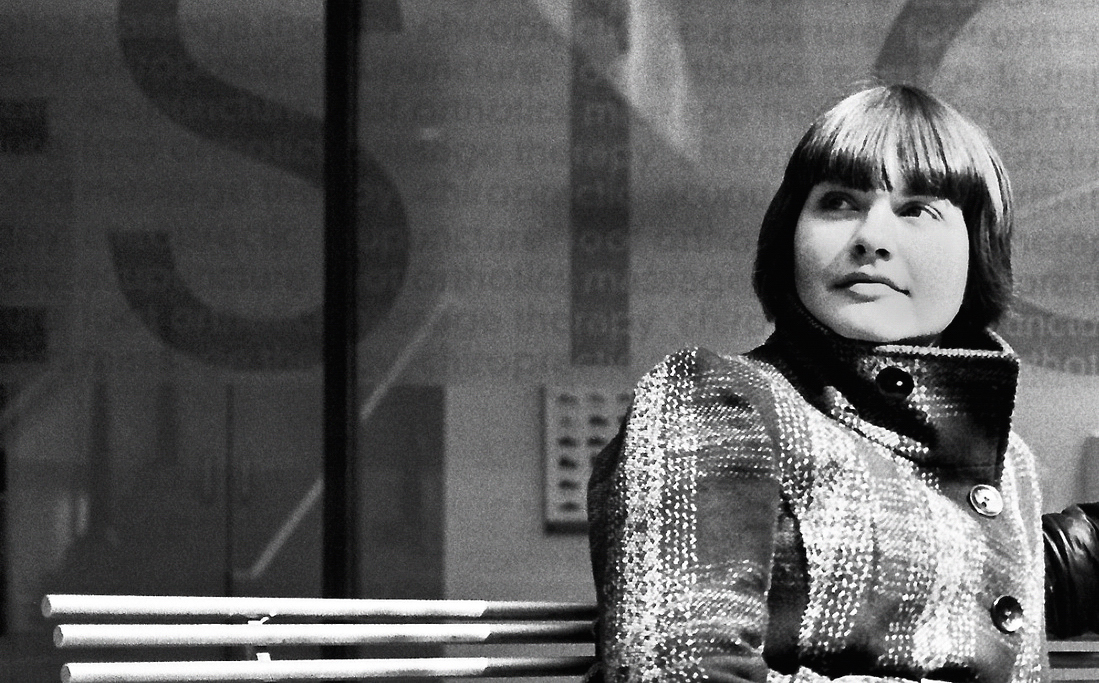
Of reflections and introspection.
(please click on the image to view)

Leica M9 and Konica Hexanon 60mm @ f/1.2.
He has tunnel vision, on his way to work.
(please click on the image below to view)

Leica M9 and Leica 75mm Summilux @ f/1.4.
Timeless summer scenes, played out in a neighbourhood near you.
(please click on any image to view)




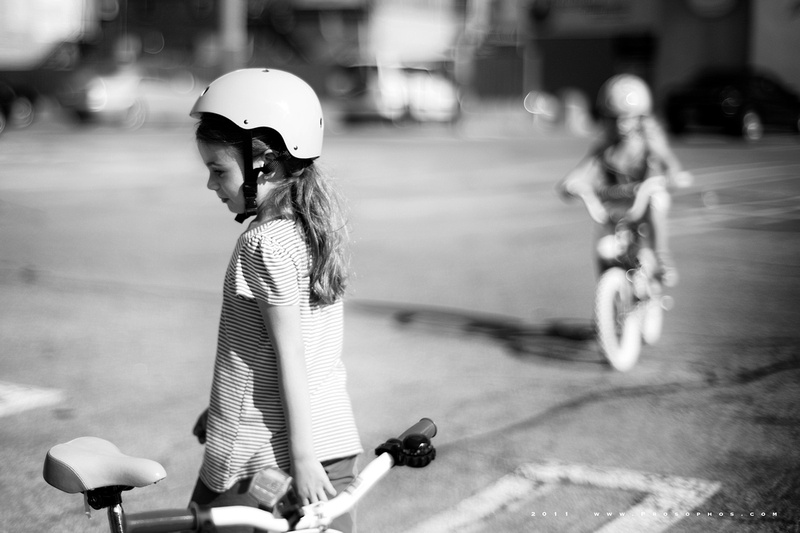
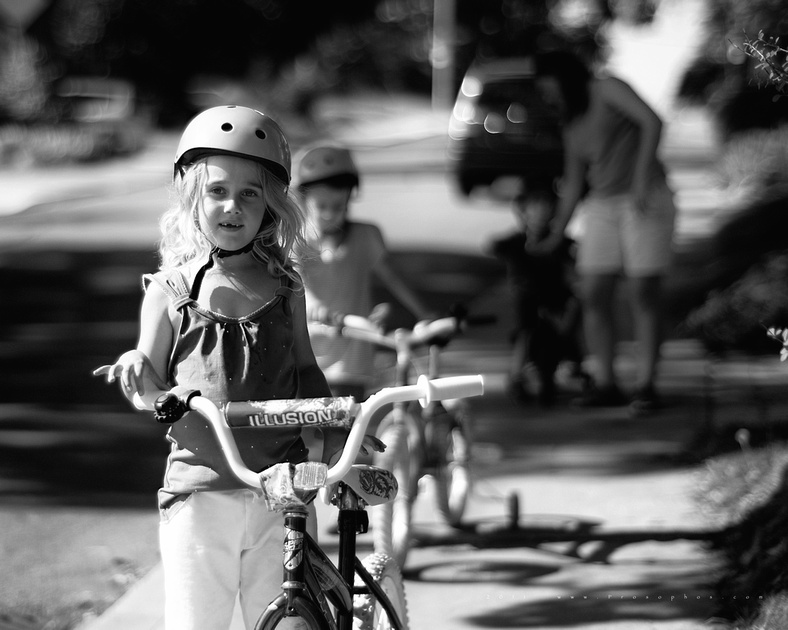
All images taken with the Leica M9 and Konica Hexanon 60mm @ f/1.2.
_

(photo courtesy of Voigtländer.com)
_
____________________________
The Voigtlander Nokton 40/1.4 was my first M-mount lens, purchased back in 2008 along with a Leica M8.
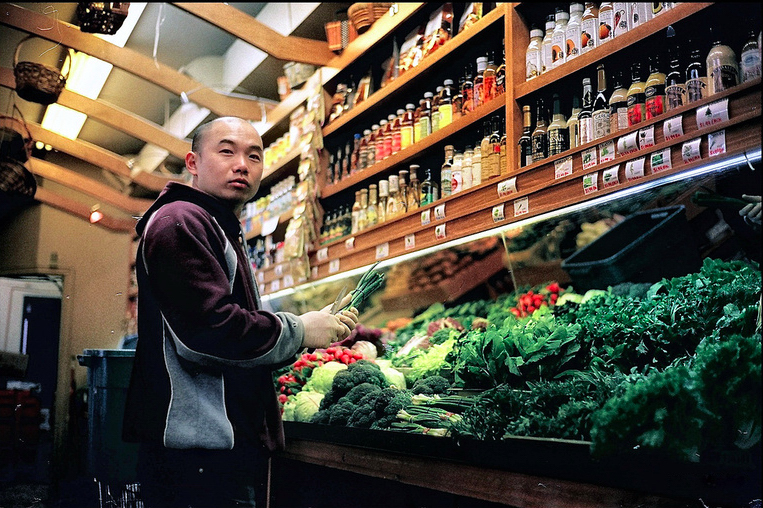
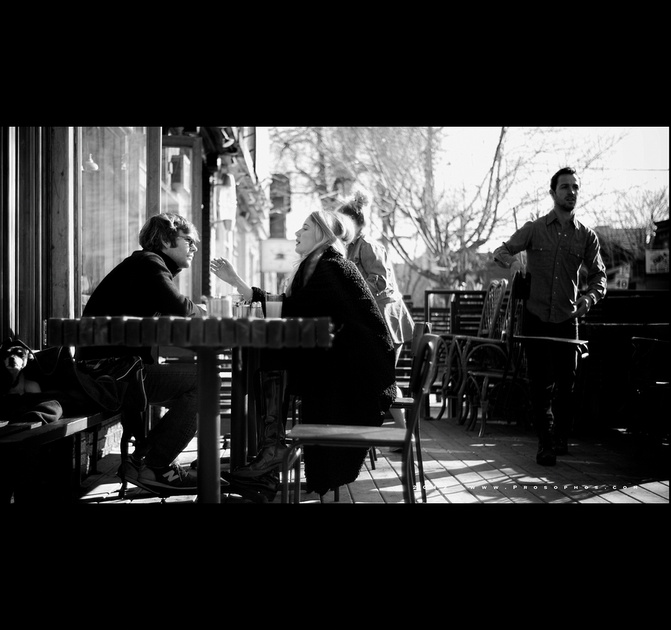
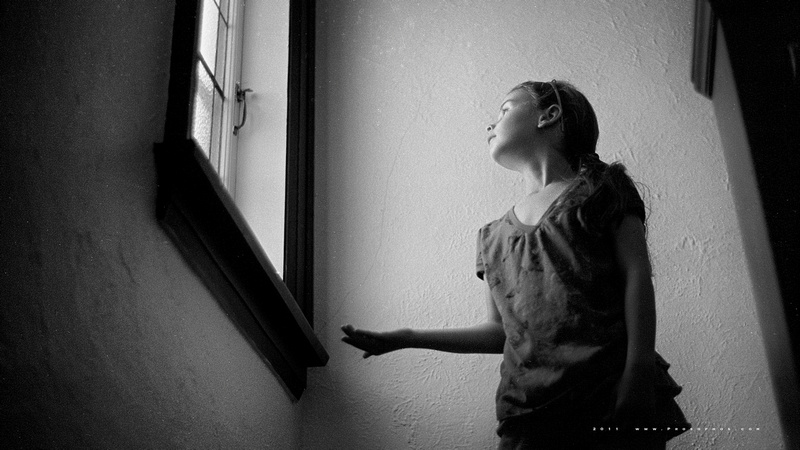
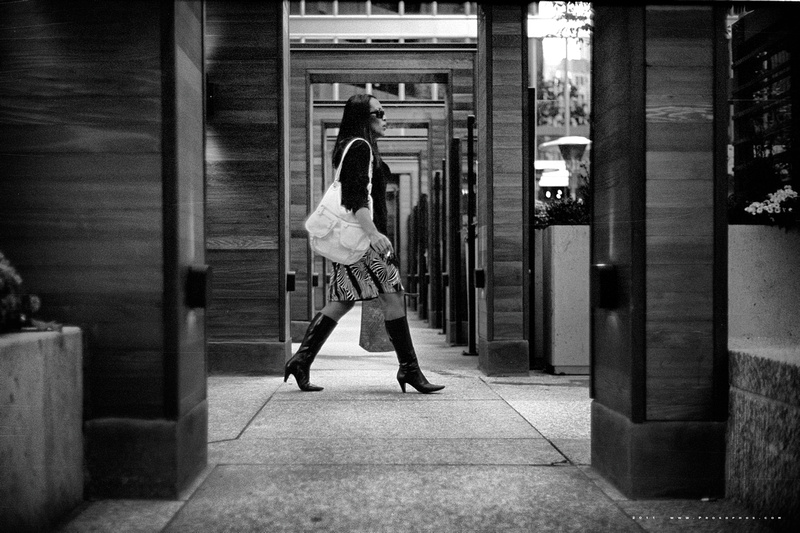
Through the years, I’ve been hot-and-cold on it, for all of the well-documented reasons people either like or dislike it. And though I’ve experimented with some of Leica’s finest, I always seem to find a path back to this modest lens. If I had to explain why that is, I would say it’s because it’s small, light, fast (f/1.4), and has a focal length that sits between my most used focal lengths (35mm and 50mm). It also has virtually zero distortion, and is sharp enough. The bokeh can be harsh, but the optics that conspire to cause this can also impart a most desirable character to images.
Here are some examples:
—Peter.
–
–
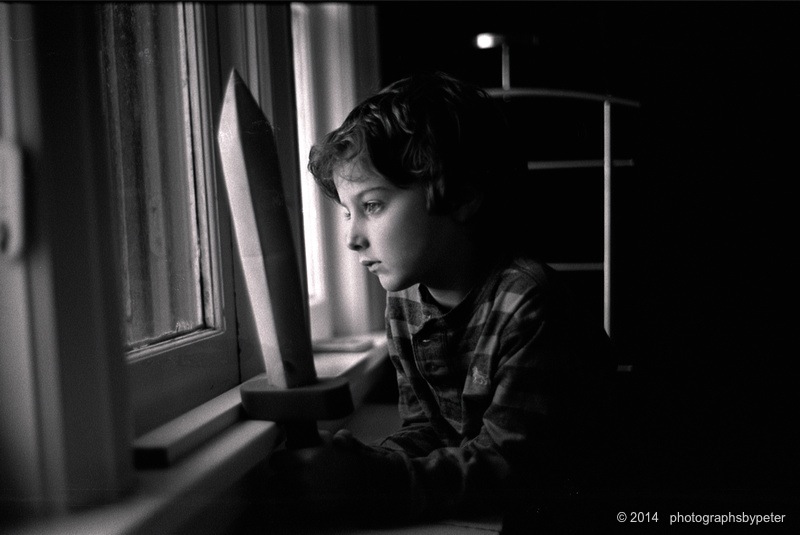
Sample images taken with the Voigtländer 40mm f/1.4 Nokton:


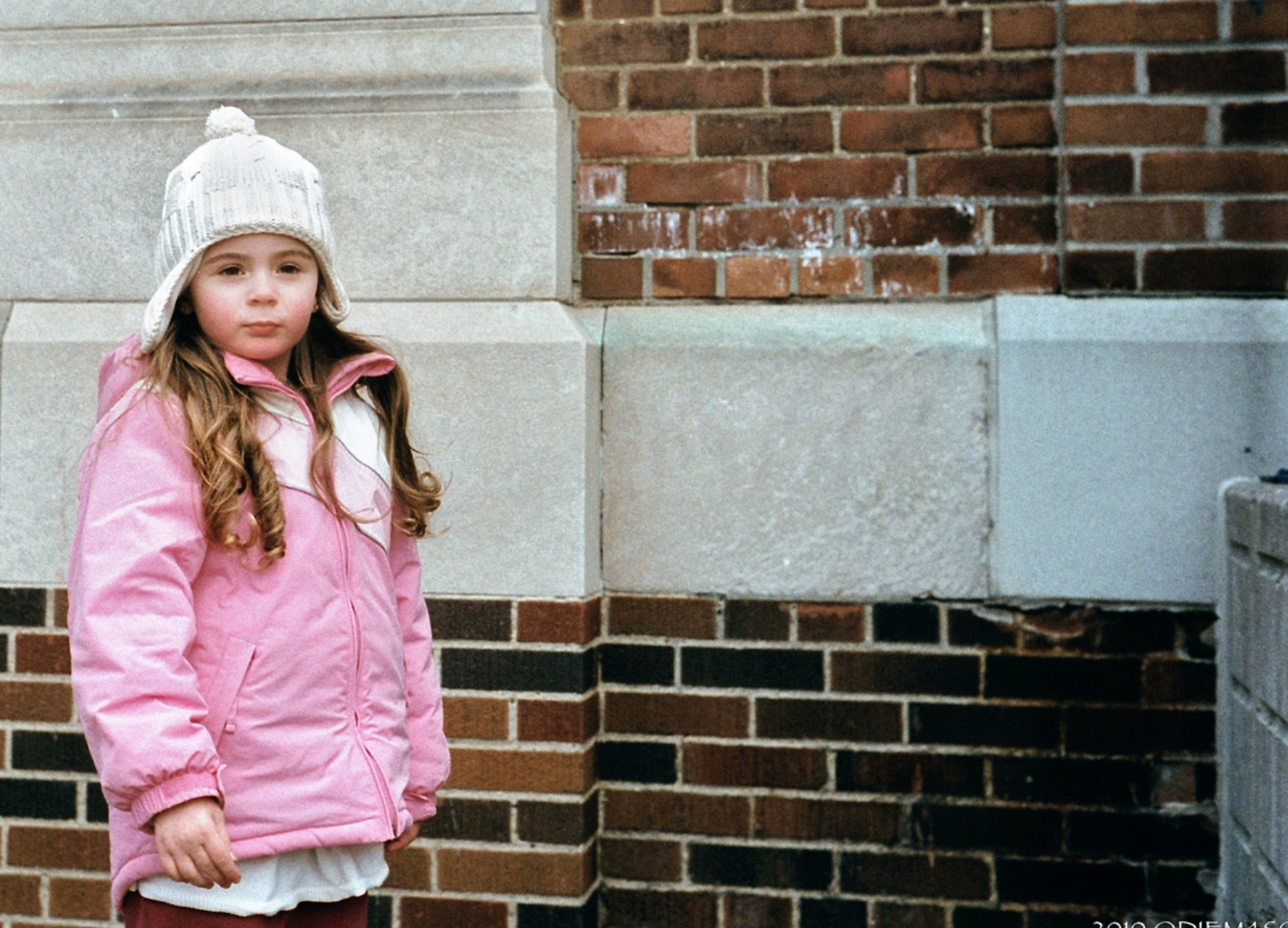
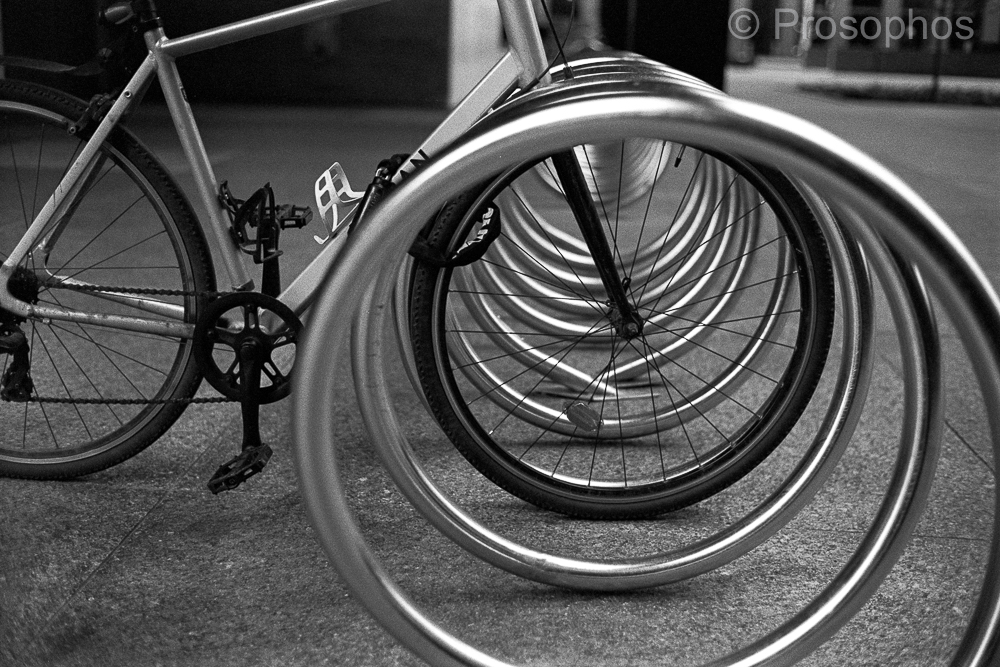






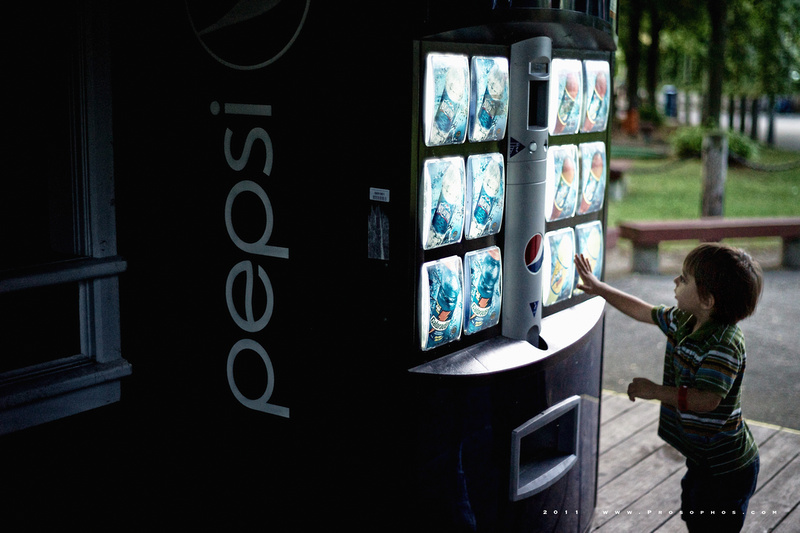

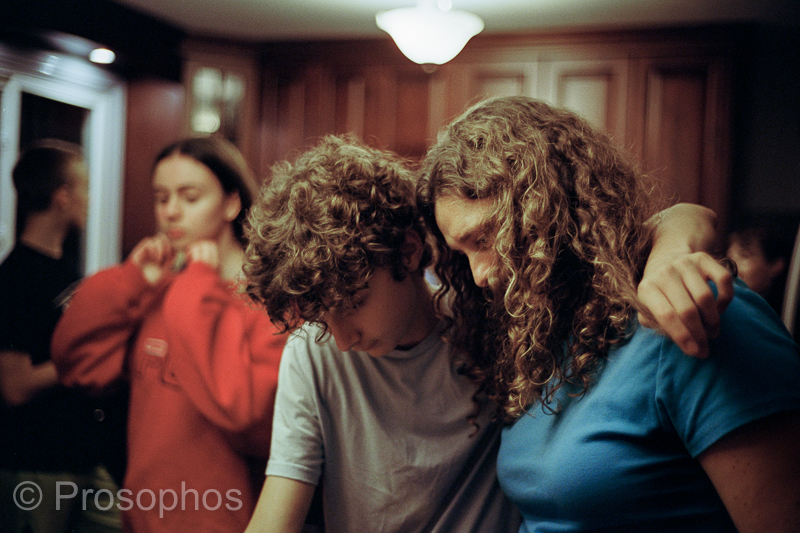
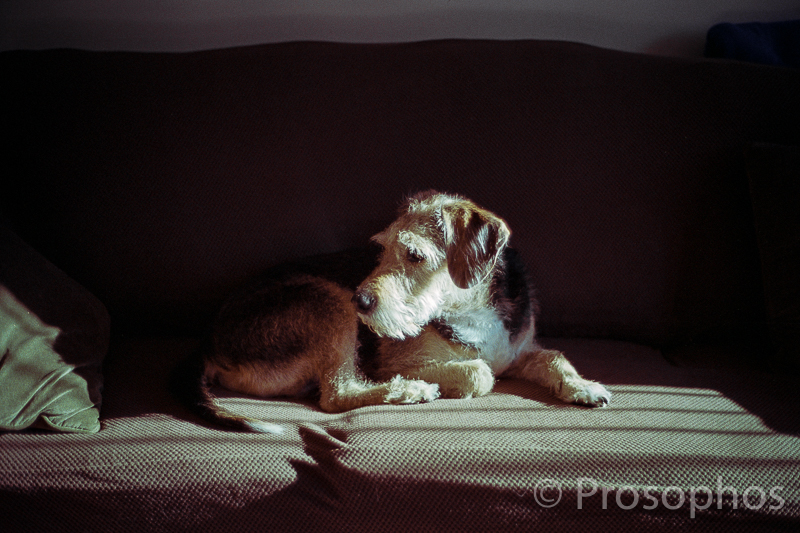


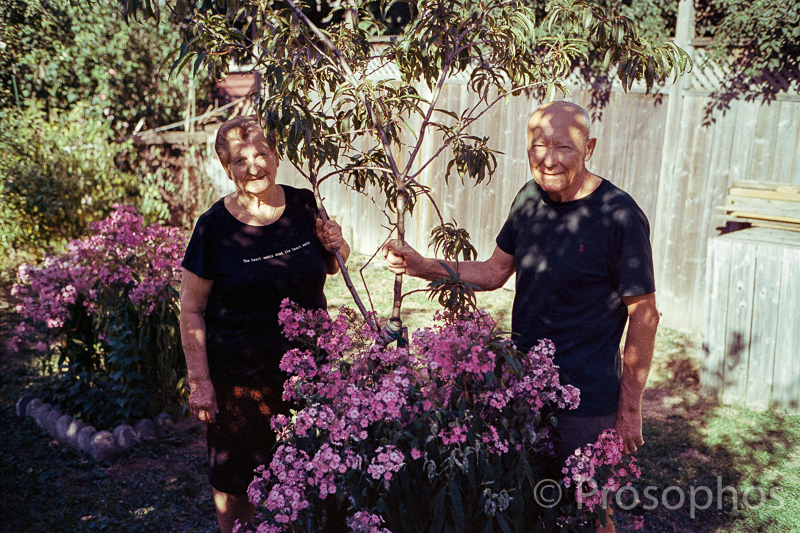







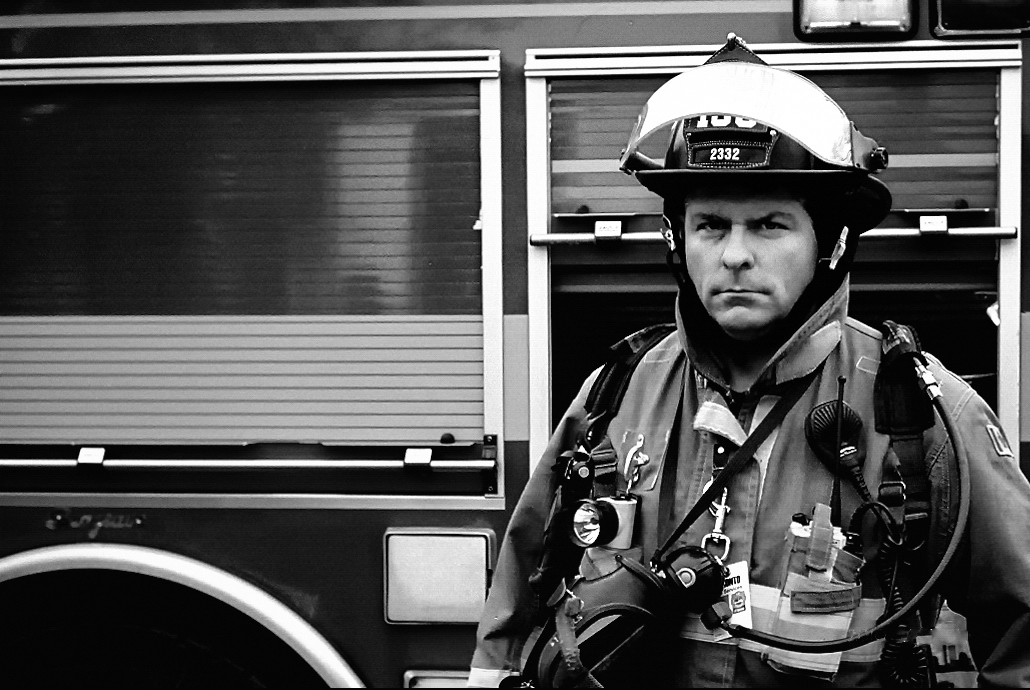





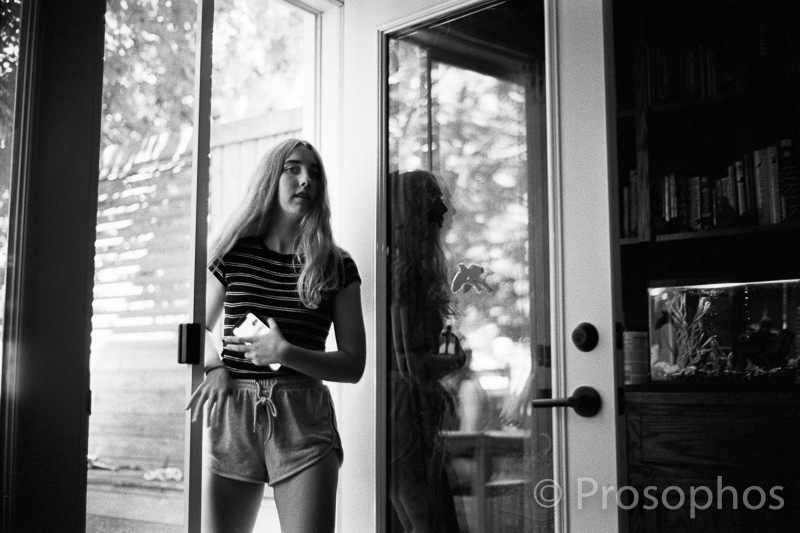


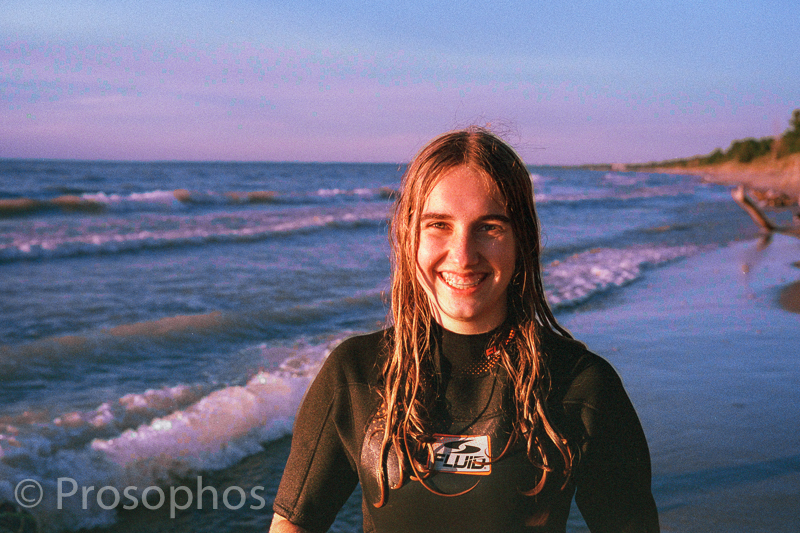
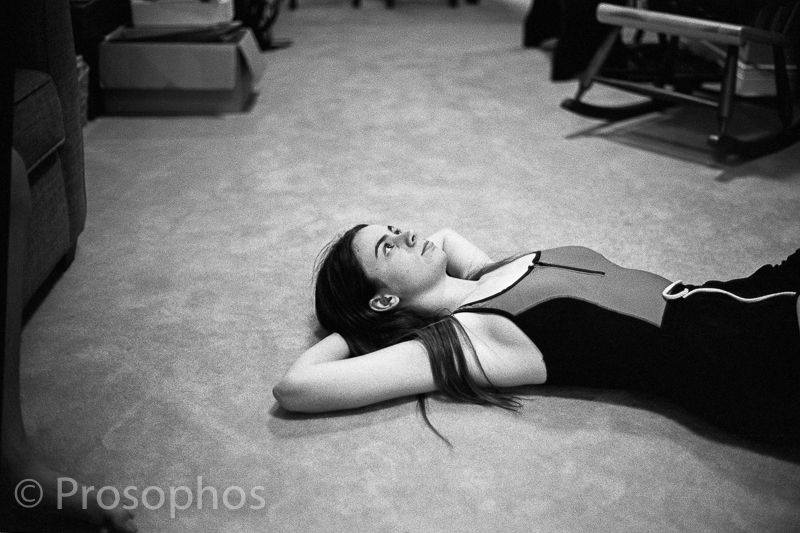
A rare-double post today, but the first post was – in actuality – a thank you message.
Switching gears right now with a wide angle shot…
(please click on the image below)

Leica M9 and Zeiss ZM 21mm @ f/2.8.
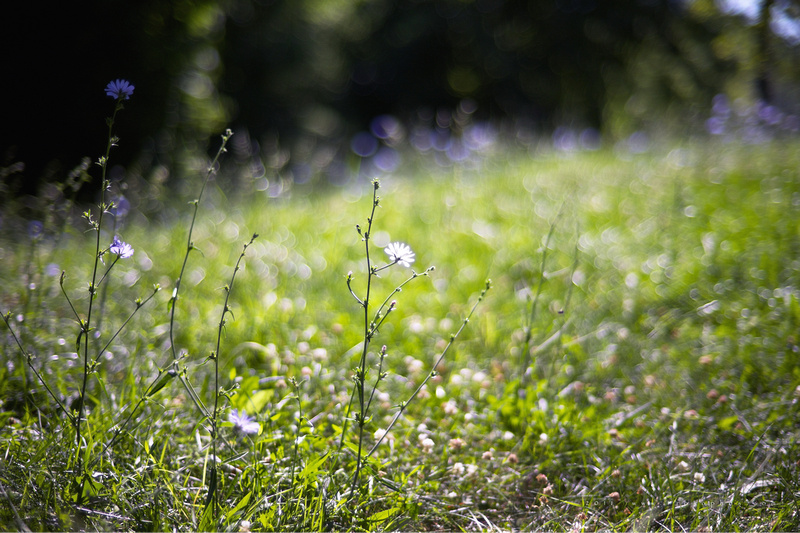
Along the path upon which I walked,
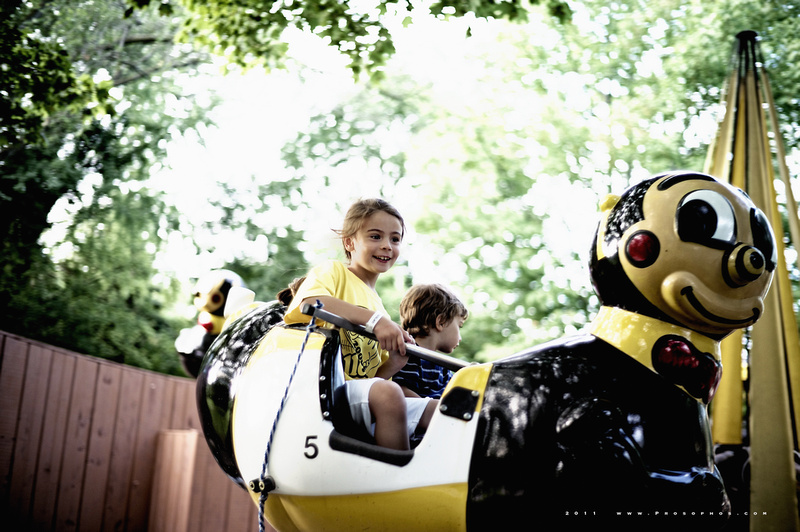
I saw a bee…
(please click on any of the images below to view)

…and wildflowers…
…and fluffy things upon which to make wishes…

If anybody knows what the proper name of these fluffy things are, please let me know. I tried looking them up online and I know they’re not from cottonwood trees, or from dandelions. I don’t think that they’re milkweed pods either. I’m actually stumped!
Images 1 and 3 were created with the Leica M9 and Leica 75mm Summilux @ f1/.4. Image 2 was created with the Leica M9 and Konica Hexanon 60mm @ f/1.2.
Achieving simplicity in photography is a very difficult, but worthwhile goal.
Simple compositions are generally more pleasing to the eye, and more directly communicate visual impressions than cluttered ones.
In the first image below, the triad of leaves, lit up by an errant shaft of sunlight, first caught my attention as I was walking by so I appropriately exposed for them. Exposing for their brilliant glow meant losing details in the shadows, but this is what I wanted, as the end-effect is a seemingly floating cluster of foliage with only the mere suggestion of the supporting framework of trees.
Simplicity.
(please click on the image below)

↑Leica M9 and Leica 50mm Summicron @ f/2.
Most novice photographers make the error of being over-inclusive in their images and forget to ask themselves, what is it about this scene that first caught my attention?
Often we can easily achieve simplicity by shooting with a telephoto lens or by moving closer and isolating the subject of interest. But this is not the only way.
More tricky – and more satisfying – is to capture a wider scene that has been stripped down to just a few elements. Sometimes that’s impossible, especially in a world all too cluttered with distractions. But it’s worth trying for.
In the second image below, the original scene was full of foreground objects, but I moved myself to higher ground and angled my field of view so that only two things (besides the sky) are visible in the final image.
(please click on the image below)

↑Leica M8 and Leica 50mm Summilux ASPH @ f/1.4.
In photography then, truly, less is more.

