
2026
Let’s Play Ball.
2026, Beyond 200 feet of My House™, Favourite, Portrait, Print, Ricoh GR IVOpening game night for the Blue Jays.
EDIT: They won!
—Peter.

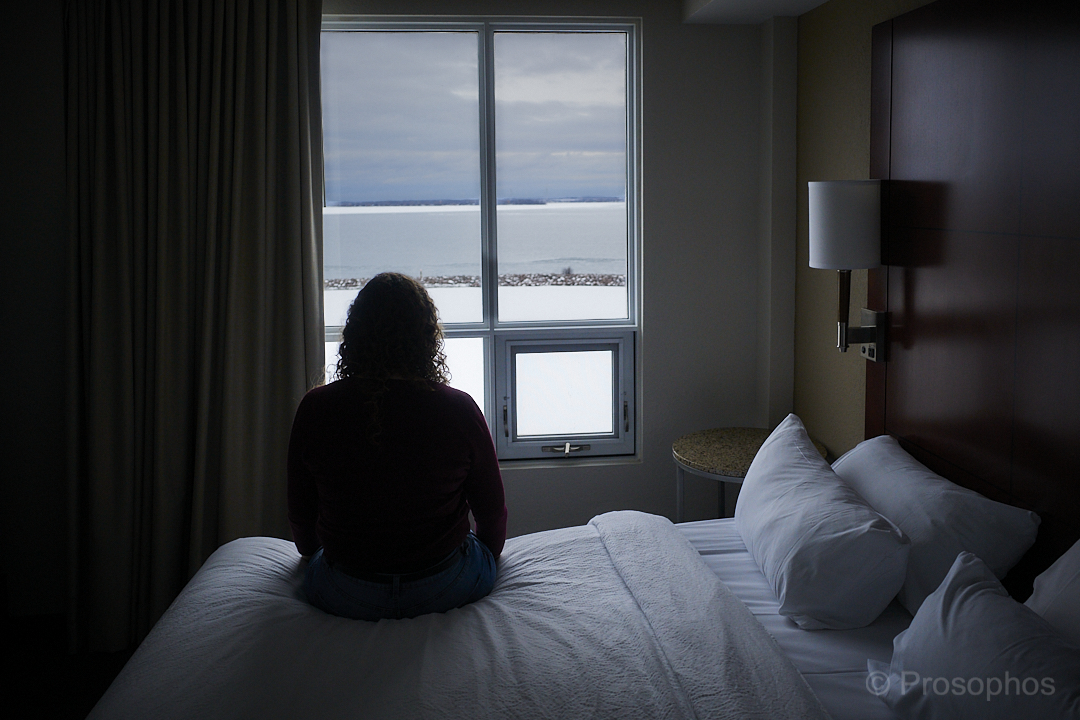
Portrait of R in Kingston.
2026, Beyond 200 feet of My House™, Favourite, Inspiration, Portrait, Ricoh GR IV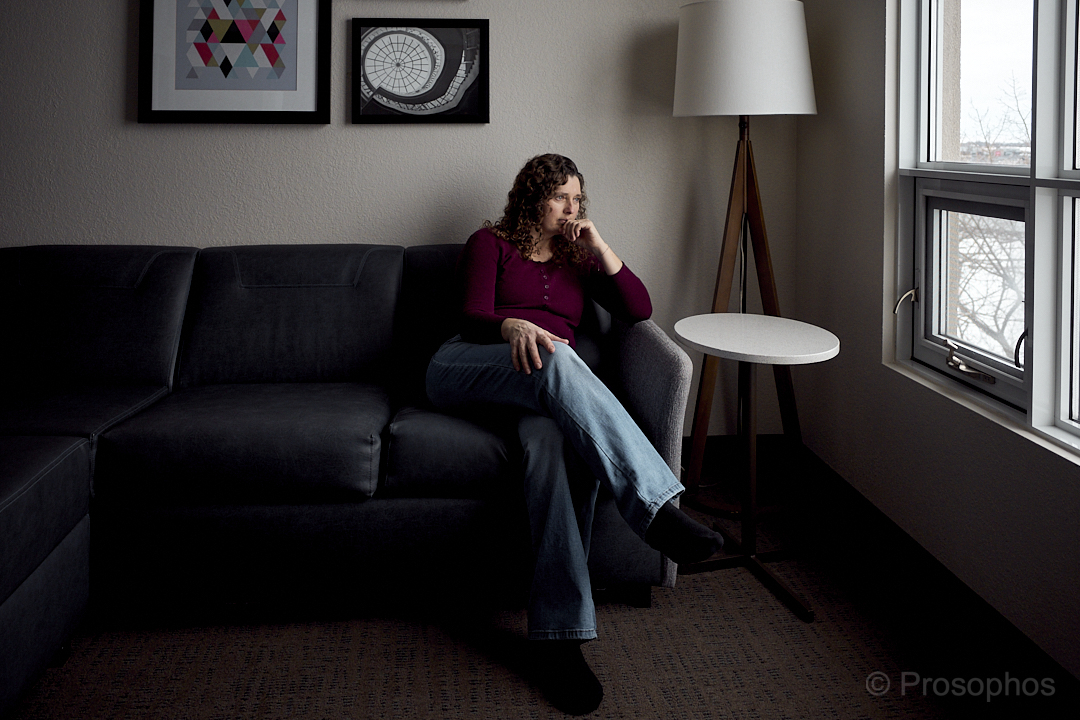
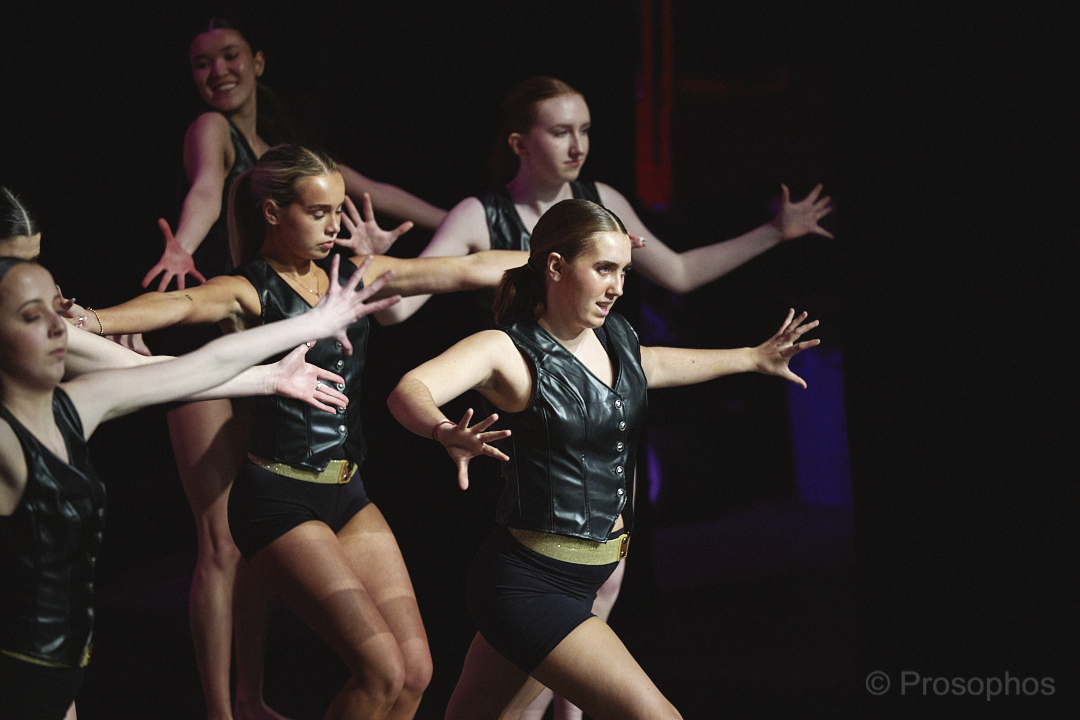
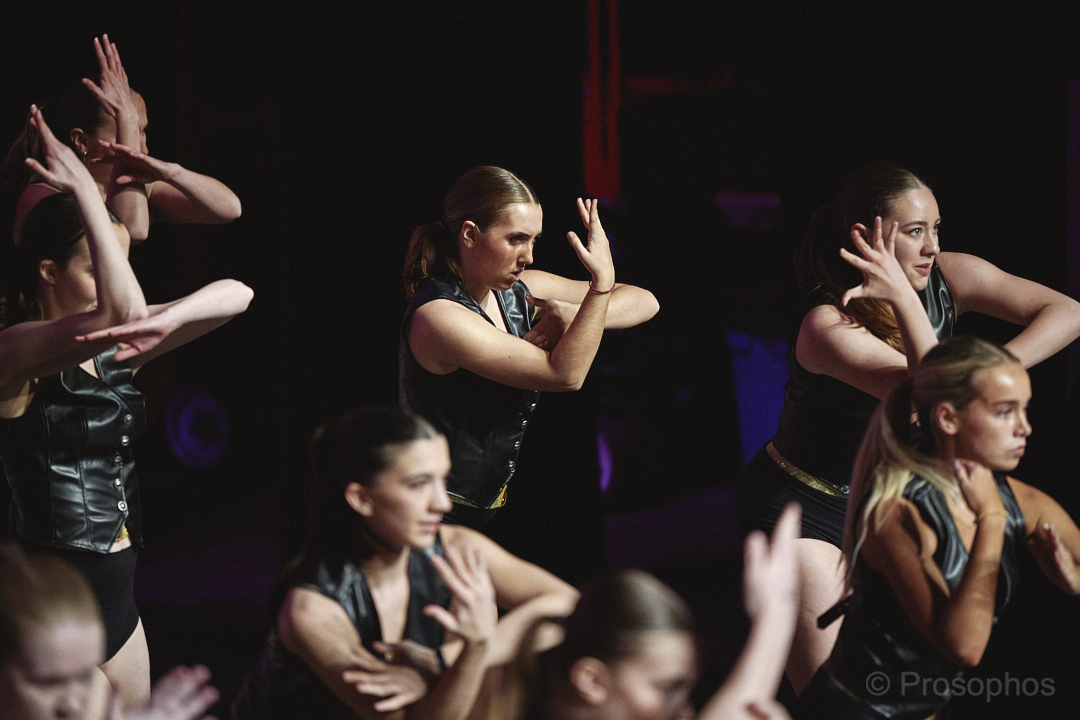
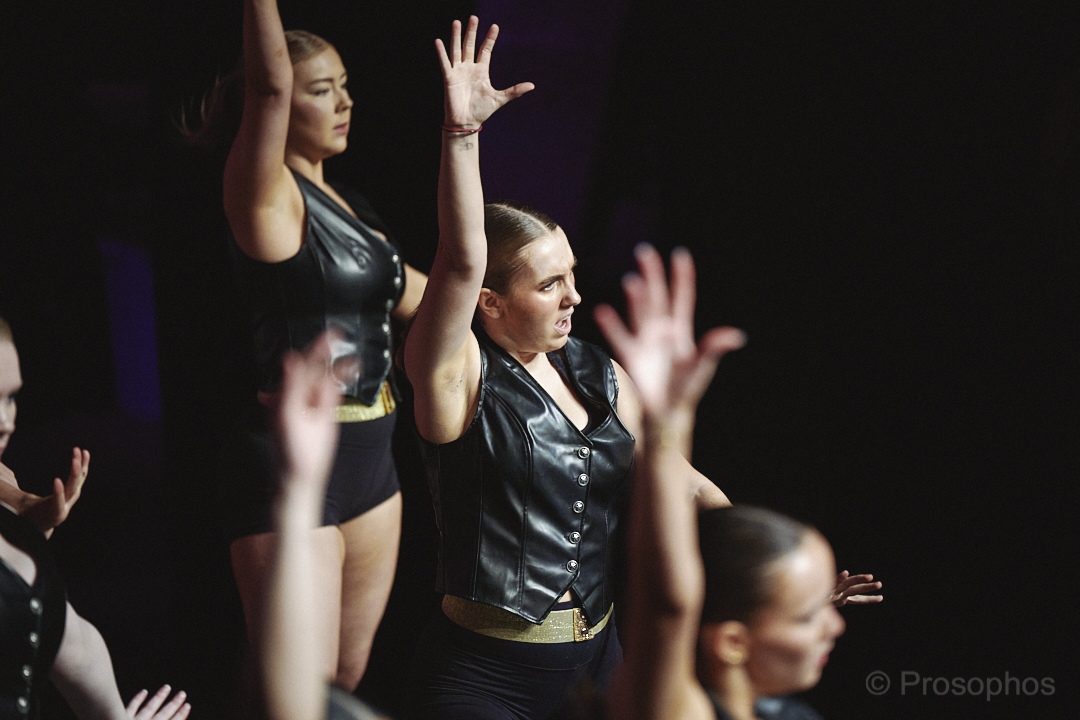
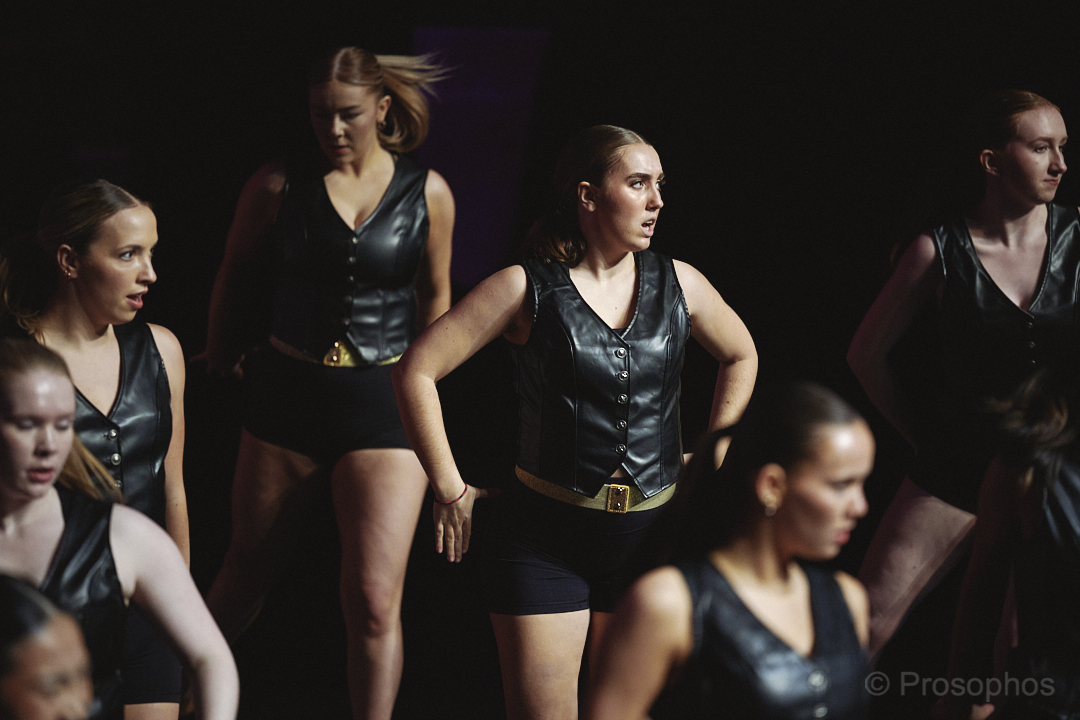
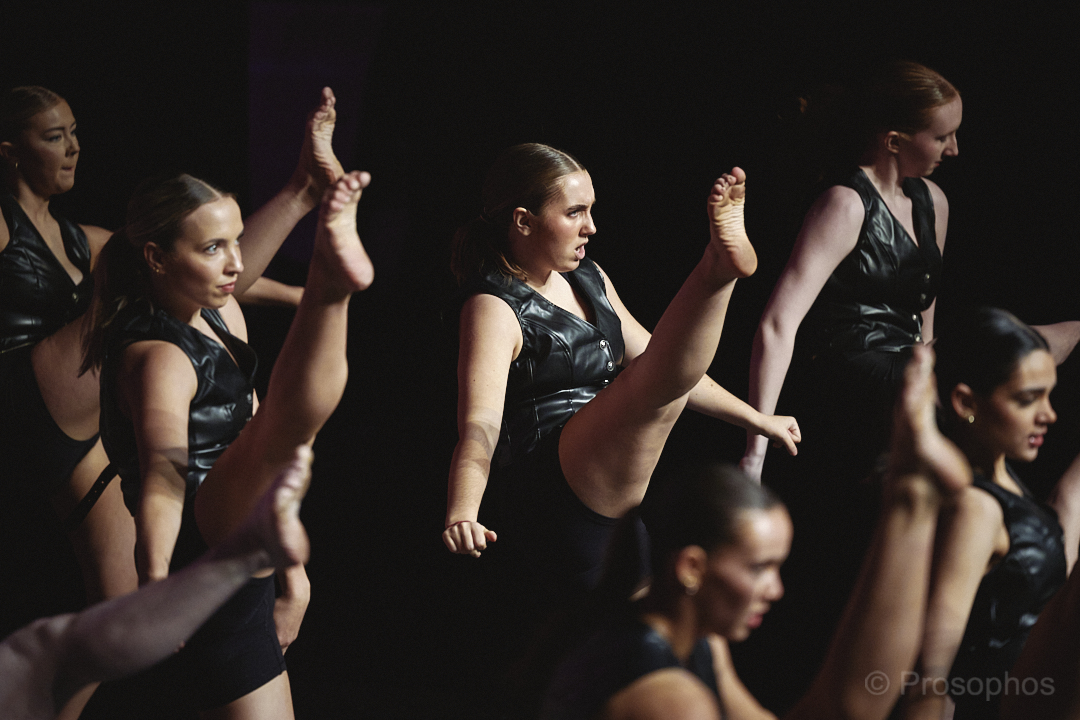
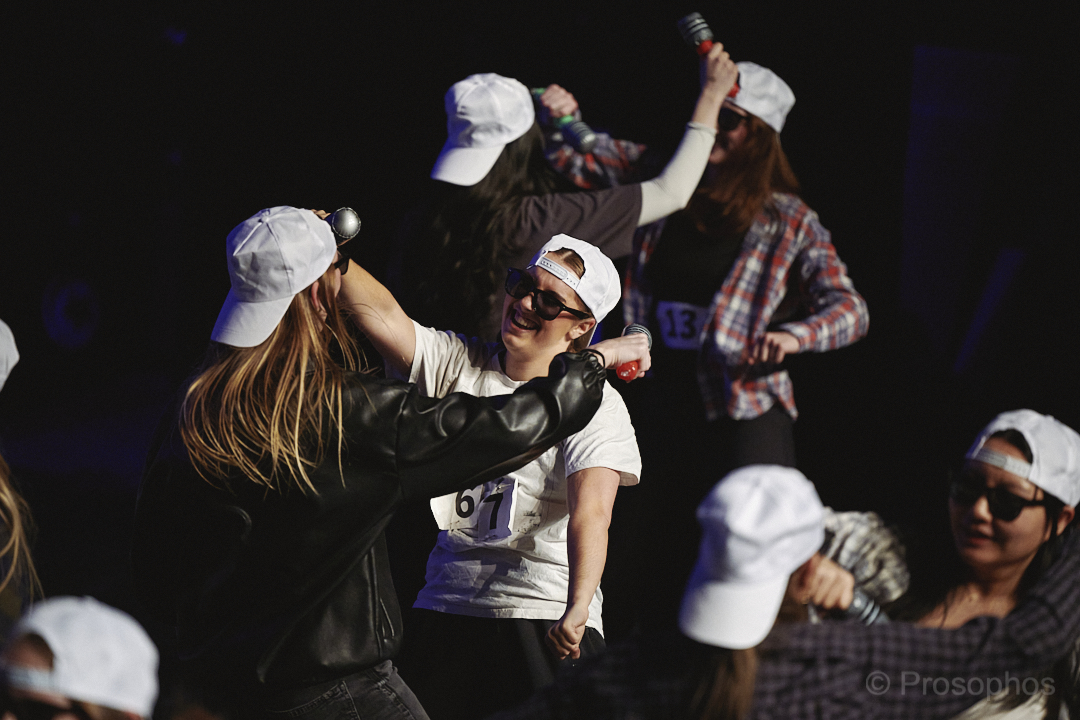
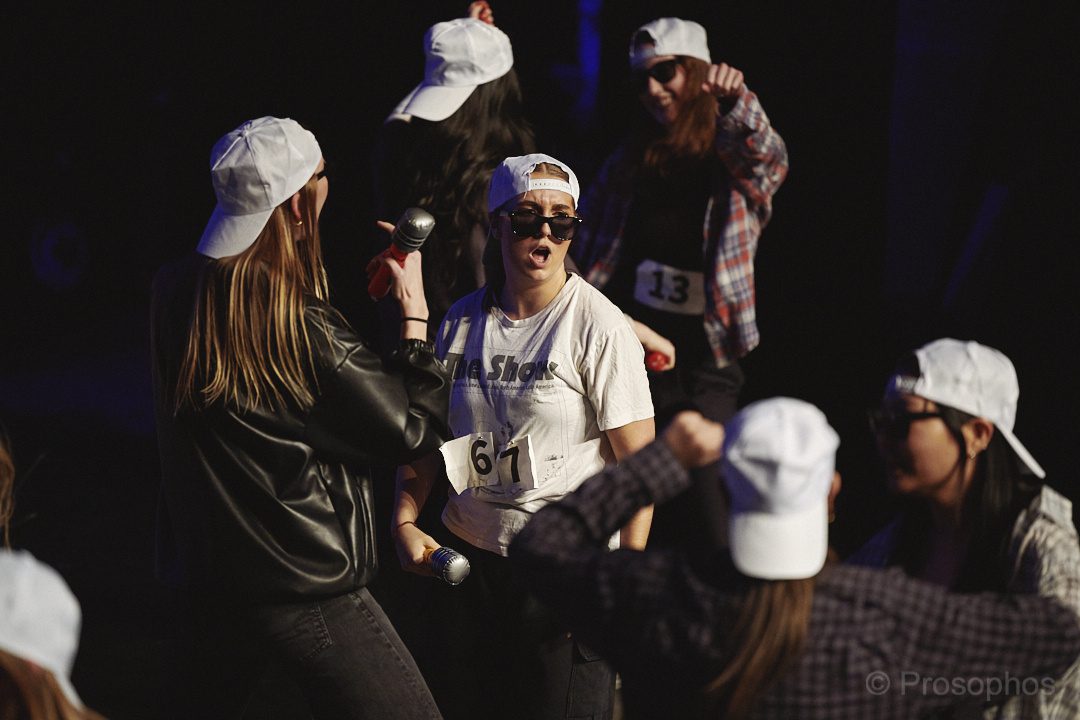
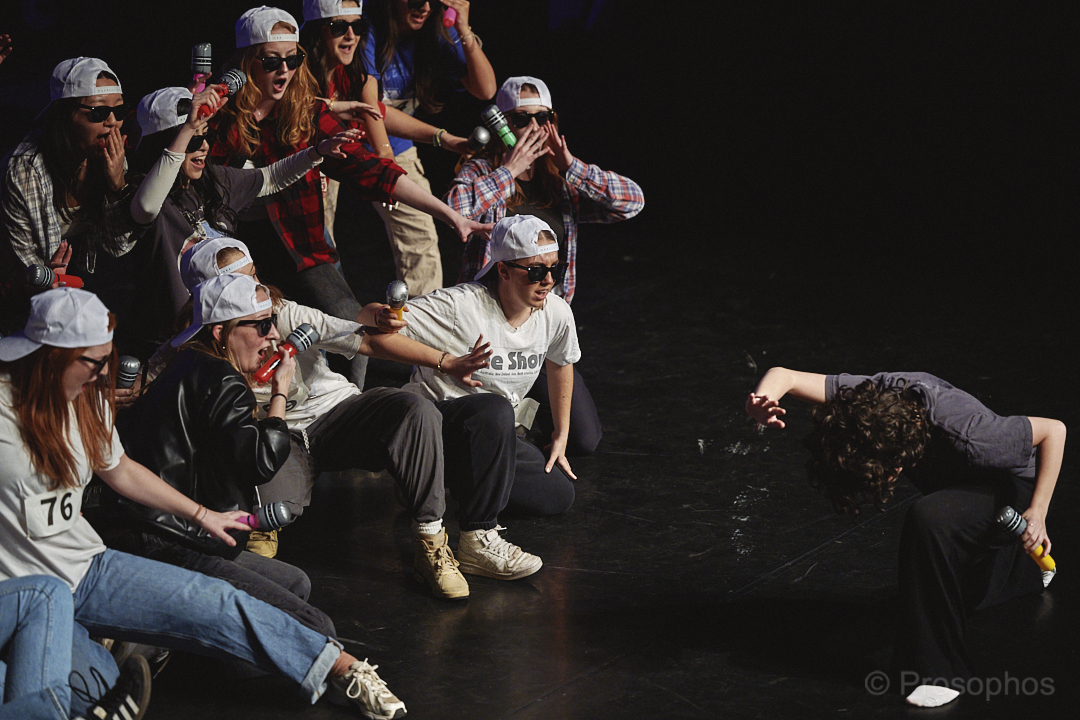
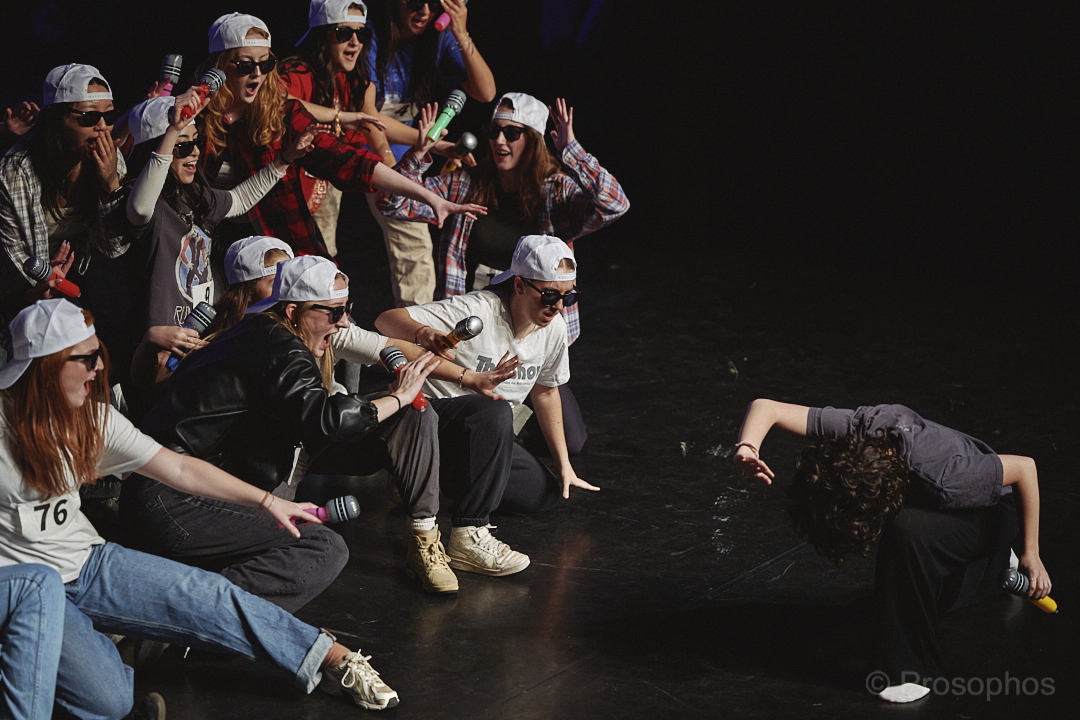
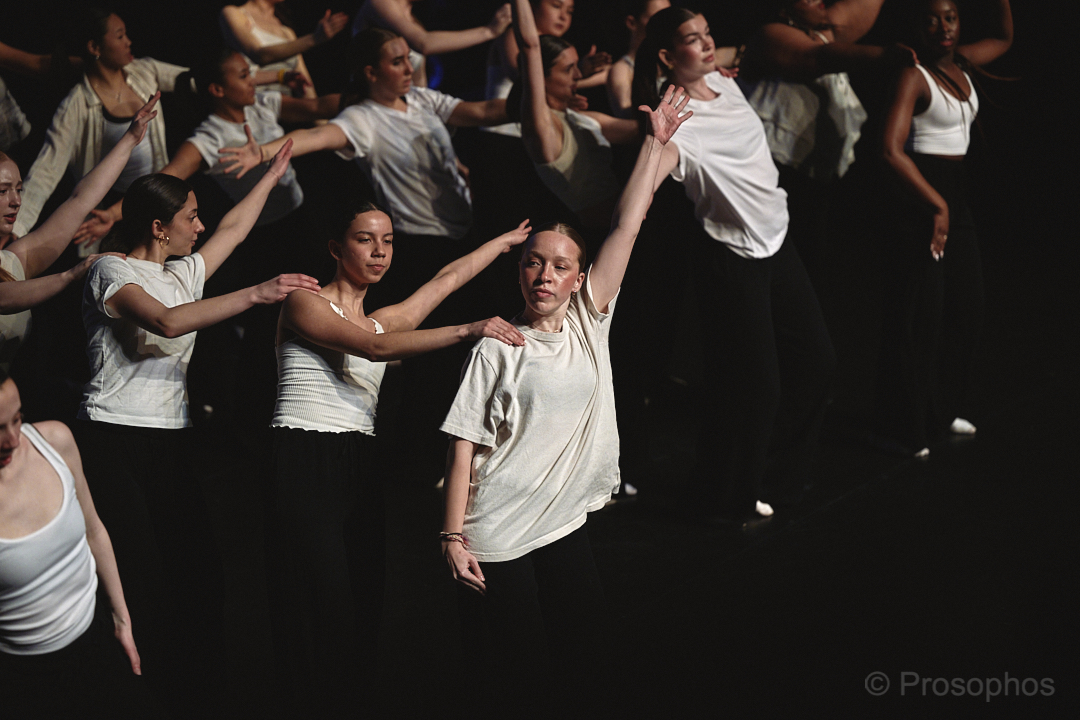
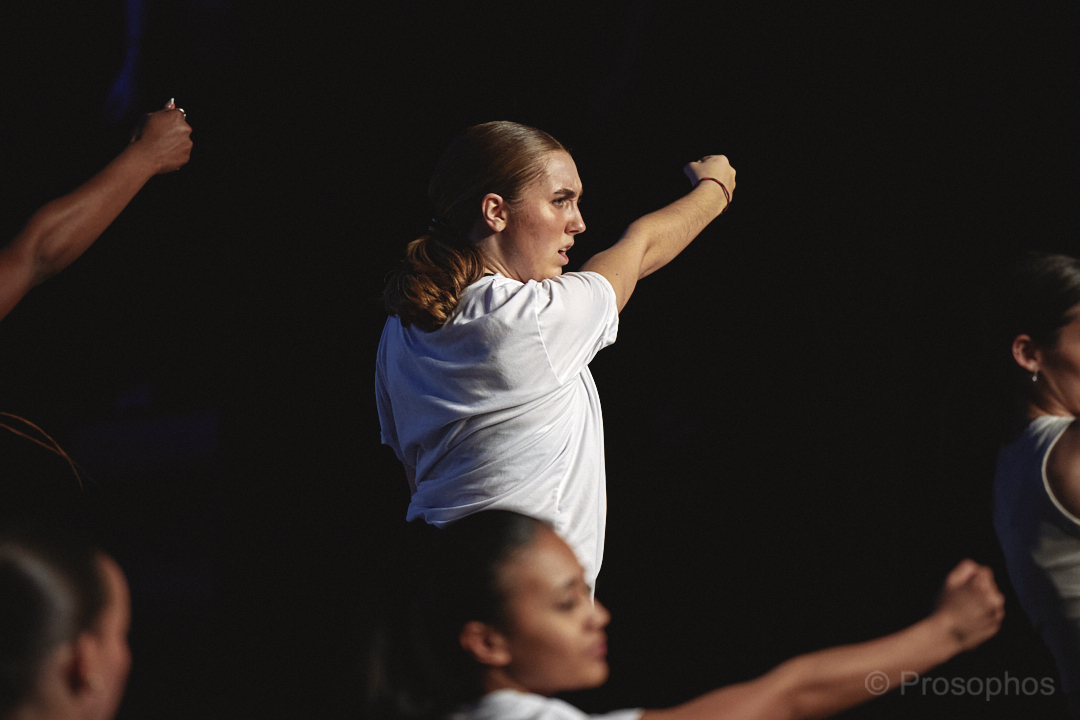
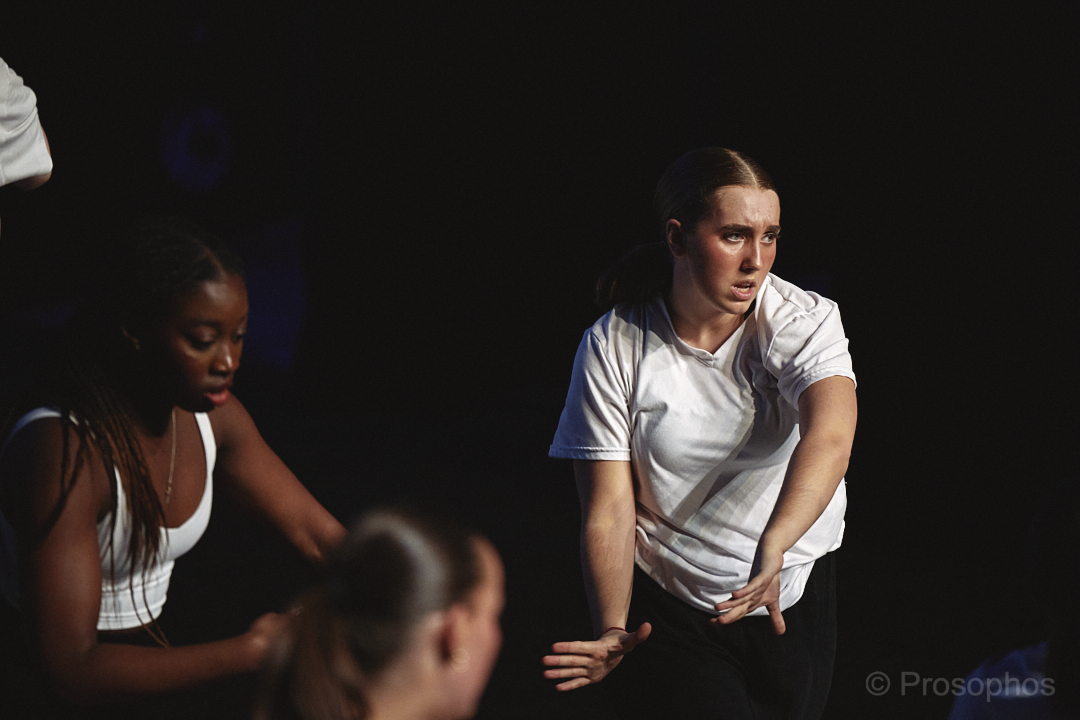
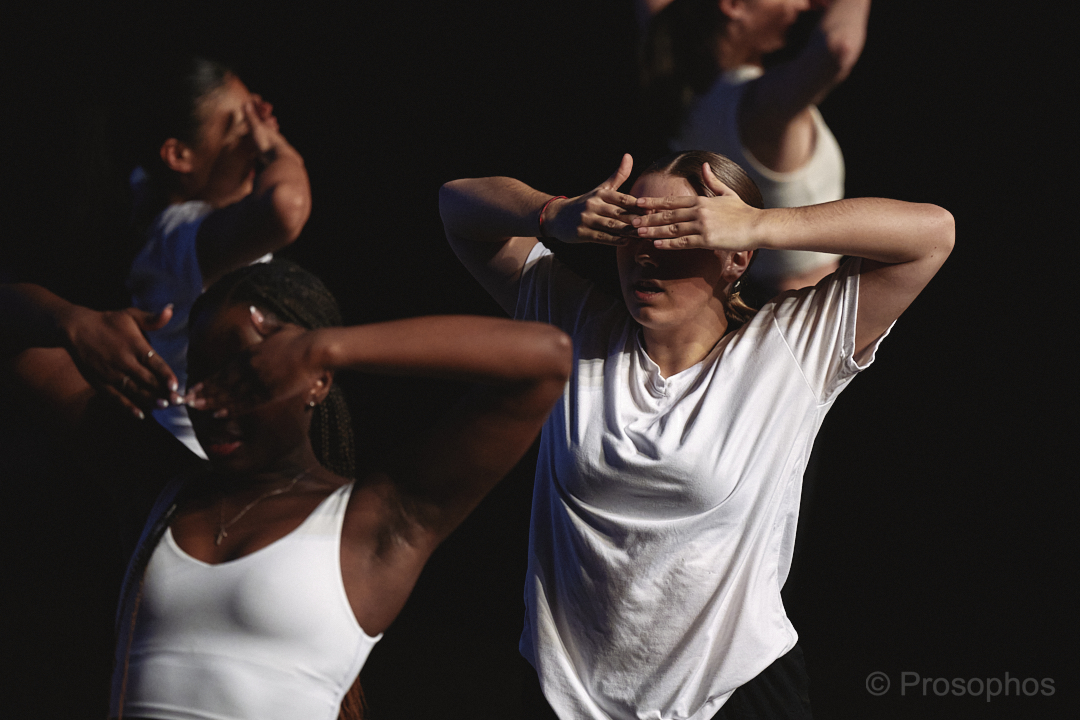
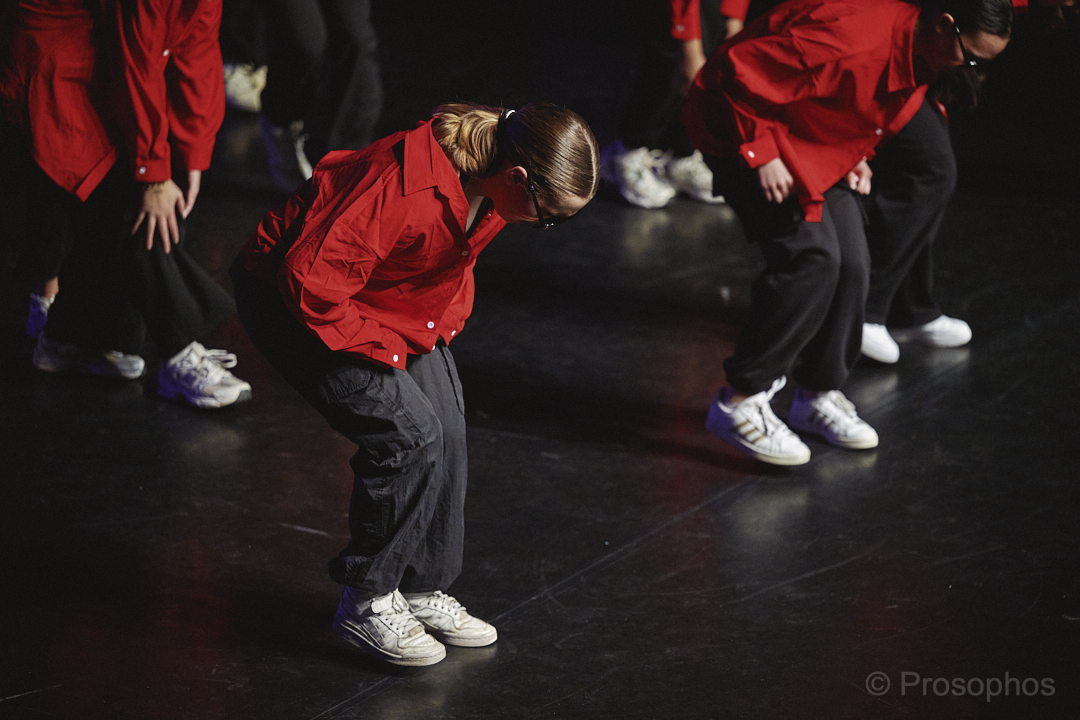
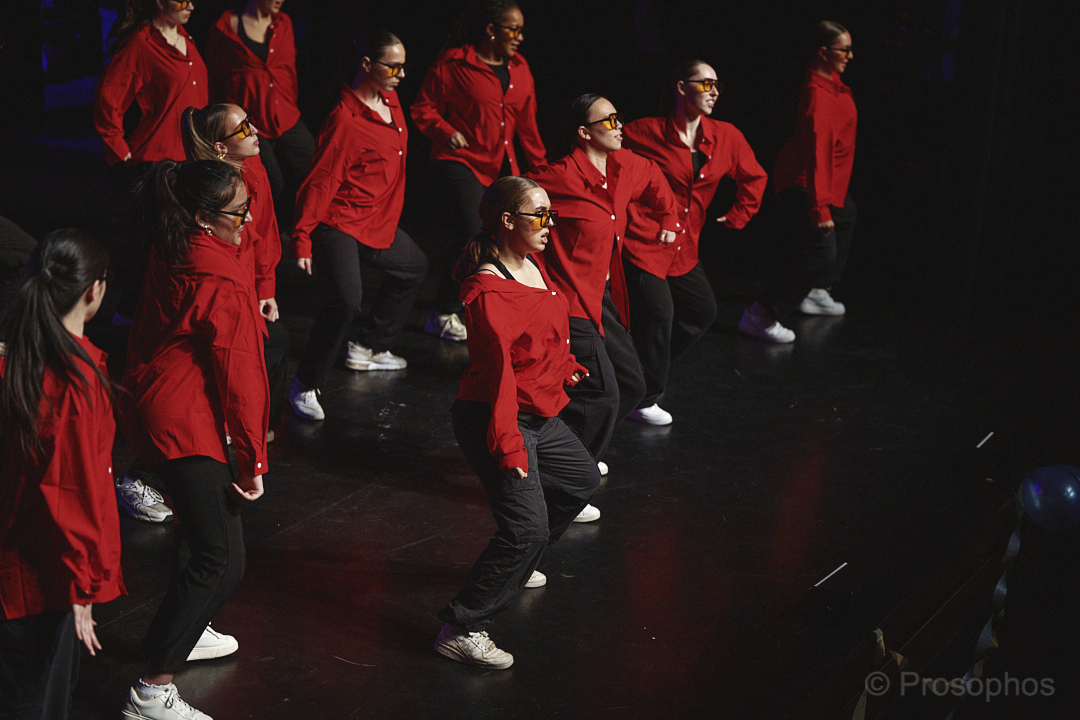
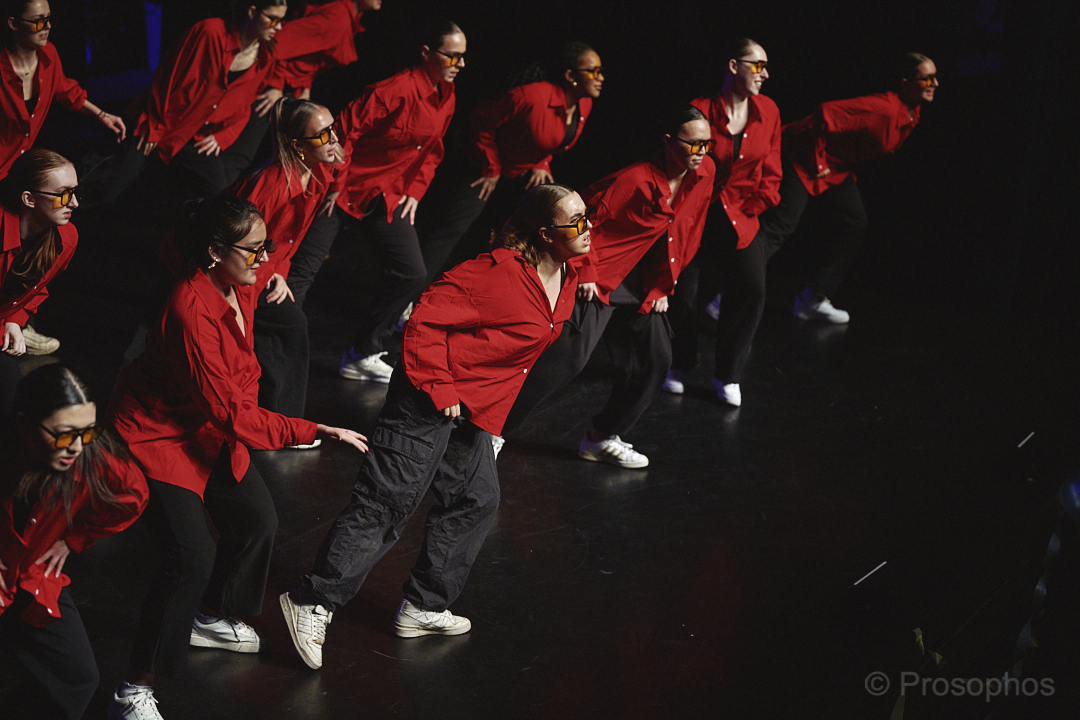
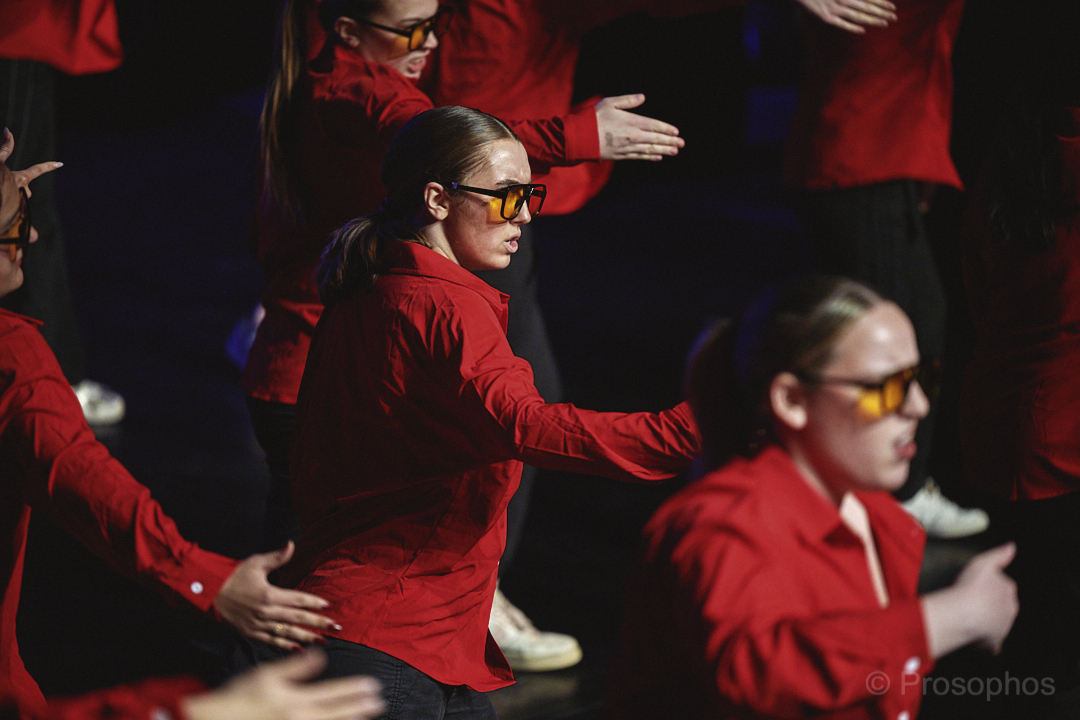
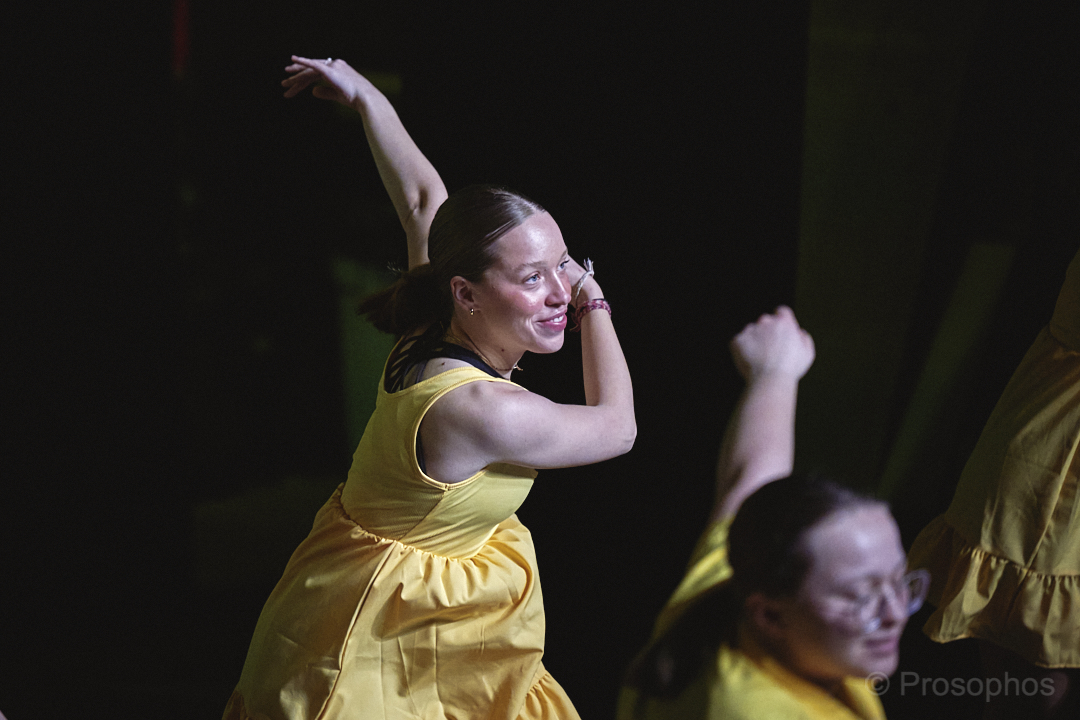
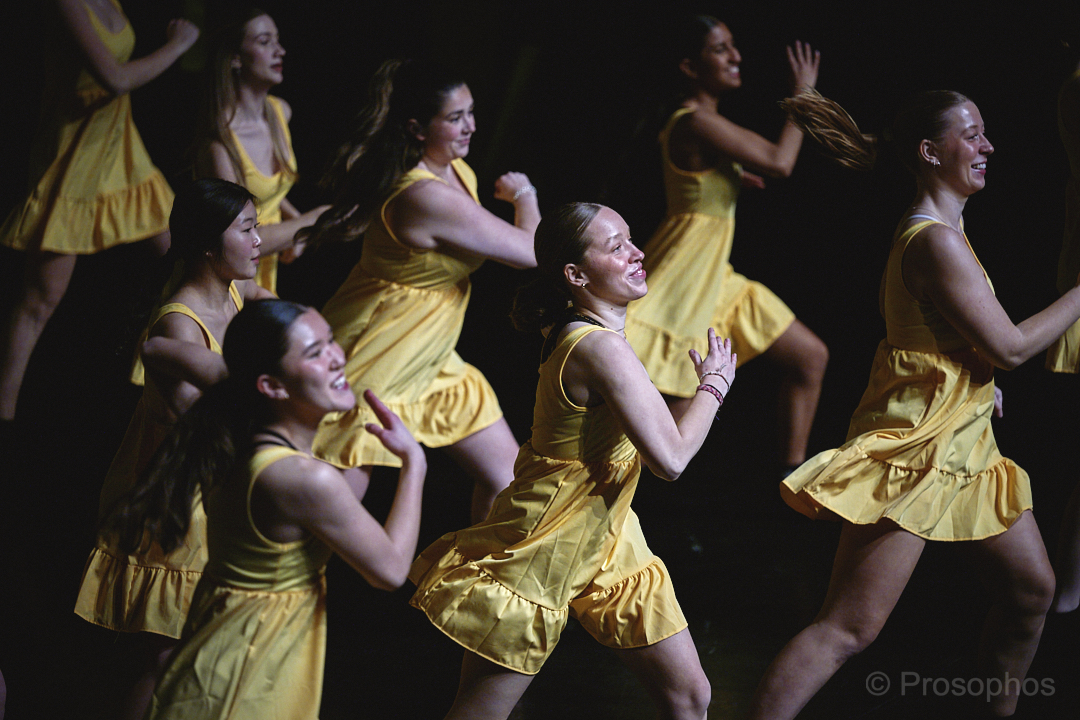
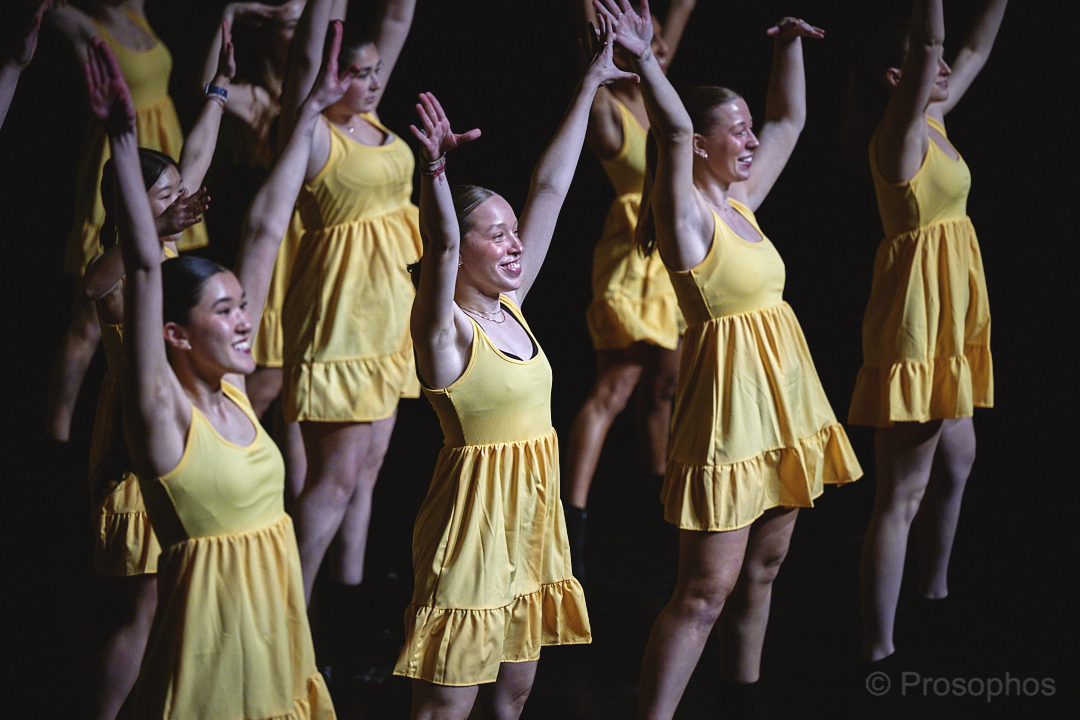
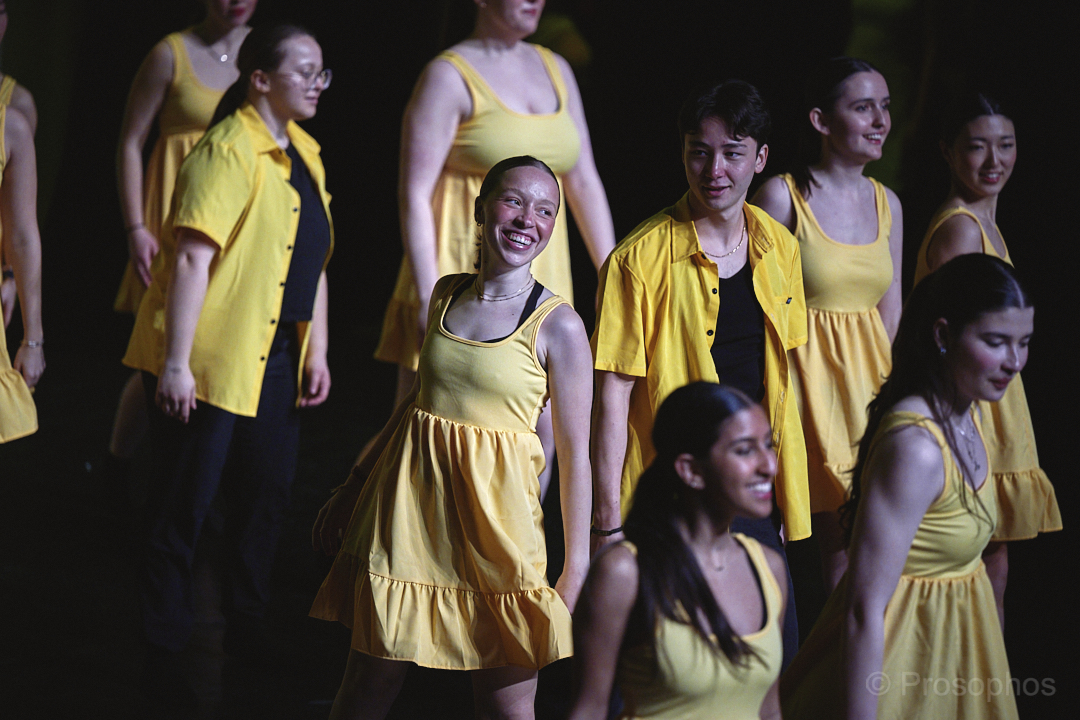
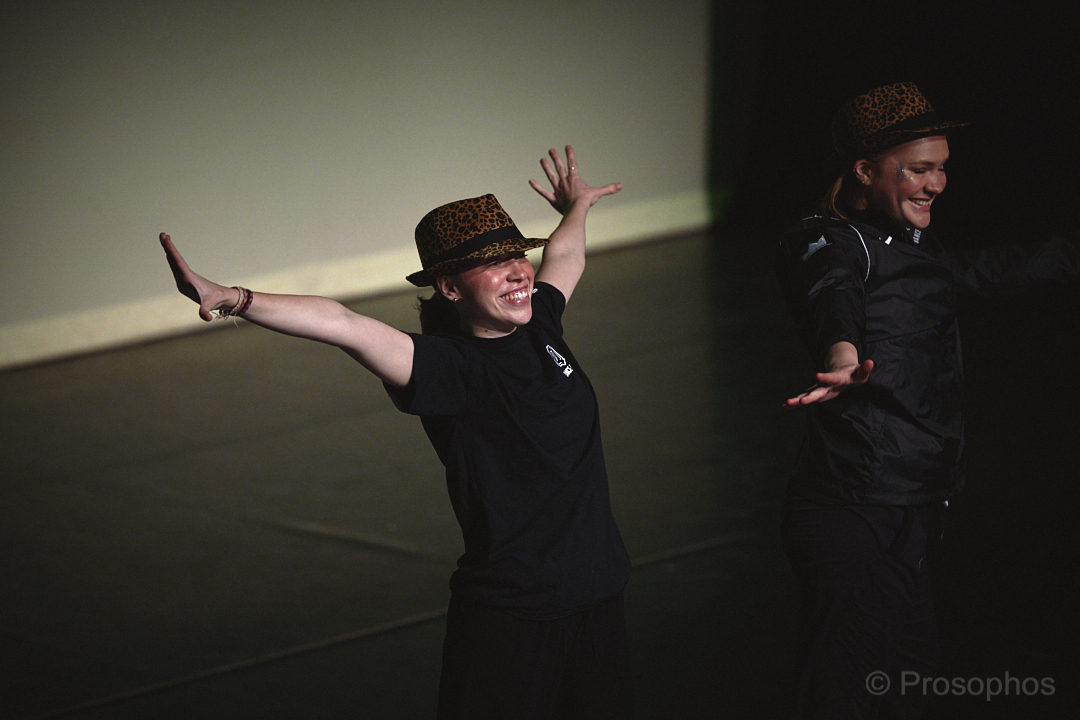
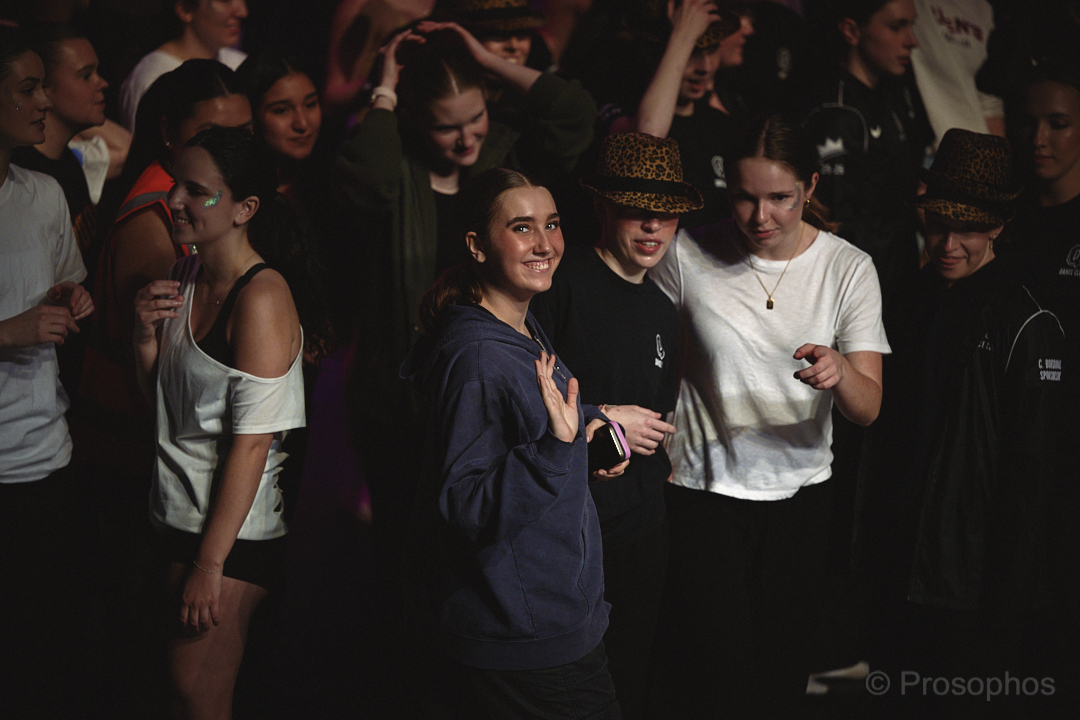
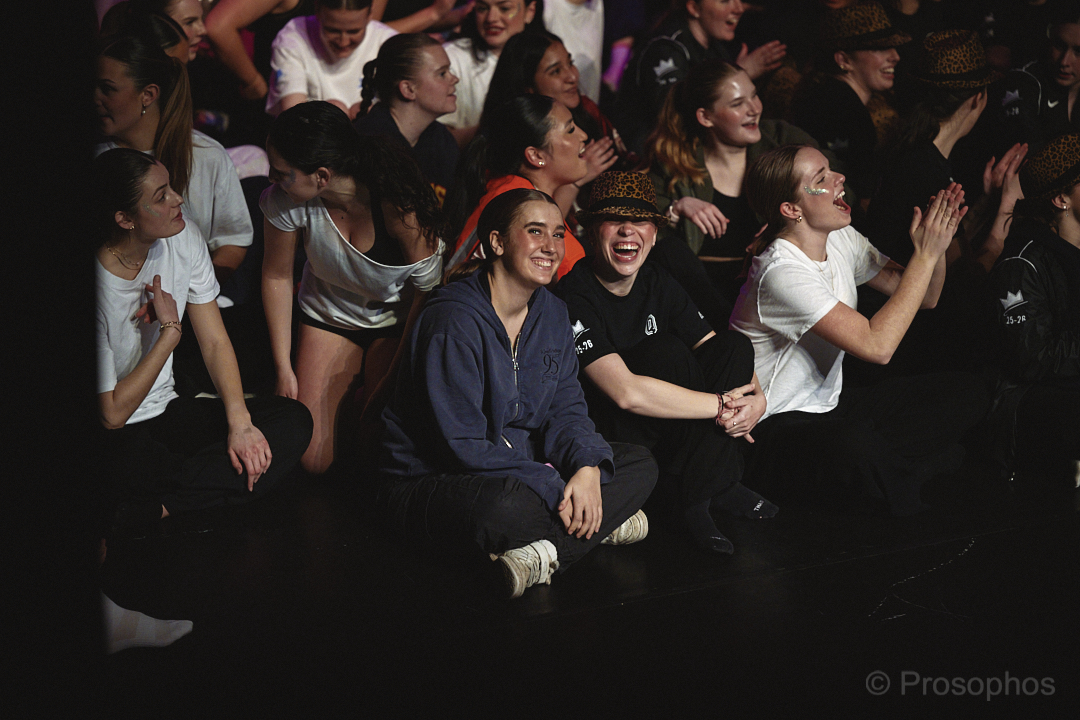
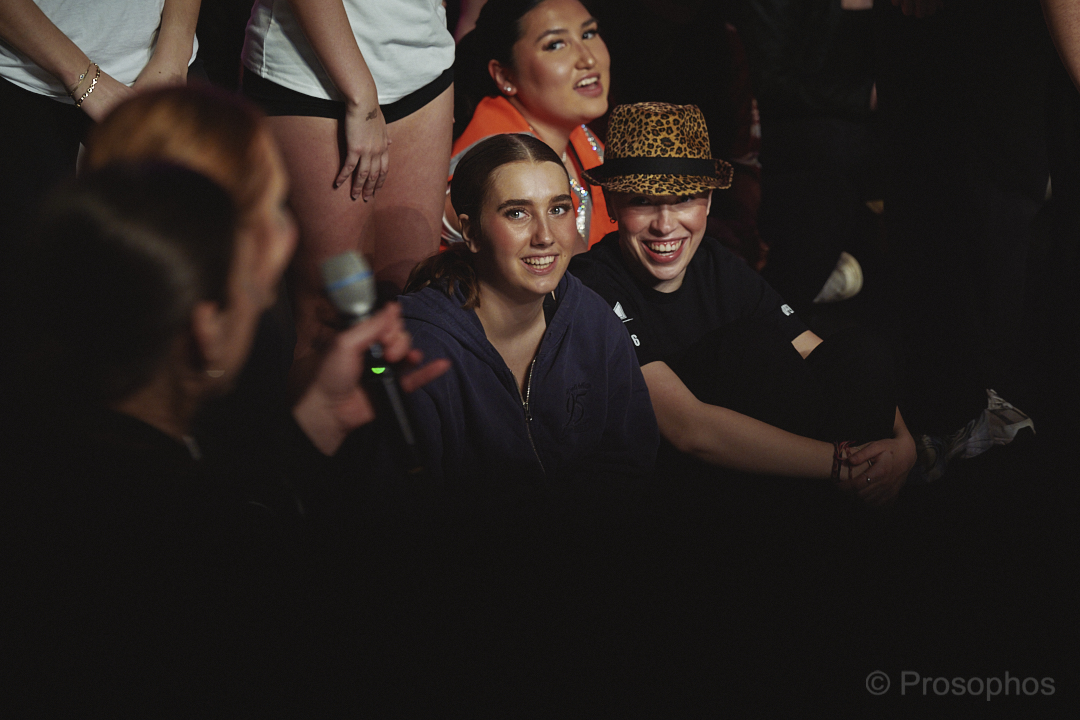
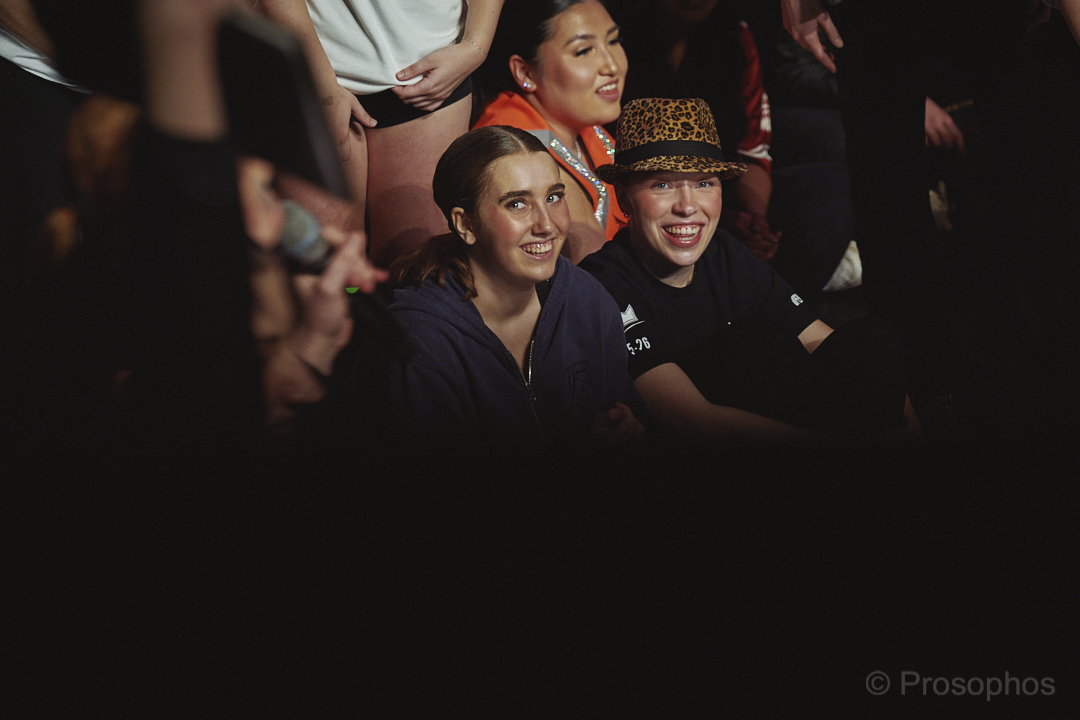
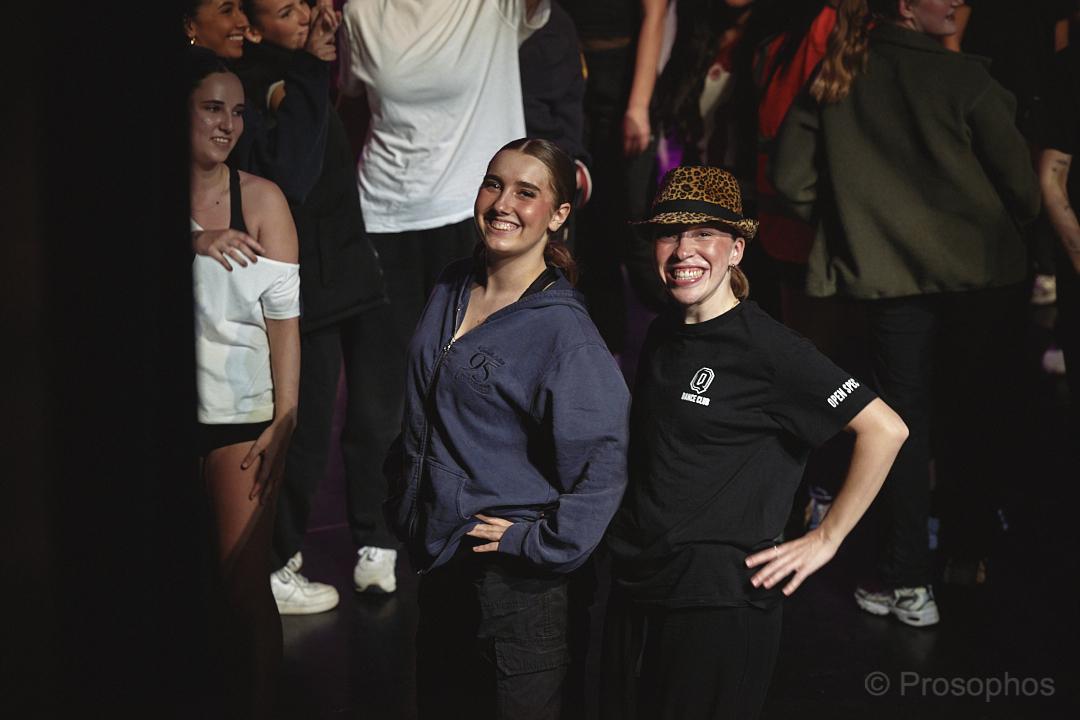
The QDC Dance Recital, March 22 2026 (56 images).
2026, Beyond 200 feet of My House™, Dance, Favourite, Inspiration, Nikon, Nikon Z 70-200mm f/2.8 S, Nikon Z9, Portrait, Print, Sports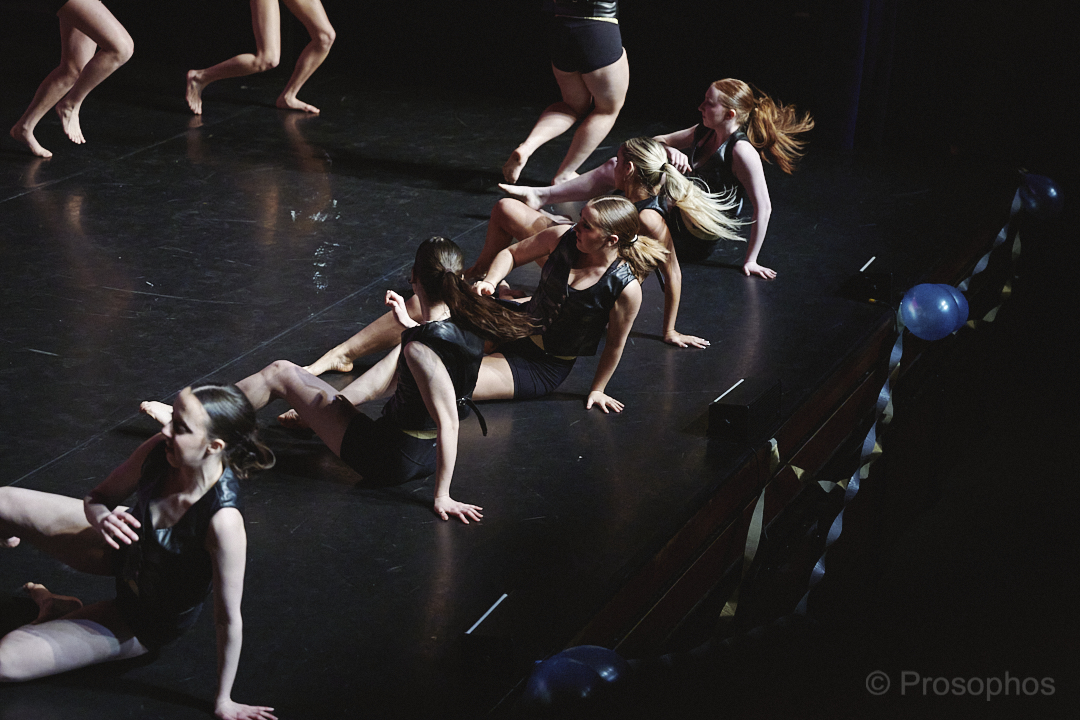
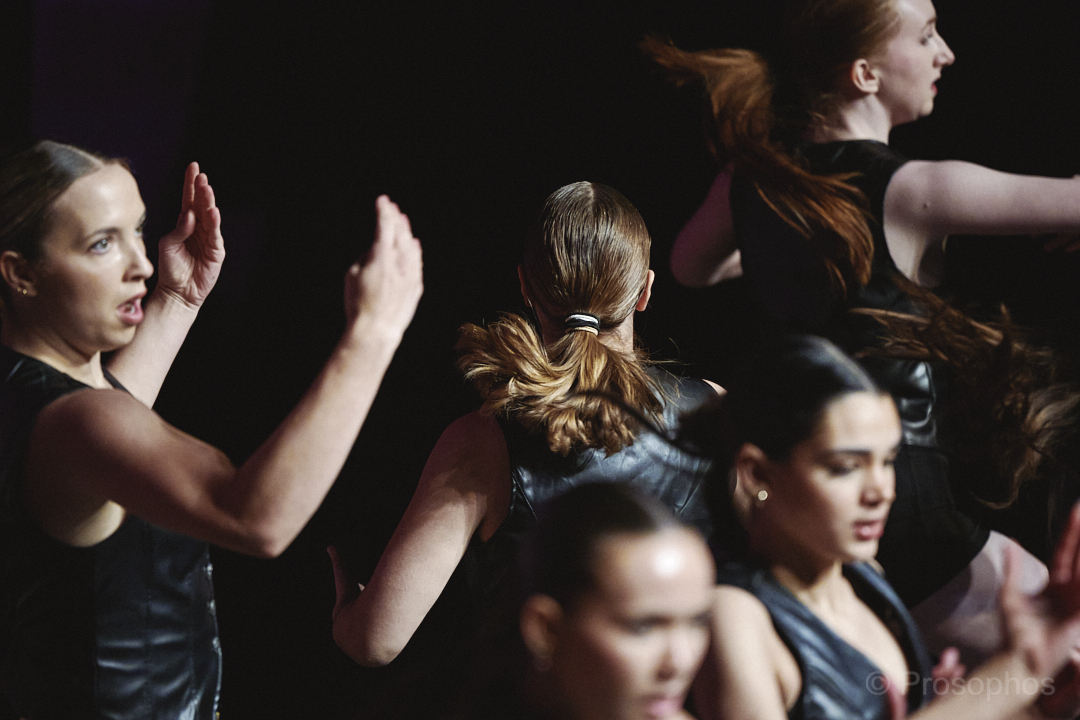
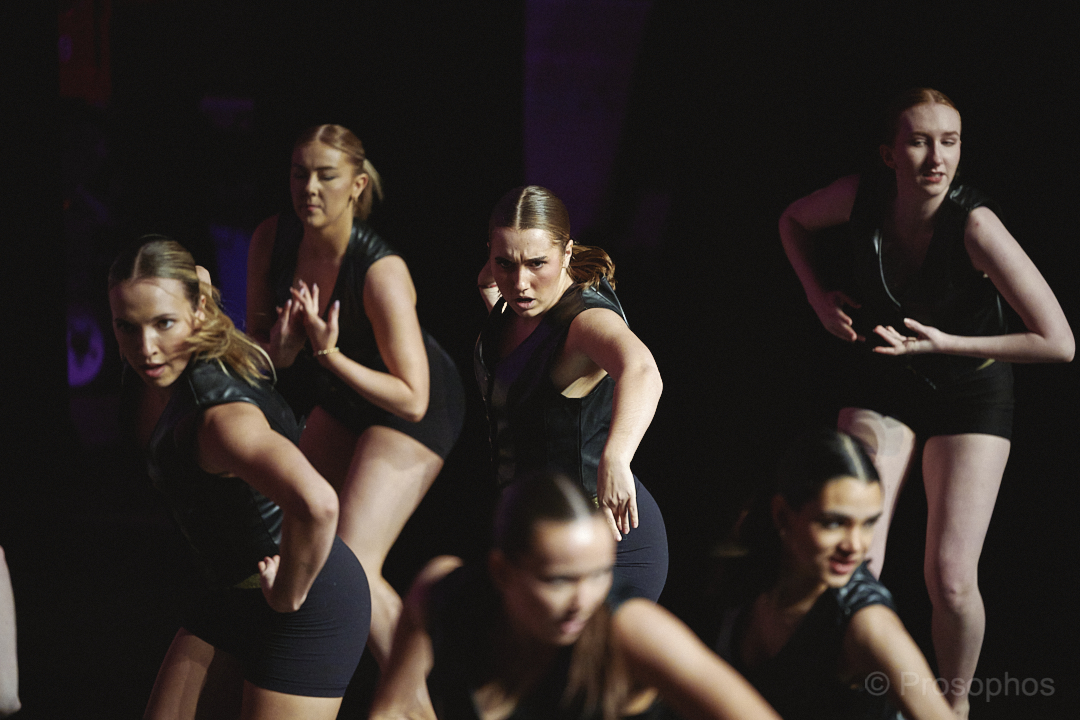
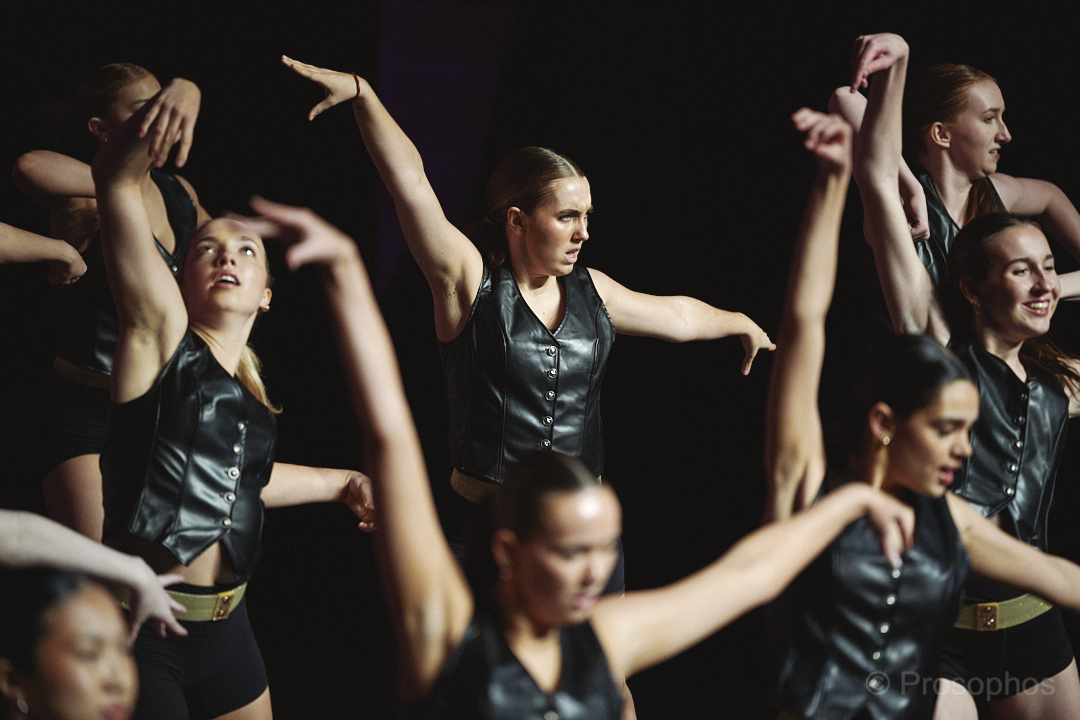
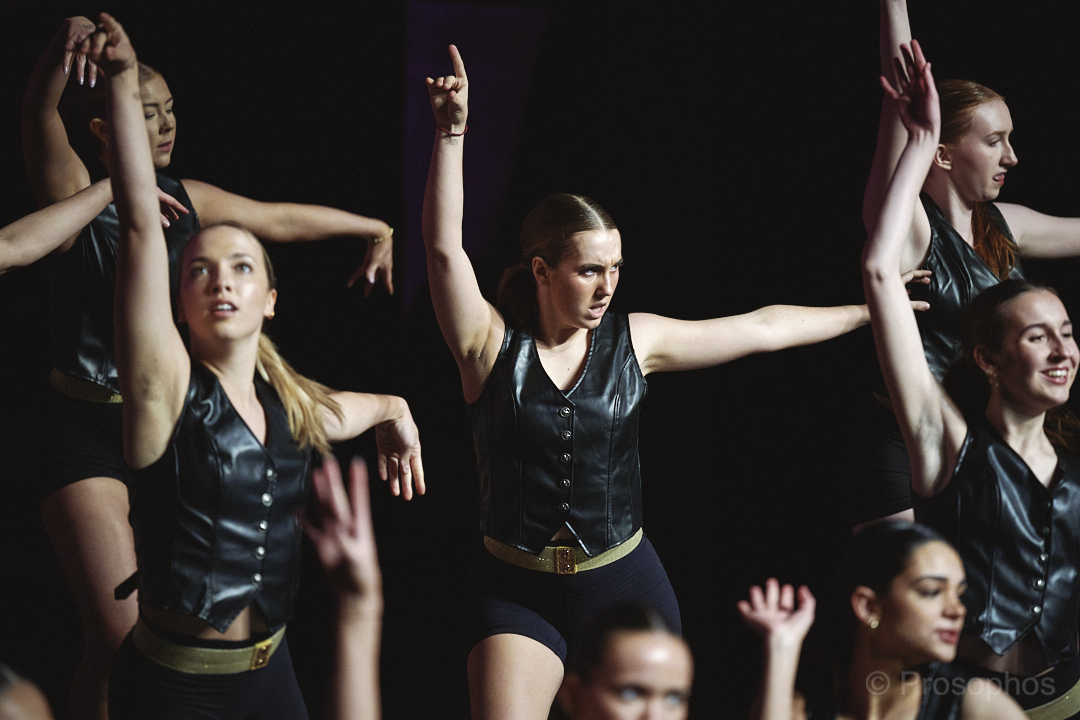
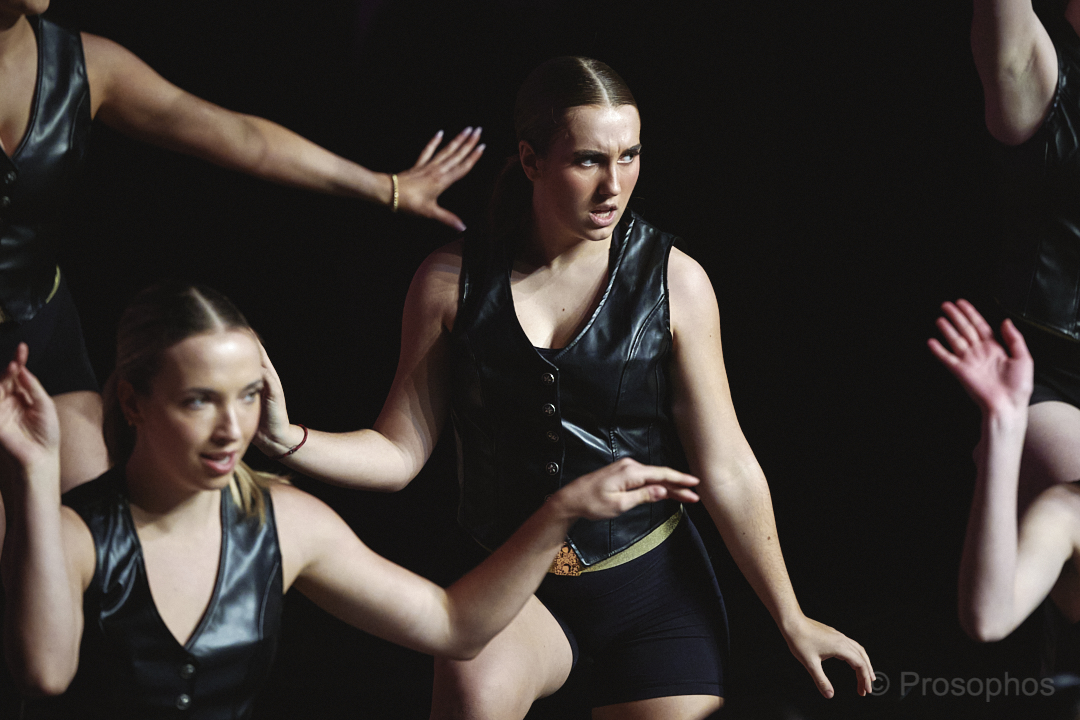
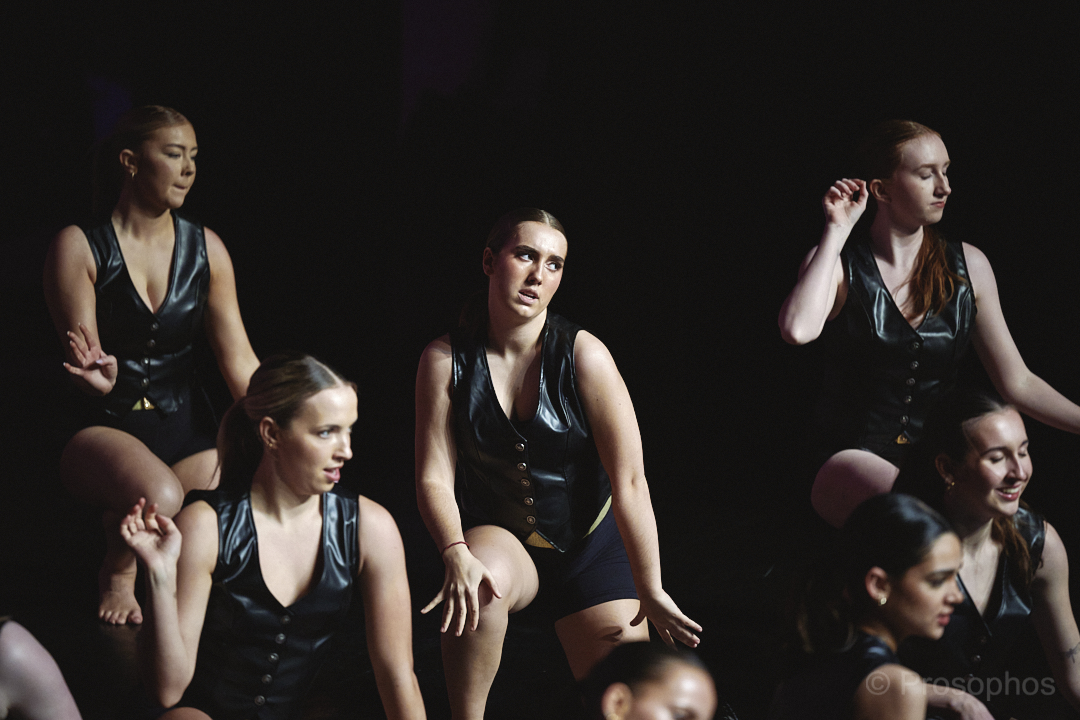
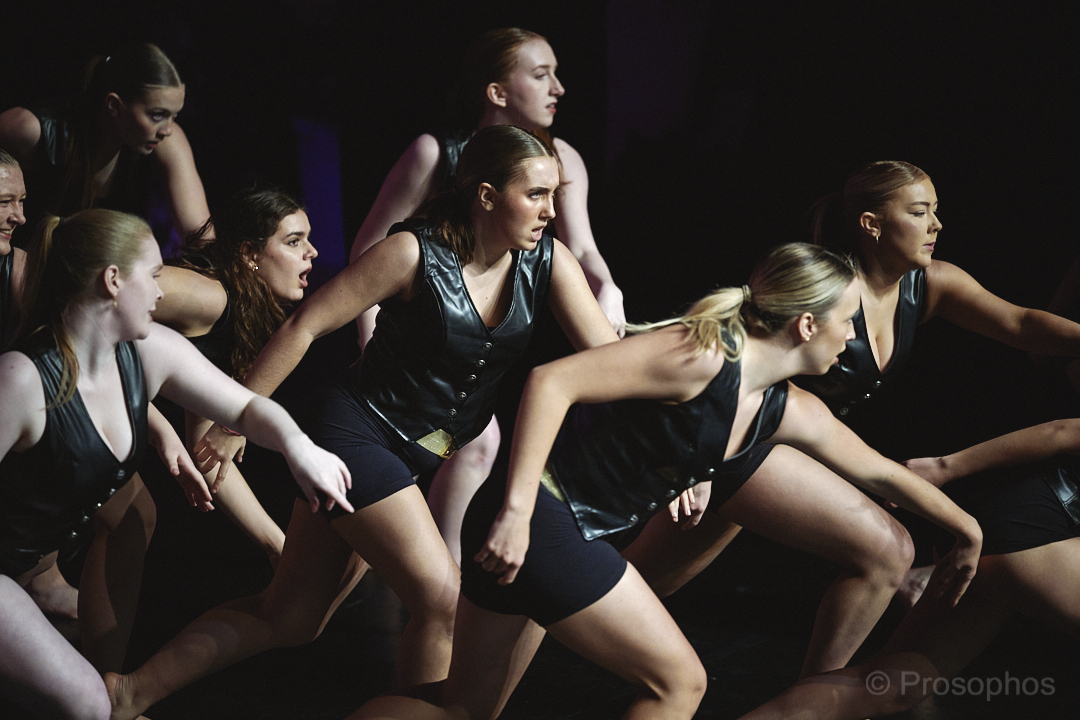
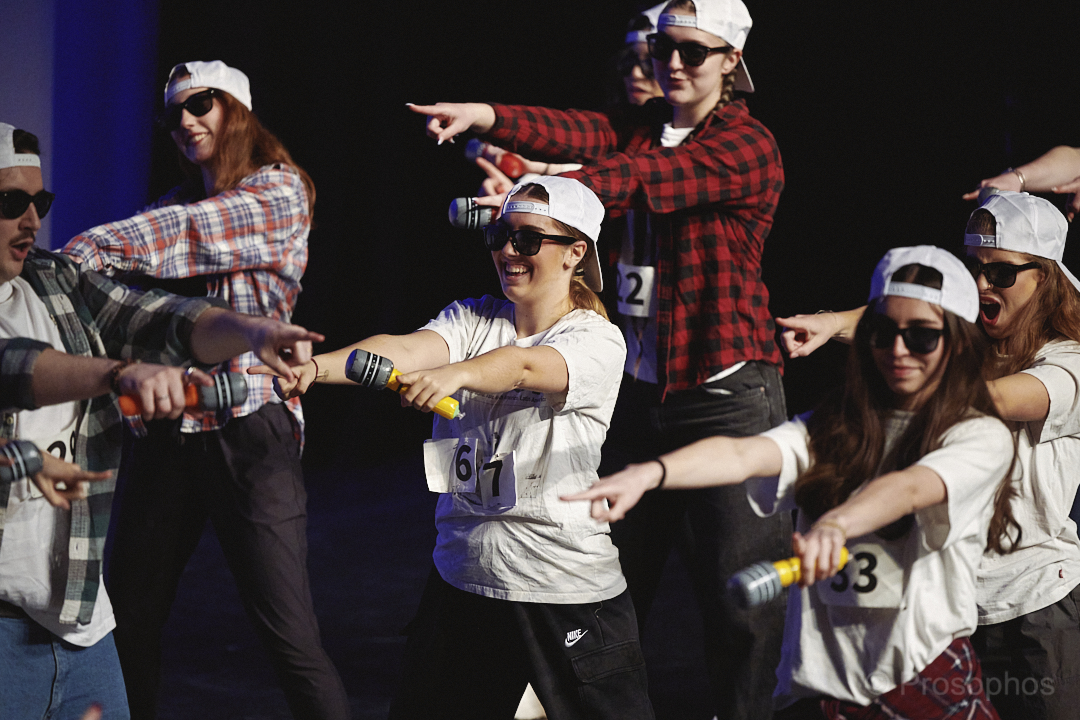
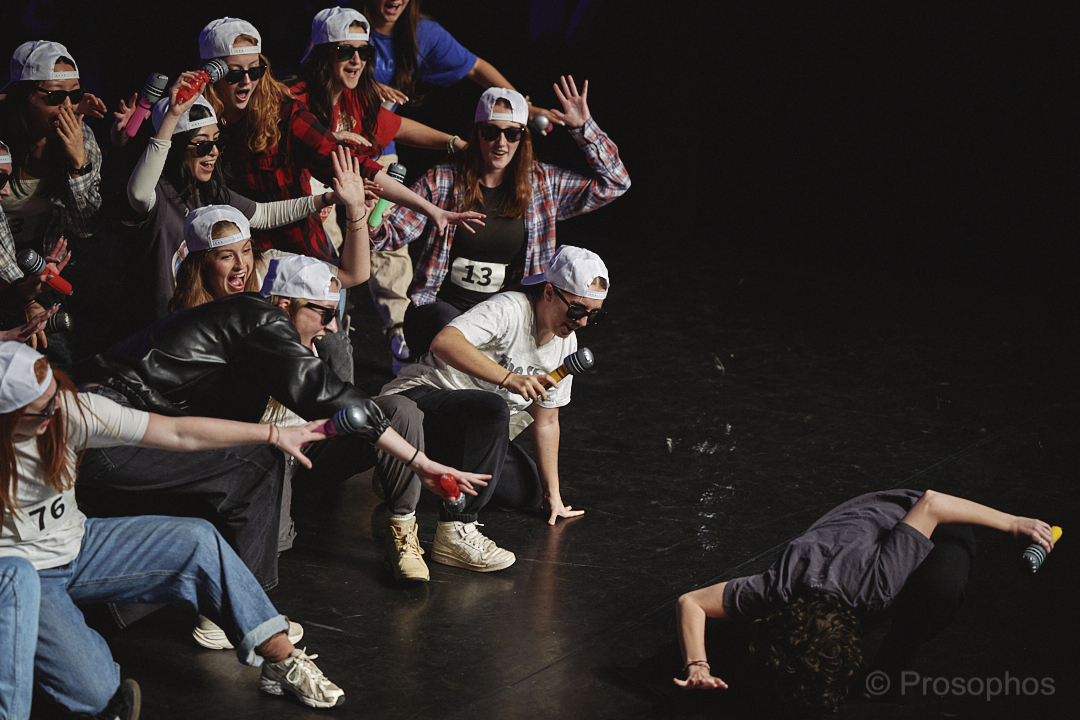
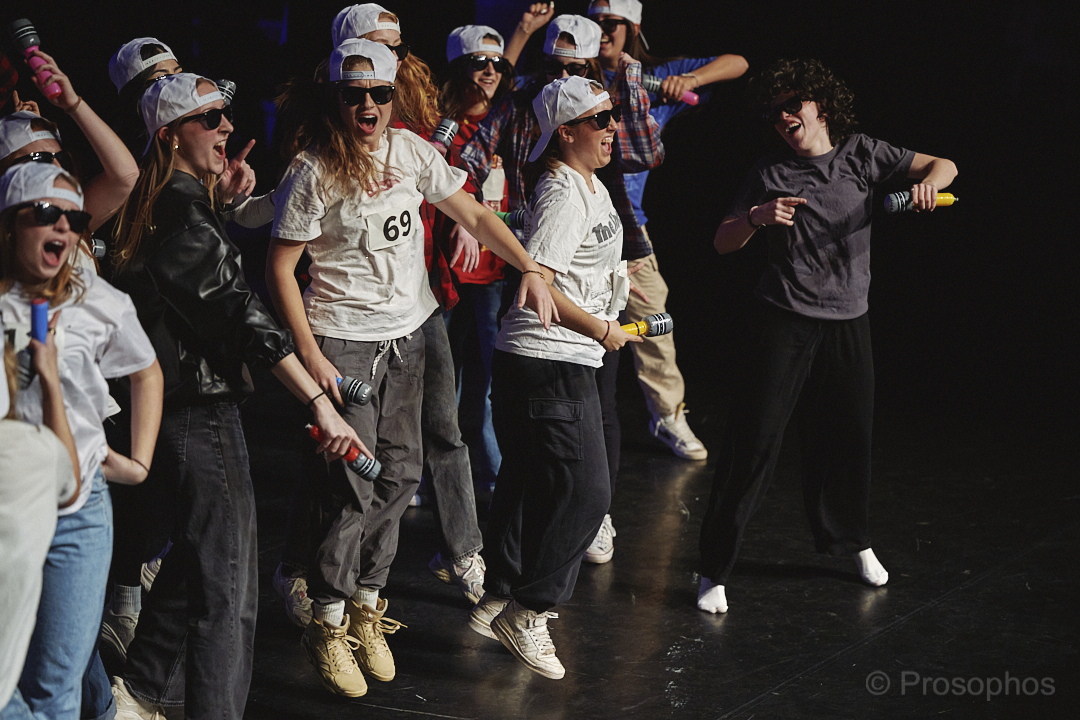
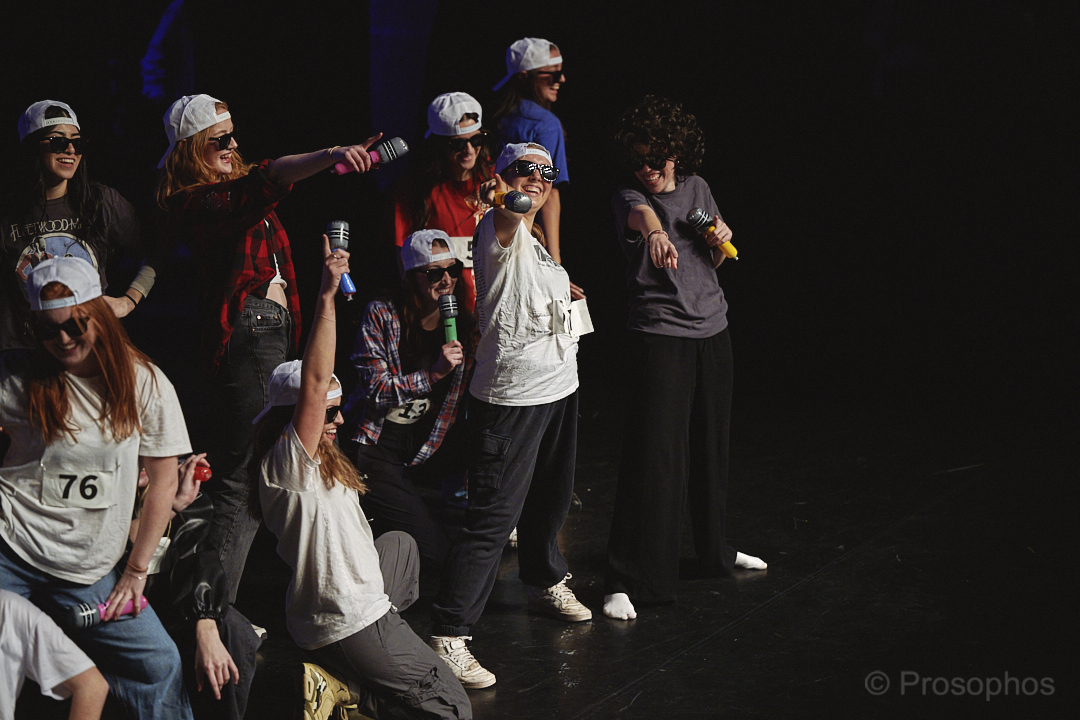
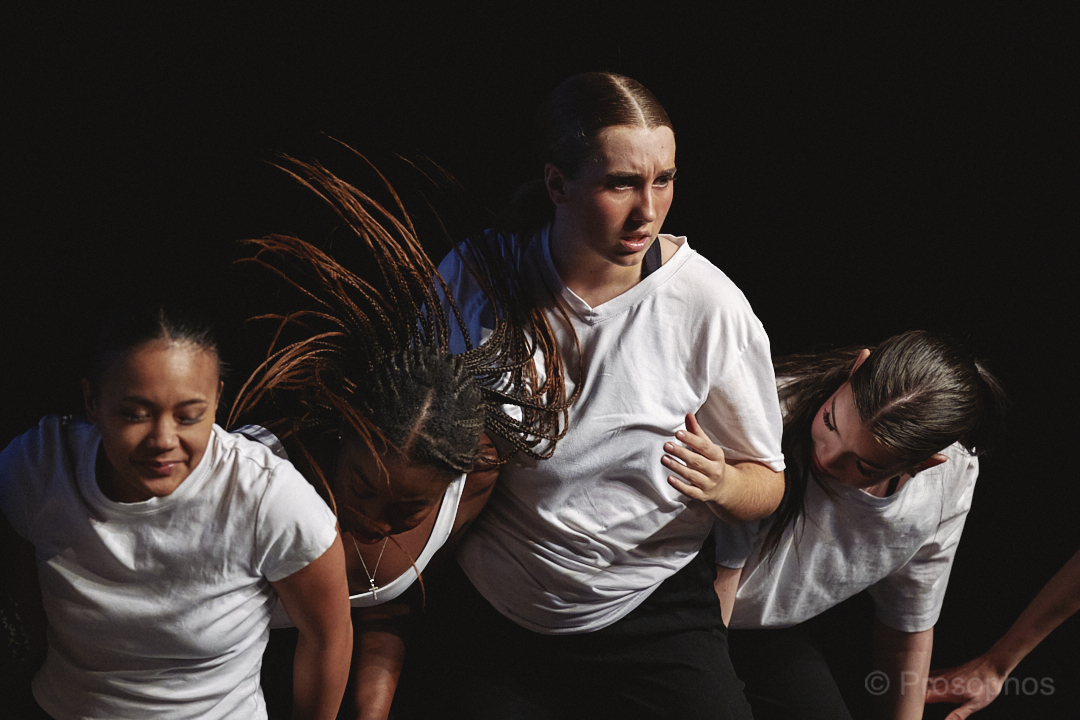
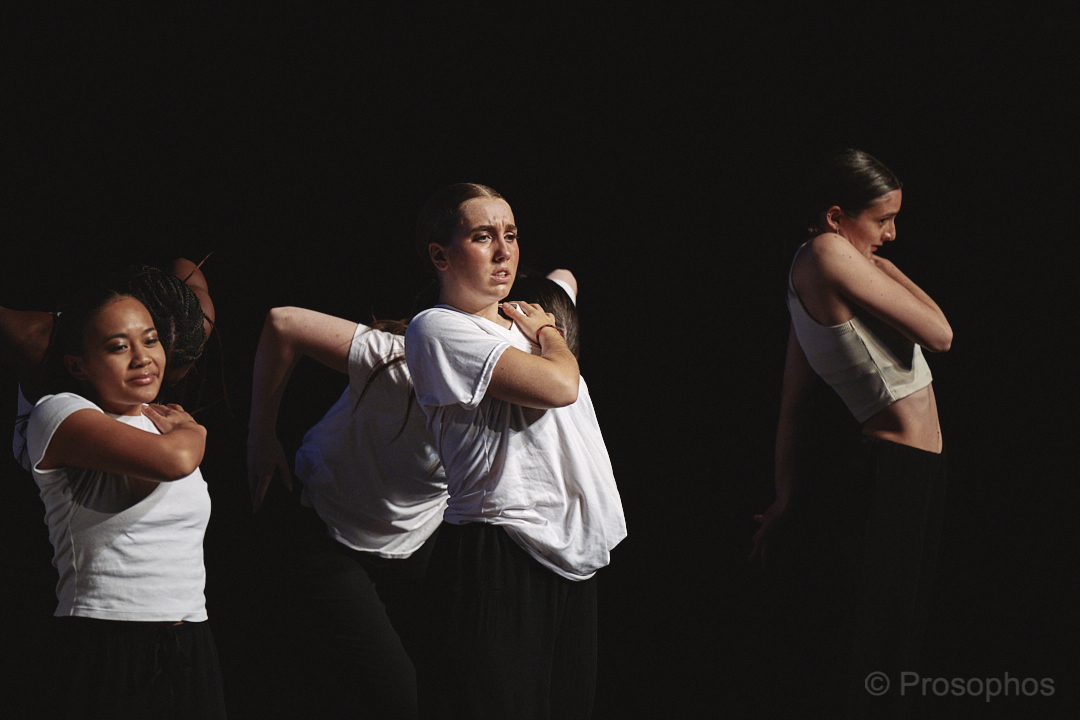
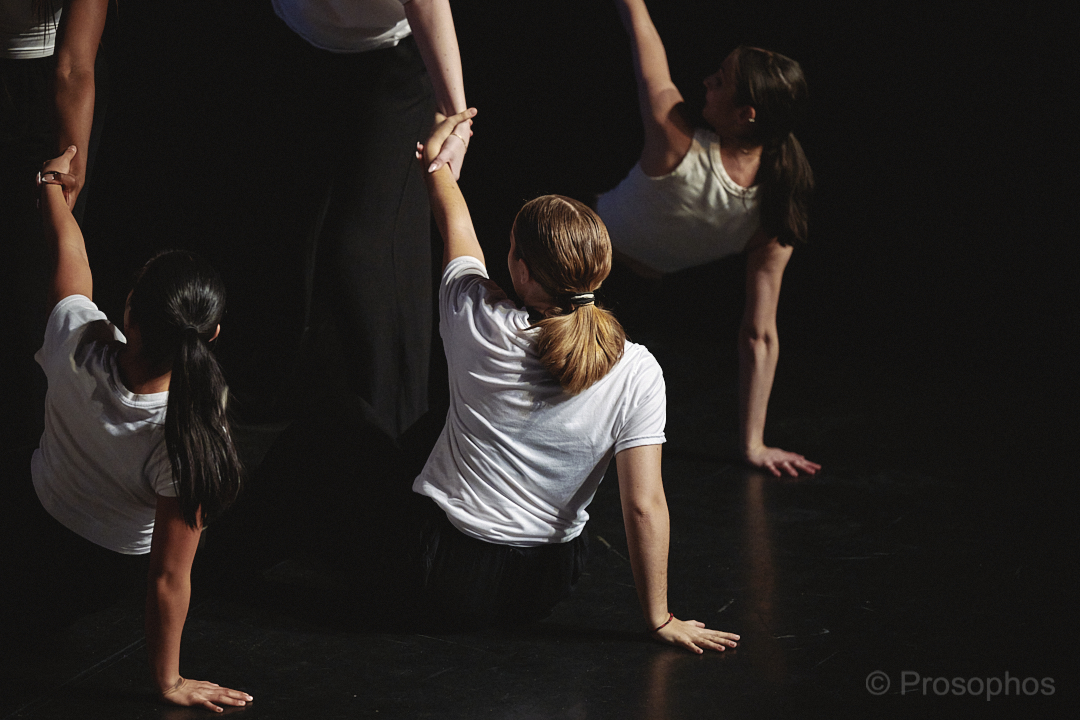
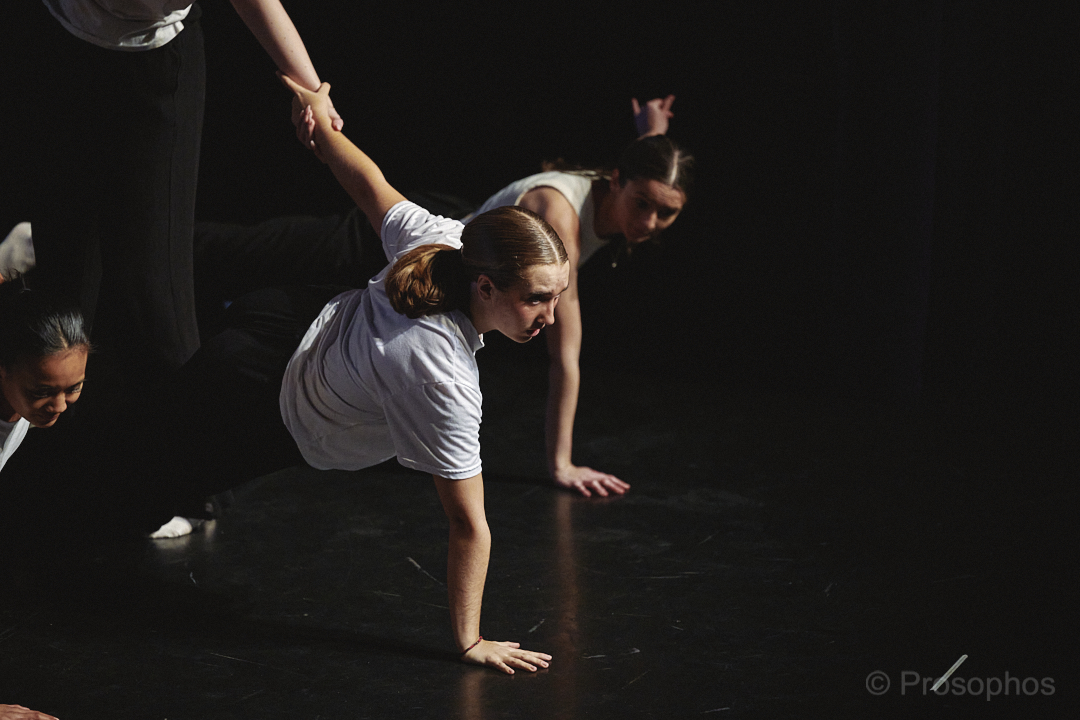
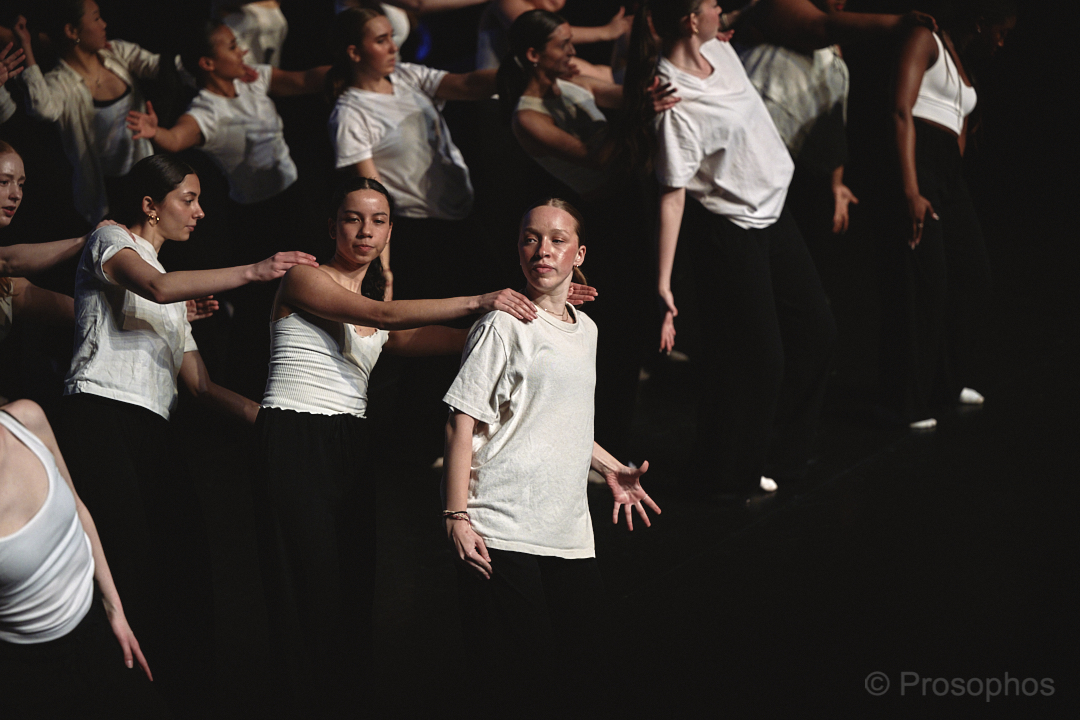
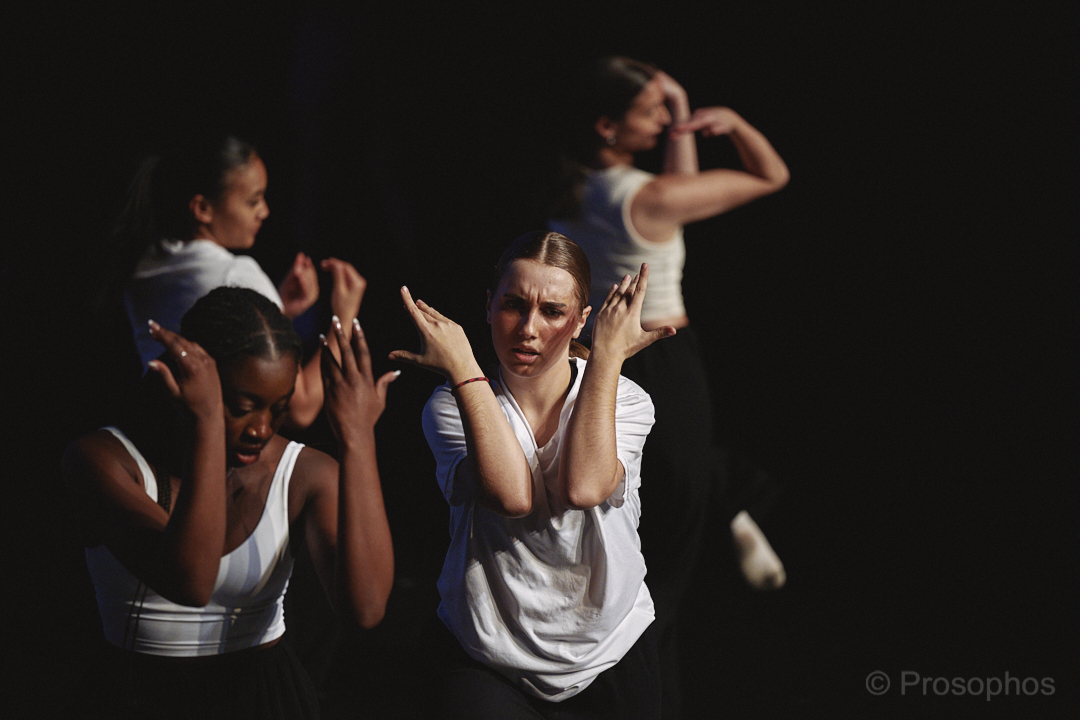
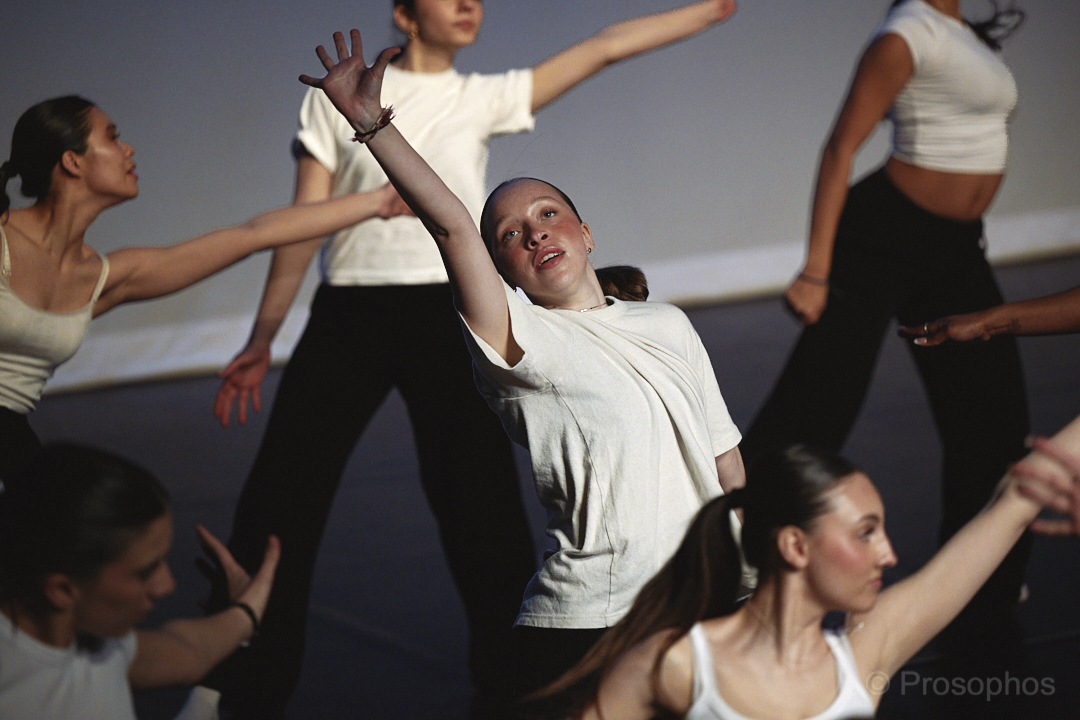
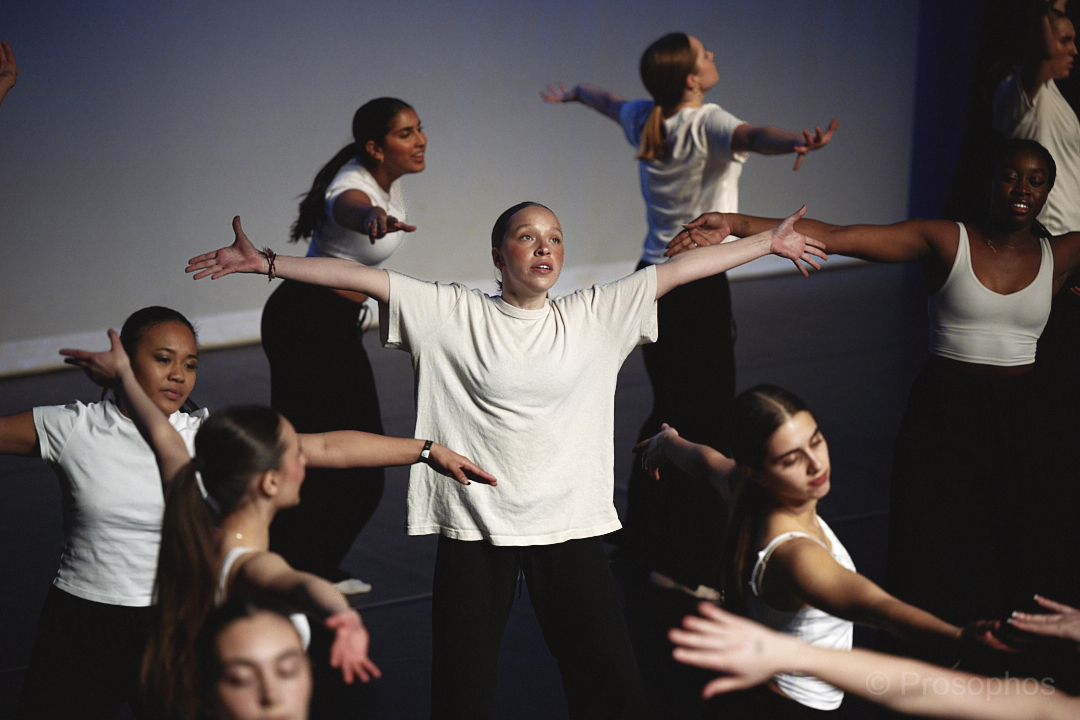
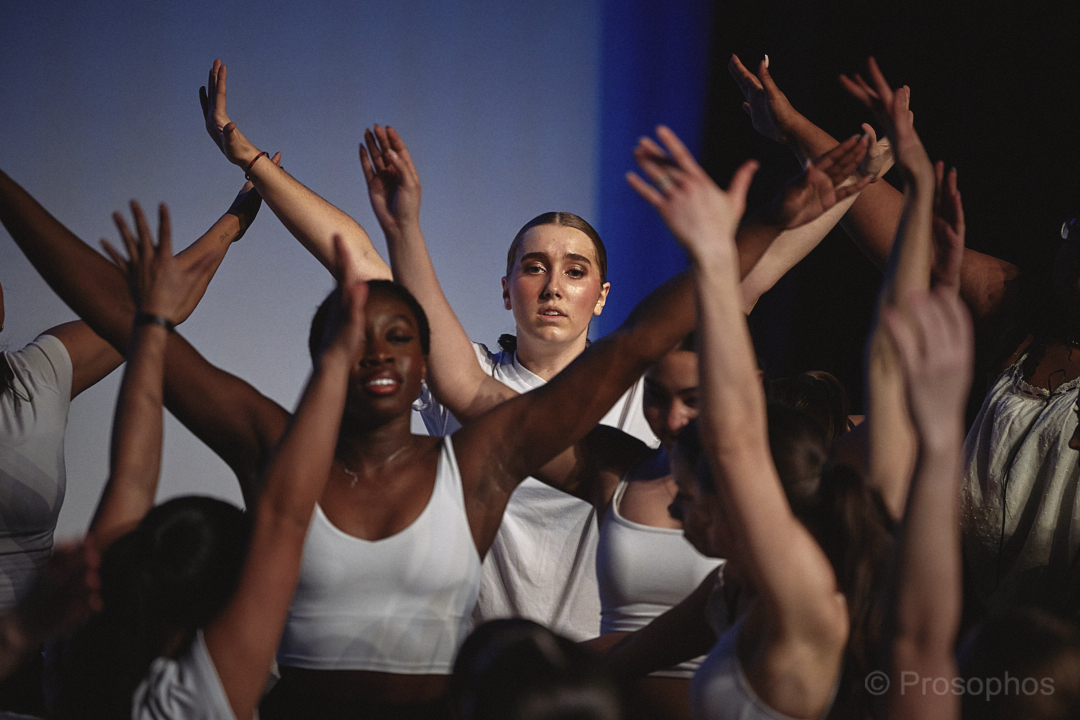
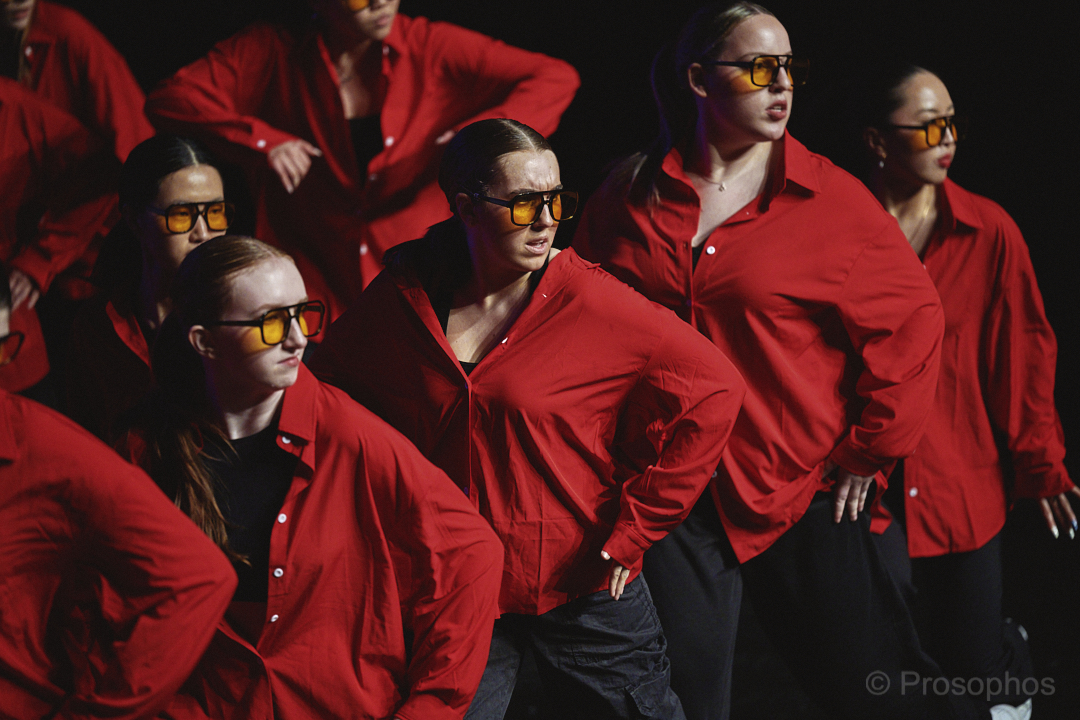
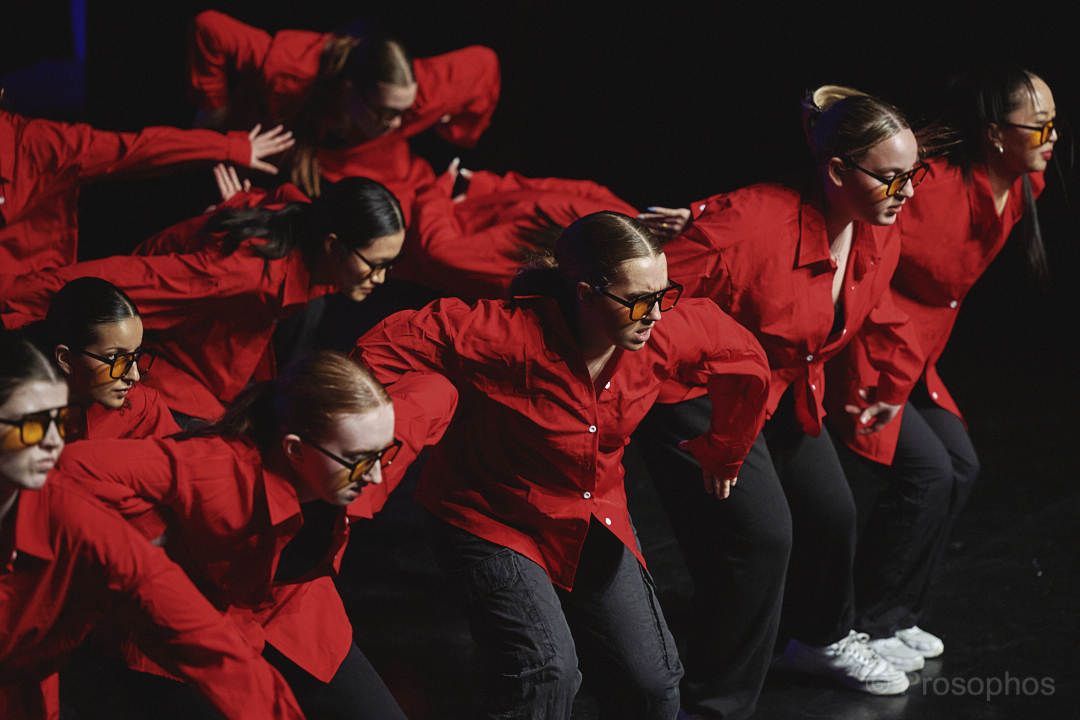
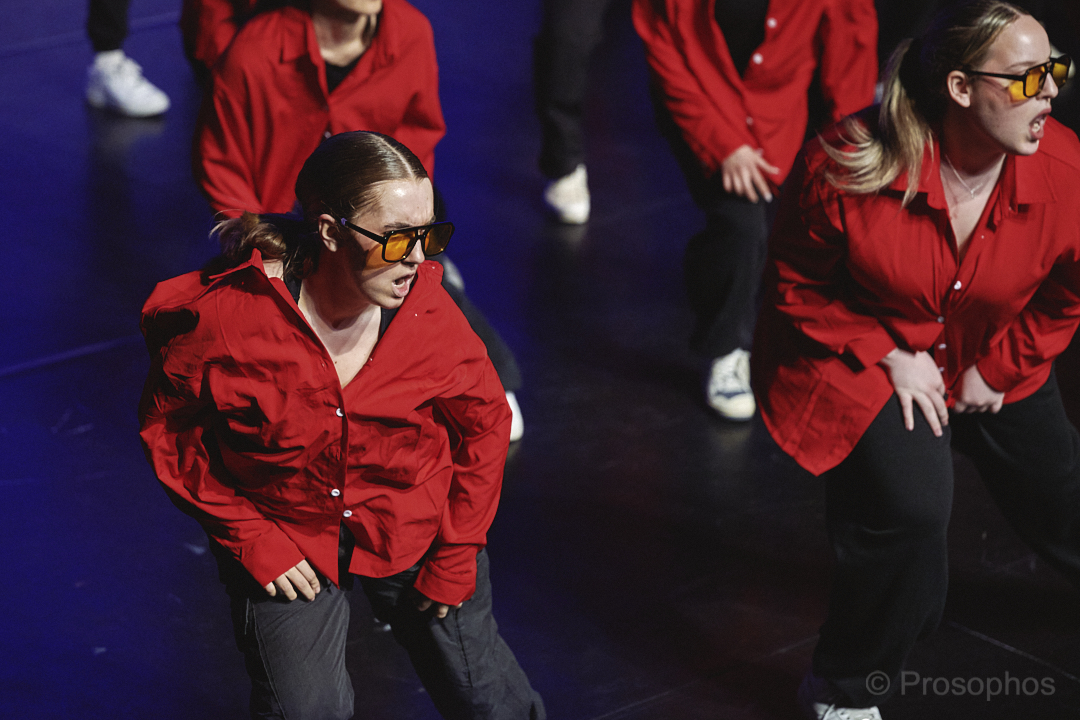
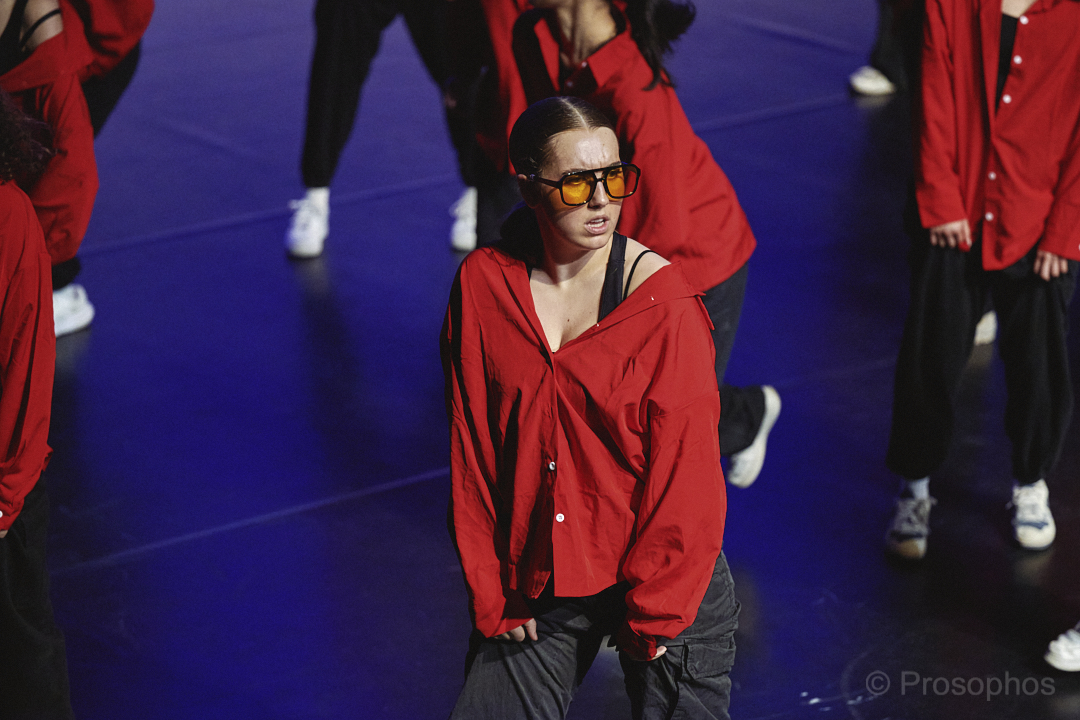
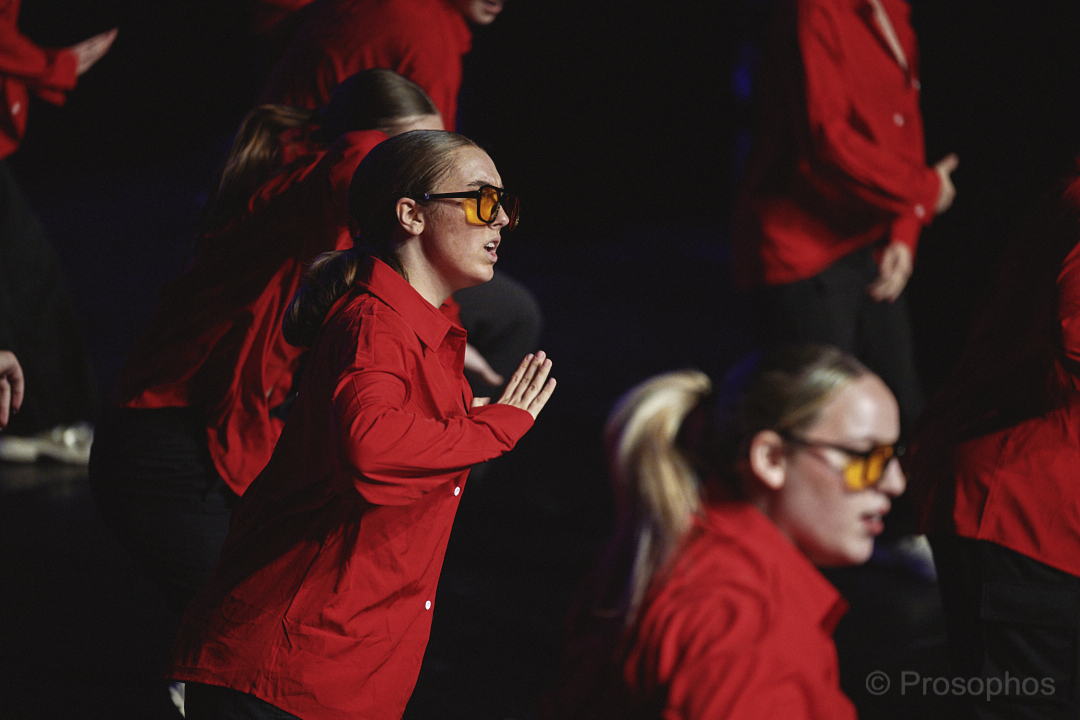
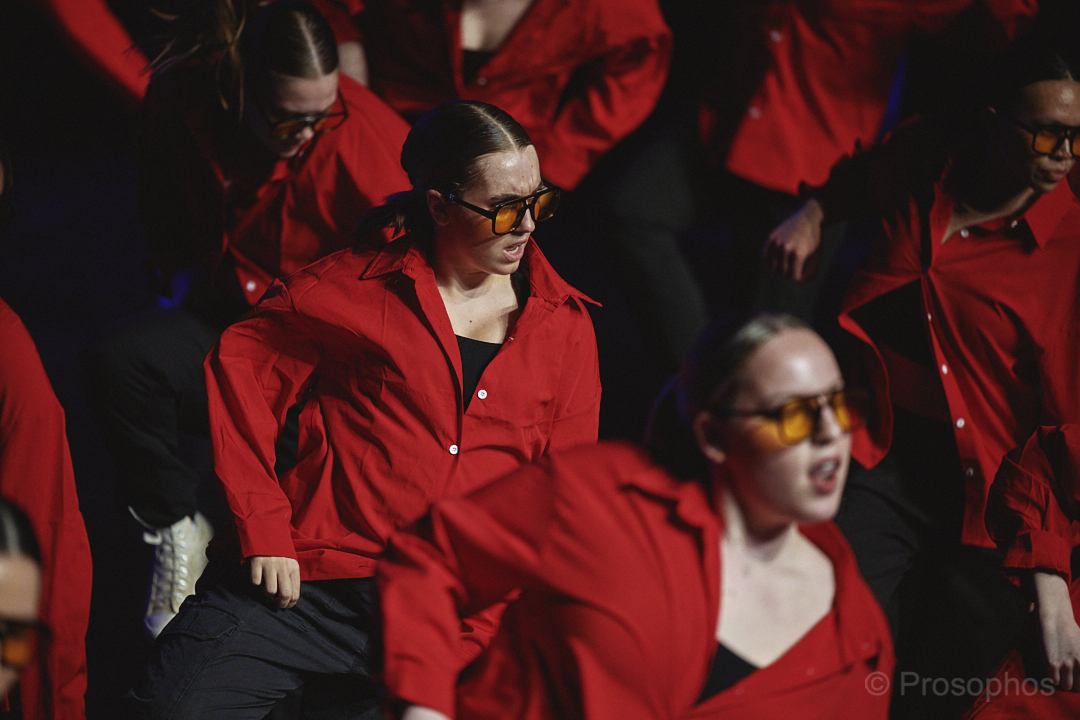
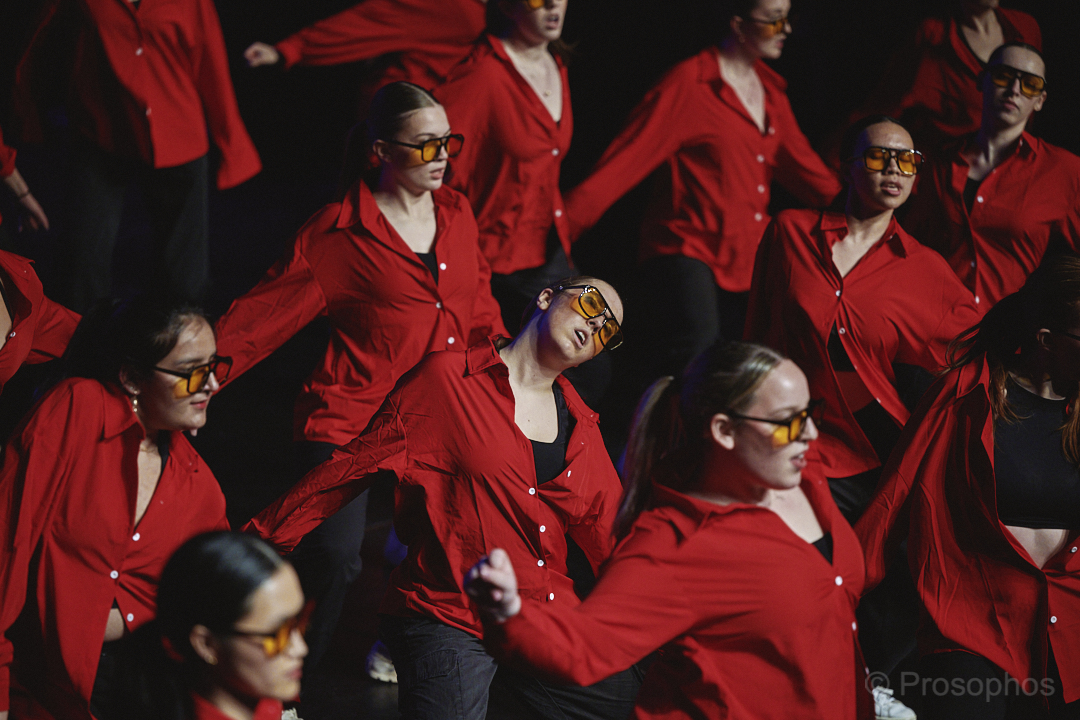
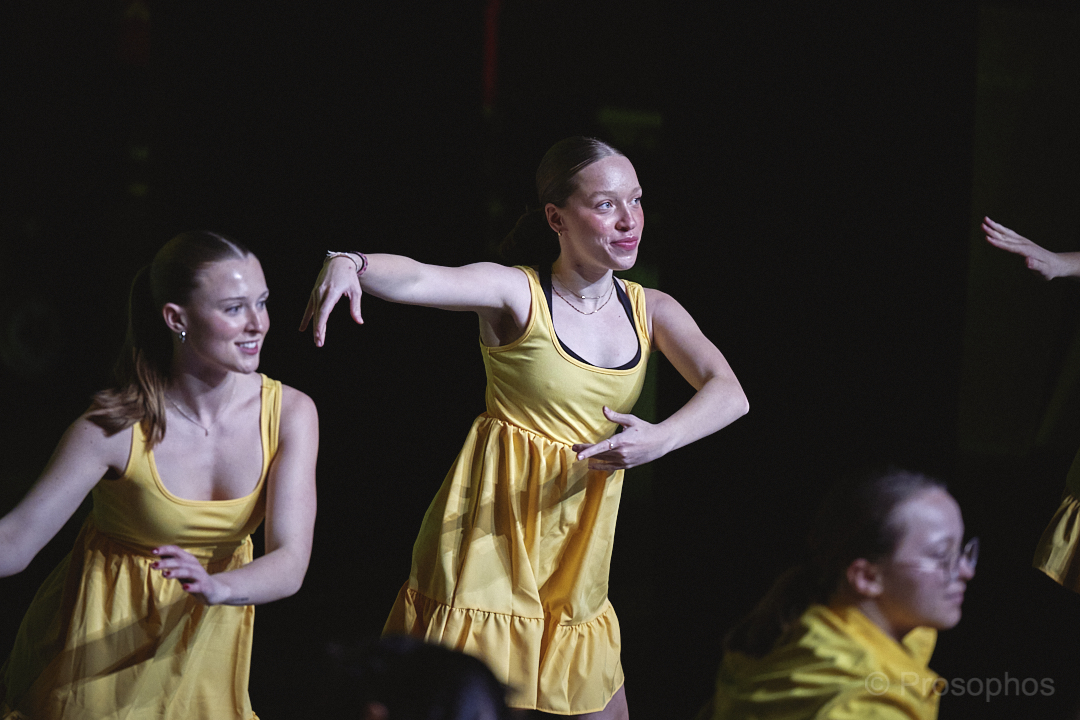
When your kids grow up.
2026, Inspiration, Life's Little Moments, Portrait, Print, Ricoh GR IVWhen your kids grow up
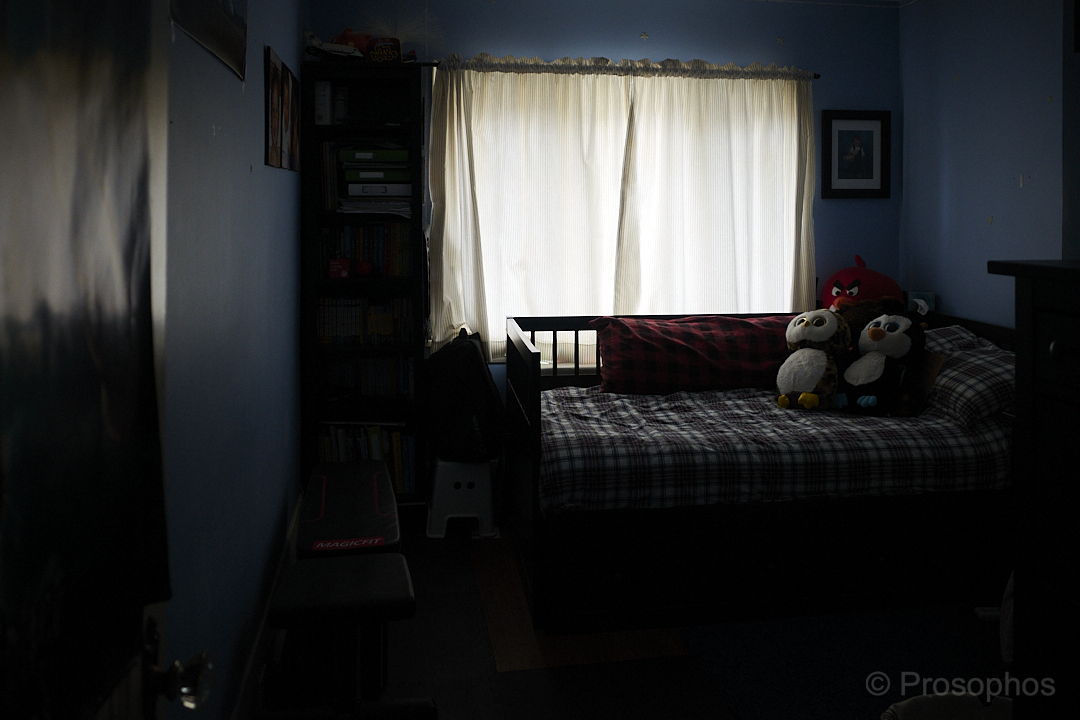
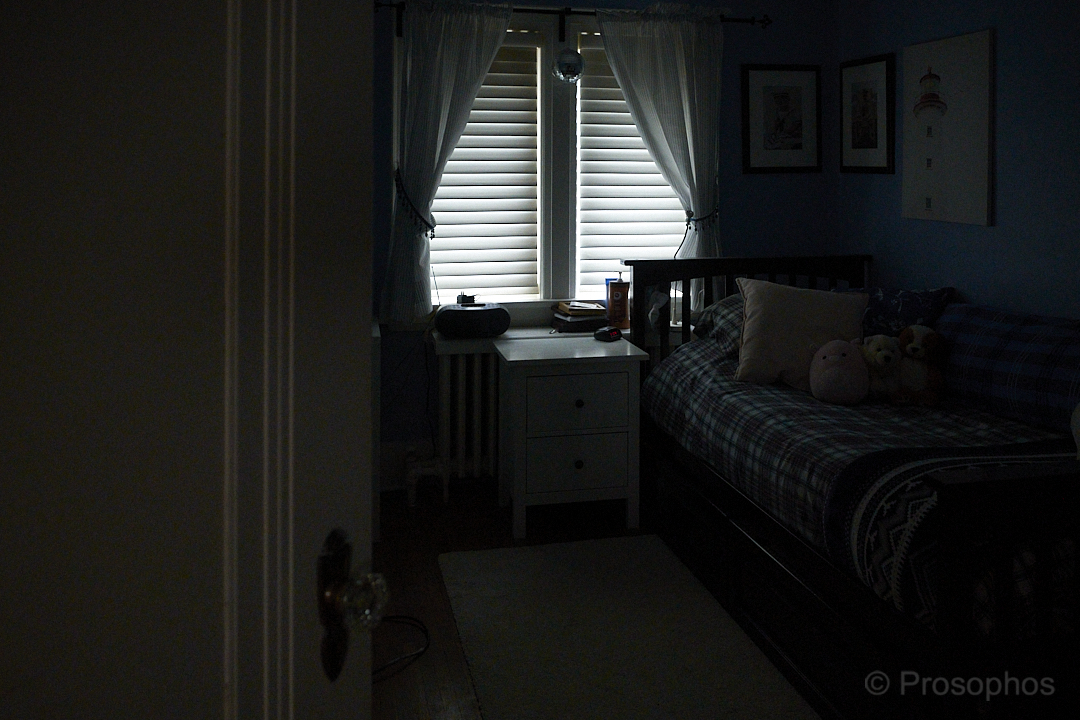
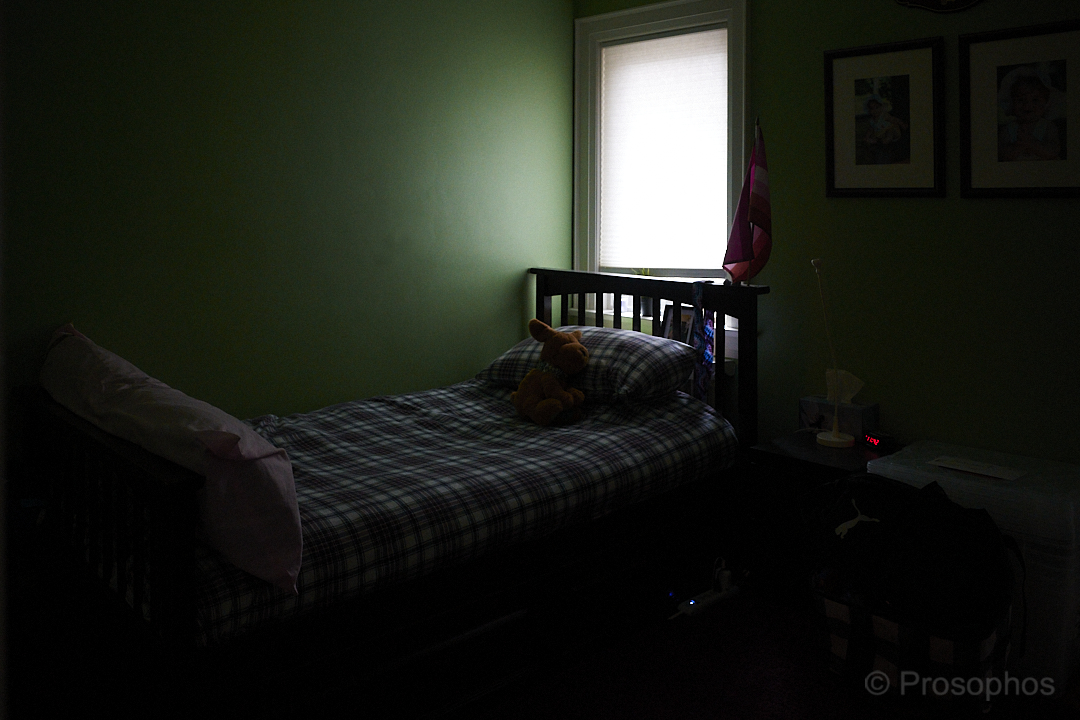
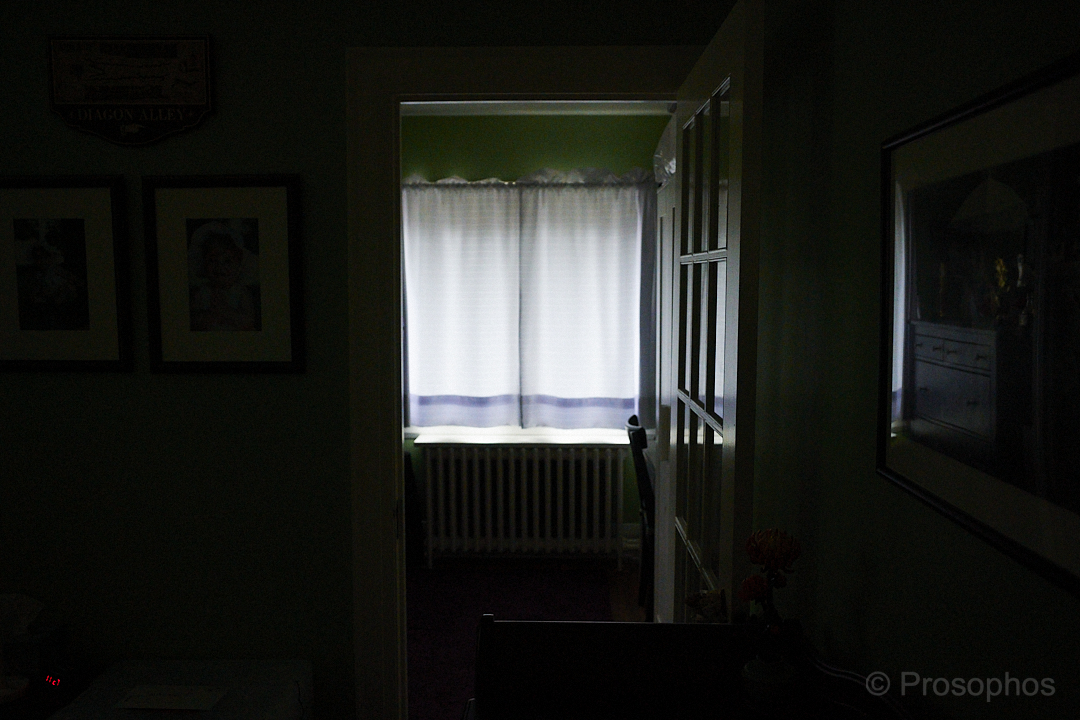
The house is quieter.
Bigger and emptier.
A little darker too.
Walls that contained joy, bickering, tears
Sit idly.
Saturated with silence.
And the stuffed animals are alone.
No longer reporting for duty.
Unhugged.
When your kids grow up
You miss all the work.
The bedtime stories and songs.
Even the fatigue.
And you’d give anything.
To hear those giggles and cries again
In real time.
You long for the days
When this place, and you
Were the centre of their world.
—Peter.
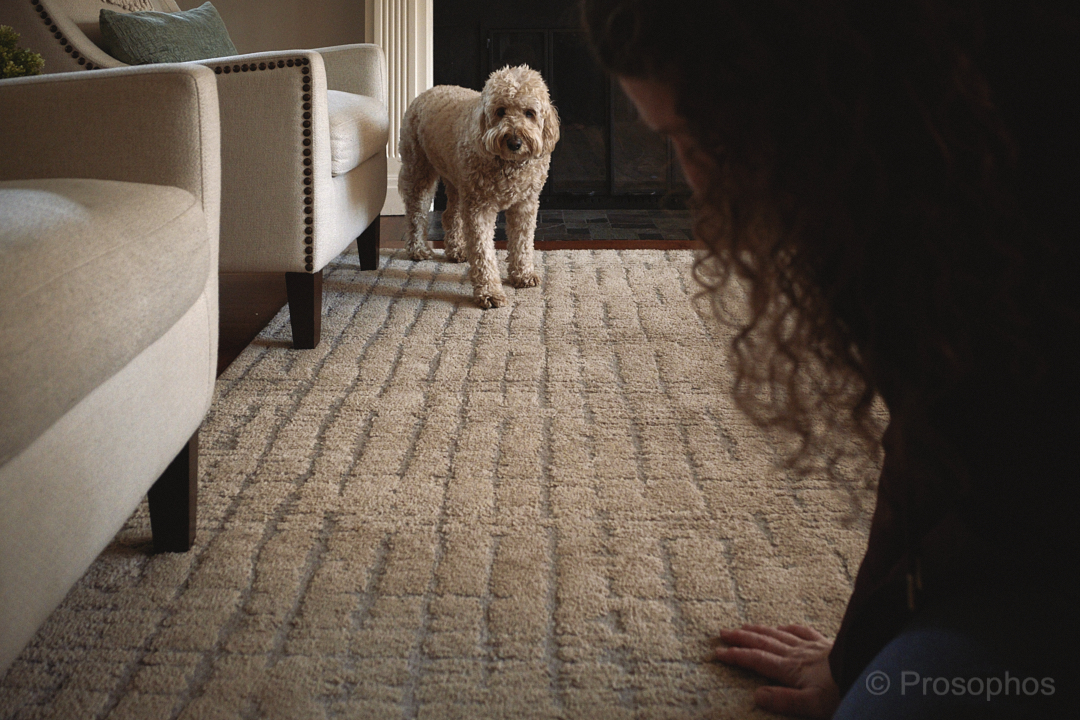
Moose Comes to Visit.
2026, Favourite, Inspiration, Portrait, Ricoh GR IV, Within 200 feet of My House™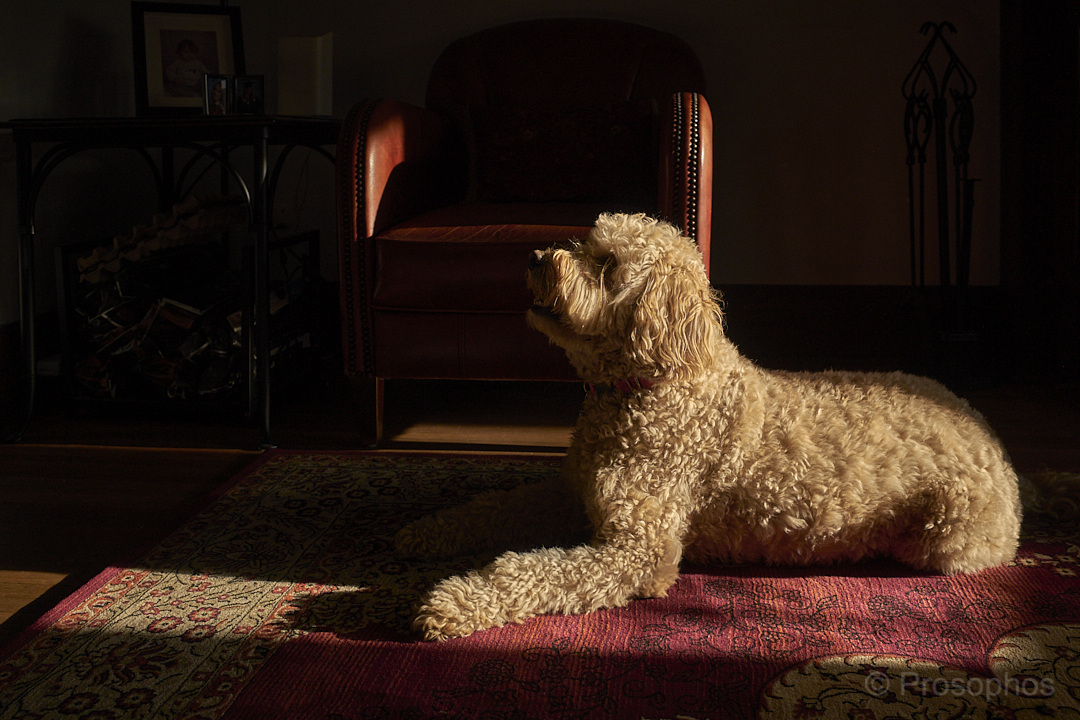
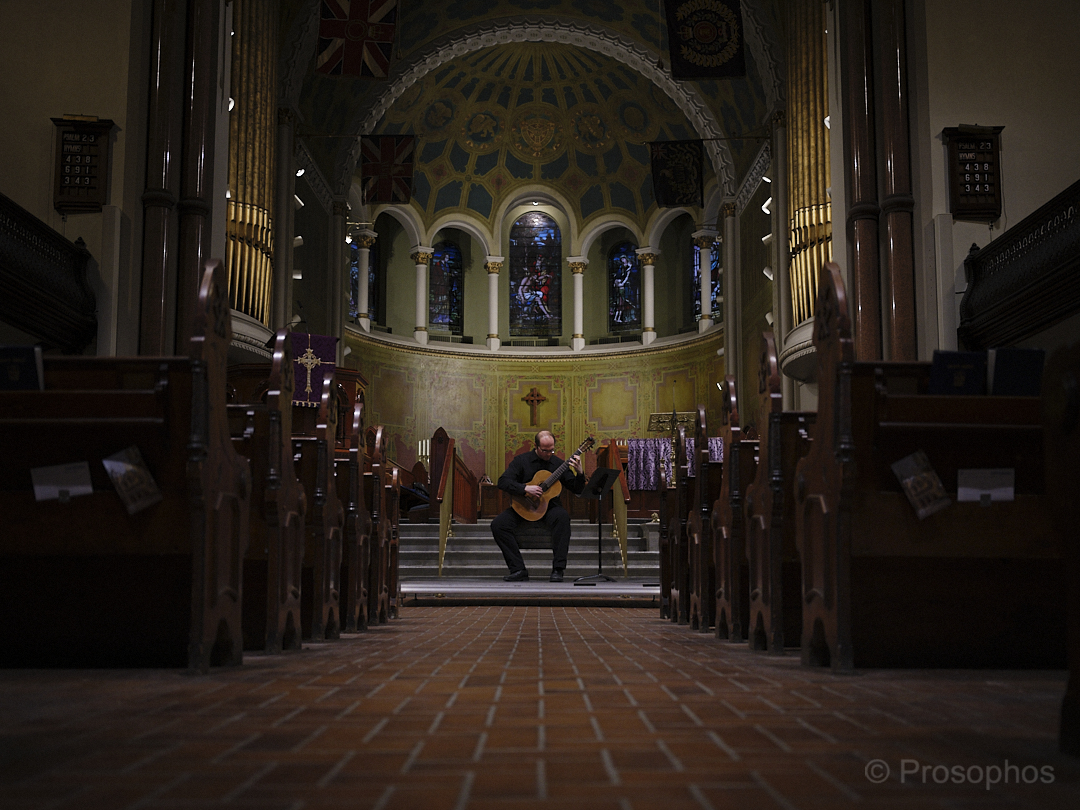
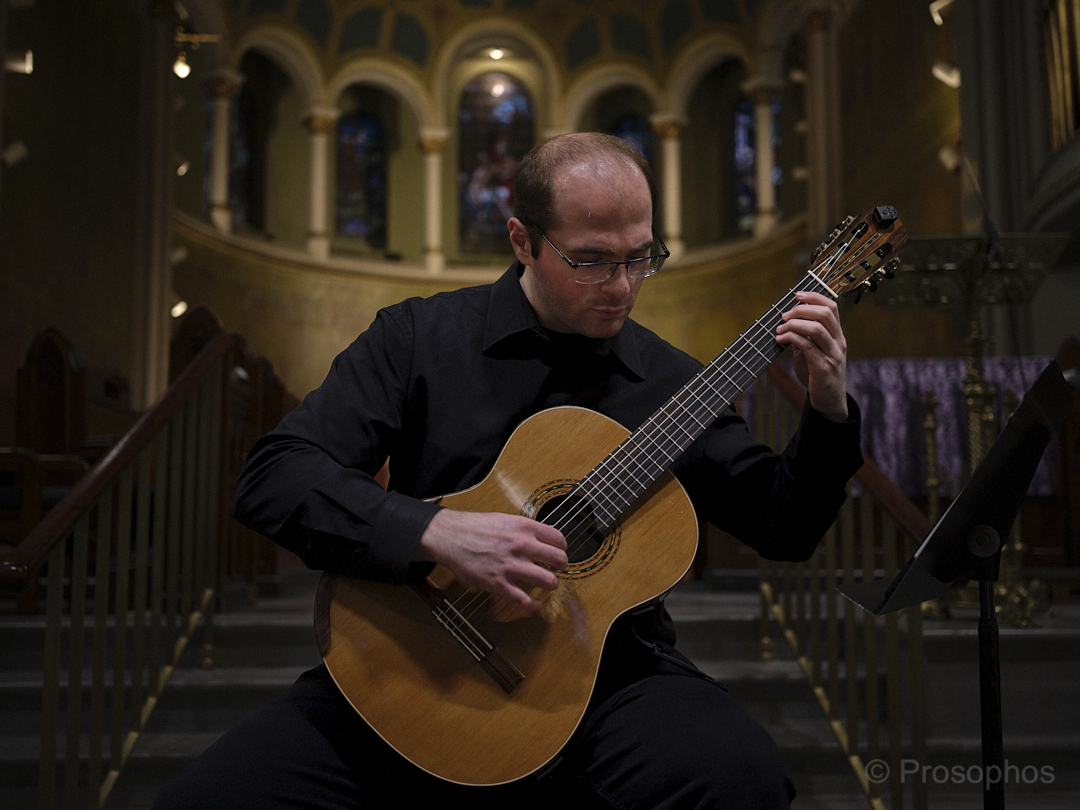
Carmine at St. Andrew’s Church.
2026, Beyond 200 feet of My House™, Favourite, Fujifilm GF 45mm f/2.8 R WR, Fujifilm GFX 100SII, Inspiration, Portrait, Print, StreetI met Carmine today, but only because of what happened a week ago.
Let me explain.
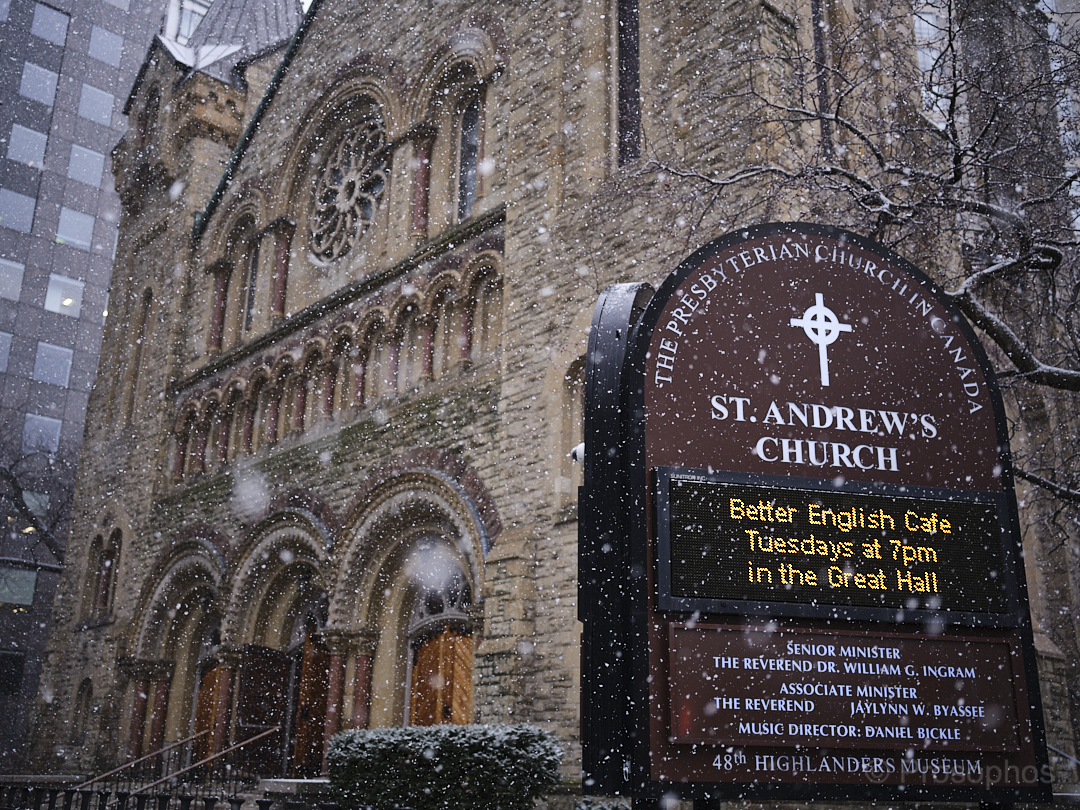
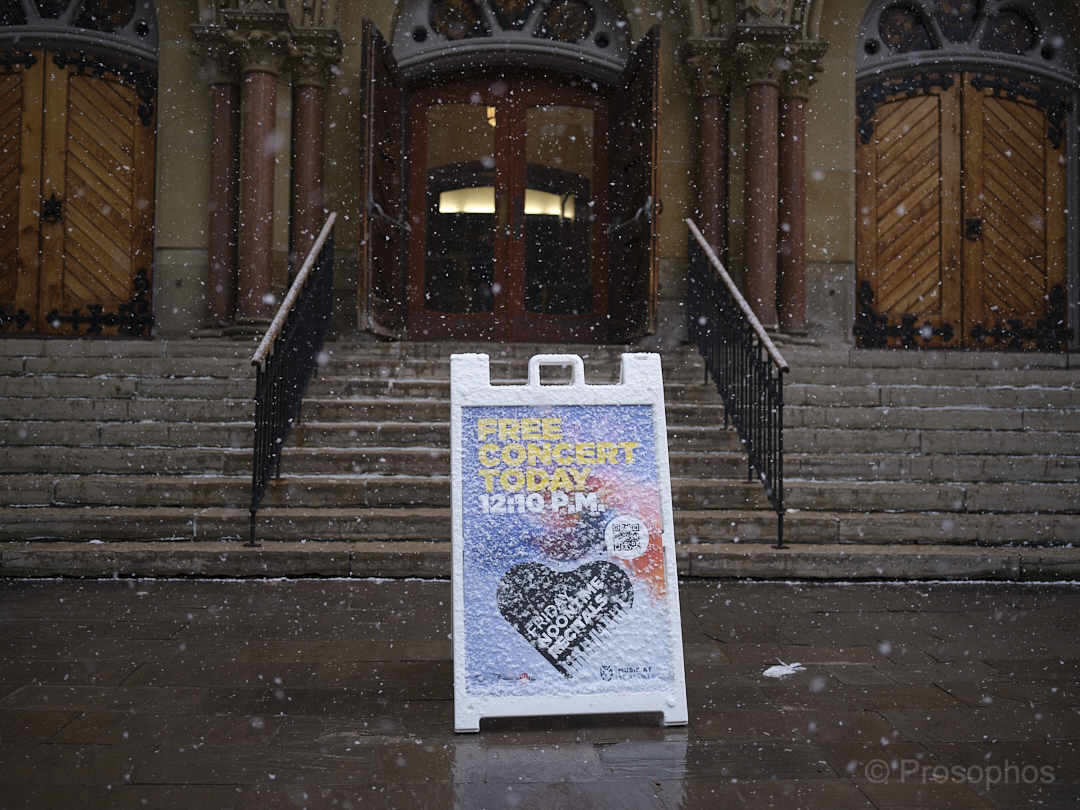
I had stood in front of this church last weekend debating whether I should enter, but decided against it for fear of intruding and being chased away. When I returned home I looked up St. Andrew’s online and saw how lovely it was inside, so of course regretted my decision.
Today I found myself there again, and this time I noticed a sign by the front steps advertising a free concert. Well that gave me all the reason I needed to enter. I was happy I did. When I stepped inside, I saw this tranquil scene of a man playing acoustic guitar, alone, at the front of the church. He was preparing for his concert. The sound was simply beautiful. Without really thinking, I walked down the main aisle toward him, closing the distance between us. I got within a few steps before he stopped playing; he looked up, quizzically, at which point I awkwardly said “Hi, would it be okay for me to take your portrait?”. He said yes, and the result is here.
Thanks Carmine.
—Peter.
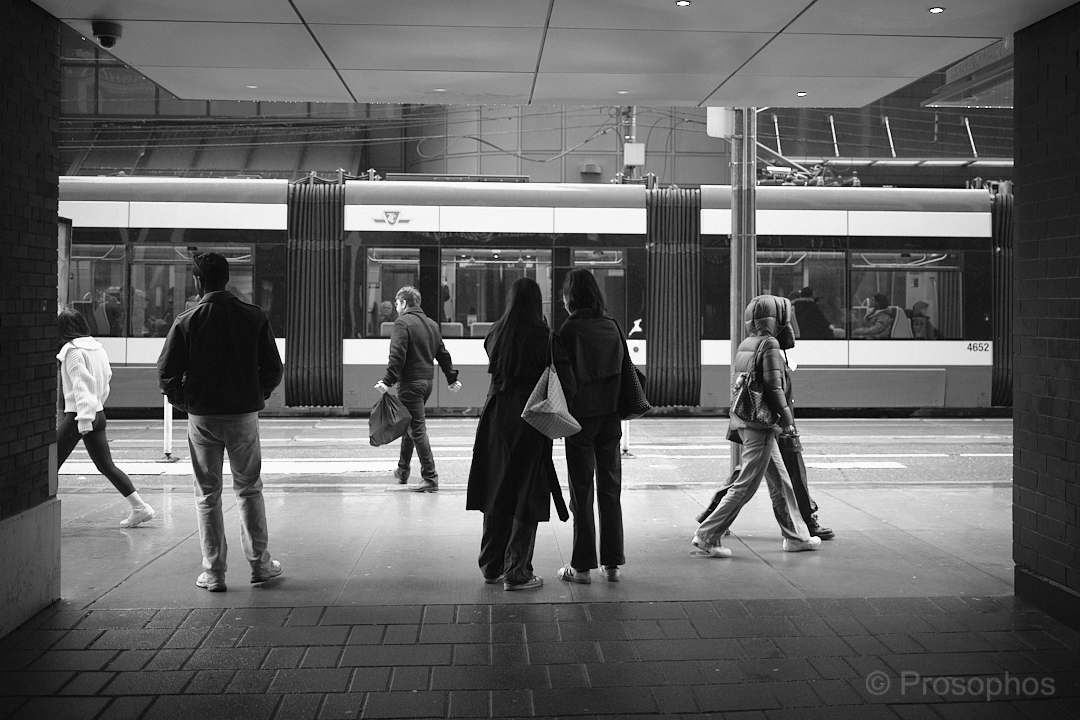
Frames within Frames with Frames.
2026, Beyond 200 feet of My House™, Favourite, Fujifilm GF 45mm f/2.8 R WR, Fujifilm GFX 100SII, Inspiration, Portrait, Print, StreetA slice of life on a rainy Saturday.
—Peter.
Chevron Man.
2026, Beyond 200 feet of My House™, Favourite, Fujifilm GF 45mm f/2.8 R WR, Fujifilm GFX 100SII, Inspiration, Portrait, Street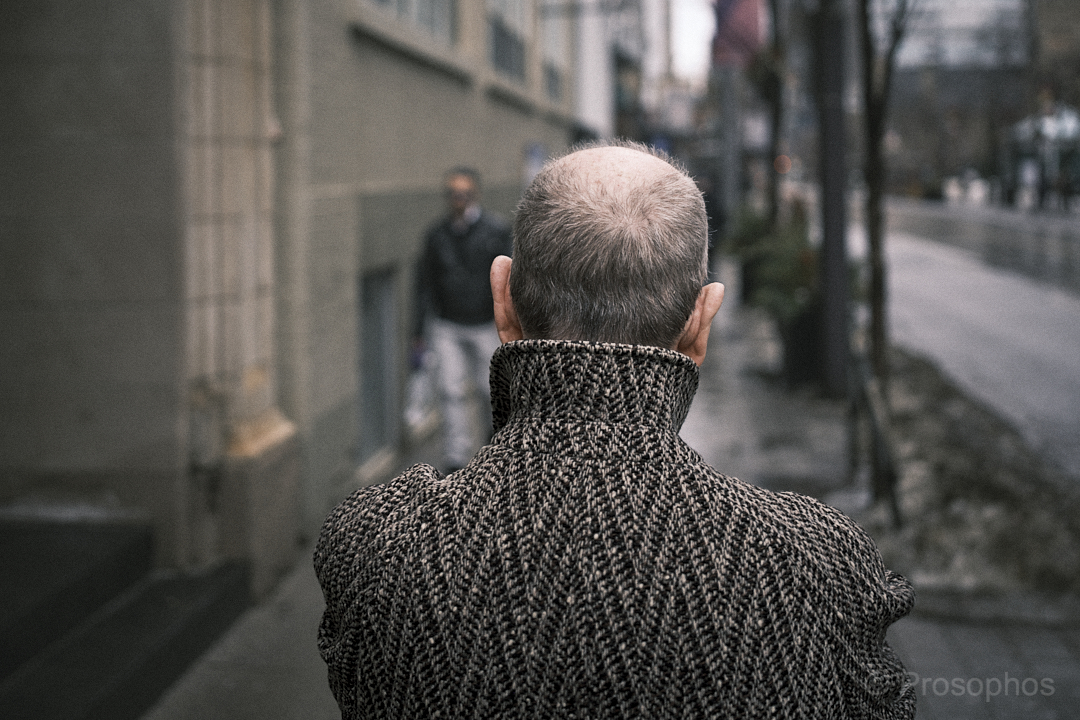
A Streetcar Named 4637.
2026, Beyond 200 feet of My House™, Favourite, Fujifilm GF 45mm f/2.8 R WR, Fujifilm GFX 100SII, Inspiration, Portrait, Print, Street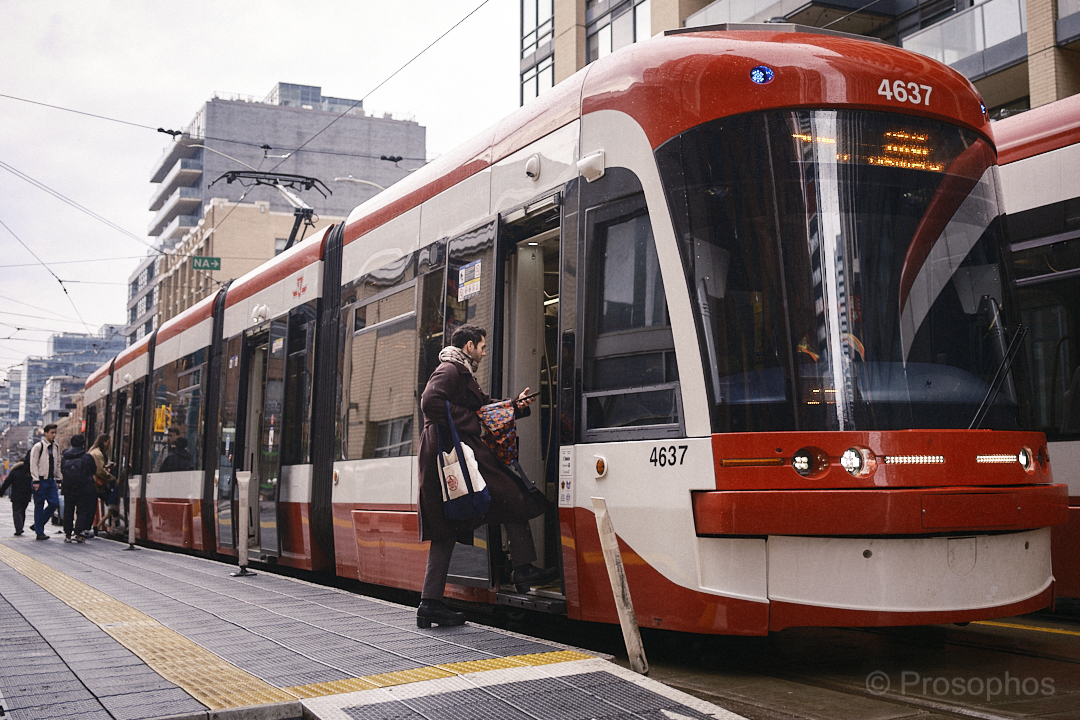
Vapour.
2026, Beyond 200 feet of My House™, Favourite, Fujifilm GF 45mm f/2.8 R WR, Fujifilm GFX 100SII, Inspiration, Portrait, Print, Street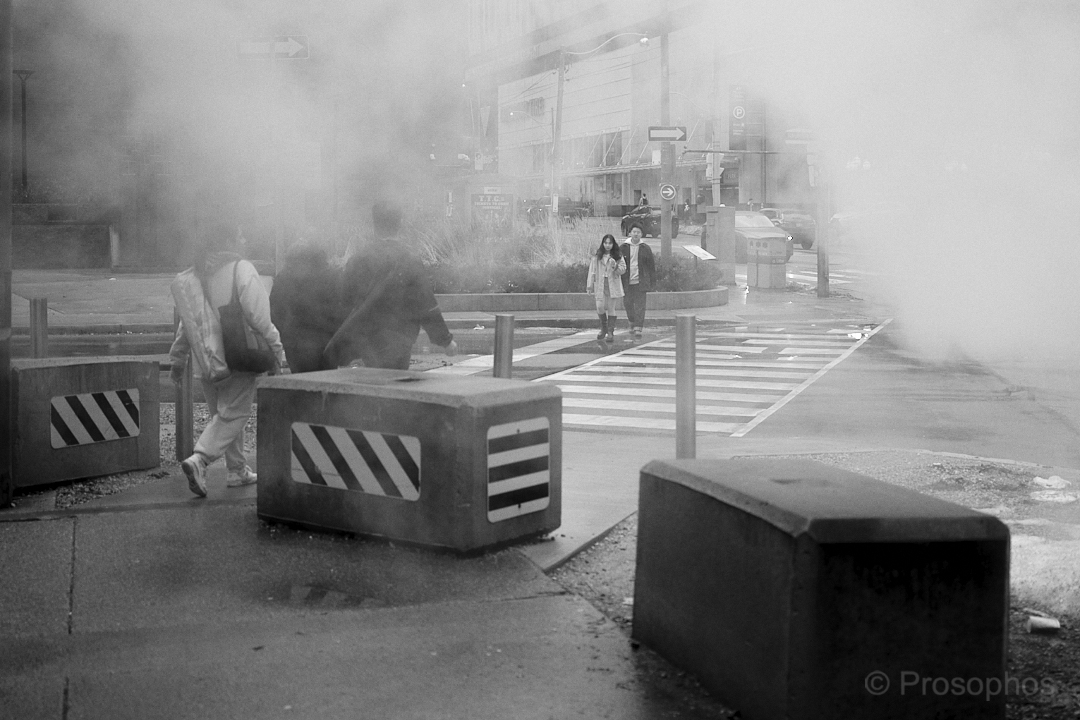
Portrait of a Robot.
2026, Favourite, Fujifilm GFX 100SII, Inspiration, Portrait, Thypoch Eureka 50mm f/2, Within 200 feet of My House™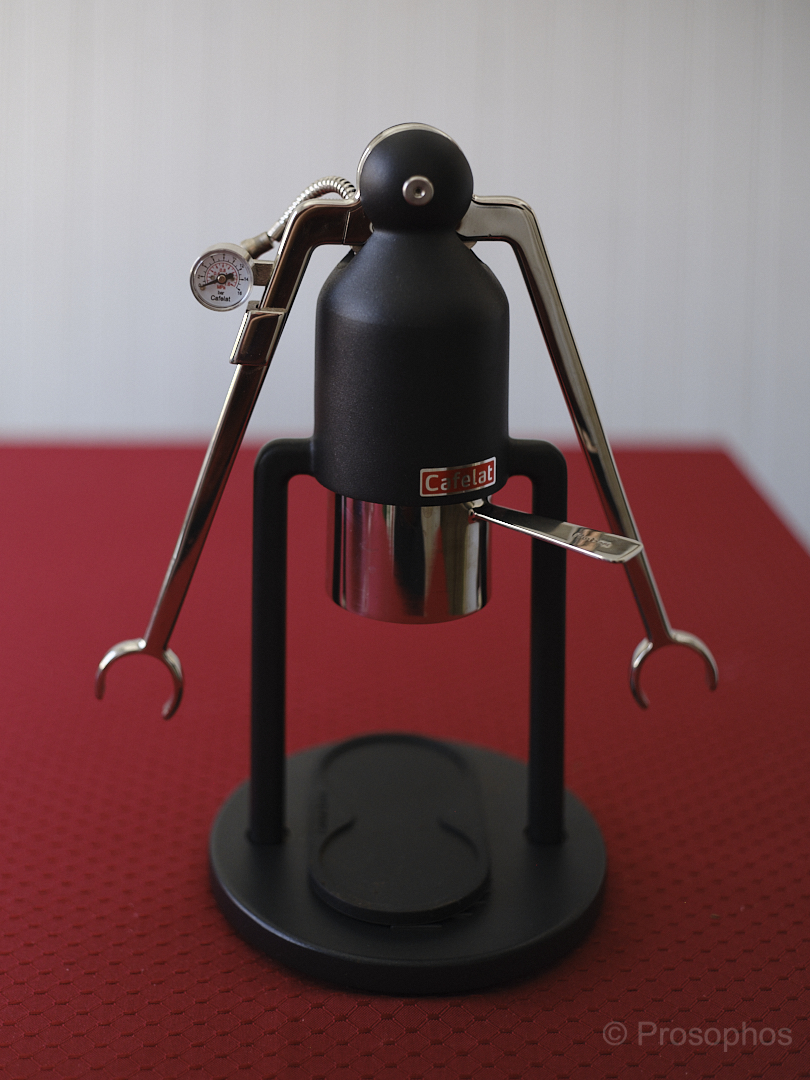
Saturday.
2026, Favourite, Inspiration, Nikon, Nikon Z9, Portrait, Thypoch Simera 28mm f/1.4, Within 200 feet of My House™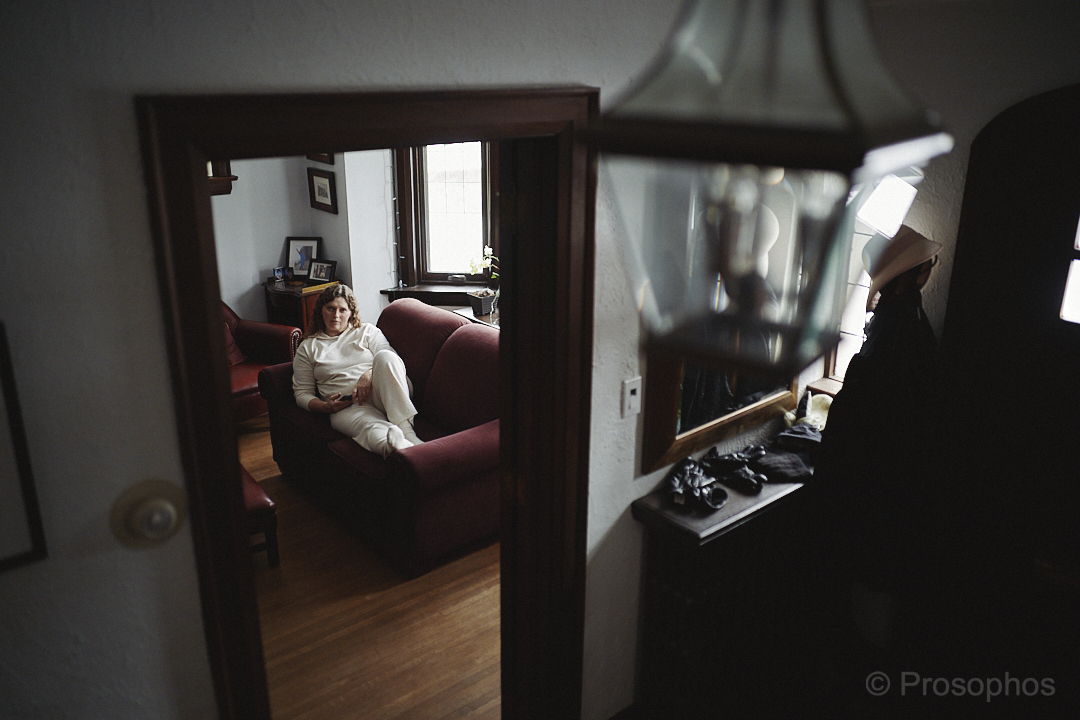
Zamboni – Toronto – February 21, 2026.
2026, Beyond 200 feet of My House™, Favourite, Fujifilm GF 50mm f/3.5 R LM WR, Fujifilm GFX 100SII, Inspiration, Portrait, Street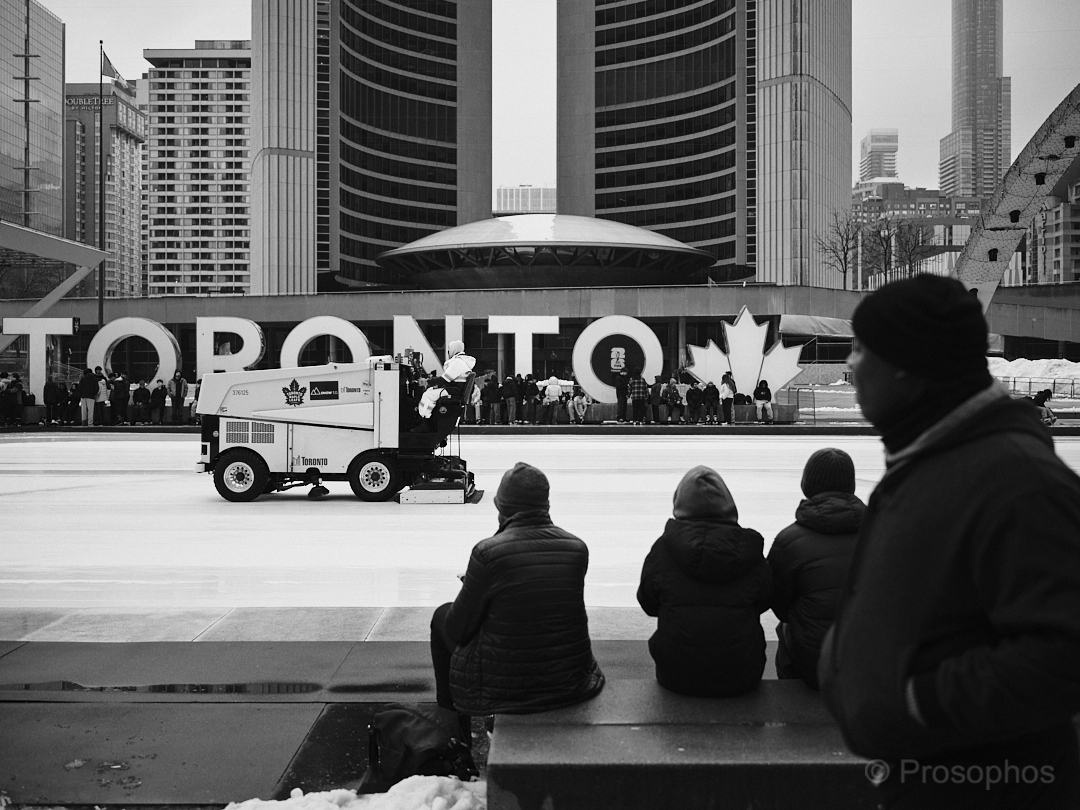
Summer Hat (Winter).
2026, Favourite, Fujifilm GF 50mm f/3.5 R LM WR, Fujifilm GFX 100SII, Inspiration, Print, Within 200 feet of My House™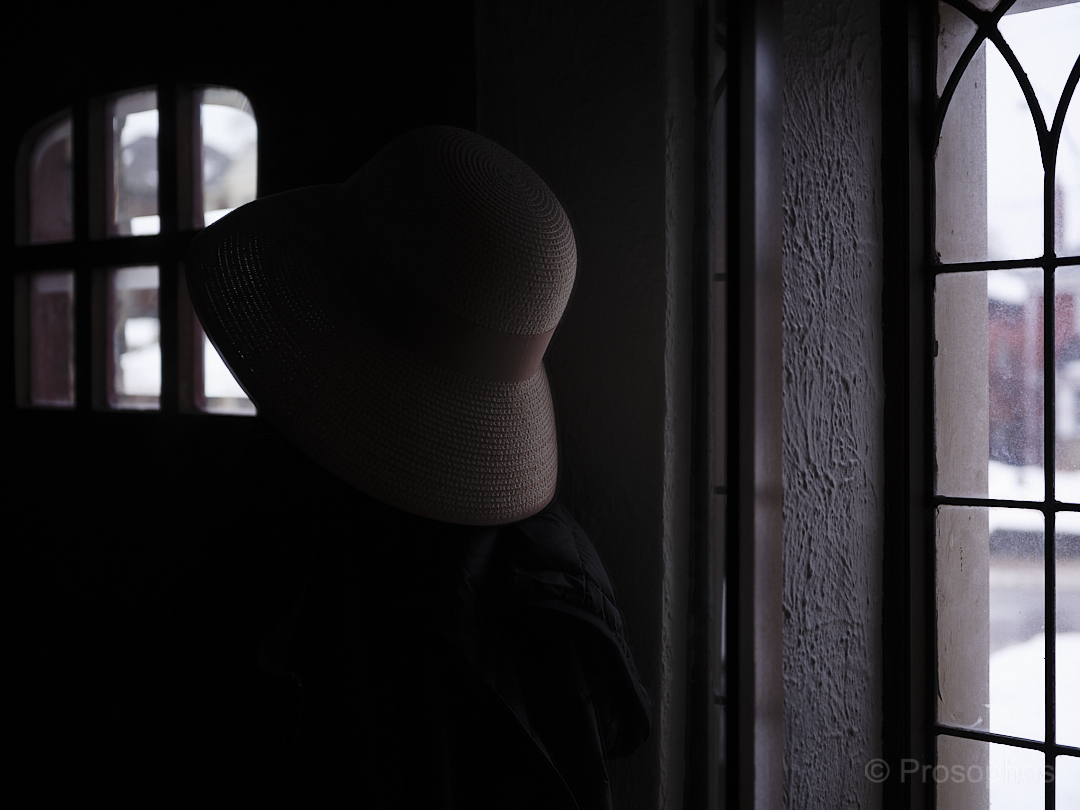
🥌👈🏻
2026Apologies to Sweden for the Canadian curler caught cheating and then acting like a jackass for being rightly called out on it.
—Peter.
Saturday Phone Call.
2026, Favourite, Fujifilm GF 50mm f/3.5 R LM WR, Fujifilm GFX 100SII, Inspiration, Portrait, Within 200 feet of My House™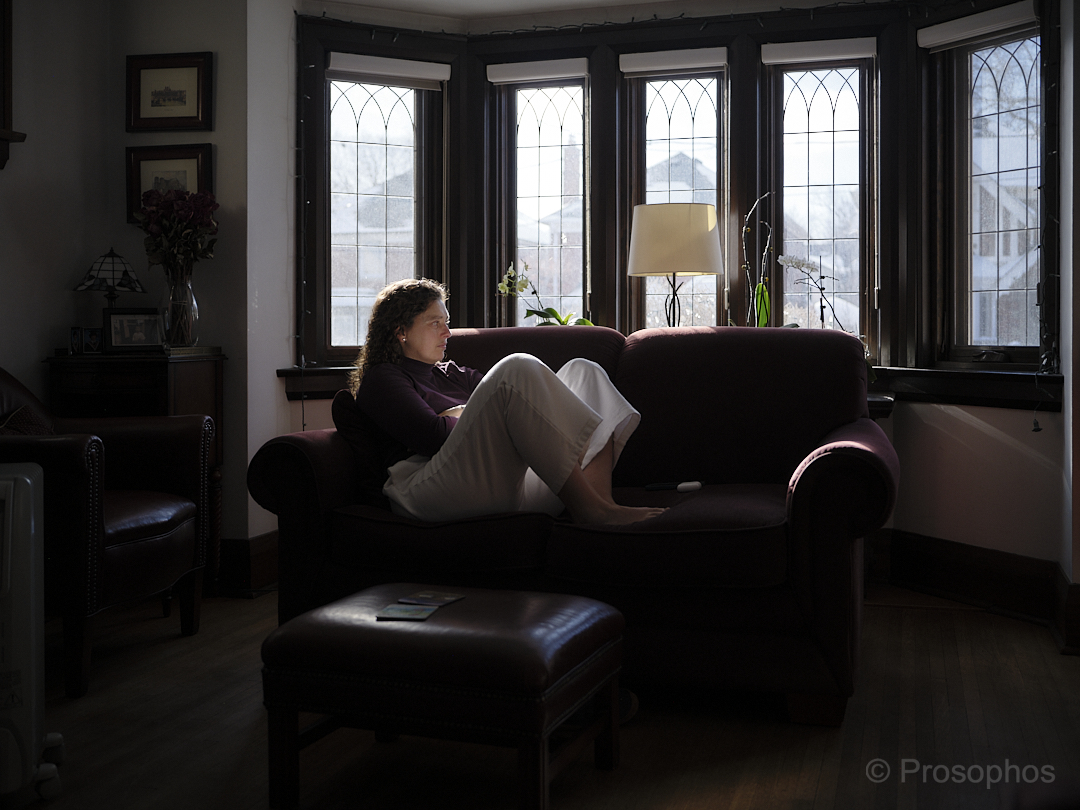
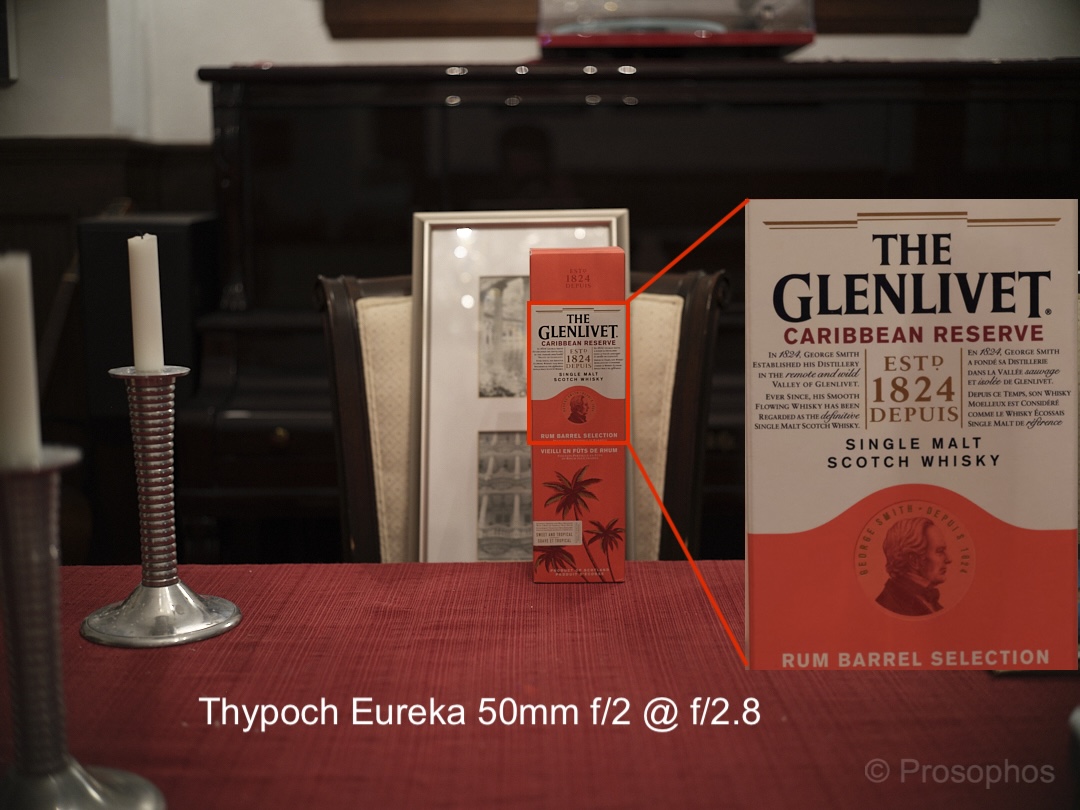
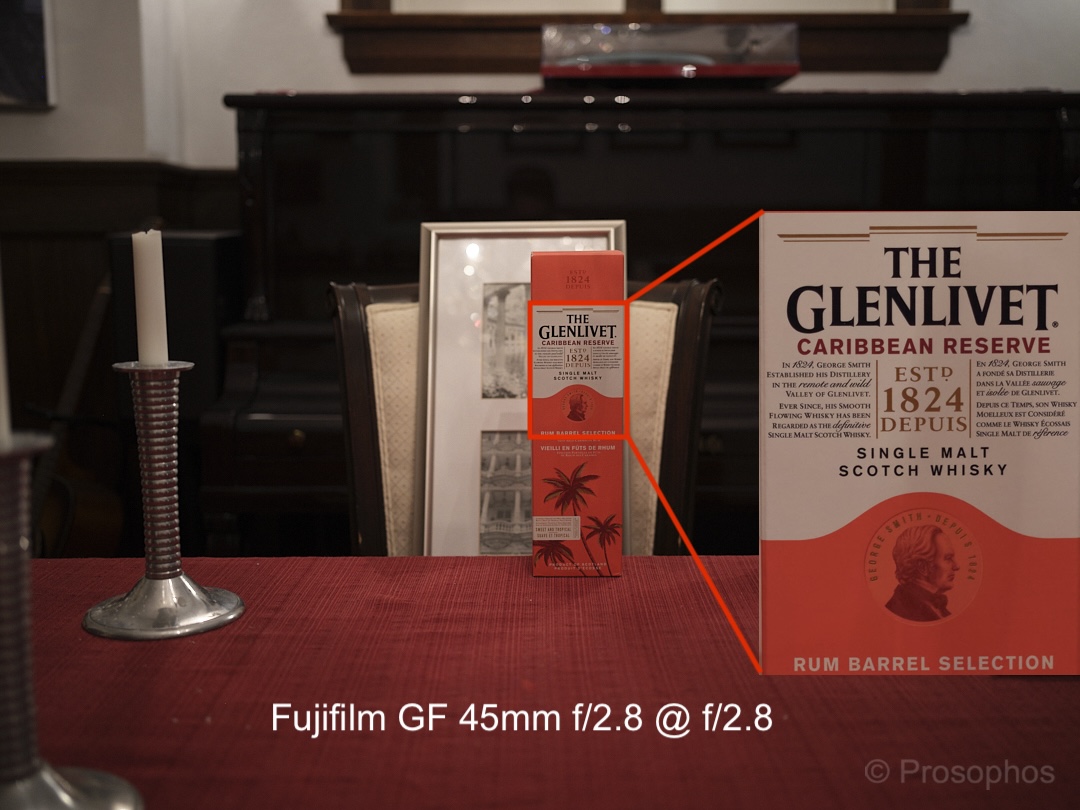
TEST: Thypoch Eureka 50mm f/2 and Fujifilm GF 45mm f/2.8 @ f/2.8.
2026, Favourite, Fujifilm GF 45mm f/2.8 R WR, Fujifilm GFX 100SII, Inspiration, Print, Q&A, Teaching point, Thypoch Eureka 50mm f/2, Within 200 feet of My House™We’re testing for central sharpness, with both lenses at f/2.8, on a Fujifilm GFX100SII.
For the GF 45mm, this represents wide open performance. The Thypoch 50mm is slightly stopped down, which gives it an advantage.
Looking at the images, the GF 45mm wins. However, the result is much closer than I expected, even though I already knew the Thypoch performance is impressive.
With the Fuji lens, you also get autofocus, weather sealing, and less vignetting. With the Thypoch, you get a maximum f/2 aperture (not shown here), and a much, much smaller and lighter lens.
For me, both lenses are keepers.
—Peter.
 Prosophos