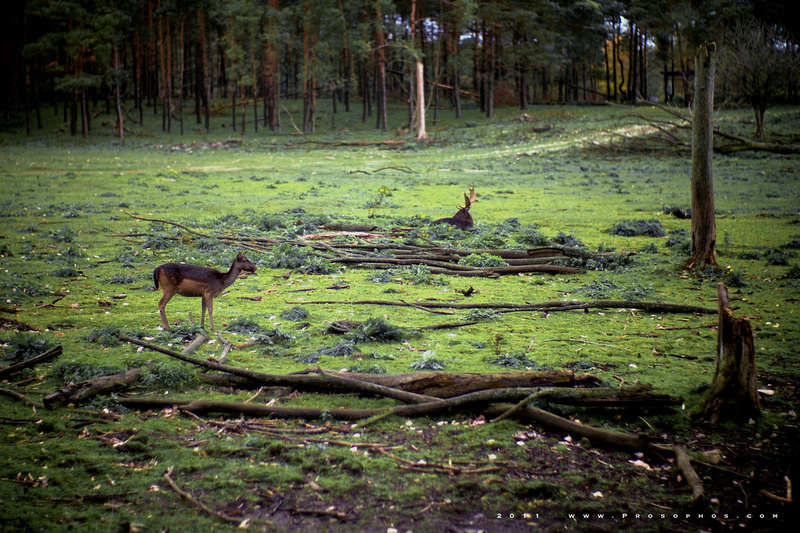
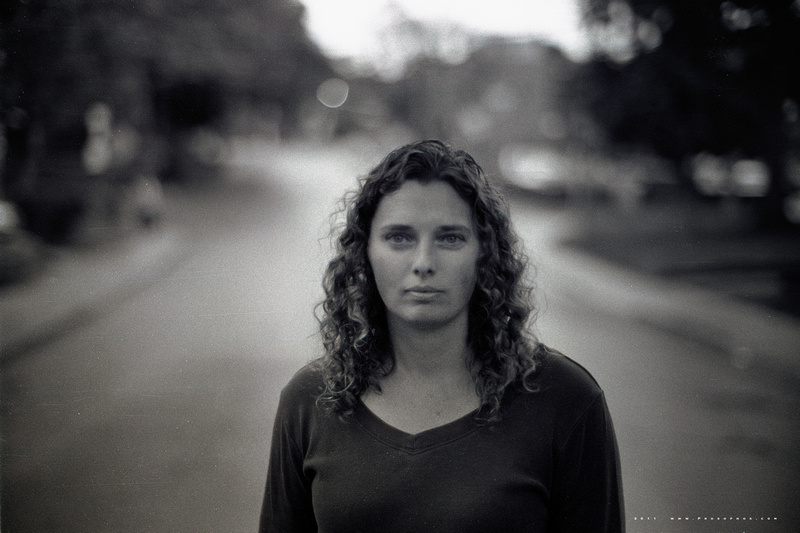
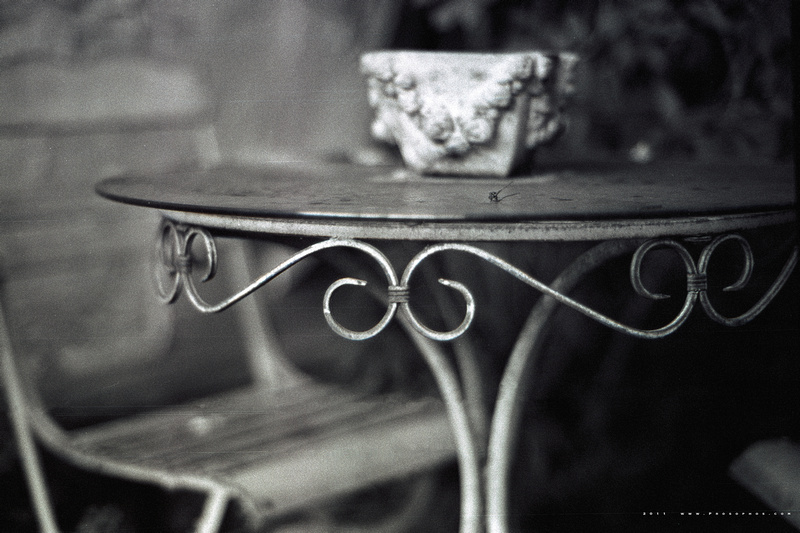
The Konica Hexanon 60/1.2 vs. Leica Noctilux 50/1.0 shot wide open.

Konica Hexanon 60mm f/1.2, Leica 50mm Noctilux f/1, Teaching point

This post is meant to serve as a little bit of an interlude from the Sunrise at Oxtongue Lake series…

DISCLAIMER:  This is not intended to be an analysis of these two lenses. Not even close!  I shot these for my own curiosity and am simply posting the results for your viewing pleasure and/or interest.  You may choose to draw you own conclusions, and that’s fine (in fact, I’m interested in reading your comments).  But please, please, don’t write that “this is not a valid comparison, because…“.   I know it’s not a valid comparison.

Below, the Konica Hexanon 60/1.2 and Leica Noctilux 50/1.0 (E60) were shot wide open on the M9 (the reason one buys these exotic lenses is to shoot them wide open, so that’s the comparison that interested me).

The M9 was set to manual mode.  Focus bracketing was used and the sharpest images from each lens were taken for the comparison (NOTE: despite doing this to ensure that the images were in focus, sharpness was not the only thing I was interested in).

Finally, the original DNG files were converted to JPG in Aperture.  No post-processing whatsoever was used, other than the conversion.

So, here is the overall scene…  focus was on the word “TATiRi” on the guitar head (the differences in the field of view are attributable to the 50mm and 60mm focal lengths).

(please click on the images below to view)

↑Konica Hexanon 60/1.2 @ f/1.2.

↑Leica Noctilux 50/1.0 @ f/1.0.

That famous peripheral “swirly” pattern of the Noctilux f/1.0 is certainly evident above (as an aside, the Nikkor Noct 58/1.2 is also famous for this).

And now I’m including several 100% crops from the above scenes.  The first pair of crops are meant to demonstrate central sharpness.

(please click on the images to view)
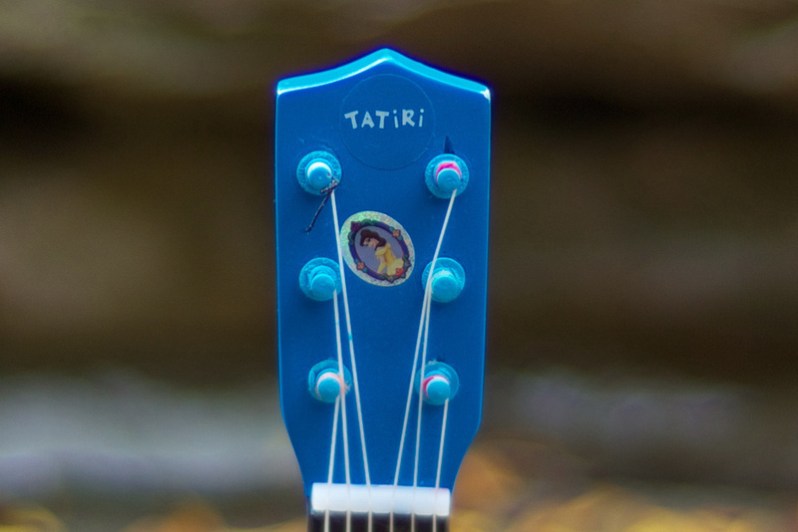
↑Konica Hexanon 60/1.2 @ f/1.2 (centre 100% crop)

↑Leica Noctilux 50/1.0 @ f/1.0 (centre 100% crop)

The next several pairs of crops are meant to demonstrate the character of the bokeh, as seen in two different regions from the main scene.

↑Konica Hexanon 60/1.2 @ f/1.2 (bottom left 100% crop)
↑Leica Noctilux 50/1.0 @ f/1.0 (bottom left 100% crop)
↑Konica Hexanon 60/1.2 @ f/1.2 (top centre 100% crop)
↑Leica Noctilux 50/1.0 @ f/1.0 (top centre 100% crop)

As I wrote above, I’d be interested in reading any commentary generated from this.
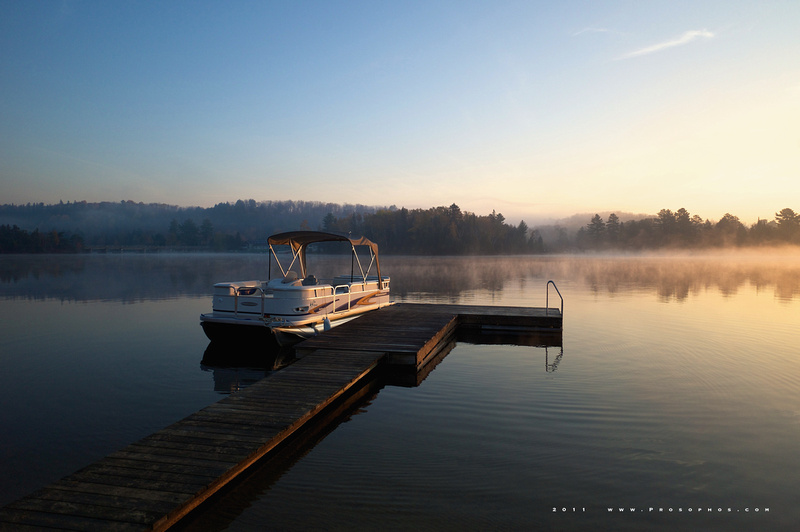
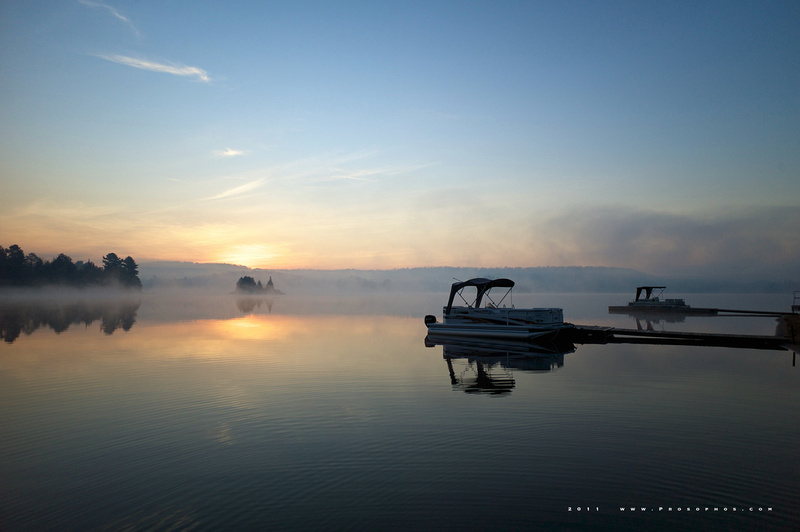
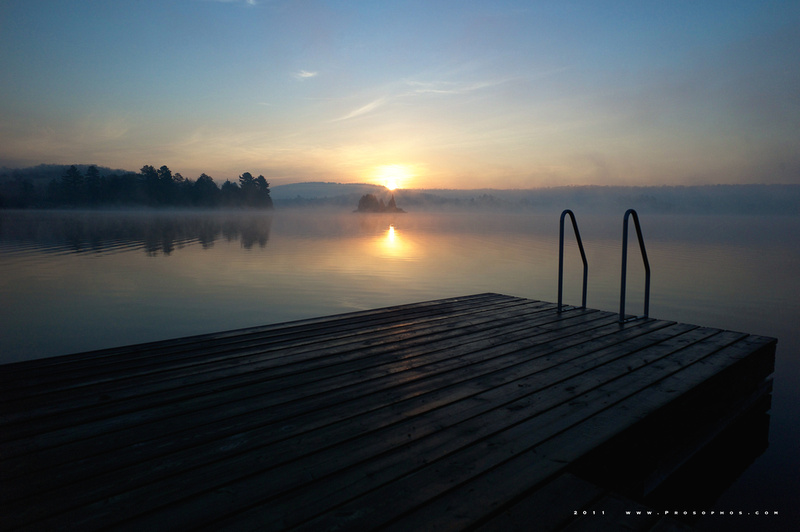
Sunrise at Oxtongue Lake, Part III of VII.

Inspiration, Print, Teaching point, Zeiss ZM 21mm f/2.8 T* Biogon

Parts I and II of this series are here and here.

(please click on the image to view)

↑Leica M9 and Zeiss ZM 21mm @ f/2.8.

The focus was on the boat, of course, and you can see the out-of-focus treeline and fog in the background.  Just how sharp is the Zeiss ZM 21/2.8?

Here is the 100% centre crop @ f/2.8 – this is the original file with no sharpening:

(please click on the image to view)

↑ Zeiss ZM 21mm @ f/2.8 (100% crop, no sharpening)

Clearly the Zeiss, beyond being sharp and possessing incredible resolving power – beginning at f/2.8 – renders in a contrasty and substantial way (for lack of a better term)… elements seem to jump out of the image (the so-called 3D effect) despite the large depth of field a wide angle lens normally affords.

A truly remarkable lens.

Over-processed, not.

Leica M2, Teaching point, Voigtländer 40mm f/1.4 Nokton

I always have to remind myself not to over-process my images.

It used to be the domain of poor HDR photography practitioners, but now I see “over-cooked” images everywhere.  What’s worse is that few people are objecting to it.

Don’t get me wrong, I shoot in raw format and process ALL of my images, sometimes using various software plug-ins – which I suspect are the most popular tools employed by the offending photo-chefs.

And, especially in my novice days, I have been guilty of over-processing too.  Moreover, I’m sure in a few years I’ll look back at my current digital output and label it as garish.

However, I’ve been shooting a lot with film lately.  I’m doing this mostly because my mood and creative juices are calling for it…. something to do with the darker, cooler season of autumn.

In doing so, I’m always reminded of how a photograph should look.

–

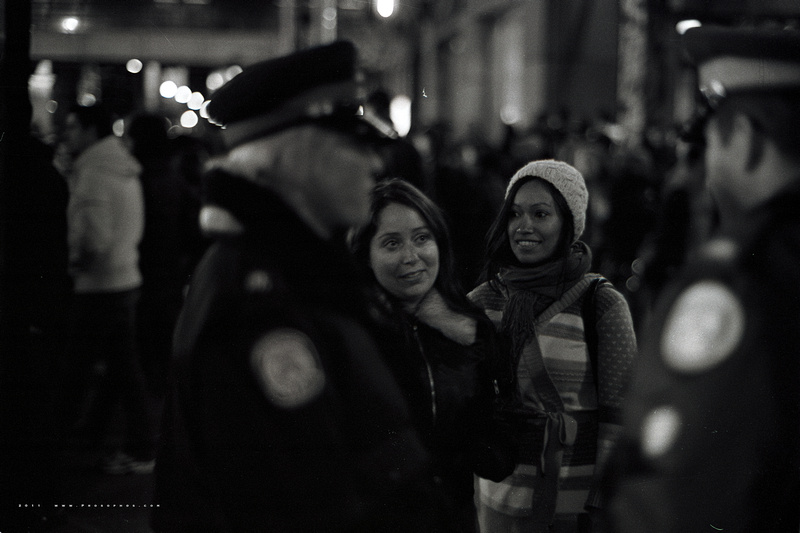
↑Leica M2 and Voigtländer Nokton 40mm @ f/1.4.

–

Nothing flashy.  Nothing exciting.  But real.

I know digital and film, in their native state, look different so I’m not trying to emulate one with the other.

I still go ahead and process the film images I’ve scanned into my computer, though – fortunately – it’s harder to screw around with them… but not impossible.   This limitation helps me understand what I should be striving for when processing digital images.

Keeping it real, so to speak.

—Peter.

When your mother died.

Film, Inspiration, Leica M2, Portrait, Voigtländer 40mm f/1.4 Nokton

When your mother died… it was four years ago today.

When your mother died… you were only two years old.

Do you remember her?

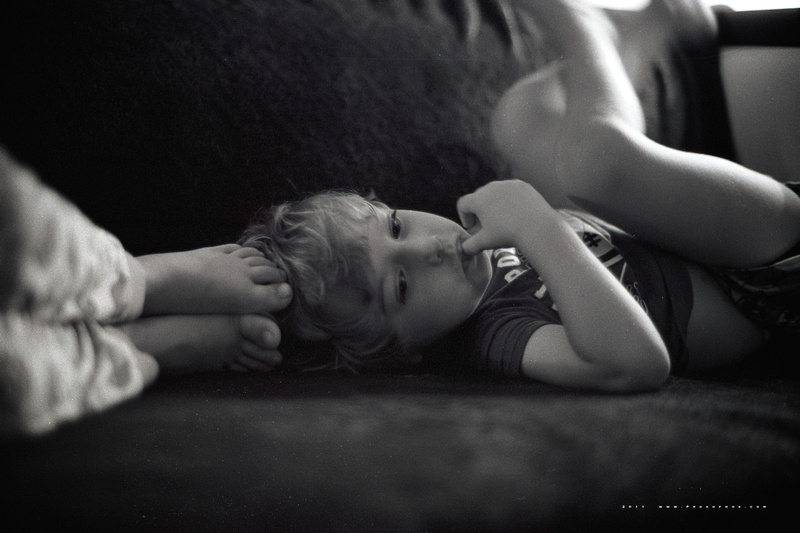
I have a photo of you hugging her – the one in the kitchen – during that final summer together.  In it, you are overcome with joy, and she – she is forever embracing you.

(please click on the image below to view)

↑Leica M2 and Voigtländer Nokton 40mm @ f/1.4.

Dear S,

Rest in peace, my sweet love.