Yes, he’s smiling.
(please click on image)

Leica M9 and Konica Hexanon 60mm @ f/1.2 with a 3-stop ND filter.

Yes, he’s smiling.
(please click on image)
Leica M9 and Konica Hexanon 60mm @ f/1.2 with a 3-stop ND filter.
I wrote this little piece for my good friend Steve Huff over at SteveHuffPhoto.com, and he was kind enough to publish it. The specific link to it is here.
For the non-photo geek, it’s somewhat unorthodox to use a fully manual camera like the M9 to try and capture action, especially in this world of auto-focus and auto-everything-else. But, as I write below, I’m able to anticipate better with this camera and – what’s more – there is no auto-focus system on the planet that will allow me to track the moving eye of a player at f/2.5 (or wider) better than my own eye. The Leica allows me to be in full control, which is what I want.
Anyway, the article is reproduced here for you:
The Leica M9… for Sports? by Peter | Prosophos
Hi Steve,
Sometimes, when I read the commentary on the various fora, I get the sense that many people view the Leica M series cameras as great for “static” scenes like portraits, landscapes, and bowls of fruit.
Yet, as you have demonstrated with your concert photography, Leicas are great tools for capturing dynamic moments, and I know of at least one person who shoots racecars with his M9!
Despite this, Leicas are not often linked to sports images, so I thought this would make an interesting “just for fun” posting for your fine website.
OK, so the “sports” I’m referring to involves kids, but this still qualifies as action, and it’s not typical of the usual photography most people associate with a Leica camera.
Would I recommend a Leica M as a sports camera?
No, not really. The various “pro” DSLR bodies in existence are weather-sealed, have great high ISO performance, lend themselves more naturally to shooting at telephoto distances, and can be machine-gunned for crazy high frame rates.
Yet, what would I choose to photograph sports (or anything else I shoot)?
Hands down, the M9.
My reasons?
That’s a long story, perhaps long enough for somebody else to write an article about it. For now, I’ll just say that an M camera allows me to shoot the way I want, and to anticipate the action better than any other kind of camera I’ve ever used.
Here are the images, and thanks for doing such a great job with this site!
Peter | Prosophos
(please click on any of the images below)

↑Leica M9 and Leica 75mm Summarit @ f/2.5.

↑Leica M9 and Leica 75mm Summarit @ f/2.5.

↑Leica M9 and Leica 75mm Summarit @ f/2.5.

↑Leica M9 and Leica 75mm Summarit @ f/2.5.

↑Leica M9 and Leica 75mm Summarit @ f/2.5.

↑Leica M9 and Leica 75mm Summarit @ f/2.5.

↑Leica M9 and Leica 75mm Summarit @ f/2.5.

↑Leica M9 and Leica 75mm Summarit @ f/2.5.

↑Leica M9 and Konica Hexanon 60mm @ f/1.2.

↑Leica M9 and Leica 75mm Summarit @ f/2.5.
This last shot was taken with the Nikon D3S, but I’m including it here because I like it:

His mentor is in the background and yes, this was literally the first day on the job for this young man.
This image was chosen as a Leica Fotografie International (LFI) Master Shot.

Leica M9 and Leica 50mm Summicron @ f/2
Harsh light washes out colours and details, and creates blown highlights and deep shadows. The latter two are unflattering to faces, so I try to avoid shooting in bright midday light when photographing people.
Sometimes though, the moment inspires and emotion wins over technical perfection.
[Photography Pearl: An emotionally appealing, but technically flawed, photograph will always trump a boring, but technically perfect one. If an image connects with the viewer, it has succeeded.]
(please click on the images below)

↑”Springtime” (Leica 50mm Summicron @ f/2). [This image was chosen as a Leica Fotografie International (LFI) Master Shot].

↑”Mother and daughter” (Leica 75mm Summilux @ f/1.4 with a 3 stop ND filter).

↑”The contortion of play” (Leica 75mm Summilux @ f/1.4 with a 3 stop ND filter).

↑”Not homeless, just tired” (Konica Hexanon 60mm @ f/1.2).
All images taken with a Leica M9.
Ideally, childhood really should be a “Wonderland”.
(please click on the images below)


Both images taken with the Leica M9 and Konica Hexanon 60mm @ f/1.2. The second image was chosen as a Leica Fotografie International (LFI) Master Shot.
Bokeh refers to the out-of-focus elements in an image.
Photographers usually obsess over it because it can enhance – or detract from – an image. More precisely, it can be smooth or harsh, or anything in between.
Different lenses render bokeh differently, and we often speak of a lens’ character in this respect (lenses can also exhibit other characteristics, but that discussion is outside the scope of today’s post).
The Konica Hexanon tends to have bokeh on the wild side (harsh), which I often prefer to the more marshmallow-y (smooth) look you get with certain more “perfect” lenses, like the Leica 50mm Summilux Aspherical.
The interesting thing is, the quality of the bokeh can be different even when using the same lens at the same aperture, depending on what content is being photographed.
For instance, here are two examples demonstrating some of the different ways the Konica Hexanon 60mm renders bokeh (both shot @ f/1.2):
In this first example, the harshness of the bokeh is apparent in the foliage, where we find rather “hard” edges to the circles; the Leica 50mm Summilux Aspherical would have rendered this in a more smooth manner. Foliage, by the way, is a bit of a “torture test” for lens bokeh, as it can bring out some rather jarring results, even in lenses that are generally thought to be smooth.
(please click on the image below)

In the second image below, even though the same lens is being used, the background has been rendered more gently. I would specifically describe it as painterly – a mix of smooth and bold as if painted by an artist’s brush. This is what I really appreciate about this lens – there’s always a tension present between extremes that I find visually very appealing.
(please click on the image below)

Of course, foreground elements may also be out-of-focus, as is the case with the railing in the second shot as it approaches the bottom right portion of the frame. It follows that different lenses will handle foreground elements differently. But I’ll leave that discussion for another day…
The light, the shadows, the interplay of innocence and foreboding.
The eye in the tree, watching.
Children enter this world with the glow of sunshine upon them, but the world has many dark corners within which to get lost.
(please click on the image below)
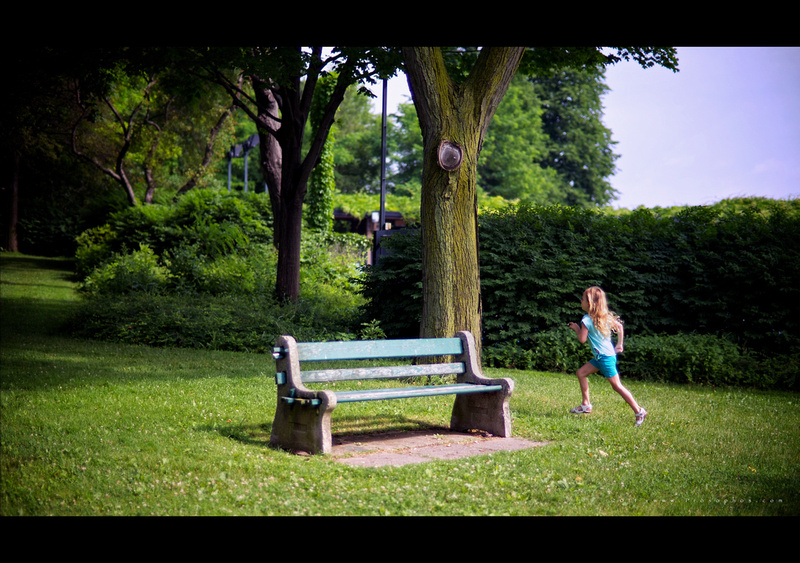
Leica M9 and Konica Hexanon 60mm @f/1.2 with a 3 stop ND filter.
Did he win the game? Not really… they don’t even keep score at this age.
He just launched the best hit of the season, on this very last game. You can see it all on his face.
(please click on the image below)

Leica M9 and Konica Hexanon 60mm @ f/1.2
I’ve been looking, and looking for this lens.
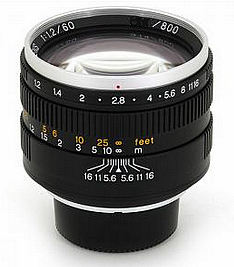
I’m not gloating. I’m just happy. So very happy.
This is my dream lens….
I’ve searched, and searched for it, and was finally rewarded this week. And it arrived today. Oh, sweet joy.
Here is one of my first test shots.
(please click on the image below)

↑Leica M9 and the Konica Hexanon 60mm f/1.2, Special Edition.
Never heard of the Konica Hexanon 60/1.2? It’s understandable, as there were only 800 of these ever made, in 1999. Most of these are sitting in boxes, on collectors’ shelves. Occasionally – actually, rarely – one of these is put up for sale.
If you want to read more about this special lens, you may do so here at Yanidel’s photo-blog – it was his artistry with the KH 60/1.2 that first made me aware of its existence (if you’ve never seen Yanidel’s site, do yourself a favour and have a look – his street photography with any lens is brilliant).
Did Marshall sink it? Only three people know: he, his girlfriend, and I. Nobody’s talking.
This image was chosen as a Leica Fotografie International (LFI) Master Shot.
(please click on the image to view)
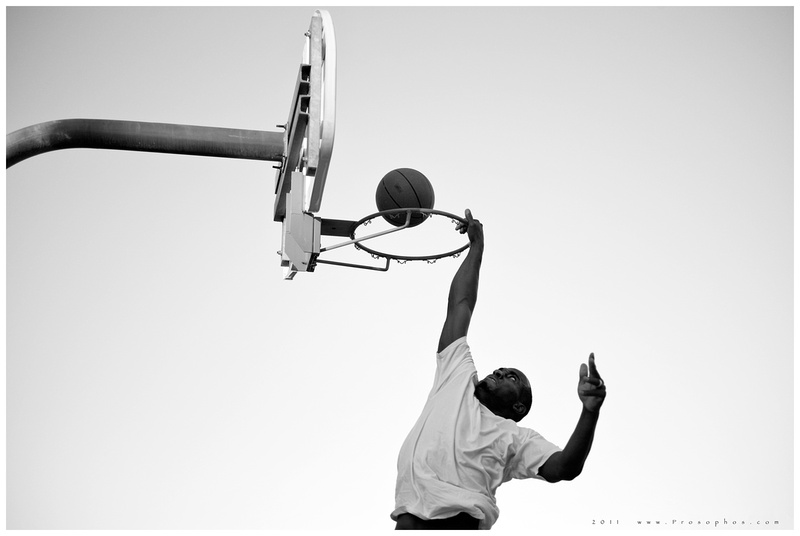
Leica M9 and 50mm Summicron @ f/2
I wasn’t the official photographer – just a guest.
But I couldn’t help taking a few photos.
(please click on any image)






↑Leica M9 and Voigtländer Nokton 35mm @ f/1.2.
This is a spiritual place for me.
I’ve photographed this spot many times and each time I get something different — a different mood painted with a different palette.
Always beautiful though.
Here are some sample shots taken on a recent foggy Saturday morning.
(please click on any photo to view a larger version)
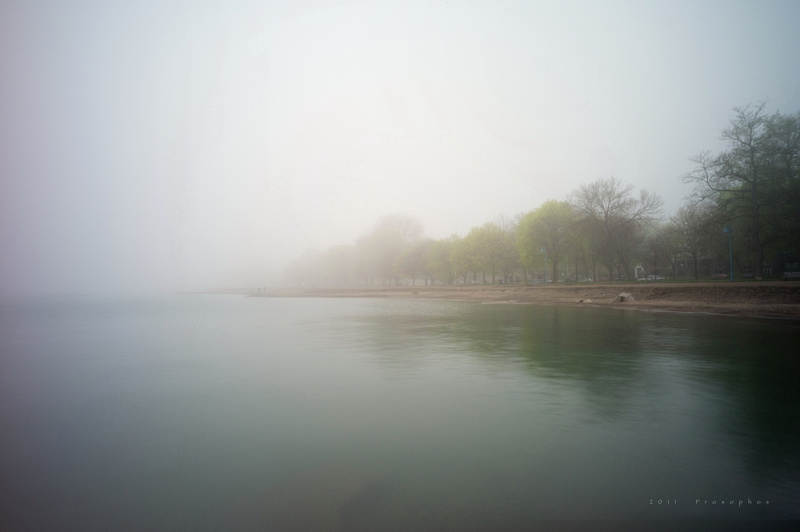
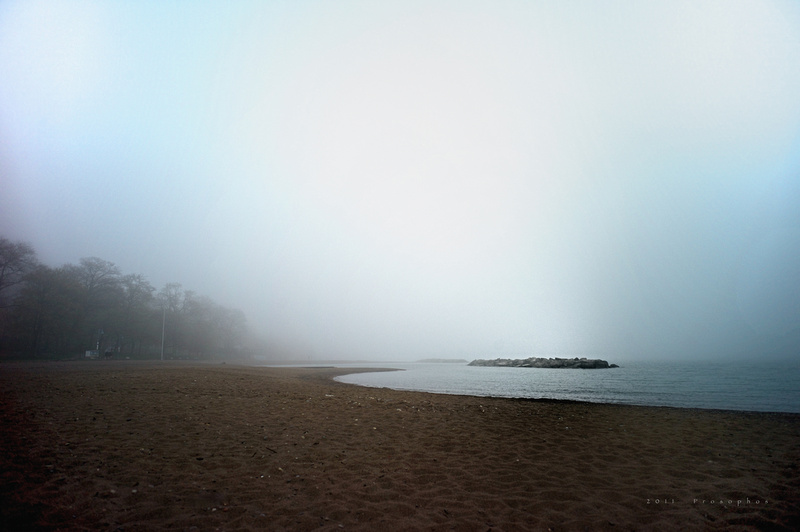
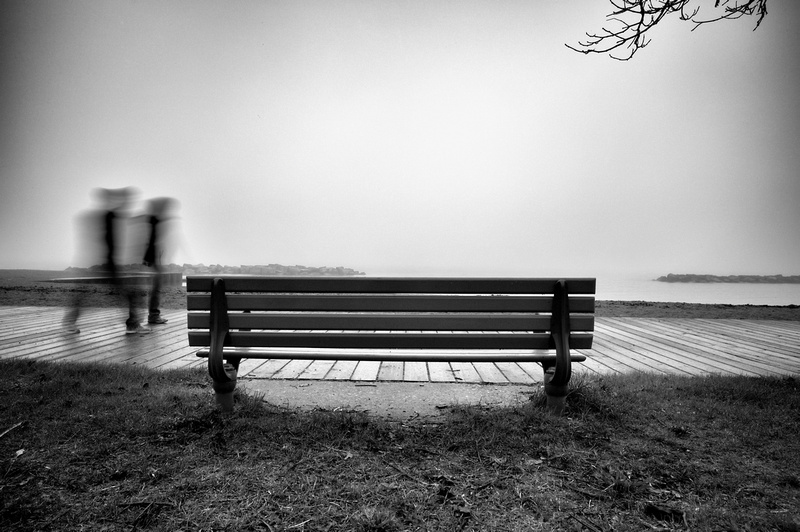
Leica M9 and Zeiss 21/2.8
It’s been a damp and cold spring, here in Toronto.
Still, if you look carefully, signs of spring abound.
This image was chosen as a Leica Fotografie International (LFI) Master Shot.
(please click on the image to see it larger)

Leica M9 and Leica 50mm Summicron @ f/2.
A special day for little Eli – Happy 1st Birthday!
These are two sample shots taken in the morning, before the big party.
(please click on any photo to see it larger)

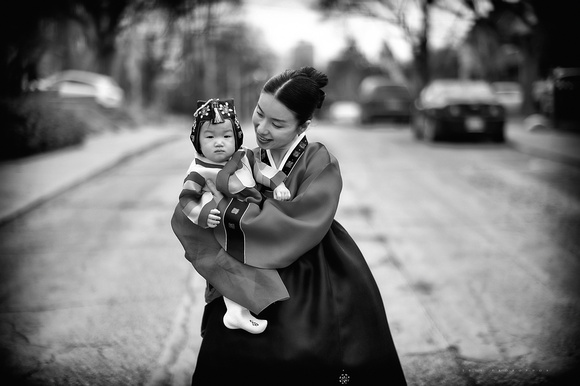
Emily’s baptism — a wonderful day for all of us.
(please click on photo to see it larger)

(please click on photo to see it larger)

Alex and Jeff will be married this June! We took these at the Toronto Beach during a glorious sunrise.
The air was crisp, the sky crystal clear, and the light was beautiful.
(please click on any photo to see it larger)










Leica M9 and Leica 35mm Summarit @ f/2.5.
 Prosophos