Bokeh refers to the out-of-focus elements in an image.
Photographers usually obsess over it because it can enhance – or detract from – an image. More precisely, it can be smooth or harsh, or anything in between.
Different lenses render bokeh differently, and we often speak of a lens’ character in this respect (lenses can also exhibit other characteristics, but that discussion is outside the scope of today’s post).
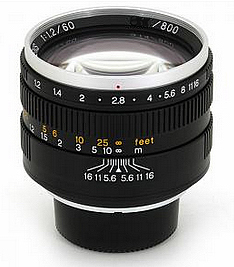
The Konica Hexanon tends to have bokeh on the wild side (harsh), which I often prefer to the more marshmallow-y (smooth) look you get with certain more “perfect” lenses, like the Leica 50mm Summilux Aspherical.
The interesting thing is, the quality of the bokeh can be different even when using the same lens at the same aperture, depending on what content is being photographed.
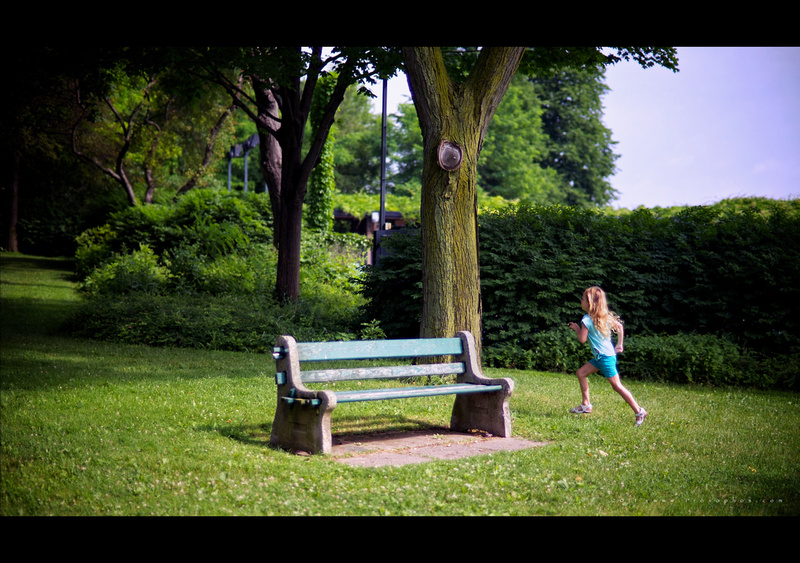
For instance, here are two examples demonstrating some of the different ways the Konica Hexanon 60mm renders bokeh (both shot @ f/1.2):
In this first example, the harshness of the bokeh is apparent in the foliage, where we find rather “hard” edges to the circles; the Leica 50mm Summilux Aspherical would have rendered this in a more smooth manner. Foliage, by the way, is a bit of a “torture test” for lens bokeh, as it can bring out some rather jarring results, even in lenses that are generally thought to be smooth.
(please click on the image below)

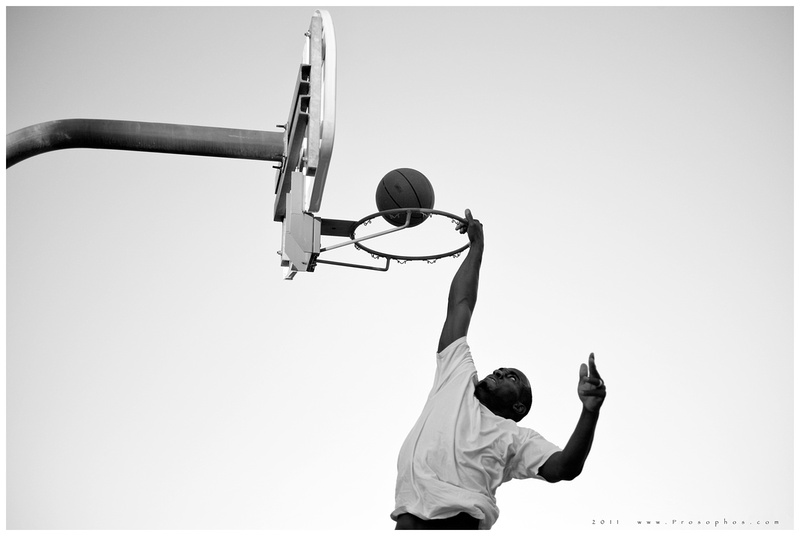
In the second image below, even though the same lens is being used, the background has been rendered more gently. I would specifically describe it as painterly – a mix of smooth and bold as if painted by an artist’s brush. This is what I really appreciate about this lens – there’s always a tension present between extremes that I find visually very appealing.
(please click on the image below)

Of course, foreground elements may also be out-of-focus, as is the case with the railing in the second shot as it approaches the bottom right portion of the frame. It follows that different lenses will handle foreground elements differently. But I’ll leave that discussion for another day…