(please click on the image to view)

↑Leica M9 and Konica Hexanon 60mm @ f/1.2.

(please click on the image to view)
↑Leica M9 and Konica Hexanon 60mm @ f/1.2.
(please click on the image to view)
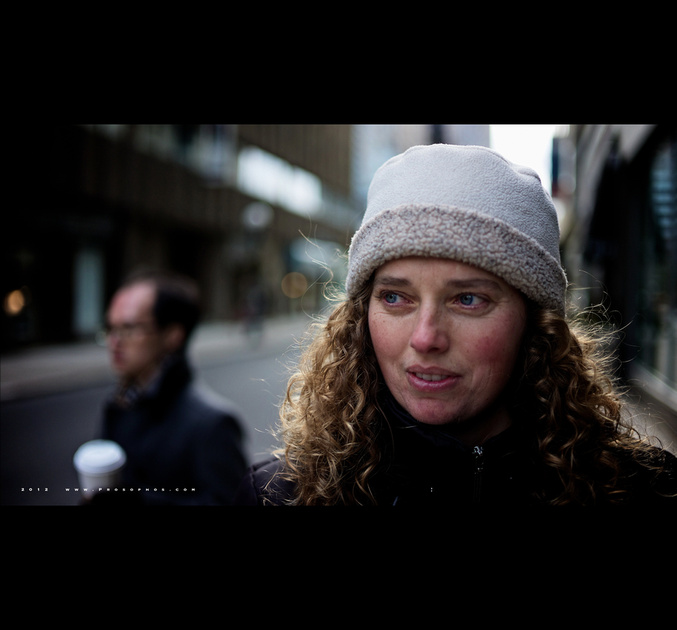
↑Leica M9 and Leica 35mm Summilux FLE @ f/1.4.
WordPress, which hosts this site for me, has recently added some functionality to their statistical summary pages.
Up until today, I knew that there were just over 1,000 visits to the site a day. From the comments I receive here and via email, I had a sense of where some of the viewership was originating, but it was all a little vague.
Well now the picture —so to speak — is clearer… and I’m a little bit surprised. For example, here is a screen shot taken yesterday from my admin page showing the breakdown of visits:
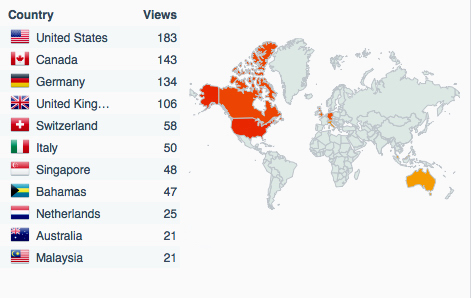
↑Views on Thursday March 8, 2012, as of 8:30 pm.
The visits from the United States and Canada, and even the UK, are not so surprising, but Germany being in the top 3? That was a pleasant surprise. As was seeing the presence of Switzerland, Italy, Singapore, Bahamas, Netherlands, Australia, and Malaysia!
In fact, when I access the all-time viewership, I am quite amazed:

↑Distribution of all-time viewers (Total = 189,106) since April 25, 2011.
When I started this site, I knew I wanted to build a platform upon which I could share my images and thoughts to satisfy my creative needs. I also wanted to establish a web “presence” so that I could build a client base for my photography. What I didn’t realize at the time was how much contact I would have with people from all over the world… people who share the same passion for “seeing” and ultimately interpreting the world… all within the constraints of a humble still image.
That has been most gratifying.
—Peter.
(please click on the image to view)
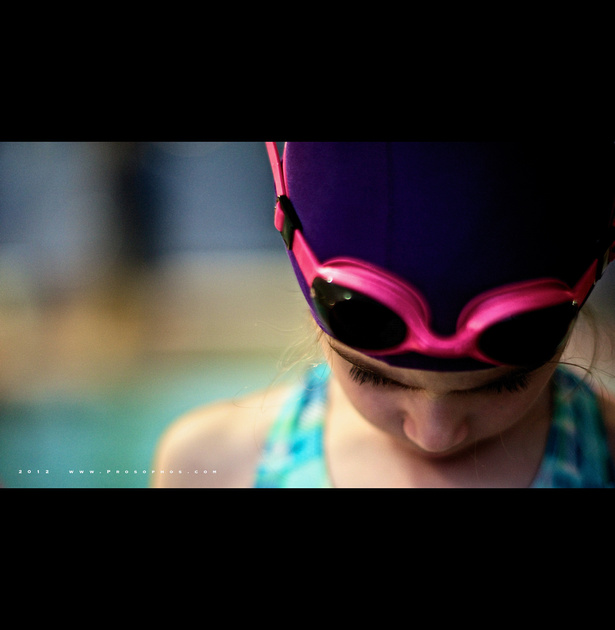
Leica M9 and Leica 75mm Summilux @ f/1.4; 1/60 sec, ISO 800.
(please click on the image to view)

↑Leica M8 and Leica 50mm Summilux ASPH @ f/1.4.
I waited until the right moment to click the shutter.
The viewer is being pulled into this image by the vortex of intertwining arms that are, in turn, intertwining the young girl’s hair. Similar patterns can also be seen in the white sweater and background window treatment.
(please click on the image to view)

↑Leica M9 and Leica 35mm Summilux FLE @ f/1.4.
On the metro. In thought, as the world blurs before his eyes.
(please click on the image to view)

↑Leica M9 and Leica 35mm Summilux FLE @ f/1.4.
I was recently reviewing the images from Alex’s wedding, and I realized just how much I like this one. It’s composed in a special way, and it seems to capture the genuine joy she felt and radiated out to her guests.
As often happens when an image speaks to me, I started viewing it as a frame from the continuous film of life, so I decided to re-crop it and give it the cinematic treatment.
One special frame from a special day in your life, Alex.
(please click on the image to view)

↑Leica M9 and Voigtländer Nokton 35mm @ f/1.2.
Gather up the lost and sold (Don’t hurt me)
In your arms (Don’t haunt me)—Radiohead, Give up the Ghost.
6 second exposure, on a bleak winter morning.
(please click on the image to view)

↑Leica M9 and Zeiss ZM 21/2.8 @ f/16.
(please click on the image to view)
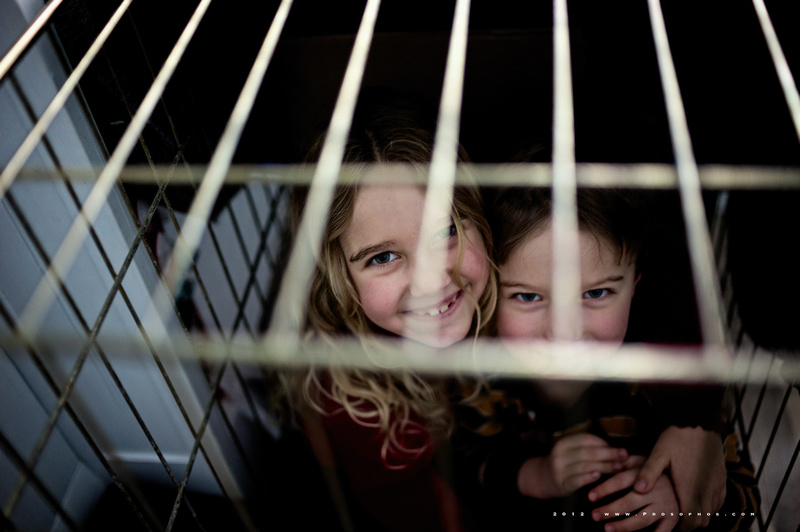
↑Leica M9 and Leica 35mm Summilux FLE @ f/1.4.
The protagonist is playing it cool.
(please click on the image to view)

↑Leica M9 and Leica 35mm Summilux FLE @ f/1.4.
Notice the beautiful window light, and the mirroring of his profile by the globe.
When you click to view the larger image, please also note how sharp his eye (the point of focus) appears, even wide open @ f/1.4. Everything else fades softly out of focus.
Those two qualities — biting sharpness and delicate out-of-focus rendering — are both courtesy of the Leica 75mm Summilux lens.
(please click on the image to view)

↑Leica M9 and Leica 75mm Summilux @ f/1.4.
Honey, in classic profile.
Part 1 can be found here.
(please click on the image to view)
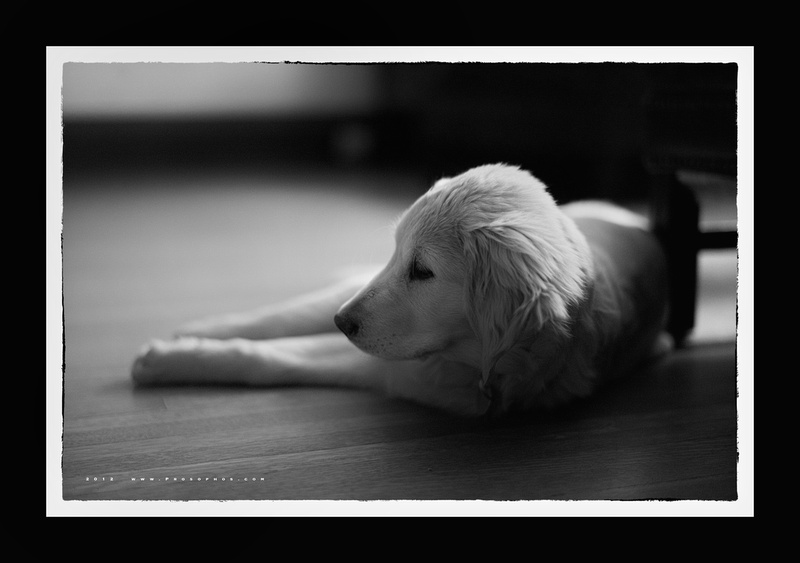
↑Leica M9 and Leica 50mm Summilux ASPH @ f/1.4.
Ten of my “workers” images have been featured on the popular photography site SteveHuffPhoto.com!
The direct link to Steve’s site is here.
I’m honoured and would like to thank Mr. Huff for his ongoing support of my work!
—Peter.
Taken yesterday.
You know, people like Donald who keep Toronto going are some of the most generous folk I know when it comes to posing for photos. They never think of themselves as natural models, but their unpretentious and light-hearted spirit always comes through in the images and makes for great portraiture.
I’ve taken a few other “worker” series portraits: The now famous Mike, and the recent Raymond.
Also, later this morning, I will be posting a link to a “workers” series of 10 images I put together for Steve Huff, the editor of the popular photography site SteveHuffPhoto.com. Stay tuned!
(please click on the image below to view)
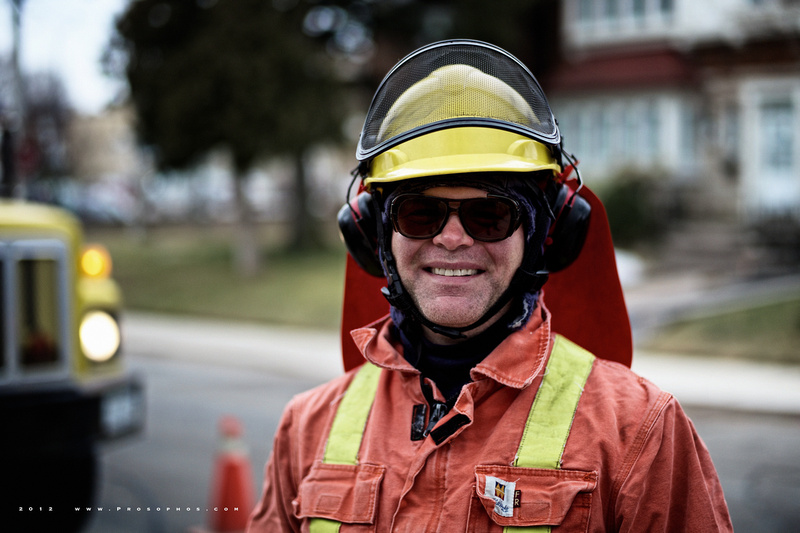
↑Leica M9 and Leica 50mm Summilux ASPH @ f/1.4.
If you’re a photography novice in the Toronto area and are interested in one-on-one Practical Photography – Teaching, I currently have two Sunday sessions available in March:
The two hour sessions are tailored to your needs and are meant to be a non-intimidating way of getting out there and taking photos!
If you want to learn more about my teaching sessions, please see here.
Thanks,
—Peter.


 Prosophos