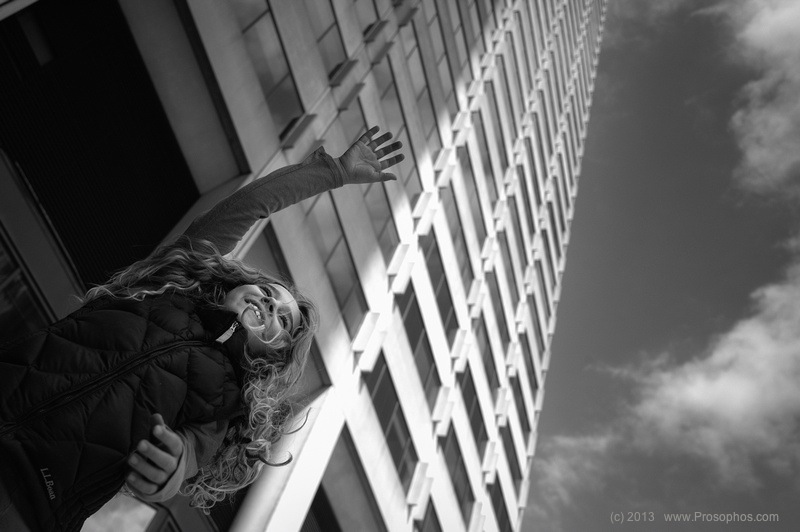
↑Leica Monochrom and Leica 28mm Elmarit ASPH @ f/4.

↑Leica Monochrom and Leica 28mm Elmarit ASPH @ f/4.
–
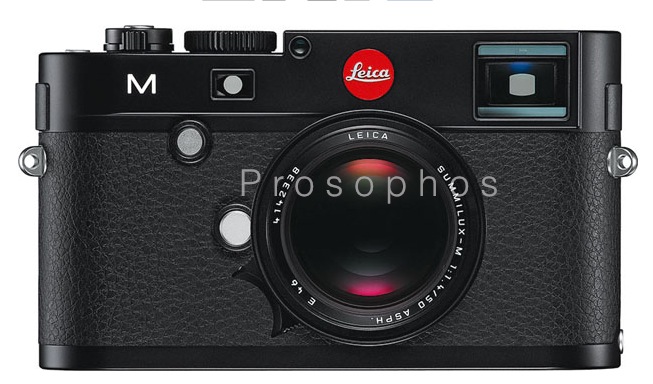
I continue to be underwhelmed with M(240) images.
[See: M240: Final Verdict.]
[See: M9, M(240), DXO… and smoke and mirrors.]
I know, I know, the shutter is quieter, and the buffer is larger, and the LCD is better than what we had with the M8/M9/Monochrom.
But… who cares, if the images all look like Canikon… sorry, like Canikoleica?
Oh yes, I forget, we have to wait for updated firmware, for the correct raw converter “profiles”, for people to get used to working with the new files, etc. The problem I have with these sorts of statements, and other statements from many M owners, is that it all sounds like mass rationalization.
Yes, the new “box” is shinier, the new box is newer.
But… I prefer to let the images do the talking. So far, they are inferior to anything I’ve seen out of the M9 or M8 (not to mention the Monochrom).
Sorry, but I’m calling it as I’m seeing it.
Perhaps my long-held view that CCD has something that CMOS lacks is simplistic.
But it appears to summarize things nicely.
—Peter.
—
If you haven’t already done so, please consider signing my open letter to Leica.

___
Related posts:

–
This is meant to be lighthearted — and instructive 🙂 …Enjoy!
—Peter.
________________
–
–
–

Please check out my Daily Inspiration posted yesterday on SteveHuffPhoto:
One camera, one lens, one holiday.
I’d like to thank Steve for his ongoing support of my work.
—Peter.

↑Leica Monochrom and Leica 90mm Summicorn APO @ f/2.8.
This was actually taken last month, when we were technically still in winter. It felt like spring.
Since then, our actual spring has been awful. It’s been raining for days on end, and over the last 24 hrs we’ve been pelted by ice pellets. Outside, it’s all black and white.
So today, I’m focusing on (happy) colours.
—Peter.
[Incidentally, the bokeh of the 90/2 APO is really something special.]
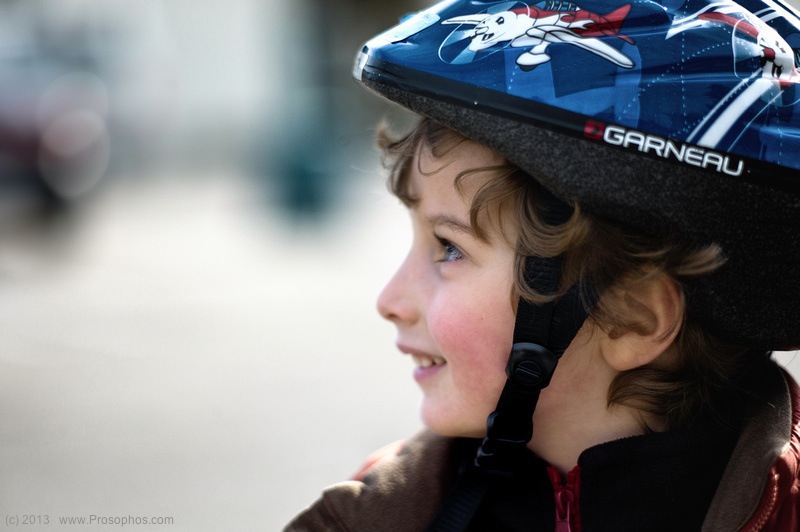
↑Leica M9 and Leica 90mm Summicron @ f/2.
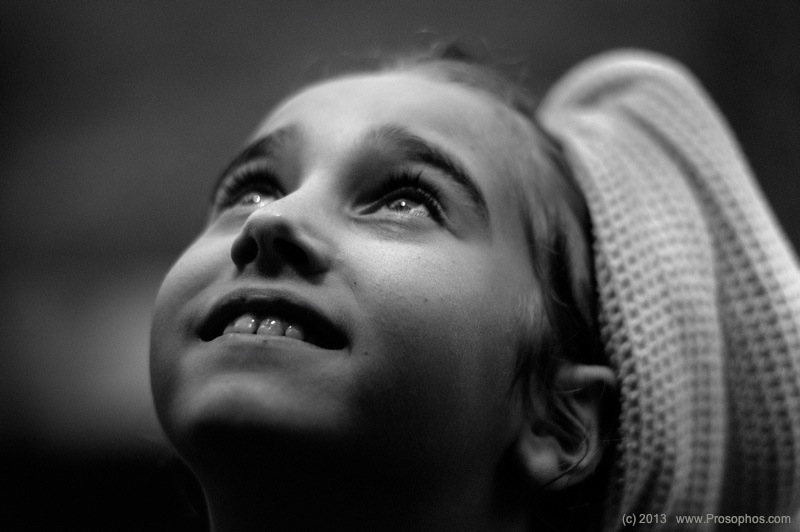
↑Leica Monochrom and Leica 90mm Summicron @ f/2.
― F. Scott Fitzgerald, This Side of Paradise.

↑Leica M9 and Leica 50mm Summilux ASPH @ f/1.4.

↑Leica Monochrom and Leica 28mm Elmarit ASPH @ f/4.
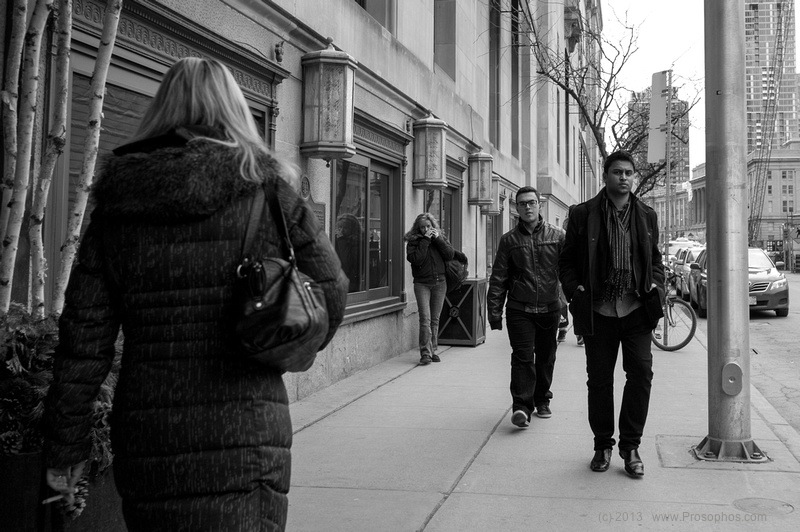
↑Leica Monochrom and Leica 28mm Elmarit ASPH @ f/4.
–
This is what I’m referring to:
–

–
It’s the spontaneous coalescing of disparate elements into a pleasing composition that, for me, makes this interesting.
—Peter.

↑Leica Monochrom and Leica 90mm Summicron @ f/2.
The right side of the frame was cropped slightly to create a more balanced composition.
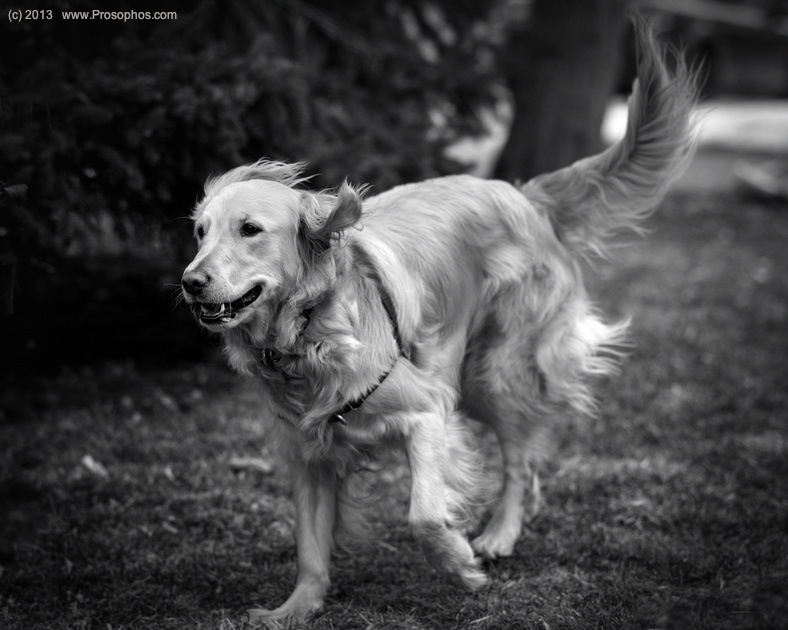
↑Leica Monochrom and Leica 90mm Summicron @ f/2.8.
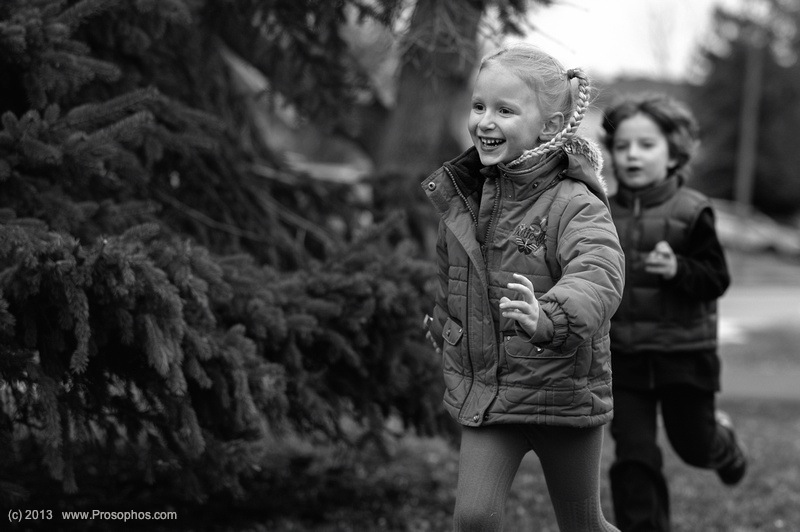
↑Leica Monochrom and Leica 90mm Summicron @ f/2.8.
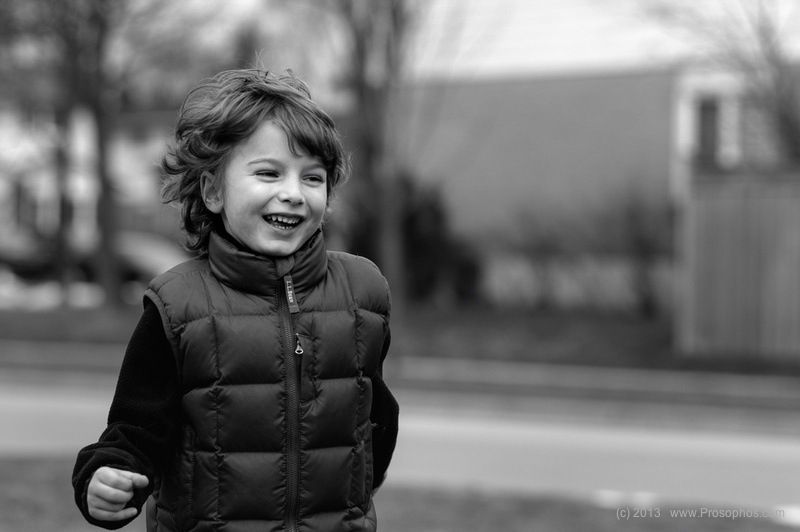
↑Leica Monochrom and Leica 90mm Summicron @ f/2.8.

↑Today, this site celebrates a 2nd birthday!
_____
–
Thank you all for your contributions here each and every day!
I’ll try to keep posting an image a day, for as long as I’m able, but Prosophos.com is entering the terrible twos so, who knows? 🙂
—Peter.
–
–
–
I seldom engage in street photography, because moments like this are few and far between.
However, if one is able to capture an instance like this — a moment of serendipity — and manage to frame it in a nice way, it’s a euphoric experience.
—Peter.

↑Leica Monochrom and Leica 28mm Elmarit ASPH @ f/4.
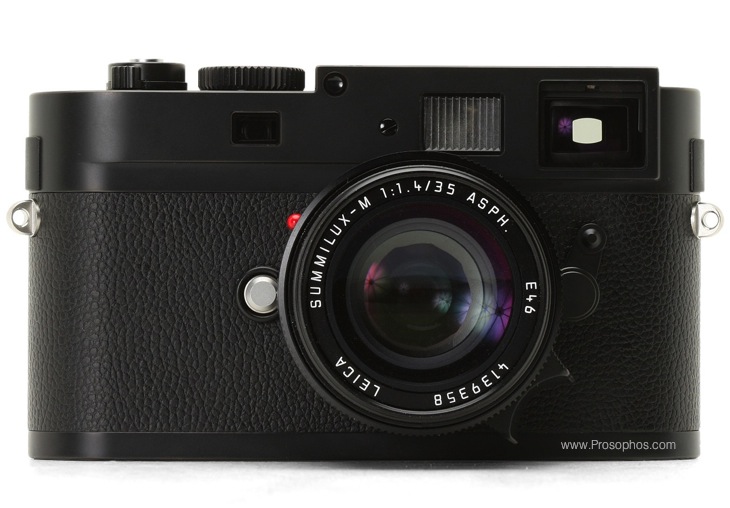
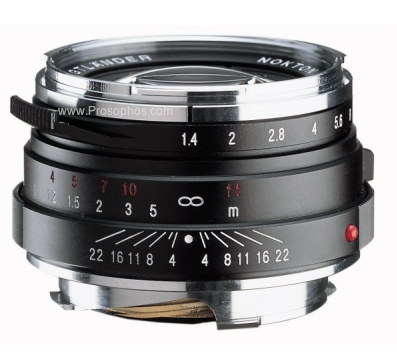
I’m asked this almost weekly (even though I name the gear used to take each image I post, below each image I post).
For the record, these are the cameras/lenses I’m currently using.
—Peter.
______



–
–
–

↑Luiz Paulo (photo courtesy of his daughter :)).
–
“…I try to find the appeal of the simplest things…”
—Luiz Paulo.
–
–
__________________________________________
__________________________________________
39 years old. Born in Sao Paulo, Brazil. Still lives and works in the “big city”. Since college (ad school) has been working in photography. First job at Kodak. Nowadays works with his brother doing everything related to still imaging mainly for advertisement and print ads — illustrating, retouching, and even photographing.
Leica M9P. Leica 28mm Summicron ASPH, 28mm Elmarit ASPH, 35mm Summilux ASPH and 50mm Summilux ASPH.
“Those who I care about, love, and respect… “
“I have a big scar on my neck [from a childhood accident]. My daughter says she wants a scar too…”
__________________________________________
–
–
Almost a year ago, Luiz Paulo did me the honour of gracing Prosophos.com with his images, thereby providing this site’s first Guest Post.
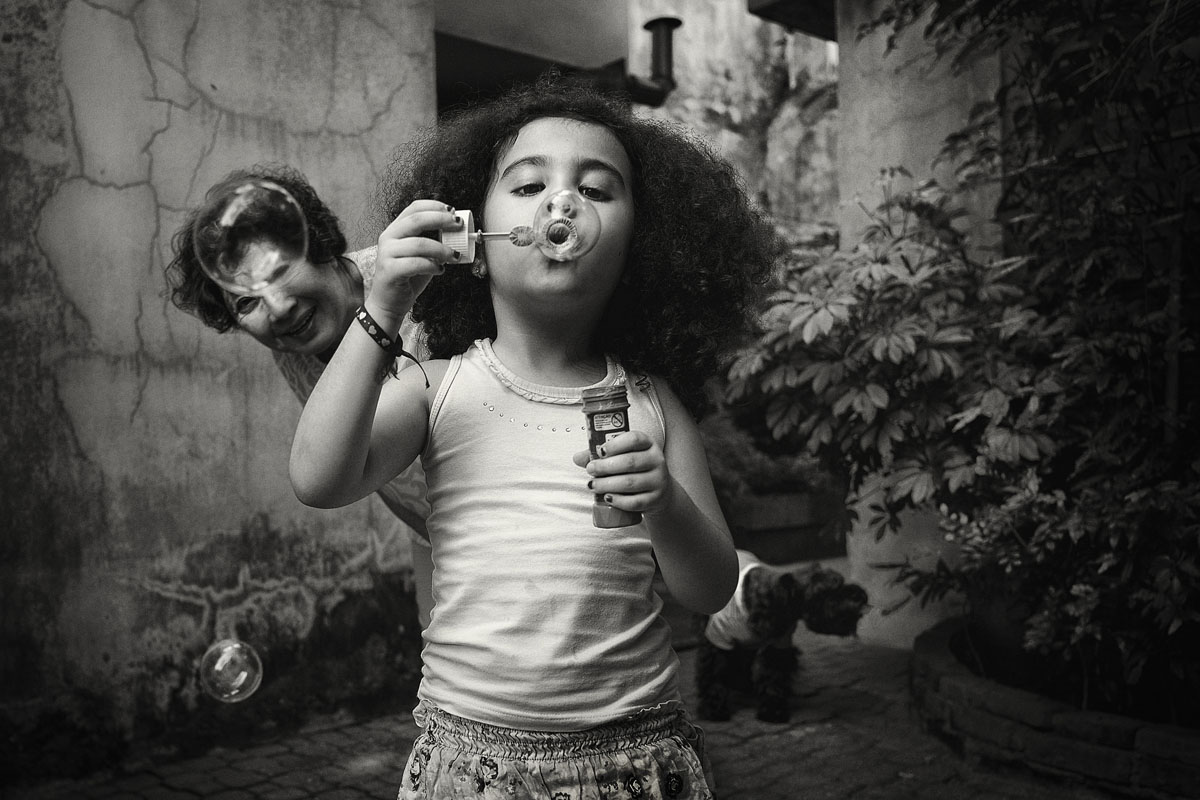
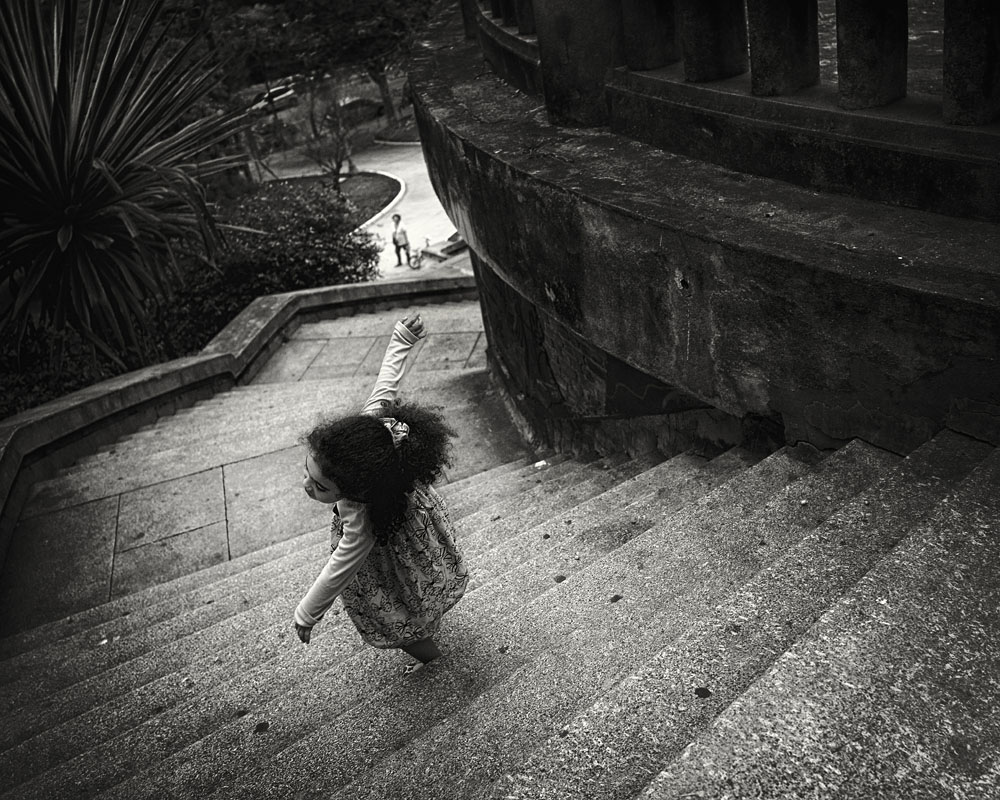
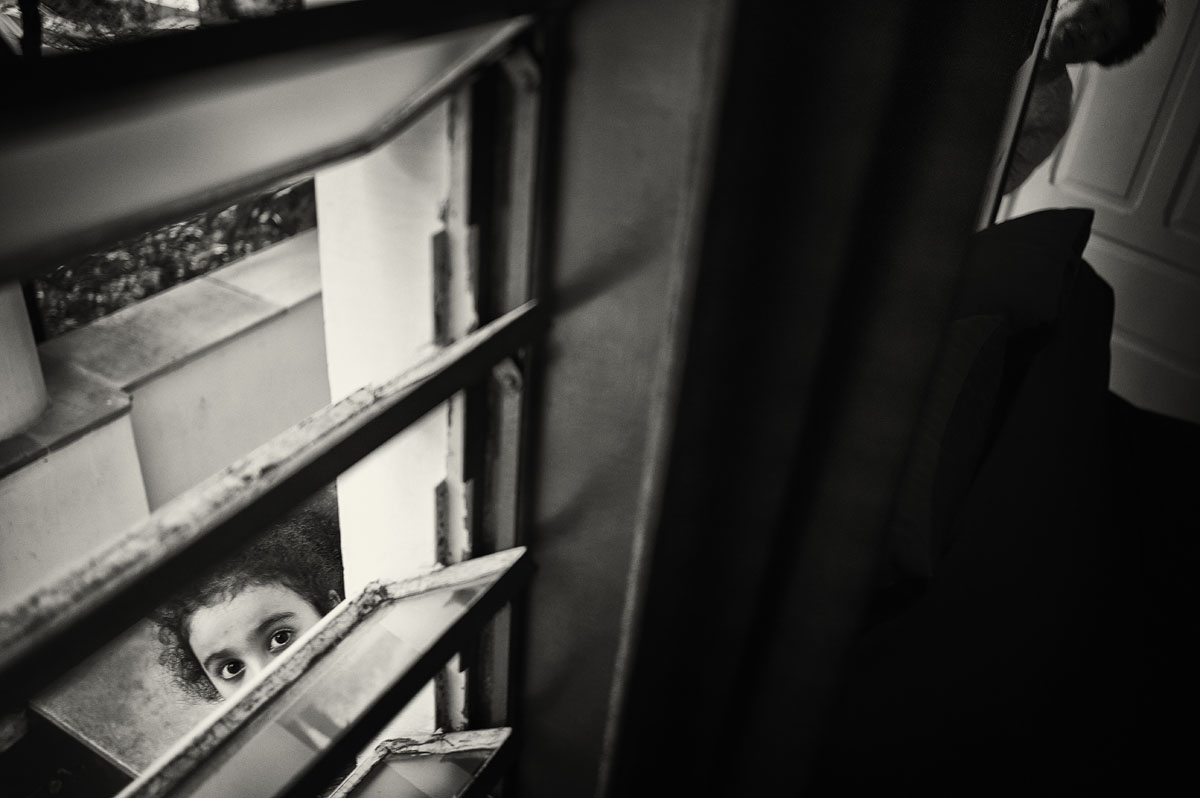
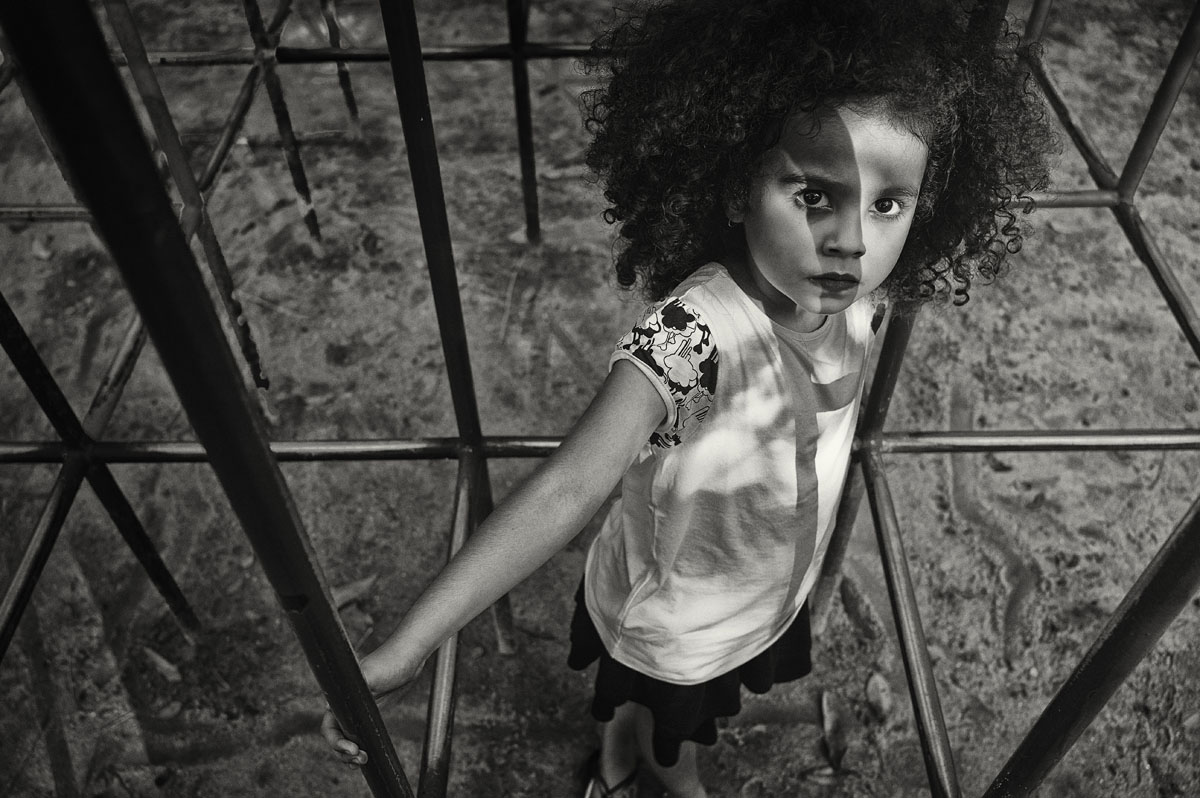
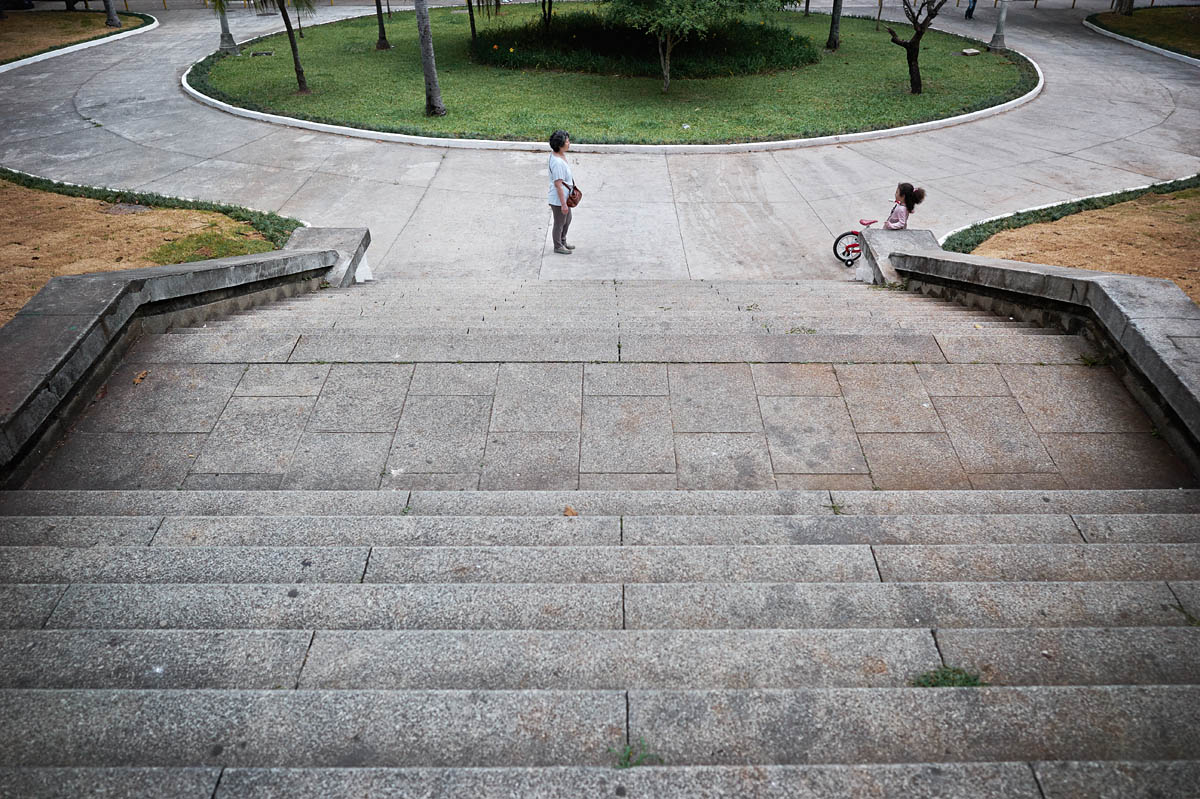
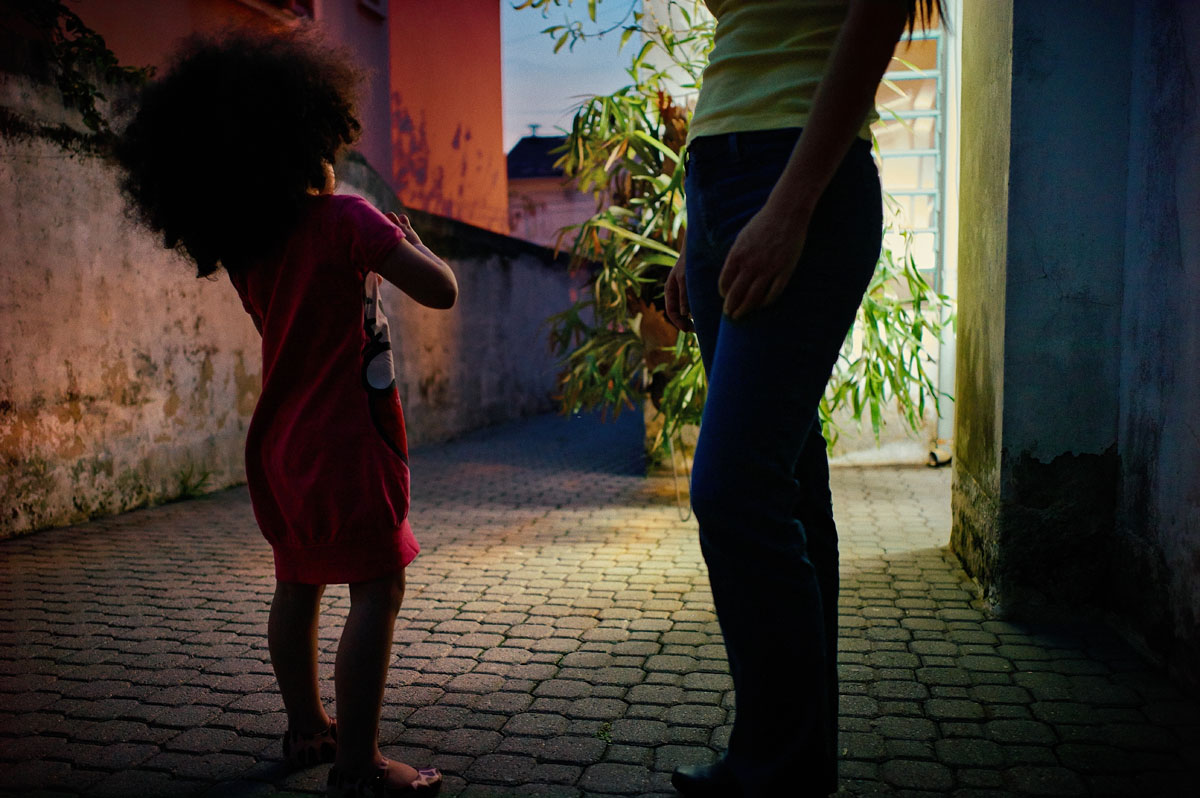
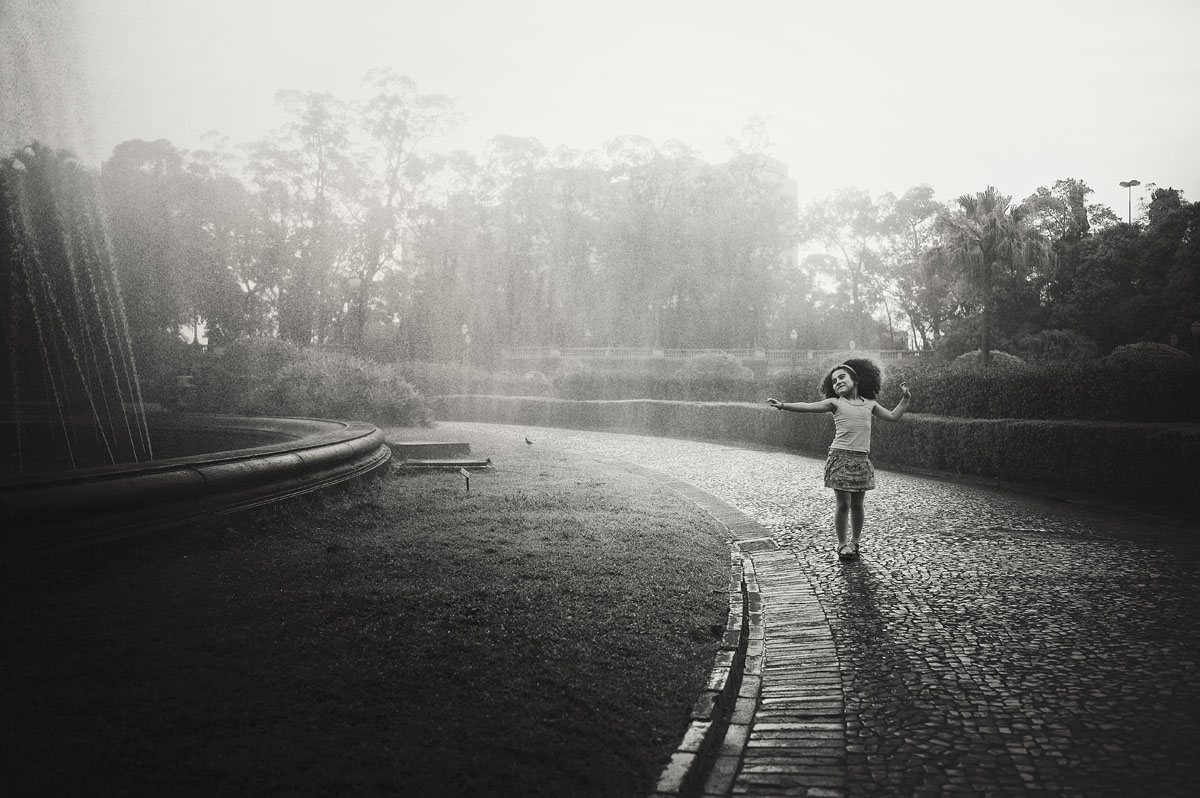
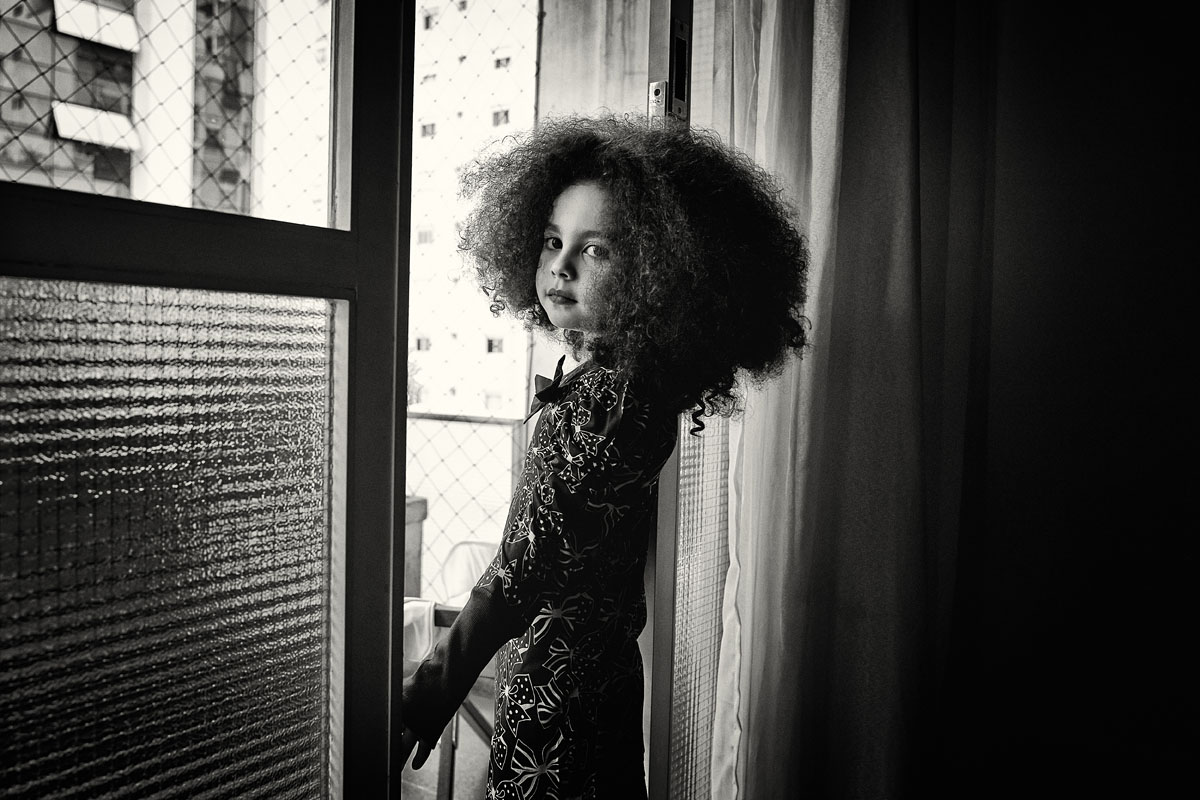
Luiz‘s Muse is quite obviously his beautiful young daughter, who appears in almost every one of his photographs. What struck me then, and continues to resonate with me now, is the Alice in Wonderland-like quality found in his work: each image is seemingly fashioned with a whimsical dusting of make-believe and a real sense of expectation. Overall, there is a surreal quality to each meticulously crafted frame that leaves the viewer feeling not only as if he/she is viewing a series of stunning photographs, but is also turning the pages of some wondrous and magical story-book.
So sit back, relax, and be prepared to be taken to an enchanted world… a world inhabited by one lovely little girl — and an extremely gifted photographer/story-teller.
—Peter.
–
–
__________________________________________
–
What motivated (and still motivates) you to pick up a camera?
“To tell stories — letting the opportunities drive my frames.”
–
What do your images “say” about you?
“It’s hard to describe it for your own images. The picture has to tell you what happened and let you imagine forward. But I think my work presented here is very personal and reveals what is important to me and how I feel about it.”
–
How have you evolved as a photographer/artist over the years?
“For my personal work I try to find the appeal of the simplest things surrounding me, the pure, the genuine — the Life’s Little Moments, if I may use this lovely expression… :)”
–
Any further comments about your work you’d like to share?
“I’m very grateful for this opportunity. Sharing is intrinsic to all us; a way not only to show possibilities but also an exercise to learn through opinions. I do know I have to learn. I’m still doing it and hope I always will.”
_
–
__________________________________________
–

–
–
–
–
–

–
–
–

–
–

–

–
–
–
My sincere gratitude to Mr. Luiz Paulo for generously sharing his wonderful work.
—Peter.
–
–
__________________________________________
–
–
–
–

