

Author: Peter | Prosophos
Joeri.
Inspiration, Q&AMy friend Joeri had some nice things to say about me in a recent article, but you should check out his website for the images.
Thanks Joeri!
—Peter.
Birthday Girl.
2014, Favourite, Inspiration, Leica 35mm Summarit f/2.5, Leica M9(P)/M-E (CCD Lives!), Life's Little Moments, PortraitI’m about two months late in posting this.

October Six.
2014, Favourite, Inspiration, Leica 75mm Summarit f/2.5, Leica M8 (CCD Lives!), Portrait, Street, Uniform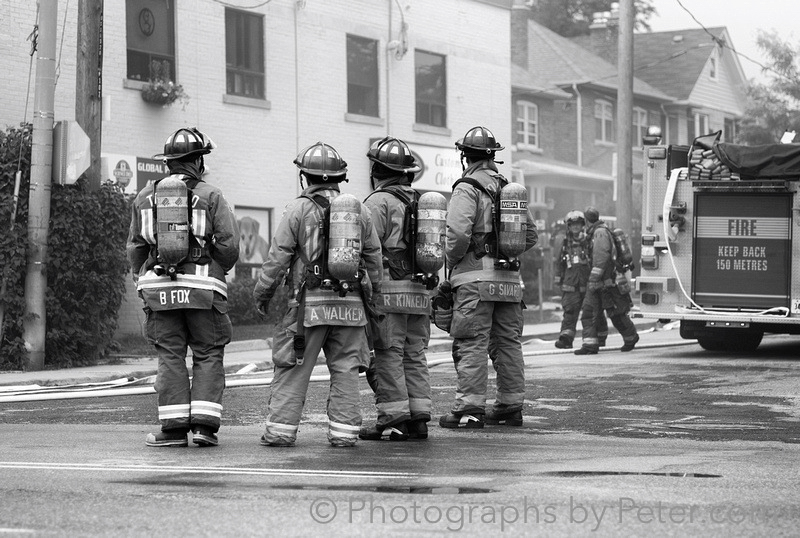
October Four.
Inspiration, Leica 35mm Summarit f/2.5, Leica M8 (CCD Lives!), Life's Little Moments, Print
Zeiss 35mm f/1.4 Distagon T* ZM.
Inspiration, Q&A, Teaching point
It comes in black and silver, of course.
A very intriguing lens.
If the Zeiss 35mm f/1.4 Distagon T* ZM truly surpasses the performance of the Leica 35mm Summilux FLE, it will be impressive. Even if the published Zeiss MTF graphs are misleading and this lens “only” comes close to the FLE, it will still be impressive, given it’s 50% the price of the Leica equivalent.
However, it’s larger than the FLE (but has less distortion).
Looking at the few sample images on the ‘net, it renders very similarly to my 50 Summilux ASPH and the Zeiss 21mm f/2.8 ZM (two lenses I love), at least with respect to the way it draws the (in-focus) subject. Bokeh is not the same.
Did I mention I’m intrigued?
—Peter.
October Three.
2014, Favourite, Film, Inspiration, Kodak Portra 400, Mamiya RZ 110mm F/2.8, Mamiya RZ67 Professional Pro II, Portrait
The Man.
Inspiration, Leica 35mm Summilux ASPH FLE f/1.4, Leica M9(P)/M-E (CCD Lives!), Portrait, Street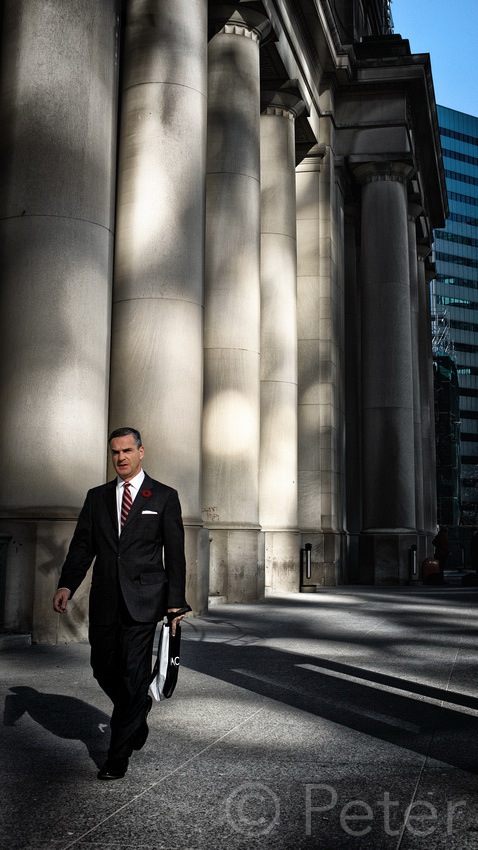
October One.
2014, Favourite, Inspiration, Leica 50mm Summilux ASPH f/1.4, Leica M9(P)/M-E (CCD Lives!), Life's Little Moments, Photo Shoot, Portrait, Street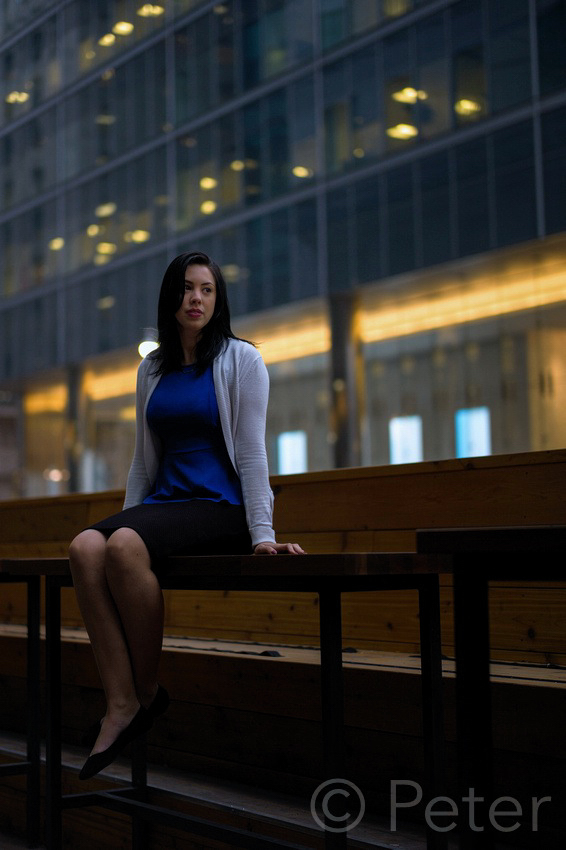
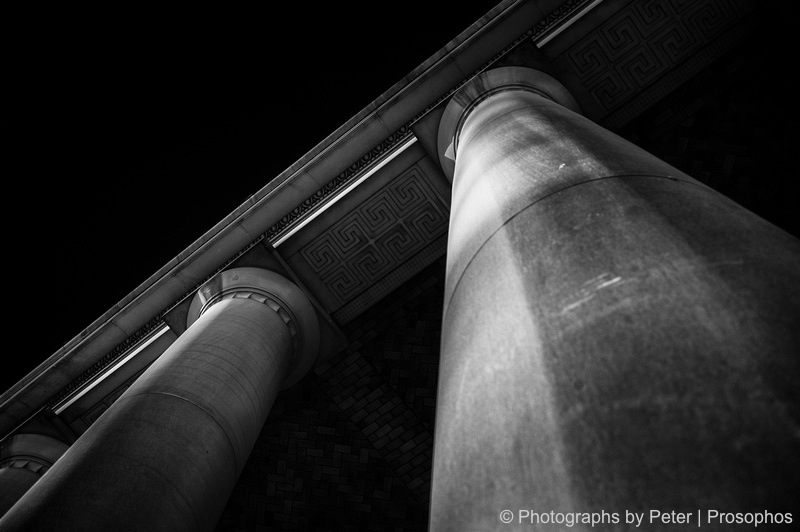
The weight of the darkness.
Inspiration, Leica 35mm Summilux ASPH FLE f/1.4, Leica M9(P)/M-E (CCD Lives!), Print, StreetRemembering 7 years ago today.
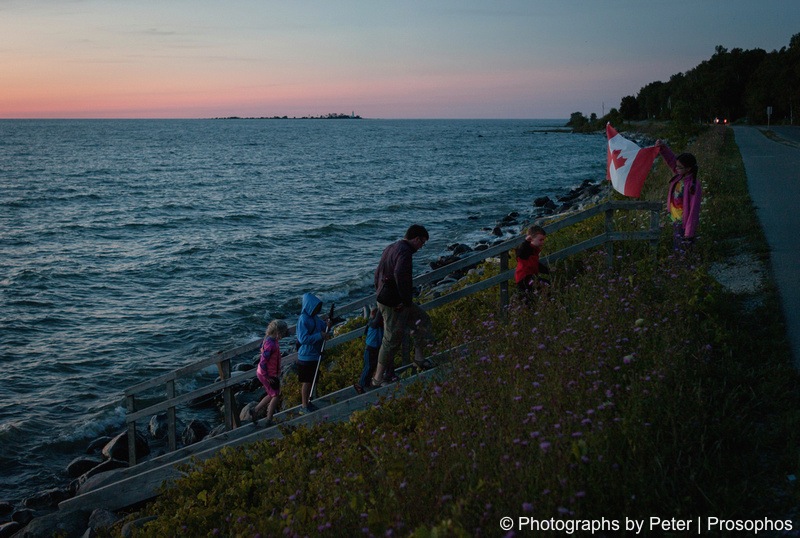
End of Summer.
2014, Favourite, Inspiration, Leica 35mm Summarit f/2.5, Leica M8 (CCD Lives!), Life's Little Moments, Port Elgin, PortraitTime for the darkness to return.
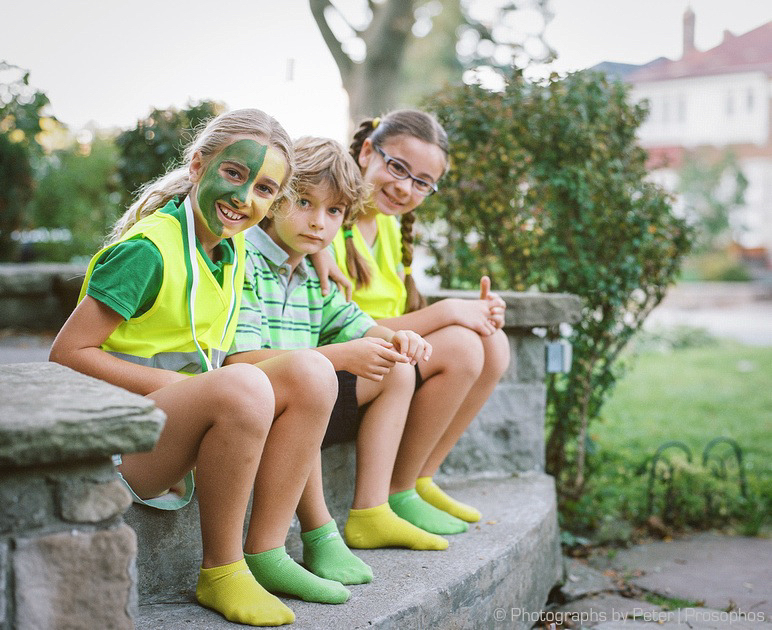
School Spirit Day.
2014, Favourite, Inspiration, Kodak Portra 400, Mamiya RZ 110mm F/2.8, Mamiya RZ67 Professional Pro II, PortraitGreen and yellow.
A night on the town, Part 3.
2014, Favourite, Inspiration, Leica 50mm Summilux ASPH f/1.4, Leica M9(P)/M-E (CCD Lives!), Portrait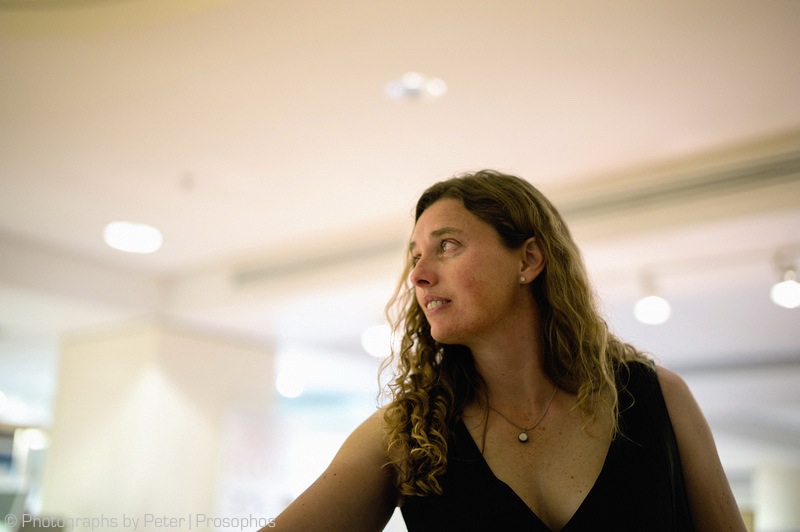
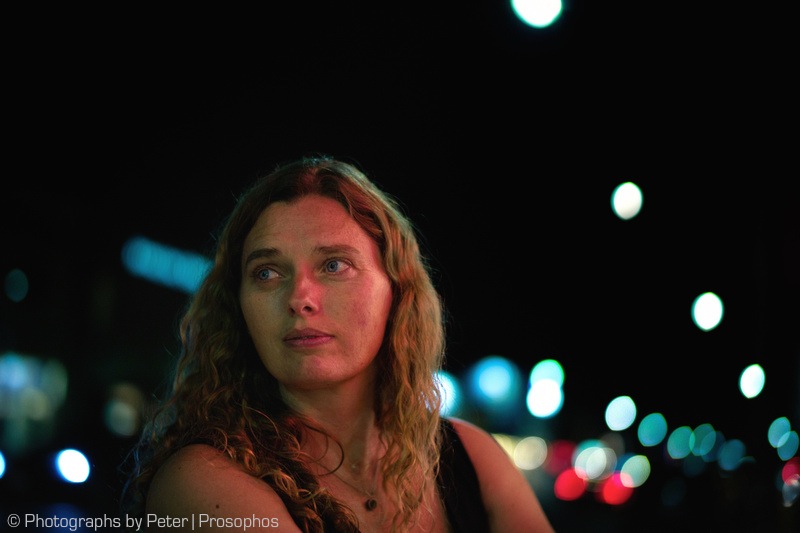
A night on the town, Part 2.
2014, Favourite, Inspiration, Leica 50mm Summilux ASPH f/1.4, Leica M9(P)/M-E (CCD Lives!), Portrait, Street, Teaching pointThe reddish skin rendering may make you believe this was shot with a Leica M240, but she was in fact sitting in front of a large illuminated red sign.
So now I know how to achieve the M240 look, with respect to skin tones anyway.
However, I don’t know how to produce the muddy rendering of the CMOS-crippled Leica M240, as all I can get out of my Leica M9/M-E are those lovely CCD crisp files with superior tonality and colour reproduction, at base ISO.
For those of you who haven’t already done so, perhaps you may be interested in signing My Open Letter to Leica.
(over 280 signatures so far…)
—Peter.
A night on the town.
2014, Favourite, Inspiration, Leica 50mm Summilux ASPH f/1.4, Leica M9(P)/M-E (CCD Lives!), Portrait, Street
In the forest.
2014, Favourite, Inspiration, Leica 35mm Summarit f/2.5, Leica M9(P)/M-E (CCD Lives!), Portrait, Print
The beautiful game – spectators.
2014, Favourite, Film, Inspiration, Kodak Portra 400, Mamiya RZ 110mm F/2.8, Mamiya RZ67 Professional Pro II, Portrait
The Camera Store.
Inspiration, Q&A, Teaching pointChris Niccolls and the rest of the crew from The Camera Store in Calgary (Canada, eh?) always do a great job previewing new cameras, and I often look forward to their video segments.
For those of you who haven’t seen their Pentax 645Z “hands-on field test”, have a look here.
—Peter.

